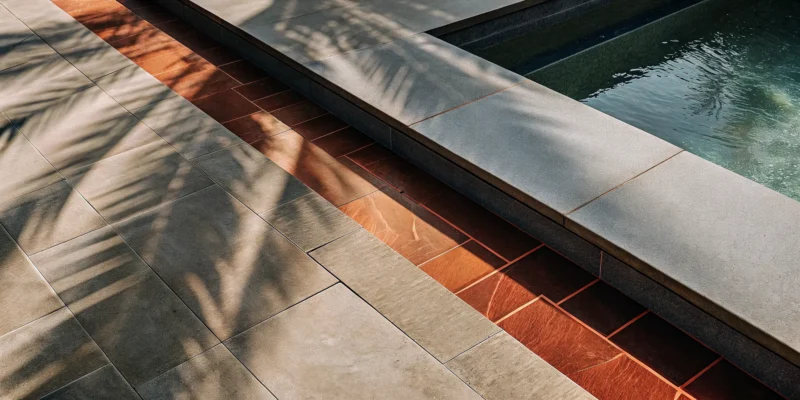
Have you tried everything to get rid of those stubborn brown spots on your bluestone, only to watch them return? Many homeowners reach for a pressure washer or harsh cleaners, but these methods often make the problem worse by damaging the stone’s surface. The issue isn’t on the surface; it’s within the stone itself. Iron deposits are oxidizing and creating rust stains from the inside out. To truly solve the problem, you need a solution that addresses the root cause. This article provides a step-by-step tutorial on How to Remove Brown Spots from Bluestone Copings and Patios with Sealer Stain, the professional-grade solution for a flawless result.
Key Takeaways
- Identify the Real Culprit: Understand that brown spots on bluestone are a natural result of iron oxidation, not a product defect, which means the problem can be managed with the right approach.
- Choose the Correct Treatment: Skip the pressure washer and harsh chemicals that can damage your stone; instead, use a specialized sealer stain that penetrates the surface to even out color and block moisture.
- Prioritize Proper Application: For a flawless, long-lasting finish, always start with a thoroughly clean and completely dry surface, test the product in an inconspicuous spot, and apply the stain in several thin, even coats.
Why Does My Bluestone Have Brown Spots?
If you’ve noticed unsightly brown or rust-colored spots appearing on your beautiful bluestone patio or walkway, you’re not alone. It’s a common issue that can leave homeowners feeling frustrated, wondering if they chose the wrong material or if something is wrong with their stone. The good news is that these spots are rarely a sign of a defective product. Instead, they are usually the result of a natural process happening within the stone itself.
Bluestone is a stunning and durable choice for outdoor spaces, which is why it’s so popular for everything from pool surrounds to elegant patios. However, its natural composition makes it prone to developing these specific types of stains over time. Understanding what causes these spots is the first step toward fixing them and preventing them from coming back. The culprit is a chemical reaction involving iron, water, and air. Once you know why it’s happening, you can take the right steps to restore your bluestone’s original beauty and protect your investment for years to come.
The Role of Iron Oxidation
The simple explanation for those stubborn brown spots is rust. Just like a metal garden tool left out in the rain, the iron inside your bluestone can oxidize. Bluestone is a natural material, and it contains varying amounts of iron minerals as part of its geological makeup. When these iron deposits are exposed to oxygen and water, a chemical reaction occurs, creating iron oxide, which we see as rust.
This process isn’t a flaw in the stone; it’s just a part of its natural character. The spots can appear randomly, concentrated in areas where the iron deposits are closest to the surface. This is why you might see them on some pavers but not others. Gappsi has extensive experience working with all types of porcelain and natural stone pavers, and we understand the unique properties of each.
Environmental Factors That Worsen Stains
Moisture is the main trigger for iron oxidation, so environmental factors play a huge role in how and when these brown spots appear. You might notice the spots look darker or more prominent after it rains, and they may seem to fade when the stone is completely dry. This cycle happens because water activates the iron deposits.
On Long Island, our bluestone is exposed to plenty of moisture from rain, humidity, melting snow, and even lawn sprinklers. Acid rain can sometimes accelerate the oxidation process. Runoff from garden beds can also be a factor, especially if you use fertilizers that contain iron. Effectively managing these environmental triggers is key, and professional restoration and sealing services can provide a protective barrier against moisture.
Why Bluestone is So Susceptible
Bluestone is a type of sandstone, a sedimentary rock known for its dense, durable structure and distinctive blue-gray color. Its composition is what makes it both beautiful and susceptible to iron staining. The very minerals that give bluestone its character, including iron, are distributed throughout the stone. This means that almost any bluestone installation has the potential to develop rust spots over its lifetime.
While it can be disappointing to see these spots appear, it’s helpful to view it as a natural characteristic of the material rather than a defect. The durability and timeless appeal of bluestone are why so many homeowners choose it for their masonry projects. Fortunately, you don’t have to live with the stains. With the right treatment, you can manage the oxidation and keep your bluestone looking its best.
Why Traditional Cleaning Methods Fail
If you’ve tried to scrub or blast away those stubborn brown spots on your bluestone, you’ve probably felt the frustration when they barely budge or quickly return. It’s a common experience, and it’s not your fault. The truth is, the usual cleaning methods you’d use for other outdoor surfaces just don’t work for the deep-set mineral stains in bluestone. In fact, some of these popular techniques can do more harm than good.
Regular cleaning only tackles surface-level grime, leaving the underlying cause of the stains, iron oxidation, untouched. To truly fix the problem, you need a solution that addresses the issue from within the stone itself. Let’s look at why your go-to cleaning strategies are falling short and how they might be making the situation worse for your beautiful bluestone patio or walkway.
The Limits of Pressure Washing
Using a pressure washer can be incredibly satisfying, as you watch dirt and grime disappear in an instant. Unfortunately, when it comes to brown spots on bluestone, that satisfaction is short-lived. Pressure washing only removes surface dirt; it doesn’t penetrate the stone to address the mineral stains causing the discoloration. Worse yet, the high-pressure stream can damage the surface of the bluestone, stripping away its natural protective layer. This makes the stone more porous and even more susceptible to future staining and moisture absorption. While it might look better for a week or two, pressure washing is a temporary fix that can lead to bigger problems down the road.
The Problem with Generic Chemical Cleaners
Your local hardware store has an entire aisle of potent-looking chemical cleaners, but most are a poor match for bluestone. Many generic cleaners are acid-based, which can etch, discolor, and permanently damage the stone’s surface. Milder, non-acidic cleaners, on the other hand, typically aren’t strong enough to lift deep-set iron stains. Beyond their ineffectiveness, many of these cleaners leave behind a chemical residue. If you try to apply a sealer over this residue, it can prevent the sealer from bonding correctly, resulting in a streaky, uneven finish that fails to protect your stone. It’s a classic case of the supposed cure causing another problem.
How Improper Cleaning Makes Things Worse
Even if you find a suitable cleaner, the process itself can create new issues if you’re not careful. One of the most common mistakes is applying a sealer before the bluestone is completely dry. Because bluestone is a porous natural material, it holds onto moisture for a long time after being washed. Sealing damp stone traps that water inside, which can lead to a cloudy or hazy appearance under the sealer. This trapped moisture also prevents the sealer from properly absorbing and curing, leading to weak spots and premature failure. Proper restoration and sealing requires patience and a perfectly dry surface to achieve a durable, beautiful result.
Common Myths About Sealer Stains
When people hear the term “sealer stain,” they often imagine a thick, opaque coating like paint that will cover up the natural beauty of their bluestone. This is one of the biggest myths out there. A high-quality sealer stain designed for natural stone is nothing like paint. Instead of sitting on top, it’s a translucent formula that penetrates the pores of the bluestone. It works with the stone’s inherent characteristics to even out the color variations caused by iron stains while allowing the natural texture and pattern to show through. Think of it as a restorative treatment that enhances your stone’s appearance and provides lasting protection, rather than a cover-up.
What You’ll Need for Sealer Stain Application
Getting the right tools and materials together before you start is the secret to a smooth, successful project. Think of it like gathering your ingredients before you start cooking; it just makes everything easier and far less stressful. When you’re tackling a project like restoring your bluestone, this preparation phase is what separates a frustrating experience from a deeply satisfying one. Properly preparing your bluestone and having the right gear on hand ensures the sealer stain can do its job effectively, giving you that beautiful, long-lasting finish you’re picturing.
This isn’t the time to cut corners. A little prep work now will save you a lot of headaches later and give your patio or walkway the refresh it deserves. It also protects your investment. High-quality bluestone is a gorgeous feature for any home, and treating it correctly keeps it that way. By taking the time to assemble everything you need, you’re setting yourself up for a professional-quality result that not only looks great but also extends the life of your stone. Let’s walk through exactly what you’ll need to get started on the right foot.
Essential Cleaning and Prep Supplies
The most common mistake people make is not cleaning the stone surface thoroughly before applying a sealer. Any dirt, grime, or old sealant left behind can prevent the new sealer stain from adhering properly, leading to a blotchy and ineffective finish. To get your bluestone ready, you’ll need a stiff-bristle brush (not wire), a quality stone cleaner, and access to a hose. For tougher grime, a pressure washer on a low setting can be helpful. You should also grab some painter’s tape and plastic sheeting to protect any surrounding surfaces like siding, plants, or other masonry from accidental drips. Proper surface preparation is non-negotiable for a professional-looking result.
Choosing the Right Sealer Stain
Not all sealers are created equal, especially when you’re trying to correct discoloration. To fix those stubborn brown spots, you need a product that does two things at once: it must even out the stone’s color and provide a protective seal to block water from causing more rust stains. Look for a high-quality, professional-grade sealer stain specifically designed for natural stone like bluestone. These products are formulated to penetrate the stone, providing durable color and protection against stains and weathering. You can find a range of excellent options at the Gappsi Store, where we stock products trusted by our own installation teams for their reliability and superior finish.
Application Tools and Safety Gear
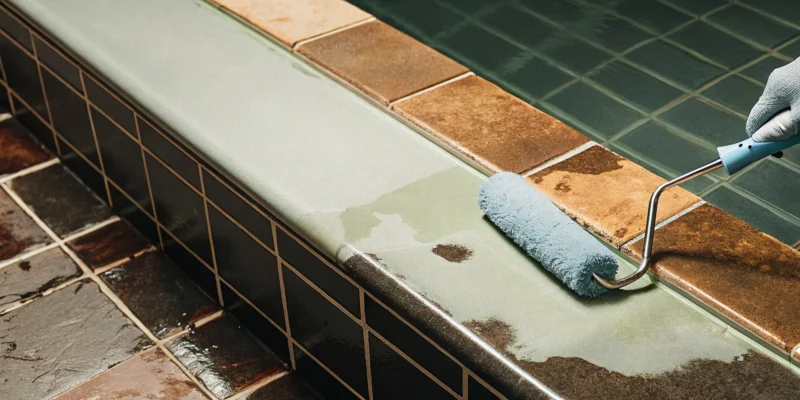
Once your surface is clean and you have your sealer stain, you’ll need the right tools to apply it. A small paint roller with a medium-nap cover works well for the main surfaces, while a good-quality paintbrush is perfect for cutting in along edges and getting into tight corners. You’ll also want a paint tray to hold the sealer. Most importantly, don’t forget your safety gear. You should always wear chemical-resistant gloves to protect your hands and safety glasses to shield your eyes from splashes. Working in a well-ventilated area is also key. Taking these simple precautions ensures the project is not only successful but also safe from start to finish.
How to Apply Sealer Stain to Remove Brown Spots
Ready to tackle those brown spots? Applying a sealer stain is a straightforward process, but the secret to a flawless finish is in the prep work and application technique. Following these steps will help you restore your bluestone’s natural beauty and protect it for years to come. Let’s walk through the process together.
Step 1: Prepare and Clean the Bluestone
This first step is the most important one, so don’t rush it. You need to give your bluestone a deep clean before applying any sealer. Think of it this way: if you don’t remove all the dirt, algae, and grime first, you’ll just be sealing it in, which can make the stains look even worse. Use a pH-neutral stone cleaner and a stiff-bristle brush to scrub the surface thoroughly. After scrubbing, rinse the area completely with a garden hose until the water runs clear. Make sure you remove all the cleaning residue. For stubborn, deep-set grime, you might consider calling in a pro. A professional cleaning and sealing service ensures the stone is perfectly prepped for staining.
Step 2: Test the Stain on a Small Area
Before you commit to staining your entire patio, always test your sealer stain in a small, hidden spot. Every piece of bluestone is unique, and the final color can vary based on its specific mineral composition and porosity. Pick an area that’s usually out of sight, like behind a large planter or under your patio table. Apply the sealer stain exactly as you plan to for the main project and let it dry for at least 24 hours. This gives you a chance to see the true, cured color and make sure you love the result. It’s a simple step that can save you from a big surprise later on.
Step 3: Apply Multiple Thin Coats
When it comes to sealer stain, less is more. It’s much better to apply two or three thin, even coats than one thick, heavy layer. A thick coat can look blotchy, take forever to dry, and may not absorb properly into the stone. Make sure your bluestone is completely dry after cleaning before you begin. Applying sealer to damp stone can trap moisture, leading to a cloudy finish or streaks. By building up the color with thin layers, you get a more uniform, durable, and professional-looking result. This careful approach is key to enhancing the beauty of any natural stone and ensuring it looks its best.
Best Practices for a DIY Application
To get the best results, timing and temperature matter. Try to apply your sealer stain on a mild, overcast day. If you work in direct, hot sunlight, the sealer can dry too quickly on the surface before it has a chance to penetrate the stone. This can lead to an uneven finish and poor protection. The ideal temperature is usually between 50 and 80 degrees Fahrenheit. Work in small, manageable sections, maintaining a wet edge to prevent lap marks where your sections overlap. Always follow the manufacturer’s instructions for application, whether you’re using a roller, a brush, or a sprayer. A little patience here goes a long way toward a beautiful finish.
Safety Precautions and Common Mistakes
Let’s talk safety first. Always wear protective gloves and safety glasses when working with sealers and stains. These products contain chemicals that can irritate your skin and eyes. Also, make sure you have good ventilation if you’re working in a covered or partially enclosed area. A common mistake is forgetting to protect the surrounding surfaces. Use painter’s tape and plastic sheeting to cover any nearby siding, plants, or outdoor furniture to shield them from accidental drips and overspray. Taking a few extra minutes to prep your area can save you a lot of cleanup time later. If the project feels overwhelming, remember that our professional restoration team is always here to help.
Long-Term Benefits of a Sealer Stain Treatment
Applying a sealer stain is more than just a quick fix for brown spots. It’s an investment in the beauty and longevity of your bluestone patio, walkway, or pool coping. This treatment offers a comprehensive solution that not only corrects existing discoloration but also provides a strong defense against future issues, keeping your outdoor spaces looking their best for years to come.
Restore Your Bluestone’s Appearance
A sealer stain treatment is designed to even out the tone of your bluestone, effectively erasing those frustrating brown spots. The goal is to create a uniform color while preserving the stone’s inherent character and texture. Unlike a coat of paint, a quality sealer stain enhances the bluestone’s natural beauty, so it looks refreshed and clean, not artificial. This process revitalizes your investment in high-quality natural stone, making your patio or pool surround look as good as the day it was installed. It brings back the rich, varied colors you loved in the first place, ensuring your outdoor space feels welcoming and well-maintained.
Protect Against Future Staining
The most significant long-term benefit is protection. The sealer stain creates a barrier that penetrates the stone’s surface, preventing water from seeping in. Since water absorption is the primary cause of iron oxidation and rust spots, this sealing action is your best defense against future discoloration. This proactive step makes routine cleaning much easier and reduces the likelihood of stains setting in from spills or environmental exposure. Gappsi’s professional restoration and sealing services ensure your bluestone is properly protected from the elements, giving you peace of mind and a lasting, beautiful finish.
When to Consider a Professional
While it may be tempting to tackle this project yourself, professional application is crucial for achieving a flawless, natural-looking finish. An expert knows how to properly prepare the surface and apply the sealer stain in thin, even coats to avoid a blotchy or painted appearance. If you’re dealing with widespread discoloration, calling a professional can save you time and prevent costly mistakes. Experts who handle masonry projects regularly have the experience to diagnose the specific cause of your staining and apply the most effective treatment, ensuring the results are both beautiful and durable.
How to Maintain Your Treated Bluestone
Once your bluestone is treated, maintenance becomes much simpler. It’s important to avoid harsh cleaning methods like pressure washing or acidic cleaners, which can strip the sealer and damage the stone over time. Instead, a gentle approach is best. Regularly sweep away debris and clean spills as they happen. For a deeper clean, use a pH-neutral cleaner specifically formulated for natural stone. Using the proper cleaning products will preserve the protective seal and keep your bluestone looking pristine without causing harm. This simple routine ensures your restored bluestone stays beautiful for many seasons.
Related Articles
- How to Remove Brown Spots from Bluestone Copings and Patios with Sealer Stain – Gappsi Group
- bluestone patio restoration Archives – Gappsi Group
- bluestone staining Archives – Gappsi Group
- bluestone maintenance Archives – Gappsi Group
- Paver Sealing Guide & Expert Tips for Long-Lasting Results | Gappsi Inc
Frequently Asked Questions
Will the sealer stain make my bluestone look fake or painted? Not at all. This is a common concern, but a quality sealer stain is very different from paint. Instead of forming a thick, opaque layer on the surface, it’s a translucent product designed to penetrate the stone. It works by evening out the discoloration from the rust spots while still allowing the natural texture, color variations, and character of your bluestone to show through. The result is a refreshed, uniform appearance that looks natural, not artificial.
Can I just use a regular clear sealer instead of a sealer stain? While a clear sealer is great for protecting stone from moisture, it won’t solve the problem of existing brown spots. A clear sealer is transparent, so it would simply seal the rust stains in, leaving them visible under the protective coat. A sealer stain is specifically formulated to do two jobs at once: its tint corrects the discoloration, and its sealing properties provide the protection needed to prevent new spots from forming.
Will the brown spots come back after treatment? A proper sealer stain treatment is the best defense against the return of brown spots. The sealer creates a protective barrier that significantly reduces water absorption, which is the trigger for the iron oxidation that causes the rust. While no outdoor surface is completely immune to the elements forever, a high-quality application will protect your bluestone for several years. Proper maintenance, like gentle cleaning, will also extend the life of the treatment.
How often will I need to reapply the sealer stain? The longevity of the treatment depends on several factors, including the amount of foot traffic your patio gets and its exposure to sun and rain. Generally, you can expect a professional-grade sealer stain to last for three to five years. You’ll know it’s time for a refresh when you notice water is no longer beading on the surface or if you see any faint discoloration starting to reappear.
What if I’m not comfortable doing this project myself? That’s perfectly understandable. Achieving a smooth, even finish without lap marks or blotches requires careful preparation and technique. If you’re hesitant or simply want to ensure a flawless result, calling a professional is a great option. Our restoration team has the experience and equipment to properly clean the stone, diagnose any underlying issues, and apply the sealer stain for a durable, beautiful finish.