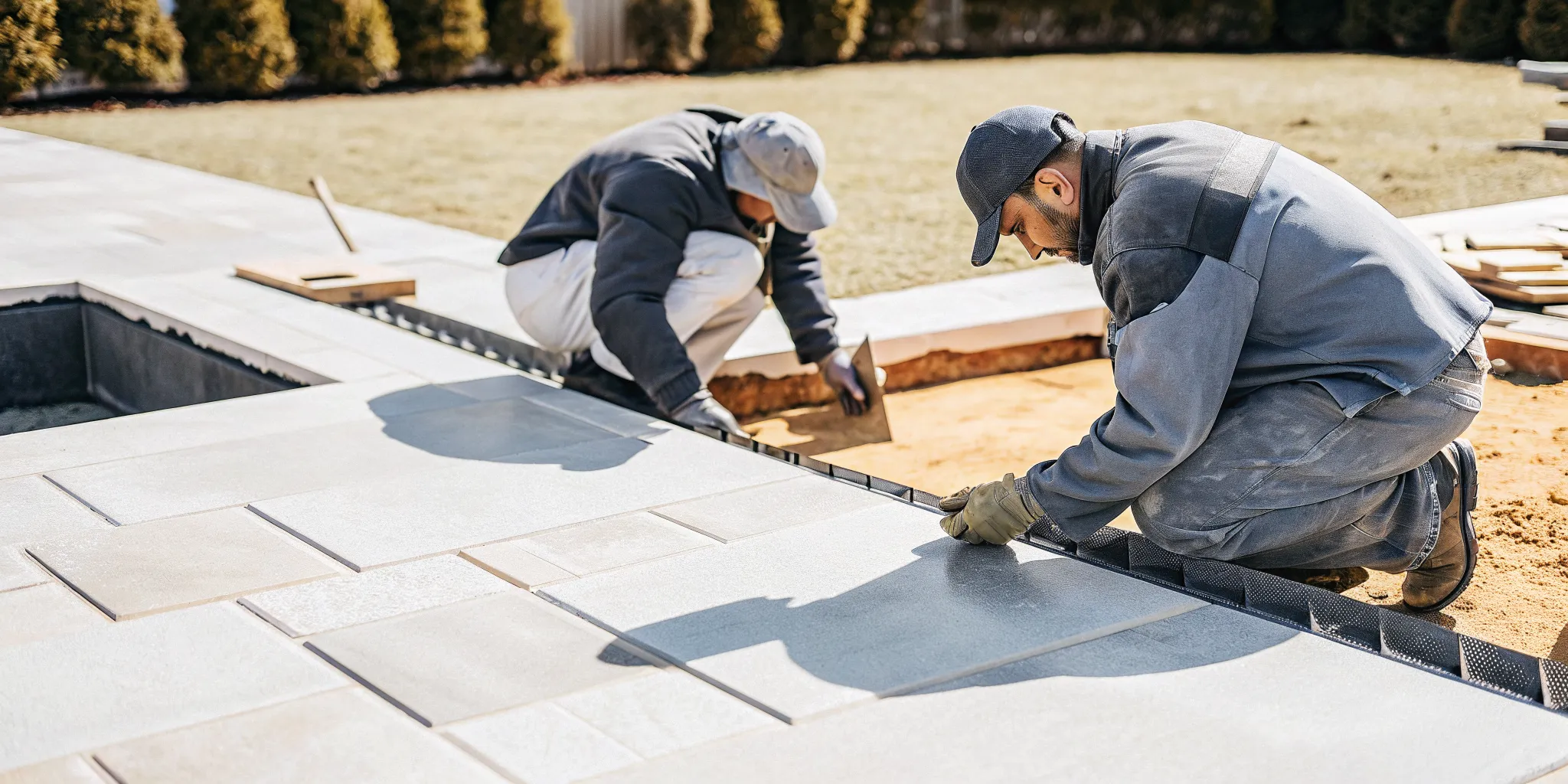
Pickleball builders on Long Island NY discussing court construction plans beside a blue pickleball court.

Find the Best Pickleball Builders on Long Island, NY

Building a pickleball court on Long Island isn’t the same as building one anywhere else. Our unique environment, with its freeze-thaw cycles and diverse soil types, demands specific expertise. A builder who doesn’t understand these local challenges can leave you with a court that puddles, cracks, or shifts over time. Furthermore, every town in Nassau and Suffolk County has its own zoning laws and permit requirements. This is why finding experienced pickleball builders on Long Island, NY, is so critical. You need a team that not only builds a great court but also handles the complex logistics to ensure your project is done right and fully compliant.

Key Takeaways

  • Focus on proven local experience: A builder who knows Long Island’s specific zoning laws, permit requirements, and soil conditions is critical. This local knowledge ensures your court is built correctly and avoids future headaches with compliance or structural issues.
  • Look for a comprehensive plan: A professional builder provides a complete service, not just a playing surface. Your quote should clearly outline every step, including site preparation, drainage, surfacing, fencing, and lighting, so there are no surprise costs.
  • Consider the long-term value: A pickleball court is more than a fun feature; it’s an investment in your home and your family’s well-being. It adds property value and creates a built-in destination for health, social connection, and making memories right in your backyard.

Finding the Best Pickleball Court Builder on Long Island

With pickleball’s popularity soaring across Long Island, adding a court to your backyard is a fantastic way to bring the fun home. But finding the right builder is key to ensuring your investment lasts for years. You need a team that understands the local landscape, from soil conditions to town permits. A great builder will guide you through every step, turning your vision into a reality that’s both beautiful and functional. Let’s look at what makes a premier local expert and what you should look for when comparing your options.

Gappsi: A Premier Local Expert

When you want a job done right, you turn to a local expert with a long-standing reputation. Gappsi has been designing and building custom outdoor spaces in Nassau and Suffolk Counties since 1987. We specialize in creating custom pickleball courts tailored to your property, whether that means building from scratch or converting an old tennis court.

Our process starts with a detailed consultation to understand exactly what you’re looking for. We handle everything from site preparation and drainage to surfacing and fencing, ensuring your court not only performs perfectly but also complements your home’s aesthetic. Hiring a professional team like ours guarantees your court is built correctly and meets all local requirements, giving you peace of mind and a durable, high-performance playing surface.

What to Look for in Other Specialists

As you research builders, you’ll find other specialists on Long Island. A quality builder will manage the entire court-building process from start to finish, making the experience straightforward for you. Look for companies with a strong portfolio of completed projects that showcase their craftsmanship. Ask about the materials they use; some may offer unique surfaces designed for enhanced durability and performance.

A reputable builder will also have deep experience with custom designs, including multi-sport layouts if you want more than just pickleball. Most importantly, they should be committed to building courts that meet official standards for play. You can see examples of our complete project transformations to get a feel for what a start-to-finish professional build looks like.

What Services Do Pickleball Court Builders Offer?

When you decide to add a pickleball court to your Long Island home, you’re not just hiring someone to paint lines on a slab of concrete. Professional builders offer a complete suite of services to take your project from a simple idea to a fully functional and beautiful addition to your property. A true expert handles every detail, ensuring your new court is built to last and perfectly integrated into your backyard. From initial ground-breaking to installing the final net, they manage the entire process so you can focus on planning your first match.

New Court Construction

Building a pickleball court from the ground up is a comprehensive project, and a qualified builder will guide you through every step. The process starts with evaluating your property to find the best location, ensuring proper dimensions and orientation. From there, they handle site preparation, which includes excavation, grading, and establishing a stable base. After the foundation is set, they install your chosen surface, whether it’s traditional acrylic or a modern synthetic material. Gappsi provides end-to-end construction for sports games courts, managing the entire build so you get a professional-grade court right in your backyard.

Court Resurfacing and Conversion

If you have an old, worn-out tennis court or a cracked basketball court taking up space, you don’t have to start from scratch. Many builders specialize in court resurfacing and conversion. They can repair cracks, level the surface, and apply fresh acrylic layers to make an old court look and play like new. This is also a fantastic way to convert an underused tennis court into multiple pickleball courts, maximizing your space and bringing a popular new activity to your home. A quality resurfacing job can extend the life of your court and significantly improve its safety and performance.

Custom Surfaces and Design

Your pickleball court doesn’t have to be standard green. Builders with design expertise can help you create a court that reflects your personal style and complements your home’s aesthetic. You can choose from a wide range of color combinations for the playing area and out-of-bounds sections. Some homeowners even add custom logos or create a multi-sport layout that incorporates basketball or other activities. At Gappsi, we see your court as part of a larger vision for your outdoor living space, and our landscape design team can help you integrate it seamlessly with patios, walkways, and plantings.

Fencing, Netting, and Lighting

A great pickleball court needs more than just a perfect surface. The best builders also provide essential accessories to make your court safe and functional. This includes installing the right kind of fencing to contain stray balls without obstructing views or airflow. They can also install high-quality, permanent net posts and nets. If you dream of playing on cool summer evenings, lighting is a must. A professional will help you plan for and install tall, sturdy light poles that provide even, glare-free illumination across the entire court. Gappsi offers a variety of fencing and netting solutions to complete your project.

What to Look for in Your Pickleball Court Builder

Choosing the right builder for your pickleball court is one of the most important decisions you’ll make. You’re not just hiring a contractor; you’re finding a partner to bring your backyard vision to life. A great builder combines technical skill with a deep understanding of your local environment to create a court that’s not only beautiful but also built to last. They’ll guide you through every step, from initial design to the final net installation. To make sure you find the best fit for your project, focus on a few key qualities that separate the experts from the rest.

Proven Experience and Local Knowledge

When you’re investing in a pickleball court, you want a team that has done this before, many times. Look for a builder with a strong track record of constructing sports games courts specifically on Long Island. Local experience is invaluable because they’ll understand the unique challenges of the area’s soil, climate, and weather patterns. An experienced builder knows how to prepare the ground properly to handle our freeze-thaw cycles, ensuring your court remains level and crack-free for years. They can also recommend the best materials and surface types that will stand up to the sun, rain, and snow, giving you a durable and high-performing playing surface.

Expertise in Long Island Zoning and Permits

Navigating local building regulations can be a real headache, but a professional builder will handle it for you. Every town in Nassau and Suffolk County has its own set of zoning laws, setback requirements, and permit processes. An expert builder will be well-versed in these rules and can manage the entire application process on your behalf. This saves you from the stress of paperwork and potential delays. Before you even break ground, they should be able to tell you exactly what’s possible on your property, ensuring your new court is fully compliant. This expertise is a clear sign of a professional and reliable home improvement company.

Proper Drainage and Site Preparation

What lies beneath your court is just as important as the surface you play on. Proper site preparation and drainage are critical for the longevity of your pickleball court. A professional builder will start with a thorough site evaluation, followed by precise excavation and grading. A correctly installed court should have a slight, almost imperceptible slope (typically 1%) to allow rainwater to drain away naturally. This prevents puddles from forming, protects the surface from water damage, and keeps your court playable more often. The quality of the masonry and base materials used is also essential for creating a stable foundation that won’t shift or settle over time.

Transparent Pricing and Accurate Quotes

You should feel confident and clear about the cost of your project from the very beginning. A trustworthy builder will provide a detailed, transparent quote that breaks down all the expenses, including materials, labor, and any additional features like fencing or lighting. Be wary of vague estimates or quotes that seem too good to be true, as they often lead to surprise costs down the road. A professional company will take the time to discuss the quote with you, explain each line item, and answer any questions you have. This commitment to clear communication builds trust and ensures there are no misunderstandings about the final budget.

A Strong Portfolio and Positive Reviews

The best way to gauge a builder’s quality of work is to see it for yourself. Ask to see a portfolio of their completed pickleball court projects. A proud builder will be happy to share photos and even videos of their past work. Pay attention to the details: are the lines crisp, is the surface smooth, and does the overall installation look professional? You can often find project galleries on their website or social media channels, like a YouTube channel. Additionally, look for reviews from other Long Island homeowners. Positive testimonials are a great indicator that the builder delivers on their promises and provides excellent customer service from start to finish.

How Much Does a Long Island Pickleball Court Cost?

One of the first questions homeowners ask is about the cost. On Long Island, building a new pickleball court can range from $15,000 to $50,000. This is a wide range because the final price depends entirely on your property, your design choices, and the features you include. Think of it less as a simple installation and more as a custom construction project tailored to your backyard. The total investment covers everything from preparing the ground to painting the final lines, and it’s important to understand what goes into that number.

Factors like the type of court surface, the need for significant site work, and additions like fencing and lighting will all shape your budget. A basic court on a perfectly flat piece of land will fall on the lower end of the spectrum, while a fully-equipped court with extensive landscaping and premium materials will be at the higher end. While it’s a significant investment, a well-built pickleball court adds tremendous value to your home and lifestyle. At Gappsi, we specialize in creating beautiful and functional sports games courts that integrate perfectly with your overall landscape design, ensuring your new court is a centerpiece for fun and activity for years to come.

Factors That Influence Your Budget

Several key elements will determine the final cost of your pickleball court. The surface material is a major one. While asphalt is common, a reinforced concrete base is often preferred for its durability and longevity, though it comes at a higher initial cost. According to USA Pickleball, the surface is foundational to the playing experience. Site preparation is another critical factor. A flat, clear area will cost less to prepare than a sloped yard that requires extensive grading and drainage solutions. Adding professional fencing and netting for safety and lighting for nighttime play will also increase the budget. Finally, consider amenities like benches or adjacent pavilions and pergolas for shade, which complete the space but add to the project scope.

How to Get an Accurate Quote

To get a realistic idea of what your project will cost, the best first step is to consult with local builders. An experienced contractor can assess your property and provide a detailed estimate based on Long Island’s specific labor and material costs. Before you call, it helps to have a clear vision of what you want. Defining your requirements, from the court’s dimensions to the type of surface and any extra features, will help a builder give you a more precise quote. As the Sports Facility Advisory group notes, detailed specifications are key to accurate planning. Finally, think about the total cost of ownership. A higher-quality installation might cost more upfront but can save you money on maintenance and repairs down the road, making it a smarter long-term investment.

Why Add a Pickleball Court to Your Property?

Thinking about adding a pickleball court to your Long Island home? It’s more than just a fun trend. A personal court is a fantastic investment in your lifestyle, your health, and your property’s overall appeal. It transforms your backyard from a simple lawn into a destination for fun, fitness, and connection, creating a space where memories are made right at home.

The Health and Lifestyle Benefits

Imagine stepping out your back door for a friendly game that gets your heart pumping without being too hard on your joints. That’s the beauty of pickleball. It’s an incredibly social and accessible sport, perfect for all ages and fitness levels. You can teach your kids, invite your neighbors, or have a weekly match with friends. It’s a wonderful way to stay active, improve your balance, and spend quality time together outdoors. Having one of your own sports games courts means you can play whenever you want, no reservations required. It’s an instant, built-in plan for family fun and personal wellness.

Increase Your Home’s Value and Appeal

A pickleball court is a smart and strategic home improvement. In a competitive real estate market, unique features make a property stand out, and a well-built pickleball court is a highly desirable amenity. It signals that a home is designed for an active and modern lifestyle. This kind of addition can significantly increase your property’s appeal to potential buyers, making your home more memorable and potentially increasing its market value. It’s a home remodeling project that offers a return not just in dollars, but in the enjoyment and distinction it brings to your property.

Completing Your Outdoor Living Space

A pickleball court can be the centerpiece that ties your entire backyard together. It’s not just a standalone feature; it’s an integral part of a complete outdoor living environment. Picture a court situated near a beautiful patio made with porcelain and natural stone, with a shaded pergola for spectators to relax. Gappsi specializes in creating these cohesive spaces, and we can even convert an old or unused tennis court into a brand new pickleball court. By integrating the court with your landscape, pool, and outdoor kitchen, you create a seamless and functional space for both recreation and relaxation.

Related Articles

Frequently Asked Questions

How much space do I actually need for a pickleball court? A standard pickleball court has playing dimensions of 20 feet by 44 feet. However, you need extra space around the perimeter for safe play and runoff. We recommend a total area of at least 30 feet by 60 feet. This gives you enough room to move comfortably without feeling cramped and ensures your court meets official guidelines for play. A professional builder can evaluate your specific property to find the best placement and orientation.

Can I convert my old tennis court into a pickleball court? Absolutely. Converting an underused or worn-out tennis court is a very popular and cost-effective option. The process typically involves repairing any cracks or surface damage, applying a fresh acrylic resurfacer, and then painting the new lines for one or more pickleball courts. Since a tennis court is much larger, you can often fit two, or even four, pickleball courts into the same space, which is perfect for hosting friends and family.

How long does the construction process usually take? The timeline for building a new pickleball court from scratch can vary, but a typical project often takes a few weeks from start to finish. The exact duration depends on several factors, including the extent of site preparation needed, the local permit approval process, and of course, the weather. A project involving extensive grading or custom features will naturally take longer than a straightforward installation on a flat, clear lot.

Why is professional site preparation so important for a court’s longevity? The work done before the surface is even poured is the most critical part of building a lasting court. Professional site preparation ensures the ground is perfectly graded with a slight slope for proper drainage, which prevents water from pooling and causing damage. A stable, compacted base of materials is also essential to prevent the court from shifting, settling, or cracking over time, especially with Long Island’s freeze-thaw cycles. This foundation is what guarantees your court will remain smooth and playable for years.

What kind of maintenance will my new court need? A professionally installed pickleball court is surprisingly low-maintenance. The most important task is to keep the surface clean by periodically using a leaf blower or broom to remove debris like leaves, dirt, and twigs. This prevents stains and keeps the surface safe for play. You should also check the net tension occasionally to make sure it’s at the proper height. A high-quality acrylic surface is built to withstand the elements, so you can spend less time on upkeep and more time playing.

Share this page:
Custom pergola over a landscaped Long Island patio

Pergola Installers Near Me: Compare 3 Structures

The wrong shade structure can leave a Long Island backyard underused for years. The right choice starts with how you plan to use the space.

Pergola installers near me should help Long Island homeowners compare function, weather coverage, and site conditions before recommending a structure. A pergola defines an outdoor living area with partial shade and an open feel, making it well suited to patios, dining areas, and poolside seating. A pavilion adds a solid roof for greater protection from sun and rain, while a gazebo creates a freestanding destination with a more enclosed feel. The best choice depends on the yard, planned use, desired shade, drainage, local permit needs, and connection to the home. Before hiring, ask each installer to explain materials, footings, placement, water management, upkeep, and project responsibilities in plain language. A careful site review and detailed proposal will help you compare designs, avoid surprises, and select a structure built for everyday use.

The real question is not which structure looks best in a photo, but which one fits your yard and routine. Next, Pergola installers near me: start with the right structure shows how to match the structure to your yard before comparing contractors with confidence. Here is how.

Pergola installers near me: start with the right structure

Before searching for a contractor, decide how you want the new outdoor area to work. A pergola, pavilion, and gazebo each shape the yard in a different way. Your choice affects shade, views, furniture placement, and how the space connects with your Long Island home.

Match the structure to daily use

Start with the moments you want to enjoy outside. A pergola suits an open lounge, dining area, or poolside retreat where filtered light adds to the setting. Its open sides keep conversations and sightlines connected to the rest of the yard.

A pavilion works well when full overhead cover is the main goal. It can shelter a dining table, outdoor kitchen, or gathering space while leaving the sides open. A gazebo creates a more defined destination, often with a traditional shape and a sheltered, enclosed feel.

Pergola, pavilion, or gazebo?

Use this comparison to narrow the options before meeting with pergola installers near me. Think about how much sun reaches the site during the hours when you plan to use it. Also note nearby doors, paths, pools, and mature plants.

Feature Pergola Pavilion Gazebo
Shade Filtered and adjustable Full overhead cover Full overhead cover
Openness Open above and around Open sides, solid roof More defined and enclosed
Common use Lounge or dining area Outdoor kitchen or gatherings Quiet seating or garden retreat
Overall feel Light and connected Roomy and sheltered Traditional and distinct

Plan for the Long Island setting

The best option should fit both the house and the site. On a compact property, an open pergola can define a seating area without making the yard feel closed in. On a larger lot, a pavilion or gazebo may create a clear destination away from the home.

Bring contractors photos of the yard and a short list of must-haves. Ask how each structure would sit within the available space and relate to the home’s style. Discuss desired shade, planned furniture, lighting, and the path people will take from the house.

A clear direction also makes contractor quotes easier to compare. Each installer can price a similar scope instead of guessing what you want. That gives you a stronger basis for reviewing materials, layout ideas, and project details.

When is a pergola the best choice?

Partial shade with an open feel

A pergola is a strong choice when you want some shade without closing off the sky. Its open roof filters bright sun while keeping the space airy. This balance works well where a solid roof might feel heavy or block a valued view.

Shade levels depend on the roof design, slat spacing, and the sun’s path across the yard. Adjustable louvers offer more control, while fixed rafters create a steady pattern of light and shadow. The U.S. Department of Energy guidance on shade also shows why sun direction matters when planning outdoor comfort.

Clear definition for outdoor living areas

Pergolas give an open patio a clear purpose. Posts and overhead lines create a room-like shape without adding walls. This visual frame can define a dining area, lounge, poolside seating zone, or gathering place beside an outdoor kitchen.

The structure also helps connect separate features into one planned setting. A pergola near a pool can mark a quiet place away from active water. Over a patio, it can center furniture and help the paved area feel tied to the home.

Placement should support how people move, cook, sit, and gather. It should not crowd key paths or block access to grills and counters. A coordinated landscape design and construction plan can align the pergola with paving, masonry, lighting, planting, and nearby amenities.

Materials and details that fit the setting

The right material depends on the home’s style, upkeep goals, and exposure to weather. Wood brings warmth and can suit traditional settings, but it needs routine care. Aluminum offers crisp lines and lower upkeep, making it a practical fit for many modern yards.

  • Roof style: Fixed rafters create patterned shade, while louvers can adjust light and cover.
  • Post placement: Supports should frame the space without interrupting walkways, seating, or views.
  • Finish and color: These details should relate to the home, patio surface, and outdoor kitchen materials.
  • Built-in features: Lighting, fans, and screens work best when planned before construction starts.

When comparing pergola installers near me, look beyond the structure alone. Ask how the pergola will relate to drainage, utilities, footings, and existing hardscape. Design-build planning helps each part work together and reduces changes after construction begins.

Why choose a pavilion for a Long Island backyard?

A pavilion makes sense when the outdoor living area needs dependable overhead cover. Its solid roof blocks direct sun and helps keep light rain away from the space below. The result feels more like an outdoor room than an open garden feature.

This fuller cover can extend the time a family spends outside during changing Long Island weather. It also gives furniture, serving areas, and outdoor appliances more shelter. Homeowners comparing custom pavilions can plan the roof, posts, and finishes around the wider backyard design.

Pavilion or pergola?

A pergola has an open or slatted top, so it filters sunlight while keeping an airy feel. A pavilion uses a solid roof for more shade and better rain cover. That key difference often decides which structure fits the way a homeowner plans to use the yard.

Searching for pergola installers near me may be a useful starting point, but the first question should be about daily use. A pergola suits a patio where filtered light is welcome. A pavilion better supports meals, gatherings, and long periods outside when steady cover matters.

Space for cooking and seating

A pavilion can define zones without closing off the backyard. One side may hold an outdoor kitchen, while the center supports a dining table. Lounge seating can face the pool, garden, or another key view.

  • Keep cooking heat and smoke away from the main seating area.
  • Leave clear walking paths between counters, tables, and yard access points.
  • Place posts where they will not block views from the house or patio.
  • Plan lighting and power before the roof and finished surfaces are installed.

Good sightlines make the covered area feel connected to the rest of the property. They also help adults watch children near a pool or play area. The pavilion should frame the view instead of becoming a visual wall.

Roof drainage and site planning

A solid roof collects water, so drainage must be part of the first design conversation. Gutters, downspouts, and grading should move runoff away from posts, patios, and the house foundation. The EPA explains how green infrastructure can help capture and soak up stormwater near where it falls.

Long Island sites also differ in wind exposure, salt air, lot size, and nearby trees. These conditions affect roof shape, material choices, and pavilion placement. A careful plan balances overhead protection with open views, safe movement, and a natural link to the home.

Where does a gazebo work best?

A destination within the landscape

A gazebo works best where it can become a destination, not just a cover beside the house. Its freestanding form draws people across a yard and gives the landscape a clear point of focus. Place it where the approach feels inviting and the view rewards the walk.

A garden gazebo can sit at the end of a path, beside a pond, or within a broad planting bed. This setting lets the structure frame flowers, trees, and changing views through the seasons. Before choosing a low area, review the site’s drainage and check the FEMA flood maps for known flood risk.

A focal point beside the pool

Near a pool, a gazebo creates a separate place to rest, talk, or enjoy shade between swims. It should feel connected to the pool area without crowding the main path around the water. A clear view from the house can also help the whole yard feel planned.

Allow enough open space around the gazebo for easy movement, furniture, and routine care. The roofline should also suit the scale of the pool and nearby home. Gappsi’s custom gazebo designs show how shape, materials, and placement can make the structure a true backyard focal point.

Gazebo, pergola, or pavilion?

Each structure serves a different design goal. A gazebo is usually a distinct, freestanding destination with a defined roof and an enclosed visual shape. It fits spaces that need a classic garden feature or an intimate gathering point.

A pergola has a more open roof and often defines a patio, walkway, or seating zone. Its lighter frame can support vines while keeping a strong link to the space around it. A pavilion offers a broad solid roof, making it well suited to larger dining, cooking, or event areas.

  • Choose a gazebo when the yard needs a classic focal point and a smaller retreat.
  • Choose a pergola when filtered light and an open connection matter most.
  • Choose a pavilion when a large covered space is the main goal.

Good placement starts with how people will use the yard each day. Consider views, walking paths, sun, drainage, and the size of nearby features. When comparing gazebo builders with pergola installers near me, ask how each plan supports the site’s purpose and overall layout.

How to evaluate pergola installers near you

Searching for pergola installers near me gives you a starting list, but the best choice depends on the fit for your property. Use the same questions with each installer. A clear process helps you compare design skill, site planning, materials, and project scope.

Start with your space and goals

First, decide how you plan to use the pergola. You may want shade over a dining area, shelter near a pool, or a defined outdoor room. Note your preferred size, style, shade level, and any features you may add later.

  1. Define the project. Share photos, rough measurements, and your main goals with each installer. Explain how people move through the area and when you expect to use it.
  2. Review relevant work. Ask for recent pergola projects with a similar size, material, and setting. Look closely at post placement, roof details, finishes, and how each structure meets the surrounding landscape.
  3. Discuss materials and site conditions. Ask why the installer recommends a material for your location. The discussion should also cover drainage, existing patios, utilities, access, soil, sun, wind, and nearby structures.
  4. Clarify responsibility. Confirm who handles design drawings, engineering needs, permits, site preparation, installation, cleanup, and final checks. Ask how the team manages the different rules used by towns across Nassau and Suffolk Counties.
  5. Compare complete proposals. Request a written scope that lists dimensions, materials, finishes, features, site work, schedule, warranties, and exclusions. Compare the full scope instead of choosing from one headline number.

Questions about design and local rules

A strong installer should explain how the proposed pergola fits your site, not just show a standard model. Ask how roof direction, post locations, drainage, and attachment points affect the final plan. If answers stay vague, request more detail before moving forward.

Permit and code needs can vary by project and local authority. Before work begins, check with your town and review New York State’s building standards and codes resources. The proposal should state who will prepare documents, submit applications, answer questions, and schedule required checks.

A fair proposal comparison

Place each written proposal beside the same project notes. Check whether every installer included the same structure size, materials, shade features, electrical planning, site work, and cleanup. A missing item can make two proposals look more alike than they are.

Also review communication before you sign. Note whether the installer asks useful questions, documents changes, and explains tradeoffs in plain language. These habits help you judge how the team may handle choices and site issues during installation.

What should a design-build process include?

A detailed site review

A consultation-led process starts with the site, not a catalog. The installer should review sun, shade, drainage, access, grade, and nearby structures. This visit also helps define how the pergola will support dining, cooking, relaxing, or poolside use.

The review should cover the home, patio, pool, outdoor kitchen, walkways, and planting beds as one connected setting. It should also flag setbacks, utility locations, permit needs, and local construction rules. FEMA’s building-code research explains how modern codes can reduce damage from natural hazards.

Clear design and material choices

Next, the homeowner and designer should select the structure type, size, roof style, posts, colors, and finish. These choices should fit the home’s scale and the way the yard is used. The plan may also address lighting, fans, privacy panels, power, and future additions.

Material samples make these choices easier to judge. A finish can look different outdoors than it does on a screen. Visiting the Gappsi Smithtown showroom lets homeowners compare materials, construction details, and built examples before approving a design.

  • Confirm the pergola’s purpose, location, size, and preferred level of shade.
  • Compare structural materials, colors, roof options, and care needs.
  • Plan connections to patios, pools, kitchens, lighting, and landscape features.
  • Review drawings, scope, costs, permit duties, and the expected schedule.

Planning through installation

After the design is set, the contractor should provide a written scope and clear plan. It should show what is included, who handles permits, and how crews will reach the work area. Homeowners should also know how existing paving, planting, and utilities will be protected.

Installation should follow the approved plan, with key details checked before final sign-off. Those details include post placement, alignment, drainage, finishes, lighting, and connections to nearby features. A final walk-through should explain care needs and address any remaining work.

When comparing pergola installers near me, ask to see related projects and discuss how the whole yard will work together. Gappsi’s experience since 1987 offers useful context for reviewing long-term design and construction choices. A complete process should leave no gap between the first site visit and the finished outdoor setting.

Frequently Asked Questions

Does a pergola require a permit on Long Island?

Permit requirements depend on the structure, its size, attachment method, and the local building department. Rules can differ among towns and villages in Nassau and Suffolk Counties. Ask the installer who will prepare drawings, submit applications, and schedule inspections. Homeowners can also review New York State building standards and codes resources before confirming the project scope.

How much does professional pergola installation cost?

Professional pergola installation costs vary based on dimensions, materials, roof design, footings, electrical work, site access, and existing hardscape. Custom features such as adjustable louvers, lighting, fans, or screens can also affect the total. Request itemized proposals from several installers using the same project details. Compare included site work, permit responsibilities, warranties, cleanup, and exclusions rather than relying on one headline price.

How long does it take to install a pergola?

The installation schedule depends on design complexity, material availability, permit review, site preparation, and weather. A straightforward pergola on a prepared site may require less field time than a custom structure with new footings and electrical features. Ask each installer for separate estimates covering design, approvals, material lead times, construction, and inspections. Confirm how delays and schedule changes will be communicated.

What maintenance does a pergola need after installation?

Maintenance depends mainly on the pergola material, finish, roof system, and exposure to weather. Wood typically needs periodic cleaning, inspection, and refinishing, while aluminum usually requires simpler washing and hardware checks. Adjustable louvers, lighting, fans, and drainage parts may need added service. Ask the installer for a written care schedule, approved cleaning products, warranty terms, and instructions for checking fasteners after severe weather.

Plan your Long Island outdoor structure with Gappsi

Start with your space and goals

A useful design consultation starts with how you want to use the space. Bring photos, rough measurements, and ideas for shade, seating, lighting, and finishes.

Your town may also have rules that shape the project. Review New York’s building standards and codes, then confirm permit needs with your local building department.

Meet the Gappsi design team

Searching for pergola installers near me can produce many names, but reviewing Long Island pergola, pavilion, and gazebo options before an in-person visit helps you compare practical choices. Visit Gappsi’s Smithtown showroom to see materials, construction details, colors, and outdoor structure styles before making key choices.

Bring your questions and project details, including the site location and preferred timeline. Schedule your design consultation to discuss a Long Island outdoor structure planned around your home and yard.

Share this page:
outdoor kitchen near me layout with stone counters in a Long Island backyard

Outdoor Kitchen Near Me: Long Island Design Guide

A great outdoor kitchen starts with a layout that fits how your family actually uses the yard.

Schedule a visit to Gappsi’s Smithtown showroom to compare outdoor kitchen layouts and materials in person.

An outdoor kitchen near me should help Long Island homeowners compare local design, materials, and installation experience before they commit to a build. The right layout connects cooking, prep, seating, shade, and foot traffic, so the space works for weeknight dinners and larger gatherings. For Nassau and Suffolk homes, a local design-build team can also plan around yard size. Coastal weather, utilities, masonry, and the way the kitchen will connect to patios, pools, and pavilions. Gappsi brings that planning into one process with 3D design, showroom material selection, and installation experience across Long Island.

If you are searching because you want a real plan, not just grill photos, start with the provider and the layout. The first step is understanding how to choose an outdoor kitchen near me on Long Island. Here’s how to compare the options with confidence.

How to choose an outdoor kitchen near me on Long Island

Choose an outdoor kitchen near me by comparing local design-build experience, showroom access, material knowledge, and examples from similar Long Island properties. The best fit should explain layout, utilities, masonry, appliances, and installation before you approve the project.

Local search intent

Searching for an outdoor kitchen near me is usually the first step, not the full plan. A useful local search should lead to a provider who can assess the property and explain the build process. For Nassau and Suffolk homeowners, local knowledge also makes early planning more practical.

Start by looking beyond a photo gallery. Review the provider’s custom outdoor kitchen designs to see whether the work includes more than a grill island. Look for layouts that fit the yard and connect with nearby patios, pools, or pavilions.

The planned use matters. According to Realtor.com guidance on outdoor kitchens, a functional kitchen needs a cooking area, refrigeration, and a sink. Ask how each item will fit the way your household cooks and hosts guests.

A design-build process

An outdoor kitchen is part of the property, not a stand-alone appliance purchase. The right provider should discuss layout, materials, appliances, masonry, and installation before construction starts. Ask whether one team can coordinate these parts from the first design meeting through the final checks.

Three-dimensional planning can make that discussion easier. It lets homeowners review counter placement, seating space, work zones, and the kitchen’s fit within the yard before installation. Ask to see the proposed layout from several angles. Also confirm how the plan accounts for access paths and the wider outdoor living area.

A strong plan should answer practical questions early. Where will guests sit while someone cooks? How will the kitchen relate to the house and other outdoor features? Clear answers help the project move from an idea to an organized build.

Showroom access and installation experience

Materials should be judged in person when possible. Countertops, stone facades, cabinet finishes, and paving materials can look different in a small online image. A chance to visit a Long Island showroom helps homeowners compare surfaces and make a more informed choice.

Installation experience matters as much as design. Ask who will prepare the site, build the structure, fit the selected materials, and manage the final details. A provider should explain the sequence in plain terms. The answer should make clear who is responsible at each stage.

  • Ask to review a three-dimensional layout before approving the build.
  • Compare countertop, facade, cabinet, and paving materials in person.
  • Confirm who manages site work, masonry, appliance placement, and final checks.
  • Request examples that reflect the scale and style of your own yard.

For Long Island homeowners, the best local fit is a provider with a clear process and visible materials. Showroom access, detailed planning, and hands-on installation experience make it easier to compare options before work begins.

Best outdoor kitchen layouts for Long Island yards

The best outdoor kitchen layout depends on yard size, traffic flow, and how close the cooking area sits to patios, pools, pavilions, or the house. Straight-line, L-shape, U-shape, island, and pavilion-adjacent layouts all work when they match the way the family cooks and hosts.

Match the layout to the yard

The best layout starts with the way the yard is used. A straight-line kitchen can fit a narrow patio or deck without taking over the seating area. An L-shape adds prep space while keeping the cook connected to guests. For larger yards, a U-shape can create a more defined cooking zone.

An island layout works well when guests gather around the cook. Pavilion- or pergola-adjacent kitchens can add shade and support seasonal use. A poolside kitchen can serve swimmers and hosts, but it needs a clear path that does not cross the cooking area. Gappsi’s custom outdoor kitchens on Long Island show how a kitchen and pavilion can share one outdoor living plan.

Layout Best fit Planning note
Straight-line Narrow patio Keeps walkways open.
L-shape Medium patio Separates prep and seating.
U-shape Large yard Creates a defined cook zone.
Island Open entertainment area Invites guests to gather.
Pavilion-adjacent Covered outdoor room Adds shelter for mixed weather.

Plan utilities and exposure first

Before choosing a shape, map the grill, sink, refrigeration, lighting, and storage. Place each utility line before masonry begins. This helps avoid awkward appliance gaps or costly changes later. If the kitchen sits far from the house, decide whether the distance improves the yard enough to justify longer utility runs.

A functional outdoor kitchen needs more than a grill. A guide to outdoor kitchen planning notes that the minimum includes a cooking area, refrigeration, and a sink. Wind matters too. Avoid placing the cooking surface where smoke will drift toward dining seats, doors, or open windows.

Shade also needs a plan. A pavilion or pergola can make the space more useful during hot afternoons and light rain. For a homeowner searching for an outdoor kitchen near me, local yard conditions matter as much as the kitchen shape.

Keep hosting zones connected

Plan a simple route from the house to the kitchen, dining table, pool, and lounge area. The cook should not stand in the main walkway. Guests also need a place to gather without blocking a refrigerator door or prep counter. Use nearby seating to keep the kitchen social, then leave enough open space for safe movement.

Seasonal use can guide the final choice. Long Island homeowners who host through spring and fall may prefer a sheltered cooking and dining zone. Those focused on pool season may favor a poolside layout with direct access to drinks and serving space. Zillow research on outdoor kitchens found that these features can help homes sell for more than expected.

What should your outdoor kitchen include?

A practical outdoor kitchen should include a cooking zone, durable counter space, weather-ready storage, safe circulation, and seating that lets guests stay near the cook without blocking prep work. Refrigeration, sinks, shade, and lighting can be added when the property and budget support them.

A useful outdoor kitchen starts with the way you host. Some homeowners cook for a few guests, while others serve large family meals. Plan zones for cooking, prep, serving, and cleanup before choosing finishes. The NIH environmental wellness toolkit notes that your daily surroundings can affect your health.

Cooking zone essentials

Start with a grill sized for your usual gatherings. Add side burners or a specialty appliance only if you will use them often. A refrigerator keeps drinks and ingredients near the grill. A sink gives you a place to rinse produce, wash hands, and handle cleanup.

These items form the practical core of the space. Realtor.com notes that an outdoor kitchen needs a cooking area, refrigeration, and a sink at minimum. Put the refrigerator away from the hottest part of the grill. Keep the sink close enough for easy prep.

Prep space and durable surfaces

Leave clear counter space beside the grill and sink. This gives you room for trays, ingredients, and finished food. A masonry base helps the kitchen feel tied to the patio. Stone or porcelain surfaces add a polished finish and suit a custom layout.

Weather protection also matters on Long Island. A pavilion, pergola, or well-placed roof can shade the prep area and make outdoor meals more comfortable. Task lighting over the grill and counters supports evening use. For a built example, review this custom outdoor kitchen on Long Island.

Seating and storage choices

Storage should match how you serve food. Use drawers near the prep area for tools, utensils, and towels. Add cabinets for dishes, serving trays, and supplies that stay outside. Keep trash storage close to the sink, but away from bar seating.

Bar seating works best along an outer edge or raised counter. Guests can talk with the cook without crowding the work zones. If you often host larger groups, leave open space between stools and nearby paths. When comparing results for an outdoor kitchen near me, look for a plan that fits your real hosting habits.

outdoor kitchen near me material planning for a Long Island backyard

Outdoor kitchen materials that hold up in Nassau and Suffolk

Long Island outdoor kitchens need materials that can handle freeze-thaw cycles, salt air, sun exposure, and regular entertaining. Masonry bases, porcelain or natural stone surfaces, stainless appliances, and compatible pavers help the kitchen stay durable and consistent with the rest of the yard.

Material choice shapes how an outdoor kitchen looks, feels, and ages. In Nassau and Suffolk, the plan should account for coastal exposure, winter cold, and freeze-thaw cycles. Start with surfaces made for outdoor use, then compare colors and textures in person.

A durable masonry base

Masonry gives an outdoor kitchen a solid foundation and a built-in look. Natural stone, porcelain, and concrete can each suit the facade or nearby hardscape. The right mix depends on the home, patio, pool area, and desired finish.

Pavers also matter because the kitchen sits within a larger outdoor room. Choose a surface that supports foot traffic, seating, and the path between cooking and dining zones. For a local example, see this Merrick project featuring one of Gappsi’s custom outdoor kitchens on Long Island.

Ask how each exposed surface fits the setting and seasonal care plan. A coastal property may call for a different material review than a more sheltered yard. The base, facade, counter, and pavers should work as one system.

Counters and appliance finishes

A counter needs enough work space for prep, serving, and cleanup. Ask which natural stone, porcelain, or concrete options are intended for exterior use. Also review the edge, seams, and color beside the selected facade rather than as a separate sample.

Stainless steel is a practical finish to consider for grills, doors, drawers, and refrigeration. Appliance placement still needs careful thought. It should support the cooking flow while leaving clear room for guests, seating, and service access.

  • Compare facade materials beside the planned counter.
  • Review pavers with the kitchen, patio, and pool setting in mind.
  • Check appliance sizes before the masonry layout is final.
  • Discuss seasonal care for every exposed surface.

A local material review

When searching for an outdoor kitchen near me, look beyond a catalog image. Gappsi is a direct importer of premium stone and materials, with options for kitchen counters and facades. Its custom outdoor kitchen designs can pair those materials with the full layout.

Outdoor kitchens can also support resale appeal. Zillow reports that homes with outdoor kitchens can sell for as much as 3.1% more than expected. That makes a durable, cohesive plan more useful than chasing one trendy finish.

A showroom visit makes the choice more concrete. Compare stone, porcelain, concrete, stainless finishes, and pavers together before the final design is set. This helps align the kitchen with the home’s style and the wider outdoor space.

Request an outdoor kitchen consultation with Gappsi before choosing appliances, counters, or masonry finishes.

How does the design-build process work?

A design-build outdoor kitchen process usually moves from consultation and site review to 3D layout, material selection, utility planning, construction, and final walkthrough. One coordinated team helps the kitchen fit the patio, pool, pavilion, and wider outdoor living plan.

From site review to a working plan

A well-planned outdoor kitchen starts with the property, not a standard package. Gappsi’s full-service design-build contractor approach keeps layout, materials, utilities, and installation connected from the first meeting. This helps the finished space fit the home, patio, and way the family cooks outside.

For a homeowner searching for an outdoor kitchen near me, the process should answer practical questions early. The team needs to know where people gather, how food reaches the grill, and which views should remain open. It also needs to account for existing hardscape, access paths, and nearby structures.

  1. Consultation and site review. The process begins with a discussion of cooking habits, seating needs, appliances, and style. A site visit then checks the available space, the flow from the house, and access for construction.
  2. Layout and 3D design. The team maps the kitchen footprint and places the main work zones. A 3D design helps the homeowner review counter runs, appliance locations, seating areas, and nearby features before installation begins.
  3. Material and appliance selection. The homeowner chooses the facade, countertop, cabinets, and cooking equipment. These choices should suit the home and planned use, while also standing up to Long Island weather.
  4. Utility planning. The design team plans gas, electric, water, drainage, and lighting needs around the approved layout. This step keeps appliance locations practical and limits changes once masonry work is underway.
  5. Masonry and kitchen installation. The crew builds the base, installs the selected finishes, and sets the appliances. The work can also connect the kitchen with patios, walkways, walls, or other expert masonry and hardscaping features.
  6. Final walkthrough. The homeowner reviews the completed outdoor kitchen with the team. This is the time to confirm the finished details, appliance placement, work areas, and care needs for the selected surfaces.

One team for connected decisions

Outdoor kitchens work best when each choice supports the next one. The counter layout affects appliance placement. Appliance placement affects utility runs. Utility runs affect the masonry base, so these decisions should not be handled as separate tasks.

A single design-build team can keep those details aligned and reduce handoffs between contractors. Homeowners can also review a completed outdoor kitchen design-build experts project to see how a kitchen can fit an existing deck and outdoor setting.

A plan shaped around the property

The final plan should support more than cooking. It should make the yard easier to use for meals, guests, and time outside. A research review indexed by NCBI found associations between greenspace exposure and several health measures, including lower heart rate and diastolic blood pressure.

That does not mean every yard needs the same layout. A compact patio may call for a focused grill station. A larger property may need separate cooking, dining, and lounge areas linked by matching masonry and clear walking paths.

What is the average cost for an outdoor kitchen?

Outdoor kitchen cost varies by size, appliances, masonry, counters, utilities, shade structures, and site conditions. Instead of relying on a generic estimate, Long Island homeowners should define the layout and feature list first, then request a scoped consultation.

Cost depends on scope

The average cost for an outdoor kitchen depends on what the space must do. A simple grill station has a very different scope than a full masonry kitchen with refrigeration, storage, lighting, and seating. For that reason, a reliable local estimate should start with a site review and a layout discussion.

Homeowners searching for an outdoor kitchen near me often want a quick number. The better question is what drives the final investment. Size, appliances, utility runs, stone or porcelain choices, countertop length, patio work, shade structures, and access to the work area can all change the scope.

Features that change the budget

A cooking-only station usually needs less counter space and fewer utility decisions. A kitchen built for hosting needs more prep room, guest seating, storage, refrigeration, and lighting. If the kitchen connects to a pool patio, pavilion, retaining wall, or new paver area, those details should be planned together.

Appliances also shape the budget. Built-in grills, side burners, pizza ovens, ice makers, sinks, and outdoor refrigerators each need space and support. Some features may also need gas, electric, water, or drainage planning. A design-build team can help decide which items are worth including now and which can wait.

How to plan without pricing surprises

The best way to control cost is to define the layout before selecting finishes. Start with the way your family cooks and entertains. Then set priorities for the grill area, prep space, seating, storage, and weather protection. This keeps the design focused on use, not impulse upgrades.

Gappsi’s guide to outdoor kitchen installation cost is a helpful next step for homeowners who want to understand pricing factors in more detail. Use it with an in-person consultation, so the estimate reflects your actual Long Island property.

  • Decide whether the kitchen is for daily cooking, weekend hosting, or both.
  • Choose the core appliances before finalizing counter runs and cabinet space.
  • Review utility needs before masonry work begins.
  • Compare material samples in person when possible.

A good estimate should explain what is included, what is optional, and what may change after site review. That level of detail helps you compare outdoor kitchen options without relying on vague package pricing.

Frequently asked questions about outdoor kitchens

Does an outdoor kitchen add value to a house?

An outdoor kitchen can add value when it is well planned, built with durable materials, and matched to how buyers use the yard. On Long Island, the strongest value often comes from a complete outdoor living plan, not a stand-alone grill island.

What is the cheapest way to build an outdoor kitchen?

The cheapest approach is usually a compact layout with fewer built-in appliances and a clear utility plan. Still, low cost should not mean weak materials. A smaller masonry kitchen with the right grill, counter space, and storage can work better than an oversized design with poor flow.

What is the best outdoor kitchen layout?

The best layout depends on yard size, cooking habits, and guest flow. Straight-line kitchens suit compact patios. L-shaped and U-shaped layouts add more prep and serving space. Island layouts work well when guests gather around the cook.

How close should an outdoor kitchen be to the house?

Many outdoor kitchens work best close enough for easy access to the indoor kitchen, but far enough to manage smoke, heat, and foot traffic. A design-build review should account for doors, windows, utilities, seating, and safe movement through the yard.

Schedule your Long Island outdoor kitchen consultation

If you are ready to compare outdoor kitchen layouts for your Nassau or Suffolk County home, Gappsi can help you move from ideas to a buildable plan. Visit the Smithtown showroom to review materials, discuss appliances, and see how a 3D design can connect your kitchen with the rest of your outdoor living space.

Call 631-543-1177 to schedule a 3D design consultation or plan your showroom visit with Gappsi.

If you are moving from initial ideas to a permanent layout, use our built in outdoor kitchen planning guide to compare location, materials, utilities, appliances, and weather-ready details before construction.

Share this page:
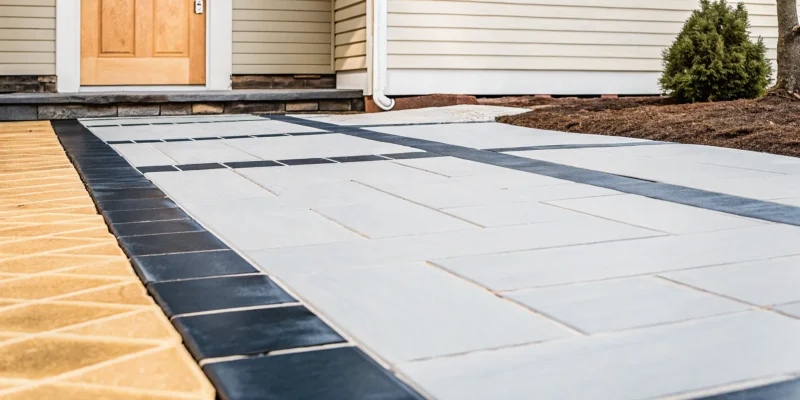
A modern paver stone driveway installed by masonry contractors on Long Island, NY.

Your Guide to Masonry Contractors on Long Island, NY

Many Long Island yards come with challenges. You might have a sloped property that’s difficult to use, a cracked driveway that ruins your home’s first impression, or simply no dedicated space for outdoor entertaining. These are the exact problems that professional masonry is designed to solve. A well-built retaining wall can turn a useless hill into a beautiful tiered garden, while a new paver patio creates the perfect spot for family gatherings. The best masonry contractors on Long Island, NY are expert problem-solvers, using stone, brick, and concrete to add both function and style to your property. This guide will show you how the right masonry project can fix your yard’s biggest issues and transform it into a space you love.

Key Takeaways

  • Masonry is more than just bricks: It is the art of building the durable, beautiful structures that define your outdoor living area, from patios and walkways to retaining walls and outdoor kitchens.
  • Your contractor is your project partner: Protect your home and investment by choosing a professional who is fully licensed, insured, and provides a detailed written contract before starting any work.
  • A detailed plan prevents surprises: Ensure a smooth project by getting itemized estimates to compare value, setting a realistic budget, and confirming your contractor will manage the local permit process for you.

What Does a Masonry Contractor Do?

When you hear the term “masonry contractor,” you might picture someone laying a simple brick wall. While that’s part of the job, their skills cover a much wider range of services that are essential for creating beautiful and durable homes. A great masonry contractor is both an artist and an engineer, blending materials like stone, brick, and concrete to build structures that are as strong as they are stunning. From the foundation of your home to the intricate details of your outdoor patio, their work is everywhere. Let’s look at the specific tasks a masonry contractor handles.

Laying Bricks, Blocks, and Stones

At its core, masonry is the art of building with individual units. A contractor’s expertise involves skillfully laying bricks, blocks, and stones to form everything from foundational walls and chimneys to decorative garden borders and veneers. They understand how different materials and mortar types react to Long Island’s weather, ensuring your structures are built to last. This foundational skill is what allows for the creation of sturdy retaining walls that prevent soil erosion or elegant brickwork that gives your home timeless curb appeal. It’s a craft that requires precision, strength, and a deep knowledge of materials.

Pouring Concrete and Building Structures

Many masonry projects require a solid base, which is where concrete comes in. Professional masonry contractors are also experts at pouring concrete for a variety of applications. This includes creating strong foundations for new home additions, pouring slabs for sheds or pavilions, and forming structural components that provide stability for larger projects. They manage the entire process, from building the forms and mixing the concrete to finishing the surface for a smooth, level result. This expertise ensures that whatever is built on top, whether it’s a pergola or an outdoor kitchen, has the support it needs to remain secure for years.

Creating Patios, Walkways, and Outdoor Features

This is where a masonry contractor’s creativity really shines. They are the professionals you call to transform your backyard into a functional and inviting outdoor living space. Using materials like beautiful porcelain and natural stone pavers, they design and build custom patios for entertaining, elegant walkways to guide guests through your garden, and stunning pool surrounds. Their work can also include building outdoor kitchens, fire pits, and seating walls that become the centerpiece of your backyard. These features not only make your outdoor areas more enjoyable but also add significant value to your home.

Repairing, Restoring, and Sealing Surfaces

Masonry isn’t just about building new things; it’s also about maintaining and protecting existing structures. Over time, exposure to the elements can cause cracks in concrete, fading in pavers, or deterioration of mortar joints. A qualified contractor provides essential restoration and sealing services to address these issues. They can repair cracked patios, repoint aging brickwork, and apply professional-grade sealants to protect surfaces from water damage, stains, and wear. This preventative maintenance keeps your investment looking its best and extends the life of your masonry for decades.

Popular Masonry Projects for Long Island Homes

Masonry is the backbone of a truly exceptional outdoor living space. It’s what gives your yard structure, character, and timeless beauty. On Long Island, where we love to make the most of our properties, custom masonry allows you to shape your environment to fit your lifestyle. Whether you’re dreaming of a sprawling patio for summer barbecues, a cozy fire pit for crisp autumn evenings, or elegant walkways that guide guests through your garden, it all starts with stone, brick, or concrete.

A skilled masonry contractor does more than just lay stones; they bring a vision to life. The right project can solve practical problems, like managing a sloped yard or creating a durable driveway, while also adding significant value and curb appeal to your home. From foundational structures to decorative finishes, masonry work is a long-term investment in your property’s function and style. Below are some of the most requested projects that transform Long Island backyards into personal retreats, blending seamlessly with features like swimming pools, pergolas, and lush landscapes.

Paver Patios and Walkways

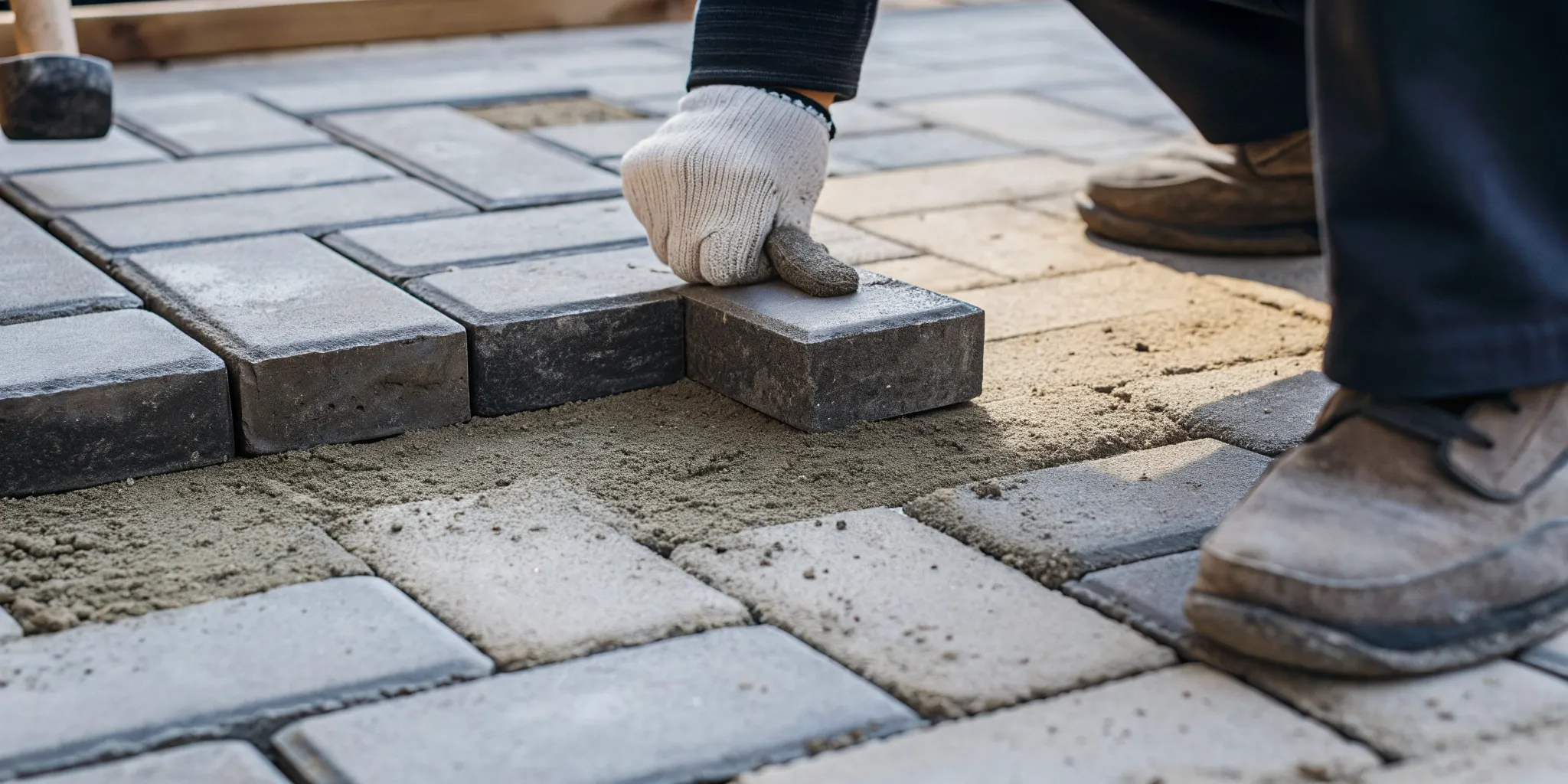
A paver patio is the heart of an outdoor living area, providing a solid and stylish foundation for dining sets, lounge chairs, and container gardens. Unlike a simple concrete slab, pavers offer endless design possibilities. You can choose from a huge variety of shapes, colors, and textures to create a look that is uniquely yours. Walkways made from the same materials create a cohesive flow, connecting your patio to the driveway, pool, or a quiet corner of your garden. High-quality porcelain and natural stone pavers are not only beautiful but also incredibly durable, standing up to foot traffic and Long Island’s changing seasons with minimal maintenance.

Retaining Walls and Garden Borders

Many Long Island properties have gentle slopes or varied elevations. Retaining walls are the perfect functional and aesthetic solution. They can turn a challenging slope into usable, terraced levels for planting or recreation. A well-built retaining wall prevents soil erosion and manages water runoff, protecting your landscape and home foundation. On a smaller scale, masonry garden borders create clean, defined edges for your flower beds and pathways. These features add a professional, polished look to your yard and can be built from materials that perfectly complement your home’s exterior and other hardscaping elements.

Driveways and Curbing

Your driveway is the first impression your home makes, so why not make it a great one? A custom masonry driveway instantly improves your home’s curb appeal. Paver driveways are a popular choice because they are strong, flexible, and offer a more sophisticated look than standard asphalt. For a more natural or rustic aesthetic, you can also consider options like stabilized gravel driveways, which provide a durable surface with excellent drainage. Adding masonry curbing along the edges of your driveway creates a clean, finished look that clearly defines the space and protects your adjacent lawn or garden beds.

Outdoor Kitchens and Fire Pits

There’s nothing better than cooking and dining outdoors. An outdoor kitchen, built with a sturdy masonry base, can be a simple grill island or a full-service setup with countertops, sinks, and storage. These structures are built to last, with materials like stone and brick that withstand the elements. Similarly, a built-in fire pit becomes a natural gathering spot for family and friends. It extends the time you can spend in your backyard well into the cooler months. These features transform a simple patio into a true outdoor room, perfect for entertaining or just relaxing.

Pool Decks and Entertainment Areas

A beautiful swimming pool deserves an equally beautiful surround. A masonry pool deck provides a safe, non-slip surface that is also comfortable underfoot. Materials like porcelain or natural stone pavers are ideal because they stay cooler in the sun and resist fading from chlorine and UV rays. Beyond the pool’s edge, masonry can be used to build out entire entertainment areas. Imagine multi-level patios for lounging, built-in seating walls that provide extra space for guests, and raised platforms for a hot tub or a cozy pergola. These elements work together to create a luxurious, resort-like atmosphere right in your own backyard.

What Makes a Great Masonry Contractor?

Finding the right contractor is the most important step in bringing your vision to life. But with so many options on Long Island, how do you know who to trust with your home? A great masonry contractor does more than just lay bricks; they act as a partner in your project. They combine technical skill with a creative eye and a commitment to your satisfaction. When you’re vetting potential contractors, there are a few key qualities that separate the good from the truly exceptional. Focusing on these areas will help you find a professional who will deliver beautiful, lasting results for your home.

Experience and a Strong Portfolio

Experience is more than just a number, it’s a sign of expertise honed over years of work. A contractor with a long history, like Gappsi’s 35-plus years serving Long Island, has seen it all. They understand the local climate, soil conditions, and architectural styles. Ask to see a portfolio of their completed projects. This is your chance to see their craftsmanship firsthand and get inspiration for your own space. A strong portfolio demonstrates their skill with different materials and project types, from intricate stone patios to sturdy retaining walls. It’s the best proof of their ability to deliver the quality you expect.

Proper Licensing and Insurance

This is a non-negotiable. Any contractor you consider must be fully licensed and insured to work in Nassau and Suffolk Counties. Licensing proves they meet local and state standards for their trade, while insurance protects you, your property, and the workers in case of an accident. Don’t just take their word for it; ask for proof of their license and insurance certificates. A professional contractor will have this information ready and will be happy to provide it. This simple step is crucial for your peace of mind and financial protection throughout the project.

High-Quality Materials and Craftsmanship

The beauty and longevity of your masonry project depend entirely on the quality of the materials and the skill of the person installing them. A great contractor uses proven methods and doesn’t cut corners. They should be able to explain why they recommend certain materials over others for your specific project. Whether you’re dreaming of a classic brick walkway or a modern patio, the right contractor will source top-tier porcelain and natural stone. Their commitment to quality craftsmanship ensures your investment not only looks stunning on day one but also withstands the test of time.

A Clear Design and Consultation Process

Your project should be a collaboration, not a guessing game. A top-tier contractor will offer a clear design and consultation process to make sure your vision is perfectly translated into the final build. They should listen to your ideas, offer professional input, and provide a detailed plan before any work begins. This process includes setting clear timelines, maintaining a clean work area, and having a direct point of contact for any questions. A company that invests in a thorough masonry design phase is dedicated to getting the details right and ensuring you’re happy with the outcome.

Great Communication and Project Support

Excellent communication is the foundation of a smooth and stress-free project. From the first phone call to the final walkthrough, your contractor should be responsive, clear, and proactive. They should keep you informed about progress, answer your questions promptly, and address any concerns that arise. A contractor who maintains a clean job site and communicates clearly with their customers shows respect for you and your home. You can often get a sense of their transparency by seeing how they present their work online, like through detailed project videos on their YouTube channel, which shows they are proud of their process and results.

How Much Does Masonry Work Cost on Long Island?

This is the big question, isn’t it? Understanding the budget is the first step in turning your backyard dreams into reality. The cost of masonry work on Long Island can vary quite a bit, but it helps to think of it as an investment in your home’s value and your family’s enjoyment. Quality masonry doesn’t just look beautiful; it’s built to last for decades, giving you a fantastic return on your investment through years of morning coffees, family barbecues, and quiet evenings by the fire pit. While a final price tag depends on your specific project, knowing the key factors that influence cost will help you plan effectively and make informed decisions. Let’s break down what goes into a masonry estimate so you can approach your project with confidence.

Factors That Affect Your Final Price

Several key elements shape the final cost of your masonry project. First is the material you choose. Gorgeous natural stone or high-end porcelain pavers will have a different price point than classic bricks or concrete blocks. The complexity of the design also plays a big role. A simple, rectangular patio will cost less than a multi-level space with curved walls and intricate patterns. Labor is another significant factor, especially on Long Island where skilled craftsmanship is in high demand. Finally, your property’s specific conditions, like site accessibility and the amount of prep work needed, can influence the total price.

Typical Costs for Popular Projects

To give you a general idea for budgeting, it helps to look at some common project costs. Keep in mind these are estimates, and a detailed quote is the only way to get a precise figure. For a paver patio, you might see prices ranging from $15 to $35 per square foot, depending on the materials and design intricacy. Building a stone retaining wall often falls between $20 and $60 per square foot. The cost reflects the skill needed to create a structure that is both beautiful and functionally sound. For custom features like a pool deck or an outdoor kitchen base, the price will be tailored to your unique design and material selections.

How to Avoid Hidden Costs

No one likes financial surprises during a home improvement project. The best way to avoid them is through clear communication and planning. Always get a detailed, written estimate that itemizes the costs for labor, materials, and any other fees. Before work begins, talk with your contractor about potential issues that could affect the budget, like poor soil drainage or discovering underground pipes. A good contractor will be upfront about these possibilities. It’s also a smart move to set aside a contingency fund, typically 10-20% of the total project cost, to cover any unforeseen expenses that might arise. This simple step provides peace of mind and keeps your project on track.

How to Choose the Right Masonry Contractor

Finding the right partner for your masonry project is the most important step toward bringing your vision to life. A great contractor does more than just lay bricks; they act as your guide, helping you choose the right materials, create a beautiful design, and ensure the final result is built to last. Taking the time to vet your options carefully will save you from headaches down the road and ensure you end up with a space you love. Here’s how to find the best masonry contractor for your Long Island home.

Define Your Project First

Before you start calling contractors, take some time to outline what you want. Are you dreaming of a sprawling new patio for summer barbecues, a functional retaining wall to manage a slope, or a simple repair for a cracked walkway? Knowing the scope of your project helps you find a specialist with the right experience. A company that excels at building intricate outdoor kitchens might have a different skillset than one that focuses on foundation repairs. Browse portfolios for inspiration and make a list of your must-haves. This clarity will make it much easier to communicate your vision and get accurate estimates from potential contractors.

Check Their Credentials and Reviews

Your next step is to do some homework. A reputable contractor will be fully licensed and insured for work in Nassau and Suffolk Counties, which protects you from liability. Don’t be shy about asking for proof. Look for a company with years of experience and a strong, diverse portfolio of completed projects. You can often find photos and videos on their website or social media channels, like the Gappsi YouTube channel, which showcases real-world transformations. Finally, read online reviews and testimonials to see what past clients have to say about their communication, professionalism, and the quality of their work.

Key Questions to Ask Before You Hire

Once you have a shortlist, it’s time to start the interview process. A professional contractor will offer a free estimate without any high-pressure sales tactics. During this consultation, ask questions that give you insight into their process. You might ask: Who will be my main point of contact? How do you keep the work area clean and safe? What is the estimated timeline for my project? This is also the perfect time to discuss materials. Ask about the different types of porcelain and natural stone they recommend and why. A great contractor will welcome these questions and provide clear, confident answers.

Red Flags to Watch For

Just as important as knowing what to look for is knowing what to avoid. Be cautious of any contractor who gives you a quote without seeing the property, pressures you to sign a contract immediately, or offers a price that seems too good to be true. A lack of a professional website, a physical address, or a portfolio are also warning signs. Always insist on a detailed, written contract that outlines the full scope of work, materials, timeline, and payment schedule. Vague agreements or requests for large upfront cash payments are major red flags that could signal an unreliable or inexperienced operator.

What to Expect From Your Estimate

Getting an estimate is one of the most important steps in your project. It’s more than just a price tag; it’s the blueprint for your future outdoor space and the start of your relationship with a contractor. A professional estimate process should feel clear, comfortable, and comprehensive. It’s your chance to see how a company operates, how they communicate, and whether they truly understand your vision. You should walk away from an estimate feeling informed and confident, not confused or pressured. Think of it as the first real conversation about turning your ideas into a tangible plan. A great contractor uses the estimate to build trust and set clear expectations from day one, ensuring everyone is on the same page before any work begins. This document is the foundation for a successful project, so it’s worth understanding what goes into a good one and how to read between the lines.

How to Request an Estimate

Reaching out for an estimate should be a straightforward and stress-free experience. Reputable companies make it easy to get in touch and are happy to discuss your project without any obligation. You should never feel pressured to commit just because you asked for a quote. When you contact a contractor, be ready to share the basic details of your project: what you want to build, where it’s located, and your general timeline. This initial conversation helps them understand your needs. At Gappsi, we believe in making this first step simple. You can easily request a consultation to get the ball rolling and have an open conversation about your vision for your home.

What a Good Estimate Includes

A quality estimate is detailed and transparent. It should break down the entire project so you know exactly what you are paying for. Look for more than just a final number at the bottom of the page. A thorough estimate will include a clear scope of work, an itemized list of materials and their costs, and a breakdown of labor charges. It should also outline a projected timeline, from start to finish, and specify payment terms. This level of detail shows that the contractor has carefully considered your project and is committed to transparency. It protects you from unexpected costs and ensures your masonry project is built to the agreed-upon standards.

How to Compare Different Quotes

When you have multiple quotes in hand, it’s tempting to just look at the final price. However, the cheapest option isn’t always the best. Compare the details of each estimate side-by-side. Does one contractor specify higher-quality porcelain and natural stone? Does another have a more realistic timeline? Pay attention to a contractor’s understanding of Long Island’s specific environment, including its soil and weather patterns. A contractor with deep local experience will plan a project that avoids future issues and lasts for years. Look for a company that demonstrates expertise and a commitment to quality craftsmanship, as these factors are far more valuable than a slightly lower price.

Common Mistakes to Avoid When Hiring a Contractor

Choosing a masonry contractor is one of the most important decisions you’ll make for your home improvement project. This partnership will shape the outcome, timeline, and budget of your vision. While it’s exciting to get started, moving too quickly can lead to costly mistakes and a lot of frustration. Taking the time to do your homework is the best way to ensure a smooth process and a beautiful result that you’ll love for years to come.

Think of hiring a contractor like hiring a key team member for your home. You want someone who is not only skilled but also reliable, trustworthy, and a good communicator. A great professional relationship is the foundation of a great project. To help you make a confident choice, we’ve put together a list of the most common pitfalls homeowners on Long Island face when hiring a contractor. By knowing what to watch out for, you can sidestep these issues and find a masonry expert who will bring your outdoor living space to life without the headache.

Choosing Based on Price Alone

It’s always tempting to go with the lowest bid, but this is often one of the biggest mistakes you can make. A price that seems too good to be true usually is. An unusually low estimate can be a red flag for a contractor who cuts corners, uses subpar materials, or lacks the experience to price a job accurately. You might save money upfront, but you could end up paying much more later in repairs or corrections. The National Association of Home Builders warns that the lowest price can reflect a lack of experience or quality. Instead of focusing only on the final number, consider the overall value. A quality contractor provides expert craftsmanship, durable materials, and peace of mind.

Skipping the Insurance and Credentials Check

This is a step you absolutely cannot afford to skip. A reputable masonry contractor must carry both general liability insurance and workers’ compensation. Liability insurance protects your property from accidental damage, while workers’ compensation covers injuries that might happen on the job, protecting you from being held responsible. The New York State Department of State emphasizes that hiring an unlicensed contractor can expose you to serious financial and legal risks. Before signing anything, ask for a certificate of insurance and verify their license. A professional contractor will have this information ready and will be happy to provide it. It’s a simple check that provides essential protection for you and your home.

Not Getting Everything in Writing

A verbal agreement or a handshake is not enough to protect you during a major home improvement project. A detailed, written contract is essential. This document is your roadmap for the entire project, and it protects both you and the contractor by setting clear expectations from the start. The Better Business Bureau advises that a written agreement is the best way to prevent misunderstandings and provides a reference point if disputes arise. Your contract should clearly outline the full scope of work, a list of materials to be used, a payment schedule, and a projected start and completion date. Never start a project without a signed contract in hand.

Overlooking a Contractor’s Communication Style

Your contractor will be a regular presence at your home, so it’s important that you can communicate effectively with them. During the initial consultation, pay close attention to how they interact with you. Do they listen to your ideas and answer your questions patiently? Are they responsive to your calls and emails? As experts at HomeAdvisor point out, a contractor’s responsiveness and willingness to answer questions can indicate their professionalism and commitment. A contractor who is difficult to get in touch with before you’ve hired them will likely be even harder to reach once the project is underway. Choose someone who is clear, respectful, and makes you feel comfortable. Good communication is the key to a low-stress project.

Do You Need a Permit for Masonry Work?

The word ‘permit’ can sound a little intimidating, but it’s an important part of any major home project. When it comes to masonry work on Long Island, permits are usually required for projects that involve structural changes or cover a significant area. Think new retaining walls, large patios, or outdoor fireplaces. These rules are in place to ensure everything is built safely and to code, protecting your investment and your family. It’s less about red tape and more about peace of mind for you as a homeowner.

Local Building Codes on Long Island

One of the trickiest parts about permits is that the rules can change from one town to the next. What’s required in Islip might be different from the regulations in North Hempstead. This is why working with a local contractor who knows the area is so important. For example, many towns require permits for any masonry work that alters a building’s structure. The Town of Hempstead’s website offers detailed building permit information that clarifies when an application is necessary. A professional contractor will be familiar with the specific codes in your village or town, ensuring your project is compliant from the start.

How Your Contractor Handles Permits

You have enough to think about with your project’s design and materials, you shouldn’t have to become a permit expert, too. A reputable masonry contractor will handle the entire permit process for you. This includes preparing the application, submitting plans, and coordinating with local building departments. This service is a huge part of their job and a sign of a true professional. The New York State Department of State provides resources on building permits and confirms that contractors should be knowledgeable about local requirements. By letting your contractor manage the paperwork, you can avoid potential fines or delays and focus on the exciting parts of your project.

Bringing Your Outdoor Living Space to Life with Masonry

Masonry is more than just stone and mortar; it’s the backbone of a truly exceptional outdoor living area. It provides the structure, definition, and enduring beauty that turns a simple backyard into a personal retreat. When you think about your dream patio, walkway, or pool deck, you’re thinking about masonry. A skilled contractor uses these materials to build a cohesive space where every element works together, from the hardscape under your feet to the landscape that surrounds you. It’s about creating a seamless flow between your home and your yard.

Combining Masonry with Landscaping

The best outdoor designs happen when masonry and landscaping are planned together. Masonry provides the strong, structural elements like stone retaining walls to terrace a sloped yard, elegant paver walkways to guide you through a garden, or a raised stone border for your flower beds. These features create the “bones” of the space. Then, the landscape design brings it to life with color, texture, and softness. By integrating these two disciplines, you get a balanced and harmonious environment that feels both intentional and natural. It’s this thoughtful combination that creates a truly stunning and functional outdoor setting.

Designing Around Pools, Pergolas, and Patios

Masonry is fundamental when creating destination spots in your backyard. Think about the areas where you gather with family and friends. A beautiful stone patio serves as the floor for your outdoor living room, while a custom-built outdoor kitchen becomes the heart of your summer parties. When you add features like swimming pools, the surrounding deck is a critical masonry element for both safety and style. The same goes for the solid foundation needed for a beautiful pergola or pavilion. A great masonry design ties all these features together, creating a unified and inviting space for relaxation and entertainment.

The Lasting Value of Quality Masonry

Choosing quality masonry is an investment in your home’s future. When a project is built with excellent materials and expert craftsmanship, it’s designed to withstand Long Island’s weather for decades. This means you spend more time enjoying your space and less time worrying about repairs. Using high-quality porcelain and natural stone ensures your patios and walkways resist wear and maintain their beauty. Over time, well-built masonry adds significant value to your property. To protect that investment, professional cleaning and sealing can keep your surfaces looking brand new for years to come, making it a smart choice for any homeowner.

Related Articles

Frequently Asked Questions

How long will my masonry project take to complete? The timeline for a masonry project really depends on its size and complexity. A straightforward paver walkway might only take a few days, while a large, multi-level patio with a retaining wall and outdoor kitchen could take several weeks. Weather also plays a role, as we need good conditions for materials to set properly. A professional contractor will give you a detailed and realistic timeline in your written contract so you know exactly what to expect before any work begins.

What kind of maintenance does a paver patio or walkway need? The great thing about modern pavers is that they are designed to be very low maintenance. For the most part, you can keep your patio looking great with just a seasonal sweep and a rinse with your garden hose. To keep it looking brand new, we recommend having it professionally cleaned and sealed every few years. This protects the surface from stains and weathering, preserves the color, and helps prevent weeds from popping up in the joints.

Is masonry construction a messy process? Any construction project will have some level of dust and disruption, but a professional contractor works hard to keep it contained. They should respect your home by protecting surrounding lawn and landscape areas, maintaining a tidy job site, and cleaning up thoroughly at the end of each day. While there will be a temporary work zone, it shouldn’t feel like your entire property has been taken over.

Why is it better to hire one company for my masonry, pool, and landscaping? When you hire one company to manage your entire outdoor project, you get a single, cohesive vision from start to finish. It eliminates the stress of coordinating different contractors and ensures all the elements, like your patio, pool deck, and garden beds, are designed to work together perfectly. This integrated approach prevents communication gaps, streamlines the timeline, and results in a more beautiful and functional space because one expert team is overseeing everything.

What’s the real difference between using natural stone versus porcelain pavers? Choosing between natural stone and porcelain often comes down to your personal style and lifestyle. Natural stone offers a unique, organic beauty since no two pieces are exactly alike, but it can be more porous and may require regular sealing to prevent stains. Porcelain pavers are manufactured to be incredibly dense and durable, making them highly resistant to stains, fading, and moisture. They offer a very consistent and clean look, perfect for modern designs.

Share this page:
Concrete contractors on Long Island NY discussing a new home driveway project.

How to Hire Concrete Contractors on Long Island NY

Building on Long Island presents unique challenges. Our coastal weather, with its humid summers and freezing winters, is notoriously tough on outdoor surfaces. The freeze-thaw cycle can cause concrete to crack, heave, and spall if it’s not installed by someone who understands our specific climate. This is why local experience isn’t just a bonus; it’s a necessity. You need a team that uses the right materials and techniques to ensure your project can withstand the elements. This guide will help you identify the professionals who have a proven track record of building durable, long-lasting projects, making your search for qualified concrete contractors on Long Island, NY, much simpler.

Key Takeaways

  • Confirm the Non-Negotiables First: Before discussing designs, verify that any potential contractor is fully licensed and insured. This simple step protects you and immediately separates the true professionals from the rest.
  • Put Your Project Plan in Writing: A verbal agreement is not enough. Insist on a detailed contract that clearly outlines the project scope, materials, timeline, and payment schedule to ensure everyone is on the same page.
  • Seek a Design Partner, Not Just a Pourer: The best contractors offer more than just labor; they provide design expertise. Look for a professional who can suggest creative solutions, like decorative finishes, that align with your home’s overall style.

What Does a Long Island Concrete Contractor Do?

When you think of a concrete contractor, you might picture someone pouring a simple gray sidewalk. While that’s part of the job, a skilled Long Island contractor does so much more. They are craftsmen who work with one of the most versatile building materials available to create functional, beautiful, and lasting additions to your home. From foundational structures to intricate decorative patios, their work forms the backbone of many home improvement projects. Understanding the full scope of their services will help you find the right professional for your vision.

Driveways, Patios, and Walkways

The most common projects for a concrete contractor involve creating essential outdoor surfaces. They install durable driveways that can handle daily traffic and Long Island’s changing seasons, welcoming patios for outdoor gatherings, and safe, clean walkways connecting your spaces. A great contractor ensures these installations are properly graded for drainage and built to last, preventing cracks and heaving. They combine function with form, creating surfaces that not only serve a purpose but also add to your home’s curb appeal. This foundational work is crucial for any masonry project and sets the stage for your entire landscape.

Decorative and Stamped Concrete

This is where a concrete contractor’s artistry really shines. Instead of plain gray concrete, you can opt for decorative finishes that transform the look of your surfaces. Stamped concrete, for example, can be made to look like natural slate, cobblestone, or even wood planks, giving you a high-end aesthetic at a more accessible price point. Contractors can also add color, textures, and unique patterns to your concrete. This customization allows you to perfectly match your patio or walkway to your home’s style. It’s a fantastic alternative if you love the appearance of natural stone pavers but are working with a different budget.

Masonry and Outdoor Living Spaces

Many concrete contractors are also skilled masons who can build entire outdoor living environments. Their work goes beyond flat surfaces to include constructing the core structures for your dream backyard. This could mean building a sturdy base for an outdoor kitchen, creating a custom fire pit for cozy evenings, or pouring the perfect surround for a new swimming pool. By integrating concrete work with stone and brick, they create cohesive and functional spaces. A contractor with this range of skills can help you design and build a complete outdoor oasis, from the patio floor to the seating walls and beyond.

Structural and Commercial Projects

Beyond the backyard, experienced concrete contractors handle critical structural work for both homes and commercial properties. This includes pouring solid foundations for new home additions, garages, and even entire buildings. They have the technical expertise to tackle complex jobs, like creating retaining walls on sloped land or performing structural repairs to existing concrete. Hiring a contractor who is proficient in this type of work ensures that even the most ambitious home remodeling projects are built on a solid, reliable base. This level of skill is a strong indicator that you are working with a true professional who understands construction from the ground up.

How Much Does a Concrete Contractor Cost on Long Island?

Figuring out the budget for your concrete project is one of the first, and most important, steps. The truth is, there’s no single price tag. Costs on Long Island can vary quite a bit based on what you want to build, the materials you choose, and the complexity of the job. A simple concrete slab will cost much less than an intricate, custom-stamped patio with multiple colors.

Understanding the different factors that go into a contractor’s quote will help you plan your budget and feel confident when you review estimates. From the type of finish you select to the time of year you schedule the work, several key elements will shape the final price. Let’s walk through what you can expect to pay and what drives those costs, so you can make an informed decision for your home.

Standard vs. Decorative Concrete Pricing

The biggest factor in your project’s cost is the type of concrete you choose. A standard, broom-finished concrete surface for a simple patio or walkway is the most budget-friendly option. On Long Island, you can generally expect this to cost between $1.50 and $3.50 per square foot. If you’re looking for something with more personality, decorative concrete is the way to go. This includes techniques like stamping, staining, or embedding other materials. Because it requires more skill and specialized materials, decorative concrete can range from $3 to $12 per square foot, or even more for highly detailed masonry work.

Key Factors Influencing Your Price

Beyond the basic material choice, several other details will influence your final quote. The overall size of the project is a major component; larger projects cost more in total but often have a lower price per square foot. The complexity of the design also matters. A simple square patio is more straightforward than one with curves, multiple levels, or intricate patterns. Other factors include site preparation, such as grading or removing old materials, the thickness of the concrete slab, and any necessary reinforcements. A contractor will consider all these elements when creating a custom quote for your home remodeling project.

Long Island’s Climate and Material Needs

Living on Long Island means dealing with a unique climate, from humid summers to freezing winters. This freeze-thaw cycle can be tough on concrete, causing it to crack and spall over time if not installed correctly. An experienced local contractor understands this and will use the right materials to ensure your investment lasts. This might involve using a specific concrete mix with air-entrainment additives, which create tiny air pockets to give water a place to expand when it freezes. While these superior materials might slightly increase the initial cost, they are essential for long-term durability. Proper installation and protection are key, which is why ongoing restoration and sealing services are also important.

How to Get an Accurate Estimate

To get a truly accurate estimate, you need to give contractors as much detail as possible. Before you start calling, try to have the project’s dimensions, your desired finish, and any photos or sketches of your idea ready. When you receive a quote, make sure it’s a detailed, written document, not just a number scribbled on a card. A professional estimate should break down the costs for labor, materials, permits, and any other expenses. It’s always a good idea to get a concrete estimate from a few different reputable companies to compare their offerings and pricing structures.

Finding Seasonal Promotions

The construction industry has its busy seasons and its slower periods. On Long Island, demand for outdoor projects is highest in the late spring and summer. If your project timeline is flexible, you might find better pricing by scheduling work during the off-season, like early spring or late fall. Some contractors offer promotions to keep their crews busy during these times. It never hurts to ask if a company has any current specials or package deals, especially if you are planning multiple projects. You can sometimes find great deals on products and materials at the Gappsi Store that can be incorporated into your project.

What to Look For in a Concrete Contractor

Choosing the right concrete contractor is one of the most important decisions you’ll make for your home improvement project. This isn’t just about finding someone to pour concrete; it’s about finding a skilled partner who can turn your vision for a new driveway, patio, or pool deck into a beautiful and durable reality. The right professional brings not only technical skill but also peace of mind, ensuring your project runs smoothly from start to finish. A great contractor communicates clearly, respects your home, and stands by their work.

To find this ideal partner, you need to do a little homework. It’s tempting to just go with the lowest bid, but that can often lead to headaches down the road. Instead, focus on finding a contractor who demonstrates professionalism, experience, and a genuine commitment to quality. By evaluating a few key areas, you can confidently select a company that will deliver exceptional results that you and your family will enjoy for years. We’ll walk through exactly what to look for, from credentials and portfolios to contracts and customer reviews, so you can feel prepared and empowered in your search.

Licensing, Insurance, and Bonding

Before you even start talking about design, make sure any contractor you consider is fully licensed and insured. This is the absolute baseline for any professional working on your property. A valid license proves they meet state and local requirements to perform the work. Insurance, specifically liability and worker’s compensation, protects you from any financial responsibility if an accident happens on your property. Think of it as a critical safety net. A reputable company will have no problem providing you with proof of their credentials. If a contractor is hesitant to share this information or dismisses its importance, that’s a major red flag to walk away.

Experience, Portfolio, and Quality Materials

Experience is what separates a good contractor from a great one. A team with years of hands-on work in Long Island has seen it all, from navigating local soil conditions to understanding which materials hold up best to our specific climate. Ask to see a portfolio of their completed projects. Look for work that is similar in scope and style to what you have in mind. This gives you a real sense of their craftsmanship. Also, ask about the materials they use. A quality contractor will use high-grade porcelain and natural stone and other materials to ensure your project not only looks fantastic but also lasts for decades.

A Commitment to Customer Satisfaction

A concrete project is a collaboration, so you want a partner who listens to your ideas and is dedicated to your satisfaction. This commitment shows up in many ways. Does the contractor take the time to answer all your questions thoroughly? Do they offer creative solutions or suggestions to improve your project? A company that prioritizes customer happiness will focus on the small details, maintain a clean worksite, and communicate with you throughout the process. You can often get a feel for this by watching how they present their work and talk about past clients. Their passion for creating beautiful, functional spaces should be clear.

Verified Reviews and Local References

What past customers have to say is one of an honest indicator of a contractor’s quality and reliability. Look for verified reviews on trusted websites, and pay attention to what homeowners in the Long Island area are saying. Go beyond the simple star rating and read the comments. Are clients happy with the final result? How was the communication? Did the project stay on schedule and on budget? Don’t hesitate to ask a potential contractor for local references. A confident masonry professional will be happy to connect you with previous clients who can speak to their experience.

A Clear, Written Contract

Once you’ve found a contractor you trust, the final step before work begins is to get everything in writing. A clear, detailed contract is your project’s blueprint, and it protects both you and the contractor. It should outline the full scope of work, a list of materials, a payment schedule, and an estimated start and completion date. A professional will provide a free, no-pressure estimate and will walk you through the contract to ensure you understand every detail. This document eliminates confusion and sets clear expectations, paving the way for a successful and stress-free project.

Common Mistakes to Avoid When Hiring

Hiring a concrete contractor is a big decision, and a few common missteps can lead to frustration, unexpected costs, and a finished product that doesn’t meet your expectations. Knowing what to watch out for can help you find a true professional who will bring your vision to life. By avoiding these simple mistakes, you can ensure your project runs smoothly from the initial handshake to the final walkthrough.

Skipping Credential and Reference Checks

It might feel like extra homework, but verifying a contractor’s credentials is one of the most important steps you can take. Always confirm that any contractor you consider is fully licensed to work in Long Island and carries both liability insurance and workers’ compensation. A license shows they meet local requirements, while insurance protects you from financial responsibility in case of accidents or property damage. A reputable company will have no problem providing this documentation. This simple check separates the professionals from the rest and gives you essential peace of mind before any masonry work begins.

Accepting the First Quote You Get

It’s tempting to go with the first contractor who gives you a quote, especially if you’re eager to get your project started. However, it’s always wise to get at least three detailed estimates. This isn’t just about finding the lowest price; it’s about understanding the market rate and seeing what each contractor includes in their proposal. Comparing quotes helps you spot any that are unusually high or suspiciously low. A detailed estimate should break down the costs for labor, materials, and any other fees. This process empowers you to make an informed financial decision for your project.

Not Defining the Project Scope and Timeline

A vague plan leads to vague results. Before work begins, you and your contractor need to agree on a detailed project scope and a realistic timeline. This document should outline every aspect of the job, from site preparation and material choices to the final finish and cleanup process. When you clearly define the project, you create a shared understanding of the final goal, which helps prevent misunderstandings and delays. A professional contractor will work with you to map out every detail, ensuring your new gravel driveway or patio is exactly what you envisioned.

Failing to Get Everything in Writing

A verbal agreement or a handshake is not enough when it comes to a significant home improvement project. A comprehensive, written contract is your best protection. This legally binding document should include the detailed project scope, a full breakdown of costs, the payment schedule, the specific materials to be used, and the projected start and completion dates. It should also outline the process for handling any changes or unexpected issues that may arise. Insisting on a thorough contract ensures that both you and the contractor are on the same page and committed to the same terms.

Red Flags to Watch For

Choosing a concrete contractor is a big decision, and you deserve to feel confident in your choice. While most professionals are honest and hardworking, knowing a few common red flags can help you avoid potential problems down the road. Think of this as your guide to spotting issues before they start, ensuring your project is handled by a true expert who values quality and transparency. A great contractor will make the process feel collaborative, not confusing.

When you’re investing in a significant home improvement, like a new patio or driveway, you want a partner you can trust. Paying attention to how a contractor communicates, presents their pricing, and showcases their past work will tell you a lot about what you can expect. If something feels off, it probably is. Trust your instincts and look for a company that provides clear answers and has a solid reputation for excellent masonry and concrete work right here on Long Island.

Unusually Low Bids or Pressure Tactics

If a bid seems too good to be true, it often is. An unusually low price can be a major red flag, signaling that the contractor might be cutting corners with cheap materials, using inexperienced labor, or planning to add surprise fees later. A professional contractor can justify their pricing with high-quality materials and expert craftsmanship. Don’t be swayed by a bargain that could cost you more in repairs later.

Equally concerning are high-pressure sales tactics. A reputable contractor will give you a detailed estimate and the space to make an informed decision. If you feel rushed or pressured to sign a contract on the spot, take a step back. A confident professional knows their work speaks for itself and won’t need to force a sale.

No Written Contract or Clear Timeline

A verbal agreement is simply not enough for a construction project. A professional contractor will always provide a detailed, written contract before any work begins. This document is your protection, and it should clearly outline the full scope of the project, the specific materials being used, the total cost, a payment schedule, and an estimated timeline for completion.

Without a contract, you have no recourse if the work isn’t completed as promised or if the final bill is much higher than the initial quote. A missing contract suggests a lack of professionalism and accountability. For any major project, from a simple walkway to a full home remodeling job, a clear contract is non-negotiable.

A Lack of Local References or a Portfolio

Past performance is the best indicator of future results. A trustworthy contractor will be proud to show you their work and connect you with satisfied clients. Ask for a portfolio with high-quality photos or videos of completed projects. Even better, ask for local references in Nassau or Suffolk County that you can contact or drive by to see the work for yourself.

If a contractor is hesitant to provide a portfolio or can’t offer any local references, consider it a serious warning sign. It could mean they are new to the business, have a poor track record, or aren’t actually based on Long Island. A strong portfolio, like a detailed YouTube channel, shows a history of quality and a commitment to their craft.

Using Undisclosed Subcontractors

When you hire a company, you’re hiring them for their specific expertise and reputation. Be wary of contractors who plan to use undisclosed subcontractors for key parts of the job. You have no way of vetting these third-party workers, and it can lead to major issues with quality control and accountability. If something goes wrong, it can become a frustrating blame game between the contractor and their subcontractor.

Always ask who will be performing the work on your property. A reliable company will have its own trained teams for critical tasks, ensuring consistency and quality from start to finish. This is especially important for specialized projects like installing swimming pools or intricate stonework, where in-house expertise makes all the difference.

How to Find a Reliable Concrete Contractor on Long Island

Finding the right contractor for your concrete project can feel like a big task, but with a little research, you can find a reliable partner to bring your vision to life. The key is to know where to look and what to ask. By combining online searches with local recommendations and careful vetting, you can confidently choose a professional who will deliver quality results for your Long Island home.

Using Online Search and Review Sites

Your search for a great contractor often starts online. Use specific search terms like “concrete driveway contractor in Suffolk County” or “stamped concrete patio Nassau County” to find local experts. As you browse websites, look for companies that clearly outline their experience and commitment to service. A good online presence often includes a professional website, a gallery of past work, and detailed service descriptions. You can also find contractors who showcase their craftsmanship on platforms like YouTube, giving you a better feel for their process and the quality of their finished projects. Review sites like Google, Yelp, and Houzz are also valuable resources for gathering initial impressions and creating a shortlist of potential candidates.

Asking Your Local Community

Don’t underestimate the power of a good old-fashioned recommendation. Talk to friends, family, and neighbors who have recently had concrete work done. Local community Facebook groups can also be a great place to ask for suggestions. You might discover a trusted, family-run business that has built a strong reputation in your area through years of reliable service and skilled craftsmanship. Getting a referral from someone you trust often means you can see the contractor’s work firsthand and hear about their experience from start to finish. This kind of local insight is invaluable for finding a reputable masonry professional who understands the specific needs of Long Island properties.

How to Analyze Customer Reviews

When you look at customer reviews, go beyond the star rating. Read through the comments to find patterns and specific details. A review that says a contractor was “precise, honest, and hardworking” tells you much more than a generic “they did a good job.” Look for feedback that describes the entire customer journey, from the initial phone call to the final cleanup. Pay attention to how the contractor communicated, if they stuck to the timeline, and how they handled any unexpected issues. A few negative reviews aren’t always a dealbreaker, especially if the contractor responded professionally, but consistent complaints about communication or quality are a clear red flag.

Questions to Ask Before You Hire

Once you have a shortlist, it’s time to start making calls. Being prepared with the right questions will help you compare contractors and make an informed decision. Start by asking for proof of licensing and insurance. Inquire about their experience with projects similar to yours and ask to see a portfolio. A great contractor will offer a free, no-pressure estimate and be transparent about their pricing. You should also ask about their project timeline, payment schedule, and what kind of materials they plan to use. Finally, ask who will be on-site managing the project and if they use subcontractors. Getting clear answers to these questions will help you build trust and set expectations from the very beginning.

Why Choose Gappsi for Your Long Island Concrete Project?

Choosing a contractor for your concrete project is a big decision, and local expertise is essential. For over 30 years, Gappsi has been a trusted partner for homeowners across Long Island. We understand the specific soil conditions, weather patterns, and building codes in Nassau and Suffolk counties. This deep local knowledge means your project isn’t just beautiful, it’s built to last, avoiding common issues that can arise from a lack of regional experience. Our team is dedicated to creating durable and stunning concrete surfaces that stand the test of time.

Our expertise goes beyond just concrete. We are complete outdoor living designers, which means we see your concrete patio, walkway, or driveway as part of a larger vision for your home. Whether you’re dreaming of a simple, elegant surface or an intricate stamped concrete design that complements a new swimming pool or outdoor kitchen, our team handles it all. This integrated approach ensures a seamless process and a cohesive final look, saving you the stress of coordinating multiple contractors.

At the heart of every project is a commitment to quality craftsmanship and your complete satisfaction. We use only high-grade materials and proven techniques to deliver stunning, durable results. Our team works closely with you from the initial design to the final walkthrough, ensuring your vision is brought to life perfectly. We believe our portfolio of masonry and concrete work speaks for itself, showcasing the care and precision we bring to every Long Island home.

Related Articles

Frequently Asked Questions

How long should my new concrete patio or driveway last? A professionally installed concrete surface on Long Island should last for decades, often 30 years or more. The key is proper installation that accounts for our freeze-thaw cycles, using the right concrete mix, and ensuring correct grading for drainage. Regular maintenance, like cleaning and sealing it every few years, will protect it from stains and weather, keeping it looking great for a long time.

I like the idea of stamped concrete, but does it look fake or feel slippery? This is a great question. Modern stamped concrete is incredibly realistic and can convincingly mimic materials like natural slate, cobblestone, or even wood planks. A skilled contractor uses high-quality stamps and coloring techniques to create authentic texture and depth. As for slipperiness, a non-slip additive can be mixed into the sealer to provide extra grip, making it a safe and beautiful choice for pool decks and walkways.

How long does a typical concrete project take from start to finish? The timeline really depends on the project’s size and complexity. A simple, small patio might only take a few days for preparation, pouring, and finishing. A larger, more intricate project like a stamped concrete driveway could take a week or more. Weather is also a factor, as concrete needs specific conditions to cure properly. Your contractor should give you a clear, estimated timeline in your contract before any work begins.

Do I need to hire a separate mason if I want a fire pit or seating wall built on my new patio? Not necessarily. Many experienced concrete contractors are also skilled masons who can handle the entire project. Hiring one company that can pour the concrete patio and then build integrated features like a fire pit, outdoor kitchen base, or seating walls is a huge advantage. It ensures a cohesive design and saves you the headache of coordinating different work crews and schedules.

When I get a price per square foot, what does that usually include? The price per square foot typically covers the cost of the concrete itself, the labor for installation, and the standard finishing. However, it’s important to clarify what else is included. Things like extensive site preparation, demolition of an old surface, complex grading, special colorants, or decorative stamping are often additional costs. A professional estimate will break down all these expenses clearly so you know exactly what you are paying for.

Share this page: