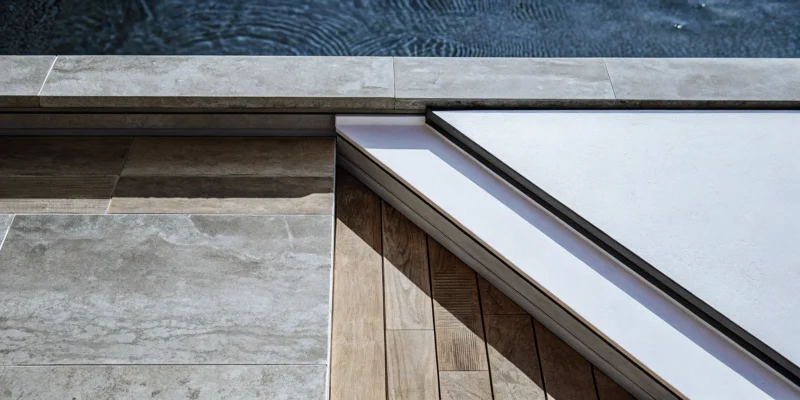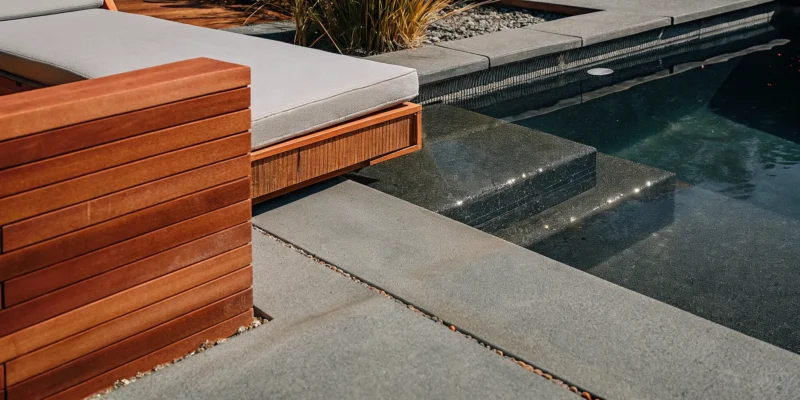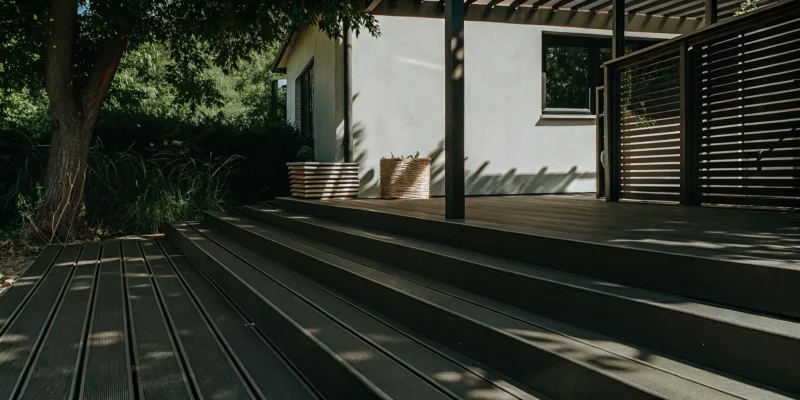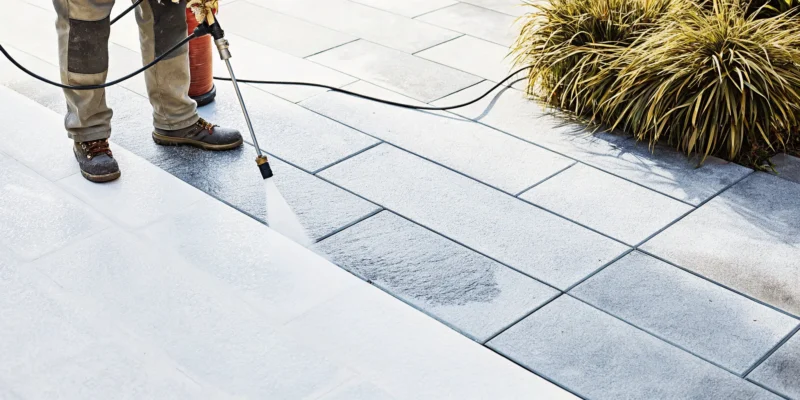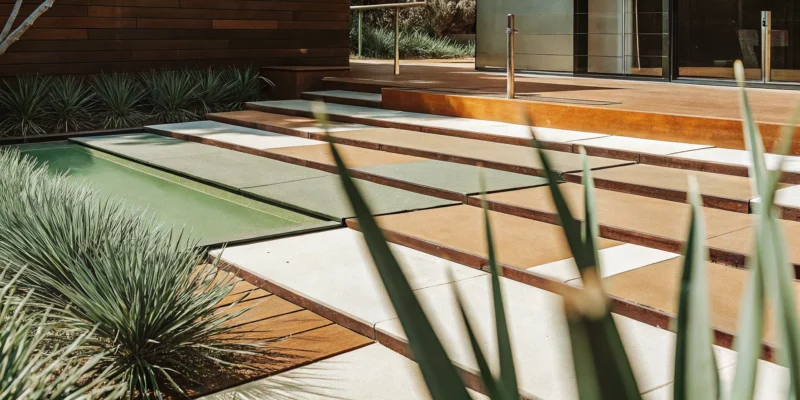
Best porcelain paver installation by expert installers on Long Island, NY.

Who Are the Best Porcelain Paver Installers on Long Island?

You have a clear vision for your backyard: a beautiful, modern patio for entertaining, a sleek walkway, or a safe, stylish surface around the pool. Porcelain pavers are the perfect material to make it happen. But turning that vision into a reality requires a true partner, not just a laborer. The installation process is a craft that demands precision, technical knowledge, and an eye for design. A poor installation can lead to shifting pavers, drainage problems, and endless frustration. To avoid these issues, you need to find the best porcelain pavers installers on Long Island, NY. We’ll cover the key questions to ask and the common mistakes to avoid, so you can hire with confidence and create the outdoor oasis you’ve been dreaming of.

Key Takeaways

  • Vet your installer thoroughly: Before signing anything, confirm the contractor has proper licensing and insurance. Review their portfolio of past porcelain projects and speak directly with recent, local references to get honest feedback on their work and professionalism.
  • Prioritize porcelain-specific expertise: Installing porcelain pavers is a specialized skill that requires different tools and techniques than other materials. Choosing a team with proven experience ensures they understand the correct base preparation and methods needed to prevent future cracking or shifting.
  • Get a clear plan and warranty in writing: A reputable installer will provide a detailed proposal outlining the project scope, timeline, and costs, leaving no room for surprises. Ensure they also offer a clear warranty on their workmanship to protect your investment for years to come.

What Makes a Great Porcelain Paver Installer?

Choosing the right installer for your porcelain paver project is just as important as picking out the pavers themselves. The right team doesn’t just lay stones; they create a foundation for your outdoor living space that will last for years. A great installer combines technical skill with a creative eye and professional integrity. They understand that this is a significant investment in your home and treat the project with the care it deserves. From the initial design conversation to the final cleanup, a top-tier professional ensures a smooth, transparent, and satisfying experience. Let’s look at the key qualities that separate the best installers from the rest.

Specialized Porcelain Experience

Porcelain pavers are not the same as traditional concrete or stone, and they require a specific skill set to install correctly. A seasoned contractor knows how to handle the material to prevent chips and cracks and understands the precise base preparation needed for Long Island’s soil and weather conditions. This specialized experience means they can anticipate potential challenges with drainage or grading and address them before they become problems. An expert in porcelain and natural stone will ensure your patio, walkway, or pool deck is perfectly level, stable, and built to withstand freeze-thaw cycles without shifting or settling over time.

Proper Licensing and Insurance

Before you even discuss designs or timelines, make sure any potential installer is fully licensed and insured to work in your area of Long Island. This is a critical step that protects you, your property, and the workers on site. Proper licensing proves the contractor meets local and state requirements, while comprehensive insurance coverage (including liability and workers’ compensation) shields you from financial risk in the event of an accident. Any reputable masonry design and construction company will readily provide this documentation. Think of it as the essential foundation for a trustworthy partnership.

Design Skills and Material Options

The best installers are more than just technicians; they are design partners who can help bring your vision to life. They should offer a wide selection of high-quality porcelain pavers and guide you through the options to find the perfect style for your home. A great contractor will listen to your ideas, understand your aesthetic, and suggest creative layouts or complementary features that enhance the overall project. Whether you’re designing a sleek modern patio or a rustic poolside retreat, their expertise helps ensure the final result is both beautiful and functional, perfectly integrating with your landscape design.

Clear Communication and Project Management

A smooth installation process depends on clear and consistent communication. A professional installer will provide a detailed proposal that outlines the project scope, timeline, and costs, so there are no surprises along the way. They should assign a dedicated project manager or point of contact who keeps you informed about progress and is available to answer your questions. From the initial site prep to the final walkthrough, you should feel confident and respected. This commitment to professionalism ensures your project is handled with care and completed to your total satisfaction.

How to Find the Best Installers on Long Island

Finding the right team for your porcelain paver project on Long Island goes beyond a quick online search. You’re looking for a partner who understands the local environment and can bring your vision to life with skill and precision. Start by looking for installers with a strong local reputation. A company that has been serving Nassau and Suffolk counties for years will have a deep understanding of regional building codes, soil conditions, and weather patterns that can impact your project’s longevity.

Next, take a close look at their portfolio. Don’t just glance at the hero shots on their homepage; look for a wide range of projects that show their versatility. Do they have experience with intricate patterns, large-scale patios, or poolside installations? A robust portfolio of masonry work demonstrates a high level of craftsmanship and attention to detail. Always verify that any potential installer is fully licensed and insured. This is a non-negotiable step that protects you and your property from liability.

Reading online reviews is helpful, but don’t stop there. Ask for references from recent projects in your area. Speaking directly with a past client can give you invaluable insight into the company’s communication, timeliness, and overall process. If possible, visit a showroom. Seeing and touching the materials in person can make a huge difference in your final decision. A visit to a physical location like the Gappsi Store allows you to explore different paver options and speak with experts who can guide you through the selection process.

Why Gappsi is a Premier Choice for Outdoor Living

When you’re looking for an installer that checks all the boxes, Gappsi stands out. With a history of transforming Long Island homes since 1987, our team brings decades of specialized experience to every project. We don’t just install pavers; we design and construct complete outdoor living spaces. This integrated approach means your new porcelain patio will perfectly complement your landscaping, pool, or outdoor kitchen, creating a seamless and beautiful environment.

Our expertise is backed by a commitment to using only the highest quality materials. We offer an extensive selection of premium porcelain and natural stone pavers, ensuring you find the perfect style for your home. Our team manages every detail, from initial design to final installation, providing clear communication and professional project management. We combine artistry with technical skill to deliver a finished product that is not only stunning but also built to last.

How Much Does Porcelain Paver Installation Cost?

Figuring out the budget for your new patio or walkway is a huge part of the planning process. While it’s tempting to look for a simple square-foot price, the final cost of a porcelain paver installation depends on several key factors. Understanding these variables will help you get a realistic idea of the investment and ensure there are no surprises along the way. From the specific pavers you fall in love with to the condition of your property, every detail plays a role in the final quote.

What Affects the Final Price?

When you’re planning your project, it’s helpful to think beyond the initial price tag of the pavers. The total cost is a combination of materials, site conditions, and labor. The specific style and brand of porcelain pavers you choose will be the starting point. After that, the biggest variable is site preparation. If your yard needs significant excavation, grading, or a complex base to be built, this will impact the cost. The complexity of your design, like curved edges or intricate patterns, also requires more time and skill from the installation team, which is reflected in the price.

Typical Costs by Project Size

To give you a general idea, porcelain pavers themselves often range from $7 to $9 per square foot. Installation costs can add another $5 to $10 per square foot, depending on the method used. This means you can expect a total project cost of around $12 to $19 per square foot. For a smaller, 100-square-foot patio, the total investment might be around $3,000. A more expansive 400-square-foot space could be over $18,000, especially when you factor in the necessary groundwork. These figures are estimates, but they provide a solid baseline for your budget.

How to Get an Accurate Estimate

The best way to determine the exact cost for your project is to get a detailed, written estimate from a professional installer. A reputable masonry contractor will visit your property to assess the site, discuss your vision, and measure the area. Their quote should clearly break down all the costs, including materials, labor, site preparation, and any other fees. Don’t hesitate to ask questions. A trustworthy installer will have a clear, structured process and will be happy to walk you through every line item so you feel confident in your decision.

Your Installer Checklist: What to Verify Before Hiring

Once you have a shortlist of potential installers, it’s time to do your homework. This final verification step is crucial for ensuring you partner with a true professional who will respect your home and your investment. A great installer will be transparent and happy to provide all the information you need to feel comfortable. This checklist covers the essential items you should confirm before signing any contracts. Going through these steps will help you avoid common pitfalls and ensure your project runs smoothly, resulting in a beautiful outdoor space you’ll love for years.

Review Their Portfolio and Past Work

Before you hire anyone, you need to see their work. A portfolio is more than just a collection of pretty pictures; it’s proof of their skill and experience. Look specifically for projects featuring porcelain pavers, as they require different installation techniques than traditional materials. Does their style align with your vision? Pay close attention to the details, like the precision of the cuts and the evenness of the grout lines. A strong portfolio demonstrates a history of quality craftsmanship and successful projects, giving you a clear idea of what they can do for your home.

Check Customer Reviews and Local References

What past clients have to say is incredibly valuable. Look for reviews on Google, Houzz, and other third-party sites to get an unbiased perspective. While a few negative reviews aren’t always a deal-breaker, especially if the company responded professionally, a pattern of complaints is a major red flag. Don’t be afraid to ask for local references you can contact or even drive by to see their work in person. A confident installer with a great reputation will have no problem connecting you with happy customers in your area.

Understand Their Warranty and Guarantees

Your new porcelain paver patio is a significant investment, and you want to know it’s protected. A reputable contractor will stand behind their work with a clear warranty. Make sure you understand exactly what it covers. Is there a warranty on the materials from the manufacturer? What about the labor and workmanship from the installer? Get the terms in writing and clarify how long the coverage lasts. This guarantee provides peace of mind and shows that the company is committed to quality and long-term customer satisfaction, including any future restoration or sealing needs.

Clarify the Installation Process and Timeline

A professional installer should be able to walk you through their entire process, from site preparation to the final cleanup. Ask for a detailed project plan and a realistic timeline. When do they expect to start and finish? What are the key milestones? Understanding the workflow helps you know what to expect and minimizes disruptions to your daily life. Clear communication about the process is a sign of good project management and shows that the contractor is organized and respects your time. It also helps ensure there are no surprises along the way.

Key Questions to Ask Potential Installers

Once you have a shortlist of potential installers, it’s time to start the interview process. Think of it like hiring a key team member for your home improvement project, because that’s exactly what it is. The right questions will help you separate the true professionals from the rest. Asking detailed questions about their process, timeline, and credentials gives you a clear picture of what to expect and helps ensure there are no surprises down the road. Here are the essential questions to ask every potential installer.

Ask About Their Experience and Process

This might seem obvious, but you want to get specific. Ask, “How many porcelain paver projects have you completed in the last year?” and “What challenges have you encountered with installations in Long Island?” A contractor with deep experience in porcelain and natural stone will have confident, detailed answers. They should be able to walk you through their entire installation process, from the initial site assessment to the final cleanup. This conversation will reveal their expertise and show you whether they can anticipate potential issues specific to your property’s layout and our local climate, ensuring a high-quality, lasting result.

Ask About the Timeline and Prep Work

A great project starts with a solid plan. Ask for a detailed project timeline, including start and end dates. More importantly, ask them to explain their preparation process. What kind of base will they install? How will they ensure proper drainage? A reputable contractor will emphasize the importance of prep work, as it’s the foundation for a durable patio or walkway. A vague answer is a red flag. You want a team that provides a clear schedule and outlines every step, showing they are organized and committed to a successful installation from the ground up. This level of planning is a hallmark of professional masonry design.

Ask About Permits and Code Compliance

Navigating local building codes and permits can be a headache, so make sure your installer is an expert. Ask them directly, “Are you familiar with the local permit requirements for this type of project, and will you be responsible for securing them?” A professional installer should handle all necessary permits and ensure the project complies with all town and village regulations on Long Island. This isn’t just about avoiding fines; it’s about making sure your new outdoor space is safe and built to last. An experienced local company will have this process down to a science, saving you from potential legal issues and delays.

Ask About Maintenance and Ongoing Support

Your relationship with an installer shouldn’t end when they pack up their tools. Ask what kind of maintenance your new porcelain pavers will require and if they provide a care guide. While porcelain is incredibly durable, knowing the best cleaning practices is helpful. Also, inquire about their post-project support. Do they offer a warranty on their workmanship? What happens if an issue arises a year from now? A contractor who stands behind their work will have clear answers and may even offer services like professional cleaning and sealing to keep your investment looking its best for years to come.

Why Choose Porcelain Pavers?

When you’re planning a new patio, walkway, or pool deck, the material you choose makes all the difference. While traditional options have their place, porcelain pavers have become a go-to for Long Island homeowners who want a perfect blend of style, strength, and simplicity. They offer a modern, sophisticated look without the demanding upkeep of other materials. If you’re looking for a surface that can handle busy family life and unpredictable weather while still looking incredible, porcelain is worth a serious look.

Unmatched Durability and Weather Resistance

Let’s be honest, Long Island weather can be tough on outdoor surfaces. From freezing winters to humid summers, you need a material that won’t crack under pressure. This is where porcelain truly shines. These pavers are incredibly dense and non-porous, which means they absorb very little water. As a result, they resist damage from freeze-thaw cycles that can destroy other materials. They’re also exceptionally strong and resistant to scratches, stains, and fading from the sun. Your beautiful patio will keep its color and integrity for years, no sealing required. This makes them a smart, long-term investment for any outdoor space.

Low-Maintenance and Easy to Clean

Who wants to spend their weekends scrubbing a patio? With porcelain, you don’t have to. Because the surface is non-porous, spills like wine, oil, or grill grease sit on the surface instead of soaking in, making cleanup simple. A quick sweep and a wash with mild soap and water are usually all it takes to keep them looking new. They are also naturally resistant to mold, mildew, and moss growth, which is a huge plus during our damp seasons. This low-maintenance quality means you get to spend more time enjoying your backyard and less time working on it.

Versatile and Beautiful Design Options

Your outdoor space should be an extension of your home’s personality, and porcelain pavers offer the design flexibility to make that happen. Whether you love the rustic look of natural wood, the classic elegance of travertine, or the sleek feel of modern concrete, there’s a porcelain style for you. Gappsi offers a wide selection of porcelain and natural stone pavers in various colors, textures, and sizes. This versatility allows you to create a cohesive design that flows from your patio to your pool deck and walkways, tying your entire outdoor living area together beautifully.

Avoid These Common Mistakes When Choosing an Installer

Choosing the right installer for your porcelain paver project is just as important as picking out the perfect style for your home. The right team will bring your vision to life beautifully, while the wrong one can lead to headaches and costly repairs. It’s easy to get overwhelmed by quotes and promises, but if you know what common pitfalls to look out for, you can move forward with confidence.

Many homeowners make simple mistakes during the hiring process, like focusing too much on the price tag or forgetting to check for the right credentials. These oversights can turn an exciting home upgrade into a stressful ordeal. By taking a little extra time to vet your options and ask the right questions, you’re not just hiring a contractor; you’re investing in a lasting, high-quality addition to your home. Let’s walk through the key mistakes to avoid so your project is a success from start to finish.

Don’t Focus Only on the Lowest Price

We all love a good deal, and it’s tempting to jump on the lowest quote when you’re managing a project budget. However, when it comes to home improvement, the cheapest option is rarely the best. An unusually low bid can be a red flag for cut corners, inexperienced labor, or subpar materials. A cheaper installation might look fine at first, but it could lead to more expensive repairs and maintenance down the road. Think of it as an investment. Paying a little more for an experienced, reputable installer ensures the job is done right the first time, saving you money and stress in the long run.

Always Check References and Past Projects

A picture is worth a thousand words, and a portfolio of past work can tell you a lot about an installer’s quality and style. Any reputable contractor will be happy to show you their completed projects. Ask to see a gallery of their work, specifically focusing on porcelain paver installations similar to what you have in mind. Don’t stop there, though. Ask for a list of recent references you can contact. Speaking directly with past clients gives you unfiltered insight into their experience, from communication and professionalism to how the project held up over time. You can also check out their online presence, like a YouTube channel, to see their work in action.

Never Ignore Insurance and Warranty Details

This is a non-negotiable step that protects you, your home, and the workers on your property. Always ask a potential installer for proof of liability insurance and worker’s compensation. Without it, you could be held financially responsible for any accidents that happen during the project. Equally important is the warranty. A confident installer will stand behind their work with a clear, written guarantee that covers their craftsmanship. Make sure you understand what is covered and for how long before you sign a contract. This commitment shows that the company values quality and is dedicated to your long-term satisfaction with their masonry work.

Prioritize Porcelain-Specific Experience

Installing porcelain pavers is a specialized skill. It’s not the same as working with traditional concrete or stone pavers. Porcelain is denser, less porous, and requires specific tools and techniques for cutting and setting. An installer without direct experience may not understand the unique requirements for the base preparation or the right type of jointing compound to use. A seasoned contractor will know how to handle these materials properly and anticipate potential challenges. When interviewing installers, ask them directly about their experience with porcelain pavers and request to see examples of their completed porcelain projects. This ensures they have the expertise to deliver a flawless, durable finish.

Popular Porcelain Paver Styles on Long Island

One of the best things about choosing porcelain pavers is the sheer variety of styles available. You aren’t just picking a color; you’re setting the entire mood for your outdoor space. On Long Island, homeowners are gravitating toward a few key trends that perfectly balance beauty with our local landscape. Whether you’re dreaming of a rustic retreat or a sleek, modern patio, there’s a porcelain paver style that will bring your vision to life. These options let you create a truly custom look that reflects your personal taste while standing up to the elements.

Natural Stone and Earth Tones

If you want your patio or walkway to feel like a natural extension of your garden, you can’t go wrong with stone-look porcelain in earthy tones. These styles are incredibly popular across Long Island because they blend so well with our natural environment. Think of pavers that mimic the rich texture of slate, the warm hues of travertine, or the classic look of bluestone. These colors create a seamless transition between your home and its surroundings, making your outdoor space feel grounded and serene. Gappsi offers a wide selection of porcelain and natural stone pavers that capture this timeless, organic aesthetic perfectly.

Realistic Wood-Look Porcelain

There’s something so warm and inviting about a wooden deck, but the constant maintenance can be a real headache. That’s where wood-look porcelain comes in. This style gives you the beautiful, rustic appearance of natural wood without the risk of splinters, rot, or fading. It’s an ideal choice for creating a cozy atmosphere on a patio or a safe, slip-resistant surface around swimming pools. You get the warmth and character of a classic wood plank design, but with the unmatched durability and low-maintenance benefits of porcelain. It’s truly the best of both worlds for a busy homeowner.

Contemporary Large-Format Pavers

For a clean, sophisticated look, large-format pavers are the top choice. These oversized tiles create a sense of spaciousness, making smaller patios feel larger and more open. With fewer grout lines, the overall look is sleek, seamless, and distinctly modern. Soft shades of gray, beige, or crisp white are perfect for this style, providing a neutral foundation that lets your outdoor furniture and landscaping shine. These pavers are the perfect base for modern outdoor structures like pavilions and pergolas, tying your entire outdoor living area together with a polished, cohesive design.

What Does the Installation Process Involve?

Knowing what to expect during installation can make the entire experience smoother. A professional installer doesn’t just start laying pavers; they follow a meticulous process to ensure your new patio or walkway looks beautiful and lasts for decades. From the initial site check to the final touches, every step is crucial. Let’s walk through the key phases of a professional porcelain paver installation so you know what a quality job looks like.

Site Assessment and Surface Preparation

Every successful project starts with a solid foundation. Before any work begins, a skilled team will conduct a thorough site assessment. This means evaluating your property’s grading, soil type, and drainage to prevent future issues like water pooling or shifting pavers. Proper surface preparation is the most critical phase. It involves excavating the area to the correct depth and ensuring the ground is perfectly compacted and leveled. This careful prep work is what separates a short-term fix from a long-lasting investment in your home’s outdoor living space.

Base Requirements and Installation Methods

One of the great things about porcelain is its versatility. Depending on your project, pavers can be installed over several different bases. Common methods include laying them on a compacted gravel and sand base, over a concrete slab, or on raised pedestals for rooftop decks. The best method depends entirely on the application. An experienced installer will recommend the right approach, whether it’s for a driveway that needs to support vehicles or a simple garden path. They’ll choose the ideal base to ensure stability and longevity for your chosen porcelain pavers.

Project Phases and Timeline Expectations

Once the base is prepared, the installation moves into its final phases. This is when you’ll see your vision come to life as the crew lays the pavers according to the design plan. This stage includes making precise cuts, often with a wet saw designed for porcelain, to ensure clean lines and a perfect fit. After the pavers are set, the team fills the joints with polymeric sand or another material to lock them in place. A professional contractor will give you a clear timeline and keep you updated throughout the entire process, ensuring the project stays on track with minimal disruption.

How to Prepare Your Property for Installation

Once you’ve chosen your installer, the next step is getting your home ready for the transformation. A little bit of prep work can make a huge difference, ensuring the installation process is seamless for both you and the construction crew. A professional team will handle the heavy lifting, but knowing what to do ahead of time helps everything run smoothly. Here’s how you can prepare your property for your new porcelain paver installation.

Plan for Site Access and Logistics

Your installation team will need a clear path to the work area for their equipment and materials. Before they arrive, take a moment to clear your driveway and any walkways they’ll need to use. This might mean moving cars, patio furniture, or garden planters. It’s also a good idea to inform your neighbors about the upcoming work, as there will be some noise. A professional contractor will have a structured process, but ensuring easy access helps them stay on schedule. Securing pets indoors is another small but important step to keep everyone safe and the project moving forward without any furry interruptions.

Address Drainage and Site Plans

Proper drainage is one of the most critical aspects of a successful paver installation. Without it, you could end up with pooling water, shifting pavers, or even foundation issues down the line. Before any work begins, have a detailed conversation with your installer about their plan for water management. They should explain how they’ll grade the area to direct water away from your home. A reputable installer will provide a comprehensive site plan that outlines these details. This is your chance to ask questions and ensure the final design is both beautiful and functional for your Long Island landscape.

What to Expect on Installation Day

Installation day is exciting, but it can also be a bit disruptive. Knowing the general flow can help you feel more prepared. Your crew will likely arrive early to begin preparing the site. Expect a fair amount of noise from machinery and tools throughout the day. The great thing about porcelain pavers is that their installation is often more straightforward than other materials, and sometimes they can even be installed over an existing concrete patio. Your project manager should give you a clear timeline, but feel free to ask questions. Understanding the process allows you to sit back and watch your new outdoor space come to life.

Related Articles

Frequently Asked Questions

How long does a typical porcelain paver installation take? The timeline for a project can vary quite a bit depending on the size and complexity of the job. A straightforward, smaller patio might only take a few days, while a larger, more intricate project with extensive site preparation could take a week or more. A professional installer will give you a clear and realistic schedule before any work begins, outlining each phase from excavation to the final cleanup.

Can porcelain pavers be installed directly over my existing concrete patio? In many cases, yes, you can install porcelain pavers over an existing concrete slab, which can save time and money on demolition. However, this is only possible if the concrete is in good condition, meaning it’s stable and free of major cracks. An experienced installer will need to assess the slab first to ensure it provides a suitable foundation for a lasting installation.

Are porcelain pavers slippery when wet, especially for a pool deck? This is a great question and a common concern. High-quality outdoor porcelain pavers are manufactured with a textured, anti-slip finish specifically for this reason. They are designed to provide good traction even when wet, making them an excellent and safe choice for pool surrounds, walkways, and patios where water might be present.

What kind of maintenance do porcelain pavers actually need? Porcelain is incredibly low-maintenance. Because the pavers are non-porous, they resist stains, mold, and mildew. For general cleaning, a simple sweep to remove debris and an occasional wash with water and a mild detergent is all you need to keep them looking brand new. Unlike natural stone, they do not require any sealing to maintain their color or durability.

Why is professional installation so important for porcelain pavers? While porcelain is a durable material, its longevity depends entirely on a proper installation. Professionals understand the specific requirements for creating a stable base that allows for proper drainage, which is critical for preventing shifting and cracking in Long Island’s climate. They also have the specialized tools and skills to cut the dense material precisely, ensuring a clean, beautiful finish that a general contractor might not achieve.

Share this page:
Custom pergola builders constructing a modern pergola with built-in seating.

How to Find the Best Custom Pergola Builders

When you decide to add a pergola, you have two main paths: a one-size-fits-all kit or a completely custom design. While a kit might seem like an easy solution, it rarely fits your home’s unique style or your family’s specific needs. A custom-built pergola, however, is designed from the ground up to be a seamless extension of your property. This is the specialty of experienced custom pergola builders. They work with you to create a structure that perfectly matches your home’s architecture, fits your backyard’s layout, and provides the exact functionality you want, whether for shade, privacy, or architectural beauty. Let’s explore the benefits of a tailored approach.

Key Takeaways

  • Think of a builder as your project partner: A professional custom builder does more than just construct; they guide you through the entire process, including design, material selection, permits, and installation.
  • Your material choice impacts more than just looks: The material you select, whether it’s wood, composite, or metal, determines your pergola’s long-term durability and how much maintenance it will require.
  • A little homework prevents major headaches: Always protect your investment by verifying a builder’s license and insurance, reviewing their portfolio, and getting a detailed, itemized quote to ensure there are no surprises.

What Do Custom Pergola Builders Provide?

When you decide to build a custom pergola, you’re not just hiring someone to put up a structure. You’re partnering with a team of experts who manage the entire project from a simple idea to a beautiful, functional outdoor space. A professional builder handles every detail, ensuring the final product is exactly what you envisioned, built to last, and perfectly suited to your home and lifestyle. They bring design expertise, material knowledge, and skilled craftsmanship to the table, turning a complex construction project into a smooth and rewarding experience.

This comprehensive approach is what sets a custom builder apart. They don’t just follow a pre-made plan; they create a plan with you. From securing the right permits to integrating lighting and other features, a dedicated builder provides end-to-end service. They are your single point of contact, responsible for coordinating all aspects of the job so you can relax and watch your dream backyard take shape. They also understand the specific building codes and environmental factors on Long Island, ensuring your project is not only beautiful but also compliant and built to withstand local weather conditions. This expertise saves you from potential headaches and ensures a seamless process from start to finish.

Custom Design and Planning

A custom pergola builder starts by listening. They work with you to understand your vision, how you plan to use the space, and the specific style of your home. This collaborative process ensures your new pergola isn’t just an add-on but a natural extension of your living area. They provide tailored design services that translate your ideas into a functional and beautiful plan. Whether you want a cozy nook for reading or a large, airy structure for entertaining, they will design a pergola that fits your property and your needs perfectly.

Material Selection and Sourcing

With so many materials available, choosing the right one can feel overwhelming. A professional builder guides you through the options, explaining the benefits of everything from classic wood to modern aluminum and durable composites. They have deep knowledge of which materials perform best in the Long Island climate and can source high-quality products that match your design goals and budget. They can also suggest unique combinations, like pairing wood beams with beautiful natural stone bases, to create a truly custom look that requires the right amount of maintenance for your lifestyle.

Expert Construction and Installation

This is where skill and experience truly matter. A professional builder ensures your pergola is constructed with precision and care. Their team handles everything from laying a solid foundation to making sure every joint is secure. Proper installation is critical for the safety, stability, and longevity of your pergola. With expert masonry and construction techniques, they build a structure that not only looks stunning but can also withstand the elements for years to come, giving you a lasting return on your investment.

Integrating Custom Features

A pergola is often the centerpiece of a larger outdoor living area. A great builder can seamlessly integrate other features to create a complete and cohesive space. This could include built-in lighting for evening ambiance, ceiling fans for a comfortable breeze, or even the framework for an outdoor kitchen. By planning for these elements from the start, they ensure all the necessary wiring and structural supports are in place. This thoughtful approach to home remodeling transforms a simple pergola into a fully equipped outdoor room for you and your family to enjoy.

What Are the Best Materials for a Custom Pergola?

Choosing the right material for your pergola is one of the most important decisions you’ll make. It influences the structure’s appearance, durability, and how much maintenance it will need down the road. Your choice depends on your personal style, your home’s architecture, and your budget. Whether you envision a classic wooden frame draped in vines or a sleek metal structure for a modern patio, there’s a perfect material to bring your vision to life. Let’s walk through the most popular options to help you find the best fit for your Long Island backyard.

Classic Wood: Cedar, Redwood, and Pine

There’s a reason wood is a timeless choice for outdoor structures. It offers a warm, natural beauty that blends seamlessly into any landscape design. Materials like cedar and redwood are especially popular because they contain natural oils that make them resistant to rot and insects, giving them a longer lifespan. Pine is a more budget-friendly option that can be pressure-treated to withstand the elements. A wooden pergola gives you the flexibility to stain it to match your deck or paint it a classic white. While wood requires some upkeep, like periodic sealing, its classic charm is hard to beat for creating a cozy and inviting outdoor retreat.

Low-Maintenance Vinyl and Composite

If you love the look of a classic pergola but want to spend more time relaxing under it and less time maintaining it, vinyl or composite materials are excellent alternatives. Vinyl is incredibly durable and easy to care for since it never needs painting or staining. It resists moisture and won’t rot, warp, or fade. Composite materials, which are a blend of wood fibers and recycled plastic, offer the look of real wood without the demanding upkeep. Both options are fantastic for busy homeowners who want a beautiful, long-lasting structure that can handle Long Island’s weather with minimal fuss.

Durable Aluminum and Steel

For a modern, minimalist aesthetic, metal is an outstanding choice. Aluminum pergolas are lightweight, rust-proof, and require very little maintenance, making them ideal for coastal areas. They can be finished in various colors to match your home’s exterior. If you need maximum strength and durability, steel is the top contender. A steel frame can support a larger structure and withstand high winds and heavy snow loads. While it’s a premium option that requires professional installation, a steel pergola offers unmatched longevity and a bold, contemporary look for your outdoor living space.

Stone and Masonry Accents

You don’t have to stick to just one material. Combining different elements can create a truly custom and luxurious look. Imagine a beautiful cedar pergola supported by stately masonry columns made of brick or stone. This approach adds architectural interest and a sense of permanence to your outdoor space. Integrating natural stone not only enhances the pergola’s stability but also allows you to tie it in with other hardscape features like a patio, retaining walls, or an outdoor kitchen. This blend of materials is perfect for creating a high-end, cohesive design that feels like a natural extension of your home.

How Much Does a Custom Pergola Cost?

Figuring out the budget for your dream pergola is one of the most important first steps. The final cost can vary quite a bit because a custom project is tailored specifically to your home, style, and needs. Unlike a one-size-fits-all kit from a big-box store, a custom build involves unique design choices, specific materials, and professional craftsmanship.

The price tag depends on several key elements, including the pergola’s size, the complexity of its design, the materials you choose, and any special features you want to add, like lighting or retractable canopies. While it’s helpful to look at average costs to get a general idea, the best way to understand your investment is to see how these different factors come together. Breaking down the costs will help you plan effectively and ensure your new outdoor structure is everything you hoped for.

Understanding Average Project Costs

To give you a starting point, a new pergola can range from around $2,000 for a simple kit you assemble yourself to over $15,000 for a large, high-end custom structure. Most homeowners find their projects land somewhere between $4,000 and $7,000. This range typically covers a professionally installed, quality pergola that fits well in a standard backyard. Think of this as a general ballpark figure. Your final cost will be unique to your project, reflecting the specific pavilions and pergolas you envision for your Long Island home.

What Affects the Final Price?

Three main things will influence your pergola’s final price: size, design, and materials. A larger pergola naturally requires more materials and labor, which increases the cost. Similarly, a simple square design will be more affordable than a complex, multi-level structure or one that attaches directly to your house. The biggest factor, however, is your choice of materials. Classic wood is often less expensive upfront but requires more maintenance. On the other hand, durable materials like vinyl, composite, or aluminum may cost more initially but can save you time and money on upkeep down the road. You can even incorporate beautiful stone and masonry accents for a truly custom look.

How to Get an Accurate Quote

The only way to know the true cost of your project is to get a detailed quote from a professional builder. Professional installation can add anywhere from $500 to $3,000 to the total, with most homeowners paying around $1,500 for labor. A trustworthy quote should be more than just a single number; it should provide a clear breakdown of expenses. Look for itemized costs covering materials, labor, permits, and any additional features you’ve requested. This transparency ensures there are no surprises. When you’re ready, a detailed consultation with an expert can give you a precise and reliable estimate for your specific vision.

How to Choose the Right Pergola Builder

Finding the right builder is just as important as picking the perfect design for your pergola. You need a partner who understands your vision, has the technical skill to execute it flawlessly, and communicates clearly every step of the way. A great builder ensures your new outdoor structure is not only beautiful but also safe and built to last. Taking the time to vet your options thoroughly will save you from potential headaches and guarantee you end up with a space you’ll love for years.

Check Their Credentials and Experience

Before you fall in love with a builder’s portfolio, do a quick background check. Your first step is to confirm they are a licensed and insured contractor in Long Island. This is non-negotiable. A proper license ensures your builder follows local codes and construction standards, which protects both your safety and your investment. Experience is just as critical. Look for a company with a long history of building pavilions and pergolas, as they will have the expertise to handle unique challenges and deliver a high-quality result. An established company has a reputation to uphold and a proven process for getting the job done right.

Review Their Portfolio and Client Testimonials

A picture is worth a thousand words, especially when it comes to construction. Spend time looking through a builder’s portfolio to see the quality and style of their previous projects. Do their designs resonate with your aesthetic? Look for high-resolution photos that show off fine details and craftsmanship. Beyond pictures, see what past clients have to say. Testimonials and online reviews can give you honest insight into the company’s professionalism, responsiveness, and overall customer experience. You can often find project videos on platforms like the Gappsi YouTube channel, which provide an even better sense of the finished product.

Key Questions to Ask Before Hiring

Once you’ve narrowed down your list, it’s time to start asking questions. Being prepared for your initial consultation helps you compare builders effectively. Start with the basics, like asking about their project timeline and communication process. Then, get into the specifics of your pergola. Ask, “What materials do you recommend for our climate, and what are the pros and cons of each?” and “How long can I expect the different material options to last?” A knowledgeable builder will be able to explain why they might suggest certain natural stones or composite materials over others, helping you make an informed decision that balances beauty with durability.

Understand Warranties and Aftercare

A beautiful new pergola is a significant addition to your home, so you want to make sure it’s protected. Always ask a potential builder what kind of warranties they offer. A reputable company will stand behind their work with a warranty that covers both the structure itself and the installation. This gives you peace of mind knowing that if any issues arise, the builder will be there to resolve them. It’s also a good idea to ask about aftercare. Some materials require more maintenance than others, and a good builder will be upfront about this. They may even offer restoration and sealing services to keep your pergola looking its best.

Common Hiring Mistakes to Avoid

Choosing the right builder is just as important as picking the perfect design for your pergola. The right partner will make the process smooth and enjoyable, while the wrong one can turn your dream project into a headache. To help you find a true professional, let’s walk through some common hiring mistakes and, more importantly, how you can steer clear of them. A little awareness upfront can save you a lot of time, money, and frustration later on.

Skipping the Vetting Process

It’s easy to get excited and rush into a project, but taking the time to properly vet your builder is a step you can’t afford to skip. A great pergola creates a comfortable and inviting outdoor living area, and that starts with a qualified professional. Don’t just take their word for it; do your homework. Check for proper licensing and insurance to protect yourself from liability. Ask for a list of recent references and actually call them. A reputable builder will be happy to share their credentials and connect you with satisfied clients. This due diligence ensures you’re hiring a team that values quality and has a proven track record of success.

Accepting a Vague Estimate

If a builder gives you a single, round number on a handshake, consider it a red flag. A vague estimate is often a sign of inexperience or a tactic to hide future costs. You should always ask for a detailed, itemized quote that breaks down every expense, including materials, labor, permits, and any other potential charges. This document should clearly outline the project scope, preventing misunderstandings down the road. A professional quote will account for crucial steps like proper site preparation and building a solid foundation, ensuring your pergola is built correctly from the start to avoid costly repairs later.

Mismatching Design Styles

Your new pergola should feel like a natural extension of your home, not an afterthought. A common mistake is hiring a builder who doesn’t consider your property’s existing architectural style. Whether your pergola is attached to the house or a standalone feature in the yard, its design should complement your home’s aesthetic. A skilled builder will work with you to tailor the size, shape, and materials to create a cohesive look. Before hiring, review a builder’s portfolio to see if they have experience with various styles. This will help you find a partner who can bring your specific vision for pavilions and pergolas to life.

Forgetting About Future Maintenance

When you’re focused on the excitement of building something new, it’s easy to overlook what it will take to maintain it. Some builders cut corners by using materials that aren’t suited for the Long Island climate, skipping protective sealants, or ignoring proper drainage. These shortcuts can lead to issues like rot, rust, and water damage over time. Be sure to discuss long-term care with your builder. Ask about the durability of the proposed materials and what kind of maintenance will be required. A quality builder uses superior construction techniques and can even offer restoration and sealing services to keep your investment looking beautiful for years to come.

What to Expect During the Construction Process

Once you’ve chosen your builder, you can get excited for the transformation to begin. Knowing what’s ahead can make the entire experience feel smoother and more enjoyable. A professional team will guide you through every step, but it’s always helpful to have a roadmap of the journey. From the first design conversation to the final walkthrough, each phase is designed to bring your vision to life with precision and care. This isn’t just about adding a structure to your yard; it’s about creating a new hub for family gatherings, quiet mornings, and everything in between.

The construction process is a partnership between you and your builder. Clear communication is key, so you should always feel comfortable asking questions and staying informed about your project’s progress. A great builder will be transparent about timelines, next steps, and any decisions needed from you along the way. Think of it less as a construction zone and more as a collaboration that results in a beautiful new outdoor space you’ll love for years. We’ll walk through the typical phases so you know exactly what to expect when building your custom pergola, from initial sketches to the final, beautiful result.

The Initial Consultation and Design Phase

This first meeting is all about your vision. It’s a collaborative session where you’ll discuss your ideas, goals, and the overall feel you want for your outdoor space. Your builder will listen to your needs, talk through different materials, and help refine your plans. This is your chance to share inspiration photos and ask every question you can think of. At Gappsi, we use this time to create a detailed plan for your custom pavilion or pergola, ensuring the final design perfectly matches your home’s style and your family’s lifestyle.

Site Prep and Securing Permits

Before any building begins, your team will prepare the construction site and handle all the necessary paperwork. This might involve clearing and leveling the area, marking utility lines, and securing permits from your local municipality. If your pergola is attached to your house, it will likely require specific permits and inspections to ensure it’s structurally sound and compliant with local codes. A professional builder manages this entire process for you, so you don’t have to worry about the logistics. This step ensures a safe and solid foundation for your new structure.

Your Project’s Construction Timeline

With the plans and permits in place, the physical construction can start. You might be surprised at how quickly your pergola takes shape. For most standard designs, the installation can be completed within one to two weeks. Of course, more complex projects or unpredictable weather can extend this timeline slightly. Your builder will provide a clear schedule and keep you updated on the progress. You can watch the transformation happen day by day as the posts, beams, and rafters go up, turning a patch of your yard into a stunning outdoor retreat.

Understanding Payment Schedules and Financing

A trustworthy builder will be completely transparent about the cost of your project and the payment schedule. Typically, you’ll see a payment plan outlined in your contract, which may include a deposit to start the work, followed by milestone payments as the project progresses. Be sure to read your contract carefully so you understand when payments are due. Some companies may also discuss financing options to help you manage the investment. The most important thing is to have a clear, written agreement that details all costs before any work begins, ensuring there are no surprises along the way.

Related Articles

Frequently Asked Questions

How long does the entire pergola project take from start to finish? The full timeline can vary, but a good estimate is anywhere from a few weeks to a couple of months. The initial design and material selection phase depends on how quickly you make decisions. After that, securing permits can take several weeks. Once everything is approved, the actual on-site construction is surprisingly fast, often taking just one to two weeks for a standard project.

Do I really need a permit to build a pergola on Long Island? In most cases, yes. Whether you need a permit often depends on the pergola’s size, height, and if it’s attached to your house. Local regulations in towns across Nassau and Suffolk County have specific requirements. A professional builder will know exactly what’s needed and will manage the entire permitting process for you, which saves you from the headache of dealing with paperwork and inspections.

Can a pergola be installed on my existing deck or stone patio? Absolutely, this is a very common request. A pergola can be a fantastic addition to an existing outdoor surface. The most important factor is ensuring your deck or patio foundation is strong enough to support the weight of the new structure. A professional builder will assess the site to confirm its stability before starting any work.

What kind of maintenance should I expect with a new pergola? The maintenance really depends on the material you choose. A classic wood pergola will need the most care, requiring a new coat of sealant or stain every couple of years to protect it from the weather. Low-maintenance options like vinyl or aluminum are much easier; they just need an occasional cleaning with soap and water to look their best.

How can I get more shade or rain protection from my pergola? You have several great options to make your pergola more functional in different weather. Retractable fabric canopies are a popular choice, allowing you to control the amount of sun or shade you get. For rain protection, you can add clear or tinted polycarbonate roof panels. For the ultimate control, you might consider an adjustable louvered roof that can open and close as needed.

Share this page:
Putter and golf ball beside a sample showing the construction of putting green turf.

How to Select the Right Putting Green Turf

A backyard putting green can be a fantastic addition to your home, but a few common missteps can turn your dream project into a costly frustration. Issues like poor drainage, an uneven surface, or visible seams often trace back to mistakes made in the very beginning, starting with the turf selection. Using landscape grass instead of a specialized product or underestimating the importance of a proper base can ruin the experience. This guide is designed to help you avoid those pitfalls. We’ll explore the most common mistakes homeowners make when buying putting green turf and show you how to get every detail right, ensuring your investment results in a flawless, high-performance green.

Key Takeaways

  • Choose specialized putting green turf, not landscape grass: The performance of your green depends on turf with a short pile height and dense construction, which is specifically engineered to give you a true and predictable ball roll every time.
  • A professional installation is essential for a lasting green: The most critical work happens beneath the surface. A properly compacted base and a solid drainage plan are non-negotiable for preventing future problems and guaranteeing a smooth, playable surface for years.
  • Pay attention to the technical details to avoid common mistakes: Factors like pile height, face weight, and the right amount of infill directly impact your green’s speed and durability, so understanding these specs helps you select a high-quality product and avoid a disappointing result.

What Are the Different Types of Putting Green Turf?

When you decide to install a putting green in your backyard, one of the first things you’ll discover is that not all turf is created equal. The lush, green grass you might use for a lawn is completely different from the specialized surface needed for a true-rolling putt. Choosing the right turf is the most critical step in creating a green that plays like one you’d find at the local country club.

The world of synthetic turf can seem complex, but it really comes down to a few key characteristics. Understanding the differences in material, grade, texture, and performance will help you select a surface that matches your skill level, aesthetic preferences, and how you plan to use your green. Think of it as choosing the right club for a shot; the right turf will give you the consistency and reliability you need to sink more putts and truly enjoy your practice time. Let’s walk through the main types so you can make a confident and informed decision for your home.

Material: Polyethylene, Nylon, and Polypropylene

The material of the turf fibers plays a huge role in how your putting green looks, feels, and performs. The three main options are nylon, polypropylene, and polyethylene. Nylon is the most durable and resilient of the three, making it an excellent choice for the main putting surface. It holds its shape under heavy foot traffic and provides a consistent ball roll. Polyethylene is softer and has a more realistic appearance, so it’s often used for the fringe or collar around the green. Polypropylene is a less expensive option but is also less durable, so it’s typically reserved for lower-traffic home greens. Many of the best synthetic turf products use a blend of these materials to offer the perfect balance of performance and realism.

Residential vs. Commercial Grade

It’s easy to assume that all artificial grass is basically the same, but that’s a common mistake. Turf designed for general landscaping is built for aesthetics and a soft feel underfoot, not for athletic performance. Putting green turf, on the other hand, is specifically engineered to provide a smooth, true, and consistent ball roll. Within this category, you’ll find residential and commercial-grade options. For most backyard setups, a high-quality residential turf is more than sufficient. It’s designed to withstand regular play and the elements. Commercial-grade turf is built for extreme durability, meant for high-traffic environments like public courses or sports facilities. Unless you’re planning on hosting a PGA tour event in your backyard, a premium residential turf will deliver the performance you’re looking for.

Texture and Pile Height

Two terms you’ll hear a lot are “pile height” and “texture.” Pile height simply refers to the length of the turf blades. For a putting green, you want a very short pile height. Longer blades would slow the ball down and create an unpredictable roll. A short, dense pile allows the ball to glide smoothly across the surface, mimicking the conditions of a well-manicured natural green. Texture relates to the density and construction of the fibers. A tightly woven, texturized turf prevents the ball from bouncing or skidding, ensuring it rolls true from the moment it leaves your putter. These two factors are essential for creating a realistic and challenging practice surface.

Stimp Rating and Performance

If you’re a golfer, you’ve probably heard of a “Stimp rating.” This is simply a measurement of how fast a putting green is. A higher Stimp rating means a faster green. Different turf products are designed to achieve different speed ranges, from leisurely to tournament-fast. The final speed of your green isn’t just determined by the turf itself; it’s also influenced by the amount of sand infill used and the techniques used during installation, like rolling the surface. This is where professional expertise makes a world of difference. An experienced installer can help you choose a turf that matches your desired speed and then fine-tune the installation to get the performance just right, ensuring your backyard green plays exactly how you want it to.

How to Choose the Best Putting Green Turf

Picking the right turf is the most important step in creating a backyard putting green you’ll love for years. The look, feel, and performance all come down to the material you choose. With so many options available, it’s easy to feel a bit lost. But don’t worry, I’m here to walk you through it. By focusing on a few key factors like your space, local climate, and how you plan to use the green, you can confidently select a turf that gives you a true and consistent roll every time you practice your short game.

Assess Your Space and Needs

First things first, let’s think about your specific situation. How big is the area you’re working with? Are you a scratch golfer looking to shave strokes off your score, or is this more for casual family fun? Your answers will guide your turf selection. It’s essential to choose a product specifically designed for putting greens, not just any landscape turf. Putting green turf has a shorter pile height and a denser construction to ensure a smooth, predictable ball roll. A general-purpose artificial grass will be too long and slow for a realistic putting experience. Thinking about these details upfront helps ensure your new green meets your expectations.

Consider Durability for High-Traffic Areas

Your putting green is going to see a lot of action, so you need a turf that can handle the foot traffic. Durability comes down to the quality of the turf fibers and the amount of infill used. Infill is the granular material, usually sand, that’s brushed into the turf fibers. It helps the blades stand up straight, provides stability, and protects the backing from UV rays. Using the right amount of infill is critical. Too little, and your green can become lumpy and uneven over time. A high-quality, durable turf will ensure your investment holds up beautifully through countless practice sessions and family competitions.

Account for Climate and Weather

Here on Long Island, we get a little bit of everything: hot, sunny summers and cold, snowy winters. Your putting green turf needs to be tough enough to handle it all. Look for turf with excellent UV resistance to prevent the vibrant green from fading under the summer sun. It also needs a permeable backing that allows water to drain through efficiently, preventing puddles after a rainstorm and damage during freeze-thaw cycles. A professional synthetic turf installation will include a properly prepared base to manage drainage, but the turf itself plays a huge role in long-term weather resistance.

Check Density and Ball Roll Performance

Now for the fun part: how the ball actually plays on the surface. The two main specs to look at are pile height and face weight. For a putting green, you want a short, dense pile for a fast and true roll. Face weight refers to the weight of the yarn in a square yard of turf; a higher face weight often indicates a denser, more durable product. These factors determine the green’s “stimp speed,” which is just a measure of how fast the ball rolls. A professional installer can help you select a turf that mimics the speed of your favorite golf course and ensure the installation has the proper slope for a challenging, realistic practice experience.

How Much Does Putting Green Turf Cost?

Thinking about adding a putting green to your backyard is exciting, and one of the first questions that comes to mind is usually about the cost. The price of installing a putting green is an investment in your home and your enjoyment, and it can vary quite a bit. The final cost depends on the quality of the materials, the complexity of the design, and the specifics of your space. Let’s break down what you can expect so you can plan your project with confidence.

Typical Cost: $3-$10 Per Square Foot

When you start looking at putting green turf, you’ll often see prices listed per square foot. Generally, the turf material itself can range from $3 to $10 per square foot. However, it’s important to remember this price is just for the turf. The total project cost includes much more, like base preparation, materials, labor, and any special features. For a complete professional installation, a medium-sized putting green of around 200 square feet typically averages about $4,300. This all-in price gives you a more realistic picture of the investment for a high-performing, long-lasting green.

Factors That Affect Price

Several key factors will influence the final price tag for your backyard putting green. The size is the most obvious one; a larger green will require more materials and labor. The complexity of the design also plays a big role. A simple, flat, rectangular green will cost less than a custom-shaped one with undulations, multiple holes, and fringe grass. The condition of your site matters, too. If your yard needs significant grading or excavation to ensure proper drainage, that will add to the cost. Finally, the quality of the synthetic turf and game courts you choose will impact the price, with premium options offering better performance and durability.

Professional Installation vs. DIY

While a DIY putting green project might seem like a way to save money, it’s a highly technical job that requires specialized skills and equipment. Proper installation is critical for performance. The process involves creating a compacted base, ensuring perfect drainage, laying the turf without wrinkles, and applying the right amount of infill for a true ball roll. Without expertise, you risk creating a surface that doesn’t play well or wears out quickly. Professional installation ensures your putting green is built to last and performs like one you’d find on a golf course, protecting your investment and giving you a surface you can be proud of.

Long-Term Savings

While the upfront cost is a key consideration, it’s also helpful to think about the long-term value. A natural grass putting green requires constant maintenance, including regular mowing, watering, fertilizing, and pest control. These costs and the time spent on upkeep add up season after season. An artificial turf putting green, on the other hand, eliminates nearly all of that work. You won’t have a water bill for it, and you can put away the mower and chemicals for good. This means more time enjoying your green and less time working on it, offering significant savings over the life of the turf.

Why Choose Artificial Turf Over Natural Grass?

A pristine putting green is a dream, but maintaining natural grass can feel like a full-time job. Artificial turf offers a fantastic alternative, delivering the lush look of real grass with unmatched durability and convenience. It gives you a beautiful, functional space you can enjoy year-round without the constant upkeep.

Year-Round Playability

Imagine practicing your putt in early spring or late fall on a perfectly green surface. With artificial turf, that’s your reality. Natural grass is at the mercy of Long Island’s seasons, turning brown in the summer heat or going dormant in the winter. Synthetic turf, however, stays vibrant and ready for play 365 days a year, rain or shine. You get a consistently beautiful lawn without ever needing to use harsh pesticides or fertilizers to keep it looking its best. It’s always ready for a game.

Low Maintenance

One of the biggest advantages of artificial turf is reclaiming your free time. Say goodbye to the constant cycle of mowing, fertilizing, and aerating that a natural grass putting green demands. With a synthetic surface, your maintenance is incredibly simple. An occasional rinse to clear away debris is usually all it takes. A professionally installed synthetic turf putting green is built to last for 15 years or more, giving you a beautiful, hassle-free space for years to come.

Consistent Performance

For any golfer, consistency is key. Natural grass can be unpredictable, with bumps and bare spots affecting how your ball rolls. Artificial turf provides a perfectly smooth and reliable surface every single time you step out to practice. It’s engineered to mimic the performance of a high-end golf course green, ensuring a true and predictable ball roll. This means you can focus entirely on your technique, knowing the surface beneath your feet is flawless and ready for every shot.

Water Conservation

Maintaining a natural grass lawn, especially during Long Island’s dry summers, requires a tremendous amount of water. Switching to artificial turf is a smart choice that significantly cuts down on your water consumption. You’ll see the savings on your monthly water bill while also contributing to local conservation efforts. It’s an investment that not only makes your life easier but also reduces your environmental footprint. You get a stunning green space without the constant need for watering, making it a practical solution.

What Does the Turf Installation Process Involve?

A high-performance putting green is much more than just a roll of artificial grass. The magic lies in what’s underneath and how it’s all put together. A professional installation is a meticulous, multi-step process designed to give you a durable, perfectly smooth surface that plays true for years. Each stage, from excavating the ground to brushing in the final grain of sand, is critical for performance and longevity. Skipping a step or cutting a corner can lead to issues like poor drainage, uneven surfaces, or premature wear.

Understanding the process helps you appreciate the craftsmanship involved and ensures you know what to expect when our team arrives. We handle every detail with precision, transforming your backyard into a golfer’s paradise. From creating a stable foundation to ensuring every seam is invisible, our goal is to build a putting green that not only looks incredible but also helps you sharpen your short game. The entire installation is a blend of landscape design and technical skill, resulting in a flawless finish.

Preparing the Site and Ensuring Drainage

The first step to a great putting green is creating a solid foundation. This begins with site preparation, where we clear the designated area of any existing grass, rocks, and debris. Once the space is clear, we excavate the soil to the proper depth. A common mistake in DIY projects is neglecting proper drainage, which can cause water to pool and damage the turf over time. To prevent this, we carefully grade the area to create a subtle slope that allows water to run off effectively. This ensures your putting green remains playable even after a classic Long Island rain shower and protects the integrity of the base for years to come.

Installing and Compacting the Base

With the site prepared, the next step is to build the base. A putting green’s performance often comes down to the quality of its foundation, and an inadequate base is a frequent cause of problems. We install a layer of crushed stone aggregate, which provides both excellent drainage and a stable footing for the turf. This material is spread evenly across the graded area and then thoroughly compacted using professional-grade equipment. This compaction process is vital, as it creates a firm, level surface that won’t shift or settle over time, ensuring your putting green remains smooth and true for every putt.

Laying the Turf and Applying Infill

Now for the fun part: laying the green. We carefully roll out the putting green turf over the compacted base, making sure it’s positioned perfectly. Once the turf is in place, we apply the infill. Infill, typically a specialized type of sand, is a crucial component for creating a realistic playing experience. It helps the turf fibers stand up straight, provides cushioning, and ensures a consistent ball roll speed. Using the right amount of infill is key; too little can cause the surface to become lumpy and wear out quickly. We meticulously spread the infill and brush it deep into the fibers for optimal performance and durability.

Aligning Seams and Smoothing the Surface

If your putting green requires multiple pieces of turf, making the seams disappear is an art form. This step is essential for a smooth, seamless surface that won’t interfere with your ball’s path to the cup. We carefully trim and align the edges of each turf piece, then secure them with a strong adhesive and specialized seaming tape. The result is a connection that is virtually invisible and incredibly durable. Finally, we give the entire surface a final roll and brush to smooth everything out, ensuring every inch of your new synthetic turf is ready for play.

How to Maintain Your Putting Green Turf

One of the best parts of owning an artificial putting green is how little work it takes to keep it in pristine condition. While you can say goodbye to mowing, watering, and fertilizing, a little routine care will ensure your green performs beautifully for years to come. Following a few simple steps will protect your investment, maintain a consistent ball roll, and keep your backyard looking sharp. Think of it less as a chore and more as a way to get your green ready for its next round.

Daily and Weekly Care

Keeping your putting green in top shape starts with simple, consistent habits. The most important task is to keep the surface clear of leaves and other debris. A quick sweep with a leaf blower or a stiff, non-metal broom a few times a week is usually all it takes. This prevents organic matter from breaking down and getting embedded in the turf fibers, which can affect drainage and the smoothness of your putt. Think of it as a quick tidying-up that pays off by preserving the playability and look of your green.

Managing Infill

Infill is the sand or specialized material spread between the turf blades, and it’s a vital component of your putting green. It helps the turf fibers stand up, provides a realistic feel underfoot, and ensures a true ball roll. Over time, infill can shift or become compacted in high-traffic areas, like around the holes. To manage this, simply use a stiff broom to brush the fibers and redistribute the infill evenly across the surface. This quick task helps maintain the green’s durability and consistent performance for every putt.

Cleaning and Removing Debris

For anything beyond leaves and twigs, a little spot cleaning will do the trick. If you have a spill, just rinse the area with a hose. For more stubborn spots or pet messes, you can use a simple mix of mild soap and water, then rinse thoroughly. It’s best to clean up any messes as soon as you spot them to prevent staining. For a deeper seasonal clean or to handle tougher stains, you might consider professional restoration services to keep your turf looking brand new.

Rolling and Brushing for a Perfect Surface

Did you know you can adjust the speed of your green? You can change how fast the ball rolls by simply brushing and rolling the surface. Brushing the turf fibers up against the grain will slow the ball down for a more challenging practice session. For a faster, tournament-style speed, brush the fibers so they lay flat and then use a lawn roller to smooth the surface. This regular grooming not only customizes your playing experience but also prevents the fibers from matting down, ensuring your synthetic turf stays resilient.

Common Mistakes to Avoid When Buying Turf

A backyard putting green is an amazing feature, but a few common missteps can turn your dream project into a frustrating experience. Getting the details right from the start is key to creating a surface that plays true for years to come. Let’s walk through some of the most frequent mistakes homeowners make when choosing and installing turf, so you can be sure your investment is a hole-in-one.

Using Landscape Turf Instead of Putting Green Turf

This is probably the biggest mistake you can make. While landscape turf looks great in your yard, it’s not engineered for the demands of golf. It’s designed to be soft and lush, not to provide the smooth, consistent ball roll a putting green requires. Putting green turf has shorter, denser fibers that allow the ball to glide true to the cup. Using the wrong type will leave you with a bumpy, unpredictable surface that’s more frustrating than fun. When you’re planning your project, make sure you’re looking specifically at specialized turf for game courts to get the performance you expect. It’s a different product for a different purpose.

Forgetting Proper Drainage

What’s underneath your turf is just as important as the turf itself. Without a proper drainage system, rainwater will have nowhere to go. It will pool on the surface, creating a soggy, unplayable mess and potentially leading to mold or mildew issues. A professional installation always starts with excavating the area and laying a base of crushed stone that allows water to filter through and drain away from the green. Overlooking this crucial step can completely ruin your putting surface and lead to costly repairs down the road. Proper landscape design and construction ensures your green is built on a solid, well-draining foundation from the very beginning.

Applying Too Little Infill

Infill is the granular material, usually sand, that’s brushed in between the turf fibers after it’s laid down. It might seem like a minor detail, but it’s essential for performance and longevity. Infill helps weigh the turf down, protects the backing from UV rays, and keeps the fibers standing upright for a consistent playing surface. When you don’t use enough, the turf can become lumpy, show wear patterns from foot traffic, and won’t hold up over time. Skimping on infill is a classic DIY mistake that compromises the entire project. A professional will know the exact amount and type of infill needed to give your green the right firmness and durability.

Ignoring Pile Height and Face Weight

These technical terms can seem intimidating, but they are critical to how your putting green will play. Pile height refers to the length of the turf blades, while face weight is the density of the turf fibers. For a putting green, you generally want a low pile height for a fast, smooth ball roll. A higher face weight indicates a denser, more durable turf that feels more like a natural green. Ignoring these specifications can leave you with a surface that’s too slow or wears out quickly. Discussing these factors with an expert will help you select the perfect synthetic turf that matches your desired speed and feel for the ultimate practice experience.

How to Find the Right Installation Professional

Choosing the right turf is only half the battle; the quality of your installation will ultimately determine how your putting green performs and how long it lasts. A flawless installation creates a smooth, consistent surface that mimics a real golf course green. A poor one can lead to drainage issues, uneven ball roll, and visible seams. You need a team that understands the specific demands of a putting green, from creating the perfect sub-base to getting the infill just right.

Finding an installer you can trust is crucial. This is a significant addition to your home, and the right partner will guide you through the process, answer your questions, and deliver a final product you’ll be proud of. A professional team specializing in synthetic turf and game courts will have the expertise to ensure your green is built for performance and durability, giving you a beautiful practice area for years to come.

Look for Key Qualifications and Experience

When you start looking for an installer, focus on teams with specific experience in putting greens, not just general landscaping. Installing a putting green is a specialized skill. It requires a deep understanding of site preparation, proper grading for drainage, and techniques for creating subtle contours that challenge your short game. A seasoned professional will know how to compact the base correctly to prevent settling and how to secure the turf so the seams are invisible.

Ask to see a portfolio of their previous putting green projects. This will give you a clear idea of their workmanship and design capabilities. An experienced installer will have the right tools and a proven process to ensure your green plays true from day one. This expertise is what protects your investment and guarantees a professional-grade finish.

Ask the Right Questions

Before you commit to an installer, make sure you have a conversation about your project. This is your chance to gauge their expertise and see if they’re the right fit. Don’t hesitate to ask detailed questions about their process and materials. A knowledgeable professional will be happy to walk you through their approach and explain their recommendations.

Here are a few key questions to ask:

  • What type of turf do you recommend for my goals and budget?
  • Can you explain your base preparation and installation process?
  • How do you ensure proper drainage for the green?
  • Do you have past clients I can speak with or projects I can see?

You can often get a great sense of a company’s work by watching their process. Check to see if they have videos of their projects, like the ones on the Gappsi YouTube channel, to see their team in action.

Verify Quality and Warranties

A reputable installation professional will always stand behind their work with a solid warranty. This is a critical detail that gives you peace of mind. Make sure you get the warranty details in writing and that you understand exactly what is covered. A comprehensive warranty should cover both the turf material itself and the installation labor.

For the turf, look for coverage against things like UV degradation, discoloration, and manufacturing defects. For the installation, the warranty should cover issues like seams coming apart, improper drainage, or problems with the base. High-quality products, like those available from the Gappsi Store, often come with strong manufacturer warranties, and a professional installer will add their own guarantee for the workmanship. This dual protection ensures your investment is secure.

What to Look For in High-Quality Putting Green Turf

Choosing the right turf is the most critical step in creating a backyard putting green that you’ll love for years. Not all artificial grass is created equal, and what works for a lawn won’t give you the performance you need for practicing your short game. High-quality turf provides a consistent, realistic ball roll and can withstand frequent use and changing weather. When you invest in the right materials from the start, you get a durable, beautiful green that enhances your home and your golf skills. Let’s walk through the key features to look for so you can make a confident choice.

Texture and Fiber Construction

The feel and performance of your putting green come down to the turf’s texture and how its fibers are constructed. You’ll want to select a product specifically engineered for golf, not a generic landscape turf. Putting green turf has shorter, denser fibers that allow the ball to roll smoothly and consistently, mimicking the conditions of a real course. The fibers are typically made from materials like polyethylene or nylon, which are designed to be non-abrasive and resilient, so they spring back into place after every putt. When you install a putting green, paying close attention to the fiber construction ensures you get that true roll you’re looking for.

Ideal Height Specifications

Pile height, or the length of the turf blades, is a crucial factor for realistic play. If the blades are too long, the ball will drag; if they’re too short, the surface can feel too fast or unforgiving. For putting greens, the ideal pile height is typically between 0.5 and 1 inch. This range provides the perfect balance, allowing the golf ball to roll smoothly across the surface without sinking or bouncing. A shorter pile height creates a faster green, while a slightly taller one can slow it down. Considering your personal preference for speed will help you and your installer select the perfect specifications for your practice needs.

Durability and UV Resistance

Your backyard putting green needs to stand up to Long Island’s four distinct seasons, from hot summer sun to winter snow. Look for turf made from high-quality, durable materials with built-in UV resistance. This protection prevents the vibrant green color from fading over time and keeps the fibers from becoming brittle and breaking down. A durable turf will maintain its performance and appearance for years, making it a worthwhile investment. Choosing a product that can withstand the elements means less worry about wear and tear and more time enjoying your green. This is why professional restoration and sealing services are also important for maintaining outdoor surfaces.

Color and Aesthetic Appeal

A great putting green should perform well and look beautiful in your yard. High-quality turf comes in various shades of green to mimic the look of natural grass and blend seamlessly with your existing landscape. Some products even incorporate a mix of green tones for a more realistic appearance. The right color and texture can make your putting green a stunning focal point. When designed thoughtfully, it becomes more than just a practice area; it’s an integrated part of your overall landscape design, adding value and visual appeal to your property.

Related Articles

Frequently Asked Questions

Can I customize the shape and difficulty of my putting green? Absolutely. A backyard putting green is not a one-size-fits-all product. The entire design can be tailored to fit your specific space and skill level. You can work with a designer to create a unique shape that flows with your landscape, and you can add features like undulations, tiers, and slopes to mimic the challenges of your favorite golf course.

How long does a typical putting green installation take? The timeline for installation can vary, but most residential putting greens are completed within a few days to a week. The exact duration depends on the size of the green, the amount of site preparation needed, and of course, the weather. A professional team works efficiently to transform your space with minimal disruption, handling everything from the initial excavation to the final grooming of the turf.

Is artificial putting green turf safe for children and pets? Yes, modern high-quality synthetic turf is designed with safety in mind. The materials used are non-toxic and do not contain harmful chemicals, making the surface perfectly safe for the whole family, including your furry friends. The turf and infill also create a soft, cushioned surface that is much more forgiving than hard-packed dirt or pavement.

How does the turf hold up during a Long Island winter? Synthetic turf is built to withstand all kinds of weather, including the cold, snow, and ice we get here on Long Island. The materials are UV-stabilized to prevent fading and durable enough to handle freeze-thaw cycles without cracking. Snow can be left to melt naturally, and the system’s excellent drainage will handle the runoff. Just be sure to avoid using sharp metal shovels or harsh ice melts on the surface.

Can I change the speed of my green after it’s installed? You can. One of the great features of a synthetic putting green is the ability to adjust its speed to suit your practice needs. You can make the green faster by brushing the turf fibers so they lay flat and using a lawn roller to smooth the surface. To slow it down for a more challenging roll, you can simply brush the fibers up against the grain. This gives you the flexibility to change your practice conditions whenever you like.

Share this page:
Custom vinyl swimming pool installation by a professional builder on Long Island NY.

Your Guide to a Vinyl Swimming Pool Builder on Long Island NY

Your backyard should be your personal retreat, a place to unwind and connect with family and friends. A swimming pool is often the centerpiece of that dream, and thanks to modern vinyl liner technology, creating a custom oasis is more accessible than ever. Forget the basic rectangles of the past; today’s vinyl pools can be designed in nearly any shape or size, complete with features like tanning ledges, waterfalls, and beautiful integrated steps. This guide will walk you through all the exciting possibilities, helping you design a pool that perfectly fits your space and lifestyle. We’ll also cover the practical side, including budgeting and maintenance, and explain how a professional vinyl swimming pool builder on Long Island NY can handle every detail to create a cohesive outdoor living space.

Key Takeaways

  • Vinyl pools offer a smart combination of value and style: Their design flexibility allows for custom shapes that fit any Long Island backyard, making them a more affordable yet personalized inground pool option.
  • Plan your budget beyond the initial installation cost: Remember to account for necessary extras like permits and fencing, plus long-term maintenance such as liner replacements, to understand the full financial commitment.
  • Your builder choice is critical for a successful project: Select a licensed and insured professional with a strong portfolio who can manage your entire outdoor space, including patios and landscaping, to ensure a smooth process and a cohesive final design.

Why Are Vinyl Pools So Popular on Long Island?

If you’ve spent any time looking at backyard pools across Long Island, you’ve probably noticed a trend: vinyl liner pools are everywhere. It’s not just a coincidence. Homeowners from Suffolk to Nassau County often choose vinyl for its unique combination of style, comfort, and value. This type of pool offers a practical and beautiful solution that fits perfectly with the Long Island lifestyle, giving you a custom backyard oasis without the sticker shock of other pool types. Let’s get into what makes them such a popular choice.

What Are the Benefits of a Vinyl Pool?

Vinyl pools bring a lot to the table, starting with a surprisingly comfortable swimming experience. The liner material is smooth and non-abrasive, so you don’t have to worry about scraped feet or snagged swimsuits. This non-porous surface also makes it harder for algae to grow, which simplifies your cleaning routine. Modern vinyl liners are built for durability and can easily handle the temperature swings of a Long Island climate. They offer a fantastic balance of easy maintenance and flexible strength, making them a reliable centerpiece for your backyard fun for years to come.

Why Vinyl Pools Are a Long Island Favorite

One of the biggest reasons vinyl pools are a local favorite is their incredible design flexibility. Unlike other pool types that come in predetermined shapes, a vinyl pool can be customized to fit your specific backyard and aesthetic vision. Whether you have a sprawling lawn or a more compact space, you can design a pool in almost any shape or size. This versatility is perfect for Long Island’s diverse properties. You can create a classic rectangle for swimming laps or a freeform lagoon that blends seamlessly with your landscape design. The design options are nearly endless.

Debunking Common Vinyl Pool Cost Myths

Let’s talk about budget, because this is where vinyl pools really shine. There’s a common misconception that because they are more affordable, they must be lower quality. That simply isn’t true. A well-built vinyl liner pool offers incredible value, often costing at least $10,000 less than a comparable fiberglass or concrete pool. The typical cost for a new installation can range from $35,000 to $65,000. This lower initial investment means you can create the swimming pool of your dreams and still have room in your budget for features like a beautiful stone patio or a cozy pergola.

How Much Does a Vinyl Pool Cost on Long Island?

Figuring out the budget for your dream pool is one of the first and most important steps. Vinyl liner pools are known for being a more affordable inground option, but the final price tag can vary quite a bit. Several factors come into play, from the size of the pool to the features you choose. To give you a clear picture, let’s break down the costs you can expect when building a vinyl pool on Long Island, covering everything from the initial installation to long-term care. This will help you plan your investment and ensure there are no surprises along the way.

Breaking Down the Average Installation Cost

When you start looking at prices, you’ll find a typical range for a professionally installed in-ground vinyl-lined swimming pool. On average, you can expect to invest between $35,000 and $65,000. A standard 12-by-24-foot pool with essential equipment like a heater, filter, steps, and a simple concrete deck often lands around the $45,000 mark. If you’re working with a tighter budget, a smaller, more basic installation can start as low as $20,000. On the other hand, if you envision a larger, freeform pool with custom features like a waterfall or a high-end deck, the cost can climb to $85,000 or more. This initial estimate gives you a solid baseline for what to expect.

What Factors Influence Your Final Price?

The size of your pool is the most significant factor affecting the cost. A larger pool requires more materials, more excavation, and more labor, which all contribute to a higher price. Beyond size, the materials you select play a big role. For instance, the coping, which is the material lining the pool’s edge, can vary in price. Standard aluminum coping is a cost-effective choice, but upgrading to natural stone or pavers will add to your budget. Don’t forget that installation labor itself makes up a large portion of the total cost, often between 25% and 50%. This is why choosing an experienced builder is so important; you’re paying for their expertise and quality craftsmanship.

Don’t Forget These Additional Expenses

The price of the pool itself isn’t the final number. There are a few other costs you’ll need to factor into your overall budget. First, you’ll need to secure the proper building permits from your local town, which can range from a few hundred to over a thousand dollars. Safety is also key, and most areas on Long Island require a fence around the pool, which typically costs between $15 and $25 per linear foot. Finally, think about the finishing touches. You’ll want to plan for landscaping to integrate your new pool beautifully into your backyard. This might include new sod, garden beds, or a stone patio to complete your outdoor oasis.

Planning for Long-Term Maintenance Costs

Your financial planning shouldn’t stop once the pool is built. Owning a vinyl pool comes with ongoing maintenance costs that are important to anticipate. Yearly upkeep, including chemicals, cleaning supplies, and opening and closing services, usually runs between $350 and $800. The biggest long-term expense to plan for is the liner replacement. A vinyl liner typically lasts between 7 to 12 years, and replacing a vinyl pool liner generally costs between $4,000 and $7,000. Being aware of these future expenses from the start will help you enjoy your pool for years to come without any financial stress.

How Do You Choose the Right Vinyl Pool Builder?

Choosing a pool builder is one of the most important decisions you’ll make for your home. This is the team you’re trusting to transform your backyard, manage a significant investment, and deliver a space where you’ll create memories for years to come. The right partner will make the process feel exciting and seamless, while the wrong one can lead to delays, budget issues, and a lot of stress. To make a confident choice, you need to look beyond the initial quote and evaluate a builder’s qualifications, experience, and overall approach. Think of it as hiring a long-term partner for your home, not just a contractor for a single job.

Check for Licenses and Qualifications

Before you even look at a portfolio, make sure any potential builder is properly licensed and insured in New York. This is a non-negotiable first step. A valid license proves they meet state and local standards for construction, while proper insurance protects you from liability in case of accidents on your property. Any professional company will be upfront with this information and happy to provide documentation. Don’t be afraid to ask for their license number and verify it. This simple check ensures you’re working with a legitimate business that takes its work, and your safety, seriously. It’s the foundation of a trustworthy partnership and gives you essential peace of mind before breaking ground.

Review Their Experience and Portfolio

Once you’ve confirmed their credentials, it’s time to look at their work. A builder’s portfolio is more than just a collection of pretty pictures; it’s proof of their skill and versatility. Look for examples of vinyl swimming pools that are similar in style or complexity to what you envision for your own backyard. Ask them about specific projects. What challenges did they face, and how did they solve them? A seasoned builder will have a history of successful projects across Long Island and can speak confidently about their process. This gives you a clear idea of their craftsmanship and ability to bring your vision to life, ensuring the final result matches your expectations.

Look for Services Beyond the Build

A swimming pool is rarely a standalone project. It’s the centerpiece of your entire outdoor living space. The best builders offer comprehensive services that go beyond the pool itself. Do you also need a new patio, a walkway, or landscaping to complete the look? Working with a company that can manage the entire project, from masonry to fencing, simplifies the process immensely. It means you have one point of contact, a cohesive design, and a streamlined timeline. This integrated approach ensures every element of your backyard works together beautifully, creating a truly finished and functional oasis without the headache of coordinating multiple contractors.

Understand Their Warranty and Support

A great pool builder doesn’t disappear the moment the water is in the pool. Find out what kind of warranty they offer on their workmanship and the materials they use. A strong warranty is a sign that a company stands behind its work and is confident in the quality of its installation. Equally important is understanding their process for post-installation support. Who do you call if you have a question or an issue arises? Clear communication and reliable customer service are key. You want a partner who will be there to support you long after the construction is complete, ensuring you can enjoy your pool worry-free for years to come.

How to Spot Red Flags and Avoid Hiring Mistakes

Knowing what to avoid is just as important as knowing what to look for. Be cautious of any builder who pressures you into making a quick decision or offers a quote that seems too good to be true. Choosing the lowest bid without question can often lead to cut corners and surprise costs later. Other red flags include vague contracts, a lack of recent references, or an unwillingness to provide proof of license and insurance. Trust your gut. A professional and reliable builder will be transparent, patient, and thorough, making you feel comfortable and confident every step of the way.

What Features Should You Add to Your Vinyl Pool?

Once you’ve decided on a vinyl pool, the fun part begins: making it your own. The features you choose will transform a simple swimming hole into a personalized backyard retreat. Think about how you plan to use your pool. Will it be a hub for family gatherings, a quiet spot for relaxation, or a place for exercise? Your answers will guide you toward the right additions. From the fundamental shape and size to high-tech automation and beautiful aesthetic touches, every choice helps define your pool’s character and functionality.

Modern vinyl swimming pools are incredibly versatile. You can add features that were once only available for more expensive pool types, like tanning ledges, custom steps, and dramatic lighting. It’s a good idea to explore all your options before breaking ground. Consider what will bring you the most joy and convenience in the long run. Balancing your wishlist with your budget is key, and a good builder can help you understand the costs and benefits of each feature, ensuring your final design is both beautiful and practical for your Long Island home.

Choosing Your Pool’s Size and Shape

Forget the simple rectangles of the past. Vinyl pool liners offer nearly limitless design options, allowing you to create a shape that perfectly fits your yard and lifestyle. The first step is to assess your space. Consider the layout of your property, any existing landscaping or patios, and local zoning regulations that might dictate placement and size. Your pool’s purpose is also a major factor. If you’re a swimmer who loves doing laps, a long, straight design makes sense. If you envision a space for family fun and lounging, a freeform or L-shaped pool with distinct shallow and deep ends might be a better fit.

Exploring Design and Aesthetic Features

One of the biggest perks of a vinyl pool is its design flexibility. The liner itself is your first big aesthetic choice. You can select from a huge range of colors and patterns to set the mood. A dark liner can create a deep, natural lagoon look, while a light blue or patterned liner offers a classic, sparkling appearance. Beyond the liner, think about features that add comfort and style. Integrated vinyl-over steps provide a seamless entry, while built-in benches or a tanning ledge offer perfect spots for relaxing in the water. You can also add water features like waterfalls or deck jets for soothing sounds and visual appeal, framed by beautiful porcelain and natural stone decking.

Adding Smart Tech and Efficient Equipment

Modern pool technology makes ownership easier and more cost-effective than ever. Upgrading your equipment can make a huge difference in your pool’s daily operation. Consider an energy-efficient variable-speed pump, which can significantly reduce your electricity bills. A saltwater system is another popular choice, providing silky-soft water with less of the harshness of traditional chlorine. For ultimate convenience, smart technology allows you to control your pool’s features from your phone. Imagine turning on the heater, adjusting the lights, or running the robotic cleaner with just a few taps. These additions streamline maintenance and give you more time to simply enjoy your pool.

How Extra Features Affect Your Budget

While the base price of a vinyl pool is often attractive, it’s important to remember that additional features will impact the overall cost. Custom shapes, high-end liner patterns, waterfalls, and smart automation systems are all fantastic additions, but they contribute to the final price tag. Before you commit, create a list of “must-haves” and “nice-to-haves.” This will help you prioritize your spending. A great builder will provide an itemized quote, so you can see exactly where your money is going. This transparency allows you to make informed decisions, ensuring you get the features you truly want without any budget surprises during your home remodeling project.

How Do You Maintain Your Long Island Vinyl Pool?

Once your beautiful vinyl pool is installed, the next step is keeping it in pristine condition. Proper maintenance not only ensures your pool is always ready for a swim but also protects your investment for years to come. A consistent care routine will extend the life of your liner and equipment, saving you from unexpected repairs. Don’t worry, it’s more straightforward than you might think. Here’s a breakdown of what you need to know to care for your pool through every Long Island season.

Your Guide to Cleaning and Chemicals

Keeping your pool water clean and balanced is the foundation of vinyl pool care. I recommend skimming the surface daily and vacuuming at least once a week. Just be sure to use a vacuum head designed for vinyl pools to avoid any accidental tears or punctures. Beyond physical cleaning, maintaining proper water chemistry is critical. Unbalanced water can wrinkle or damage the liner over time. Regularly test your water for pH, alkalinity, and chlorine levels, and adjust them as needed. You can find all the necessary testing kits and chemicals at the Gappsi Store to make the process simple and effective.

When to Care for and Replace Your Liner

A quality vinyl liner can last for many years, but it won’t last forever. Keep an eye out for signs of aging, like significant fading from the sun, stubborn stains, or wrinkles that won’t smooth out. If you spot any cracks or tears, it’s definitely time to consider a replacement to prevent leaks that could damage the pool’s structure. The cost to replace a liner typically ranges from $4,000 to $7,000, depending on your pool’s size and the liner’s thickness and pattern. Think of it as a periodic refresh that keeps your pool looking new. When the time comes, our team can help you select and install a beautiful new liner for your swimming pool.

Seasonal Care for a Long Island Climate

Living on Long Island means we get to enjoy all four seasons, and your pool care routine needs to reflect that. Preparing your pool for the winter is one of the most important things you can do to protect your liner. Before closing it down for the season, make sure you balance the water chemistry one last time and remove all leaves, debris, and pool accessories. Then, lower the water level below the skimmer and install a secure, high-quality pool cover. This will protect your liner from harsh winter conditions like snow, ice, and damaging UV rays, ensuring a smooth opening next spring.

Should You Hire a Pro or DIY Your Maintenance?

Deciding between DIY maintenance and hiring a professional really comes down to your comfort level and available time. If you enjoy the process and can commit to a regular schedule, managing your own pool care is completely doable. However, many homeowners prefer the peace of mind that comes with professional service. A good pool contractor helps you save time and avoid costly mistakes with water chemistry or equipment. At Gappsi, we offer comprehensive maintenance services to handle everything for you. We believe clear communication is key, so you’ll always know exactly what’s being done to keep your pool in perfect shape.

Making the Right Choice: Selecting Your Pool Builder

Choosing the right company to build your pool is just as important as picking the liner pattern. This is the team that will turn your backyard vision into a reality, so you want to find a partner you can trust. It’s about more than just digging a hole and dropping in a pool; it’s about craftsmanship, communication, and creating a space your family will love for years. Let’s walk through how to find the perfect builder for your Long Island home.

What Sets a Top-Rated Builder Apart?

A top-rated builder sees the big picture. They aren’t just installing a pool; they’re designing a complete outdoor oasis. Look for a company that offers comprehensive services, from custom swimming pools to patios and landscaping. This shows they have the expertise to manage your entire project and ensure every element works together beautifully. A great builder has a strong reputation built on trust and proven experience. They should be able to show you a diverse portfolio of completed projects and speak confidently about their process. They are problem-solvers who bring both technical skill and creative vision to the table, ensuring your new pool is everything you dreamed it would be.

How to Compare Services, Pricing, and Value

When you start getting quotes, it’s tempting to just look at the final number, but value is about more than the lowest price. Ask each builder for a detailed, itemized quote so you can see exactly what you’re paying for. Are the pump and filter from a reputable brand? Is excavation and debris removal included? A cheaper quote might mean lower-quality materials or hidden costs down the line. Remember, a vinyl pool is already a cost-effective choice compared to other inground options. Investing in a quality installation from a skilled builder will save you money on repairs and ensure your pool lasts for decades.

Feeling Confident in Your Final Decision

Before you sign a contract, do your homework. Spend time looking through a builder’s portfolio of past work. A great way to see their craftsmanship is to watch videos of their completed projects. Don’t be shy about asking for references from recent clients in your area. It’s also helpful to have a clear idea of what you want in terms of size and shape before you start interviews. This allows you to have a more productive conversation and accurately compare proposals. Ultimately, choose a builder you feel comfortable with. Good communication and a positive relationship will make the entire construction process smoother and more enjoyable.

Related Articles

Frequently Asked Questions

How long will a vinyl pool liner last on Long Island? With our varied seasons, a quality vinyl liner typically lasts between 7 and 12 years. The key to getting the most life out of your liner is consistent care. This means keeping your water chemistry balanced and using a durable, properly fitted cover during the winter to protect it from the elements. Good maintenance habits go a long way in preserving the liner’s color and integrity.

Are there any limits to the shapes I can choose for a vinyl pool? This is one of the best parts about choosing vinyl: your design options are incredibly open. Unlike other pool types that come in pre-made shapes, a vinyl pool’s structure is built on-site, allowing for almost any custom shape you can imagine. Whether you want a classic rectangle for swimming laps or a freeform lagoon that curves around your patio, you can create a design that fits your yard and your style perfectly.

Besides the pool itself, what other costs should I plan for? It’s smart to think about the entire project from the start. Beyond the pool installation, you’ll need to budget for a few other essentials. This includes local building permits, a safety fence to meet town codes, and some electrical work to power the pump and filter. Most homeowners also plan for landscaping and a patio or deck to create a finished look around the pool area.

Is a vinyl pool harder to maintain than other types of pools? Not at all; in fact, many people find them easier. The liner’s smooth surface is non-porous, which makes it difficult for algae to take hold, simplifying your cleaning routine. The main tasks involve regular skimming, vacuuming with the right equipment, and testing the water chemistry. As long as you stay consistent, you’ll find the upkeep is quite manageable.

Why is it so important to choose a builder who does more than just install pools? A pool is rarely a standalone project; it’s the centerpiece of your entire backyard. Working with a builder who also specializes in masonry, landscaping, and patios means you get a cohesive design and a much smoother process. It ensures your new pool, stone decking, and garden beds all work together beautifully, and you have one trusted team managing the entire transformation instead of trying to coordinate several different contractors.

Share this page:
Installer laying the largest porcelain pavers for a pool deck on Long Island, NY.

A Guide to Largest Porcelain Pavers Installers on Long Island

You may have heard a few things about porcelain pavers, and not all of it is accurate. Some people worry they’re slippery when wet or too fragile for a high-traffic area like a driveway. It’s time to set the record straight. Modern, outdoor-rated porcelain pavers are specifically designed with a slip-resistant texture and are incredibly strong, making them a safe and durable choice for any application. As one of the largest porcelain pavers installers on Long Island NY, we want to clear up the myths and show you why this material is a game-changer for local homeowners seeking both elegance and performance.

Key Takeaways

  • Porcelain is built for Long Island’s climate: Its non-porous surface resists cracking during winter freezes and staining from summer spills, giving you a beautiful outdoor space without the constant upkeep.
  • Your installer is as important as the material: Look for a licensed and insured local professional with a strong portfolio and positive reviews to ensure your investment is installed correctly and built to last.
  • Think about long-term value, not just the initial price: Porcelain’s durability and low maintenance needs save you money over time, as you avoid the recurring costs of sealing and repairs common with other materials.

Why Choose Porcelain Pavers for Your Long Island Home?

When you’re planning a new patio, pool deck, or walkway, the material you choose makes all the difference. You want something that not only looks incredible but can also stand up to our unique Long Island climate. That’s where porcelain pavers come in. They offer a perfect combination of sophisticated style, rugged durability, and surprisingly low maintenance, making them an ideal choice for any outdoor project. Let’s walk through exactly why so many homeowners are making the switch to porcelain.

Built to Last Through Long Island Weather

Here on Long Island, our outdoor surfaces go through a lot, from humid summer days to freezing winter nights. Porcelain pavers are specifically engineered to handle these extremes. Because they are non-porous, they absorb very little water. This is a huge advantage during the winter, as it prevents the cracking that can happen when water seeps into other materials, freezes, and expands.

This incredible density also makes them resistant to fading from the sun and damage from salt used for de-icing. When you invest in a beautiful outdoor space, you want it to last for years without constant worry. With a wide selection of high-quality porcelain and natural stone pavers, you can create a space that stays beautiful season after season.

Enjoy More Time Outside, Less Time on Upkeep

Your backyard should be a place for relaxation, not a source of endless chores. Porcelain pavers make that possible. Their non-porous surface is a game-changer for maintenance because it resists stains from common culprits like spilled drinks, grill grease, and fallen leaves. A simple sweep and occasional wash with soap and water are usually all it takes to keep them looking brand new.

Unlike natural stone or concrete pavers, porcelain doesn’t need to be sealed every few years to protect it from the elements. This saves you both time and money over the long run. While other materials may require professional cleaning and sealing services to stay in top shape, porcelain’s built-in resilience lets you spend more time enjoying your home and less time working on it.

A Style for Every Home

One of the best things about porcelain is its incredible design versatility. Thanks to modern manufacturing, porcelain pavers can replicate the look of high-end materials like natural stone, rich hardwoods, or sleek concrete, but without their associated maintenance issues. Whether your home’s style is classic, coastal, or contemporary, there’s a porcelain paver to match.

You can choose from a huge range of colors, patterns, and textures to create a truly custom look. This flexibility allows our masonry design experts to craft a cohesive design that flows perfectly from your home to your outdoor living area. You get the exact aesthetic you want with the unmatched performance of porcelain.

Clearing Up Common Myths About Porcelain

A few misconceptions about porcelain pavers still float around, so let’s clear them up. First is the idea that they’re slippery when wet. In reality, outdoor-rated porcelain pavers are manufactured with a textured, slip-resistant surface, making them a safe and popular choice for swimming pool decks and walkways. You can feel confident knowing your family has a secure surface to walk on, even after a summer rainstorm.

Another myth is that porcelain is fragile. While indoor porcelain tile can be delicate, porcelain pavers are much thicker and are fired at extremely high temperatures, making them incredibly strong and durable. They can easily handle heavy patio furniture and high foot traffic without chipping or breaking. They truly offer the best of both worlds: elegant looks and powerful performance.

Finding a Premier Porcelain Paver Installer on Long Island

Choosing the right installer for your porcelain pavers is just as important as selecting the pavers themselves. The right team will ensure your patio, walkway, or pool deck is not only beautiful but also built to withstand Long Island’s diverse weather for years to come. A premier installer brings a level of expertise and care that protects your investment and brings your vision to life without a hitch. So, how do you spot a true professional in a sea of options? It comes down to a few key qualities that separate the best from the rest.

What Sets a Premier Installer Apart?

A premier porcelain paver installer is defined by their exceptional craftsmanship, deep experience, and a stellar reputation within the community. It’s about more than just laying stones; it’s about understanding the art and science behind a lasting installation. This includes meticulous site preparation, precise cuts, and a flawless finish. An experienced team knows the specific challenges of Long Island soil and climate, ensuring your project has the proper foundation to prevent shifting and cracking. Their quality craftsmanship is evident in their portfolio and in the glowing reviews from homeowners they’ve worked with. They are professionals who take pride in their work and stand behind it.

Gappsi: Your Local Porcelain Experts

When it comes to finding a trusted local expert, Gappsi is a leading choice for homeowners. We specialize in expert porcelain paver installation, combining technical skill with a keen eye for design to create stunning outdoor spaces. Our commitment to quality means we handle every aspect of the project, from the initial design consultation to the final sweep-up, ensuring a seamless and stress-free experience for you. We believe in building relationships with our clients based on trust and satisfaction. Choosing Gappsi means partnering with a team that is dedicated to transforming your property with durable, beautiful, and expertly installed porcelain pavers.

Serving Homeowners Across Nassau and Suffolk Counties

As a dedicated Long Island company, we have a deep understanding of the local landscape. We proudly serve homeowners throughout both Nassau and Suffolk County, tailoring our services to meet the unique style and functional needs of each community. Being local means we’re familiar with regional building codes and environmental factors, ensuring your project is compliant and built to last. We are more than just contractors; we are your neighbors. As a reliable home improvement company, our reputation is built on years of successful projects and happy clients right here on Long Island. We are committed to enhancing our local communities one beautiful home at a time.

How to Choose the Right Porcelain Paver Installer

You’ve decided on porcelain pavers, a fantastic choice for creating a durable and beautiful outdoor space. But the quality of your new patio, walkway, or pool deck depends just as much on the installer as it does on the materials. The right team will not only ensure a flawless finish but also make the entire process smooth and stress-free. A premier installer brings more than just tools to the job; they bring years of local experience, a deep understanding of materials, and a commitment to quality that shows in every detail.

Choosing an installer can feel overwhelming, but it doesn’t have to be. By focusing on a few key areas, you can find a professional partner who will bring your vision to life with expert craftsmanship. It’s about finding a company that not only has the technical skills but also understands the unique landscape and building codes here on Long Island. Think of it as hiring a guide for your home improvement project, someone who can anticipate challenges and deliver a stunning result. Here’s a straightforward guide to help you vet potential installers and make a choice you’ll be happy with for years to come.

Look for Proven Experience

When you’re investing in your home, you want an installer with a proven track record. Look for a company that has been serving Long Island for years and has a positive reputation for delivering quality service. An experienced team knows how to handle the specific challenges of our local soil and weather conditions, ensuring your pavers are installed to last. They’ve seen it all and can provide valuable advice on design and materials. A long-standing presence in the community is a strong indicator of reliability and expertise, so ask how long they’ve been in business and about their experience with porcelain and natural stone.

Verify Licenses and Insurance

This step is non-negotiable. Before hiring anyone, confirm they are a fully licensed and insured home improvement contractor. Proper licensing shows that the company meets state and local requirements, while insurance protects you from liability in case of an accident on your property. A professional company will have no problem providing you with proof of their credentials. For example, Gappsi is a licensed company that has been serving homeowners across Nassau and Suffolk County for decades. This simple check gives you peace of mind and ensures your project is in professional hands from start to finish. Don’t be afraid to ask for documentation; it’s a standard part of the vetting process.

Review Their Past Projects

The best way to gauge an installer’s quality of work is to see it for yourself. Ask to see a portfolio of their completed porcelain paver projects. Pay close attention to the details: Are the lines clean and straight? Is the spacing between pavers consistent? Does the overall finish look professional? Look for installers who proudly showcase their work with high-quality photos and project descriptions. Seeing real examples of their masonry work will give you a clear idea of their style and craftsmanship, helping you decide if they’re the right fit for your vision. A strong portfolio is a sign of a confident and capable team.

Read What Other Homeowners Are Saying

Customer reviews and testimonials are an invaluable resource. See what other Long Island homeowners have to say about their experience with the installer. Check online reviews on sites like Google and Yelp, and look for testimonials on the company’s website. Pay attention to comments about their professionalism, communication, and attention to detail. While a single negative review isn’t necessarily a deal-breaker, a pattern of complaints is a major red flag. Positive feedback that highlights excellent workmanship and a smooth process can help you feel much more confident in your decision. You can even ask the company for a list of references you can speak with directly.

What’s the Investment for Porcelain Pavers on Long Island?

When you’re planning a new patio, pool deck, or walkway, one of the first questions you’ll have is about the cost. Understanding the investment is a key part of the process, and with porcelain pavers, the final price tag depends on a few important factors. While porcelain is a premium material, its incredible durability and low maintenance can offer fantastic long-term value for your home.

Think of it this way: you’re not just buying pavers, you’re investing in a beautiful, functional outdoor space that will last for decades. The total cost includes the materials themselves, the professional installation required to ensure a perfect finish, and site-specific preparations. To give you a clear picture of what to expect, let’s break down the costs associated with installing porcelain pavers on Long Island. This will help you budget effectively and make an informed decision for your home improvement project.

Breaking Down Material Costs

The price of porcelain pavers themselves can vary quite a bit. On average, you can expect the material to cost between $3 and $35 per square foot. This wide range reflects the incredible variety available in today’s market. Factors like the paver’s size, thickness, color, and finish all play a role in the final price. For example, a standard-sized paver in a common color will be on the lower end of the scale, while a large-format tile with a specialized, wood-grain texture will be at the higher end. At Gappsi, we offer a curated selection of high-quality porcelain and natural stone pavers to match any design aesthetic and budget.

Understanding Installation Costs

Professional installation is just as important as the quality of the pavers you choose. For a paver patio project on Long Island, homeowners typically spend between $30 and $45 per square foot for installation. This cost covers much more than just laying the stones. It includes the skilled labor of an experienced team, essential site preparation like excavation and grading, and the creation of a solid base with materials like gravel and sand. This foundation is critical for preventing shifting and ensuring your patio remains level and beautiful for years. Investing in expert masonry services guarantees the job is done right the first time.

What Influences the Final Price?

Several local factors can influence the total cost of your porcelain paver project. The size and complexity of the design are major drivers; a large, curved patio with intricate patterns will require more labor and materials than a simple, rectangular walkway. The existing condition of your property also matters. If your yard has significant slopes or poor soil, more extensive site preparation will be needed to create a stable base. Finally, access to the installation area can affect the price. If the site is difficult for machinery and crews to reach, it may add to the labor hours required to complete the job.

How Porcelain Compares to Other Materials

When comparing materials, it’s helpful to look beyond the initial price per square foot. While porcelain pavers, at $3 to $35 per square foot, can have a higher upfront material cost than options like flagstone ($2 to $6 per square foot), they often provide better long-term value. Porcelain is non-porous, meaning it resists stains, mold, and mildew without needing to be sealed. It’s also incredibly strong and won’t fade from sun exposure. In contrast, other materials may require regular sealing, cleaning, and even replacement over time. This makes porcelain a smart, low-maintenance choice that keeps your outdoor space looking pristine with minimal effort.

Key Questions to Ask Your Installer

Once you’ve narrowed down your list of potential installers, it’s time to have a real conversation. Think of this as an interview where you’re hiring a partner for a major home project. Asking the right questions upfront ensures you and your installer are on the same page, which helps prevent surprises down the road. A premier installer will welcome your questions and provide clear, confident answers. This initial discussion sets the tone for the entire project, so don’t be shy about getting the details you need to feel comfortable and excited about moving forward.

What’s the installation process and timeline?

Understanding the step-by-step plan is essential for managing your expectations. Ask for a breakdown of the entire process, from site preparation to the final cleanup. Porcelain pavers require a solid, well-prepared base to ensure they last, and the installation can vary depending on your specific project. A clear timeline helps you plan your life around the work and know what to expect each day. Your installer should be able to give you a realistic start date and an estimated completion date, while also explaining how factors like weather could impact the schedule.

What warranties or guarantees do you offer?

A beautiful new patio or pool deck is a significant investment, and you want to know it’s protected. When you’re talking to an installer, be sure to ask about the warranties or guarantees they provide for their work. A reputable company will stand behind their craftsmanship and the materials they use. This should cover both the porcelain pavers themselves and the quality of the installation. Having a solid warranty gives you peace of mind, knowing that if any issues arise, your installer will be there to make it right.

Can we discuss design and material options?

This is where your vision starts to take shape. Your installer should be a creative partner, ready to explore different designs and material choices with you. Gappsi offers a wide selection of porcelain and natural stone pavers that can be customized to fit your home’s style and your family’s needs. Discuss the colors, textures, sizes, and patterns you’re interested in. A great installer will listen to your ideas, offer professional suggestions, and help you select the perfect materials to create a beautiful and functional outdoor space you’ll love for years.

What site preparation is needed?

Proper site preparation is the foundation of a long-lasting paver installation. This step is crucial, so you’ll want to understand exactly what it involves for your property. Ask your installer what kind of work is needed before the first paver is laid. This often includes grading the land for proper drainage, laying a specific base of materials, and ensuring the entire area is stable. A thorough masonry expert will explain why these steps are important for preventing shifting, cracking, and water issues in the future.

Transform Your Space: Ideal Projects for Porcelain Pavers

Porcelain pavers are incredibly versatile, making them a fantastic choice for almost any outdoor project you can dream up. Because they combine strength with sophisticated style, you can use them to create cohesive, beautiful spaces that flow from your front yard to your back. If you’re looking for inspiration, here are a few of the best ways to use porcelain pavers to completely change the look and feel of your Long Island home.

Patios and Outdoor Living Spaces

Porcelain pavers are a wonderfully adaptable and resilient option for improving your outdoor area. Their versatility allows you to create stunning patios that serve as a true extension of your indoor living space. Imagine a seamless transition from your kitchen to an outdoor dining area perfect for summer barbecues. With a huge range of colors and textures, you can find the perfect porcelain and natural stone to match your home’s architecture and your personal style. Best of all, their non-porous surface resists stains from spilled wine or food, so you can spend more time relaxing and less time cleaning.

Stunning and Safe Pool Decks

When it comes to your pool area, safety and style are equally important. Porcelain pavers are designed with slip-resistant properties, making them a perfect choice for surrounding pools and spas. This feature gives you peace of mind, especially if you have kids or frequently host guests. Beyond safety, porcelain adds a touch of elegance to your poolside environment, creating a high-end, resort-like feel. They also stand up beautifully to pool chemicals and salt water without fading or deteriorating. A porcelain paver deck is a key element in designing beautiful and functional swimming pools that become the centerpiece of your backyard.

Elegant Driveways and Walkways

Your driveway and walkways are the first things people see, and porcelain pavers can make a lasting first impression. They are incredibly durable and built to last, easily resisting harsh weather, fading, and stains from cars. This makes them a great choice for high-traffic areas. Using thicker pavers ensures your driveway can handle the weight of vehicles while maintaining its flawless appearance. This upgrade in masonry not only looks fantastic but also adds significant curb appeal and value to your property for years to come.

What to Expect During Your Paver Installation

Knowing what happens during a paver installation can make the entire process feel much more manageable. When you partner with an experienced team, you can expect a clear, streamlined process from the first design sketch to the final walkthrough. A professional installation is more than just laying down stones; it’s a carefully orchestrated project designed to bring your vision to life with precision and care. We handle the heavy lifting and technical details so you can focus on how you’ll enjoy your beautiful new space. Here’s a look at the key stages of a typical porcelain paver project.

Step 1: Design and Planning

This is where the fun begins. The design and planning phase is all about turning your ideas into a workable blueprint. We’ll sit down with you to discuss your goals, from the overall aesthetic to how you plan to use the space. Porcelain pavers open up a world of design possibilities, allowing you to create special patterns and distinct zones for dining, lounging, or playing. Whether you envision a sleek, modern patio or a classic walkway, we’ll help you select the perfect size, color, and texture from our extensive collection of porcelain and natural stone. We’ll also map out the project area, ensuring the final layout complements your home and landscape perfectly.

Step 2: The Expert Installation

Once the design is finalized, our skilled crew gets to work. Installing porcelain pavers requires a great deal of care and precision, as any mistakes can be easy to see. That’s why it’s so important to work with experienced professionals who understand the nuances of the material. The process starts with preparing the site, which involves excavation and creating a stable, compacted base for the pavers. Our masonry experts then carefully lay each paver according to the design, ensuring level surfaces, consistent spacing, and proper drainage to handle Long Island’s weather. This foundational work is critical for a beautiful, long-lasting result.

Step 3: Final Touches and Project Completion

The final stage is all about the details that elevate a project from good to great. After the pavers are laid, we fill the joints with a specialized sand or grout to lock them in place and prevent weed growth. Our team works hard and cleans up the site daily, respecting your property throughout the entire process. We believe that excellent workmanship and attention to detail are what make a project truly stand out. Before we consider the job done, we’ll do a final walkthrough with you to ensure every detail meets your expectations. We also offer restoration and sealing services to keep your new pavers looking pristine for years to come.

Why Go with a Local Long Island Installer?

When you’re planning a significant home upgrade like a new porcelain paver patio or pool deck, the installer you choose is just as important as the materials. While national companies might seem appealing, there’s a distinct advantage to working with a team that lives and breathes Long Island. A local installer isn’t just working in your town; they’re part of your community. They understand the specific challenges and opportunities that come with building here, from navigating local permits and zoning laws to selecting materials that can handle our unique coastal weather. This deep-seated local knowledge is something you simply can’t get from a company based hundreds of miles away.

Choosing a local expert means you get more than just a contractor. You get a partner who is invested in your project’s success because their reputation is built right here on the Island, one beautiful project at a time. They’re familiar with the local architecture and landscape design trends, ensuring your new space feels like a natural extension of your home. This local insight, combined with personalized attention and a commitment to the community, makes a world of difference in both the final product and your overall experience. It’s about building a relationship with a team you can count on long after the project is complete, knowing they are just around the corner if you need them.

Expertise in Long Island’s Unique Climate

Long Island’s weather is beautiful but demanding. We have hot, humid summers, salty air along the coasts, and winters with freeze-thaw cycles that can wreak havoc on outdoor surfaces. A local installer understands this firsthand. They know which porcelain and natural stone pavers have the durability to withstand these conditions without cracking, fading, or becoming dangerously slippery. This expertise also extends to the installation process itself, from creating a proper base that allows for drainage to using jointing compounds that can handle temperature swings. This knowledge is key to creating a beautiful outdoor space that lasts for decades, not just a few seasons.

Personalized Service and Ongoing Support

Working with a local Long Island company means you’re a neighbor, not a number. You can expect direct communication with the people actually working on your home, making it easier to ask questions and share your vision. Local teams pride themselves on building relationships and earning trust through clear, consistent service. Because their business depends on local referrals, they are deeply committed to your satisfaction. This personal touch continues even after the job is done. If you have a question or need support down the road, your trusted local team is just a phone call away, ready to help maintain your beautiful investment.

Invest in Your Community

Choosing a local installer is an investment in your own community. When you hire a company like Gappsi, you’re supporting local jobs and contributing to the Long Island economy. These are the businesses that sponsor local sports teams and participate in community events. They have a vested interest in maintaining a stellar reputation among their neighbors, which translates to higher standards of quality and accountability for your project. By hiring locally, you’re not just getting a beautiful new patio or swimming pool deck; you’re strengthening the community you call home.

Keeping Your New Porcelain Pavers Looking Their Best

One of the best parts of choosing porcelain pavers is how simple they are to maintain. You get to spend more time enjoying your beautiful new patio, pool deck, or driveway and less time working on it. While porcelain is incredibly durable and stain-resistant, a little routine care will ensure it looks brand new for years to come. Following a few straightforward steps for cleaning and seasonal prep will protect your investment and keep your outdoor space looking pristine.

Simple Cleaning Tips

Keeping your porcelain pavers clean is refreshingly easy. For day-to-day upkeep, a quick sweep with a broom to clear away leaves, dirt, and other debris is all you need. When it’s time for a more thorough cleaning, a simple mixture of mild soap and warm water applied with a mop or soft-bristle brush will do the trick. It’s best to avoid harsh, acidic chemicals, as they can damage the paver’s surface over time. If you encounter a tougher stain, you can use a pressure washer on a low setting. For more significant cleaning jobs, Gappsi offers professional restoration and sealing services to bring back that original sparkle.

Prepping Your Pavers for Every Season

Long Island weather can be unpredictable, but porcelain pavers are built to handle it all. Their dense, non-porous structure makes them resistant to the freeze-thaw cycles of winter, preventing cracking and damage. In the summer, they stand up to strong sunlight without fading. This durability makes them a fantastic choice for any outdoor application, from patios to walkways. Because they are non-slip, they are especially ideal for pool areas, providing a safe surface around the water. They can even endure de-icing salts in the winter, so you don’t have to worry about keeping your driveway and walkways clear.

When to Call for Professional Care

While daily maintenance is a breeze, there are times when calling in a professional is the best move. If a paver happens to get chipped or cracked from a heavy impact, replacing it requires precision to ensure it matches the rest of the installation seamlessly. You might also consider professional help for a very deep cleaning after a harsh winter or if you have stubborn stains you can’t seem to remove on your own. Our expert team has the right tools and experience to handle repairs and intensive cleaning, ensuring your porcelain pavers continue to look flawless without any risk of damage.

Related Articles

Frequently Asked Questions

Are porcelain pavers slippery, especially around a pool? This is a great question and a common concern. While indoor porcelain tile can be slick, outdoor-rated porcelain pavers are specifically made with a textured, slip-resistant finish. This makes them one of the safest and most popular choices for pool decks and walkways where surfaces are likely to get wet. You can feel confident that you’re choosing a material that provides a secure footing for your family and guests.

How do porcelain pavers hold up during Long Island’s freeze-thaw cycles? They perform exceptionally well, which is a major reason they’re so well-suited for our climate. Porcelain is non-porous, meaning it absorbs almost no water. During the winter, this prevents water from seeping in, freezing, expanding, and causing the cracks you often see in other materials. This incredible density makes them a durable, worry-free option that can handle our toughest winters without damage.

What makes porcelain a better long-term value than cheaper options like concrete pavers? While the initial material cost for porcelain can be higher, it often saves you money over time. Think about the upkeep. Concrete and many natural stones need to be professionally cleaned and sealed every few years to prevent staining and weather damage. Porcelain’s non-porous surface naturally resists stains, mold, and fading from the sun, so you never have to seal it. That lack of long-term maintenance costs adds up to significant savings and less work for you.

Do porcelain pavers get too hot for bare feet in the summer? Like any surface exposed to direct sunlight, porcelain pavers will absorb some heat. However, they generally stay cooler than materials like bluestone or dark concrete. If heat is a major concern for a poolside area or a patio where you’ll be barefoot often, choosing a lighter color paver can make a big difference. Lighter shades reflect more sunlight and will stay much more comfortable to the touch on hot days.

How long does a typical installation take from start to finish? The timeline for a project really depends on its size and complexity. A straightforward rectangular patio might take a week or two, while a more intricate project with multiple levels, curves, or a large pool deck could take longer. The process includes essential site preparation, building a proper base, and carefully laying the pavers. A professional installer can give you a much more precise timeline after seeing your space and discussing your specific design.

Share this page: