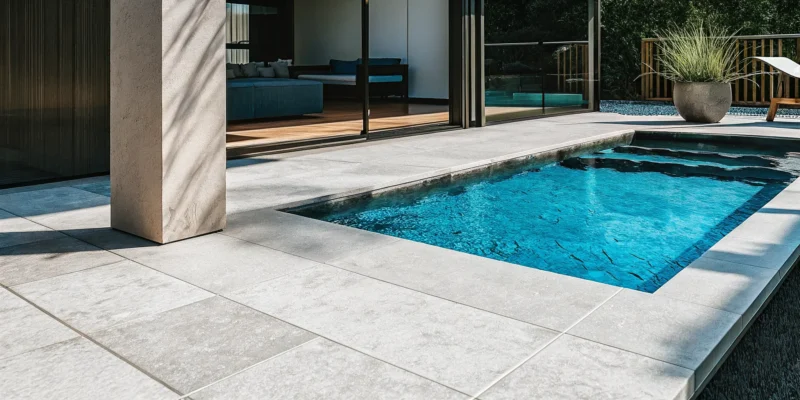
Cleaning and Sealing Paver Stones on Long Island NY

Cleaning-and-Sealing-Paving-Stones1

Cleaning and Sealing Paver Stones is NECESSARY! We are often asked, “Do I need to seal my pavers?”  The short answer is YES!!!  Cleaning and Sealing is an important maintenance tool to keep paver patios, walkways, driveways, and pool decks looking as beautiful as the day they were installed.

However, “too much of a good thing” can come into play, and you should be wary of over-applying paver sealer by reapplying too often, which could create a haze.

What Cleaning and Sealing Paver Stones Can Do For Your Home! 

Natural pavers may be more rustic, but they have a raw, unfinished look that may not fit even with more naturalistic decor styles. Sealed pavers create a polished look and complete the look of your driveway, patio, or pool area. The shine after sealing pavers adds sophistication and can improve curb appeal or complement the rest of your home decor.

Increases Weather Resistance

  • Most pavers are naturally porous. This makes them susceptible to water damage and erosion. Simply cleaning and sealing paver stones adds a resistant layer to sun and rain. In addition, when a sealant is used the pavers are protected from UV rays, which fade the natural color.

Prevents Damage

  • Paver sealing covers the cracks between pavers, creating a smooth surface that discourages chipping and additional cracking. When air temperature changes pavers expand and contract, but cleaning and sealing reduce this effect.  This is important because less movement means less chance of cracking, helping your pavers last longer.

Improves Drainage

  • Unsealed pavers trap and absorb water.  The trapped water leads to damage and erosion, in addition, it inhibits poor drainage for your driveway, patio, or pool area. On the other hand, cleaning and sealing paving stones gives pavers a smooth surface that enables roll-off. Your paved surface area will not collect water.

Easier Maintenance

  • The protective coat of paver sealing protects pavers from oil stains and any other stain your driveway or patio may encounter. It discourages insects, weeds, algae, and mildew, and makes it easier to clean them when they do grow. With a smooth surface and fewer stains, paver maintenance can be a breeze!

Enhances & Restores The Color Of Pavers

  • UV rays cause fading in pavers, but paver sealing functions as a varnish.  The sealant draws out the color and contrast of new and old pavers. Whether you’re installing new pavers or giving a facelift to old ones, paver sealing helps them look more beautiful and vibrant!

Cleaning-and-Sealing-Paving-Stones2

Gappsi Showroom Cleaning and Sealing

The Gappsi team is cleaning and sealing the showroom parking lot located in Smithtown NY Suffolk County on Long Island. We are using hot water on low pressure with a surface cleaner to remove dirt, oil residue, and other debris collected in the crevices of the surface of the pavers. We are using a rotary wand to loosen the dirt collected in between the joints of the pavers. This is a large parking lot built with Nicolock pavers.  The colors of the paving stones are still very nice even after 15 years of being exposed to the elements and vehicular traffic.

Nicolock manufactures high-quality concrete products that withstand the test of time. Like any other concrete product, concrete is corrosive.  It weathers when exposed to the elements like heat, rain, and snow.  In addition, calcium chloride and ice melters are used during freezing times. After completing the cleaning of the entire paver parking lot, we filled the joints of the pavers with haze-free polymeric sand and vibrated it with mechanical plate compactors to allow the sand to settle in and completely fill the joints. We spray water on the pavers to allow the sand to get wet, letting the water saturate the sand all the way through the bottom of the joint, and also wash off the surface of the pavers.

Cleaning-and-Sealing-Paving-Stones3

Polymetric Sand

The polymeric sand comes in a few different colors, but the most commonly used is beige or gray. It really doesn’t matter what color you use because over time it weathers and it will eventually turn into a brownish-gray color. Polymeric sand is a combination of medium-crushed natural sand, that is combined with color and a polymer component. It is activated when in contact with water to make it glue and eventually harden. This makes it better for the pavers’ stability, makes it harder for ants to dig and nest in between the paver joints, and also makes it harder for weeds to grow through.

The next process is the installation of the sealer. We use high-quality urethane-water-based sealers, which are environmentally safe and won’t harm plants, pets, or humans. It penetrates the surface of the pavers and creates a coating to protect the pavers from the elements. It also brings out and deepens the colors. Our sealer won’t yellow, and it will create a consistent tone on the pavers during wet and or dry circumstances. We allow the sealer to cure for at least 3 days before driving on it, and depending on the temperature, it could be longer for the sealer to totally cure.

SCHEDULE A MEETING TODAY WITH GAPPSI

VIEW OUR VIDEO OF CLEANING AND SEALING PAVER STONES AT GAPPSI

We provide pressure washing and re-sanding & sealing services in the following areas of Eastern Long-Island, Western Long-Island, North-Shore Long-Island, South-Shore Long-Island, Suffolk County, and Nassau County: Glen Cove, Hempstead, North Hempstead, Oyster Bay, Babylon, Huntington, Islip, Smithtown, Brookhaven, Southampton, Riverhead, East Hampton, Southold, Old Brookville, Old Westbury, Mill Neck, Nissequogue, Lloyd Harbor, Muttontown, Cold Spring Harbor, and East Norwich.

Brick Pizza Oven Construction

Brick-Pizza-Oven-Construction1

The process of building Gappsi Brick Pizza Oven Construction starts with the collection of clay and storing the bricks to dry and cure.  The drying process continues for several weeks.

The Artisan starts to mix the clay for the bricks at the time the manufacturer places the order. We mix the clay constantly in order for the molding process to take place and so it reaches a thick paste.  Gappsi measures and sizes the bricks for each oven.

At the time of the request, the manufacturer starts making the clay bricks to use. For several weeks the drying process continues. Smaller bricks dry naturally stacked. Stacked into a chamber with a wood-burning fire the clay bricks complete the drying process.

Gappsi Brick Pizza Oven Construction

  • Our brick ovens start with a metal frame base which is the foundation for the oven.
  • Gappsi applies insulation under the concrete base to keep the bottom of the oven insulated.
  • Wire mesh added.
  • Concrete poured.
  • Assembling the floor of the oven is next.
  • The Biscotto of Sorrento bricks are set up and used to start building the walls around the floor.
  • This combination acts as a subfloor that provides insulation as well as heat retention under the oven’s terracotta floor.
  • Volcanic sand is the base the Biscotto Di Sorrento clay bricks sit on. In this particular oven we build, we drill the hole completely through the oven floor.
  • Installed in each Gappsi Brick Oven is a gas burner.  In addition to using a gas burner to heat the oven, you may also use wood.

There Is Nothing Like The Taste and Smell Of Brick Oven Pizza

Brick-Pizza-Oven-Construction4

Gappsi is starting to build the walls by erecting the door frame and cutting the bricks to match the door angle.

  • Vertically installed Biscotto Di Sorrento clay bricks create the soldier course around the perimeter of the oven.
  • Italian artisans install the bricks to perfection.
  • The top row forms the bond beam with the brick’s base wall.
  • The dome shape is created by using a temporary dome made out of volcanic sand.

The cupola inside the oven was also created using the same techniques to build the dome. We use this process until the brick dome is complete too. The exterior of the brick dome is covered with a wire mesh as well as a reinforced layer of a mix of cement is added.  Sand in addition to expanded clay pebbles is added to further insulate the oven exterior process.

Brick-Pizza-Oven-Construction3

The picture above is a completed oven structure using the best clay bricks for an oven.  Built the same way each oven.  Up to this point, each model is constructed the same way.  From this point, it depends on the finishing style the oven would take shape of the desired model. The interior of every Gappsi oven is a site of craftsmanship, beauty, as well as history. For more than 300 years this tradition has not changed. The exterior of every Gappsi oven comes standard with a large useful mantle made out of volcanic black marble. This is beautiful and also heat resistant.

Brick-Pizza-Oven-Construction2

Using the traditional oven shell we are building the Vesuvio-style oven using a combination of brick accent to face the front of the oven.

Built over a metal frame and insulated is the smoke stacks dome. A high-quality fiberglass blankets the Gappsi oven dome for insulation. Built on the outside of the oven is also a second frame. Galvanized wire lath wraps the reinforced rebars for additional support.

True Brick Oven Italian Artistry & Craftsmanship

True craftsmanship and precise execution go into every Gappsi Brick Oven Construction. Over the wire, we apply a layer of cement.  The air chamber created services for two purposes. This provides all the insulation for the oven and makes the exterior surface of the oven safe as well as cool to the touch. The final installation of the top cupola is smoke style and the Vesuvio model is complete.

This is our Napolitano model veneered with the river rocks. These are our craftsmen posing with the Sorrento model oven. Standard veneered with random sizes, natural stones, and brick accents. And to complete our line of custom brick ovens is the Amalfi style. Finished with custom hand-painted tiles of your favorite memories with friends and family. You can also have your family name engraved into the door on the oven. Thank you for taking your time to learn more about our brick ovens and construction process. Please visit the Gappsi showroom to view our brick ovens and all of our unique products. If you are in the market for a brick pizza oven. Please do all your research and come to us last. We are very confident that we will prove to you and that you will agree that the Gappsi ovens are the best quality ovens on the market.

The Napolitano Oven3

SCHEDULE A MEETING TODAY WITH GAPPSI

VIEW OUR VIDEO OF BRICK OVEN PIZZA OVEN CONSTRUCTION

Our showroom display includes the most beautiful as well as unique imported natural stones for patios, walkways, and driveways.

We provide services in Nassau and Suffolk County.  Glen Cove, Hempstead, North Hempstead, Oyster Bay, Babylon, Huntington, Islip. Commack, Kings Park, Quoque, Commack, and Smithtown. Brookhaven, Southampton, Riverhead, East Hampton, Southold, Old Brookville, Old Westbury. and Mill Neck, Nissequogue, Lloyd Harbor, Muttontown, Coldspring Harbor, and East Norwich.  Gappsi’s knowledgeable and experienced personnel can help you create the yard of your dreams!

Why Italian Brick is the Secret to Great Pizza

Italian Clay Bricks In Pizza Ovens

That perfect, restaurant-quality pizza crust seems like a secret art form, right? But it’s actually science. The magic happens on the cooking surface. For centuries, the secret ingredient has been the humble Italian brick. These special bricks for pizza ovens create an intense, even heat that gives you that signature crispy-yet-tender crust every single time. But a Gappsi brick oven is so much more than just a pizza machine. It opens up a world of open-hearth cooking for meats, fish, and even desserts. We use the finest clay bricks for ovens because we’re passionate about performance and longevity in our Outdoor Ovens.

What Makes Brick Oven Pizzas Special?

Neopolitan-style pizzas are special. The crust is crisp and flecked with tell-tale charred spots, evidence of being baked in an extremely hot oven. The interior of the dough is soft, elastic, tender, and fragrant, and the toppings are cooked to perfection.

Achieving the perfect pizza is not easy! The pizza pros usually use brick ovens that heat from 625ºF – 700ºF.

For perfect pizza, the cook must balance the two so that the dough and the toppings finish cooking at the same time. For that, they need to get the oven temperature right.  The Roman pizzaiolos (pizza bakers) used the high temperature, combined with the thermodynamic properties of the bricks. The vaulted cavity of the brick oven and the thick layer of bricks at the bottom of the oven guarantees even heating of the pizza. Brick ovens are ideal because the crust heats at a high but reasonable temperature giving the toppings enough time to properly cook.  This combination adds to the secret of the perfect pizza.

Italian Clay Bricks In Pizza

Italian Clay Bricks In Pizza Ovens Floors

The clay is one of the most important parts of making the brick and if your clay isn’t of high quality, there’s no way your pizza oven is going to be high quality.  The video below it shows the floor of the pizza oven and how the Artisian makes it using the traditional mixer.  This machine mixes the clay gathered locally in the region of Sorrento Italy.  The Clay is rich soil with volcanic pumice and silicon, a particular characteristic beneath Sorrento’s famed citrus orchards.  An oven base needs to be porous.  The pours help to warm up early and maintain the heat for a long time, releasing this heat evenly.

This is an old manufacturer that has been around for hundreds of years in Italy.  Time and tradition keep with each generation.  as the clay is mixed and poured to make the brick.

A wood mold is placed on top of a platform and the clay is spread by hand.  Simply spreading the clay by hand and not pressing it creates a more spongy finished product.  The bricks can absorb the heat and release the heat slowly. The clay is found locally and has been used for hundreds of years too.  Gappsi Italian Clay Bricks is not a product you can mass produce, the clay is being excavated locally in Sorrento Italy, and poured by hand for your next Italian Pizza Oven Order.

A Real Master Piece and Italian Art In Your Home!

The Amalfi Oven

We design Gappsi Brick Ovens using a machine made in the most traditional way. The techniques used are no longer around or followed by any other manufacturer that makes bricks or pizza ovens. Smoothing out the top surface is what makes the stone denser on the surface. You are talking about something made by hand; a real piece of Italian Art. Here it is!  And it can be YOURS. We prepare each brick in the same way; it is a dying art. To make each stone you literally have to feel the product as you make it. Craftsmen that create these particular bricks have a passion for the trade and understand a very old method of producing a brick oven. Every brick made for a Gappsi customer oven has this much care in producing it!

Become inspired and learn how to use your wood-fired oven in a demonstration event at the Gappsi Showroom.  Signup to be notified of our next event.  

Wood | Gas Fired Pizza Ovens

The difference between Biscotto di Sorrento and other types of brick materials on the market is that it does not burn the bottom of a pizza, absorbing moisture from the dough.

Gappsi Artisan strictly follows the ancient tradition of manufacturing:

  • Manual extraction of the clay.
  • Mix clay using water, grinders, and mixers
  • Form clay into different molds: bricks or floor bases.
  • Dried for 3 days in molds
  • Dried for 10 days in a stacked position
  • Clay bricks turn light grey after we fire them in the kiln.
  • Dried for 7 more days
  • The natural firing phase.

This involves the continuous burning of wood for seven hours. Then, after four days of baking the bricks are ready and have acquired a natural red color.

The unique flavor of brick oven pizza can cause any foodie to wish that they owned a brick oven of their own. Not only are they useful, but brick ovens also add elegance to any outdoor living area.

The Heritage of Italian Brick

When you think of authentic Italian pizza, you probably picture a rustic, domed oven radiating a warm glow. That image is built on a foundation of history, where the art of brick-making is a tradition passed down through centuries. The bricks used in a genuine Italian pizza oven are not just building materials; they are the heart of the oven and the keepers of a rich cultural legacy. This is not something you can replicate with modern, mass-produced components. The process is steeped in a deep understanding of natural materials and time-honored techniques that have been perfected over generations to create the ideal cooking environment.

At Gappsi, we believe that to build the best, you must use the best. That’s why we source our bricks from artisans who carry on this incredible heritage. These are not just any bricks; they come from manufacturers who have been shaping clay in the same Italian regions for hundreds of years. This commitment to authenticity ensures that every outdoor oven we design has a direct link to the very origins of pizza itself. It’s a story of place, patience, and passion, all fired into a simple block of clay that makes an extraordinary difference in your backyard cooking experience.

From “Mattone” to Masterpiece

The Italian word for brick is “mattone,” but what goes into a Gappsi pizza oven is so much more. The craftsmanship is a time-honored tradition that has been passed down through generations. As our partners in Italy have shared, “This is an old manufacturer that has been around for hundreds of years in Italy. Time and tradition keep with each generation as the clay is mixed and poured to make the brick.” This isn’t a factory assembly line. It’s a hands-on process where artisans feel the clay and understand its properties intimately, ensuring each brick is formed to perfection. This dedication transforms a simple mattone into a masterpiece of function and form, ready to become the cornerstone of your outdoor kitchen.

The Science of Authentic Italian Bricks

While the heritage is captivating, the superior performance of these bricks is grounded in science. The perfect Neapolitan pizza crust, with its crispy exterior and soft, airy interior, doesn’t happen by accident. It’s the result of specific thermodynamic properties found only in these authentic Italian materials. The magic lies in two key areas: the unique geological composition of the clay itself and the incredibly precise, high-temperature firing process it undergoes. These elements work together to create a cooking surface that absorbs, retains, and radiates heat in a way that no other material can, giving you complete control over the cooking process.

Understanding this science is fundamental to creating a truly functional and long-lasting outdoor oven. The porosity of the brick floor, its ability to handle thermal shock, and the way it interacts with the moisture in the dough are all critical factors. This is where tradition meets technology. The ancient methods have survived because they produce scientifically superior results. When we incorporate these materials into our masonry designs, we are harnessing centuries of empirical testing to deliver a flawless cooking experience for your home in Long Island.

Historic Clay Composition

The quality of a brick begins with the earth it comes from. The bricks used in our ovens are made from a very special material. “The clay is rich soil with volcanic pumice and silicon, a particular characteristic beneath Sorrento’s famed citrus orchards.” This unique blend of minerals, found only in this specific region of Italy, is what gives the bricks their remarkable properties. The volcanic pumice creates microscopic air pockets within the clay, making the final brick porous. This porosity allows the oven floor to heat up quickly and, more importantly, to absorb moisture from the pizza dough, resulting in that signature crispy, never-soggy crust.

The Role of Firing Temperature in Durability

Once the bricks are hand-molded from this special clay, they undergo an intense trial by fire. This crucial step ensures their durability and perfects their cooking ability. The firing process is long and methodical, involving “the continuous burning of wood for seven hours. Then, after four days of baking, the bricks are ready and have acquired a natural red color.” This intense, sustained heat tempers the bricks, making them incredibly strong and able to withstand the extreme temperatures of a wood-fired oven without cracking. This process also locks in their thermal properties, guaranteeing even heat distribution for a perfectly cooked pizza every single time you fire up the oven.

SCHEDULE A MEETING TODAY WITH GAPPSI

VIEW OUR VIDEO OF THE MAKING OF ITALIAN CLAY BRICKS IN PIZZA OVENS

https://youtu.be/7SMoLmDB7pE

Our showroom display includes the most beautiful as well as unique imported natural stones for patios, walkways, and driveways.

We provide services in Nassau and Suffolk County.  Glen Cove, Hempstead, North Hempstead, Oyster Bay, Babylon, Huntington, Islip. Commack, Kings Park, Quoque, Commack, and Smithtown. Brookhaven, Southampton, Riverhead, East Hampton, Southold, Old Brookville, Old Westbury. and Mill Neck, Nissequogue, Lloyd Harbor, Muttontown, Coldspring Harbor, and East Norwich.  Gappsi’s knowledgeable and experienced personnel can help you create the yard of your dreams!

Frequently Asked Questions

What makes these Italian bricks so different from other materials for a pizza oven? The secret is in the soil. Our bricks come from Sorrento, Italy, where the clay is naturally mixed with volcanic pumice. This unique composition creates a porous brick that acts like a sponge for heat. It warms up quickly, holds that heat for a long time, and releases it evenly. Most importantly, it pulls moisture from the dough, which is how you get that perfectly crisp, never-soggy pizza crust.

Besides pizza, what else can I cook in a Gappsi brick oven? Think of it as a complete outdoor cooking station, not just a pizza maker. The intense, radiant heat is perfect for roasting meats to juicy perfection, baking crusty loaves of bread, searing fish, and even making desserts. The consistent temperature gives you incredible control, opening up a whole world of open-hearth cooking right in your backyard.

Why is the hand-made process for these bricks so important? When a brick is made by hand, the artisan can feel the clay and avoid over-compressing it. This creates a lighter, more porous final product compared to a dense, machine-pressed brick. This porosity is the key to the oven’s performance, allowing it to absorb and release heat slowly for a perfectly balanced cook. It’s a functional difference you can taste, born from a tradition of craftsmanship.

Will a brick oven made with these materials last? Absolutely. The durability comes from the intense, multi-day firing process. The bricks are baked in a kiln for days at very high temperatures, which tempers them and makes them incredibly strong. This process prepares them to handle the extreme heat of a wood-fired oven without cracking, ensuring your oven will be a beautiful and functional part of your home for many years.

Can I choose between a wood-fired and a gas-fired oven? Yes, you can. We design our ovens to fit how you want to cook. A wood-fired oven provides that classic, smoky flavor that many people love. However, a gas-fired system offers incredible convenience and precise temperature control at the turn of a dial. We can help you decide which fuel source is the best fit for your outdoor kitchen and lifestyle.

Key Takeaways

  • Authentic Materials Are Key: The secret to a restaurant-quality pizza crust lies in the bricks. True Italian pizza ovens use a special clay from Sorrento, mixed with volcanic pumice, which creates a porous surface that absorbs moisture for a perfectly crisp finish.
  • Handcrafting Creates Superior Performance: Unlike mass-produced bricks, authentic oven bricks are hand-molded by artisans. This traditional method preserves the clay’s natural structure, allowing it to heat quickly and distribute that heat evenly for a flawless bake.
  • The Firing Process Ensures Durability: These special bricks undergo a long, high-temperature firing process that tempers them. This makes the final product incredibly strong, so it can handle the extreme heat of a wood-fired oven without cracking, ensuring your oven lasts for years.

Related Articles

  • Biscotto di Sorrento Archives – Gappsi Group
  • Gappsi brick ovens Archives – Gappsi Group
  • brick ovens in Nassau County Archives – Gappsi Group
  • Brick Pizza Oven construction Archives – Gappsi Group

Concrete Wall Vinyl Liner Pool In Centereach NY

Concrete Wall Vinyl Liner Pool In Centereach NY

Gappsi designed a 20 x 40 Concrete Wall Vinyl Liner Pool located in Centereach NY.  The concrete walls are naturally of cement, but the floor is dirt.  Added in a thin layer of vermiculite over it and a thin layer of foam separating the liner from the wall of cement.

Vinyl Lined Concrete Wall Pools are very strong and offer a wide amount of shapes.  Vinyl liners offer a wide selection of colors and patterns to choose from. After many years of use, vinyl liners can be replaced when they wear out or when you are ready for a new look.

So what is a Concrete Wall Vinyl Liner Pool?

The process for constructing a Concrete Wall Vinyl Liner pool is unique and requires a more sophisticated pool builder to do it right. Once the excavation of your swimming pool is completed, Gappsi assembles forms that make up the shape of your pool. The area inside these forms is lined with steel rebar and then filled with concrete. When the concrete hardens the forms are removed and what’s left is the strongest and most durable vinyl liner pool construction available today. The best part about every Gappsi Concrete Wall Vinyl Liner pool is that all the walls, steps, sun decks, and benches are made from concrete. All of the benefits of owning a Concrete Wall Vinyl Liner pool are seen throughout the entire pool structure.

Gappsi does not use the industry standard white plastic steps with any Concrete Wall Vinyl Liner pool we build, you receive the unique look of vinyl-covered steps, sun decks, and benches.

The patio surrounding the Concrete Vinyl Liner Pool consists of G044 Limestone selected from the Gappsi Stone Collection. A two-inch thick coping for the pool and a french pattern for the patio was used. To add to the outdoor of the home and to help enjoy those warm summer nights Gappsi built a sitting wall for the firepit area perfect for roasting marshmallows while catching fireflies!

Basketball Sports Game Courts

Gappsi also built a 60×40 basketball sports game courts in the backyard.  We are Long Island’s Basketball Sports Game Courts Installation Expert serving Nassau and Suffolk County NY. Our Sports Game Courts come in various base and surface materials including bluestone dust, synthetic turf, clay, snap-sports, and our own exclusive crushed marble dust. Gappsi can satisfy any application criteria or professional specifications for recreational activity a customer has.  This basketball sports game court offers an adjustable sports net in the center and this allows the court to be used for more than just basketball.  

Sports Game Courts Tiles – Polypropylene Floors

Polypropylene tiles are what Gappi uses to create the Sports Game Courts.  The home in Centereach used one stripe with white and two-tone tiles. The gray for the field and black for the border and the keys. We also striped two shuffleboards one on each side of the court.

Our Sports Game Court’s are an excellent multi-sport athletic surface, appropriate for a wide variety of backyard and recreational activities. Newly designed for excellent traction and low abrasion, Gappsi provides outstanding performance at an economical price and delivers years of durable, safe play.

We offer a wide variety of leading indoor and outdoor multi-purpose and basketball performance surfacing products. Our products earned the top ratings in all categories for ball bounce, force reduction, low abrasion, high traction, and slip resistance.  Gappsi Sports Game Courts surfaces are great for basketball, tennis, pickleball, badminton, volleyball, futsal, soccer, and roller hockey.

When you provide a safe place for your kids to play sports at home, you no longer have to worry about their safety.  Safety is important at the local park, either from strangers or the unforgiving concrete surfaces. Gappsi Sports Game Courts backyard basketball court removes all those concerns!  A sports game court also provides a convenient spot for your kids to engage in regular, daily practice if they decide to play sports for their local basketball team or club.

Synthetic Grass Turf

In the surrounding area of the pool patio and the basketball court, Gappsi installed synthetic grass turf.  Synthetic grass manufacturers have been designing better artificial turf.  As modern technology has allowed plastic grass to be made more realistic. Fake grass might sound not as natural, but wait til you consider the benefits that synthetic grass turf.  It gives to the environment you might come to realize something different.  Artificial grass is better than natural grass.  Consider the maintenance of running lawn movers through your backyard and running water to keep it green.

Synthetic grass cost is based on the size of the job and also the degree of difficulty for the synthetic turf installation. The turf is used for putting greens, dog runs, or hills where the real grass would not grow. Synthetic grass turf putting greens and artificial lawns are becoming more popular because of the little maintenance they offer.  In areas such as the Southwest where the weather is very hot and water is scarce Synthetic grass lawns are very popular and more accepted. Many high-rise rooftops use fake grass turf and also small residential backyards have adopted this revolutionary product.

SCHEDULE A MEETING TODAY WITH GAPPSI

VIEW OUR VIDEO OF THE CONCRETE WALL VINYL LINER POOL ON LONG ISLAND

Our showroom display also includes the most beautiful as well as unique imported natural stones for patios, walkways, and driveways.

We provide our services in the following areas of Nassau and Suffolk County. Glen Cove, Hempstead, North Hempstead, Oyster Bay, Babylon, Huntington, Islip, and Smithtown. Brookhaven, Southampton, Riverhead, East Hampton, Southold, Old Brookville, Old Westbury. Mill Neck, Nissequogue, Lloyd Harbor, Muttontown, Coldspring Harbor, and East Norwich
Gappsi’s knowledgeable and experienced personnel can help you create the yard of your dreams!

Gunite Pools Yaphank: What You Need to Know

Many homeowners believe their sloped or irregularly shaped yard makes installing a beautiful pool impossible. However, the right construction method can transform a challenging landscape into a stunning, multi-level retreat. Gunite pools are the ideal solution for complex properties because they are built entirely on-site, allowing them to be perfectly molded to your yard’s specific terrain. This flexibility means you don’t have to compromise on your vision. We have designed and installed breathtaking gunite pools in Yaphank on properties where standard pools simply would not fit. This guide explores how gunite construction delivers unmatched adaptability, strength, and beauty for any backyard.

Travertine Patios And Pools On Long Island

Travertine Patios And Pools On Long IslandGappsi designed and completed the landscaping and Travertine Patios And Pools On Long Island recently in a home located in Yaphank, NY.  Gappsi installed a freeform vinyl pool with a gunite spa spilling into the pool. Three structures were built including a gazebo, a pavilion, and a pergola; since the property is surrounded by woods populated by deer we decided to screen the gazebo for bugs also.

Backyard Gunite Spa with G035 Travertine Pavers

The home’s backyard was built on two levels so Gappsi utilized natural stone borders to retain the hearth and create a more natural look as well. The freeform vinyl pool is 18 x36, with the deepest part of the pool only 5 1/2 feet. There is a gradual slope on the bottom with the walls being straight down. The stairs that were installed are in the shallow area and we added 3 built-in stools in the pool to sit and relax poolside.

The spa that was added is a gunite spa finished with super blue diamond brights. This pavilion was built to add a shaded area while relaxing near the pool with a pergola for a lounge chair. The patio was paved with G035 travertine selected from the Gappsi stone collection and the veneer on the spa is also G035 travertine. The entire backyard has a very beautiful setting and layout.  The homeowners will enjoy the backyard for many many years to come along with all the family members.

Why Consider a Travertine Pool Deck?

One of the best reasons to consider these pavers is purely aesthetic. They provide a unique look that, when compared with other pavers, makes your patio or pool deck stand out amongst others in your neighborhood! An essential part of buying a pool is thinking about the best pool deck for your family. Travertine tile pool patios are increasingly popular because they are slip, heat, and mold resistant.  Travertine is a natural form of sedimentary limestone. It develops around natural spring mineral deposits, leading to distinctive swirls throughout the limestone. Due to the travertine tiles’ layered, mottled texture and beauty, the ancient Romans favored it as a building material.

Travertine-Patios-And-Pools-On-Long-Island3

Travertine pavers are ideal because they stay cool to the touch; Perfect for Barefoot-in!.

Simply by designing the yard with travertine pool pavers the customer increased the safety of their pool area by providing a stable, slip-resistant surface. The porous stones are naturally rough and even more so when they are wet making the surface slip-resistant.

Use Travertine Paving Stones in the following places:

  • pool decks
  • patios
  • decorative walls
  • stairs
  • fireplaces
  • driveway

Benefits of Travertine Patios And Pools On Long Island

Travertine is eco-friendly All travertine stones are eco-friendly as they adopt an environment-friendly manufacturing process as opposed to marble. In addition, this stone is super low maintenance; they stay intact much longer, thus avoiding the need to replace them regularly.

Extremely durable Due to Travertiens’s ability to withstand heat and extreme temperatures, travertine pool pavers are known to be extremely durable, thus making them ideal for all outdoor projects.  For example driveways, walkways, patios, and pools; enjoy your barbeques and parties.

Water Absorbency Concrete pavers do absorb some water where tiles do not, and neither does flagstone. Since water is constantly present around a swimming pool, especially if it is heavily used by children choosing travertine pavers is smart because it absorbs more water than other paving materials. Non-Fading Better paving materials today are fade resistant, but in the face of the sun, over the years even pavers do lose some color. Travertine pool decks are natural stones whose color is permanent versus dyes that are long-lasting or fade-resistant. No Efflorescence What is that? Efflorescence is a powdery white deposit that’s commonly seen on concrete surfaces and requires cleaning to remove it.

Travertine-Patios-And-Pools-On-Long-Island2

While this isn’t part of our list above of reasons for suggesting travertine for patios and pools the fact is that it is hugely popular. This isn’t a fad or trend; it’s been in big demand for patios and pool decks for several years now, and instead of showing signs of losing favor as a trend does, the requests for travertine paving in the backyard continue to grow.

Are You Ready To Level Up Your Yard?

When looking to remodel your pool deck, having a selection of colors and sizes to choose from makes the process all the more enjoyable. At Gappsi you can select from an array of travertine deck pavers’ colors, sizes, designs, and patterns. No matter your taste, finding the right paver for your style is simple!

Work With a Contractor For Maintaining Your Travertine Pool Deck

Although travertine tiles are water-resistant, they may gradually appear stained. Further, if your travertine pool deck is close to loose soil, dirt can become trapped in the natural pores.

Fortunately, you can easily prevent this by sealing your deck every three to five years. Although you’re not required to seal your deck, you’ll be grateful that you did so a few years down the road.  Your pool contractor can replace damaged tiles or may recommend a cleaning and sealing of your pool’s patio.

If you clean your travertine tiles on a regular basis, you shouldn’t need much help from a contractor to repair or replace them.

SCHEDULE A MEETING TODAY WITH GAPPSI

## What is a Gunite Pool?

A durable and highly customizable pool built to last.

If you can dream it, you can probably build it with gunite. A gunite pool is a type of concrete pool renowned for its strength and design versatility. The construction process is what makes it so unique. Instead of using a pre-formed shell, builders create a framework of steel bars, called rebar, in the exact shape and size you want. Then, a specialized crew sprays a dry mix of sand and cement through a high-pressure hose, mixing it with water right at the nozzle. This mixture, known as gunite, is applied onto the rebar cage, forming a dense, solid shell. This on-site construction method means your pool isn’t limited to standard shapes or sizes.

This process results in a single, monolithic structure that is incredibly strong and durable. After the gunite shell cures, a smooth finish like plaster, tile, or pebble aggregate is applied to create the final interior surface. Because they are built from the ground up, gunite pools offer limitless possibilities for customization. You can incorporate features like built-in benches, tanning ledges, waterfalls, and even attached spas seamlessly into the design. For homeowners looking to create a truly one-of-a-kind backyard oasis, a custom swimming pool made from gunite is often the perfect choice, allowing for a perfect fit with your landscape and personal style.

## Advantages and Disadvantages of Gunite Pools

Like any major home improvement project, choosing a gunite pool comes with its own set of pros and cons. Understanding these factors will help you decide if it’s the right investment for your Long Island home. Gunite offers unparalleled creative freedom and longevity, but it also requires a larger upfront budget and a bit more patience during the building process. Weighing these aspects carefully is the key to making a choice you’ll be happy with for decades to come. Let’s look at the key points to consider.

Advantages of Gunite

Unmatched Design Flexibility

The single greatest advantage of a gunite pool is the complete design freedom it offers. Since it’s built on-site using a rebar framework, you are not confined to predetermined shapes or sizes. Whether you envision a geometric lap pool, a lagoon-style oasis with gentle curves, or a complex design with multiple levels and features, gunite can make it happen. This flexibility allows you to create a pool that perfectly complements your home’s architecture and the unique layout of your backyard. You can easily add custom steps, tanning ledges, swim-up bars, and integrated spas for a truly personalized experience.

Exceptional Durability

Gunite pools are built to last. The combination of a steel rebar grid and high-strength concrete creates an incredibly robust and permanent structure. With proper care, a gunite pool shell can last for over 50 years, making it a long-term investment in your property. This strength also means they are well-suited for various soil conditions and are less susceptible to damage from ground movement compared to other pool types. The durable finish, when properly maintained, stands up well to daily use, ensuring your pool remains a beautiful centerpiece of your yard for many years.

Disadvantages of Gunite

High Initial Investment

The custom nature and labor-intensive construction process of gunite pools mean they typically have a higher upfront cost than fiberglass or vinyl liner options. The price reflects the materials, skilled labor, and time required to build a custom structure from scratch. While it’s a significant initial investment, it’s important to view it in the context of the pool’s longevity and the value it adds to your home. For many homeowners, the ability to get the exact design they want makes the higher cost worthwhile.

Porous Surface and Maintenance

The plaster finish traditionally used in gunite pools is porous, which means it has microscopic holes. This texture can make it easier for algae to take hold if water chemistry isn’t consistently maintained. To prevent this, gunite pools require regular brushing and careful chemical balancing. Over time, the plaster surface will also need to be refinished, typically every 10 to 15 years, to keep it smooth and stain-free. While this requires ongoing attention, diligent maintenance ensures the pool remains pristine and inviting.

Lengthy Construction Process

Building a gunite pool is not a quick project. The multi-stage process, which includes excavation, plumbing, rebar installation, gunite application, curing, and finishing, takes significantly longer than installing a pre-made fiberglass pool. The curing process for the gunite shell alone can take several weeks before the final interior finish can be applied. Homeowners should be prepared for a construction timeline that can span several months, depending on the project’s complexity and weather conditions.

## The Cost of Gunite Pools in Long Island

When planning for a gunite pool, it’s helpful to understand both the initial installation price and the long-term ownership costs. On Long Island, the investment reflects the high-quality materials and expert labor required to build a durable, custom pool. The total cost can vary widely based on the pool’s size, shape, depth, and any additional features you choose, such as waterfalls, custom lighting, or an attached spa. Partnering with an experienced builder like Gappsi ensures you get a detailed and transparent quote that covers every aspect of the project, from excavation to the final finish.

Average Installation Costs

The initial installation of a gunite swimming pool is a significant investment, with typical costs ranging from $65,000 to $120,000. This price range generally covers the basic construction of the pool, including excavation, the gunite shell, standard plumbing, and a basic plaster finish. However, the final price tag can easily increase with the addition of custom features. Upgrades like premium porcelain or natural stone decking, intricate tile work, automated systems, and elaborate water features will add to the overall budget. It’s best to get a specific quote based on your unique design.

Long-Term Maintenance and Repair Costs

Beyond the initial build, you should budget for ongoing maintenance. Yearly costs for a gunite pool, including chemicals, cleaning, and electricity, typically fall between $2,700 and $4,000. Because the plaster surface is porous, it requires consistent chemical management to prevent algae growth. The biggest long-term expense is resurfacing, which is generally needed every 10 to 15 years to restore the pool’s smooth, clean finish. This process can cost several thousand dollars but is essential for maintaining the pool’s integrity and appearance over its long lifespan.

## Gunite Pools vs. Other Pool Types

Choosing the right type of pool is one of the most important decisions you’ll make for your backyard project. While gunite is a fantastic option for its customizability and durability, it’s helpful to see how it compares to other popular choices like fiberglass and vinyl liner pools. Each type has distinct characteristics that make it better suited for different priorities, budgets, and backyard spaces. Understanding these differences will help you confidently select the pool that best aligns with your vision and lifestyle for your Long Island home.

Gunite vs. Fiberglass Pools

The primary difference between gunite and fiberglass pools lies in their construction and design flexibility. Fiberglass pools are factory-molded into pre-set shapes and sizes and are delivered to your home as a single shell. This makes installation much faster, often taking only a few weeks. However, you are limited to the manufacturer’s available designs. In contrast, gunite pools are built on-site, allowing for infinite design possibilities. If you want a pool that perfectly fits an irregular space or includes unique, integrated features, gunite is the superior choice for customization.

Gunite vs. Vinyl Liner Pools

Gunite and vinyl liner pools both offer significant design flexibility, but they differ greatly in terms of durability and long-term maintenance. A vinyl liner pool has a lower initial cost, but the liner itself is a temporary component that needs to be replaced every 5 to 10 years. This recurring expense can add up over the life of the pool. A gunite pool, on the other hand, is a permanent structure. While it requires resurfacing every decade or so, the underlying shell is built to last for 50 years or more, offering a more permanent and substantial feel.

## Gunite Pool Repair and Renovation

Even the most durable gunite pools will eventually need some attention to keep them looking and functioning their best. Over time, the surface can develop cracks, stains, or a rough texture. Addressing these issues promptly is key to preventing bigger problems and extending the life of your pool’s finish. Whether you need a simple patch or a complete overhaul, understanding your options for repair and renovation can help you maintain the value and enjoyment of your backyard investment. Professional services can restore your pool to its original beauty.

Patching vs. Resurfacing: What’s the Difference?

When you notice a small issue, you might wonder if you need a patch or a full resurfacing. Minor problems like a small chip or a hairline crack can often be fixed with a simple patch. A professional can apply a matching plaster compound to fill the damaged area, creating a seamless repair. However, if your pool has widespread cracking, extensive staining, or the surface has become unpleasantly rough, patching is just a temporary fix. In these cases, a full resurfacing, which involves chipping away the old finish and applying a new layer, is the correct long-term solution.

Signs You Need a Professional Renovation

Knowing when to call a professional for a renovation can save you from more costly repairs down the road. One of the clearest signs is visible, widespread cracking or “crazing” across the pool’s surface. Another indicator is a texture that feels rough or sandy to the touch, which can be uncomfortable for swimmers. If you find yourself constantly battling algae blooms despite balanced water chemistry, it could mean the porous surface has become a breeding ground for growth. A professional restoration and sealing can address these issues and give your pool a fresh start.

VIEW OUR VIDEO OF TRAVERTINE PATIOS AND POOLS ON LONG ISLAND

https://youtu.be/SvcsU5rDc3U

Frequently Asked Questions

The project has a vinyl pool but a gunite spa. Why not just use one material for both? This is a perfect example of how a smart design can give you the best of both worlds. Combining materials allows you to allocate your budget effectively while still getting those high-end custom features. A vinyl liner pool can be a more cost-effective option for the main swimming area, while a gunite spa offers total freedom in shape, integrated seating, and that beautiful spillover effect that is difficult to replicate with other methods. It’s a creative way to get a custom look that meets your specific needs.

My yard isn’t perfectly flat. Does that mean a gunite pool is my only option? While gunite is the undisputed champion for challenging properties, it’s not your only choice, but it is often the best one for creating a seamless, integrated design. Because gunite pools are built on-site, they can be molded perfectly to the unique contours of your land. This allows us to work with slopes and irregular shapes to create stunning multi-level patios and pool areas, turning a potential problem into your backyard’s most impressive feature.

Travertine sounds nice, but is it really that much better than concrete pavers? It really comes down to the long-term experience and value. Think about walking barefoot on a hot summer day; travertine stays naturally cooler to the touch. Its porous nature provides excellent slip resistance, which is a huge plus for safety around the pool. Unlike concrete pavers that can fade over time, travertine’s color is part of the stone itself, so its beauty is permanent. It’s an investment in comfort, safety, and a timeless look that won’t need replacing.

What does the weekly upkeep for a gunite pool and travertine patio actually look like? The day-to-day maintenance is very manageable. For a gunite pool, you will want to stay on top of your water chemistry and give the surface a regular brushing to keep it feeling smooth and prevent algae. For the travertine patio, a simple sweep or rinse with a hose to clear leaves and dirt is usually all it needs. The more significant tasks, like sealing the stone or eventually resurfacing the pool, are only necessary every several years, so the weekly commitment is minimal.

I love the look of the Yaphank project, but my space is smaller. Can I still achieve a high-end feel? Absolutely. A luxurious feel is all about thoughtful design and quality materials, not necessarily grand scale. You can apply the exact same principles to a more compact space. A smaller, custom-shaped gunite pool, sometimes called a “spool,” paired with a beautiful travertine patio can feel just as elegant and resort-like. The key is working with a designer who can maximize the potential of your yard to create a personal oasis, no matter the size.

Key Takeaways

  • Gunite offers total design flexibility: Since they are constructed on-site, gunite pools and spas can be built to fit any yard, making them an ideal solution for sloped properties or custom shapes with integrated features like benches and waterfalls.
  • Travertine is a premier choice for pool decks: This natural stone combines beauty with practical benefits; it stays cool to the touch, provides a naturally slip-resistant surface, and its color is permanent, ensuring it will not fade over time.
  • Plan for long-term value and maintenance: A high-quality backyard is a significant investment. Gunite pools have a higher initial cost but offer incredible longevity, while travertine requires simple, periodic sealing to protect its beauty and integrity for years to come.

Related Articles