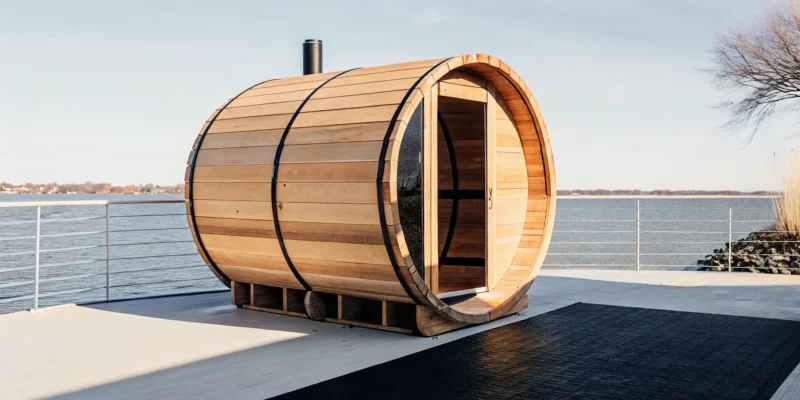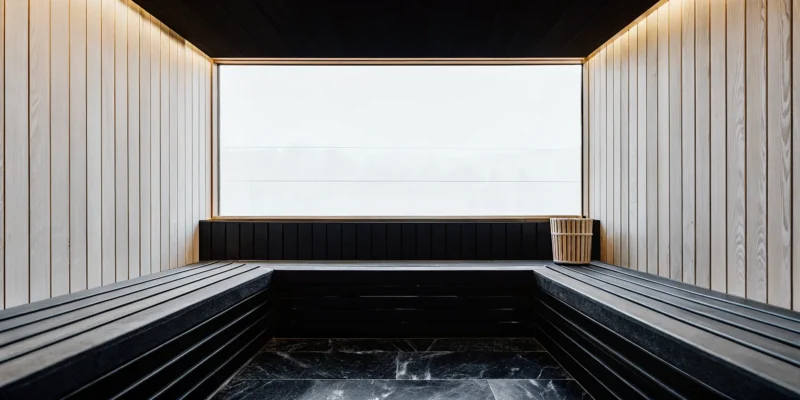
A modern custom cedar sauna with black benches and a large window in a Long Island home.

Custom Cedar Sauna Long Island: A Buyer’s Guide

When you think about upgrading your home, you might picture a new patio or a remodeled kitchen. But what about an addition that enhances your lifestyle all year long? A sauna provides a warm, restorative escape during chilly Long Island winters and a perfect way to relax after a summer day by the pool. It’s a unique feature that adds significant value and appeal to your property. Building a custom cedar sauna Long Island home means creating a beautiful, functional space that complements your backyard oasis. This guide will walk you through the essential steps for turning this idea into a lasting home improvement.

Key Takeaways

  • Think of a Sauna as a Wellness Investment: A custom cedar sauna is more than a luxury; it’s a lasting addition that improves your daily well-being and adds significant value to your home. Cedar is the ideal material for its natural durability and relaxing aroma.
  • Personalize Your Sauna to Fit Your Needs: The best sauna is one designed just for you. You get to make the key decisions, such as choosing an indoor or outdoor location, selecting a traditional or infrared heater, and adding features like custom lighting and sound systems.
  • Hire a Builder Who Manages the Details: A successful project depends on a builder who can handle everything from start to finish. Your builder should manage local permits, help with design, and ensure all electrical and ventilation requirements are met for a safe and seamless installation.

Why Invest in a Custom Cedar Sauna?

Adding a custom sauna to your home is more than just a luxury; it’s an investment in your personal well-being. It creates a private retreat where you can decompress and recharge, just steps from your back door. A custom build means you get a sauna that fits your space and your lifestyle perfectly, turning a corner of your home into a year-round sanctuary. It’s a feature that not only enhances your daily life but also adds unique value to your property.

Unwind and Improve Your Health

Imagine having a personal escape to melt away the day’s tension. A custom cedar sauna offers exactly that. The gentle, consistent heat helps relax your muscles and calm your mind, making it a powerful tool for stress reduction. Regular sauna sessions also promote sweating, which is your body’s natural way of flushing out toxins. This process can leave your skin feeling refreshed and rejuvenated. It’s a simple, enjoyable way to improve your overall well-being without ever leaving home. This small addition can make a huge difference in your daily routine.

Why Cedar Is the Best Wood for Your Sauna

There’s a reason cedar is the top choice for high-quality saunas. First, it’s beautiful. The rich tones and natural grain of cedar create a warm, inviting atmosphere. It also releases a subtle, pleasant aroma when heated, which adds another layer to the relaxing experience. Beyond aesthetics, cedar is incredibly practical. It naturally resists moisture and decay, so it holds up beautifully in the hot, humid environment of a sauna. Plus, cedar doesn’t absorb much heat, meaning the benches stay comfortable to the touch. At Gappsi, we prioritize using the best porcelain and natural stone for our outdoor projects, and we apply that same quality-first mindset to our saunas.

How Long Does a Custom Cedar Sauna Last?

When you invest in a home improvement project, you want it to last. A well-built cedar sauna is a durable addition that will serve your family for decades. With proper care, a sauna made from quality cedar can easily last 15 to 30 years, and premium grades of clear cedar can last even longer. The key is expert construction and consistent, simple maintenance. Think of it as a lasting feature of your home, much like a well-built patio or a sturdy fence. We build our projects to stand the test of time, and our restoration and sealing services show our commitment to long-term durability.

Types of Custom Cedar Saunas for Your Long Island Home

Choosing the right sauna for your home comes down to your personal preferences, your space, and how you envision using it. Whether you want a private escape inside your home or a natural retreat in your backyard, there’s a custom cedar sauna design that will fit your lifestyle perfectly. Understanding the main types available is the first step in planning your personal wellness sanctuary.

Indoor Cedar Saunas

An indoor sauna offers the ultimate convenience, creating a private wellness retreat just steps from your living space. These saunas are perfect for year-round use, providing a warm escape during cold Long Island winters. Because they are built inside, they can be seamlessly integrated into your home’s existing footprint. We can design a custom indoor sauna to fit into a spacious master bathroom, a finished basement, or even a converted walk-in closet. Our expertise in home remodeling ensures your new sauna will feel like it was always meant to be there, adding both value and a touch of daily luxury to your home.

Outdoor Cedar Saunas

An outdoor cedar sauna transforms your backyard into a destination for relaxation and rejuvenation. Imagine enjoying a steamy session while surrounded by the beauty of your garden, even on a snowy day. These standalone structures are built to withstand the elements and can become the centerpiece of a complete backyard oasis, perfectly complementing a patio or swimming pool. An outdoor sauna allows you to connect with nature while enjoying a spa-like experience, creating a unique and tranquil escape right on your own property. It’s an amazing way to make the most of your outdoor space throughout the year.

Infrared vs. Traditional Finnish Saunas

The heating system is the heart of your sauna, and you have two main options: traditional or infrared. A traditional Finnish sauna uses an electric or wood-fired stove to heat rocks, warming the air to temperatures between 150°F and 195°F. You can pour water over the rocks to create a burst of steam for a more intense experience. In contrast, an infrared sauna uses special heaters to emit infrared light, which warms your body directly at a lower temperature, typically 120°F to 140°F. Many find this gentle heat more comfortable for longer sessions. Both styles offer incredible wellness benefits, and our team can help you select the perfect sauna for your home.

How Much Does a Custom Cedar Sauna Cost in Long Island?

When you’re planning to add a custom cedar sauna to your Long Island home, it helps to have a budget in mind. For most custom projects, you can expect to invest between $20,000 and $30,000. Of course, this is a general range. The final price tag can shift depending on the size of your sauna, the specific features you choose, and the complexity of the installation. Think of it as a long-term investment in your home’s value and your personal wellness. A custom sauna is more than just a hot room; it’s a personal retreat built right into your home. It’s a space to de-stress after a long day, soothe sore muscles, and spend quiet moments focused on your health.

At Gappsi, we create beautiful, high-quality saunas designed to fit your space and lifestyle perfectly. We can walk you through all the options to create a detailed quote that matches your vision and budget, ensuring there are no surprises along the way. The best way to get an accurate number is to discuss your dream sauna with a professional who can tailor the project to you. A well-planned project ensures you get the exact features you want without overspending, resulting in a beautiful and functional addition to your home that you’ll enjoy for years.

What Determines the Final Cost?

Several key factors influence the final cost of your custom sauna. The size is the most obvious one, as a larger sauna requires more materials and a more powerful heater. The type of cedar and other materials you select also play a big role. Your quote will typically include essential components like bench lumber, wall and ceiling boards, a foil vapor barrier, and the sauna heater with its controls.

Beyond the basics, your choice of heater (electric, wood-burning, or infrared) and any special design features will affect the price. It’s also smart to think about your home’s existing infrastructure. For example, you may need to assess your home’s electrical panel to ensure it can handle the sauna’s power requirements, especially in older homes. Planning for these elements from the start helps create a realistic budget.

Understanding Your Installation Quote

A good installation quote is much more than just a final number; it’s a complete roadmap for your project. It should clearly outline the scope of work, including the specific materials, the type of sauna being installed, and a projected timeline. This transparency is key to a smooth and stress-free process. Your quote should also reflect that your builder understands local Long Island building codes and will handle any necessary permits, so you don’t have to worry about the paperwork.

When you review your quote, make sure you understand every line item. Don’t hesitate to ask questions about the sauna installation process and what’s included. A reputable builder will be happy to explain everything. This ensures that you and your builder are on the same page from day one, which is the best way to make sure your project stays on schedule and within budget, resulting in the perfect custom sauna for your home.

How to Personalize Your Custom Sauna

Building a custom sauna means every detail can be tailored to your lifestyle and wellness goals. This is your chance to create a personal retreat that looks and feels exactly right. From the layout to the lighting, customizing your sauna is what makes it a truly special addition to your home. At Gappsi, we guide you through these choices to ensure the final result is a perfect fit. Let’s walk through the key areas where you can add your personal touch.

Plan the Size, Layout, and Benches

First, think about how you’ll use your sauna. Will it be a quiet escape for one or two people, or a social spot for family and friends? The size of your sauna will determine its capacity and influence the overall cost. Most custom projects on Long Island fall into a general price range that depends heavily on room size and features. Once you have a size in mind, you can plan the bench layout. Multi-level benches are a popular choice, as they allow you to experience different heat intensities. An L-shaped design can create a more conversational atmosphere. We can help you design a layout that maximizes your available space and creates a comfortable, functional interior for your new sauna.

Select a Heating System and Interior Features

The heater is the heart of your sauna, and you have several options. Traditional Finnish heaters use heated rocks to create a wave of enveloping steam, while infrared heaters use light to heat your body directly. Many homeowners are choosing low EMF carbon far infrared heaters for their effective and safe heating. To make your experience seamless, consider adding modern controls. A digital keypad gives you precise command over temperature and session length, so your sauna is always ready when you are. These thoughtful interior features are what transform a simple hot room into a sophisticated wellness tool that’s part of your daily routine.

Choose Lighting, Sound, and Finishes

This is where you can truly set the mood. The right lighting can make your sauna feel calming and restorative. Many people incorporate color light therapy, also known as chromotherapy, to create a specific ambiance. You can also integrate an enhanced audio system with Bluetooth, allowing you to listen to calming music, guided meditations, or your favorite podcast. Finally, the wood finish is a critical choice for both beauty and durability. While cedar is a fantastic option, it’s important to select a type of cedar that can withstand heat and moisture over time. These finishing touches are essential for creating a complete sensory experience in your personal oasis.

Where Should You Put Your Sauna?

Deciding where to place your new sauna is one of the most important steps in the process. The right spot depends on your home’s layout, your lifestyle, and whether you envision a private indoor retreat or a stunning backyard feature. You’ll need to think about practical things like available space, ventilation, and access to power. Whether you’re tucking it into a quiet corner of your home or making it the centerpiece of your outdoor living area, careful planning ensures your sauna is both beautiful and functional. Let’s walk through the key factors to help you find the perfect location.

Planning for Space and Ventilation

You can install a sauna in many places, including a spacious primary bathroom, a finished basement, a garage, or even a converted spare room. The most important factor is ensuring the area has proper ventilation to manage heat and moisture. A nearby window can help, but a dedicated ventilation system is often the best solution. Before you commit to a location, measure the area carefully to confirm the sauna will fit comfortably, leaving enough clearance around it. A professional can assess your chosen spot and determine if any modifications, like adding framing or improving airflow, are needed for a safe and effective home remodeling project.

Connecting to Water and Power

Your sauna will need a dedicated electrical circuit, so it’s crucial to plan for power. Before you get started, have a licensed electrician check your home’s electrical panel to make sure it can handle the additional load, as older homes may require an upgrade. Most infrared saunas need a 15 or 20-amp outlet, while traditional Finnish saunas with electric heaters often require more powerful 240-volt wiring. While most saunas don’t need a direct water line, having a nearby shower for rinsing off is a great convenience. Gappsi manages all utility connections, ensuring your installation is seamless and up to code, just as we do for complex swimming pools and spa projects.

Choosing Between an Indoor or Outdoor Sauna

An indoor sauna offers the ultimate convenience and privacy, letting you slip away for a relaxing session anytime. It’s protected from the elements and becomes a seamless part of your daily wellness routine. On the other hand, an outdoor sauna transforms your backyard into a year-round escape. Imagine stepping out into the crisp Long Island air before warming up in your cedar sanctuary. An outdoor sauna can be a stunning focal point, especially when integrated with a deck, patio, or pool area. You can even place it under one of our custom pavilions and pergolas to create a complete, sheltered wellness zone.

How to Choose a Sauna Builder in Long Island

Finding the right builder is the most important step in bringing your dream sauna to life. You need a partner who not only has technical skill but also understands your vision and can handle the entire project from start to finish. A great builder makes the process feel seamless, guiding you through design choices, local regulations, and the installation itself. They act as your single point of contact, which saves you the stress of coordinating different contractors for electrical, plumbing, and construction work. When you start vetting potential builders on Long Island, it helps to have a clear framework. Focus on four key areas to make your decision: their experience with local codes, their design quality, their installation process, and the support they offer for long-term maintenance. Getting these right ensures you end up with a beautiful, safe, and long-lasting addition to your home.

Handling Local Permits and Codes

Navigating building permits and local codes can feel like a major headache, but with the right builder, it’s a hands-off process for you. Every town in Nassau and Suffolk County has slightly different rules for construction, electrical work, and placement. An experienced local builder will already know what’s required in your area and will manage the entire permitting process on your behalf. When you interview a builder, ask them how they handle permits. A confident, clear answer is a great sign that they are professional and well-versed in local regulations, ensuring your sauna installation is done correctly and to code from day one.

Evaluating Design Options and Build Quality

This is where you get to see a builder’s craftsmanship shine. Before committing, take a close look at their portfolio. Do their past projects reflect the quality and style you envision for your home? A top-tier builder will offer extensive design flexibility, allowing you to create a sauna that is perfectly integrated with your property. They should also be transparent about what your project will cost. On Long Island, custom saunas often range from $20,000 to $30,000, depending on the size, wood species, heater, and other features. A great partner will work with you to select high-quality materials and finishes that fit your budget and aesthetic.

What to Expect During Installation

A professional installation is about more than just construction; it starts with careful planning. Your builder should begin with a thorough site assessment, which includes checking your home’s electrical panel to ensure it can handle the new heater. This is a critical step, especially for older homes that might need an electrical upgrade. The installation process itself is methodical. It involves framing the room, installing a foil vapor barrier, carefully fitting the wall and ceiling boards, and assembling the benches. Finally, the team will install the heater and controls. Your builder should keep you informed throughout the project, so you always feel confident and clear on the progress.

Simple Maintenance for Your New Sauna

Your custom cedar sauna is an investment in your home and your well-being, and a little routine care will keep it looking and functioning beautifully for years. A good builder will provide you with clear instructions for upkeep before they consider the job done. The most important habit is to wipe down the benches and interior surfaces with a clean, damp cloth after each session to keep the wood fresh. You should also do a quick monthly check of the components. With an electric heater, the heating elements may need to be replaced every five to seven years. Following these simple guidelines ensures your sauna remains a perfect retreat.

Build Your Dream Sauna with Gappsi

Bringing a custom sauna to your Long Island home is an exciting project, and our team at Gappsi is here to handle every detail from start to finish. We believe the process should be as relaxing as the final result. We combine our deep expertise in design and construction with your personal vision to create a sauna that perfectly fits your lifestyle. Whether you envision a cozy indoor retreat or a stunning outdoor feature, we manage the entire build so you can focus on the dream. Our goal is to make your ideal sauna a reality, ensuring it integrates seamlessly with your home and provides a sanctuary for years to come.

How We Design and Build Your Sauna

Our process begins with you. We listen to your ideas and help you design a custom sauna that supports how you want to relax and recharge. We consider your space, your aesthetic preferences, and how you plan to use it. From private homes to commercial wellness spaces, every sauna we build is tailored for long-term performance and comfort. Our team personally oversees each project from the initial design sketches to the final installation, ensuring every element aligns with our high standards and your vision for the perfect wellness retreat.

Explore Our High-Quality Materials and Features

The right materials make all the difference. We build our saunas with premium cedar, a wood celebrated for its rich appearance, pleasant aroma, and natural resistance to moisture. It feels comfortable even in high heat, making it the ideal choice for a lasting and luxurious experience. Beyond the wood, we help you select the perfect features to complete your sauna. You can choose from different heating systems, bench layouts, interior lighting, and sound systems. Our commitment to using high-quality porcelain and natural stone in our other projects extends to every material we use for your sauna.

Complete Your Backyard Oasis

A sauna can be a standalone feature or the final piece of your dream backyard. Imagine stepping out of your sauna and into a beautifully designed outdoor living space. At Gappsi, we specialize in creating cohesive backyard environments. We can integrate your new sauna with a custom swimming pool, a stylish patio, or a complete landscape transformation. Whether you have a small corner or a large property, we can design a project that fits your space and budget. If you’re thinking about a build, the best time to start the conversation is now.

Related Articles

Frequently Asked Questions

How do I decide between a traditional Finnish sauna and an infrared one? The best way to choose is to think about the kind of heat you enjoy most. A traditional Finnish sauna gives you that classic, intense wave of heat and steam, which many people find deeply cleansing. An infrared sauna provides a gentler, radiant heat that warms your body directly, which can feel more comfortable for longer sessions. Both offer wonderful health benefits, so the decision really comes down to personal preference for the experience you want to create.

How much upkeep does a cedar sauna actually require? You’ll be happy to know that maintaining a cedar sauna is surprisingly simple. The most important step is to wipe down the benches and backrests with a damp cloth after you use it to keep the wood fresh. Beyond that, a quick monthly check of the heater and interior is a good habit. Cedar is naturally durable and resistant to moisture, so a little bit of consistent care is all it takes to keep your sauna beautiful for decades.

My house is on the older side. Can it handle a new sauna? This is a very common and smart question. The main consideration for any home, especially an older one, is the electrical panel. A sauna requires a dedicated circuit, and we always start with a professional assessment to see if your current panel can support it. If an upgrade is needed, it’s a straightforward part of the installation process that our team handles, ensuring everything is safe and up to code.

How long does the entire process take, from our first conversation to the finished sauna? The timeline can vary depending on the complexity of your design and whether any permits are required. Generally, once the design is finalized and materials are ordered, the on-site construction and installation can take anywhere from a few days to a couple of weeks. We provide a clear and detailed timeline in our project quote, so you will know exactly what to expect before we begin any work.

Can a sauna be part of a larger backyard renovation? Absolutely. A sauna is a fantastic element to include in a complete backyard transformation. We often design saunas to work in harmony with other features like a swimming pool, a stone patio, or a new landscape design. Since we manage all aspects of outdoor construction, we can create a cohesive plan where your new sauna feels like a natural and integrated part of your dream backyard oasis.
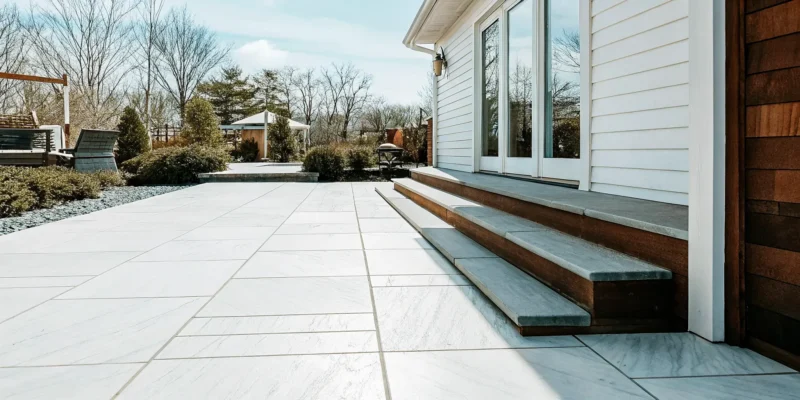
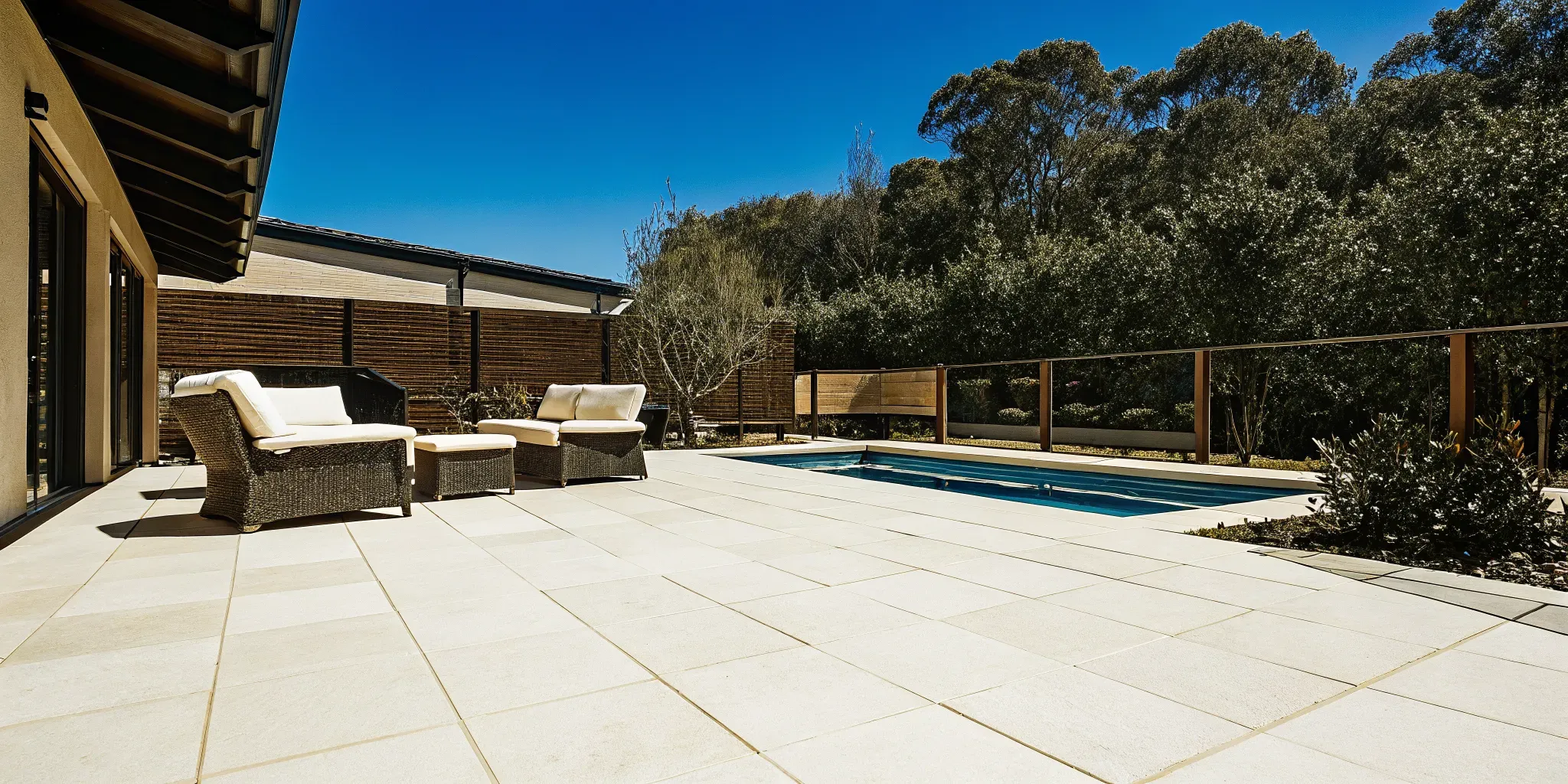
Porcelain vs natural stone pavers for Long Island driveways and patios comparison

Porcelain vs Natural Stone Pavers: Long Island Guide

Selecting the right hardscape material for your Long Island home is a major decision that influences both your property value and your daily outdoor enjoyment. Homeowners in Nassau and Suffolk Counties face unique environmental challenges, including intense winter freeze-thaw cycles, humid summer heat, and high-traffic demands on driveways and patios.

When evaluating porcelain vs natural stone pavers for your upcoming hardscaping project, understanding how each material performs in our specific coastal climate is essential. While natural stone has been a traditional choice for decades, Italian-manufactured porcelain has emerged as a formidable alternative, offering engineered durability and consistent styling.

Let’s compare these two popular hardscape materials across durability, maintenance, aesthetics, and cost, helping you make an informed investment for your home.

Schedule a free consultation with Gappsi’s expert team today by calling (631) 543-1177 or visiting our showroom in Smithtown, NY.

Porcelain vs Natural Stone Pavers: Understanding the Fundamentals

Porcelain and natural stone pavers differ fundamentally in how they are made and how they perform. Porcelain is an engineered product manufactured by pressing ultra-fine clay, silica, and feldspar under extreme pressure and firing it at temperatures between 2,200 and 2,400 degrees Fahrenheit. This vitrification process fuses the materials into an exceptionally dense, glass-like structure that is virtually waterproof and uniform in size and color. Natural stone pavers are quarried directly from the earth as solid blocks of bluestone, travertine, limestone, marble, granite, or sandstone. Each stone is naturally unique, offering distinctive veining, color variation, and texture that cannot be replicated by manufacturing. Because natural stone is organic, it contains microscopic pores that absorb moisture and requires professional sealing to maintain its appearance over time.

To make the best comparison, we must define what these materials are and how they are sourced. Natural stone pavers are cut from solid blocks of geological formations quarried directly from the earth. These materials include natural bluestone, travertine, limestone, marble, granite, and sandstone. Because they are organic, natural stone pavers offer unique textures, mineral veining, and color variations. No two stones are identical, providing a classic, weathered character that integrates beautifully with natural landscapes. Gappsi carries an extensive selection across its Smithtown showroom, allowing homeowners to hand-select the exact stones for their project. For a broader overview of the options available, see Gappsi’s guide on stone patio materials for Long Island.

In contrast, porcelain pavers are engineered hardscape products manufactured by pressing ultra-fine porcelain clay mixed with silica and feldspar under intense pressure and firing them in kilns at temperatures from 2,200 to 2,400 degrees Fahrenheit. This industrial vitrification process fuses the raw materials into a highly dense, glass-like structure. The resulting pavers are extremely hard, uniform in size, and virtually waterproof, allowing manufacturers to print highly realistic stone-look, concrete-look, or wood-look textures directly onto the surface. Porcelain pavers are increasingly popular for modern Long Island landscapes precisely because they deliver the aesthetic of premium natural materials without the maintenance demands. To learn everything about this material, explore Gappsi’s comprehensive porcelain pavers guide.

Is Porcelain Paving Better Than Natural Stone for Long Island Patios?

Yes, porcelain pavers generally outperform natural stone on Long Island patios for homeowners who prioritize low maintenance and long-term durability. But natural stone remains the superior choice for those who value an organic, one-of-a-kind appearance underfoot.

For backyard patios, pool decks, and outdoor living rooms, the choice of hardscape material directly impacts safety, comfort, and ongoing maintenance. Patios are exposed to pool chemicals, spilled drinks, heavy patio furniture, and direct sunlight. One of the most critical factors for Long Island patios is moisture management. Natural stone is naturally porous, containing microscopic voids that absorb water. During cold winters, absorbed water freezes and expands, which can cause natural stones like limestone or sandstone to spall, flake, or crack over time. According to the Tile Council of North America (TCNA) standards, porcelain pavers must maintain a water absorption rate of less than 0.5 percent under the ASTM C373 vacuum test method. This makes porcelain virtually waterproof and highly resistant to frost damage, preventing cracking during our freezing Nassau and Suffolk County winters.

Another major consideration is slip resistance and heat absorption. Natural stone like light-colored travertine and marble is highly regarded because it reflects sunlight and stays cool underfoot even on hot July days while offering excellent slip resistance when wet.

Porcelain pavers, being dense and vitrified, can absorb more heat than natural stones if darker colors are selected. However, choosing light-colored, textured porcelain pavers designed specifically for outdoor use resolves this issue, providing an anti-slip rating of R11 or higher and comfortable walking temperatures.

In terms of cleaning and maintenance, porcelain is the clear winner for patios. Its non-porous structure resists oil stains, food spills, mold growth, and moss. Spilled wine or barbecue grease can be wiped away with water, and the pavers do not require annual chemical sealing.

Natural stone, particularly bluestone and travertine, is susceptible to staining and acid damage from acidic foods or cleaners. To protect its appearance, natural stone must be chemically sealed every two to three years. For a deeper look, you can explore Gappsi’s guide on bluestone vs pavers for patio installations.

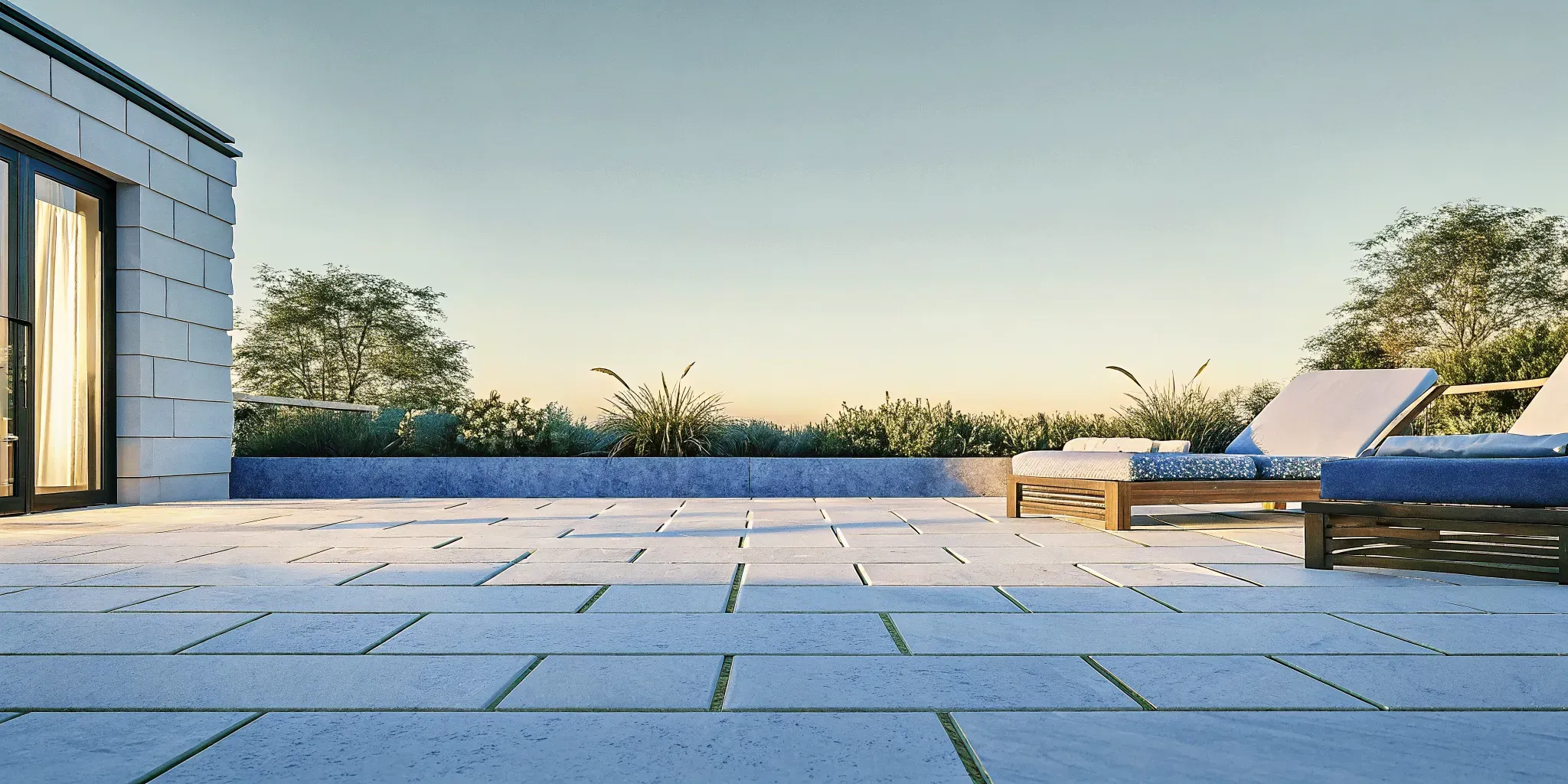
A modern porcelain patio installation featuring Italian stone-look porcelain pavers on Long Island

How Do Porcelain Pavers Compare to Natural Stone for Heavy-Duty Driveways?

For residential driveways, thick-format porcelain pavers are the more practical choice because they offer complete chemical resistance and tire-mark resistance. While natural stone driveways deliver unmatched rugged elegance but remain vulnerable to staining and require ongoing maintenance.

Driveways demand much higher load-bearing capacity and impact resistance than patios. Heavy passenger vehicles, SUVs, and delivery trucks exert immense pressure on hardscape surfaces, and tires can leave dark scuff marks. Additionally, driveways are highly exposed to automotive fluids like oil, grease, and brake fluid. To handle vehicular loads, material thickness is crucial. Standard natural stone pavers are typically 2 inches thick, while concrete pavers are 2.375 or 3 inches thick. Historically, porcelain pavers were only available in a 2cm (0.75-inch) thickness, which was ideal for sand-set or pedestal patios but too thin for vehicular driveways. Today, Gappsi supplies advanced 3cm (1.125-inch) thick Italian porcelain pavers engineered specifically for residential driveways. When installed over a reinforced concrete base with high-strength mortar or an engineered sand base, these thick porcelain tiles can easily handle heavy vehicular traffic without cracking.

Natural stone driveways offer unmatched rugged elegance, but they are vulnerable to chemical staining. Motor oil, transmission fluid, and leaf tannins can penetrate deep into natural limestone, sandstone, or granite, creating permanent dark spots that are difficult to remove. Porcelain’s vitrified surface is completely chemical-resistant and stain-proof. Oil drips can be cleaned easily with standard dish soap and water. Furthermore, porcelain is highly resistant to tire marking, preserving a pristine, clean appearance for your driveway. For a detailed breakdown, read Gappsi’s analysis of natural stone vs porcelain pavers for driveways and the buyer’s guide to the best porcelain pavers for driveways.

Schedule a free consultation with Gappsi’s expert team today by calling (631) 543-1177 or visiting our showroom in Smithtown, NY.

Detailed Material Comparison Matrix

The following table outlines the key technical and practical differences between outdoor porcelain and quarried natural stone pavers for Long Island applications. Helping you evaluate each material’s strengths side by side:

Feature / Metric Outdoor Porcelain Pavers Natural Stone Pavers (Bluestone, Travertine)
Water Absorption Virtually waterproof (under 0.5% per ASTM C373) Porous (typically 2% to 8% absorption)
Freeze-Thaw Resistance Exceptional; immune to frost cracking Variable; prone to flaking and cracking over time
Required Sealing Never required Recommended every 2 to 3 years
Stain and Oil Resistance Complete resistance; easily wiped clean Porous; easily stained by oil, rust, and leaf tannins
Color Fading Completely fade-resistant and UV-stable Can fade or change color under direct UV exposure
Thickness Options 2cm (0.75-inch) for patios; 3cm (1.125-inch) for driveways Typically 1.25-inch to 2-inch thickness
Size and Shape Consistency Perfect; rectified edges for tight joints Variable; requires sorting and custom stone cutting
Typical Formats Up to 48×48 inches and large 48×96-inch slabs Standard dimensional sizes (12×12 to 24×36 inches)
Slip Resistance R11 or higher with textured outdoor finishes Naturally slip-resistant when cleft or tumbled
Installation Speed Faster due to rectified edges and uniform thickness Slower; requires hand-sorting and custom cutting

What is More Expensive: Porcelain or Natural Stone Pavers on Long Island?

Natural stone can be either more affordable or significantly more expensive than porcelain depending on the specific stone type. But porcelain delivers a lower total cost of ownership over the life of the installation because it eliminates recurring sealing and maintenance expenses.

When analyzing the cost of a hardscaping project, homeowners must look beyond the initial price per square foot of the raw material. The total cost of an installed hardscape includes material purchase, site preparation, base construction, specialized masonry labor, and long-term maintenance expenses.

In terms of raw material cost, natural stone has a wide pricing spectrum. Common local stone like natural cleft bluestone or basic limestone can be highly affordable. However, imported travertine, marble, or premium granite slabs can be very expensive. Porcelain pavers are manufactured in Italy and imported, placing them on par with mid-to-high-end natural stones. Because Gappsi imports porcelain directly, Nassau and Suffolk County homeowners benefit from competitive pricing on Italian porcelain collections.

Where the cost comparison shifts dramatically is in installation labor and long-term maintenance. Natural stone is irregular in thickness and shape. Professional stone masons must sort, hand-cut, and dry-fit every stone, making the installation process highly labor-intensive and slow.

Porcelain pavers are industrially rectified with absolute geometric precision and uniform thickness, allowing for a faster, more predictable layout that can reduce labor costs. Additionally, because porcelain never requires sealing or deep chemical cleaning, you save thousands of dollars in maintenance over the lifetime of your patio or driveway. For homeowners considering specific paver sizes, see Gappsi’s overview of 24x24x2 pavers for driveways and patios to compare format options.

A classic natural stone patio featuring natural travertine pavers installed in a French pattern

Best Design and Style Trends for Long Island Homes

Both porcelain and natural stone offer distinct design strengths for Long Island homes. With natural stone providing timeless organic character for traditional architecture and porcelain enabling sleek, modern designs with large-format flexibility and minimal grout lines.

Whether your home features a classic Hamptons shingle style, a traditional colonial, or a modern architectural design, your hardscape should complement your home’s exterior aesthetic. Natural stone provides an organic, high-end feel that is difficult to replicate. Natural cleft bluestone offers a rustic, textured surface ideal for traditional Long Island homes. Travertine and limestone provide warm, sandy tones that evoke Mediterranean elegance, which are highly popular for custom swimming pool surrounds. Gappsi carries an extensive selection of natural stones, including bluestone, granite, limestone, and marble, all displayed at our Smithtown showroom. To learn more about selecting stone types, view Gappsi’s guide on natural stone pavers in Nassau County.

Porcelain offers incredible style versatility. Because the textures are printed, you can achieve the look of rare marble, distressed oak wood, polished concrete, or dark basalt without any of the maintenance drawbacks. Porcelain also allows for massive large-format sizes up to 48×96 inches with a slim 3/4-inch thickness, creating sleek, modern patios with minimal grout lines. It is also available in unique shapes, including hexagon tile and wavy-sided pavers, allowing for creative, modern hardscape designs. For homeowners planning a driveway installation, the ultimate guide to porcelain slabs on Long Island provides additional inspiration.

Summary and Key Hardscape Takeaways

To summarize, both materials have their perfect place in Long Island outdoor living designs. Porcelain pavers are the right choice when you want a sleek, modern aesthetic, large-format sizes. Complete stain resistance, minimal maintenance, and zero frost cracking without ever needing to seal the surface. Natural stone pavers are the right choice when you value the organic, one-of-a-kind variation of natural earth products. Want light-colored materials that remain cool underfoot under direct sun, and appreciate the rustic, weathered charm of natural bluestone or travertine. Either material, when installed by an experienced hardscape contractor like Gappsi, will elevate your Long Island property’s outdoor living experience.

Schedule a free consultation with Gappsi’s expert team today by calling (631) 543-1177 or visiting our showroom in Smithtown, NY.

Frequently Asked Questions

Do porcelain pavers get hot in the Long Island sun?

Yes, porcelain pavers can absorb heat under direct sunlight because they are highly dense. However, heat absorption is primarily determined by color rather than material. Dark grey or charcoal porcelain pavers will get hot, whereas light-colored porcelain pavers, such as cream, light beige. Or white marble-look finishes, reflect sunlight and remain highly comfortable to walk on even during hot summer days on Long Island.

Do porcelain pavers crack during Long Island’s freeze-thaw winter cycles?

No, outdoor porcelain pavers are exceptionally resistant to cracking from freezing temperatures. Because they have a water absorption rate under 0.5 percent (tested under ASTM C373), moisture cannot penetrate the dense vitrified body. Without water absorption, there is no internal expansion when temperatures drop. Making them immune to the freeze-thaw cracking that often damages concrete and natural stones like sandstone or limestone.

Do porcelain pavers require sealing?

No, outdoor porcelain pavers never require sealing. Because they are non-porous and vitrified, they resist oil, grease, acid, rust, and leaf stains naturally. Applying a sealer to porcelain is not recommended, as the sealer cannot penetrate the vitrified surface and will simply peel off, leaving a cloudy residue. This eliminates the recurring maintenance cost of sealing associated with concrete or natural stone.

Can you use porcelain pavers for a residential driveway?

Yes, porcelain pavers can be used for residential driveways, but you must select the correct thickness. While standard 2cm (0.75-inch) porcelain is suitable for pedestrian patios, residential driveways require Gappsi’s advanced 3cm (1.125-inch) thick Italian porcelain. When installed over a reinforced concrete slab base with a professional mortar bed, 3cm porcelain provides incredible compressive strength and easily handles vehicular loads without cracking.

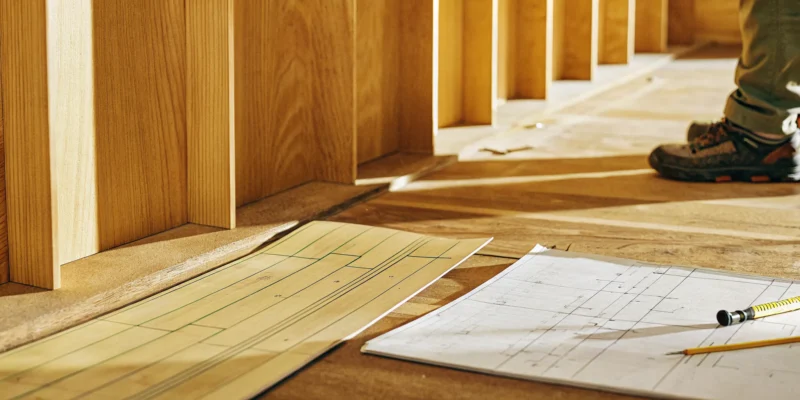
Long Island interior renovation contractor reviewing blueprints for a home remodel.

A Guide to Interior Renovation Contractor Long Island

Often, one renovation idea sparks another. Remodeling your kitchen might make you realize how much you want it to open onto a new stone patio. Finishing the basement could lead to dreams of adding a home gym or a personal sauna. The challenge is finding a team that can bring all these connected ideas to life without you having to juggle multiple specialists. A firm with comprehensive expertise simplifies everything. When you work with a full-service interior renovation contractor Long Island, you get a single, dedicated partner for your entire vision, ensuring a cohesive design that flows beautifully from your indoor spaces to your outdoor living areas.

Key Takeaways

  • Vet your contractor thoroughly: Protect your investment by verifying their license and insurance, reviewing past projects, and getting multiple detailed quotes. A trustworthy professional will be transparent and encourage you to check their credentials.
  • Insist on a detailed plan and contract: A successful project relies on a clear written agreement that outlines the scope, timeline, and costs. Always budget for the unexpected by setting aside a contingency fund of 10% to 20% to cover potential surprises.
  • Define your vision to find the right specialist: Know what you want to achieve, whether it’s a spa-like bathroom, an open concept kitchen, or a finished basement. A clear vision helps you find an interior renovation contractor whose expertise aligns with your specific project goals.

What Is an Interior Renovation Contractor?

An interior renovation contractor is a professional who specializes in transforming the spaces inside your home. Think of them as the project manager for your dream kitchen, bathroom, or finished basement. They oversee every detail, from the initial design concepts to the final coat of paint. Their job is to bring your vision to life while managing all the moving parts, including coordinating specialized trades like plumbers, electricians, and tilers. A great contractor ensures the project runs smoothly, stays on schedule, and meets all building codes, giving you peace of mind and a beautiful result.

Interior Contractor vs. General Contractor: Who Do You Need?

So, what’s the difference between an interior contractor and a general contractor (GC)? While the terms are sometimes used interchangeably, a GC typically handles a wider range of projects, including new construction and exterior work. An interior contractor, on the other hand, focuses specifically on the inside of your home. For a project confined to your interior, like a bathroom update, a specialist is perfect. If your renovation involves structural changes or extends outdoors, like a home addition, you’ll need a general contractor. The most important thing is to hire a licensed and insured professional who can expertly manage your specific home remodeling project, regardless of their title.

Indoor vs. Outdoor Renovation Specialists

Just as some contractors focus on interiors, others specialize exclusively in outdoor living. These are the experts you call for projects like installing swimming pools, building stone patios, or designing beautiful landscapes. Finding a company that excels in both indoor and outdoor renovations can be a huge advantage. When you work with a comprehensive team, you have one point of contact for projects that flow from the inside out, like a new kitchen that opens onto a custom-built deck. This integrated approach ensures a cohesive design and a seamless construction process, turning your entire property into the home you’ve always wanted.

Popular Interior Renovation Services on Long Island

When it comes to home renovations on Long Island, homeowners are looking for more than just a simple refresh. They are investing in projects that add long-term value, improve daily life, and adapt their homes to modern needs. From creating open, inviting kitchens to transforming unused basements into functional living areas, the focus is on smart, purposeful design. Whether you are looking to accommodate a growing family, create a dedicated home office, or simply make your space more beautiful and efficient, certain projects consistently top the list. Understanding these popular services can help you envision the possibilities for your own home and identify where your investment will have the greatest impact. These renovations reflect a desire for homes that are not only stylish but also highly functional and tailored to a family’s unique lifestyle.

Kitchen Remodeling

It’s no surprise that kitchen remodels are one of the most popular renovation projects. The kitchen is the heart of the home, a central hub for cooking, gathering, and making memories. Today’s kitchen renovations focus on creating open, functional, and beautiful spaces that flow seamlessly with the rest of the house. Think large islands for meal prep and casual dining, smart storage solutions to keep countertops clear, and durable materials that can handle daily life. A successful home remodeling project can transform a cramped, outdated kitchen into an inviting space that works for your family’s needs, making everyday routines easier and more enjoyable.

Bathroom Renovations

Bathrooms have evolved from purely functional rooms into personal retreats. Homeowners are now investing in renovations that create a spa-like atmosphere, focusing on both luxury and long-term value. This means moving beyond simple cosmetic updates to include features like walk-in showers with multiple shower heads, freestanding tubs, and improved lighting. The emphasis is on functionality, durability, and efficiency, with high-quality materials and fixtures that are built to last. Adding wellness features, like a personal sauna, is also becoming a popular way to turn a primary bathroom into a true sanctuary for relaxation and self-care.

Basement Finishing and Conversions

An unfinished basement holds a world of untapped potential. Finishing this space is one of the most effective ways to add significant square footage to your home without the cost and complexity of an addition. Long Island homeowners are converting their basements into everything from family entertainment rooms and home theaters to personal gyms and spacious home offices. With the right design and construction, a once-dark storage area can become a bright, welcoming, and highly functional part of your home, providing valuable extra living space for work, play, or relaxation.

Flooring, Tiling, and Interior Finishes

The right finishes can completely transform the look and feel of your home. Flooring, tile work, and trim are the details that tie your design together, adding character, texture, and style to every room. Homeowners are choosing from a wide variety of high-quality materials to customize their interiors. Classic hardwood remains a timeless choice, while durable and stylish options like luxury vinyl and porcelain tile are gaining popularity, especially in high-traffic areas. Gappsi’s extensive experience with porcelain and natural stone ensures a flawless installation that enhances both the beauty and durability of your home’s interior.

Home Additions and Structural Changes

As your family grows and your needs change, your home may need to adapt. A home addition is an excellent solution for creating more space, whether you need an extra bedroom, a larger kitchen, or a new family room. These projects involve significant structural changes and require a contractor with the expertise to manage the entire process, from design and permitting to construction. Expanding your home allows you to stay in the neighborhood you love while creating a space that is perfectly tailored to your family’s current and future needs, making it a valuable long-term home remodeling investment.

How Much Does Interior Renovation Cost on Long Island?

Figuring out the budget for your renovation is one of the biggest steps in the process. The truth is, there’s no single price tag. The cost of an interior renovation on Long Island depends entirely on the size of your project, the materials you choose, and the scope of the work involved. A simple bathroom refresh will cost significantly less than a full kitchen gut and remodel. To give you a clearer picture, let’s break down what you can expect, from project-specific estimates and pricing models to those sneaky hidden costs you’ll want to plan for.

Breaking Down Costs by Project

On Long Island, most mid-size home improvement projects can range from $15,000 to $75,000 or more. This price range often covers projects like a complete bathroom renovation or a significant kitchen update. The final cost is influenced by the quality of finishes, the complexity of the design, and any structural changes required. For example, a basement finishing project will vary in price depending on whether you’re adding a bathroom, a wet bar, or custom built-ins. Smaller projects will fall on the lower end, while larger, more complex renovations will naturally climb higher.

Hourly Rates vs. Project-Based Pricing

Contractors typically use two main pricing structures: hourly rates or a fixed, project-based price. For smaller jobs or repairs where the total time is hard to predict, you might see hourly rates between $50 and $150. However, for most substantial interior renovations, a project-based price is more common. This gives you a clear, upfront cost for the entire job, from demolition to the final coat of paint. This fixed price is determined after a detailed consultation and design phase, ensuring everyone is on the same page about the scope and total investment before work begins.

Budgeting for Hidden Costs and Permits

No matter how well you plan, unexpected issues can pop up during a renovation. It’s smart to set aside a contingency fund, usually about 10% to 20% of your total budget, to handle surprises. These hidden costs can include things like obtaining necessary town permits, addressing old wiring that isn’t up to code, or repairing water damage discovered behind a wall. Planning for these possibilities from the start helps keep your project on track and your stress levels down, ensuring a small hiccup doesn’t derail your budget.

How to Finance Your Renovation and Save Money

Financing a renovation can be done through a home equity loan, a line of credit (HELOC), or a personal loan. To save money, the best thing you can do is invest time in planning. Rushing the process is one of the biggest mistakes when hiring a contractor. Get detailed quotes from several reputable companies to compare. While it can be tempting to choose the lowest bid, remember that quality craftsmanship and durable materials often save you money on repairs down the road. A well-planned project with a trusted partner is the most effective way to get the best value for your investment.

Top Interior Renovation Trends for Long Island Homes

When you decide to renovate, you’re doing more than just updating your home’s look. You’re reshaping it to fit your lifestyle. On Long Island, homeowners are moving beyond simple cosmetic changes and focusing on renovations that add long-term value, functionality, and personal comfort. From creating more social living areas to incorporating wellness features, today’s trends are all about making your home a true reflection of you. Thinking about what you want to achieve is the first step in any successful home remodeling project. Whether you’re inspired by the latest designs or focused on practical upgrades, these popular trends can help you envision the possibilities for your own space.

Open Concept Living Spaces

Tired of feeling closed off in your kitchen while everyone else is in the living room? You’re not alone. The open concept layout remains a top request for a reason. It involves removing walls between the kitchen, living, and dining areas to create one large, cohesive space. This approach isn’t just about looks; it’s about improving the flow and functionality of your home for modern life. An open layout makes entertaining easier, allows more natural light to fill the space, and helps families feel more connected. A thoughtful renovation can transform separate, cramped rooms into a bright, airy, and inviting hub for daily living and social gatherings.

Smart Home Technology Integration

Integrating smart technology is no longer a futuristic idea; it’s a practical upgrade for any renovation. Homeowners are adding smart features to make their lives more convenient and their homes more energy efficient. Imagine adjusting your thermostat from your phone, controlling your lights with your voice, or checking your security cameras while you’re away. These systems can be seamlessly built into your home’s design during a remodel. Smart tech adds a layer of modern comfort and control, simplifying daily routines and even helping you save on utility bills. It’s a forward-thinking investment that enhances both your home’s value and your quality of life.

Sustainable and Eco-Friendly Materials

More and more homeowners are choosing materials that are both beautiful and kind to the planet. The focus on sustainability means incorporating natural and recycled materials into home design. Think reclaimed wood for flooring, countertops made from recycled glass, or low-VOC paints that improve indoor air quality. Using natural elements like wood and stone also brings a sense of warmth and authenticity to a space. Gappsi offers a wide selection of porcelain and natural stone that can help you achieve this eco-conscious and stylish look. This trend is about making responsible choices that feel good and look great for years to come.

Natural Textures and Coastal-Inspired Designs

Living on Long Island means the coast is never far away, and that breezy, relaxed vibe is a timeless source of design inspiration. This trend is all about bringing the outdoors in with coastal color palettes, natural light, and plenty of texture. Picture light, airy rooms with shades of white, blue, and sand, complemented by materials like weathered wood, rattan, and linen. You can incorporate this feel with beautiful masonry features using natural stone or by choosing finishes that evoke a sense of calm. This style creates a serene and welcoming atmosphere that feels like a permanent vacation.

Home Wellness and Fitness Spaces

Prioritizing health and well-being has become a central part of modern life, and our homes are evolving to support that. Homeowners are now carving out dedicated spaces for fitness and relaxation. This could be a fully equipped home gym in a converted basement, a quiet corner for yoga and meditation, or a spa-like bathroom designed for unwinding. For the ultimate in-home retreat, many are even installing a personal sauna to de-stress and recharge. Creating a wellness space is an investment in your personal health, providing a convenient and private place to focus on self-care without ever leaving home.

How to Choose the Right Interior Renovation Contractor

Choosing the right contractor is the single most important decision you’ll make for your home renovation. It’s about more than just comparing quotes. You’re looking for a partner you can trust to bring your vision to life, respect your home, and communicate clearly from start to finish. A common mistake homeowners make is rushing into a decision without doing enough research. Taking the time to vet your options thoroughly will save you from headaches and ensure the final result is exactly what you dreamed of. Here’s how to find a qualified professional for your Long Island home.

Check for Licenses, Insurance, and Certifications

This is the first and most critical step. A licensed and insured contractor protects both you and their crew. Before you even discuss project details, ask for proof of their New York State license, general liability insurance, and workers’ compensation. General liability covers property damage, while workers’ comp protects you if a worker gets injured on your property. Don’t just take their word for it; ask to see the documents and verify that they are current. Working with a fully insured company for your home remodeling provides essential peace of mind and is a sign of a true professional.

Review Their Portfolio and Past Projects

A picture is worth a thousand words, and a contractor’s portfolio is their visual resume. Look through their past projects to get a feel for their style, craftsmanship, and the scope of work they handle. Do their finished projects align with your vision? If you’re planning a basement conversion, look for examples of similar projects they’ve completed. A strong portfolio showcases a consistent level of quality and attention to detail across different types of renovations. You can often find extensive galleries on their website or even video tours on platforms like YouTube that give you a better sense of their work in real-world settings.

Read Reviews and Ask for References

Reviews and references tell you what it’s really like to work with a contractor. Look for feedback on their communication, professionalism, and ability to stick to a timeline and budget. While a perfect record is rare, pay attention to how the contractor responds to any negative feedback. Also, ask for a list of recent references you can contact directly. A confident contractor will be happy to provide them. Ask past clients if they were happy with the outcome, how the team handled challenges, and if they would hire the contractor again. This gives you firsthand insight into their process.

Get Multiple Quotes Before You Commit

Getting at least three detailed quotes is standard practice. This helps you understand the market rate for your project and spot any outliers. Be wary of a bid that is significantly lower than the others, as it could be a red flag for subpar materials or surprise costs down the road. A professional quote should be a detailed document, not just a number on a napkin. It should clearly break down the costs for labor, materials, and permits. Comparing these itemized quotes helps you understand exactly what you’re paying for and ensures you’re making a fair comparison between your options for services like masonry or flooring.

Red Flags to Watch For When Hiring a Contractor

Choosing a contractor is a major decision, and while it’s exciting to get your project started, it’s important to be cautious. The right partner will make your renovation a smooth and rewarding experience, but the wrong one can lead to stress, unexpected costs, and a finished product that doesn’t meet your expectations. To protect your investment and your peace of mind, you need to know how to spot the warning signs of a potentially bad fit. Here are some of the most common red flags to watch for when you’re interviewing contractors for your Long Island home renovation.

Unusually Low Bids

We all love a good deal, but an estimate that comes in drastically lower than all the others should raise questions, not excitement. While it might seem like a great way to save money, an unusually low bid is often a sign that a contractor is cutting corners. This could mean they plan to use subpar materials, hire unskilled labor, or don’t fully understand the scope of your project. Some may even offer a low initial price just to get the job, fully intending to add on extra fees and “unexpected” costs once the work has begun. A quality home remodeling project is an investment, and a fair price reflects quality materials and expert craftsmanship.

No Written Contract or Vague Project Scope

A handshake and a promise are not enough to protect you during a major renovation. A professional contractor will always provide a detailed, written contract before any work begins or any money changes hands. This document is your single most important tool for ensuring a successful project. If a contractor is hesitant to put everything in writing or provides a contract with a vague scope, consider it a serious red flag. The agreement should clearly outline project details, a list of materials, a payment schedule, an estimated timeline, and procedures for handling any changes. A thorough contract prevents misunderstandings and provides a clear roadmap for everyone involved.

Pressure to Pay Large Upfront Deposits

It’s standard practice for a contractor to require a deposit to cover the initial cost of materials and secure your spot on their schedule. However, be very wary of anyone who pressures you to pay a massive deposit upfront, especially if it’s 50% or more of the total project cost. A reputable company has the financial stability to begin a project without needing a huge cash infusion from you. A contractor demanding a large sum before starting work may be experiencing financial trouble or, in the worst-case scenario, could be planning to take your money and disappear. A reasonable deposit shows good faith, but an excessive one is a major warning sign.

Poor Communication or Lack of Transparency

Pay close attention to how a contractor communicates with you from your very first interaction. Are they responsive to your calls and emails? Do they answer your questions clearly and patiently? If a contractor is difficult to get ahold of, dismisses your concerns, or seems evasive during the quoting process, don’t expect their communication to improve once they’ve started demolition in your kitchen. Transparency is key. A trustworthy contractor will be open about their process, happy to show you their license and insurance, and provide clear updates. You can often get a feel for a company’s transparency by seeing how they showcase their work and explain their projects publicly.

How to Verify a Contractor’s Credentials

Before you sign any contracts or hand over a deposit, it’s time to do a little homework. Verifying a contractor’s credentials is the most important step you can take to protect your home and your investment. A professional and trustworthy company will have all their information ready for you to review and will encourage you to check it. This simple due diligence ensures your project is in capable and legally compliant hands from the start, giving you confidence as you begin your renovation.

Verify Licenses with New York State

Any contractor working on your home should have the proper licenses and insurance. This isn’t just a formality; it protects you from liability and confirms the contractor meets New York’s standards for safety and competence. You can ask a contractor for their license number and then verify it online with the state or your local county’s consumer affairs office. At Gappsi, we are fully licensed and insured for all our services, from complete home remodeling to intricate masonry work, giving you total peace of mind.

Check the Better Business Bureau

The Better Business Bureau (BBB) is a great resource for checking a contractor’s reputation. It provides a rating based on their history of customer interactions and how they resolve complaints. When you look up a contractor on the BBB website, pay attention not just to their grade but also to the details of any complaints filed. A pattern of similar issues or a failure to respond to customer problems is a significant red flag. A reputable company will have a strong track record of customer satisfaction and transparently address any issues that arise.

How to Read Online Reviews Effectively

Online reviews offer a window into other homeowners’ experiences, but it’s important to read them with a critical eye. Instead of focusing on a single glowing or negative review, look for consistent patterns across multiple platforms like Google, Houzz, and Yelp. Are clients repeatedly praising the team’s communication and craftsmanship? Or are there recurring complaints about delays and budget overruns? Detailed reviews that describe a specific project, like a basement conversion or a new porcelain paver patio, are much more insightful than vague comments.

What to Expect During the Renovation Process

Starting a renovation can feel like a huge undertaking, but knowing what to expect can make the entire experience much smoother. A professional renovation process is a structured journey with clear phases, designed to turn your vision into reality with as few surprises as possible. From the first conversation about your ideas to the final walkthrough, each step has a purpose. Understanding this roadmap helps you stay informed and confident. It all begins with a detailed plan and ends with a space you love.

The Consultation and Design Phase

This first step is all about translating your dreams into a workable plan. Many homeowners find it hard to get high-quality results on time and on budget, but a thorough consultation helps avoid those common issues. During your initial consultation, you’ll discuss your goals, style preferences, and budget with your contractor. This is your time to share inspiration photos and ask plenty of questions.

From there, the design phase begins. Your contractor will create drawings or digital renderings to help you visualize the final outcome. You’ll also work together to select materials, from flooring and tile to fixtures and paint colors. This collaborative process ensures the final design truly reflects your vision before any construction starts.

Understanding Permits and Local Codes

While it might not be the most exciting part of your project, dealing with permits and local regulations is absolutely essential. Working with your town and any Homeowners’ Associations is a key part of the remodeling process, ensuring your project is safe, legal, and up to code. A reputable contractor will manage this for you, submitting the necessary paperwork and scheduling inspections.

These rules are in place to protect you and ensure the structural integrity of your home. Whether you’re remodeling a kitchen or taking on major projects outdoors, the right permits prevent future headaches, especially when it comes time to sell your property. Letting an experienced professional handle the bureaucracy lets you focus on the creative aspects of your renovation.

Your Project Timeline and Key Milestones

A well-defined timeline is your roadmap for the entire renovation. Most mid-size home improvement projects on Long Island take between two and twelve weeks to complete, but your contractor should provide a schedule tailored to your specific job. This timeline should do more than just list a start and end date; it should outline key milestones along the way.

These milestones might include demolition, framing, electrical and plumbing rough-ins, drywall installation, and final finishes. Having a clear timeline helps you track progress and know what to expect each week. It also helps coordinate other logistics, like moving furniture or making temporary living arrangements if needed. Make sure this schedule is included in your written contract.

How to Handle Delays and Unexpected Changes

Even with the best planning, unexpected issues can pop up. It’s wise to ask for a realistic timeline from your contractor and plan for potential delays due to weather, material shortages, or surprises found during demolition. Building a small cushion, around 10% to 15%, into your budget and timeline can provide peace of mind.

Open communication is the best way to manage these situations. A professional contractor will let you know immediately if an issue arises and will present you with clear solutions. Any changes to the original plan that affect the cost or timeline should be documented in a “change order” that you approve before work continues. Knowing how your contractor will handle changes is a sign of a true partnership.

Why Choose Gappsi for Your Long Island Interior Renovation

Choosing a contractor is a huge decision, but it doesn’t have to be a stressful one. When you’re looking for a partner to bring your vision to life, you want a team with a deep understanding of Long Island homes, a wide range of skills, and a true commitment to quality. Here’s why Gappsi stands out as a premier choice for your interior renovation.

Decades of Local Experience

Gappsi has been transforming homes across Long Island since 1987. With decades of experience in both Suffolk and Nassau counties, our team has a deep-rooted understanding of local architecture, building codes, and community aesthetics. This isn’t just about knowing how to build; it’s about knowing how to build here. We’ve established a reputation for reliability and excellence because we’ve consistently delivered results for your neighbors. Our long history means we have a proven process and a portfolio of work you can trust. You can see our craftsmanship and the projects we’ve completed for homeowners just like you. Choosing an experienced local contractor means choosing peace of mind.

Comprehensive Indoor and Outdoor Services

One of the biggest challenges in a home renovation is coordinating different specialists. With Gappsi, you don’t have to. We offer a complete range of services under one roof, making your project seamless and efficient. While you might be starting with an interior project like a home remodeling, our expertise extends to every corner of your property. We design and build everything from stunning kitchens and bathrooms to incredible outdoor living spaces with swimming pools, patios, and even sports game courts. This integrated approach ensures a cohesive design and consistent quality throughout your home, managed by a single, dedicated team that understands your entire vision.

Quality Materials and Expert Craftsmanship

A beautiful renovation should last a lifetime. That’s why we are committed to using only high-quality materials paired with expert craftsmanship. Our team of skilled professionals takes immense pride in their work, paying close attention to every detail to ensure the final result not only meets but exceeds your expectations. We source and supply a wide selection of premium products, including beautiful porcelain and natural stone, which you can see firsthand at our showroom. This dedication to quality means your newly renovated space will not only look incredible but will also stand the test of time, adding lasting value and enjoyment to your home.

Related Articles

Frequently Asked Questions

When should I hire an interior contractor versus a general contractor? Think of it this way: if your project is entirely within the existing walls of your home, like a bathroom or kitchen remodel, an interior renovation contractor is the perfect specialist. If your project involves changing the structure of your house, building an addition, or includes significant exterior work, you will likely need a general contractor who manages that broader scope. The most important thing is to find a professional who has proven experience with the specific type of project you have in mind.

How can I get an accurate cost estimate for my renovation project? An accurate estimate comes from a detailed plan. A reputable contractor won’t just give you a number; they will provide a project-based price after a thorough consultation. During this meeting, you will discuss the full scope of work, your material choices, and your desired finishes. This information allows them to create a comprehensive proposal that outlines all the costs, which helps prevent surprises and gives you a clear understanding of your investment before work begins.

What happens if we run into unexpected issues or I want to make a change during the renovation? This is a great question, as flexibility is key. A professional contractor will communicate with you immediately if any surprises, like old plumbing or electrical issues, are discovered. For any changes you want to make, or for any new work required, they will use a document called a “change order.” This form clearly describes the new work, its cost, and any impact on the timeline, and it must be signed by you before the work proceeds. This process keeps everyone on the same page.

My project involves both indoor and outdoor work. Do I need to hire two separate companies? You don’t have to, and it’s often much easier if you don’t. Juggling multiple contractors can be complicated. Finding a single, comprehensive company that handles both interior and exterior renovations streamlines the entire process. This ensures your project has a cohesive design from your kitchen all the way to your patio, and you have one dedicated team and point of contact from start to finish, which saves you time and simplifies communication.

Besides checking licenses, what’s the best way to know if a contractor is trustworthy? Pay close attention to their communication and their portfolio. A trustworthy contractor will be responsive, answer all your questions patiently, and provide a detailed, transparent quote. They should also be proud to show you their past work. Ask to see a portfolio of projects similar to yours and request a few recent references. Speaking directly with past clients is one of the best ways to get a real sense of what it’s like to work with them.

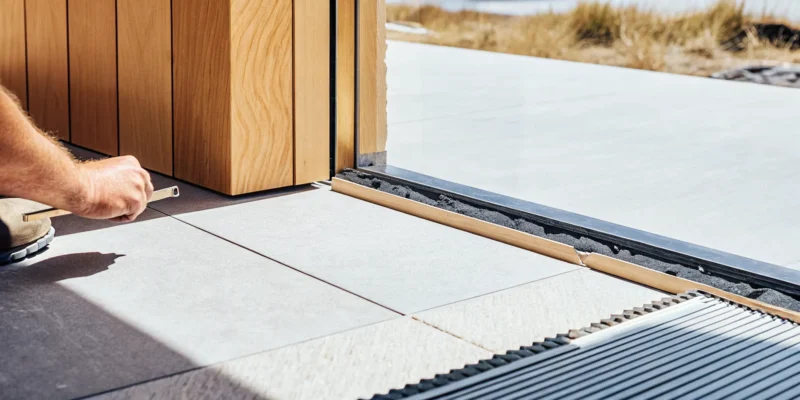
Tile contractor installing an indoor-outdoor tile transition for a Long Island home.

Find the Right Tile Installation Contractor on Long Island

If your tile project is part of a larger kitchen remodel, a basement finishing, or a new bathroom addition, you know how quickly the moving parts can add up. Coordinating plumbers, electricians, and painters is already a challenge, and your tile work needs to fit into that puzzle perfectly. The last thing you need is a contractor who only sees their small piece of the project. A successful renovation depends on seamless integration and clear communication across the board. Finding a tile installation contractor on Long Island who can work within a larger team or, even better, is part of a full-service company, is key to a stress-free experience and a cohesive final result.

Key Takeaways

  • Prioritize Value Over Price: The cheapest bid can be a red flag for cut corners and low-quality work. Focus on finding a contractor whose price reflects proven experience and a commitment to a durable, long-lasting installation.
  • Vet Your Contractor Thoroughly: Protect your home and investment by doing your due diligence. Always confirm a contractor is licensed and insured, check their references, and get a detailed written contract before any work begins.
  • Insist on Proper Surface Preparation: A beautiful tile job is only as good as the foundation beneath it. A top-tier contractor will have a clear plan for surface prep and waterproofing, which is the most critical step for preventing future cracks and water damage.

What Does a Tile Installation Contractor on Long Island Actually Do?

When you think of a tile contractor, you probably picture someone on their knees, carefully laying down a new kitchen floor. While that’s certainly part of the job, their expertise covers a much wider range of services. A professional tile installation contractor is a skilled artisan who works on projects for both homes and businesses, handling everything from intricate designs and installations to essential repairs and long-term maintenance. They are specialists who ensure your tiled surfaces are not only beautiful but also durable and correctly installed to last for years. They help select materials, prepare surfaces, and execute the installation with precision. Understanding the full scope of what they do can help you find the right expert for your specific project, whether it’s a small bathroom update or a large-scale commercial renovation.

Tile Installation for Your Home

For homeowners, a tile contractor brings your vision for indoor and outdoor living spaces to life. Their work is central to creating functional and stylish kitchens, bathrooms, and living areas. This includes installing everything from classic subway tile backsplashes to elegant porcelain floor tiles and custom-designed showers. A great contractor helps you select the right materials and ensures every tile is perfectly placed for a flawless finish. Because tile is a key element in many renovations, these contractors often play a vital role in larger home remodeling projects, working to create cohesive and stunning results throughout your property.

Tile Installation for Your Business

Tile installation in a commercial setting comes with its own set of demands. Contractors working on business properties focus on durability, safety, and aesthetics that align with a brand’s image. They handle tile installation, waterproofing, repairs, and regrouting for spaces like retail stores, restaurants, and office buildings. These projects often require materials that can withstand heavy foot traffic and frequent cleaning. An experienced commercial contractor understands the importance of proper substrate preparation to prevent issues down the line, ensuring the tile installation is a long-lasting investment that adds professional polish to the business environment.

Tile Repair, Restoration, and Sealing

A tile contractor’s job doesn’t always end after the installation. Over time, tiled surfaces can face issues like cracked grout, settling floors, or leaking seals. Professional contractors are equipped to handle these common problems, restoring the integrity and appearance of your tile. To prevent damage and keep your surfaces looking their best, many contractors also offer specialized services. For example, applying a high-quality sealant is a crucial step that protects your investment from stains and moisture. Gappsi provides expert restoration and sealing to maintain your tile and stone surfaces for years to come.

What Types of Tile Do Long Island Contractors Work With?

When you start thinking about a tile project, you quickly realize just how many options are out there. From sleek and modern to rustic and natural, the material you choose sets the entire tone for your space. Experienced Long Island contractors work with a wide range of tiles, and understanding the key differences will help you make a choice you’ll love for years. It’s not just about looks; it’s also about finding the right material for the job, whether it’s for a busy kitchen floor, a serene bathroom shower, or a durable outdoor patio.

Porcelain and Ceramic Tile

Porcelain and ceramic are two of the most popular choices for home projects, and for good reason. Porcelain is a superstar when it comes to durability. Because it’s non-porous, it’s incredibly resistant to moisture and stains, making it a perfect fit for bathrooms, kitchens, and mudrooms. If you’re worried about spills or humidity, porcelain offers fantastic peace of mind. Ceramic tile is another excellent option, often coming in at a more budget-friendly price point. It offers a huge variety of colors, textures, and styles, so you don’t have to sacrifice aesthetics to stay on budget. Both materials are versatile enough for floors, walls, and backsplashes.

Natural Stone Tile

If you’re looking for a touch of luxury and one-of-a-kind beauty, natural stone is hard to beat. Materials like marble, limestone, travertine, and slate bring organic patterns and rich color variations that simply can’t be replicated. Each tile has unique veining and character, meaning your floor or shower will be completely unique to your home. Homeowners love using natural stone for everything from grand entryways to elegant bathroom countertops and backsplashes. While it often requires a bit more maintenance, like sealing, the timeless appeal and inherent beauty of natural stone make it a worthwhile investment that adds significant value and sophistication to any space.

Choosing Tile for Indoor vs. Outdoor Spaces

The location of your tile is one of the biggest factors in your decision. For indoor spaces like a kitchen backsplash or a shower wall, you can focus on aesthetics and ease of cleaning. But for high-traffic floors or outdoor areas, durability is king. When planning an outdoor patio or pool deck, you need a material that can withstand Long Island’s changing weather and provide good slip resistance. Many porcelain tiles are designed for this, offering a textured finish and frost-proof durability. Natural stone is also a classic choice for outdoors, creating a seamless flow from your indoor living areas to your backyard oasis.

What to Look for in a Tile Installation Contractor

Choosing the right tile contractor is arguably the most important decision you’ll make for your project. It’s an exciting process, picking out the perfect style and color, but even the most beautiful tile can be a disappointment if it’s not installed with skill and precision. A poor installation can lead to uneven surfaces, wide or inconsistent grout lines, and even bigger problems down the road like cracked tiles or water damage. Your tile project is a significant investment in your home’s value and your daily enjoyment, so you want it done right the first time.

Finding a great contractor isn’t just about hiring someone to lay tile. It’s about finding a partner who will guide you through the process, respect your home, and deliver a finished product that looks incredible for years to come. When you begin your search for a contractor on Long Island, focusing on a few key qualifications will help you identify a true professional. Think of this as your checklist for finding a team you can trust with your vision.

Proven Experience and Craftsmanship

You want a contractor who has a history of successful projects, especially ones similar to yours. Don’t just take their word for it; ask to see a portfolio of their work. Pay close attention to the details in the photos. Are the grout lines consistent and clean? Are the cuts around outlets and corners precise? An experienced installer understands the nuances of different materials and can anticipate potential challenges before they become problems. A contractor with deep roots in the community has built a reputation on quality, ensuring their masonry and tile work speaks for itself and showcases a clear commitment to excellence.

Proper Licensing, Insurance, and Warranties

This part is completely non-negotiable. Any professional contractor you consider must be fully licensed and insured in New York. Licensing proves they meet state and local requirements, while insurance protects you and your property from liability in case of an accident during the job. Always ask for a copy of their license and certificate of insurance. Furthermore, a contractor who is confident in their work will offer a warranty for their craftsmanship. This is your assurance that they stand behind their installation and are committed to your long-term satisfaction, which is essential for any home remodeling project.

Expert Surface Prep and Waterproofing

A beautiful tile installation can quickly fail if the surface underneath isn’t properly prepared. A top-tier contractor knows that the most critical work happens before the first tile is even laid. This includes making sure the substrate is perfectly level, clean, and stable. For areas exposed to moisture like bathrooms, kitchens, or outdoor patios, a robust waterproofing system is absolutely essential. This isn’t just about the grout; it’s about a special membrane or barrier behind the tile that prevents water from seeping through and causing damage. Ask potential contractors about their waterproofing methods to ensure your investment is protected. Proper restoration and sealing techniques are also a sign of a knowledgeable pro.

Clear Communication and Project Transparency

Your contractor should be a partner you can easily talk to. From the initial consultation to the final walkthrough, communication should be open, clear, and consistent. A good contractor will listen to your ideas, answer your questions thoroughly, and provide regular updates on the project’s progress. They should also give you a detailed, written contract that clearly outlines the full scope of work, materials, timeline, and costs, so there are no surprises along the way. Feeling comfortable with your contractor and confident in their process is key to a positive renovation experience and a hallmark of a company that values the long-term relationships they build with clients.

Common Mistakes to Avoid When Hiring a Tile Contractor

Finding the right tile contractor is a huge step toward bringing your vision to life. But with so many options out there, it’s easy to make a misstep that could cost you time, money, and a lot of stress. To help you feel confident in your choice, let’s walk through some common pitfalls homeowners experience and how you can sidestep them. A little preparation goes a long way in ensuring your project is a success from start to finish.

Choosing Based on Price Alone

It’s completely understandable to have a budget, but choosing a contractor based only on the lowest bid is one of the biggest mistakes you can make. An unusually low price can be a red flag for subpar work, cheap materials, or cut corners on essential steps like surface preparation. This often leads to more costs down the line to fix cracked tiles, failing grout, or water damage.

Instead of focusing on the cheapest price, think about the best value. A reputable contractor’s price reflects their expertise, the quality of their materials, and the assurance that the job will be done right the first time. Investing in quality porcelain and natural stone is only worth it if the installation is flawless. A professional installation ensures your new tile will look beautiful and last for decades.

Skipping the Credentials Check

Before you hire anyone, it’s crucial to verify their credentials. This means checking for proper licensing and insurance. Failing to do this can leave you working with unqualified individuals who don’t follow industry standards, which can put your entire project at risk. A valid license shows the contractor has met the local requirements to operate legally.

More importantly, always confirm they have both liability insurance and workers’ compensation. Liability insurance protects your home from damage, while workers’ compensation covers you if a worker gets injured on your property. Without it, you could be held financially responsible. A professional home remodeling company will always provide proof of their credentials without hesitation, giving you essential peace of mind.

Forgetting to Get a Written Contract

A verbal agreement or a simple handshake is never enough for a home improvement project. Not having a detailed written contract can lead to serious misunderstandings about the scope of work, project costs, and timelines. A contract is your best tool for ensuring everyone is on the same page before any work begins. It protects you and the contractor equally.

Your contract should clearly outline every detail, including the specific tiles and materials to be used, a breakdown of labor and material costs, a payment schedule, and an estimated start and completion date. It should also include information on warranties for both materials and workmanship. For complex jobs like custom masonry, a thorough contract is non-negotiable.

Overlooking Past Reviews and References

Reviews and references offer a real-world glimpse into a contractor’s work ethic, reliability, and the quality of their finished product. Don’t just rely on the glowing testimonials featured on their website. Dig a little deeper by checking independent review sites and asking the contractor for a list of recent references you can actually speak with.

When you call references, ask specific questions. Were they happy with the final result? Did the project stay on schedule and on budget? How did the contractor handle unexpected issues? Seeing a contractor’s portfolio is also helpful. Visuals of their past work, like the projects on the Gappsi YouTube channel, can give you a strong sense of their craftsmanship and style.

Why Choose Gappsi for Your Long Island Tile Installation

Choosing a contractor for your tile installation is a big decision. You’re not just hiring someone to lay down tiles; you’re trusting them with the look, feel, and longevity of your space. At Gappsi, we understand that. We combine decades of experience with a commitment to quality and a process designed to give you peace of mind. From a simple kitchen backsplash to a full bathroom renovation, we treat every project with the same level of care and precision. Our goal is to make your vision a reality, ensuring the final result is not only beautiful but also built to last.

Our Full-Service Approach: From Design to Installation

One of the biggest challenges in any renovation is coordinating different specialists. With Gappsi, you don’t have to. Our comprehensive home remodeling division manages your entire project from the initial design to the final installation. Whether you’re updating your kitchen, finishing your basement, or creating a spa-like bathroom, our team handles every detail. This integrated approach means your project runs smoothly, stays on schedule, and results in a cohesive, professionally executed space. You get one point of contact and a dedicated team working together to bring your ideas to life, saving you time and eliminating stress.

Expertise in Porcelain, Natural Stone, and Custom Tile

The right material can transform a room, and our team has the expertise to work with a wide variety of high-quality tiles. We specialize in installing beautiful and durable porcelain and natural stone, perfect for creating stunning floors, walls, and custom features. Our deep knowledge of different materials allows us to recommend the best options for your specific needs, whether it’s for a high-traffic entryway or a luxurious outdoor patio. We help you select tiles that not only match your aesthetic but also provide the performance and durability your home deserves, ensuring a perfect finish for any indoor or outdoor project.

A Legacy of Trust with Long Island Homeowners Since 1987

For over three decades, Gappsi has been a trusted name in home improvement across Nassau and Suffolk County. Our roots in the community go back to 1987, and this long history is a testament to our unwavering commitment to quality craftsmanship and customer satisfaction. Long Island homeowners choose us because they know we stand behind our work. This legacy is built on countless successful projects and the relationships we’ve formed along the way. When you work with Gappsi, you’re partnering with a company that has a proven track record and a deep understanding of what it takes to create exceptional masonry and tile work.

Seamless Management of Large-Scale Projects

A successful tile installation, especially as part of a larger renovation, involves more than just setting tiles. It requires careful planning, technical drawings, and navigating local building codes. Gappsi excels at managing these complexities. We provide professional guidance from the start, offering architectural and engineering design drawings to ensure every detail is perfect. We can also assist with the permit process, working with our associates to make sure your project meets all regulations without causing you headaches. This level of project management is crucial for large-scale jobs, like installing new swimming pools or undertaking major additions, ensuring everything is completed correctly and efficiently.

Related Articles

Frequently Asked Questions

What’s more important: the tile I choose or the contractor who installs it? That’s a great question, and the honest answer is that they are equally important. You can pick the most stunning natural stone, but if it’s installed poorly with uneven lines or improper sealing, the final result will be a disappointment. A skilled contractor ensures your investment in beautiful materials pays off by delivering a flawless, durable finish. Think of them as partners; the material provides the beauty, and the installer provides the precision and longevity.

My budget is tight. Is it okay to go with the cheapest contractor? It’s tempting to choose the lowest bid, but this is one area where that can backfire. An unusually low price often signals that a contractor might be cutting corners, perhaps on crucial steps like surface preparation or by using lower-quality setting materials. These shortcuts can lead to costly repairs later on. A better approach is to look for the best value, which means finding a fairly priced, reputable contractor who guarantees their work and has the credentials to prove their expertise.

What does “surface preparation” involve, and why is it so important? Surface preparation is the critical foundation of any tile job. It means ensuring the floor or wall is perfectly level, clean, and structurally sound before any tile is laid. For wet areas like bathrooms or kitchens, it also includes applying a professional waterproofing system. Skipping these steps can cause tiles to crack, grout to fail, and moisture to seep into your walls, leading to mold and rot. A great contractor knows that the work you don’t see is just as important as the finished surface.

Can a tile contractor help with more than just laying the tile, like design or other parts of a renovation? Absolutely. While some contractors focus only on installation, a full-service company can be a partner in your entire project. They can help you with the initial design, select the right materials for your lifestyle, and manage how the tile work fits into a larger renovation, like a kitchen or bathroom remodel. This integrated approach ensures a cohesive look and a much smoother process, since you have one team overseeing all the moving parts.

How do I know if a tile is right for an outdoor space like a patio? Choosing tile for the outdoors requires a few special considerations. You need a material that can handle Long Island’s weather, including freezing and thawing cycles, without cracking. Porcelain tile is often an excellent choice because it’s non-porous and frost-resistant. You also want to look for a tile with a textured surface to provide good slip resistance, which is essential for safety around pools and on rainy days. An experienced contractor can guide you to specific products designed for outdoor performance.

A high-quality barrel sauna from the best barrel sauna company in Long Island.

Best Barrel Sauna Company in Long Island: A Guide

The allure of a low-priced barrel sauna kit can be tempting, but that initial savings often hides future problems. We’ve seen it happen: flimsy wood warps, improper roofs leak, and undersized heaters fail to deliver a true sauna experience. A quality barrel sauna is an outdoor structure that needs to withstand our Long Island climate, from humid summers to freezing winters. Making the right choice from the start saves you from costly repairs and disappointment. This article will show you how to spot the red flags of a low-quality sauna and highlight the essential features of a durable, long-lasting model, so you can confidently determine what is the best barrel saunas company in Long Island for your investment.

Key Takeaways

  • Prioritize the build for longevity: Your sauna’s lifespan depends on its construction. Choose thick, high-quality wood, like thermally modified options, to prevent warping and insist on a proper, weatherproof roof to avoid leaks and rot.
  • Match the heater and layout to your goals: The right heater is essential for reaching ideal temperatures, while a smart interior layout with good ventilation ensures a comfortable and effective session. These details define your sauna experience.
  • Look beyond the initial price: A low price often signals poor quality that leads to future problems. Instead, partner with a reputable company that provides professional installation, a strong warranty, and ongoing support for a truly lasting investment.

What Defines a Quality Barrel Sauna?

Barrel saunas are a fantastic addition to any Long Island backyard, offering a cozy and authentic wellness retreat just steps from your door. They deliver a true sauna experience with high heat, the satisfying steam that comes from pouring water on hot rocks (a practice called loyly), and refreshing air. But not all barrel

The best barrel saunas are defined by a few key characteristics that separate them from lower-quality options. The type and thickness of the wood are the most critical factors, as they determine the sauna’s durability, efficiency, and maintenance needs. A well-built sauna will resist warping and hold heat effectively, giving you a better experience every time. The heater, ventilation, and overall construction also play significant roles. Understanding these elements will help you choose from the many saunas available and find one that perfectly fits your wellness goals and stands up to our local climate.

Why Wood Type Matters: Cedar vs. Thermally Modified

When looking at barrel saunas, you’ll mainly see two wood options: cedar and thermally modified wood. While cedar is a traditional choice known for its pleasant aroma, thermally modified wood offers superior performance. This wood is treated with a special process using only heat and steam, which makes it incredibly durable and resistant to rot and insects. In fact, it often lasts twice as long as standard cedar and requires much less maintenance, which is a huge plus for busy homeowners. This treatment gives the wood a beautiful, rich color and ensures it remains stable through Long Island’s changing seasons.

The Importance of Wood Thickness

The thickness of the wood staves, or planks, that form the barrel is a clear indicator of quality. Some companies cut costs by using thin wood, sometimes less than 1.5 inches thick. This can lead to problems down the road, as thinner wood is more likely to twist or warp over time, creating gaps that let heat escape. For a long-lasting and efficient sauna, look for staves that are at least 1.65 inches thick. This thicker construction provides better insulation, ensures a tighter seal, and gives the sauna the structural integrity it needs to withstand years of use and exposure to the elements.

How the Barrel Shape Creates Faster, Even Heat

The iconic barrel shape isn’t just for looks; it’s a brilliant piece of engineering. A barrel sauna’s rounded design is highly efficient because it eliminates the unused air space you’d find in the corners of a square sauna. With less area to heat, the sauna warms up faster, saving you time and energy. The curved walls also promote natural heat circulation. As the hot air rises from the heater, it flows along the ceiling and down the curved sides, creating a consistent and enveloping warmth throughout the space. This means no more cold spots, just a perfectly even and enjoyable sauna session.

A Look at Top Barrel Sauna Companies on Long Island

When you start looking for a barrel sauna, you’ll find a few key players that consistently come up. It’s helpful to know who they are and what makes each one unique. Some companies specialize in traditional designs, while others offer a wider range of wellness products. Understanding these differences will help you narrow down your options and find the perfect fit for your Long Island home. We’ll look at three top companies, including a local expert and two respected national brands, to give you a clear picture of what’s available.

Gappsi

As a premier Long Island home improvement company, Gappsi offers a fantastic range of wellness solutions, including several types of saunas. You can choose from traditional outdoor barrel saunas, custom cabin-style models, indoor saunas, and even modern infrared units. This variety is great because it lets you pick an experience that matches your specific health goals, whether you love intense heat or prefer a gentler warmth. Gappsi focuses on smart design elements that prevent moisture buildup, which helps your sauna last longer. Their excellent reputation is built on years of dedicated service and attention to detail, making them a trusted local choice for any backyard transformation.

Almost Heaven Saunas

Almost Heaven Saunas is a well-known American manufacturer that has been crafting saunas since 1977. They are recognized for their signature barrel saunas and DIY kits, which appeal to homeowners who enjoy a hands-on project. The company blends traditional Finnish sauna building with quality American craftsmanship, using durable woods like Western red cedar and Nordic spruce. Their long history in the industry speaks to their reliability and commitment to creating an authentic sauna experience. If you’re looking for a company with a deep-rooted history in sauna manufacturing, Almost Heaven Saunas is a name you will definitely encounter in your research.

Barrel Sauna Company

As their name suggests, the Barrel Sauna Company specializes in one thing: creating cozy and affordable outdoor barrel saunas. They focus on delivering an authentic experience, with models that can reach over 180 degrees Fahrenheit for that classic high-heat session. Their saunas also allow for “Loyly,” the Finnish tradition of pouring water over hot stones to create steam. To ensure their products are a smart investment, the best barrel sauna kits from this company use thermally modified wood or high-quality cedar. These materials are known for their enhanced durability and lower maintenance needs, making them a practical choice for many sauna enthusiasts.

How Do the Top Brands Compare on Quality?

When you start looking at barrel saunas, you’ll quickly notice they aren’t all the same. While the charming barrel shape is a common feature, the real differences lie in the details that you can’t always see in a picture. The quality of a barrel sauna comes down to a few critical factors: the wood and its construction, the efficiency of the heater, and how well it’s designed to handle the weather. Getting these things right is the difference between a sauna that lasts for decades and one that causes headaches after just a few seasons.

Think of it like building any other part of your home. You wouldn’t choose flimsy materials for a deck, and the same logic applies here. The top brands distinguish themselves by using superior materials and thoughtful engineering. They understand that a sauna is an investment in your home and your wellness. As we look closer at these elements, you’ll learn how to spot a high-quality sauna that will provide a genuine, relaxing experience for years to come. Gappsi offers a curated selection of saunas designed with these principles in mind, ensuring every detail contributes to a lasting and enjoyable addition to your home.

Evaluating Wood and Construction

The wood is the soul of your sauna, and its origin matters. The best barrel saunas are typically made from wood sourced from Europe, Canada, or the US, where quality control is stringent. Be cautious of kits where the wood has been shipped all over the world for processing, as this can compromise its integrity. A well-built barrel sauna should feel cozy and solid, creating the perfect environment for high heat and that wonderful steam you get from pouring water on the rocks. The overall construction quality, from the thickness of the staves to the strength of the steel bands, determines how well your sauna will hold its shape and retain heat over time.

Comparing Heater Options and Efficiency

The heater is the engine of your sauna, and it’s a major factor in your overall experience. Some companies sell their saunas without a heater, which can add a significant hidden cost of $1,500 to $3,500 to your project. When comparing brands, always check if the heater is included and what type it is. Electric heaters are convenient and easy to use, while wood-fired heaters offer a more traditional, rustic experience. A quality heater will warm up efficiently, maintain a consistent temperature, and contribute to the sauna’s overall aesthetic. It’s important to choose a complete system from a supplier who understands how to pair the right heater with the right sauna for optimal performance.

Weatherproofing for the Long Island Climate

Here on Long Island, our weather can be tough on outdoor structures. From humid summers to freezing winters, your sauna needs to be built to withstand the elements. This is where many off-the-shelf barrel saunas fall short. We’ve seen firsthand how a sauna with an improper roof can suffer from leaks, rot, and serious deterioration in just a few years. True weatherproofing involves more than just a cover. It requires smart design elements that prevent standing water and a high-quality roof that can handle rain and snow. Proper sealing and protection are essential to extend the life of your sauna and protect your investment from our coastal climate.

Understanding Barrel Sauna Prices on Long Island

When you start looking at barrel saunas, one of the first things you’ll notice is the wide range of prices. It’s helpful to think of a sauna not just as a purchase, but as an investment in your home and your well being. The final cost depends on several key factors, including the quality of the materials, the size of the unit, the type of heater, and any custom features you choose. While you can find basic kits online, the sticker price often doesn’t tell the whole story of what you’re getting, especially when it comes to durability and long-term performance.

For a sauna to last through Long Island’s changing seasons, quality construction is essential. The price reflects the craftsmanship and materials needed to prevent issues like leaks or warping over time. A higher initial investment in better wood and a more robust build can save you from costly repairs down the road. When you work with a full-service company, the price typically includes expert guidance, delivery, and professional installation, ensuring your sauna is set up correctly and safely from day one. This comprehensive approach gives you peace of mind and a beautiful, functional wellness space for years to come.

Entry-Level vs. Premium Models

Barrel sauna kits generally start around $4,500 and can go up to $8,500 or more, which gives you a good idea of the spectrum from entry-level to premium. An entry-level model is a fantastic way to bring the sauna experience home without a huge initial investment. These saunas are typically made from standard woods like spruce or hemlock and come with a basic electric heater. They are functional and provide all the core health benefits.

A premium model, on the other hand, is designed for luxury and longevity. These saunas often feature superior materials like clear Western Red Cedar or thermally modified wood, which offer better durability and heat insulation. They might also include more powerful heaters, upgraded interior benches, and other refined details that create a more spa-like experience right in your backyard.

What Features Increase the Cost?

The single biggest factor influencing a sauna’s price is the wood. While standard spruce is common in more affordable models, premium options like grade-A thermo-aspen or clear cedar cost more for a reason. These woods are exceptionally durable, resist moisture and decay, and often stay cooler to the touch, making your sauna session more comfortable. The thickness of the wood also plays a role, as thicker staves provide better insulation and structural integrity.

Beyond the wood, the heater is another significant variable. A simple electric heater is standard, but upgrading to a more powerful unit, a Wi-Fi controlled model, or a traditional wood-burning stove will add to the cost. Other features like panoramic windows, multi-level benches, and custom lighting also contribute to the final price, transforming a simple sauna into a stunning backyard feature.

How Customizations Affect the Final Price

One of the best parts of buying a new sauna is tailoring it to your exact preferences. Customizations allow you to design a space that fits your aesthetic and wellness needs perfectly, but they also directly affect the final cost. You can choose everything from the wood type and heater to the style of the door and the placement of windows. An all-glass panoramic back wall, for example, creates a breathtaking view but will be more expensive than a standard solid-wood wall.

Working with a design and construction expert allows you to think beyond the sauna itself. You can integrate it into a larger backyard vision, perhaps by adding a custom deck, a stone walkway, or placing it next to a new patio. These thoughtful additions ensure your sauna doesn’t just sit in your yard but becomes a seamless part of your home’s landscape.

The Health Benefits of Owning a Barrel Sauna

A barrel sauna is more than just a beautiful addition to your backyard; it’s a powerful tool for your long-term health and well-being. Creating a dedicated space for relaxation and recovery at home allows you to invest in yourself every single day. From supporting your heart to helping you sleep better, the advantages of owning a sauna are both immediate and lasting, making it one of the most rewarding additions you can make to your home.

Improve Heart Health and Reduce Stress

Regular sauna sessions can have a profound impact on your cardiovascular system. Research shows that using a sauna just a few times a week can lower your risk of heart disease by over 20 percent. If you make it a more frequent habit, that number can jump to an impressive 50 percent. The benefits don’t stop there. Studies also link consistent sauna use to a reduced risk for high blood pressure, stroke, and even dementia. Investing in one of Gappsi’s high-quality saunas is a proactive step toward protecting your heart and mind for years to come.

Soothe Muscles and Sleep Better

Imagine stepping into a warm, calming space after a long day, feeling your muscles relax and the tension melt away. That’s the experience a barrel sauna offers. The deep, penetrating heat is fantastic for soothing sore muscles and easing joint pain, whether you’re an athlete, a weekend warrior, or someone dealing with chronic aches. This profound relaxation does more than just feel good in the moment. It helps quiet your mind and prepare your body for a truly restful night. Many people find that regular sauna use leads to deeper, more restorative sleep, helping them wake up feeling refreshed and ready for the day. It’s the perfect complement to an active lifestyle, especially if you have a backyard Sports Games Court.

Why More Long Islanders Are Investing in Home Wellness

It’s no surprise that more homeowners across Long Island are creating personal wellness retreats right in their own backyards. A barrel sauna is often the centerpiece of these spaces, and for good reason. They combine stunning design with genuine function, providing an authentic sauna experience that includes high heat and the satisfying steam, or Loyly, that comes from splashing water on hot rocks. This isn’t just about adding a luxury item; it’s about investing in a lifestyle of health and relaxation. A sauna can be the final piece of your dream backyard, seamlessly integrating with your patio, pool, and garden to create a complete oasis.

Common Barrel Sauna Problems (And How to Solve Them)

A barrel sauna can be a wonderful addition to your home, but it’s important to know what to look for to ensure you’re making a lasting investment. Like any outdoor structure, barrel saunas face challenges from the elements, and not all are built to withstand them. Understanding a few common issues will help you spot a high-quality sauna and avoid the frustration of a product that fails within a few years.

By focusing on key areas like water protection, wood quality, ventilation, and heater performance, you can confidently choose a sauna that will provide relaxation for years to come. Let’s walk through the most frequent problems and, more importantly, how to solve them from the start.

Preventing Leaks and Water Damage

The biggest threat to a barrel sauna’s longevity is water. A poorly designed roof is a recipe for disaster. We’ve seen firsthand how a client’s previous sauna, which had an improper shingle roof, suffered from leaks that led to rot and serious deterioration in just three years. The round shape of a barrel sauna requires a specialized roofing solution that can effectively shed water without letting it seep into the wood staves.

When you’re shopping, look beyond the sauna itself and inspect the roof design. A quality build will feature a dedicated, weatherproof covering that protects the entire structure. This is a non-negotiable feature for the wet and varied climate on Long Island. Investing in a sauna with a robust, integrated roof system from a reputable installer ensures your backyard oasis won’t turn into a maintenance headache.

Avoiding Warping with Thicker, Quality Wood

The beautiful wood construction of a barrel sauna is its main appeal, but it can also be its weak point if the materials aren’t up to par. Thin, low-quality wood is prone to twisting and warping as it expands and contracts with changes in temperature and humidity. This can create gaps between the staves, leading to heat loss and potential leaks.

To avoid this, always choose a sauna built with thicker wood, ideally around 1.65 inches. This substantial thickness provides the structural integrity needed to resist warping and keep the barrel perfectly sealed. Companies that prioritize quality materials understand that this is crucial for durability. At Gappsi, we apply this principle to all our projects, from selecting durable porcelain and natural stone for patios to using the best wood for our custom structures.

The Role of Proper Ventilation

Ventilation might not be the first thing you think of, but it’s essential for the health of your sauna. Without proper airflow, moisture from steam and sweat gets trapped inside the wood, causing it to shift, develop cracks, and eventually leak. A sauna that can’t breathe properly is one that will be neglected over time because it won’t perform well.

A well-designed sauna will include adjustable vents that allow you to control the airflow. This not only helps maintain a comfortable and fresh environment during your session but also allows the sauna to dry out completely afterward. This simple feature prevents moisture buildup and protects the wood from long-term damage. Proper construction, including details like ventilation, is a hallmark of our home remodeling and building philosophy.

Choosing the Right Heater Size

The heater is the heart of your sauna, and its size is critical for performance. A common mistake is purchasing a sauna from a company that doesn’t help you select the right heater for your specific needs and climate. Since barrel saunas typically don’t have traditional insulation, the heater has to be powerful enough to bring the space to temperature and maintain it, especially during a cold Long Island winter.

An undersized heater will struggle to get hot enough, leading to disappointing sauna sessions and inefficient energy use. A knowledgeable supplier will ask about your location and help you choose a heater with the right kilowatt (kW) rating for your sauna’s volume. This ensures your sauna heats up quickly and efficiently, so it’s always ready when you are. Exploring high-quality saunas from an experienced provider is the best way to get expert guidance on this crucial component.

What to Know Before You Buy a Barrel Sauna

Bringing a barrel sauna home is an exciting decision, but a little planning ensures the process is as relaxing as the sauna itself. Beyond choosing the right wood and heater, there are a few practical steps every Long Island homeowner should consider. Thinking through the logistics of placement, delivery, and long-term support will help you avoid common issues and protect your investment. Getting these details right from the start means you can focus on what really matters: enjoying years of wellness and tranquility in your own backyard.

Figuring Out Local Permits and Placement

Before you get too far in the process, it’s smart to check your local regulations. Different towns across Nassau and Suffolk County have their own zoning laws or building codes that might influence where you can place a sauna on your property. You’ll want to think about the perfect spot, one that is both convenient and compliant. This might involve rules about how far the structure needs to be from your property line or home. Working with a company that handles comprehensive home remodeling projects can be a huge help, as they are already familiar with local requirements and can guide you through the process.

What to Expect from Delivery and Installation

When your sauna arrives, the delivery and installation are just as important as the quality of the sauna itself. First, you’ll need a solid, level foundation ready for it, like a concrete slab or a paver patio. You also need to make sure the delivery team has clear access to your yard. A professional installation is critical. We’ve seen issues with saunas installed by others where improper roofing led to leaks and wood damage over time. Choosing a reputable company that guarantees a quality installation ensures your sauna is assembled correctly from day one, so it stays protected from the elements and ready for you to enjoy.

How to Evaluate Warranties and Customer Support

A good warranty is a clear sign that a company stands behind its product. When you’re comparing saunas, look closely at what the warranty covers, including the wood, the heater, and other components, and for how long. But a warranty is only as good as the company offering it. That’s why customer support is so important. You want a team that will be there for you if you have questions or need assistance down the road. We’re proud of our reputation for excellent customer support, which reflects our commitment to making sure every client is happy with their investment long after the installation is complete.

Common Mistakes to Avoid When Buying a Sauna

Investing in a sauna is an exciting step toward enhancing your home and wellness routine. But with so many options out there, it’s easy to make a misstep that could lead to disappointment. To make sure you get a sauna you’ll love for years, let’s walk through a few common pitfalls and how you can sidestep them.

Picking the Wrong Wood or Thickness

The type and quality of wood are the most important factors in your sauna’s longevity and performance. Cheaper saunas often use untreated wood that can quickly develop rot or water stains, especially with Long Island’s humid summers and wet winters. Instead, look for saunas built with high-quality cedar or thermally modified wood, which are naturally resistant to decay and moisture. Wood thickness also matters. Thicker staves provide better insulation, helping the sauna heat up faster and maintain its temperature more efficiently. They also contribute to a sturdier, more durable structure that won’t warp over time. When you choose a sauna, always ask about the wood source and its thickness.

Forgetting a Protective Roof

One of the biggest mistakes new barrel sauna owners make is assuming the rounded design is enough to shed water. The truth is, all barrel saunas can leak if they are left exposed to the elements without a proper roof. We’ve seen it happen firsthand. One of our clients had a barrel sauna from another company that suffered from leaks, rot, and serious deterioration in just three years because it had an improper shingle roof. A quality roof or a specially designed rain jacket is not an optional upgrade; it’s essential for protecting your investment from water damage. Proper protection ensures your sauna remains a beautiful, functional retreat instead of a maintenance headache that requires extensive restoration and sealing.

Prioritizing a Low Price Over Quality

It can be tempting to go for the cheapest option, but a low price tag on a sauna is almost always a red flag. Be cautious of companies that sell very low-quality saunas alongside a random assortment of home and garden items, as they often lack specialized knowledge. These budget models typically cut corners by using thin, untreated wood, inefficient heaters, and flimsy hardware. While you might save money upfront, you’ll likely face issues with performance, durability, and safety down the road. Think of your sauna as a long-term investment in your health and home. It’s better to purchase from a reputable sauna provider that stands behind its products with quality materials and craftsmanship.

Ignoring Maintenance and Support Needs

Your relationship with a sauna company shouldn’t end once the delivery truck pulls away. Before you buy, ask about the warranty, what maintenance is required, and what kind of customer support is available. What happens if you have a question about the heater or notice a board is out of place? Buying from a faceless online retailer can leave you stranded with no one to call for help. Choosing an established, local company like Gappsi means you have a team of experts in your corner. From professional installation to ongoing support, having a reliable partner provides peace of mind and ensures you can enjoy your sauna worry-free for many years to come.

How to Choose the Best Barrel Sauna for Your Home

Choosing a barrel sauna is an exciting step toward creating your own backyard wellness retreat. But with so many options out there, it’s easy to feel overwhelmed. To make sure you invest in a sauna that you’ll love for years to come, it helps to look beyond the aesthetics and focus on a few key components. Think of it less like buying a product and more like designing a permanent feature for your home. From the type of wood to the power of the heater, every detail matters. Here’s what you should consider to find the perfect barrel sauna for your Long Island home.

Focus on High-Quality Materials

The wood used to build your sauna is the single most important factor for its longevity and performance. While cedar is a popular choice, thermally modified wood offers superior durability. This wood is treated with heat and steam, making it highly resistant to rot and warping, which is a huge plus for our Long Island climate. It also requires less maintenance over time. You should also check the thickness of the wood. Look for staves that are at least 1.65 inches thick, as this robust construction prevents twisting and ensures your sauna remains a beautiful, functional escape for years. Quality materials are the foundation of a lasting investment.

Select the Right Heater for Your Needs

The heater is the heart of your sauna, responsible for creating the immersive heat you’re looking for. A common mistake is choosing a sauna with an underpowered heater. To get that authentic Finnish sauna experience, you need a unit that can consistently reach and maintain temperatures over 180°F. This level of heat is what allows you to create a satisfying steam, or “löyly,” when you sprinkle water over the hot stones. When you explore different saunas, make sure the heater is appropriately sized for the space, ensuring efficient heating and a perfect session every time.

Consider the Interior Design and Layout

A well-designed sauna does more than just look good; it functions beautifully. The interior layout directly impacts your comfort and the effectiveness of your sauna session. Look for designs with multi-level benches, which allow you to experience different heat intensities. Ideally, the main bench should be high enough to place your whole body above the level of the hot stones, ensuring you are enveloped in even, consistent heat. Thoughtful design also maximizes usable space, making the sauna feel comfortable and relaxing rather than cramped.

Look for Strong Warranties and Support

Your relationship with a sauna company shouldn’t end once the delivery truck pulls away. A strong warranty and accessible customer support are signs of a company that stands behind its product. Before you buy, ask about the warranty coverage for the wood, the heater, and other components. It’s also beneficial to work with a team that offers expert guidance from the start. Having a professional help you choose the right model and plan the installation ensures your new sauna perfectly fits your space and your wellness goals, giving you peace of mind for years to come.

Related Articles

Frequently Asked Questions

What is the most important feature to look for in a quality barrel sauna? The wood is without a doubt the most critical element. Pay close attention to both its type and its thickness. While cedar is traditional, thermally modified wood offers superior durability and resistance to rot, making it a smarter long-term choice for our climate. Just as important is the thickness of the wood staves. Look for planks that are at least 1.65 inches thick, as this provides better insulation and structural strength to prevent warping over time.

Why is a protective roof so critical for a barrel sauna on Long Island? A barrel sauna’s rounded top is not enough to protect it from rain and snow. Without a proper, dedicated roof, water will eventually seep between the wood staves, leading to leaks, rot, and significant damage. We have seen saunas deteriorate in just a few years because of an improper roof. A well-designed roof system is an essential feature that shields your investment from our weather, ensuring it remains a beautiful and functional retreat for years.

Is it better to choose a sauna with thermally modified wood or cedar? While both are good options, thermally modified wood generally offers better performance for an outdoor sauna. This wood goes through a heat and steam treatment that makes it incredibly durable and resistant to moisture and insects, often lasting much longer than standard cedar. It also requires less maintenance to keep it looking great. Cedar offers a classic look and a wonderful aroma, but if longevity and low upkeep are your top priorities, thermally modified wood is the superior choice.

How much does a barrel sauna cost, and what affects the price? The price for a barrel sauna can range from around $4,500 for a basic kit to over $8,500 for a premium model. The biggest factors influencing the cost are the type and quality of the wood, with options like clear cedar or thermo-aspen being more expensive. The size of the sauna, the power and type of heater, and any custom features like panoramic windows or upgraded benches will also affect the final price.

Can I install a barrel sauna myself, or should I hire a professional? While DIY kits are available, professional installation is highly recommended to protect your investment. A professional team ensures the sauna is assembled correctly on a proper foundation, which prevents future issues. They will also correctly install crucial elements like the roof and heater, ensuring everything is safe, weatherproof, and functions efficiently. Choosing a company that provides expert installation gives you peace of mind and guarantees your sauna is ready to enjoy from day one.