


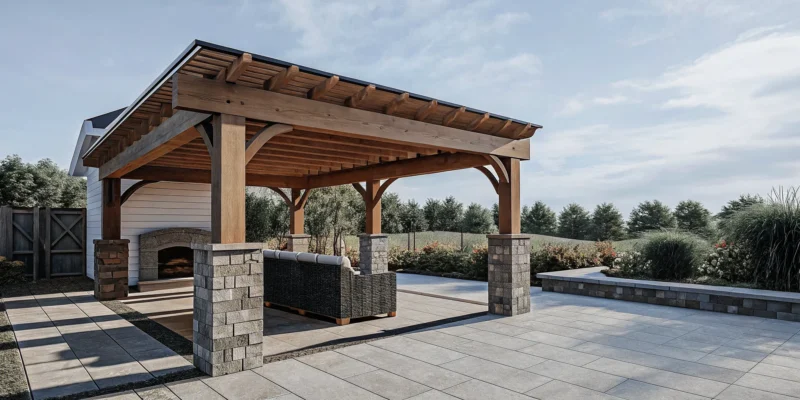
A pergola that looks right in a catalog can feel wrong in a real backyard if its shade, scale, and connections are not planned for the property. Long Island homeowners should compare pergola contractors by local experience, design process, material knowledge, and ability to coordinate the entire outdoor space, not by a proposal total alone.
Schedule a pergola design consultation with Gappsi to discuss your property, preferred materials, and plans for the surrounding backyard.
The best pergola contractor for a Long Island property will provide relevant project examples, explain material tradeoffs, plan the structure around sun and site conditions, define every responsibility in writing, and coordinate related patio, pool, kitchen, lighting, or landscaping work. Ask detailed questions before comparing proposals.
Gappsi has served Nassau and Suffolk Counties since 1987. Its Smithtown showroom and design-build model give homeowners a practical way to compare materials and plan a pergola as part of a complete outdoor living environment. Use the questions below to evaluate any contractor and understand what a thoughtful process should include.
Start by evaluating experience, process, and local knowledge
A strong contractor can show work that is similar to your project and explain how the team moves from the first conversation through installation. The goal is not simply to find a company that builds pergolas. It is to find one that understands how a shade structure should relate to your home, yard, and daily routines.
Ask to see relevant completed projects
Request examples that match the material, scale, and setting you have in mind. A contractor who has built both freestanding and attached pergolas should be able to explain why one approach fits a particular property. Look closely at post placement, proportions, transitions to the patio, and how utilities or drainage were accommodated.
Local examples are especially useful. Long Island lots vary widely, from compact suburban yards to larger waterfront and estate properties. A contractor with experience throughout Nassau and Suffolk Counties is more likely to recognize site constraints early and offer a realistic design direction.
Understand who manages each phase
Ask who will measure the property, prepare the design, help select materials, coordinate related trades, and supervise installation. When several unrelated vendors are involved, important details can fall between scopes. A design-build firm keeps those decisions connected from the beginning.
Gappsi’s approach is especially relevant when a pergola is one part of a larger plan. Homeowners can explore pavilions, pergolas, and gazebos for Long Island properties while also considering masonry, pools, outdoor kitchens, lighting, and landscaping through one coordinated team.
Confirm the written scope
A proposal should identify the structure type, dimensions, material, finish, foundation or attachment method, included accessories, cleanup responsibilities, and any work that is excluded. It should also describe the process for changes. A detailed scope makes proposals easier to compare and reduces surprises after work begins.
- Relevant experience: Ask for projects similar to your intended design.
- Project leadership: Identify one person responsible for communication.
- Material details: Confirm the exact system, finish, and options included.
- Site responsibilities: Clarify preparation, access, protection, and cleanup.
- Related work: Determine who coordinates patios, utilities, lighting, or landscaping.
Which pergola material fits your Long Island property?
Wood, vinyl, and aluminum pergolas create different looks and require different levels of upkeep. The right choice depends on your home’s architecture, desired shade control, maintenance preferences, and how the structure will interact with a patio, pool, or outdoor kitchen.
Wood for warmth and custom character
Wood offers a traditional, natural appearance and can be stained or painted to complement a home. It is a strong fit for homeowners who value custom detailing and are comfortable with periodic maintenance. Ask which wood species and finish the contractor recommends, how exposed surfaces will be protected, and what upkeep to expect.
Vinyl for a clean, low-maintenance look
Vinyl pergolas appeal to homeowners who prefer a bright, consistent finish with straightforward cleaning. Profiles, trim details, and proportions still matter. Review full-size samples if possible, and ask how the selected design will relate to existing railings, fencing, or exterior trim.
Aluminum for modern control and performance
Aluminum works well with contemporary outdoor spaces and can support adjustable louver systems. A louvered aluminum pergola lets homeowners change the amount of sun or shelter overhead. Ask the contractor to demonstrate the system and explain drainage, controls, accessories, and routine care.
| Material | Best suited for | Questions to ask |
|---|---|---|
| Wood | Natural character and custom finishes | Which species, finish, and maintenance schedule are recommended? |
| Vinyl | Clean appearance and lower upkeep | Which profiles, colors, and trim details are available? |
| Aluminum | Modern styling and adjustable louvers | How do the louvers, drainage, controls, and options work? |
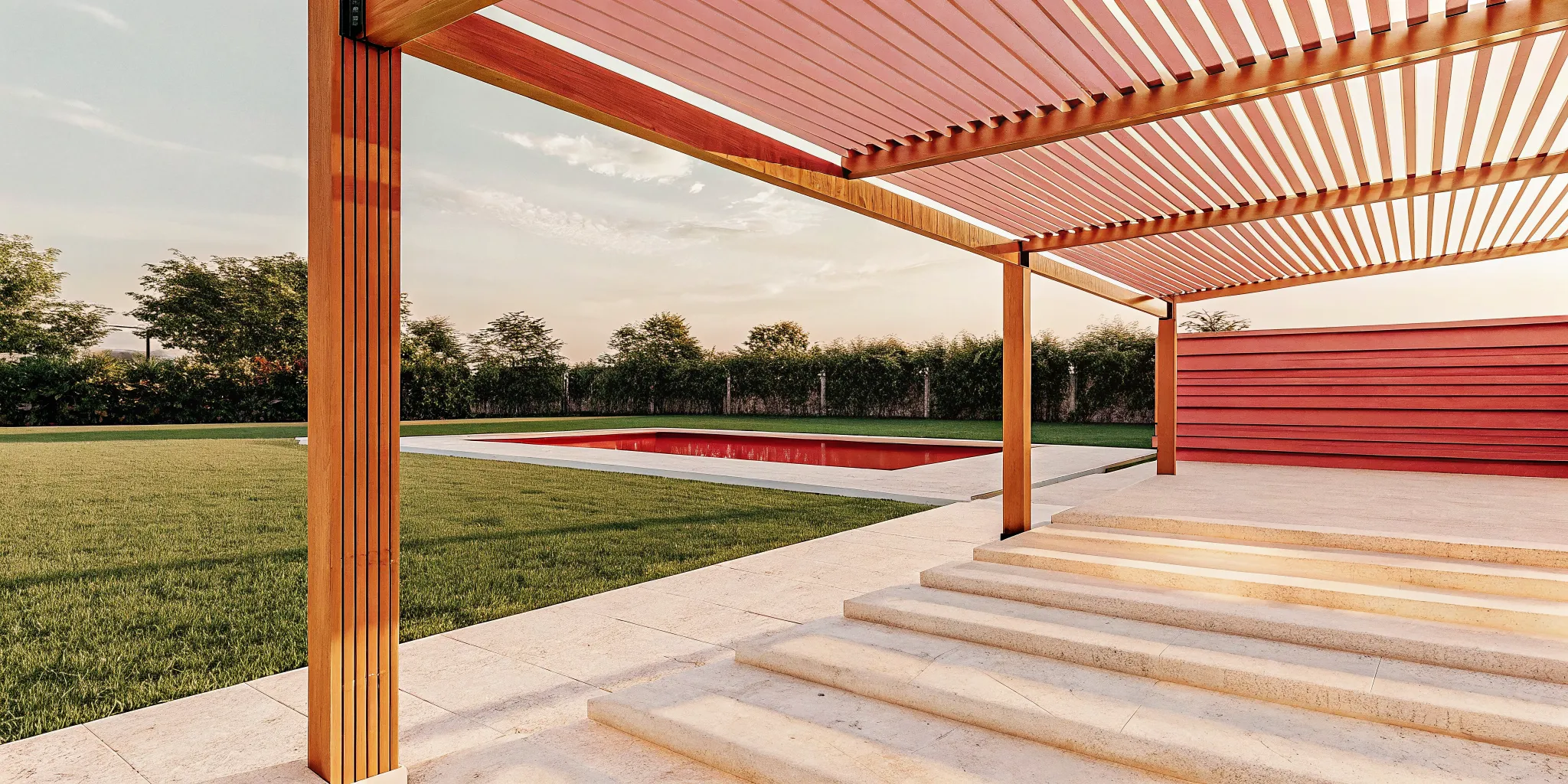
Compare pergola materials and design options with Gappsi before choosing the system for your backyard.
Ask how the pergola will fit the whole backyard
A pergola should be planned as an outdoor room, not placed as an isolated object. Its location and proportions affect shade, views, movement, furniture placement, and the relationship between indoor and outdoor spaces. Good pergola contractors will ask how you want to use the area before recommending a shape or size.
Define how the space will be used
Start with real activities. A dining area needs comfortable circulation around a table. A poolside lounge may need a clear view of the water. An outdoor kitchen requires thoughtful placement around heat, smoke, utilities, and serving routes. A conversation area benefits from shade and a sense of enclosure without feeling cut off from the yard.
Discuss the number of people you typically host, the furniture you plan to use, and whether you want lighting, fans, heaters, privacy elements, or entertainment features. These choices influence dimensions and infrastructure. They are easier to integrate during design than after the structure is built.
Study sun, views, and circulation
The orientation of overhead members changes the shade pattern throughout the day. Your contractor should study when the space is most likely to be used and where the strongest sun comes from. The plan should also preserve desirable views and create comfortable routes between the house, pool, patio, and lawn.
Scale matters just as much. A structure that is too small may not provide useful coverage, while one that is oversized can dominate the yard. Gappsi’s pergola design and installation guide explains additional decisions homeowners can consider as they shape the project.
Coordinate the surrounding surfaces and features
Post locations must make sense with paving patterns, steps, walls, pool edges, and utilities. The pergola’s color and material should also work with nearby finishes. Planning these elements together creates an outdoor space that feels intentional rather than assembled one piece at a time.
Who handles site preparation, approvals, and coordination?
Responsibilities should be clear before the project starts. Requirements vary by municipality, property, and design, so ask the contractor to explain which approvals may apply and who will handle each step. The same clarity should cover site access, utility locations, foundations, inspections, and coordination with other trades.
Review the property before finalizing the design
A thorough site review identifies dimensions, grades, drainage patterns, existing structures, access limitations, and possible utility conflicts. It also helps determine whether a concept shown in a photo will work on your property. Ask what measurements and observations will be documented before the design is finalized.
Clarify approval responsibilities
Do not rely on assumptions about local requirements. Ask the contractor to describe the expected approval process for the proposed design and state who is responsible for documents, submissions, scheduling, and communication. If your property is subject to an association or other private restrictions, review those requirements as well.
Connect the construction sequence
If the project also includes a patio, outdoor kitchen, pool work, lighting, or landscaping, the sequence matters. Foundations, conduits, drainage, and finish work should be planned in the correct order. A single design-build team can coordinate those dependencies and reduce avoidable rework.
How should you compare proposals from pergola contractors?
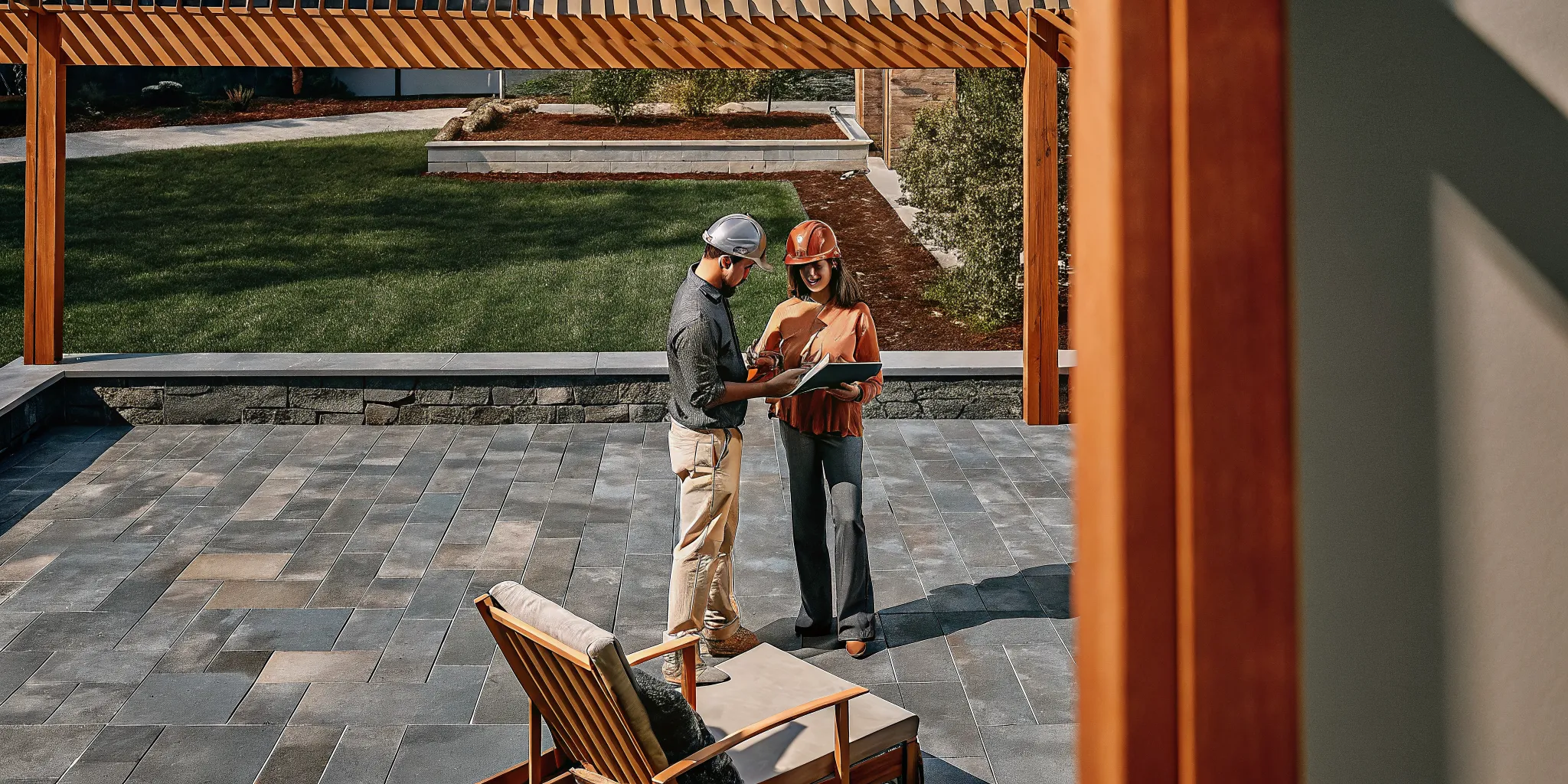
Compare proposals line by line rather than using the total price as the only measure. Two estimates can describe very different structures, materials, site responsibilities, and service levels. The most useful proposal is detailed enough to show what the homeowner will receive and how the work will be managed.
Compare equivalent scopes
Confirm that every proposal uses the same approximate dimensions, material type, finish, and accessory assumptions. Check whether site preparation, foundations, delivery, installation, related trade work, and cleanup are included. When a line item is unclear, ask for a written explanation before making a decision.
Evaluate communication and design support
Pay attention to the quality of the questions each contractor asks. A thoughtful professional will want to understand how the space is used and what must connect to the pergola. Clear communication during planning is a useful indicator of how questions and changes may be handled during the project.
Use a showroom visit to make confident choices
Photos help, but physical samples reveal scale, finish, texture, and construction details more clearly. Gappsi’s Smithtown showroom gives Long Island homeowners an opportunity to compare materials and discuss how a pergola can integrate with a broader outdoor plan. Bring property photos, inspiration images, and a list of the features that matter most.
- Review the scope: Make sure dimensions, materials, and responsibilities are defined.
- Compare the design: Decide which concept best fits the home and intended use.
- Study the process: Understand who manages communication and coordination.
- Inspect the options: Compare samples and completed work where possible.
- Confirm the next steps: Get the project sequence and decisions in writing.
Contact Gappsi to plan a showroom visit or request a pergola consultation for your Nassau or Suffolk County property.
Questions to bring to your first pergola consultation
A prepared question list keeps the initial conversation focused. It also helps you compare contractors consistently. Bring photos and approximate measurements, then ask each company to explain its recommendations rather than simply offering a product.
- Project fit: Which completed projects are most similar to this property and design?
- Material choice: Why do you recommend wood, vinyl, or aluminum for this use?
- Shade planning: How will the structure’s orientation affect shade during the hours we use it?
- Complete scope: What site work, accessories, coordination, and cleanup are included?
- Related features: How will the pergola connect with our patio, pool, kitchen, lighting, or landscape?
- Approvals: Which requirements may apply, and who handles each responsibility?
- Communication: Who will be our primary contact from design through completion?
- Changes: How are design or scope changes documented and approved?
Frequently asked questions about pergola contractors
What should I look for in a pergola contractor?
Look for relevant local project experience, a clear design and construction process, detailed written scopes, material knowledge, and evidence that the contractor can coordinate the pergola with the rest of your property. Ask to review comparable work and identify who will lead communication throughout the project.
Should a pergola be planned with the patio or pool?
Yes. Planning the pergola with surrounding paving, a pool, an outdoor kitchen, lighting, and landscaping improves circulation and visual consistency. It also allows foundations, utilities, drainage, and finish transitions to be coordinated in the right construction sequence.
Which pergola material requires the least maintenance?
Vinyl and aluminum generally require less routine upkeep than wood. However, the best material depends on the desired appearance, features, and setting. Compare physical samples and ask how each option should be cleaned and maintained before choosing.
Why visit a showroom before selecting a pergola?
A showroom lets you examine colors, finishes, profiles, and construction details at a useful scale. It also makes it easier to compare pergolas with related outdoor features and have a more productive design conversation than photos alone allow.
Plan your Long Island pergola with one coordinated team
The right pergola begins with questions about your property and the way you want to live outdoors. Gappsi brings Long Island experience, a Smithtown showroom, material knowledge, and a design-build approach to projects across Nassau and Suffolk Counties.
Schedule your consultation with Gappsi or call 631-543-1177 to begin planning a pergola that belongs in your complete backyard design.