


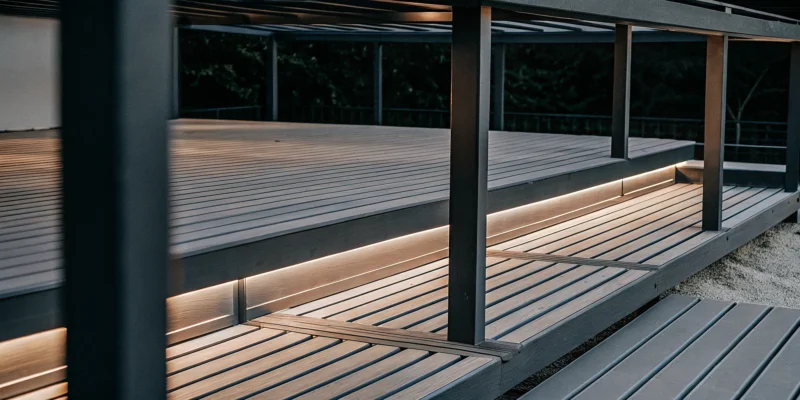
Does your backyard have a patio that gets too much sun to be comfortable? Or maybe you have a large, open yard that lacks a central point for gathering? A pergola is the perfect answer. This simple structure adds instant function and style, creating a designated spot for dining, relaxing, or entertaining. It provides welcome shade on hot summer days, turning an underused area into your new favorite spot. A thoughtful pergola design and installation process considers your specific needs, from sun exposure to how you plan to use the space, ensuring the final result solves your backyard challenges and becomes a beautiful, practical extension of your Long Island home.
Key Takeaways
- Define Your Vision First: A successful pergola begins with a clear plan. Decide on its primary purpose, size, and location to ensure the final structure perfectly fits your home’s style and your family’s lifestyle.
- Select Materials for Longevity: Your material choice affects appearance, cost, and long-term upkeep. For the Long Island climate, consider the trade-offs between classic wood, which requires maintenance, and durable, low-effort options like vinyl or aluminum.
- Personalize Your Outdoor Room: Think of your pergola as a foundation. You can transform it into a unique living space by integrating features like built-in lighting, privacy curtains, and a cohesive paver patio to make it more functional and stylish.
What Is a Pergola? (And Why Your Backyard Needs One)
If you’ve ever found yourself wishing for a defined, stylish spot in your backyard that isn’t fully enclosed, a pergola might be exactly what you’re looking for. Think of it as an architectural feature that creates an open-air room. A pergola has a slatted or cross-beam roof supported by columns or posts. This design provides partial shade without completely blocking the sun, giving you a comfortable, airy space to relax or entertain. It’s the perfect middle ground between being fully exposed to the elements and being cooped up inside.
Many people confuse pergolas with gazebos, but they serve different purposes. A gazebo has a solid, fully covered roof, offering complete protection from sun and rain, much like a small, detached room in your yard. A pergola, with its open-roof design, is more about creating a visual frame and a sense of place. It beautifully defines an outdoor dining area, a poolside lounge, or a garden walkway. The play of light and shadow through the beams adds a dynamic, modern feel to any backyard, making it a functional and beautiful addition. Gappsi offers a range of custom pavilions and pergolas to fit any home’s style.
Attached vs. Freestanding: What’s the Difference?
When planning for a pergola, one of the first decisions you’ll make is whether you want it attached to your house or standing on its own. An attached pergola shares a wall with your home, essentially becoming a seamless extension of your indoor living space. Since it uses the house for support, it typically only needs two posts instead of four, which can sometimes make it a more budget-friendly option. This style works wonderfully over a patio or deck just outside your back door, creating a graceful transition from inside to out.
A freestanding pergola, on the other hand, is a standalone structure that you can place anywhere in your yard. It acts as a destination, drawing you out into the landscape. Imagine a beautiful pergola next to your swimming pool, in the middle of a garden, or anchoring a remote seating area. This type offers more flexibility with placement and can become a stunning focal point in your backyard design, creating a private retreat away from the house.
How a Pergola Improves Your Space and Adds Value
A pergola does more than just look good; it fundamentally changes how you use your outdoor space and can add significant value to your home. By creating a designated area for dining or lounging, it extends your home’s usable square footage and encourages you to spend more time outside. It provides just enough shelter to make a sunny afternoon comfortable, turning an underused patch of your yard into a go-to spot for morning coffee or evening cocktails with friends.
Beyond the immediate lifestyle benefits, a well-designed pergola is a smart investment. When included as part of a complete backyard renovation, a pergola can help you see a return of 50% to 80% on your investment by increasing your home’s resale value. It adds architectural interest and a touch of luxury that buyers notice. When you integrate a pergola into a thoughtful landscape design, you’re not just adding a structure; you’re creating a more functional, beautiful, and valuable property.
Find Your Perfect Pergola Style
Your pergola is more than just a structure; it’s a statement piece for your backyard. The style you choose sets the tone for your entire outdoor living area, whether you’re aiming for a cozy, traditional retreat or a sleek, modern entertainment hub. From classic wood designs to high-tech louvered systems, there’s a perfect match for every Long Island home. Let’s explore some of the most popular styles to help you find the one that speaks to you.
Traditional Designs
If you love a timeless, classic look, a traditional pergola is a beautiful choice. These designs often feature natural wood, like cedar or pressure-treated timber, with detailed craftsmanship and decorative post ends. They blend seamlessly with classic home styles, from colonial to cape cod, creating a warm and inviting atmosphere. A traditional pergola provides a sturdy frame for climbing plants like wisteria or roses, adding to its romantic charm. While wood requires some periodic care to maintain its beauty, the classic appeal of these pavilions and pergolas is truly enduring. It’s the perfect way to create a cozy and elegant outdoor room for relaxing or dining.
Modern and Contemporary Looks
For a clean and sophisticated vibe, a modern pergola is the way to go. These styles are defined by their minimalist aesthetic, featuring clean lines, simple geometric shapes, and a lack of ornate details. Materials like powder-coated aluminum, steel, and even sleek vinyl are common, often in neutral colors like black, white, or gray. A modern pergola pairs perfectly with contemporary architecture and minimalist landscaping. It creates a chic, uncluttered space that feels open and intentional. You can complement this look with modern masonry work for your patio to create a truly cohesive and polished outdoor entertainment area.
Louvered and Retractable Roofs
Why choose between sun and shade when you can have both? Louvered and retractable roof pergolas offer the ultimate in flexibility and control. A louvered roof has adjustable slats that you can open to let the sunlight in or close for complete shade and rain protection. Many of these systems are motorized, allowing you to adjust them with the touch of a button or even through a smart home app. This high-tech option transforms your patio into a versatile, all-weather living space. You can see some amazing examples of these functional designs on the Gappsi YouTube channel, where you can watch project transformations from start to finish.
Coastal and Eco-Friendly Options
Living on Long Island means embracing a coastal lifestyle, and your pergola can reflect that. Coastal designs feel light and airy, often using light-colored wood, white finishes, or even bamboo to create a relaxed, beachy atmosphere. These pergolas are perfect for poolside lounging or creating a tranquil garden escape. Alongside this trend is a growing interest in eco-friendly materials, like recycled composites, which offer durability with a smaller environmental footprint. A coastal-style pergola works beautifully with thoughtful landscape design that incorporates native grasses and breezy, salt-tolerant plants to complete the seaside look.
How to Choose the Right Pergola Material
Picking the right material for your pergola is one of the most important decisions you’ll make. This choice affects not just the look of your new outdoor space, but also its durability and how much time you’ll spend on upkeep. Your pergola needs to stand up to everything Long Island weather throws at it, from humid summer days to snowy winters. The three main options are wood, vinyl, and aluminum, and each has its own unique benefits. We can help you explore a wide range of high-quality pavilions and pergolas to find the perfect fit for your home and lifestyle.
It’s essential to select materials that suit your local climate and design preferences to ensure your structure is both long-lasting and attractive. Choosing the right material from the start saves you from future headaches and extra costs for repairs or replacements. Let’s look at the pros and cons of each option so you can feel confident in your decision.
The Classic Look of Wood
There’s no denying the timeless appeal of a wooden pergola. It offers a natural, warm, and rustic charm that can make any backyard feel more inviting. However, it’s important to know that not all wood is created equal. While less expensive softwoods might seem tempting, they can quickly rot, warp, or attract pests. We recommend using more durable options like cedar or pressure-treated timber, which are naturally more resistant to decay. Even with these stronger woods, you’ll need to commit to some regular maintenance, like staining or sealing every few years, to protect your investment and keep it looking beautiful.
Low-Maintenance Vinyl
If you love the idea of a pergola but not the thought of yearly maintenance, vinyl is an excellent choice. Vinyl pergolas deliver a clean, classic look without the upkeep of wood. They won’t rot, fade, or warp, and they are completely immune to insects. All you need to do is give it a simple wash with soap and water to keep it looking fresh and new. This makes vinyl a practical and beautiful option for busy homeowners. A crisp white vinyl pergola can create a stunning contrast with a beautiful stone patio, giving your backyard a polished and sophisticated feel.
Sleek Aluminum and Metal
For a modern and durable structure, aluminum is a top contender. Aluminum pergolas offer a sleek, contemporary aesthetic that complements modern architecture perfectly. While the initial cost can be higher than wood, they provide incredible long-term value. Aluminum is lightweight yet extremely strong, and it won’t rust or corrode, making it a fantastic choice for a “set it and forget it” installation. Many aluminum models also come with advanced features like adjustable louvered roofs for custom shade and rain protection. You can see some stunning examples of these modern structures on the Gappsi YouTube channel to get inspired.
What’s the Best Material for a Long Island Climate?
On Long Island, we experience the full range of seasons, from hot, humid summers to cold, wet winters, often with salt in the air near the coast. Choosing a material that can handle these conditions is essential for your pergola’s longevity. While a well-maintained wood pergola can last for years, the moisture and temperature fluctuations demand consistent care. If you don’t keep up with it, you may need professional restoration and sealing services down the line. For this reason, vinyl and aluminum are often the most practical choices for our climate. They are completely unfazed by moisture, salt air, and pests, ensuring your pergola remains a beautiful backyard feature for decades with minimal effort.
Plan the Perfect Pergola for Your Space
Before you can kick back and relax under your new pergola, a little planning goes a long way. Thinking through the details ensures your new structure feels like a natural extension of your home, not an afterthought. A well-planned pergola blends seamlessly with your landscape and serves its purpose beautifully, whether that’s creating a shady retreat or a stunning focal point for entertaining. Without a clear vision, you might end up with a structure that doesn’t quite fit your needs or your yard. This is where thoughtful design makes all the difference, turning a simple addition into a transformative feature for your entire property.
To get it right, you’ll want to consider four key elements: the size and scale of the structure, how its style complements your home’s architecture, what you plan to use it for, and where it will be located. Nailing down these details is the first step toward creating an outdoor space you’ll love for years. It prevents common regrets and ensures your investment enhances your lifestyle and your home’s value. Our design team can help you explore all the possibilities for custom pavilions and pergolas that perfectly suit your Long Island home, guiding you through each decision so the final result is exactly what you envisioned.
Get the Size and Scale Right
Proportion is everything when it comes to outdoor structures. A pergola that’s too small can feel insignificant and get lost in your backyard, while one that’s too large can easily overwhelm your home and landscape. The goal is to find that sweet spot where the structure feels balanced and intentional. A great way to visualize this is to use stakes and string to outline the potential footprint on the ground. This simple trick helps you feel the scale in your actual space before committing. We can help you determine the ideal dimensions that work with your property’s layout and the masonry patio or deck it will cover.
Match Your Pergola to Your Home’s Architecture
Your pergola should feel like it belongs with your house. A pergola must complement the architecture of your home and the layout of your outdoor space to create a cohesive and polished look. For instance, a sleek, minimalist aluminum pergola with clean lines is a natural fit for a modern home. If you have a traditional colonial or cape-style house, a classic wood pergola with decorative post ends might be a better match. The color, material, and even the small details contribute to the overall harmony. Our expertise in home remodeling gives us a unique perspective on how to tie your outdoor structures to your home’s existing style.
Define Its Purpose: Shade, Entertaining, or Style
Think about how you will actually use the space. Is your main goal to create a shady spot to read a book? Or are you dreaming of an elegant frame for an outdoor dining area? Maybe you want to define the space around your swimming pool or create a beautiful transition to a garden path. Your answer will guide the design. If you plan to host evening gatherings, you’ll need to incorporate lighting. If an outdoor kitchen is part of the vision, you’ll need to plan for wiring and proper clearances for appliances. Knowing the pergola’s function from the start ensures it meets all your practical needs.
Consider Location, Orientation, and Sun Exposure
Where you place your pergola is just as important as its design. Pay close attention to the sun’s path across your yard throughout the day. If you’re seeking relief from the hot afternoon sun, you’ll want to orient the structure to provide shade during those hours. You should also consider wind exposure and the views from your home and from within the pergola. Placing it conveniently close to your back door makes it easy to carry food and drinks outside. As part of our landscape design services, we analyze your property to find the perfect spot that maximizes both comfort and beauty.
What to Expect During Pergola Installation
Bringing a pergola from a design on paper to a beautiful structure in your backyard is a multi-step process. Knowing what happens during installation can help you feel prepared and excited for the transformation. When you work with a professional team, we handle the complexities so you can enjoy the results. The process generally follows three key phases: securing permits, preparing the site, and the final construction. Each step is essential for creating a safe, durable, and stunning addition to your home that you’ll love for years.
We believe in transparency, so we want to walk you through exactly what to expect. From the initial paperwork to the final screw, a professional installation ensures your investment is protected and your new outdoor space is everything you dreamed it would be. This isn’t just about building a structure; it’s about creating a seamless experience for you and a flawless finish for your home. Understanding these stages helps you appreciate the craftsmanship involved and gives you peace of mind knowing that every detail is being handled with expertise. Let’s look at what goes into a successful pergola installation.
Understand Long Island’s Permits and Building Codes
Getting a new pergola is exciting, but before we can break ground, there’s some important local homework to do. Every town in Long Island has its own building codes and permit requirements. It’s crucial to handle this step correctly to make sure your new structure is safe, legal, and built to last. This process involves checking for any buried utility lines and submitting plans for approval. While it might sound like a hassle, it’s a non-negotiable part of the process. When you work with an experienced team, we manage all the permits and paperwork for you, ensuring every detail is compliant with local regulations. This way, you can focus on the fun parts, like planning your first backyard gathering.
Prepare the Site and Foundation
Once the permits are sorted, it’s time to prepare the ground. Proper site preparation is the key to a stable and long-lasting pergola. This means clearing the area of any debris, making sure the terrain is perfectly level, and establishing a solid foundation. We carefully analyze the site, considering things like sun exposure, wind patterns, and the surrounding landscape to find the perfect spot. Skipping this step or using a weak foundation can lead to shifting, instability, and other problems down the road. A strong foundation, often involving expert masonry work, ensures your pergola will stand strong and beautiful for many years.
A Look at the Installation Process
This is where your vision truly starts to take shape. The installation process is a precise sequence of steps, from setting the support posts securely in the foundation to assembling the beams and rafters that form the overhead structure. Even the highest quality materials won’t perform well if they aren’t installed correctly. Our skilled builders pay close attention to every detail to prevent issues like poor water drainage or instability during strong winds. We follow the design plan meticulously, ensuring every connection is secure and every angle is perfect. You can watch as our team transforms your backyard, building a structure that is not only beautiful but also safe and functional for your family to enjoy.
DIY vs. Hiring a Pro: Making the Right Choice
Deciding between building a pergola yourself and hiring a professional is a big step. The DIY route can seem appealing, especially if you enjoy hands-on projects and want to save on labor costs. However, a pergola is a significant structural addition to your home, and getting it right involves more than just assembling a kit. It’s about ensuring safety, longevity, and a final look that truly complements your home. Let’s walk through when a DIY project might work for you and when calling in the experts is the smarter investment for your Long Island home.
When Does a DIY Project Make Sense?
Tackling a pergola project yourself can be incredibly rewarding. If you have some basic woodworking skills and are planning a simple, straightforward design, a DIY build could be a great weekend project. Building your own pergola can certainly save you money on labor costs. This path is best suited for smaller, freestanding structures on level ground where you won’t need to worry about complex footings or attaching the structure to your house. If you feel confident in your ability to follow instructions, handle the necessary tools, and manage the project from start to finish, going the DIY route can leave you with a great sense of accomplishment.
When Should You Call in the Experts?
If your vision extends beyond a basic kit, it’s time to call a professional. Complex designs, difficult installation sites, or attaching the pergola to your home all require a level of expertise that goes beyond a weekend project. Without a clear vision of the pergola’s purpose, size, and location, you might end up with a structure that doesn’t meet your needs. An expert helps you refine your ideas and ensures the final build is both beautiful and functional. A professional team handles everything from securing permits to managing site challenges, giving you peace of mind and a flawless result.
Why Professional Installation Pays Off
Professional installation is an investment in quality and durability. A strong foundation is the backbone of a lasting pergola, and experts know how to create footings that guarantee stability for years to come. Professionals also guide you in choosing the right materials for the Long Island climate, preventing costly repairs later on. Many common pergola mistakes, like inadequate anchoring or incorrect sizing, are avoided when you have an experienced team on your side. Hiring a pro means you get a safe, structurally sound, and beautifully integrated addition to your home, built with expert masonry and construction techniques.
Avoid These Common Pergola Mistakes
Building a pergola is an exciting project, but a few common missteps can turn your dream addition into a source of frustration. Thinking through the details before you start helps ensure your new outdoor structure is beautiful, functional, and built to last. By avoiding these frequent mistakes, you can create a space you’ll love for years to come. Let’s walk through what to watch out for.
Choosing the Wrong Material
Selecting a material based only on its initial price tag is a mistake that can lead to expensive repairs and constant upkeep. Your pergola needs to stand up to Long Island’s humid summers and cold winters. While some woods look beautiful, they may require regular sealing to prevent rot and pests. On the other hand, materials like aluminum and vinyl offer a low-maintenance alternative that provides predictable, long-term value. We can help you explore different pavilions and pergolas to find a material that fits both your aesthetic and our local climate.
Ignoring Size and Scale
A pergola should feel like a natural extension of your home, not an afterthought. One of the most common design mistakes is getting the proportions wrong. A structure that’s too large can overwhelm a small patio, while one that’s too small can feel disconnected and fail to provide adequate shade or definition. Consider your home’s architecture and the intended use of the space. Proper landscape design ensures your pergola is perfectly scaled to create a balanced and inviting outdoor environment.
Forgetting Electrical and Lighting
Think about how you plan to use your pergola day and night. Do you envision hosting evening dinners under ambient string lights? Or maybe you want a ceiling fan for a cool breeze on a hot afternoon? Planning for electrical needs from the start is far easier and more affordable than trying to add wiring later. Integrating outlets, lighting, and even speakers into the initial design will make your pergola more functional and enjoyable. It’s a small step in the planning phase that makes a huge difference in how you experience the space.
Skimping on the Foundation
A strong foundation is the most critical element for a safe and durable pergola. The structure is only as stable as the ground it stands on. Failing to properly prepare the site by clearing debris, leveling the ground, and installing adequate footings can lead to instability and structural damage over time. Especially with our region’s changing seasons, a solid base is non-negotiable. Professional masonry work ensures your pergola has the support it needs to stand strong against the elements for decades.
Get More From Your Pergola With These Ideas
A pergola is so much more than just four posts and a roof. Think of it as the foundation for your ideal outdoor room. With a little creativity, you can transform this simple structure into a fully functional and personalized extension of your home. Whether you envision a cozy retreat for quiet afternoons, a stylish hub for entertaining, or a shaded sanctuary by the pool, the right additions can make all the difference.
Instead of seeing your pergola as a standalone feature, consider how it can integrate with your entire backyard. The goal is to create a space that feels intentional, comfortable, and uniquely yours. From smart technology that adds convenience to natural elements that bring softness and privacy, the possibilities are endless. It’s about looking beyond the basic structure and imagining how you’ll actually live in the space. Will you host evening dinners? Do you need a quiet corner to read? Answering these questions will guide your design choices and ensure the final result perfectly suits your lifestyle. Let’s explore some popular ideas that can help you get the most out of your new pergola and create an outdoor space you’ll love for years to come.
Integrate Smart Lighting and Louvers
Make your pergola a space you can enjoy day or night with integrated features. Built-in LED lighting is a game-changer, providing beautiful, ambient light for evening dinners or late-night conversations without the clutter of string lights or lanterns. It creates a seamless and sophisticated look that feels like a natural part of the design. For ultimate control over sun and shade, consider modern pavilions and pergolas with louvered roofs. With the touch of a button, you can adjust the slats to let in the morning sun, create full shade during the hottest part of the day, or close them completely to protect you from a passing shower. This technology gives you complete command over your environment, making your outdoor space more comfortable and usable.
Add Privacy with Curtains and Plants
Create a more intimate and secluded atmosphere by incorporating elements that provide privacy. Outdoor-rated curtains can add a touch of softness and elegance, giving your pergola a resort-like feel. They are perfect for blocking a low-angle sun, reducing wind, or simply creating a cozy enclosure when you want to feel tucked away from the world. For a more natural approach, use plants to create a living wall of privacy. Climbing vines like wisteria, clematis, or climbing roses can be trained to grow up the posts and over the roof, forming a beautiful green canopy. You can also use large potted plants or strategically placed planters to define the space. This is a wonderful way to blend your structure with the surrounding landscape design and add color and texture.
Create a Cohesive Look with Pavers and Landscaping
Your pergola should feel like it belongs in your backyard, not like it was just dropped into place. You can achieve a beautiful, cohesive look by paying attention to the flooring and surrounding landscape. Installing a patio with porcelain and natural stone pavers underneath your pergola defines the area as a distinct outdoor room. This foundation connects the structure to other hardscape elements like walkways and pool decks, creating a unified flow throughout your yard. Thoughtful landscaping also plays a key role. Planting flower beds, shrubs, or ornamental grasses around the base of the pergola can help soften its lines and anchor it to the ground. By planning the hardscape and landscape together, you ensure every element works in harmony, resulting in a professionally designed and fully integrated outdoor living space.
Enhance Your Pool or Outdoor Kitchen Area
A pergola is the perfect companion to other popular backyard features, like a pool or an outdoor kitchen. Placing a pergola next to your swimming pool creates a much-needed shaded lounge area. It’s the ideal spot for drying off, enjoying a cool drink, or simply watching the kids splash around without being in the direct sun. You can furnish it with comfortable chaise lounges or an outdoor sofa to create a true poolside cabana. Similarly, a pergola can provide essential cover for an outdoor kitchen and dining area. It protects your grill and prep surfaces from the elements and offers your guests a comfortable, shaded spot to enjoy a meal. This turns your patio into a true alfresco dining room, perfect for everything from casual family barbecues to elegant dinner parties.
Understanding Pergola Costs
What Affects the Final Price?
A pergola’s price tag can vary widely, and it’s helpful to know what drives the cost. The biggest factors are size, material, and design complexity. A large, intricate pergola made from premium hardwood will naturally cost more than a smaller, simpler vinyl one. It’s smart to remember that choosing the right material from the start can save you money on repairs down the road. Thorough planning also prevents expensive surprises. Taking the time to consider details like permits, proper anchoring, and electrical needs for lighting or fans will give you a much more accurate budget and a better final result. Our pavilions and pergolas are designed to match your exact needs and style.
DIY Kits vs. Custom Builds: A Cost Comparison
You’ll find two main paths for your pergola project: buying a DIY kit or opting for a custom build. A kit can certainly save you money upfront. These come with pre-cut and pre-drilled pieces, making assembly manageable for a couple of people over a weekend. However, a custom build offers complete freedom. It allows you to create a structure that perfectly fits your space, matches your home’s architecture, and integrates seamlessly with your overall landscape design. While the initial investment is higher, a custom pergola is a true extension of your home, designed and built to last with professional craftsmanship.
Don’t Forget Long-Term Maintenance
The initial price is just one part of the equation; you should also think about long-term care. The material you choose has the biggest impact here. A beautiful wood pergola, for example, will need regular sealing or staining to protect it from the Long Island weather and keep it from deteriorating. Materials like aluminum or vinyl, on the other hand, require very little upkeep beyond occasional cleaning. Factoring in the time and cost of future maintenance will help you choose a pergola that fits not only your budget but also your lifestyle. Proper care ensures your investment remains a beautiful and functional part of your home for years, a principle we apply to all our restoration and sealing services.
Ready for Your Dream Pergola?
Questions to Ask Your Pergola Builder
Hiring the right team is the most important step in bringing your vision to life. Before you commit, make sure you feel confident in your builder’s ability to deliver. A great conversation is the best place to start. Ask about their experience with pavilions and pergolas and request to see a portfolio of their work. Discuss your vision for the space, including its size, location, and primary purpose. A good builder will ask how you plan to use it and consider factors like sun exposure and wind. Be sure to also ask about their process for handling local permits, the types of materials they recommend for Long Island’s climate, and what the project timeline looks like from start to finish.
Why Long Island Homeowners Choose Gappsi
Choosing a builder is about more than just the pergola itself; it’s about creating a cohesive outdoor living space. That’s why so many Long Island homeowners partner with Gappsi. We don’t just build pergolas. We design and construct entire backyard transformations, from swimming pools and patios to outdoor kitchens and sports games courts. Managing all these elements under one roof means your project is seamless, the design is unified, and you avoid the headache of coordinating multiple contractors. With decades of experience and a passion for expert craftsmanship, our team has the expertise to handle every detail of your outdoor project, ensuring the final result is exactly what you imagined.
Related Articles
- Custom Pavilions, Pergolas & Gazebos in Long Island, NY
- What You Should Know About Pergolas on Long Island – Gappsi Group
- Finding a Great Gazebo in the Long Island Area – Gappsi Group
- Long Island outdoor living Archives – Gappsi Group
- Backyard Renovations Complete With A Pergola In East Northport NY – Gappsi Group
Frequently Asked Questions
How much maintenance does a pergola really need? The amount of upkeep your pergola requires depends almost entirely on the material you choose. A classic wood pergola will need some attention, like staining or sealing every few years, to protect it from our Long Island weather. If you prefer a more hands-off approach, vinyl and aluminum are fantastic choices. They are built to withstand the elements and only require a simple cleaning with soap and water to look their best.
Do I need a permit to build a pergola on Long Island? In most cases, yes. Nearly every town in Suffolk and Nassau County has specific building codes for outdoor structures like pergolas. This is to ensure they are safely constructed and properly anchored. While the permit process can seem intimidating, a professional builder will handle all the necessary paperwork, plans, and inspections for you, making the experience completely stress-free.
Can a pergola protect me from rain, or is it just for shade? It can do both. A traditional pergola with an open-slat roof is designed to provide partial shade, creating a comfortable space with beautiful dappled light. However, if you want full protection from sun and rain, a louvered pergola is the perfect solution. These modern systems have adjustable slats that can be closed completely, giving you a waterproof roof at the touch of a button.
Can I add a pergola over my existing patio or deck? Absolutely. Adding a pergola to an existing patio or deck is a very popular project and a great way to improve a space you already use. A professional team will evaluate your current setup to ensure it can support the new structure. They will then create the proper footings for the posts, resulting in a seamless and secure installation that looks like it was part of the original plan.
Will a pergola actually increase my home’s value? Yes, a well-designed pergola is a smart investment that can increase your home’s value. It adds usable square footage to your home by creating a functional outdoor room and adds significant architectural interest to your backyard. When potential buyers see a beautiful, permanent structure for outdoor living and entertaining, they see a more valuable and desirable property.