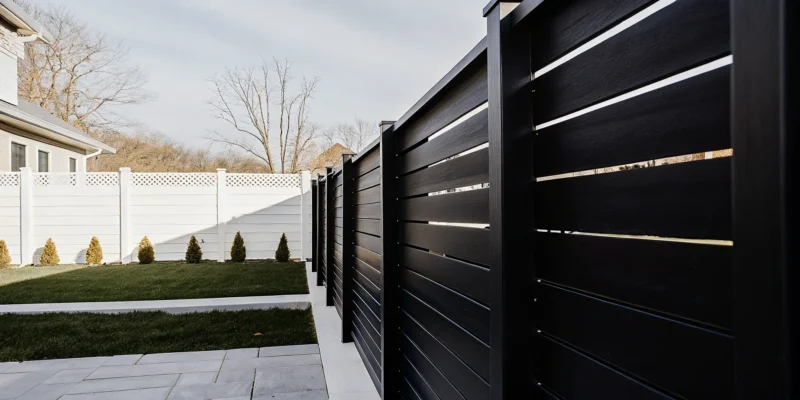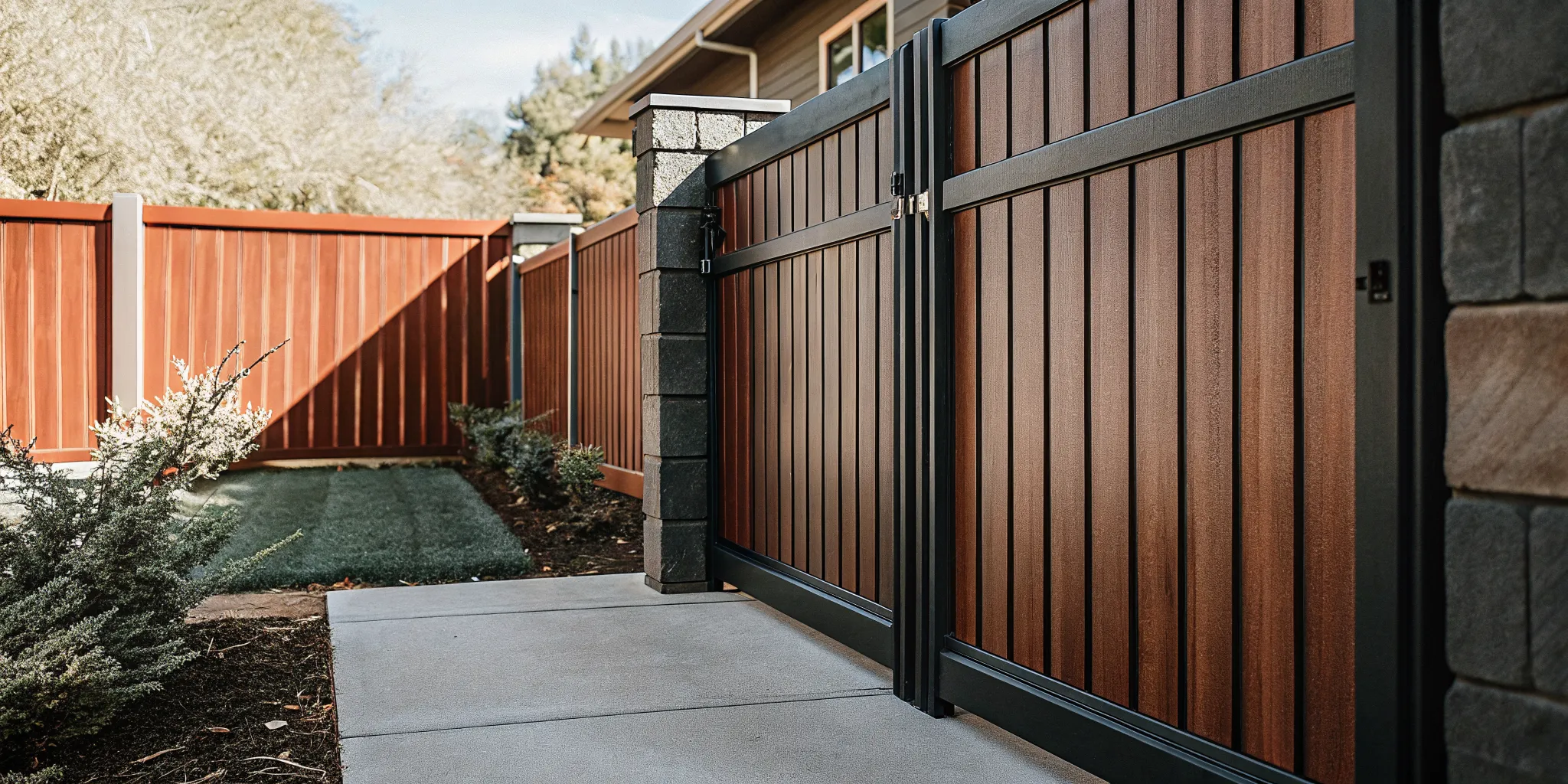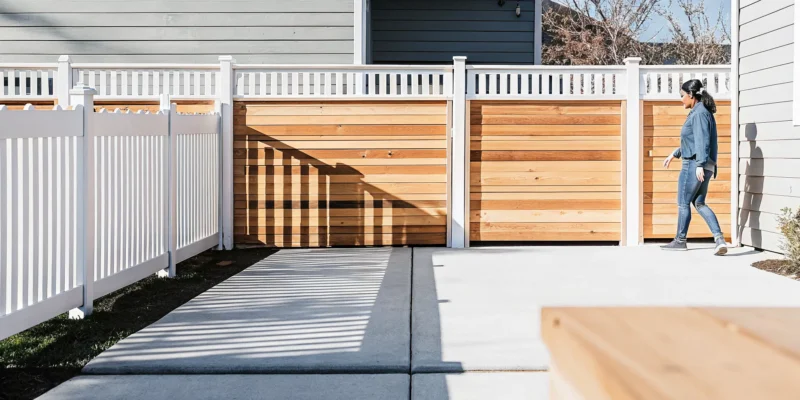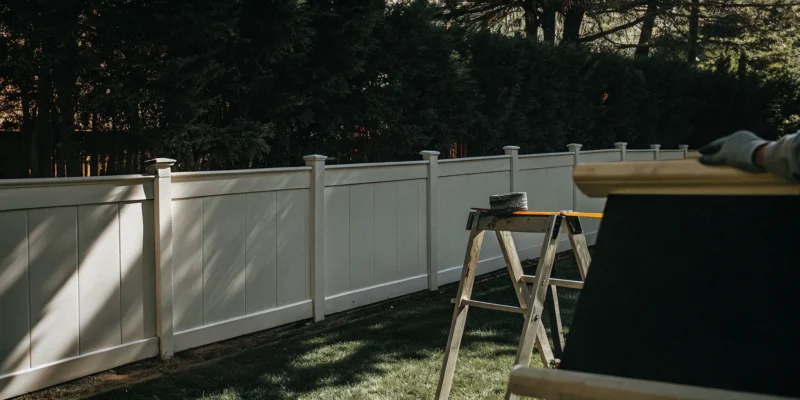
A new white vinyl fence installation in progress in a backyard.

Vinyl Fence Installation Price Per Foot: A Cost Guide

Figuring out the cost of a new vinyl fence for your Long Island home can feel like trying to solve a puzzle with missing pieces. You often hear contractors talk about pricing “per linear foot,” but that number is only a single part of the larger picture. The final cost of your project is shaped by many variables, including the fence style you choose, the height you need, the specific layout of your yard, and even the quality of the materials. This guide is designed to put all the pieces together for you. We will break down what influences the vinyl fence installation price per foot so you can understand a professional quote and create a realistic budget for a fence you’ll love for years.

Key Takeaways

  • Budget for the Whole Project, Not Just the Fence: The price per linear foot is only part of the equation. Your final cost will also depend on fence style, height, material quality, site preparation, gates, and any necessary permits.
  • Choose Your Installer as Carefully as Your Fence: The quality of the installation determines the fence’s longevity and appearance. Always get detailed quotes, check for proper licensing and insurance, and review a contractor’s portfolio of past work.
  • Invest in Low Maintenance for Long-Term Savings: Although vinyl may have a higher initial cost than wood, it saves you significant time and money in the long run. You avoid the recurring costs and effort of painting, staining, and rot repair.

What’s the Price Per Foot for a Vinyl Fence?

Figuring out the cost of a new vinyl fence can feel a bit like a puzzle. You’ll often hear contractors and suppliers talk about price “per linear foot,” but what does that really mean for your total budget? Think of the per-foot price as a starting point. The final cost of your project will depend on several things, like the fence style you choose, the layout of your yard, and the specific materials used. Let’s break down the numbers so you can get a clearer picture of what to expect for your Long Island home.

Average Cost Range

As a general guideline, installing a standard 100-foot vinyl fence can range from about $3,000 to $7,800. That’s a pretty wide range, I know. This variation comes from the huge number of options available. A simple, shorter fence will be on the lower end, while a tall privacy fence with decorative posts and gates will be on the higher end. This estimate helps you set a basic budget, but the details are what will really shape the final price tag for your specific project.

Linear Foot vs. Total Project Cost

When you get a quote, it will likely be broken down by the linear foot. This cost typically falls between $15 and $78 per foot, a price that usually includes both the fencing materials and the professional installation. While this number is helpful for comparing different material qualities or styles, remember to focus on the total project cost. This final number gives you the complete picture, covering everything from the first post to the last gate latch. Gappsi offers a variety of fences and netting to suit your style and budget.

Why Smaller Jobs Can Cost More Per Foot

It might seem counterintuitive, but you could see a higher price per linear foot for a very short fence. Think of it this way: contractors have fixed costs for every job they take on. These include things like travel time, insurance, and ensuring their crew is paid for their time on-site. For a small project, these base costs are spread over fewer feet of fencing, which can bump up the per-foot rate. It’s a way for the installation company to make sure the project is worthwhile while still delivering high-quality work.

What Factors Influence Your Vinyl Fence Cost?

When you start getting quotes for a new vinyl fence, you’ll quickly see that the price per linear foot is just a starting point. The final cost of your project depends on several key variables that go beyond a simple length measurement. Think of it like a recipe: the final dish is a sum of all its ingredients and the effort it takes to prepare it. Understanding these factors will help you read a quote with confidence and see exactly where your money is going. From the height of the fence to the texture of the vinyl, every choice plays a part.

A professional quote from a company like Gappsi will break down these elements, giving you a clear picture of the total investment. The goal is to find a balance between your budget and your vision for the perfect backyard. Whether you’re looking for simple privacy or a decorative statement, knowing what drives the cost will empower you to make the best decisions for your home. Our team specializes in installing a variety of fences and netting to suit any property.

Fence Height and Style

One of the most direct factors affecting your fence’s cost is its size. A six-foot privacy fence will naturally cost more than a four-foot picket fence simply because it requires more material. But style plays an equally important role. A simple, solid panel is the most straightforward option. If you want to add more visual interest with features like a lattice top, decorative post caps, or a scalloped design, you can expect the price to increase. These stylistic touches require more intricate manufacturing and add a bit of extra time to the installation process, but they also give your fence a custom, polished look that can significantly enhance your home’s curb appeal.

Material Quality and Thickness

Not all vinyl is created equal. The quality and type of vinyl you choose will have a major impact on both the upfront cost and the long-term durability of your fence. Standard white vinyl is typically the most budget-friendly option. However, if you prefer a different look, you can explore colored vinyl or even textured styles that mimic the appearance of wood grain. These premium options cost more but can create a unique aesthetic. Beyond color and texture, the thickness of the vinyl matters. Higher-quality, thicker vinyl offers superior strength and better resistance to fading and weathering, making it a worthwhile investment for a fence that will look great for years to come.

Labor Costs on Long Island, NY

The cost of labor is a significant part of any professional fence installation, and it’s influenced by the complexity of the job. On Long Island, labor rates reflect the skill and experience required to build a fence that can withstand coastal weather and last for decades. A professional crew does more than just dig holes and place posts. They ensure every post is perfectly level, properly set in concrete, and aligned for a flawless finish. Hiring an experienced team like Gappsi means you’re paying for expertise, efficiency, and the peace of mind that comes with knowing your fence is installed correctly and securely. This level of craftsmanship is a core part of our home remodeling philosophy.

Your Yard’s Condition and Terrain

An ideal installation site is a flat, clear, and easily accessible stretch of land. However, most yards have their own unique challenges. The specific conditions of your property can influence labor costs. If your yard is on a slope, the installation team will need to use special techniques to ensure the fence follows the contour of the land gracefully. Rocky soil or large tree roots can make digging post holes much more difficult and time-consuming. Similarly, if the fence line is hard to access with equipment, it may require more manual labor. A thorough site assessment is key to getting an accurate quote that accounts for the unique terrain of your landscape.

Local Permits and Regulations

Before any work begins, it’s important to consider local building codes. Most towns and villages on Long Island have specific regulations regarding fence height, style, and placement, especially for properties on corner lots or near pools. Securing the right permits is a critical step, and the fees can vary from one municipality to another. This is a task you don’t have to handle on your own. A reputable contractor will be familiar with the local requirements in areas like Suffolk and Nassau County and will manage the entire permit application process for you. This service ensures your project is fully compliant and saves you from the hassle of dealing with paperwork.

How Do Vinyl Fence Styles Compare in Price?

The style you choose for your vinyl fence does more than just define its look; it’s one of the biggest factors determining your total project cost. Different styles use varying amounts of material and require different levels of labor to install, which is reflected in the price per linear foot. Think about what you want your fence to do. Are you creating a private backyard for quiet weekends and family gatherings? Or are you looking to add a touch of classic charm to your front yard that welcomes the neighborhood? The right fence becomes an extension of your home’s personality.

From the complete seclusion of a privacy fence to the open, rustic feel of a ranch rail fence, each option serves a unique purpose for your property. Understanding these differences is the first step in aligning your vision with your budget. At Gappsi, we offer a wide selection of fences and netting to match your home’s aesthetic and functional needs, ensuring you find the perfect fit for your Long Island home. Let’s break down the most popular styles so you can see how their costs compare and decide which one is right for you.

Privacy Fences

If creating a secluded backyard retreat is your top priority, a privacy fence is the way to go. These fences feature solid, interlocking panels that block sightlines and reduce noise, giving you maximum security and solitude. Because they use the most material, they are one of the more premium options. You can typically expect the cost for a standard 6-foot tall vinyl privacy fence to range from $30 to $60 per linear foot. For a 100-foot project, this translates to an installation cost between $3,000 and $6,000. While it’s a significant investment, a privacy fence transforms your yard into a truly personal oasis.

Semi-Privacy Fences

A semi-privacy fence offers a beautiful compromise between seclusion and openness. Styles like shadowbox or those with lattice tops provide a sense of enclosure while still allowing for airflow and light to pass through. This makes them a popular choice for homeowners who want to define their space without feeling completely boxed in. The cost for a semi-privacy fence generally falls between $25 and $50 per linear foot. They are a more affordable alternative to full privacy fences and work wonderfully for creating friendly boundaries with neighbors or enclosing a swimming pool area without obstructing the view.

Picket Fences

Nothing says classic American charm quite like a picket fence. This style is perfect for enhancing your home’s curb appeal and defining your front yard or garden without blocking the view. Because they use less material than other styles, picket fences are one of the most budget-friendly vinyl options available. A typical 4-foot tall picket fence costs between $15 and $30 per linear foot, which means a 100-foot installation could run from $1,500 to $3,000. It’s an excellent choice if your main goal is aesthetic appeal and clear property demarcation rather than total privacy.

Decorative and Ranch Rail Fences

For those looking to make a statement, decorative and ranch rail fences are designed to be architectural features. Ranch rail fences, with their long, open rails, are ideal for defining the borders of larger properties without interrupting the landscape. Decorative fences can include custom designs, colors, and post caps to create a truly unique look. These styles represent the higher end of the price spectrum, often ranging from $60 to $78 per linear foot. The cost reflects their custom nature and role as a key element in your home’s overall landscape design, making them a true investment in style.

A Look at Top Vinyl Fence Brands

When you start shopping for a vinyl fence, you’ll quickly see there are several brands to choose from. While having options is great, it can be tough to know which one offers the best quality and value for your home. A brand’s reputation is built over years, but the quality of the final product also depends on the specific product line and, most importantly, the skill of the installer. Let’s look at a couple of popular brands and discuss what really matters when making your final choice for your fences and netting project.

Bufftech

Bufftech has long been a recognized name in the vinyl fencing world, often associated with durable and quality products. They offer a wide range of styles, which gives homeowners plenty of design flexibility. However, it’s always smart to do your homework. While the brand has a strong historical reputation, some users have noted that product consistency can be a concern in recent years. This is why looking at recent reviews and talking to your installer about their direct experience with the material is so important. A trusted contractor will guide you toward the most reliable product lines based on their hands-on knowledge.

Illusions Vinyl Fence

For those who like to support local businesses, Illusions Vinyl Fence is a fantastic option. Their products are proudly manufactured in the USA by a company right here in Medford, New York. With almost five decades of experience, their parent company has built a solid reputation for quality and reliability in the fencing industry. Choosing a local manufacturer can sometimes mean better availability and a team that understands the specific needs of Long Island properties. Their commitment to quality control and extensive product range makes them a strong contender for any vinyl fence project in our area.

What to Look for Beyond the Brand

Ultimately, the brand name on the box is only one piece of the puzzle. A top-tier vinyl fence can perform poorly if it’s not installed correctly. That’s why it’s critical to look beyond just the brand name and focus on the reputation of your installation company. A contractor with a history of positive reviews and a portfolio of beautiful work shows a commitment to quality service. The installer is the one who ensures your fence posts are set correctly, the panels are level, and the gates function smoothly for years to come. The best brand means little without expert craftsmanship to bring it all together.

Are There Hidden Costs in a Vinyl Fence Installation?

When you get a quote for a new vinyl fence, it’s easy to focus on the price per linear foot. But that number is just one part of the story. A complete fence project involves more than just posts and panels, and several factors can influence your final invoice. Thinking about these potential costs ahead of time helps you create a realistic budget and prevents surprises down the road. From preparing your yard to adding the finishing touches, each step has a potential price tag. A transparent contractor will walk you through all of these, but it’s always smart to know what to ask about. Let’s break down the common costs that might not be included in an initial estimate.

Old Fence Removal

If you’re replacing an old fence, the first step is getting rid of it. This isn’t just a matter of pulling up a few posts. Removing an old fence involves dismantling the structure, hauling away the materials, and disposing of them properly. This process requires labor and time, which adds to the overall project cost. Some homeowners might consider tackling this as a DIY project to save money, but it can be more work than you expect, especially with stubborn posts set in concrete. When you get a quote, ask if old fence removal is included so you have a clear picture of the total investment from start to finish.

Site Prep and Grading

The condition of your yard plays a big role in the installation process and its cost. A perfectly flat, clear lawn is the ideal scenario, but most yards have their own unique challenges. If your property has steep slopes, rocky soil, or large tree roots, your installation team will need extra time and possibly specialized equipment to dig post holes and ensure the fence is level. This additional labor naturally affects the price. Proper site preparation is essential for a stable and long-lasting fence, so it’s a cost that directly invests in the quality of the final product. A thorough site assessment is key to getting an accurate quote.

Gates, Hardware, and Decorative Extras

Your fence’s main job might be to create privacy or define a boundary, but its style and features are what make it your own. The base price for a vinyl fence typically covers the standard panels and posts. However, features like gates, decorative post caps, lattice tops, and premium hardware are considered upgrades and will increase the total cost. A simple walk-through gate will cost less than a wider, double-door gate for a driveway, for example. While these extras add to the budget, they also add significant functional and aesthetic value to your property. Be sure to discuss all the custom touches you want with your contractor.

Contractor Fees and Permits

Working with a professional contractor ensures your fence is installed correctly and safely, but it’s important to understand what their fees cover. A reputable company’s quote should be comprehensive, but always clarify if it includes project management, labor, and cleanup. Another crucial cost is building permits. Many towns on Long Island require a permit for fence installation to ensure it meets local zoning laws and safety codes. The cost of a permit can vary, but it’s a necessary expense to keep your project compliant. Skipping this step can lead to fines and headaches, so it’s a cost you definitely don’t want to avoid.

Is Vinyl Fencing a Good Investment?

When you’re planning a new fence, it’s easy to focus on the initial price tag. But a truly smart home improvement decision considers the long-term value, not just the upfront cost. Vinyl fencing is a perfect example of this. It’s an investment in your property’s curb appeal, your security, and just as importantly, your free time. Looking at how vinyl stacks up against other materials and what it means for your maintenance checklist shows why it’s such a popular choice for Long Island homeowners.

Vinyl vs. Wood

Choosing between vinyl and wood often comes down to a simple question: do you want to pay more now or pay more later? Wood fencing typically has a lower initial cost, which can be tempting. However, that lower price comes with a lifetime of maintenance. Wood is susceptible to rot, warping, and insect damage, requiring regular staining, painting, and sealing to keep it looking good and standing strong.

Vinyl, on the other hand, is a long-term solution. While the upfront cost is higher, a quality vinyl fence can last for decades with very little upkeep. It’s a durable material that won’t rot or splinter. This means you can spend your weekends enjoying your backyard instead of working on it, saving you significant time and money on maintenance supplies over the life of your fence.

Vinyl vs. Aluminum

Aluminum is another popular fencing material, known for its strength. Yet, when it comes to appearance and everyday durability, vinyl often has the edge. Aluminum fences can be prone to denting from things like lawnmowers or stray baseballs, and over time, their finish can corrode or fade, especially in the salty air we get on Long Island.

High-quality vinyl fencing offers a clean, attractive appearance that holds up beautifully for years. It’s engineered to be resilient and flexible, resisting impacts that might dent a metal fence. Plus, the color is solid all the way through the material, so scratches are much less noticeable. When you want a fence that combines strength with lasting curb appeal, vinyl is an excellent choice.

The Value of Low Maintenance and Warranties

Perhaps the most compelling reason to choose vinyl is the minimal maintenance it requires. Unlike wood, you will never have to paint or stain a vinyl fence. It doesn’t absorb moisture, so you don’t have to worry about rot or decay. A simple cleaning with soap and water is usually all it takes to keep it looking fresh and new. This freedom from constant upkeep is a value you can’t put a price on.

Top manufacturers stand behind their products with impressive warranties, often for a lifetime. Many of these warranties are even transferable to the next homeowner, which can be a great selling point if you ever decide to move. This guarantee gives you peace of mind, knowing your fencing investment is protected for the long haul.

How to Budget for Your Vinyl Fence Project

Creating a budget for your new vinyl fence is one of the most important steps in the planning process. It’s about more than just finding the lowest price; it’s about understanding what you’re paying for and ensuring you make a smart investment that adds value to your home for years to come. A well-planned budget helps you avoid surprises and allows you to choose the right materials and features without compromising on quality. By thinking through the costs ahead of time, you can move forward with confidence, knowing your project will stay on track financially.

To get started, you’ll want to break the process down into a few manageable steps. First, get a clear picture of your project’s scope by measuring your property. Next, use that information to establish a realistic total budget based on typical costs. Finally, learn where you can make savvy choices to save money without sacrificing the durability or beauty of your fence. This approach will help you balance your vision with your finances, leading to a result you’ll love. At Gappsi, we believe an informed homeowner is a happy homeowner, and we’re here to provide the clarity you need for your Long Island fence installation.

Measure Your Property Accurately

Before you can get a reliable cost estimate, you need to know exactly how much fencing you need. Grab a tape measure and walk your property line to determine the total length in feet. This is the single most significant factor in your project’s cost. While you’re at it, think about your desired fence height. A six-foot privacy fence will require more material than a four-foot picket fence, which will be reflected in the price. Also, make a note of any slopes, tricky corners, or obstacles like trees and sheds. A clear and accurate measurement is the foundation of a solid budget and will help your contractor provide a precise quote right from the start.

Set a Realistic Total Budget

Once you have your measurements, you can start to form a realistic budget. As a general guideline, homeowners can expect the cost to install a vinyl fence to range from around $30 to $80 per linear foot. For a standard 100-foot project, this could place the total cost anywhere between $3,000 and $8,000. Remember, these are just averages. The final price depends on the fence style, material quality, and your property’s specific needs. Use these numbers as a starting point, but the best way to understand the true cost for your home is to get a detailed quote from a professional who can assess your Long Island property in person.

How to Save Money Without Sacrificing Quality

Everyone wants the best value, and there are ways to be cost-effective without cutting corners. While it’s smart to get a few different quotes, focus on the overall value, not just the lowest number. A contractor with a strong portfolio and great reviews, like the projects you can see on our YouTube channel, often indicates higher quality work that lasts longer. You can also manage costs by being mindful of add-ons. Gates, for example, can add several hundred to over a thousand dollars each, and decorative post caps or hardware will also increase the price. By choosing a standard style and minimizing extras, you can keep your budget in check while still getting a beautiful, high-quality vinyl fence.

What to Look for in a Vinyl Fence Contractor

Choosing the right contractor is just as important as picking the perfect fence style and material. The quality of the installation determines how your fence will look and perform for years to come. A great installer ensures every post is secure, every panel is level, and every gate functions smoothly. A subpar job, on the other hand, can lead to sagging sections, uneven lines, and problems down the road, even with the best materials. This is why your choice of installer is a critical part of your investment.

Finding a reliable partner for your project means looking for a team with proven expertise, transparent practices, and a solid reputation. You want a company that communicates clearly and stands behind its work. Think of it as hiring a long-term partner for your home’s security and curb appeal. Taking the time to vet your options thoroughly will give you peace of mind and a beautiful, durable fence that you can enjoy without worry. At Gappsi, we manage every aspect of your fence installation, from design to completion, ensuring a seamless process from start to finish.

Comparing Detailed Quotes

Your first step is to gather at least three detailed quotes from different companies. This isn’t about finding the absolute cheapest option; it’s about understanding what you get for your money. A trustworthy contractor will provide an itemized quote that breaks down all the costs, including materials, labor, permit fees, and old fence removal. Be wary of any quote that’s just a single number with no details.

When you have clear, itemized quotes, you can compare them accurately. Does one contractor use thicker, higher-quality vinyl? Is gate hardware included in the price? A detailed quote shows transparency and professionalism, giving you a clear picture of where your investment is going. It helps you avoid surprise charges and ensures you’re comparing equivalent services.

Questions to Ask Before You Hire

Before you sign a contract, it’s time to ask some direct questions. Start by asking for their license and insurance information, a non-negotiable for any work done on your property. Look for a contractor with a history of positive customer reviews and ask to see a portfolio of their recent vinyl fence projects. You can often see examples of a company’s work on their YouTube channel or website.

Don’t be shy about asking for references from past clients in your area. Also, inquire about their warranty. What does it cover and for how long? A reputable installer will offer a warranty on their workmanship in addition to the manufacturer’s warranty on the materials. Finally, ask about their timeline. A clear start and end date helps set expectations for everyone involved.

Red Flags to Watch For

Knowing what to avoid is just as important as knowing what to look for. A major red flag is a contractor who pressures you to make a quick decision or asks for a large cash deposit upfront. Professional companies have established payment schedules. Another warning sign is a lack of a professional presence, like a proper website, physical address, or branded vehicles.

Pay attention to communication. If a company is slow to return your calls or emails during the quoting process, imagine the service you’ll receive after they have your deposit. Vague answers about warranties, timelines, or materials are also cause for concern. A contractor who can’t provide clear, confident answers may not be the right fit for your home improvement project.

Your Long Island Vinyl Fence Installation with Gappsi

When you’re ready to move forward with a vinyl fence on Long Island, it helps to have a clear picture of the investment. The price for a professional vinyl fence installation can vary, but industry data provides a helpful baseline. Costs typically range from $15 to $78 per linear foot, depending on factors like fence height, style, and the specific quality of the vinyl you choose. For a standard 100-foot project, a recent cost installation guide shows that homeowners might see a total between $3,000 and $7,800.

While the upfront cost can be higher than for a wood fence, vinyl offers incredible long-term value. A well-installed vinyl fence can last 20 to 30 years with very little maintenance, saving you time and money on future repairs and upkeep. This durability is what makes it such a popular and cost-effective choice for so many homeowners over the long run. It stands up to Long Island weather without warping, rotting, or needing to be repainted.

At Gappsi, we specialize in providing high-quality fencing solutions that are built to last. We understand that a fence is more than just a boundary; it’s a key part of your home’s security, privacy, and overall aesthetic. Our team works with you to select the perfect style and ensures the installation is handled with expert care. Choosing Gappsi means you’re making a solid investment in your property, one that will enhance its beauty and function for decades. We are committed to using superior products and delivering exceptional service, giving you peace of mind and a result you’ll love.

Related Articles

Frequently Asked Questions

Why should I choose vinyl fencing when wood is cheaper upfront? That’s a great question that gets to the heart of long-term value. While a wood fence often has a lower initial price, it requires a lifetime of work, including regular staining, sealing, and repairs to prevent rot and warping. A vinyl fence is an investment in your time. It resists moisture and pests, so you will never have to paint or stain it. Over the years, the money and weekends you save on maintenance make vinyl a very smart financial choice.

How long can I expect a vinyl fence to last on Long Island? A professionally installed, high-quality vinyl fence is built to handle Long Island weather, from humid summers to coastal storms. You can realistically expect it to last for 20 to 30 years, or even longer. The key is using thick, durable vinyl that resists fading and impact, combined with expert installation that ensures posts are set securely to withstand strong winds. It’s a truly resilient material perfect for our local climate.

What’s more important: the fence brand or the installer? The installer, without a doubt. While a good brand provides quality materials, those materials are only as good as the hands that put them together. An expert contractor ensures your fence is perfectly straight, the posts are set deep in concrete, and the structure is secure. A poor installation can make even the most expensive fence fail, so investing in a reputable, experienced installation team is the most important decision you’ll make.

Are gates and decorative caps included in the per-foot price? Typically, the price per linear foot covers the standard fence panels and posts for a specific style. Gates, decorative post caps, premium hardware, and lattice tops are usually considered upgrades and are priced separately. This is because their costs can vary widely based on size and style. A good quote will break these items out for you, so you can see exactly what you are paying for and make choices that fit your budget.

My yard isn’t perfectly flat. How does that affect the installation and cost? Most yards have some slopes or uneven ground, and a professional installer knows exactly how to handle it. For sloped terrain, we use a technique called “racking” or “stepping” to ensure the fence follows the contour of your land beautifully. This requires more skill and time than installing on flat ground, so it can add to the labor cost. A site assessment is crucial for an accurate quote that accounts for your property’s unique landscape.
Share this page:
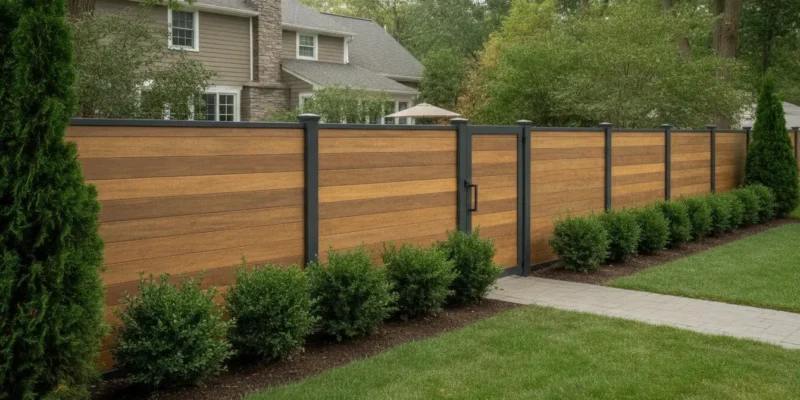
Wood-look privacy fence with dark aluminum posts and evergreen planting in a Long Island backyard

Privacy Fence Ideas for Long Island Homes

Looking for privacy fence ideas that make a Long Island backyard feel more comfortable without turning it into a blank wall? The right design balances sightline control, wind exposure, maintenance, property lines, and the way your family uses the yard. Wood, vinyl, aluminum, composite panels, evergreen planting, trellises, and mixed designs can all work, but each creates a different appearance and maintenance plan.

Contact Gappsi through our contact page

What Makes a Privacy Fence Work for a Long Island Property?

A useful privacy fence does more than block a view. It should create a comfortable boundary while fitting the house, landscape, and outdoor living areas around it. Before choosing a panel style, identify the view you want to screen, the direction of prevailing wind, and the activities that happen near the fence.

  • Privacy goal: Decide whether you need full screening from a neighboring window, partial screening from a street, or a softer backdrop for a patio.
  • Viewing angle: A six-foot fence may block a seated view but leave an upper-story window exposed. The most useful height depends on the sightline, grade, and distance between properties.
  • Wind and drainage: A solid fence catches more wind than an open design. Posts, footings, panel spacing, and drainage need to match the site.
  • Maintenance: Compare the time required for staining, washing, repainting, trimming, and seasonal repairs before selecting a material.
  • Visual weight: A tall, uninterrupted surface can make a small yard feel narrower. Board orientation, color, planting, and open sections can keep the design proportional.

Walk the property at the times when privacy matters most. A morning coffee area, pool deck, outdoor kitchen, and bedroom window may each need a different screening solution. That simple observation often leads to a better plan than choosing one fence height for every boundary.

Which Privacy Fence Material Fits Your Yard?

Material selection affects the fence’s appearance, expected upkeep, resistance to moisture and pests, and ability to coordinate with gates and landscape materials. The best privacy fence ideas usually start with the property’s conditions instead of a single material trend.

Material Design strengths Planning considerations
Wood Warm texture, flexible dimensions, and many stain or paint options. Requires a maintenance plan for weathering, moisture, and surface changes.
Vinyl Clean lines, consistent color, and simple washing. Panel proportions, color, and post design matter because large solid areas can feel visually heavy.
Aluminum Lightweight structure, crisp profiles, and durable coated finishes. Many aluminum styles are open or semi-private, so privacy panels or planting may be needed.
Composite Wood-look appearance with low-routine-maintenance panel surfaces. Review the support system, color, expansion details, and gate hardware as part of the complete design.

Think about the fence from both sides of the property. A design can look finished from the yard while exposing unfinished posts, rails, or hardware to a neighbor. Ask how the selected system handles corners, gates, grade changes, and maintenance access before choosing the final panel pattern.

Gappsi’s Long Island fencing and gate service includes aluminum, composite, vinyl, and wood options. A material comparison should also account for the design on both sides of the fence, since neighbors and passersby may see the back of the installation.

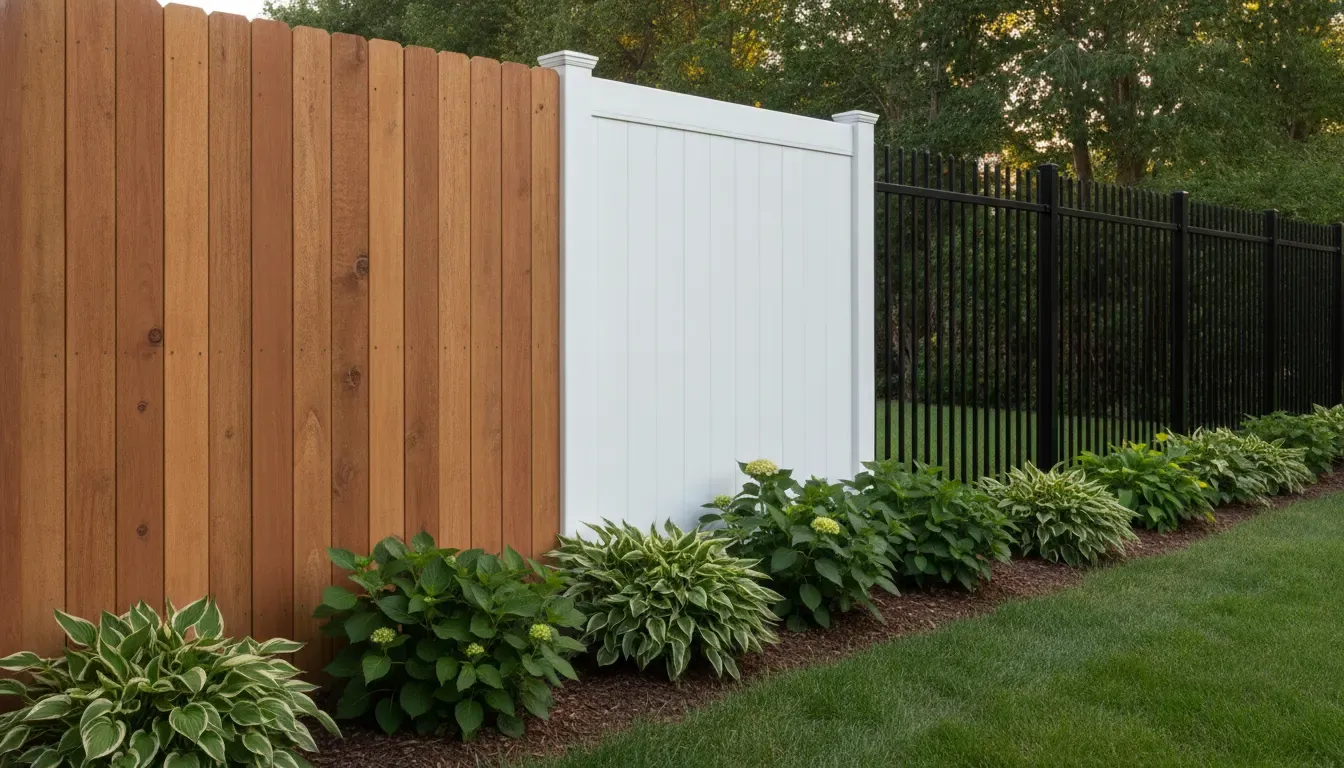
Wood, white vinyl, and black aluminum privacy fence material options with landscape planting
Different fence materials create different levels of privacy, openness, and maintenance.

Wood privacy fence ideas

Wood works well when you want a natural surface that can be coordinated with a deck, pergola, garden, or masonry wall. A board-on-board layout closes gaps between boards, while a shadowbox layout can look similar from both sides and allow limited airflow. Horizontal boards create a contemporary line, but the span, framing, and post spacing must be designed for the site rather than copied from a photograph.

Wood can also be softened with a lattice top, a narrow open section, a gate with matching trim, or a planting bed. Select the finish with the surrounding materials in mind. A stain that repeats the tone of a door or outdoor kitchen can make the fence feel intentional instead of separate from the house.

Vinyl privacy fence ideas

Vinyl provides a consistent appearance and is easy to wash, making it useful for homeowners who prefer predictable routine maintenance. Traditional vertical panels can create a familiar boundary, while a white or neutral finish can keep the yard bright. To avoid a repetitive run, use a deliberate change at a gate, corner, or planting bed rather than adding random decorative pieces.

Check how a vinyl panel handles grade changes and corners before installation. A fence that follows the slope with careful transitions generally looks more finished than one that leaves uneven gaps or abrupt steps. Gates should be selected with the post system and daily use in mind.

Aluminum privacy fence ideas

Aluminum is useful when you want a crisp profile, a coated finish, or an easier visual transition between a fence and modern masonry. Standard picket styles provide security and definition without fully blocking a view. For more privacy, consider solid or closely spaced panels in the sections that face a neighbor, then use open aluminum where the yard benefits from light or a wider view.

Black, bronze, gray, and white finishes can each support a different design direction. The key is to coordinate the fence color with window trim, gates, lighting, and landscape edging. A dedicated aluminum fence comparison can help when the project is centered on aluminum rather than a whole-yard privacy plan.

Composite privacy fence ideas

Composite panels can provide a structured wood-look surface with less routine coating work than a traditional wood fence. They are a strong option for a modern backyard, especially when the panel color can repeat a deck, planter, or outdoor kitchen detail. Ask how the system manages expansion, fasteners, corners, and gate loads, not only how the boards look in a sample.

Mixed composite and aluminum designs are especially useful when you want solid screening in one zone and a lighter frame elsewhere. Use the solid section near a seating area, then step down to a more open treatment along a side yard or planting bed.

How Tall Should a Privacy Fence Be?

Fence height should respond to the view that needs screening, the property’s grade, and applicable local requirements. Start by marking the eye level of the person whose view you want to block. Then consider whether the fence is below, level with, or above a patio, pool deck, or neighboring yard.

Do not assume that the tallest possible fence is the best answer. A tall solid run can increase wind pressure, shade planting, and dominate a narrow yard. In some locations, a shorter base fence paired with a trellis, layered shrubs, or a targeted privacy screen creates the same sense of enclosure with less visual weight.

Confirm the property line before finalizing the layout. A survey or clear boundary record can prevent an attractive design from becoming a placement dispute. Also ask the municipality or project professional about permits, corner visibility, easements, height limits, and any rules that apply to fences near a pool or public way.

Contact Gappsi through our contact page

Can You Mix Fence Panels, Screens, and Plantings?

Yes. A mixed privacy design often looks more natural and performs better than one material installed around the entire property. Use the most opaque section where privacy is most important, then transition to plants, a trellis, an open fence, or a lower wall where you want light and air.

  • Fence plus evergreens: Planting can soften a fence line and add seasonal texture. Leave enough room for mature growth and future access for washing or repairs.
  • Fence plus trellis: A trellis creates a vertical frame for vines without requiring a fully solid wall. Choose plants based on sun, soil, maintenance, and winter appearance.
  • Solid panels plus open metal: This combination can screen a patio while preserving views from a side yard or keeping a small space from feeling enclosed.
  • Fence plus masonry: A short masonry section at an entry or outdoor kitchen can anchor the design, while lighter panels continue along the property line.

Planting should support the fence, not hide a poor installation. Keep beds graded away from posts where appropriate, avoid trapping moisture against wood, and allow access to gates, latches, irrigation, and drainage. Gappsi’s landscape design and construction guide explains how site planning and installation can be coordinated as one outdoor project.

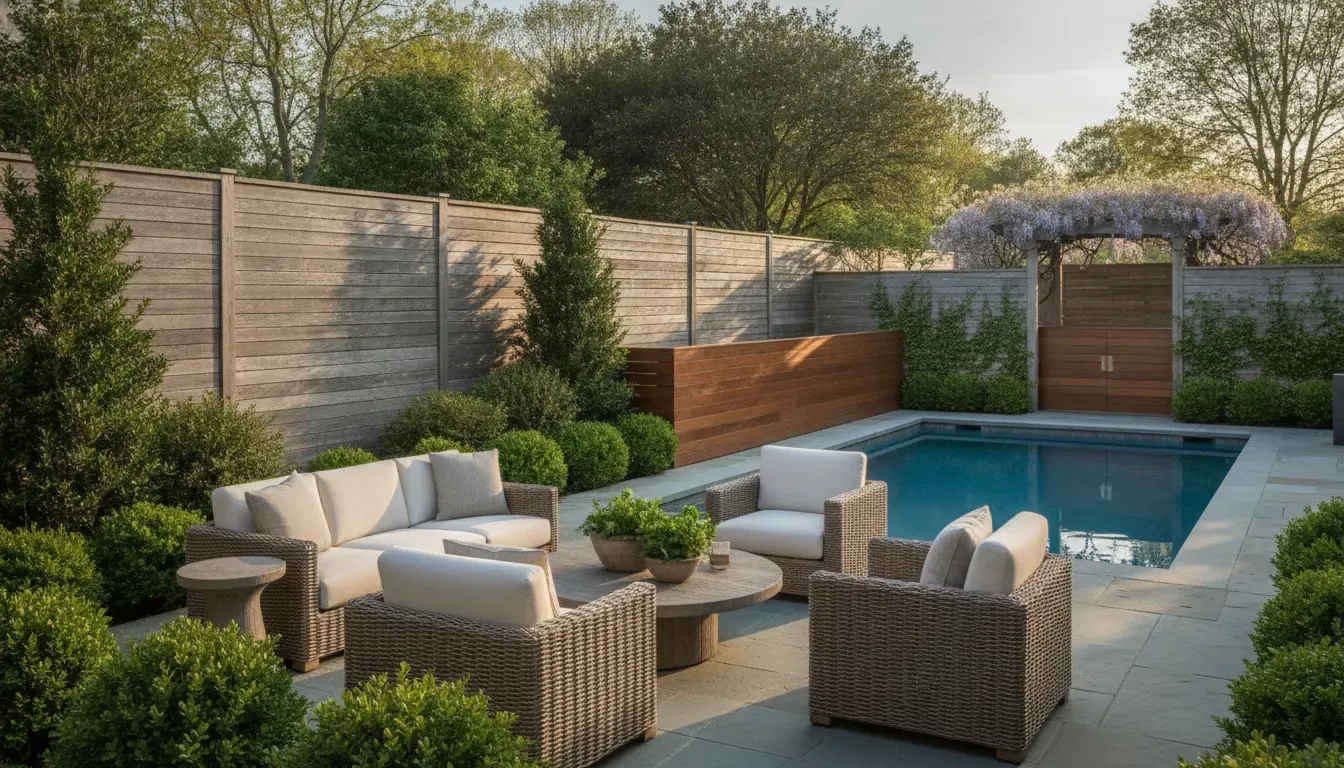
Privacy fence coordinated with a Long Island pool patio and outdoor seating area
A privacy fence can be coordinated with a pool deck, patio, planting beds, and outdoor seating.

How Can You Make a Solid Fence Look Less Heavy?

Privacy does not have to mean a flat, uninterrupted wall. Use a few repeated details to give the fence rhythm and connect it to the rest of the property.

  1. Change the height deliberately: Keep the tallest section near the sightline that needs it, then step down near an entry, planting bed, or open view.
  2. Use horizontal or vertical orientation with purpose: Horizontal boards can emphasize width, while vertical boards can make a boundary feel taller and more traditional.
  3. Frame gates and corners: Posts, caps, trim, or a material change can make transitions look designed rather than patched together.
  4. Break up long runs: Use planting pockets, a trellis, an open panel, or a small return to create visual pauses without compromising the main privacy zone.
  5. Coordinate color: Repeat a fence finish in gates, planters, outdoor furniture, or window trim. Avoid adding many unrelated colors to an already busy yard.
  6. Plan lighting carefully: Low, shielded lighting can make a path and gate easier to use without placing bright fixtures directly at a neighbor’s property.

These details also improve the view from inside the home. A fence should look considered from the kitchen, living room, pool deck, and neighboring side of the property, not only from the street.

What Privacy Fence Ideas Work Around Pools and Outdoor Living Areas?

Pool decks, patios, outdoor kitchens, and seating areas need privacy without losing safe circulation. Place the most opaque screening where it protects a seating zone or hides equipment, while keeping gates, pathways, and service access easy to use.

For a pool project, treat fence design and pool safety as related but separate decisions. The fence layout must follow the applicable local and state requirements, and the final design should be reviewed for gate placement, latch operation, clearances, and access. A decorative screen that looks private may not serve as a compliant pool barrier.

Coordinate the fence with the pool coping, patio pavers, planting beds, and outdoor furniture. Gappsi’s Long Island pool design and construction service covers pool planning alongside related outdoor living elements. Planning the fence early can prevent awkward changes to the patio edge or equipment access later.

For a smaller backyard, consider screening only the primary seating sightline instead of enclosing every boundary. This approach can preserve daylight, create a better view from the house, and reduce the feeling that the pool or patio is boxed in.

Contact Gappsi through our contact page

Frequently Asked Questions

What is the best material for a privacy fence?

The best material depends on the desired appearance, maintenance plan, wind exposure, grade, and budget scope. Wood offers natural texture, vinyl offers consistent low-routine-maintenance surfaces, aluminum offers crisp profiles, and composite can provide a wood-look design with less routine coating work.

What is the cheapest privacy fence option?

There is no single answer for every property because material, height, posts, gates, grade changes, access, and site preparation all affect the scope. Compare complete installed designs rather than choosing a panel based only on its unit price.

How do I block a neighbor’s view of my yard?

Identify the exact sightline first. A targeted solid panel, taller section, trellis, evergreen planting, or combination of treatments may block the view more effectively than a tall fence around the whole yard.

Can a privacy fence be used around a pool?

A fence may be part of a pool safety plan, but the design must meet the requirements that apply to the property and pool. Review height, gate, latch, access, and placement requirements with a qualified local professional before installation.

Contact Gappsi through our contact page

Share this page:
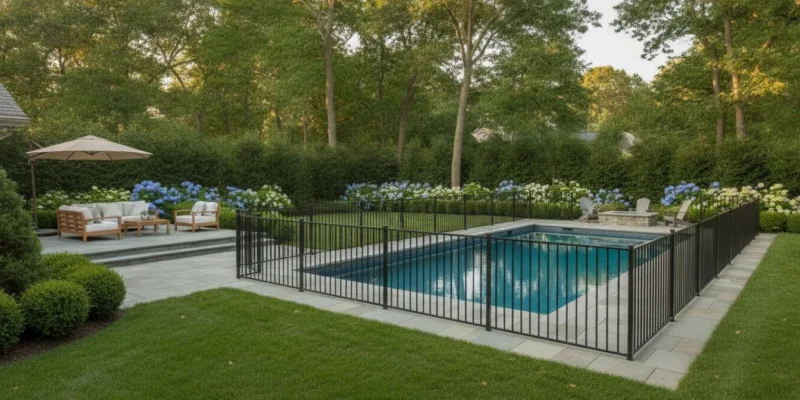
Pool fence beside a paver deck in a Long Island backyard

Pool Fence Options for Long Island: A Local Guide

A pool fence should make the swimming area safer without making the backyard feel closed in. On Long Island, the design also needs to account for New York State requirements. Town or village review, gate hardware, paver edges, drainage, landscaping, and the way your household moves through the property. Choosing the material before mapping those conditions can create avoidable work later.

Contact Gappsi through our contact page

The best pool fence for a Long Island home is a code-conscious, four-sided barrier with a self-closing, positive self-latching gate. New York State sets a four-foot baseline, while local rules may add requirements. Material choice should reflect visibility, privacy, maintenance, site grading, gate use, and coordination with the paver deck.

This guide compares mesh, glass, aluminum, vinyl, and ornamental metal. It also explains the local code questions, cost drivers, and design checks that Gappsi reviews with homeowners in Nassau and Suffolk Counties.

What should a Long Island pool fence accomplish?

A Long Island pool fence should separate the pool from the house, yard, and normal routes through the property. The barrier needs a continuous layout, a properly operating gate, and enough clearance for inspection and maintenance. New York State rules provide a starting point, but the responsible town or village building department confirms the complete requirement.

The first goal is access control. The Centers for Disease Control and Prevention recommends four-sided pool fencing that separates the water from the house and uses a self-closing, self-latching gate. A fence that uses the home as one side may not provide the same separation as a complete enclosure. The final layout must account for every route a child, visitor, or pet could take toward the pool.

New York State requires a fence or other barrier at least four feet high around a swimming pool. The state rule also addresses gate closure, positive latching, and latch-handle height. These details matter at the same time as the fence material. An attractive barrier does not meet the practical goal if a gate drags on the deck, fails to close, or leaves the latch difficult to operate.

How should the gate fit daily use?

Place the gate where adults can reach the pool area comfortably while avoiding a direct, uncontrolled route from a back door. Check the swing direction, landing surface, latch clearance, furniture placement, and distance from pool equipment. A paver edge, planter, retaining wall, or landscape growth should not obstruct the gate. The route should remain usable when the deck is wet and when the yard is being maintained.

Review side gates, basement walkouts, patio stairs, and doors from the home before finalizing the fence line. A gate alarm, door alarm, or pool alarm may provide an additional safeguard where required or appropriate. Those devices do not replace a properly planned barrier or active adult supervision. Gappsi can coordinate the fence conversation with a larger swimming pool design and installation plan when the projects are connected.

Why do local rules matter beyond the state baseline?

Nassau and Suffolk properties are reviewed by local building departments as well as New York State. A town or village can apply more restrictive rules for height, openings, setbacks, alarms, permits, materials, or inspections. Confirm the rule for your parcel before purchasing a system or drilling into a completed deck. The New York State fencing regulation is a useful starting point, not a substitute for local approval.

Gappsi can help organize the fence around the pool, hardscape, and landscape plan. The local authority remains responsible for interpreting and approving the code requirements for the property.

Contact Gappsi through our contact page

Which pool fence materials work with a paver deck?

Mesh, glass, aluminum, vinyl, and ornamental metal can all serve as pool fence materials, but each supports a different combination of visibility, privacy, maintenance, and design character. Aluminum keeps open sightlines, mesh provides removable flexibility, glass preserves views, vinyl adds privacy, and ornamental metal creates a defined architectural edge.

Start with the view from the kitchen, living room, patio, and lawn. Then consider how often the fence will be cleaned, whether seasonal removal is realistic, where the gate will open, and how posts will meet the paver pattern. A small sample can look different when it is repeated around an irregular pool or installed beside a contrasting natural stone border.

Pool fence material comparison for Long Island paver decks
Material Useful characteristics Planning questions
Mesh Light visual presence and removable options for households that need seasonal flexibility. Who will remove, store, and reinstall it? Are sleeves, posts, and the approved use plan consistent?
Aluminum Open sightlines, defined boundaries, and limited painting compared with some metal systems. How will the finish, rail spacing, gate hardware, posts, and paver joints align?
Glass Clear views across the pool area and a visually open deck edge. Can the household keep panels clean? Are splash zones, drainage, and hardware access planned?
Vinyl Privacy-oriented profiles and a surface that does not require frequent painting. Will its larger visual footprint fit corners, transitions, gate clearance, and the yard?
Ornamental metal Architectural character that can relate to railings, lights, and other metal details. Is the exterior finish suitable, and will walls, steps, beds, and paver borders leave a continuous barrier?

Aluminum often suits homeowners who want a defined boundary without blocking the view of the pool. Glass can keep a carefully detailed deck visually open, although it requires regular cleaning. Mesh may suit a household that can manage removal and storage. Vinyl may support privacy, while ornamental metal can reinforce a traditional or formal landscape. Every option still requires code and gate review.

Gappsi’s guide to fencing materials for Long Island properties offers additional context. Compare the pool-specific route, hardware, and maintenance plan rather than selecting from appearance alone.

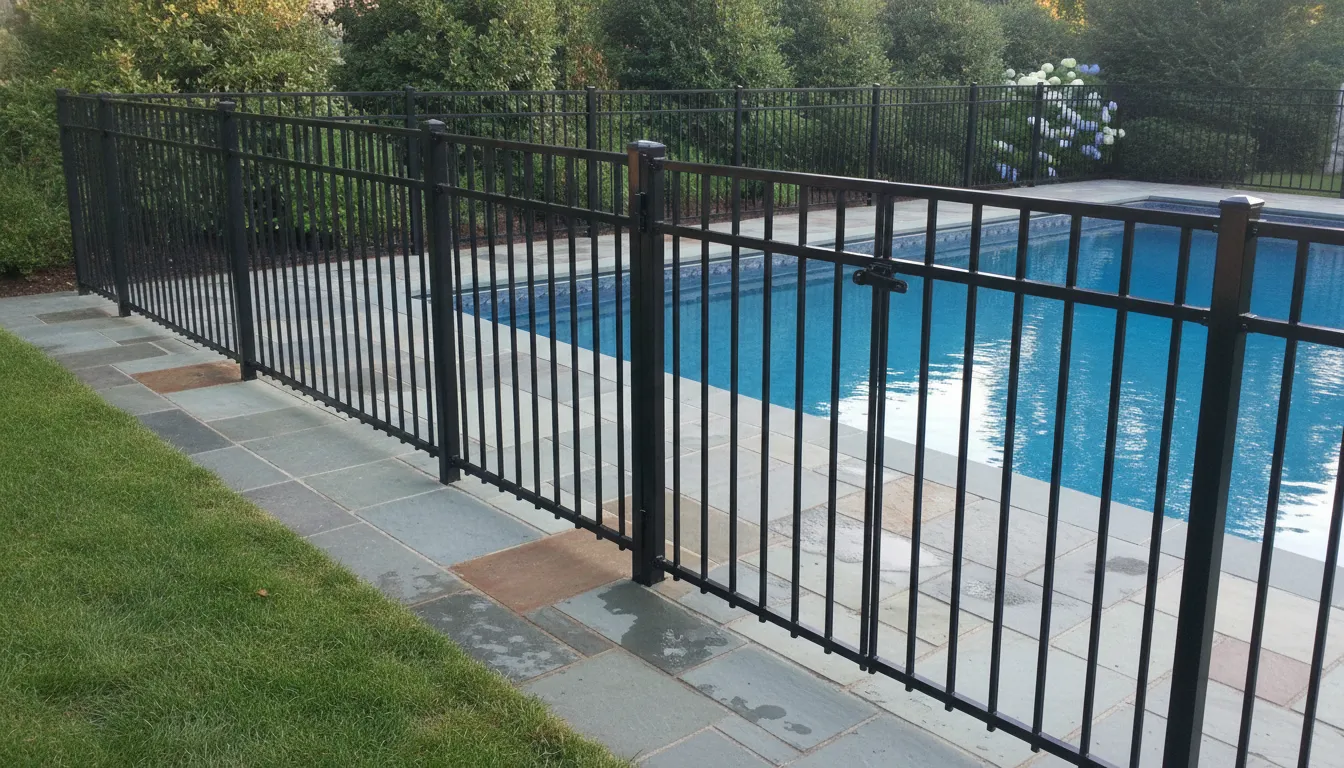
Black aluminum pool fence beside a bluestone paver deck

How do New York State and village codes shape the plan?

Use New York State requirements as the baseline, then confirm the full rule with the applicable town or village building department. The review should cover the four-foot barrier, gate closure, positive latch, latch-handle height, openings, alarms, setbacks, permits, and inspection steps for the specific property.

Code review belongs at the beginning of the project. A fence route that works on a level deck may require different detailing on a sloped yard. When pavers meet lawn, or when a retaining wall changes the grade, the barrier must remain continuous without creating an unintended opening. The fence route should also leave enough space to service pool equipment and inspect the gate.

  1. Map the property. Mark the pool, house doors, patios, stairs, equipment pads, property lines, retaining walls, planting beds, and possible gate locations.
  2. Confirm the state baseline. Review the four-foot barrier, self-closing gate, positive latch, and latch-handle requirements in the New York fencing regulation.
  3. Ask the local building department. Confirm stricter rules for height, openings, materials, alarms, setbacks, permits, and inspections.
  4. Test the daily route. Check gate swing, latch access, walking clearance, furniture placement, equipment access, and adult sightlines.
  5. Coordinate the installation. Resolve post locations, deck drilling, grading, drainage, and transitions before ordering materials or disturbing pavers.

The New York pool safety information also discusses barriers and additional safeguards. This article provides general information, not legal advice. The local building department determines what is approved for your property. Gappsi can coordinate design and construction questions, while the authority having jurisdiction makes the final code decision.

What affects pool fence cost on Long Island?

Pool fence cost on Long Island depends on linear footage, material, gates, hardware, deck access, grading, drainage, obstacles, site preparation, and permit requirements. A measured site review is more useful than a universal price because two pools with similar dimensions can require very different installation work.

Linear footage is the first major factor. A four-sided barrier around a large or irregular pool uses more material than a compact layout. Curves, angles, tight corners, elevation changes, and multiple gates can increase fabrication and labor. An existing wall or structure may affect the route, but it should only count as part of the barrier when the local authority confirms that it qualifies.

Material and installation methods also change the scope. Mesh may involve sleeves, seasonal handling, storage, and reinstallation. Aluminum and ornamental metal require posts, rails, gates, finishes, and suitable attachment points. Glass uses panels and specialized hardware, with cleaning and drainage access to consider. Vinyl can have a larger physical footprint that affects corners, transitions, and gate clearance.

Deck conditions deserve a separate review. Drilling through pavers or concrete, protecting finished surfaces, moving planting, working around pool equipment, and preserving drainage can add preparation steps. Narrow side yards, stairs, retaining walls, buried utilities, and limited staging space can change the installation sequence. Include permits and inspections in the budget conversation instead of relying on a generic online estimate.

For related hardscape planning, review Gappsi’s porcelain and natural stone paver services. A coordinated fence and deck plan can reduce conflicts between post locations, paver joints, drainage paths, and future repairs. Homeowners considering an existing stone surface can also review paver sealing guidance as part of the maintenance discussion.

How can a pool fence complement pavers and landscaping?

A pool fence complements pavers when the posts, gate, finish, transitions, drainage, planting, and circulation are designed as one system. The goal is a continuous barrier that looks intentional, leaves the gate usable, protects finished surfaces, and preserves access for maintenance and future hardscape work.

Begin with the primary views into the pool. Glass can preserve sightlines from the home and patio. Aluminum can define the pool edge while keeping the deck visually open. Vinyl can create more privacy, and ornamental metal can relate to railings, lighting, or other architectural details. Gappsi considers the wider outdoor plan so the fence does not look like an isolated addition.

Post placement is particularly important around pavers. Align posts with the deck geometry where possible, and avoid placing them at visually awkward points in contrasting pavers. When a fence meets a stair, retaining wall, lawn, planting bed, or house wall, design that transition before installation. Keep the barrier continuous while allowing enough room to inspect hardware and complete future repairs.

Drainage and planting need the same attention. The fence line should not create a low spot where rainwater, mulch, or soil collects around posts. Plants should not grow into the gate swing or hide the latch. Low-growing shrubs and grasses can soften the perimeter, but they need room for pruning and inspection. Avoid thorny plants beside a frequently used gate.

Plan for maintenance beyond the first season. Glass needs regular cleaning to stay clear. Pavers may be reset or extended, so record post locations and preserve access for hardscape work. If removable mesh is considered, decide who will remove, store, and reinstall it. Confirm that the system’s use fits the approved safety plan.

Gappsi’s travertine paver information can help homeowners compare color, texture, and surface transitions. The objective is not a perfect material match. It is a fence, deck, landscape, and gate system that remains safe and coherent as the property changes.

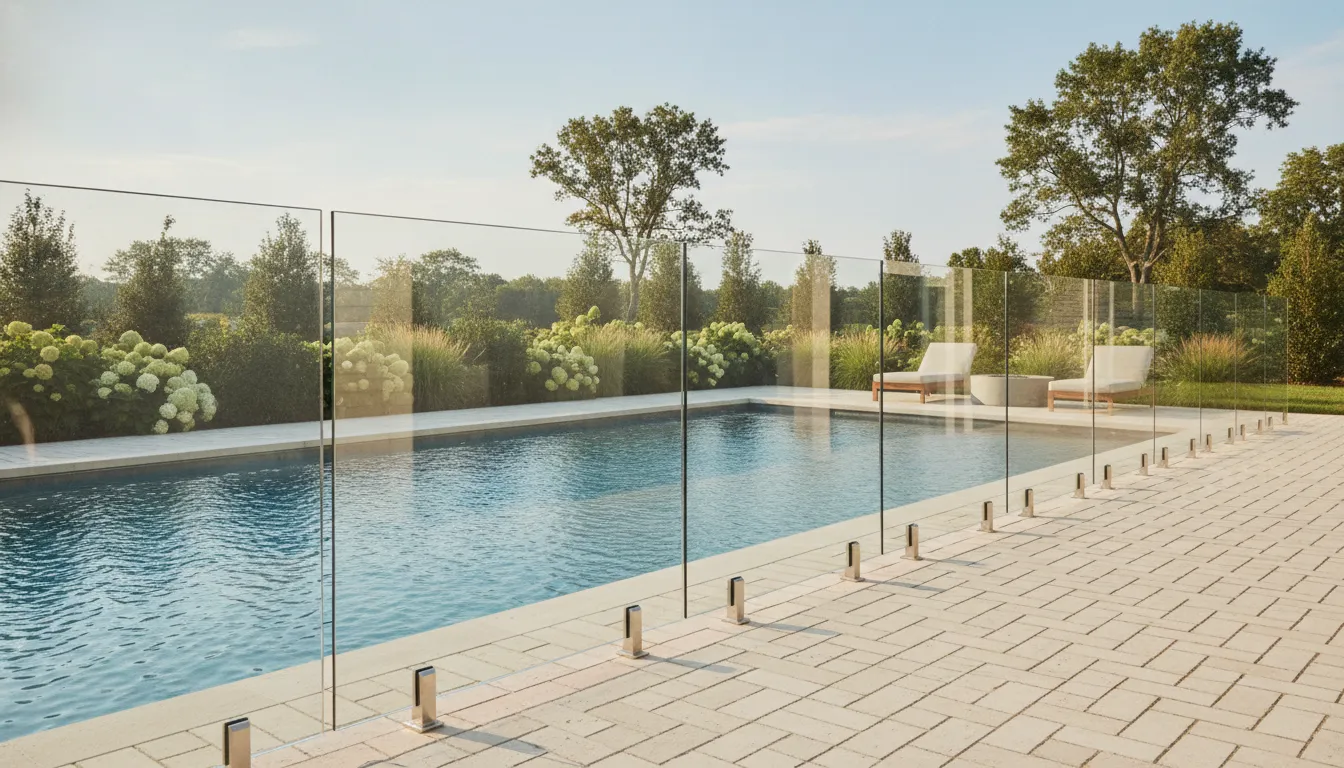
Glass pool fence meeting a light paver deck and landscaped border

How do you choose the right pool fence for your property?

Choose a pool fence by matching the approved barrier design to the household, pool location, visibility goals, maintenance tolerance, privacy needs, and paver layout. Make the final selection after local code review and a site check, not from material appearance alone.

Start with the household and pool layout

A pool close to the home needs a route that separates water from doors, patios, and normal paths through the yard. A freeform pool, raised spa, narrow side yard, or pool beside a retaining wall may need more careful gate and post planning. If children regularly visit, discuss the difference between a permanent four-sided enclosure and a removable barrier used during selected periods.

The CDC pool safety guidance supports separating the pool from the house with a four-sided fence. New York State also sets a four-foot minimum and a 40-inch latch-handle height. Confirm current local requirements before selecting a system, particularly when the property has unusual access points or existing structures.

Match visibility, privacy, and maintenance

Choose glass when preserving an open view is important and regular cleaning is acceptable. Choose aluminum when you want defined boundaries, open sightlines, and limited painting. Consider vinyl when privacy and a more substantial profile matter. Choose ornamental metal when the fence should reinforce the architecture of the landscape. Consider mesh after discussing installation, removal, storage, and the approved safety plan.

Gappsi can compare these options alongside the pool, pavers, landscape, and access conditions. Homeowners planning several parts of the property can review Gappsi’s masonry design and construction services and the Contact Gappsi through our contact page for the next planning step.

Contact Gappsi through our contact page

Frequently Asked Questions

How high does a pool fence need to be in New York?

New York State requires a pool fence or other barrier at least four feet, or 48 inches, high. The gate must close automatically and latch positively, and the latch handle must be at least 40 inches above grade under the state requirement. Ask the applicable town or village building department to confirm stricter local rules. Read the New York fencing regulation.

Is a removable mesh pool fence appropriate for a Long Island home?

Removable mesh can provide flexibility when a household needs a barrier during visits or selected periods, but it must be installed, maintained, and used consistently. The CDC recommends a four-sided fence that separates the pool from the house. A permanent enclosure may provide a more consistent baseline for an active pool, subject to local approval and site conditions. See Gappsi’s swimming pool safety fence information.

Which pool fence material works best with pavers?

Aluminum often coordinates well with concrete pavers and natural stone because it provides open sightlines and a defined edge without frequent painting. Glass can preserve views but needs regular cleaning. Vinyl can add privacy, while ornamental metal can support a traditional architectural style. The best selection depends on code, deck geometry, visibility, maintenance, and the home’s landscape design.

Do pool fences require alarms in addition to gates?

In some situations, New York safety guidance may call for pool, door, or gate alarms in addition to a fence or barrier. Requirements depend on the property and local jurisdiction. Ask the applicable building department which safeguards, permits, and inspections apply before construction. Alarms can add another layer of protection, but they do not replace a complete barrier or supervision. Review New York pool safety information.

Plan your Long Island pool fence with Gappsi

A well-planned pool fence should support safety, local approval, daily circulation, and the look of the paver deck. Gappsi can help Long Island homeowners compare mesh, glass, aluminum, vinyl, and ornamental metal, then coordinate the selected system with the pool, hardscape, grading, drainage, and landscape.

Bring your pool dimensions, existing deck details, access points, and local code questions to the first conversation. A site-specific review can identify the practical scope before materials are ordered or finished surfaces are disturbed.

Contact Gappsi through our contact page

Share this page:
Modern composite privacy fence and aluminum gate beside a landscaped bluestone patio on Long Island

Composite and Aluminum Fencing Long Island Guide

On Long Island, a fence has to do more than mark a property line. It should handle coastal conditions, support privacy where you need it, and fit naturally with patios, planting beds, pools, and outdoor entertaining areas. The right material can also reduce the recurring work associated with painted or deteriorating wood. Schedule a free design consultation to plan your fence, landscaping, and outdoor living layout together.

For homeowners comparing composite and aluminum fencing Long Island options, composite is often the better fit for solid privacy and a wood-like appearance. While aluminum works well when you want an open boundary, durable security, and a lighter visual profile. The best choice depends on exposure, privacy goals, maintenance expectations, property layout, and how the fence will connect to the rest of the landscape.

Those differences become clearer when you look at how each material responds to Long Island weather and how the fence can be coordinated with the spaces around it.

Why Composite and Aluminum Fencing Works on Long Island

Long Island fencing has to handle more than everyday wear. A fence may face coastal salt air in Nassau or Suffolk, heavy rain, summer humidity, winter freezing, and repeated freeze-thaw cycles. Those conditions can shorten the useful life of untreated wood, especially when moisture enters cracks, end cuts, and fastener holes. Composite and aluminum fencing options give homeowners a way to create privacy, define property lines, or improve security without accepting the same maintenance cycle as traditional lumber.

Coastal air and changing weather put materials to the test

Aluminum is particularly well suited to properties near the coast because it does not rust. That corrosion resistance matters where salt air and precipitation can accelerate deterioration in ferrous metals. With a properly applied finish, aluminum can remain a practical choice for everything from a front-yard boundary to a pool enclosure. Its structural integrity also remains strong through the temperature and humidity fluctuations common across Long Island. Composite fencing addresses a different set of problems associated with moisture and organic material. Wood plastic composite is designed to retain its shape instead of responding to wet and dry conditions in the same way as lumber. It does not warp, twist, or rot like traditional wood, and it resists the decay and insect damage that can affect a wood fence. Solid composite panels can also provide a consistent privacy barrier without the gaps or uneven boards that develop as wood changes over time.

Why wood can become a recurring maintenance project

Wood can look natural and inviting when new, but its performance depends on regular upkeep and exposure conditions. Moisture, sunlight, and seasonal movement may lead to staining, swelling, splitting, or soft areas. Freeze-thaw cycles can make existing weaknesses more noticeable, while coastal exposure adds another source of stress. Repairs may involve replacing boards, resetting posts, sealing surfaces, or addressing sections that no longer align. Composite and aluminum reduce those recurring concerns in different ways. Aluminum resists rust and climate-related corrosion, while composite avoids the warping and rot associated with traditional lumber. Neither material eliminates the need for sound design and installation. Posts still need appropriate foundations, drainage should be considered, and the fence layout should follow property lines and local requirements. A site assessment helps account for slopes, gates, utilities, and areas where water collects. For homeowners comparing materials, the right choice depends on the job. Aluminum offers open sightlines, a lighter structure, and a clean way to define a landscape. Composite is often the better fit when privacy and a solid visual barrier matter most. Both are selected for their ability to withstand the challenging Long Island climate while supporting a fence design that fits the home and surrounding landscape. Decades of laboratory and field testing by the USDA Forest Service back the core advantage of wood plastic composites: properly formulated WPC products hold up well under long-term outdoor moisture exposure. Which is exactly the condition that drives rot and decay in lumber.

How Do Composite and Aluminum Fences Compare on Privacy?

Privacy is often the clearest dividing line between these two materials. Solid composite panels block direct views into a backyard, patio, or pool area, while aluminum typically uses spaced pickets that define a boundary without closing off the view. The right choice depends on whether your priority is seclusion, visibility, security, or a balance of all three. Gappsi’s composite and aluminum fencing options can be configured around the way your property is used. Composite is usually the stronger privacy material because its panels create a continuous visual barrier. It can also provide a wood-like appearance without the rot and insect problems associated with traditional lumber. The material is engineered for durability and requires little maintenance, which helps keep a privacy fence practical over time. Composite is especially useful where you want to screen a seating area, outdoor kitchen, or pool equipment from neighboring properties. Aluminum takes a different approach. Its open design preserves sightlines, sunlight, and airflow while still marking the property line. It is commonly selected for security and aesthetic definition, particularly around front yards, driveways, gardens, and pools where homeowners want visibility. Close picket spacing and anti-climb features can improve safety for children and pets. But an open aluminum fence should not be treated as a substitute for a visual privacy barrier.

Composite and aluminum privacy comparison
Consideration Composite privacy Aluminum
Privacy level High when installed with solid panels Low to moderate, depending on picket spacing and layout
Visibility Limits views through the fence Maintains open sightlines and airflow
Security Creates a visual barrier and defined enclosure Supports boundary security, with close-picket and anti-climb options
Maintenance Minimal care; does not warp, twist, or rot like traditional wood Minimal care; occasional washing is typically sufficient
Best use case Backyard privacy and pet containment; can also screen pool areas Pool enclosure, front-yard definition, gardens, and visible property boundaries

These categories are not rigid. Fence systems range from full privacy panels to decorative open designs, so a property can combine approaches. For example, solid composite may screen the rear yard while aluminum defines the front boundary or encloses a pool. Consider the views you want to preserve, the areas you want to conceal, and the maintenance level you prefer before selecting a layout.

What Maintenance Do Composite and Aluminum Fences Need?

For most Long Island homeowners, maintenance is largely a matter of keeping the fence clean and checking that its hardware remains secure. Aluminum and composite fencing do not require the recurring staining, sealing, and board replacement associated with many wood fences. That difference matters in a climate with changing temperatures, humidity, coastal air, rain, and winter weather.

Aluminum needs occasional washing

Aluminum fencing has a powder-coated finish designed to resist fading and chipping. In normal use, a quick wash with water and a mild cleaning solution is often enough to remove dust, pollen, salt residue, and other surface buildup. Gappsi describes aluminum fencing as requiring virtually no maintenance beyond occasional cleaning. Because aluminum does not rust, it is also a practical choice for properties exposed to moisture or salt air. During a seasonal inspection, look over the posts, rails, gate hinges, latches, and fasteners. Remove leaves or soil that collect around the base, and rinse away residue rather than scrubbing the finish with abrasive tools. If a gate begins to sag or latch unevenly, addressing the hardware early can prevent a small adjustment from becoming a larger repair. The aluminum itself is built to remain stable through Long Island’s temperature and humidity fluctuations.

Composite panels resist common wood problems

Composite fencing is similarly straightforward to care for. Modern composite materials use UV-resistant technology to help retain their color and structural integrity under sun exposure. They are also designed not to warp, twist, or rot like traditional lumber, and they resist rotting and insect damage. Routine care generally consists of washing the panels and checking posts, caps, and gate hardware for debris or unusual movement. Greenwood WPC adds another layer of protection with a co-extruded polymer shield around the composite material. This outer layer helps protect the panel from everyday exposure while preserving the appearance of a wood-inspired fence. You can review Gappsi’s composite and aluminum fencing options to compare panel styles and finishes.

How does this compare with wood fencing?

Wood fences typically need periodic staining or sealing to limit moisture absorption and slow weathering. Boards may also need replacement when they rot, warp, split, or suffer insect damage. Composite and aluminum do not eliminate every inspection or cleaning task. But they reduce the finish work and material repairs that can make wood fencing time-consuming over the years. For homeowners weighing composite and aluminum fencing Long Island properties, the right choice often depends on the desired privacy and appearance, balanced against how much ongoing maintenance they want to perform.

Choosing Between SleekFence, Greenwood, and Frame It All

Each system creates a different relationship between your property, the street, and the spaces behind the fence. The right choice depends on whether your priority is an open architectural edge, full privacy, or a panel design that combines structure with a more traditional fence profile.

SleekFence for a clean contemporary boundary

SleekFence contemporary aluminum fencing uses powder-coated aluminum and modern horizontal lines to create a restrained, architectural appearance. It works well around contemporary homes, patios, pools, and planting beds where you want the fence to define the property without visually closing it in. Aluminum provides a strong yet lightweight alternative to iron, which can simplify handling and installation while avoiding the maintenance burden associated with heavier metal fencing. Because the rails create an open, linear pattern, SleekFence is often a fit when you want security, boundary definition, and visibility rather than a solid privacy wall. The system can also be tailored with gates, decorative toppers, and custom post caps, allowing the details to coordinate with the home’s architecture and adjacent hardscape.

Greenwood for composite privacy and recycled content

Greenwood composite privacy fencing uses WPC boards with aluminum posts. Its solid panels can provide a stronger visual screen for yards, pool areas, outdoor dining spaces, or equipment that homeowners prefer to keep out of sight. Greenwood is available in classic and modern privacy profiles, as well as semi-privacy panels, so you can control how much light and visibility pass through the fence. The system is made with 90% recycled materials, giving homeowners a way to consider recycled content alongside privacy and appearance. Composite fencing is designed to resist common wood problems such as warping, twisting. And rot, while its wood-inspired surface can maintain a warmer look than an open metal fence.

Frame It All for flexible panel styles

Frame It All composite privacy fences offer several system directions within one product family. Riviera and Valla privacy options suit homeowners seeking a more enclosed boundary, while pre-assembled shadowbox panels create a defined fence line with a layered, finished appearance. This flexibility can help when the front, side, and rear portions of a property need related designs rather than an identical treatment everywhere. During design, compare the desired privacy level, sightlines, gate locations, and the visual weight of each panel against the home and landscape. A site-specific plan can combine an open aluminum run at the front with composite privacy where seclusion matters most.

How Fencing Enhances Landscaping and Outdoor Living Spaces

Fencing should support the way your property is used, not sit apart from the rest of the landscape. When its lines, materials, and gates are coordinated with patios, pools, planting beds, and outdoor lighting, the result feels intentional from the street to the backyard. Aluminum works especially well across landscaping styles, from minimalist modern designs to more traditional Long Island properties. While composite panels can define private areas with a solid, wood-inspired appearance. Explore Gappsi’s outdoor living projects for examples of how these elements can work together. Schedule a design consultation before selecting fence materials, colors, and gate locations.

Coordinate the fence with patios and pools

A fence can frame a bluestone patio, separate a pool area, or create a quieter section for dining and entertaining. The right height and openness depend on the purpose of each zone. Open aluminum pickets can provide definition without making a patio feel enclosed, while solid composite panels can screen seating areas from neighboring properties. Gates, post caps, and decorative toppers add another opportunity to connect the fence to nearby stonework, plantings, or the home’s exterior details. Composite privacy fence and aluminum gate beside a bluestone paver patio on Long Island

Plan around lighting, irrigation, and drainage

Fence installation should be planned alongside the systems that make an outdoor space functional. Path lights may need clear post and gate locations, irrigation lines should remain accessible, and drainage patterns should not be interrupted by new footings or panels. A professional site assessment can identify utility locations and drainage challenges before construction begins. On sloped property, careful installation helps the fence follow the land while maintaining consistent lines and usable gates. This attention to topography prevents the fence from looking disconnected from terraces, walkways, and planting beds.

Why a single design-build contractor can simplify the project

Using one contractor for fencing and related outdoor improvements keeps decisions connected. The same team can coordinate fence placement with patio elevations, pool boundaries, lighting runs. Irrigation access, and landscape transitions instead of asking separate contractors to solve conflicts after the fact. Gappsi’s design-build-supply model supports this coordination, including visual planning that helps homeowners review how the fence will relate to the broader property.

Account for curb appeal and local requirements

A well-proportioned fence can strengthen curb appeal by defining the property without competing with the architecture or plantings. Before work begins, confirm the property line, applicable setbacks, and local fencing ordinances. Permit requirements vary by municipality on Long Island. In the Town of Smithtown, for example, a permit is required before most residential fence installations. So it pays to check with the local building department early in the process. Gappsi can guide homeowners through property-line considerations and local regulations so the design is practical as well as visually consistent. See the Town of Smithtown fence permit FAQ for a local example.

Frequently Asked Questions

Which fence material offers more privacy?

Solid composite panels generally provide more privacy because they create a continuous visual barrier. Open-style aluminum fencing is better suited to defining property lines, improving visibility, and adding security without fully closing off a yard. The best choice depends on whether your priority is screening, openness, or a combination of both. Gappsi’s fencing guide describes composite as the privacy-focused option and aluminum as a choice for security and aesthetic definition.

How much maintenance do composite and aluminum fences require?

Both options require less routine care than traditional wood. Aluminum typically needs only an occasional wash, while its powder-coated finish helps resist fading and chipping. Composite fencing is designed to resist fading from UV exposure and does not warp, twist, or rot like lumber. Rinsing away dirt, salt, and plant debris during seasonal cleanup helps preserve either material.

Can these fences handle Long Island weather and coastal conditions?

Aluminum does not rust, making it a practical choice for properties exposed to coastal air or heavy precipitation. Composite fencing is engineered to resist common wood problems, including decay and insect damage. Site drainage, footing depth, slope, and exposure still matter, so the installation plan should account for the property’s specific conditions rather than relying on material selection alone. See the local material guidance.

Can fencing be coordinated with existing landscaping?

Yes. Fence height, panel style, color, gate placement, and the transition around planting beds can be planned with patios, pools, walkways, and other outdoor features. Aluminum can suit both modern and traditional landscapes, while composite panels can provide a consistent backdrop for planting. A site assessment helps the fence follow natural slopes and align with the property’s circulation.

Ready to Plan Your New Fence?

The right fence can bring privacy, structure, and a more cohesive finish to your Long Island property. Gappsi can help you compare composite and aluminum options, review your goals, and plan a design that fits the surrounding landscape. Schedule a free fencing design consultation with the Gappsi team by Contact Gappsi through our contact page.

Share this page:
A modern, low-maintenance Greenwood privacy fence in a homeowner's backyard.

A Homeowner’s Guide to Greenwood Fences

As homeowners, we are all trying to make more responsible choices for our properties and the environment. When it comes to home improvement, it can be challenging to find products that are both high-quality and sustainable. Traditional fencing often relies on harvesting new timber, contributing to deforestation. Greenwood fences provide an eco-friendly alternative you can feel good about. They are crafted from a smart combination of recycled wood fibers and plastics, giving new life to materials that would otherwise end up in a landfill. Not a single tree is cut down to produce them, making them a beautiful and sustainable choice for your home.

Key Takeaways

  • Prioritize Durability Without Sacrificing Style: Greenwood’s composite material gives you the beautiful look of wood but is engineered to resist rot, insects, and warping, which is perfect for Long Island’s weather.
  • Consider the Total Cost, Not Just the Upfront Price: A Greenwood fence is a long-term investment that saves you money over time. By avoiding the recurring costs of staining, sealing, and eventually replacing a wood fence, it proves to be the more economical choice.
  • Protect Your Investment with Expert Installation: To get the most out of your fence, professional installation is key. It ensures your fence is secure, performs as designed for decades, and protects your warranty, giving you a flawless result without the stress.

What is a Greenwood Fence?

When you picture a new fence for your Long Island home, you might think of traditional wood or simple vinyl. But there’s another option that combines classic style with modern performance: Greenwood Fence. Greenwood offers European-style fencing products that are designed to be both beautiful and incredibly durable. Think of it as the next generation of fencing, created for homeowners who want the warm, inviting look of wood without the constant maintenance that comes with it. It’s a solution that respects your time and your home’s aesthetic.

At its core, a Greenwood fence is a composite product. This means it’s engineered from a blend of materials to give you the best of both worlds. You get the rich texture and appearance of natural wood, but with the strength and weather resistance of high-quality synthetic materials. For homeowners in Suffolk and Nassau County, this is a huge advantage. Our local climate, with its humid summers, chilly winters, and salty coastal air, can be tough on exterior materials. A Greenwood fence is built to stand up to these challenges, looking great year after year. It’s a smart and stylish way to define your property, create privacy, and add lasting value to your home.

How is it different from wood and vinyl?

So, what exactly makes a composite fence unique? Unlike a traditional wood fence, which is cut from timber, or a vinyl fence, which is all plastic, a Greenwood fence is made from a mix of recycled wood fibers and recycled plastics. This combination creates a material that has the handsome appearance of wood but with the low-maintenance durability of a synthetic product. You get a fence that won’t rot, warp, or splinter like wood often does over time.

The biggest difference you’ll notice is its longevity. A well-maintained wood fence typically lasts about 10 to 15 years before needing major repairs or replacement. A Greenwood composite fence, however, is built to last 25 to 30 years or more. This extended lifespan means you spend less time and money on upkeep and more time simply enjoying your yard. Gappsi offers a variety of fences and netting solutions, and Greenwood is a top choice for homeowners seeking long-term performance.

The eco-friendly advantage

Choosing a Greenwood fence is also a decision you can feel good about. In a world where we’re all trying to make more sustainable choices, this fencing stands out. The manufacturing process is designed to be environmentally responsible from start to finish. Instead of harvesting new timber, Greenwood uses recycled wood fibers and plastics, giving new life to materials that might otherwise end up in a landfill.

In fact, not a single tree is cut down to produce Greenwood’s composite materials. By choosing a fence made from recycled content, you are helping to conserve natural resources and reduce waste. It’s a simple way to make an eco-friendly choice for your home without compromising on quality, style, or durability. You get a beautiful, long-lasting fence that aligns with a commitment to protecting the environment, making it a truly smart investment for your property.

Why are Greenwood Fences so durable?

When you invest in a new fence, you want something that not only looks great but also stands the test of time. Greenwood Fences get their incredible durability from their smart composite construction, which blends recycled wood fibers and plastics. This innovative material is specifically engineered to overcome the common weaknesses of traditional fencing. It creates a strong, resilient barrier for your property that is built to handle the unique demands of the Long Island climate without the constant upkeep. This means you get the timeless look of wood without the headaches.

Built to resist rot, insects, and weather

Here on Long Island, our fences face everything from humid, salty air in the summer to freezing snow in the winter. Greenwood’s composite material is built to handle these tough conditions. Unlike traditional wood, it doesn’t absorb moisture, so it won’t rot, warp, or splinter over time. This resilience also makes it unappealing to destructive insects like termites and carpenter ants, which can be a major issue for wood fences. You can trust that your Gappsi fencing installation will maintain its structural integrity and appearance through every season, year after year.

Enjoy a long lifespan with a strong warranty

A typical wood fence might last 10 to 15 years before needing major repairs or replacement. A Greenwood composite fence, however, is built for the long haul, often lasting 25 to 30 years or more. This impressive lifespan makes it a wise and lasting investment in your home’s security and curb appeal. This durability is backed by a strong manufacturer’s warranty, giving you confidence and peace of mind. When you choose a Greenwood fence, you are choosing a solution that you can rely on for decades to come, making it a truly valuable addition to your property.

Save time and money with low maintenance

One of the biggest advantages of a Greenwood fence is how little maintenance it requires. Forget about the annual chore of sanding, staining, or painting. Composite fencing holds its color and finish for years, saving you significant time and money. To keep it looking its best, all you need is an occasional cleaning with simple soap and water to wash away any dirt or grime. While other materials may require professional restoration and sealing to stay in top shape, a Greenwood fence lets you spend less time on upkeep and more time enjoying your beautiful outdoor space.

Explore Greenwood Fence Styles and Options

One of the best parts of choosing a Greenwood fence is that you don’t have to sacrifice style for strength. Your fence is a major part of your home’s curb appeal, and Greenwood offers a wide range of designs to match your personal taste and functional needs. Whether you’re creating a private backyard retreat or adding a decorative touch to your front yard, there’s a style that will fit perfectly with your home’s architecture and your overall landscape design. Let’s look at the options available to help you find the perfect match.

Find your style: Privacy, picket, and modern designs

Greenwood offers a versatile collection of modern, European-inspired styles that can suit any home. If your main goal is to create a secluded sanctuary, a privacy fence is an excellent choice. These solid panels provide a quiet, intimate space for your family to relax and play. For a more traditional or charming look, a classic picket fence can define your property line without completely blocking the view. If your home has a contemporary aesthetic, Greenwood’s sleek, modern designs with clean lines will complement it beautifully. You can explore a variety of fencing options to see how different styles can transform an outdoor space.

Customize with colors, finishes, and heights

Once you’ve chosen a style, you can personalize it with a variety of colors, finishes, and heights. Greenwood fences are designed with high-quality materials that not only last but also look great for years to come. You can select from a palette of colors that either blends seamlessly with your home’s exterior or provides a striking contrast. The finish can add texture and depth, mimicking the look of natural materials without the upkeep. Adjusting the height is also crucial for both function and appearance, whether you need a tall barrier for privacy or a shorter fence to simply mark a boundary. These details ensure your fence feels like a custom part of your home.

Complete the look with gates and accessories

A fence is more than just a line of panels; it’s a complete system that includes gates and other hardware. Greenwood makes it easy to create a cohesive look with matching gates that provide secure and convenient access to your yard. All the components, including the aluminum parts, are designed to be rust-proof, which prevents staining and ensures long-term durability. Adding the right gate and accessories is the final touch that pulls the entire project together, giving your property a polished and professional appearance. These elements are just as important as the fence panels in creating a functional and beautiful enclosure.

How Greenwood Compares to Wood and Vinyl

When you’re choosing a fence, the material is one of the biggest decisions you’ll make. Wood and vinyl have been the go-to options for years, but composite fencing, like Greenwood, offers a modern alternative that combines the best of both worlds. It delivers the classic look of wood without the constant upkeep. Let’s break down how Greenwood stacks up against traditional materials so you can feel confident in your choice.

A side-by-side look at durability and maintenance

The most significant difference you’ll find is in lifespan and upkeep. A well-made composite fence can last 25 to 30 years, which is more than double the typical 10 to 15-year lifespan of a wood fence. Greenwood’s composite material is engineered to resist the common issues that plague other fences. It holds up against fading, stains, and scratches, and it won’t warp or crack. This makes it a reliable choice for Long Island’s varied weather, from humid summers to snowy winters. Best of all, you can put away the paintbrush. Greenwood fences only need an occasional cleaning with soap and water to stay looking new.

Clearing up common myths about composite fencing

Let’s talk about cost, because it’s a common concern. While a composite fence often has a higher upfront price than a wood fence, it’s a smarter investment for the long run. Think about the money and weekends you’ll save by not having to sand, stain, or replace warped boards every few years. Over its lifetime, a Greenwood fence becomes the more economical choice. It’s also built with quality in mind, using rust-proof aluminum components that prevent stains and keep the structure strong. With a 20-year warranty backing it up, you get peace of mind knowing your beautiful fence is built to last.

Is a Greenwood Fence a Smart Investment?

When you’re planning a big home improvement project, the budget is always a top concern. It’s easy to look at the initial price tag of a Greenwood fence and wonder if it’s the right choice. While the upfront cost can be higher than traditional wood, a Greenwood fence is an investment in your home’s future. The real value appears when you look beyond the initial purchase and consider the total cost of ownership over decades. It’s about saving money, time, and effort in the long run, giving you a beautiful fence you can enjoy without constant upkeep.

Understanding upfront cost vs. long-term savings

Let’s be direct: a Greenwood composite fence often costs more at first than a standard wood fence. However, that initial sticker price doesn’t tell the whole story. Think of it this way: a Greenwood fence is built to last 25 to 30 years, often backed by a 20-year warranty for peace of mind. A traditional wood fence, on the other hand, typically needs replacing after just 10 to 15 years. This means you could end up paying to install a wood fence twice in the same lifespan of a single Greenwood fence. When you start to explore your fencing options, remember to factor in this longevity. The long-term savings make composite a very smart financial decision.

The true cost of maintaining a traditional fence

The expense of a wood fence doesn’t stop after installation. Year after year, wood demands your time and money. You have to sand, stain, or paint it regularly to protect it from the elements and prevent it from looking worn out. Without this constant upkeep, wood is prone to warping, cracking, and rotting. The ongoing need to restore and seal a wood fence adds up significantly over time. In contrast, a Greenwood fence requires very little maintenance. It’s designed to resist fading, stains, and mold. A simple cleaning with soap and water is all it takes to keep it looking great. You get to reclaim your weekends and save money on supplies year after year.

Why Professional Installation is Worth It

Choosing a high-quality product like a Greenwood fence is the first step. The second, and equally important, step is ensuring it’s installed correctly. While a weekend DIY project can be satisfying, a fence is a permanent feature of your home’s landscape and security. Professional installation isn’t just about convenience; it’s about protecting your investment and guaranteeing your fence performs as designed for decades. An expert team has the right tools, experience with Long Island’s specific soil conditions, and a deep understanding of the product. This ensures every post is perfectly aligned, every panel is secure, and your fence is built to withstand coastal weather without issues. From start to finish, a professional installation provides peace of mind and a flawless result that complements your home beautifully.

Think about the complexities involved: property lines, local building codes, and the sheer physical labor. A professional team handles all of this for you. They secure the necessary permits and make sure the installation complies with all local regulations, saving you from potential headaches down the road. They also have the equipment to deal with unexpected challenges, like rocky soil or difficult terrain, that could derail a DIY attempt. Ultimately, hiring a pro means the job is done efficiently, correctly, and safely, giving you a beautiful fence without the stress and uncertainty of doing it yourself.

What to expect during the installation process

We believe in a transparent and smooth process, so you know exactly what’s happening in your yard. Our installation begins with a thorough site evaluation and precise measurements to map out the fence line. Next, our team carefully digs and sets each post, using concrete to create a stable foundation that won’t shift or lean over time. Having experts install the fence correctly is very important for it to last a long time. Once the posts are set, we meticulously attach the Greenwood panels and any gates, ensuring everything is level and secure. We handle all the details, from making sure your gate functions perfectly to cleaning up the site afterward. Our goal is to provide you with a beautiful, durable fence with our professional fencing and netting services, leaving your property looking better than when we arrived.

The benefits of expert fence installation

A professional installation ensures you get the maximum value out of your Greenwood fence. These composite fences are built to handle tough weather, from summer sun and humidity to winter snow, and they also resist insects. An expert installation guarantees that every component is properly secured to deliver this resilience, preventing gaps, warping, or weak spots. This quality craftsmanship means your fence will require very little maintenance, saving you time and money over the years. You also gain the confidence that the job is done right the first time. Our team avoids common DIY pitfalls like incorrect post depth or poor alignment, which can compromise the fence’s strength and appearance. A professional build protects your warranty and prevents the need for future repairs, unlike wood fences that often require frequent restoration and sealing.

Find Your Greenwood Fence at Gappsi

When you’re ready to bring the modern style and lasting durability of a Greenwood fence to your home, Gappsi is here to make it happen. We are your local Long Island experts, providing both the high-quality fencing materials and the professional installation you need for a flawless result. We’ll guide you through every step, from choosing the right style to completing the project.

Explore our Greenwood fencing selection

At Gappsi, we proudly offer Greenwood Fence (GWF) products, a perfect choice for homeowners who value both style and sustainability. These fences bring a clean, European-inspired aesthetic to any property. What makes them special is their unique construction. Instead of traditional wood, Greenwood fences are crafted from a smart blend of recycled plastics and plant fibers, meaning no trees are cut down in the process. This makes them an affordable and eco-friendly choice that doesn’t compromise on quality or design. You can explore our full range of fencing solutions to find the perfect fit for your outdoor space.

How to start your fence project

A new fence is more than just a boundary; it’s a key design element that provides privacy and frames your home’s entire look. That’s why it’s a good idea to consider your fencing needs early in any home improvement project, not as a final touch. When you’re ready to move forward, professional installation is the best way to ensure your composite fence performs as it should. Greenwood fences are engineered to handle Long Island’s weather, from humid summers to snowy winters, while also resisting insects. The first step is simple: contact our team at Gappsi. We can walk you through the design process and manage the expert installation, making sure your new fence is a beautiful and lasting addition to your home.

Related Articles

Frequently Asked Questions

How much maintenance does a Greenwood fence actually require? Honestly, very little. The beauty of a composite fence is that you can forget about the annual cycle of sanding, staining, or painting that a wood fence demands. To keep your Greenwood fence looking its best, you just need to give it a simple cleaning with soap and water whenever you notice dirt or grime building up. This low-maintenance quality saves you time and money, letting you enjoy your yard instead of working on it.

Will the color of a composite fence fade in the sun? This is a great question, as fading is a common issue with many outdoor materials. Greenwood fences are engineered with high-quality pigments and UV inhibitors that are designed to resist fading. While any material exposed to the elements will experience some subtle changes over many years, a composite fence will hold its color far better and longer than a stained wood fence, which requires frequent reapplication to look fresh.

Is a Greenwood fence strong enough to handle Long Island’s weather? Absolutely. Greenwood fences are built specifically to withstand the challenges of a coastal climate like ours. The composite material doesn’t absorb moisture, so it won’t rot, warp, or become brittle in the face of humid summers, salty air, or freezing winters. Unlike wood, it’s also not susceptible to damage from termites or other insects, ensuring it remains strong and secure for decades.

Why is the upfront cost higher than a wood fence? The initial price reflects the advanced engineering and durable materials used to create a long-lasting product. While a wood fence might seem more affordable at first, you have to factor in the long-term costs of maintenance supplies, repairs, and eventual replacement, which often happens within 10 to 15 years. A Greenwood fence is a one-time investment that is designed to last 25 years or more with minimal upkeep, making it the more economical choice over its entire lifespan.

Can I customize a Greenwood fence to match my home’s style? Yes, you have plenty of options to create a look that feels custom to your home. Greenwood offers several styles, from full privacy panels to more open, modern designs. You can also choose from a selection of sophisticated colors and finishes to complement your home’s exterior. We can help you select the right height and matching gates to create a cohesive and polished look for your property.

Share this page: