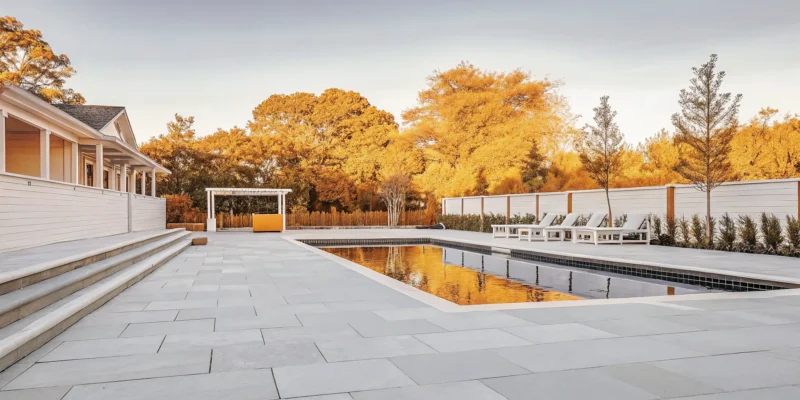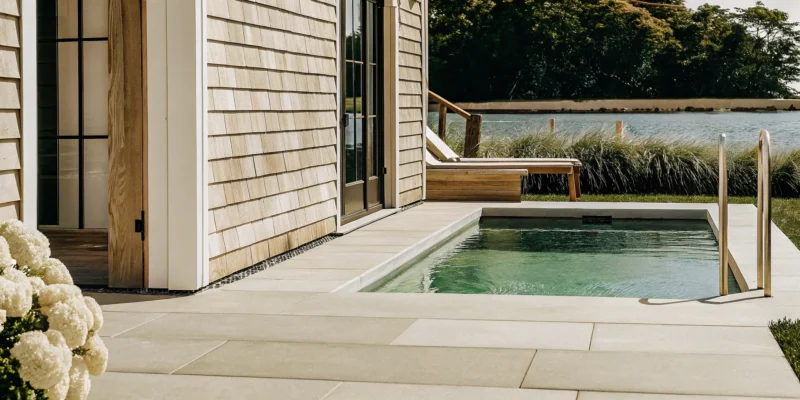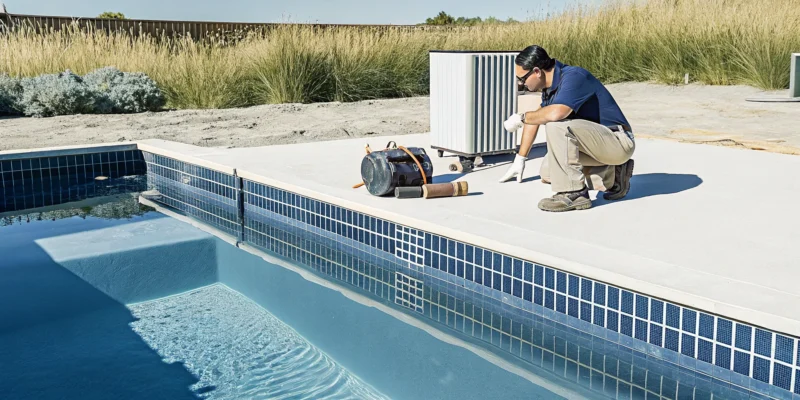
Owning a pool on Long Island comes with its own unique set of rules. Our weather, with its humid summers and freezing winters, puts specific demands on your pool’s machinery. A system that isn’t prepared for a sudden frost can lead to cracked pipes and ruined heaters. Beyond the climate, each town has its own building codes and permit requirements that must be followed perfectly. This is why local expertise is so critical. A successful pool equipment installation Long Island project depends on a team that understands these regional challenges, ensuring your system is not only efficient but also durable enough to handle whatever our seasons throw at it.
Key Takeaways
- Professional Installation is Non-Negotiable: Hiring an experienced installer is crucial for safety, efficiency, and compliance with Long Island’s specific building codes. A professional setup protects your investment and prevents expensive future repairs.
- Your Equipment Must Work as a System: Select a pump, filter, and heater that are correctly sized for your pool’s volume and are compatible with each other. A well-matched system runs more efficiently and lasts longer.
- Plan for Local Long Island Factors: Your pool’s success depends on accounting for the local climate and regulations. This includes proper winterization to prevent freeze damage and securing the correct permits for your town.
What Is Pool Equipment Installation?
So, you’re dreaming of a beautiful swimming pool in your backyard. Beyond the sparkling water and stunning design, there’s a whole system working behind the scenes to keep it perfect. That’s where pool equipment installation comes in. Think of it as setting up the heart and lungs of your pool. This process involves installing all the essential components that make your pool function, from the pump that circulates water to the filter that keeps it clean and the heater that makes it comfortable.
The core equipment includes a pump, a filter, a heater, and a sanitization system like a salt chlorinator. The pump is the system’s powerhouse, moving water through the pipes. The filter acts like the kidneys, removing debris and impurities to keep your water crystal clear. A heater lets you extend your swim season into the cooler months, while the sanitization system ensures the water is safe and hygienic for your family. Proper installation means connecting all these pieces into one seamless, efficient system. It’s a technical process that ensures everything works together correctly, directly impacting your pool’s performance, your energy bills, and how long your expensive equipment will last. A well-installed system runs quietly and effectively, giving you more time to enjoy the water and less time worrying about maintenance.
Why Professional Setup Matters
While a DIY approach can be tempting, pool equipment installation is one area where professional expertise is non-negotiable. A pro setup protects your investment and ensures everything runs safely and correctly from day one. Professionals understand the technical details, like proper plumbing connections and electrical wiring, which are critical for both safety and efficiency.
More importantly, an experienced installer is familiar with Long Island’s specific building codes and permit requirements. This saves you from costly fines or the headache of having to redo work that isn’t compliant. Ultimately, investing in professional home improvement services for your pool means you’ll have an energy-efficient system that saves you money on utility bills and prevents expensive repairs down the road. It’s the smartest way to guarantee peace of mind and a perfectly functioning pool.
A Guide to Essential Pool Equipment
Think of your pool equipment as a team of specialists working together to keep your water sparkling and ready for a swim. Each piece has a specific job, and when they’re all chosen correctly and installed professionally, they create a seamless system that makes pool ownership a breeze. Understanding these essential components helps you make informed decisions for your backyard oasis, ensuring you get the most enjoyment out of your investment. Let’s look at the key players that make up your pool’s circulation and filtration system.
Pool Pumps
The pool pump is the heart of your swimming pool’s circulatory system. Its main job is to pull water from the pool and push it through the filter, heater, and chemical feeder before returning it, clean and treated, back to the pool. This constant circulation is what keeps your water from becoming stagnant and cloudy. Choosing the right size pump is critical; one that’s too small won’t clean your pool effectively, while one that’s too large wastes energy and money. We help you select a variable-speed pump that provides the perfect flow while keeping your energy bills down, making it a core part of our swimming pool installations.
Pool Filters
If the pump is the heart, the filter is the kidneys. This essential piece of equipment is responsible for capturing and removing dirt, debris, and other impurities from the water as it circulates. There are three main types of filters: sand, cartridge, and diatomaceous earth (DE), each with its own maintenance routine and filtering capabilities. A properly sized and maintained filter is your first line of defense against cloudy water and ensures a clean, safe swimming environment. During our design process, we’ll help you choose the best filter type for your pool’s specific needs and your desired level of maintenance, ensuring your water stays crystal clear all season long.
Pool Heaters
A pool heater is your ticket to a longer swimming season here on Long Island. Instead of limiting your pool days to just July and August, a reliable heater allows you to comfortably swim from early spring through the crisp days of fall. Imagine enjoying a warm dip on a cool May evening or extending your pool parties well into September. Modern heaters, including gas and electric heat pump models, are more energy-efficient than ever. We can help you select and install a heater that fits your pool size and budget, letting you maximize the time you spend enjoying your beautiful new swimming pool.
Sanitization Systems
A sanitization system is what keeps your pool water hygienic and safe by preventing the growth of algae and harmful bacteria. While traditional chlorine is a common choice, many homeowners now prefer saltwater sanitization systems. These systems use a generator to convert salt into chlorine, resulting in silky-soft water that’s gentler on your skin, eyes, and hair. It also eliminates the need to handle and store harsh liquid or tablet chlorine. We can walk you through the benefits of different sanitization options, like saltwater or advanced UV systems, to find the perfect fit for a low-maintenance and enjoyable swimming experience.
Smart Pool and Automation Systems
Smart automation brings modern convenience to your backyard, letting you manage your pool from anywhere using your smartphone. With an automation system, you can control your pump, heater, lighting, and even water features with the tap of a button. You can schedule the pump to run during off-peak hours to save energy or turn on the heater on your way home from work so the water is perfect when you arrive. This technology simplifies pool ownership, reduces manual work, and gives you more time to relax and have fun. Integrating smart features is a key part of our home remodeling and pool projects, creating a seamless experience from your house to your backyard.
How to Choose the Right Equipment for Your Pool
Selecting the right equipment is one of the most important decisions you’ll make for your new swimming pool. It’s the heart of your pool system, responsible for keeping the water clean, warm, and safe. While it’s easy to get caught up in the visual aspects like tile and coping, the gear running behind the scenes will define your day-to-day experience as a pool owner. Making smart choices here means less time on maintenance and more time enjoying the water.
The key is to find a balance between performance, cost, and convenience that fits your specific needs. You don’t necessarily need the most expensive option, but you do need the right one. Think of it as creating a custom system tailored to your pool’s size, your family’s lifestyle, and your budget. From the pump that circulates the water to the heater that extends your swimming season, every component plays a vital role. We’ll walk through the main factors to consider so you can feel confident in your equipment choices.
Consider Your Pool’s Size and Volume
Pool equipment isn’t a one-size-fits-all situation. The size and volume of your pool are the first things to consider when selecting a pump and filter. This machinery needs to be powerful enough to circulate and clean the entire volume of water in a reasonable amount of time, which is known as the turnover rate. An undersized pump will struggle to keep your water clear, while an oversized one will just waste energy and money. A professional can accurately calculate your pool’s volume and recommend equipment that is perfectly matched to its needs, ensuring your system runs efficiently from day one.
Think About How Often You’ll Use It
Be honest about your lifestyle and how you plan to use your pool. Will it be the neighborhood hotspot for kids all summer, or a quiet retreat for you to use on weekends? Your answer will help guide your equipment choices. If you anticipate heavy use, you might want to invest in a high-capacity filter that can handle a greater bather load. If you want to swim from early spring through late fall, a high-efficiency heater is a must. Thinking through your usage patterns helps you prioritize features and build a swimming pool that truly complements your life.
Look for Energy Efficiency
Your pool equipment will be one of the biggest energy consumers in your home, so choosing efficient models is a smart move. Not only is it better for the environment, but it will also save you a significant amount of money on your utility bills. For example, variable-speed pumps are now the standard for new installations because they use far less electricity than older, single-speed models. They work by running at lower speeds for longer periods, providing better filtration at a fraction of the cost. Look for the ENERGY STAR label on pumps, heaters, and lighting to ensure you’re getting top-tier efficiency.
Ensure Your Equipment Works Together
Your pool’s equipment is a connected system, and every part needs to communicate and work together effectively. A pump, filter, heater, and sanitizer from different brands can work together, but only if they are compatible. Mismatched components can lead to poor performance, strain on the system, and even voided warranties. This is where professional guidance is invaluable. An experienced installer can design a system where every piece of equipment is perfectly synchronized, creating a reliable and efficient setup. You can explore a range of compatible, high-quality products at the Gappsi Store to see how these systems come together.
Plan Your Budget
When budgeting for your pool, remember to account for the full cost of equipment, not just the sticker price. This includes the cost of installation, any necessary electrical or plumbing work, and required permits. It’s also wise to think about long-term operational costs. A cheaper pump might save you money upfront, but a more expensive, energy-efficient model will likely save you more over the life of the pool. Planning for these expenses from the beginning helps prevent surprises down the road. Discussing your budget with your installer will help them recommend the best equipment that provides value without compromising on quality.
What Does Pool Equipment Installation Cost on Long Island?
Talking about the budget is a crucial step in any home project, and installing your pool equipment is no different. The total cost on Long Island can vary quite a bit, depending on the size of your pool, the quality of the equipment you choose, and the complexity of the installation itself. While it’s a significant investment, understanding the breakdown can help you plan effectively. Think of it less as a single price tag and more as a collection of high-quality components working together to create your perfect backyard oasis. We believe in being transparent about these costs so you can make informed decisions without any surprises.
A Cost Breakdown by Equipment Type
When you budget for your swimming pool installation, the equipment is a major line item. The pump is the heart of your pool, and federal regulations now require energy-efficient variable-speed pumps for new installations. While they have a higher initial cost, they save you a lot on electricity bills in the long run. Next are filters, which come in sand, cartridge, or diatomaceous earth (D.E.) types, each with different price points and maintenance needs. Pool heaters and sanitization systems, like saltwater chlorinators, also add to the total, but they greatly improve your comfort and simplify upkeep. Each piece plays a vital role, and we can help you select a package that fits your pool and your budget.
Hidden Costs to Watch For
A good plan anticipates the unexpected. When it comes to pool equipment, some costs aren’t always obvious. Forgetting to secure the right local permits for your Long Island town can lead to fines and delays, so that’s always the first thing to check. The physical placement of your equipment also matters. An improperly placed equipment pad, often requiring professional masonry work, can lead to inefficient operation or systems overheating. Finally, remember to account for the professional electrical and plumbing work needed to safely connect everything. These aren’t areas to cut corners, as proper installation from the start prevents costly repairs later.
Trusted Pool Equipment Brands We Install
The performance and longevity of your pool depend heavily on the quality of its equipment. That’s why at Gappsi, we partner with the most trusted and reliable brands in the industry. Choosing the right equipment isn’t just about a single pump or filter; it’s about creating a cohesive system that works efficiently for your specific pool size, usage, and budget. Our team has years of experience installing and servicing equipment from leading manufacturers, and we can guide you to the perfect setup for your Long Island home. We understand that every backyard is unique, and the right combination of hardware ensures your pool is easy to maintain and enjoyable for years to come. We primarily work with three industry titans: Hayward, Pentair, and Zodiac. Each offers a unique set of strengths, from rock-solid reliability to cutting-edge smart technology. We’ll help you decide which brand aligns best with your vision for the perfect backyard oasis, ensuring every component works together seamlessly. This decision is a critical part of the overall design, just as important as choosing your porcelain and natural stone for the patio surround.
Hayward
Hayward is a household name in the pool world for a reason. It’s known for producing durable, reliable, and straightforward equipment that simply gets the job done. Their product line is extensive, covering everything from powerful pumps and efficient filters to heaters and salt chlorination systems. We often recommend Hayward for both new swimming pools and for homeowners looking to upgrade an older system with proven technology. Their equipment is built to last, providing consistent performance season after season. For those who like to be hands-on, it’s also helpful to understand the fundamentals of how a standard equipment pad works, and Hayward’s intuitive designs make that easier for homeowners.
Pentair
If you’re looking for innovation and energy efficiency, Pentair is a fantastic choice. This brand is at the forefront of smart pool technology, designing products that can save you money on your utility bills while making pool ownership easier than ever. Pentair is especially known for its variable-speed pumps, which can significantly reduce energy consumption compared to single-speed models. Their advanced automation systems allow you to control your pool’s features, like heating and lighting, directly from your smartphone. Choosing Pentair means investing in modern convenience and sustainable, long-term performance that fits perfectly with a fully updated smart home.
Zodiac
Zodiac excels at keeping your pool sparkling clean with minimal effort from you. The brand is a leader in automated pool cleaners, offering a range of robotic and suction-side models that tirelessly scrub away dirt and debris. While they also produce high-quality heaters, pumps, and control systems, their reputation is built on creating powerful cleaning solutions. Opting for Zodiac equipment is a great way to ensure your pool remains pristine and swim-ready all summer long. When paired with our professional restoration and sealing services, you can create a complete maintenance plan that protects your investment and keeps your pool looking brand new for years to come.
Your Installation, Step by Step
Seeing your new pool equipment come together is an exciting process, but it’s one that requires careful planning and execution. A professional installation follows a structured, multi-stage approach to ensure every component works flawlessly from day one. When you work with an experienced team, you can relax knowing that every detail, from the initial site check to the final handover, is being managed with precision. This step-by-step process takes the guesswork out of the equation and guarantees your investment is set up for long-term performance and enjoyment.
At Gappsi, we’ve refined our installation process over decades of building and upgrading swimming pools across Long Island. We handle the technical details so you can focus on planning your first pool party. Let’s walk through what you can expect during a professional pool equipment installation.
Site Assessment and Planning
The first step is a thorough site assessment. This is where a professional comes to your home to evaluate the proposed location for your pool equipment. It’s about more than just finding an open spot; we consider factors like proximity to utility lines, proper drainage, and sun exposure. One of the most common mistakes to avoid with pool installations is poor site selection. For example, placing equipment too close to trees can lead to constant debris and maintenance headaches down the road. A well-planned layout ensures your equipment is accessible for service, operates efficiently, and integrates seamlessly with your backyard design.
Handling Local Permits and Rules
Before any work begins, it’s essential to address local regulations. Building an inground pool and installing its equipment involves adhering to specific rules that vary between towns in Nassau and Suffolk County. Homeowners need to understand that local rules matter. Everything from permits and electrical codes to safety barriers and fencing must be handled correctly. An experienced installer will manage this entire process for you, submitting the necessary paperwork and ensuring your project is fully compliant. This step is crucial for safety and helps you avoid potential fines or project delays, giving you complete peace of mind.
Sourcing Your Equipment
Once the plan is in place, it’s time to select your equipment. A professional installer will help you choose the right pump, filter, heater, and sanitizer for your pool’s specific size and your family’s usage patterns. Many older pools still rely on outdated single-speed pumps, but modern, energy-efficient options are a much better choice. In fact, variable-speed pumps are now federally mandated for new installations because they save energy and reduce operational costs. We source high-quality, durable equipment from the industry’s most trusted brands, ensuring your system is built to last. You can explore some of the products we trust at the Gappsi Store.
Installation and Testing
This is where your vision starts to become a reality. During the installation phase, our technicians will expertly assemble and connect all your new equipment. This includes plumbing the pipes, wiring the electrical components, and integrating everything into a cohesive system. We work diligently to keep the project on schedule, but it’s important to remember that Long Island weather can be unpredictable. As one homeowner noted about their experience, “The only problem we had through the entire process was the weather; it was a very rainy spring which delayed all of their projects.” We always maintain clear communication and will keep you updated if any adjustments to the timeline are needed.
Final Inspection and Handover
After the physical installation is complete, we conduct a final inspection and rigorous testing of the entire system. We run the pumps, check the filters, and fire up the heater to confirm everything is operating at peak performance. Once we’re satisfied, we’ll walk you through your new system in a comprehensive handover. We’ll show you how to operate each component, explain the maintenance schedule, and answer any questions you have. Our team is known for being “courteous, friendly and did a great install.” Our goal is to leave you feeling confident and excited to start enjoying your brand-new, professionally installed pool equipment.
How Long Island Weather Impacts Your Pool Gear
Living on Long Island means we get to enjoy four distinct seasons, but that variety brings unique challenges for pool owners. The weather here does more than just decide your swim schedule; it directly affects your pool equipment’s performance and lifespan. From freezing winter nights that threaten your pipes to humid summer days that test your pump, the climate is a silent partner in your pool’s health. A successful installation accounts for these factors from day one.
Thinking about the weather’s impact isn’t just about preparing for storms. It’s about smart planning that saves you money and headaches down the road. This includes choosing the right spot for your equipment to ensure it runs efficiently, properly winterizing everything before the first frost, and even building some flexibility into your installation timeline. An experienced installer who knows the local climate can help you make the right choices for your swimming pool, ensuring it’s ready for whatever Long Island weather comes its way. This foresight is key to protecting your investment and enjoying your backyard oasis for years.
Winterizing and Freeze Protection
Long Island winters can be tough on pool equipment. As one local expert noted, “Long Island pool owners face unique winterization challenges with temperatures that can damage expensive heating equipment overnight.” A sudden freeze can crack pipes, damage filters, and ruin a costly heater if it’s not properly prepared. Winterizing is more than just throwing a cover over the pool; it involves draining water from the pump, filter, and heater to prevent ice expansion. It also means protecting your plumbing lines and ensuring all components are sealed off from the elements. Professional help is a wise choice here, as a small mistake during shutdown can lead to major repairs in the spring.
Proper Equipment Placement
Where you place your pool equipment matters just as much as what you buy. Your gear needs a location that allows for proper airflow and service access while protecting it from the elements. For example, large heat pumps need to be installed at least six inches from the house to function correctly. Placing equipment in a low-lying area prone to flooding is a recipe for disaster, while constant direct sun can degrade plastic housings over time. A well-designed equipment pad, sometimes shielded by attractive pavilions or pergolas, can protect your investment and keep your backyard looking clean and organized.
Planning for Weather Delays
When you’re excited about a new pool, the last thing you want is a delay. Unfortunately, Long Island’s weather can be unpredictable. As one homeowner shared, “The only problem we had through the entire process was the weather; it was a very rainy spring which delayed all of their projects.” Heavy rain can halt excavation, prevent concrete from curing properly, and make electrical work unsafe. A professional installation team will factor this in, building a realistic schedule and communicating openly about any weather-related adjustments. A little patience during the landscape design and construction phase ensures the job is done right, without cutting corners due to a few rainy days.
Common Installation Mistakes to Avoid
A successful pool equipment installation is all about the details. Getting it right from the start means you can spend more time enjoying your pool and less time dealing with frustrating and costly fixes. Even small oversights can lead to big problems, from inefficient performance to premature equipment failure. When you partner with an experienced team, you sidestep these common issues because they know exactly what to look for. A professional installer anticipates challenges and builds a system that’s reliable, efficient, and ready for years of summer fun. By understanding these potential pitfalls, you can feel even more confident in your decision to hire a pro for your swimming pool project.
Modern pool systems are more complex than they used to be, with interconnected components that need to work in perfect harmony. It’s not just about connecting a pump and a filter. It’s about creating an integrated system that includes sanitation, heating, and sometimes even automation that you can control from your phone. A DIY approach or hiring an inexperienced contractor can easily lead to a mismatched system that never quite works right. This is why we believe in a comprehensive approach, ensuring every piece of equipment is not only top-quality but also perfectly suited to your specific pool and lifestyle. Avoiding these common mistakes is the first step toward a worry-free pool ownership experience.
Choosing the Wrong Size Equipment
Bigger isn’t always better, and smaller isn’t always more economical when it comes to pool equipment. Each component, from the pump to the filter and heater, must be correctly sized for your pool’s specific volume and design. An undersized pump will struggle to circulate water effectively, leading to poor filtration and sanitation. On the other hand, an oversized pump wastes energy and can even damage your filter. The physical placement matters, too. Equipment installed too far from the pool has to work harder, which reduces its efficiency and lifespan. We carefully calculate your pool’s needs to select perfectly matched equipment that delivers optimal performance without wasting a dime.
Ignoring Energy Efficiency
Your pool equipment can be one of the biggest energy consumers in your home, but it doesn’t have to be. Many homeowners make the mistake of choosing older, less efficient models to save a little money upfront, only to pay much more in long-term utility bills. Modern technology, like variable-speed pumps, can drastically reduce energy consumption compared to outdated single-speed models. In fact, these energy-saving pumps are now federally mandated for new installations. Choosing energy-efficient equipment isn’t just a smart financial move; it’s a responsible one that ensures your pool is compliant with current standards and kinder to the environment.
Skipping Local Permits
Navigating building codes and permits can feel overwhelming, which is why some people are tempted to skip this step altogether. This is a critical mistake. Every town on Long Island has specific regulations for pool construction and equipment installation, covering everything from electrical wiring to safety fencing. Failing to secure the proper permits can result in hefty fines, legal trouble, and even an order to remove the unpermitted work. More importantly, these codes exist to ensure your pool is safe for your family and friends. A professional installer will manage the entire permitting process for you, ensuring every aspect of your project is fully compliant and secure.
Picking Incompatible Parts
Think of your pool equipment as a team where every player has a specific role. For the team to win, all the players need to work together seamlessly. It’s a common error to mix and match equipment from different brands or product lines without confirming their compatibility. This can lead to leaks, inefficient operation, and a system that just doesn’t perform as it should. You might end up needing custom adapters or workarounds that compromise the integrity of the setup. We source high-quality, compatible components from trusted brands, which you can explore at the Gappsi Store. This ensures your equipment functions as a unified, reliable system from day one.
Not Planning for Future Upgrades
Your dream backyard might be a project that evolves over time. When installing your initial pool equipment, it’s wise to think about what you might want to add later. Do you see a spa, waterfall, or automated cleaning system in your future? Perhaps you’ll want to add a beautiful pavilion or pergola for shade. Planning for these potential upgrades during the initial installation is far easier and more cost-effective than trying to retrofit them later. This could mean leaving extra space on the equipment pad or running additional electrical conduit. A little foresight ensures your backyard can grow with your vision without requiring a major overhaul down the road.
How to Find a Pro Installer on Long Island
Finding the right person to install your pool equipment is just as important as choosing the equipment itself. A great installation ensures everything runs efficiently, lasts longer, and saves you from future headaches. On Long Island, with our specific weather patterns and local codes, hiring a seasoned professional isn’t just a good idea; it’s essential for protecting your investment. When you start your search, focus on a few key areas to make sure you’re partnering with a reliable and skilled installer who will get the job done right. Taking the time to vet your options will give you peace of mind and a pool that’s ready for years of enjoyment.
Check for Licensing and Insurance
Before you even start talking about pumps and filters, your first question should always be about licensing and insurance. It’s a simple step that many people overlook, but it’s your number one protection. Any reputable installer on Long Island must have a valid license to operate in Nassau or Suffolk County. Just as important is proof of insurance, which should include both general liability and worker’s compensation. This protects you from any liability in the rare case of an accident on your property. Don’t just take their word for it; ask to see the documents. A true professional will have them ready and will be happy to provide them.
Look for Experience with Long Island Pools
Long Island isn’t just any location, and your pool installer should know that. Our coastal weather, soil types, and specific town regulations create a unique environment for construction. An installer with deep local experience will understand these nuances. They’ll know the permitting process in your specific town and how to properly winterize equipment to withstand our freezing temperatures. When you review a company’s work, look for a portfolio of projects in your area. Seeing their finished swimming pools and outdoor spaces on Long Island gives you confidence that they have the right expertise for your home.
Ask About Warranties and Support
A professional installation is about building a long-term relationship, not a one-time transaction. Before signing a contract, get a clear understanding of the warranties. This includes the manufacturer’s warranty on the equipment and, crucially, a workmanship guarantee from the installer. What happens if an issue pops up a month or a year later? A trustworthy company will stand by its work. Ask about their process for service calls and what kind of ongoing support they offer. Companies that provide comprehensive services, from installation to long-term restoration and sealing, are invested in the lasting quality of your project.
Read Reviews and Compare Services
In your search for the perfect installer, customer reviews are your best friend. Look at what past clients are saying on independent sites and on the company’s website. Pay attention to comments about communication, professionalism, and how the team handled challenges. While you’re doing your research, you can also see video testimonials and project showcases on platforms like YouTube to get a better feel for the company’s work. Remember to compare more than just the final price. Look at the full scope of what’s included, the quality of the equipment proposed, and the level of experience each company brings to the table.
Why Choose Gappsi for Your Pool Installation
Choosing the right installer for your pool equipment is just as important as selecting the equipment itself. At Gappsi, we provide a complete, stress-free experience for homeowners across Long Island. We manage every step of your project, from the initial design consultation to the final installation and testing. Our goal is to make the process of building your dream swimming pool seamless and enjoyable, ensuring every component works together perfectly from day one.
A pool is a significant investment in your home, and we believe in building things to last. We use only premium materials and proven construction techniques to ensure your pool and its equipment stand the test of time. Our team has extensive experience installing, servicing, and repairing all major brands of pool and spa equipment. This means you can trust that your system is installed correctly for optimal performance and longevity. We don’t just install your equipment; we provide the expertise to keep it running smoothly for years to come.
Beyond our technical skills, we are committed to providing exceptional customer service. Our team is known for being professional, courteous, and dedicated to your satisfaction. With decades of design and construction expertise, we understand how to integrate your new pool into a cohesive and beautiful outdoor living space. We take pride in our work and in building lasting relationships with our clients, helping you create a backyard oasis you’ll love.
Related Articles
- Inground Pool Installation Long Island: A 2026 Guide
- Long Island Swimming Pool Design & Construction NY | Gappsi
- Average Sized Swimming Pool Price in Long Island | Gappsi Inc
- Fitting a Custom Pool on Your Long Island Property – Gappsi Group
Frequently Asked Questions
Can I install some of the pool equipment myself to save money? I completely understand the temptation to DIY a project, but this is one area where I strongly advise against it. Pool equipment involves complex plumbing and high-voltage electrical connections, where a small mistake can lead to costly damage or serious safety risks. Professionals also handle all the local permits and ensure your setup is compliant with Long Island codes, which saves you from potential fines. Investing in a professional installation is really an investment in safety, efficiency, and your own peace of mind.
How can I keep my pool’s energy costs down after the installation? The single best thing you can do is choose a variable-speed pump from the start. These pumps are now the standard for a reason; they use significantly less electricity than older models by running at lower speeds for longer periods. This results in better filtration and major savings on your utility bills. Beyond the pump, using a solar cover to retain heat and scheduling your heater to run only when needed will also make a big difference in your monthly costs.
What’s the real difference between a saltwater system and traditional chlorine? This is a great question because it’s a popular upgrade. A saltwater system doesn’t mean your pool will be salty like the ocean. Instead, it uses a generator to convert a low level of salt in the water into chlorine. The result is silky, soft water that’s much gentler on your skin and eyes. You also get to skip the hassle of buying, storing, and handling harsh chlorine tablets or liquid, which is a huge convenience for many homeowners.
How long does the installation process typically take? The timeline can vary depending on the scope of your project and other work being done. The actual physical installation of the equipment pad can often be completed in a few days. However, the entire process includes site planning, securing permits from your town, and coordinating with electricians, which adds time before we even begin. We always build a realistic schedule and communicate openly, especially since unpredictable Long Island weather can sometimes cause short delays.
My backyard gets harsh winter weather. How do you make sure my new equipment will survive? This is a critical part of our planning process. We protect your investment in two main ways: smart placement and proper winterization. We’ll help you select a location for the equipment pad that shields it from the worst of the elements and has proper drainage. More importantly, a professional winterization service is key. This involves completely draining water from the pump, filter, and heater to prevent ice from forming inside and cracking the expensive components.