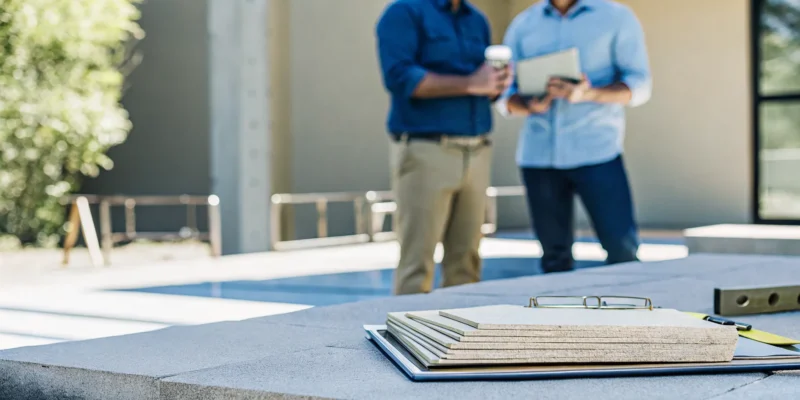
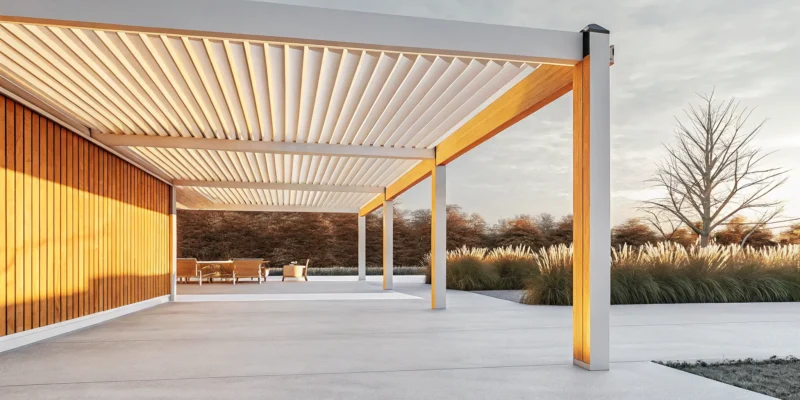
Long Island showroom display of porcelain pavers for a modern patio and pool deck.

Find the Best Porcelain Paver Showroom on Long Island

The beauty of porcelain pavers is their incredible versatility. Do you love the warm look of wood but not the upkeep? Or maybe the sleek feel of modern concrete? Porcelain can deliver those aesthetics without compromising on strength. With so many styles, from classic stone finishes to bold geometric shapes, the design possibilities are endless. To truly grasp the creative potential for your backyard, you need to see these options up close. Visiting a dedicated porcelain paver showroom Long Island provides is the perfect way to find a look that matches your personal style and enhances your outdoor living space.

Key Takeaways

  • Choose porcelain for its durability: Because it is dense and non-porous, porcelain naturally resists stains, mold, and cracking from Long Island’s freeze-thaw cycles, giving you a beautiful outdoor space with minimal upkeep.
  • Find the perfect style without compromise: Modern porcelain offers incredible design flexibility, with pavers that realistically mimic natural stone, wood, or cement, so you can achieve your ideal aesthetic for any project.
  • Create a smart financial plan for your project: Material costs typically range from $7 to $9 per square foot, and you can make the investment more manageable by asking about financing options and choosing a full-service company to streamline the process.

Why Choose Porcelain Pavers for Your Long Island Home?

When you’re planning a new patio, pool deck, or walkway, the material you choose is a huge decision. You want something that looks beautiful and holds up for years to come. That’s where porcelain pavers come in. They’ve become a go-to choice for Long Island homeowners, and for good reason. Unlike traditional materials, porcelain offers a unique combination of sophisticated style and incredible resilience. It’s a modern solution that perfectly balances form and function for any outdoor living space. Let’s look at what makes them so special and why they’re an ideal fit for our local climate.

What Sets Porcelain Pavers Apart?

At its core, porcelain is a type of ceramic that’s fired at extremely high temperatures. This process makes the pavers incredibly dense and strong. What does that mean for your backyard? First, they have a very low water absorption rate. Because they don’t soak up water, they naturally resist stains from spilled wine or grill grease, and they’re less prone to mold and mildew growth. This density also makes them exceptionally durable, so you don’t have to worry about them cracking during Long Island’s freeze-thaw cycles. These porcelain and natural stone options give you peace of mind along with stunning looks.

Top Benefits for Long Island’s Weather and Lifestyle

Porcelain pavers are practically made for the unpredictable weather we get on Long Island. From humid, sunny summers to icy winters, they stand strong. They won’t fade under the intense sun, and their resistance to frost damage means they look just as good after a tough winter as they did in the fall. Beyond durability, they fit our outdoor lifestyle perfectly. Many finishes have a textured, slip-resistant surface, making them a safer choice for areas around swimming pools and on walkways that might get wet. Best of all, they are incredibly low maintenance. You can forget about the yearly sealing required by many other materials; a simple cleaning is all they need.

Porcelain, Natural Stone, or Concrete: A Quick Comparison

When you’re planning a new patio, walkway, or pool deck, the material you choose is a huge decision. The three main contenders are usually porcelain, natural stone, and concrete pavers. Each one brings something different to the table in terms of price, durability, maintenance, and style. Thinking through these four areas will help you figure out which material is the perfect fit for your home and lifestyle. Let’s break down how they stack up against each other.

A Look at the Price Tag

Let’s talk budget. The cost of materials is often a deciding factor, and there are clear differences here. Concrete pavers are typically the most wallet-friendly option upfront. Natural stone tends to be at the higher end of the price spectrum, as each piece is unique and quarried from the earth. Porcelain pavers sit comfortably in the middle. You can expect the pavers themselves to cost between $7 and $9 per square foot. When you factor in professional installation, the total price can vary, but it gives you a solid baseline for planning your project. You can explore different porcelain and natural stone options to get a better feel for their costs.

How They Handle the Elements

Long Island weather can be tough on outdoor surfaces, with hot, humid summers and cold, icy winters. Porcelain pavers are exceptionally strong and non-porous, meaning they don’t absorb water. This quality makes them highly resistant to stains, mold, and the cracking that can happen during freeze-thaw cycles. Natural stone is beautiful and durable, but many types are porous and may need regular sealing to prevent staining and water damage. Concrete pavers are also strong, but they can be more susceptible to fading from the sun and cracking over time if not installed properly. For a long-lasting investment, porcelain’s resilience is hard to beat.

What’s the Upkeep Like?

Your free time is valuable, so thinking about maintenance is key. Porcelain pavers are a homeowner’s dream because they are so low maintenance. A simple wash once a year is usually all they need to look brand new. Because they are stain-resistant, you don’t have to panic over spilled wine or greasy drips from the grill. Natural stone often requires more attention, including periodic sealing to protect its surface. Concrete pavers may also need sealing and can sometimes have issues with weeds growing in the joints, requiring a bit more effort to keep them looking tidy. If you prefer to spend more time enjoying your yard and less time working on it, porcelain is an excellent choice.

Finding Your Perfect Style

This is the fun part: choosing a look you love. Natural stone offers a timeless, one-of-a-kind beauty that’s hard to replicate, with each paver having its own unique color and veining. Concrete pavers come in a huge variety of uniform shapes and colors, making them great for creating specific patterns. Porcelain, however, offers incredible versatility. Thanks to modern manufacturing, you can find porcelain pavers that look just like rich wood, sleek cement, or various types of natural stone. They come in many sizes, from standard squares to large format slabs, giving you complete creative control. This allows you to get the exact aesthetic you want, from rustic to modern, without compromising on durability. A great masonry designer can help you bring any vision to life.

Ideas for Using Porcelain Pavers at Home

Porcelain pavers are incredibly versatile, making them a fantastic choice for so many different areas around your home. They aren’t just for patios anymore. You can use their strength and style to create stunning, durable surfaces that tie your entire property together, from the front curb to the backyard. Thinking about how you want to use your space is the first step in a successful project. Let’s look at a few popular ways Long Island homeowners are using porcelain pavers to create their dream outdoor living areas.

Patios and Pool Decks

Porcelain pavers are a perfect match for patios and pool decks, especially with Long Island’s climate. Because they are so strong and don’t soak up water, they naturally resist stains, mold, and cracking from the freeze-thaw cycle. This means your beautiful new patio will stay looking great for years with very little work. Their non-porous surface also makes them slip-resistant, which is a huge safety bonus around swimming pools. You can relax and enjoy your backyard oasis without worrying about constant upkeep or safety hazards. It’s all about creating a space that is as functional and low-maintenance as it is beautiful.

Walkways and Driveways

Your walkway and driveway are the first things guests see, so why not make a great impression? Porcelain pavers are tough enough to handle daily foot traffic and the weight of vehicles, all while standing up to Long Island’s changing weather. They are incredibly durable, resisting fading from the sun, stains from spills, and cracking from extreme temperatures. Using porcelain and natural stone pavers for these areas adds instant curb appeal and a touch of elegance that sets your home apart. A beautifully designed walkway welcomes you home each day, and a strong, stylish driveway is a smart investment that combines form and function perfectly.

Outdoor Kitchens and Living Spaces

Imagine a seamless flow from your indoor kitchen to a stunning outdoor living area. Porcelain pavers make this possible. You can use them to create a cohesive look that extends from your interior rooms to your patio, blurring the lines between inside and out. This is ideal for designing outdoor kitchens, dining areas, and cozy lounges under pavilions and pergolas. Because they are so resistant to stains and easy to clean, they are a practical choice for cooking and entertaining spaces where spills are bound to happen. It’s the perfect foundation for an outdoor room you’ll love to use all season long.

Where to Find Porcelain Pavers on Long Island

Finding the right supplier is just as important as choosing the right paver. You want a place that not only has a great selection but also offers the expertise to guide you. Luckily, Long Island has several excellent showrooms where you can see these beautiful materials up close. From full-service design and installation companies to specialized tile retailers, here’s a look at where you can find porcelain pavers for your next project. Each location offers something a little different, so you can find the perfect fit for your needs and your vision.

Gappsi

If you’re looking for a seamless, all-in-one experience, Gappsi is your destination. We specialize in providing and installing gorgeous porcelain and natural stone pavers for outdoor living spaces. Because we handle everything from design to installation, you don’t have to worry about coordinating with multiple contractors. Our Long Island showroom is the perfect place to get inspired, featuring a curated collection of high-quality Italian porcelain. Think of us as your partner in creating your dream backyard. We’ll help you select the perfect materials and then bring your vision to life with expert craftsmanship, making the entire process smooth and stress-free from start to finish.

NT Pavers

NT Pavers is known for its focus on premium Italian porcelain designed specifically for the outdoors. What makes them stand out is their unique service model. Instead of you having to go to them, they can bring their showroom directly to your home or business. This is incredibly convenient for busy homeowners who want to see how different paver options look in their own space and lighting. This personalized approach allows for a tailored selection process, ensuring you feel confident in your choice before committing. It’s a great option if you value one-on-one consultation and the convenience of shopping from home.

Powerhouse Mason Supply

For homeowners who love having a lot of options, Powerhouse Mason Supply offers a wide inventory of porcelain pavers. Their selection covers a broad range of styles, so whether your home is sleek and modern or has a more traditional feel, you’re likely to find something that catches your eye. Browsing their collection can be a great way to get a feel for the different finishes and designs available on the market. This is a good stop if you’re in the early stages of your project and want to explore a variety of aesthetic possibilities before narrowing down your choices.

Cancos Tile & Stone

As a large retailer with multiple locations, Cancos Tile & Stone has an extensive collection of tiles and stones, including a diverse range of porcelain pavers. Their sheer volume of inventory means you’ll find a wide spectrum of styles, colors, and price points all under one roof. If you enjoy the experience of walking through aisles of options and seeing a massive variety, this could be a helpful stop on your search. Their broad selection caters to many different design preferences, making it a popular destination for homeowners tackling various projects.

Porcelain Source

Porcelain Source caters to a specific niche, focusing on large porcelain slabs. These oversized pieces are a favorite among designers and architects because they create a grand, seamless appearance with fewer grout lines. If you’re aiming for a bold and dramatic statement with your patio, pool deck, or outdoor kitchen, their offerings are worth exploring. This type of porcelain is perfect for creating a high-end, contemporary look that feels both spacious and luxurious. It’s an ideal choice for anyone looking to make a significant visual impact in their outdoor design.

Home Tile Center

If you have a taste for unique and upscale designs, Home Tile Center might be the right place for you. They are recognized for carrying high-end, designer brands and exclusive collections, many of which are sourced from Europe. This makes it a fantastic destination for homeowners who are looking for something a little different from the standard options. If you want your patio or walkway to feature a distinctive and stylish paver that you won’t see in every other backyard, exploring their curated collections could provide the inspiration you’re looking for.

What to Expect: Brands, Styles, and Finishes

When you step into a porcelain paver showroom, you’ll find an incredible array of options waiting for you. It’s not just about picking a color; it’s about discovering the perfect brand, style, and finish to bring your vision to life. Companies like Gappsi source high-quality Italian porcelain, offering everything from classic stone looks to unique wood grains and even modern hexagonal shapes. The best part is that you can often find materials for both your indoor and outdoor spaces, creating a beautiful, seamless flow throughout your home. This variety ensures you can find something that truly reflects your personal style and complements your Long Island property.

A Guide to Sizes, Colors, and Finishes

Porcelain pavers are celebrated for their strength and easy care. They are highly resistant to water absorption, stains, and mold, which makes them a fantastic choice for our Long Island weather. You’ll find them in many sizes, from standard 24×24 inch squares to large, dramatic slabs that create a sleek, modern feel. What’s really exciting is the range of finishes. You can get the warm, rustic look of wood without the maintenance, or a cool, industrial vibe with a cement-style finish. With so many colors and textures available in porcelain and natural stone, you have the freedom to design an outdoor space that’s completely your own.

Choosing a Style for Your Long Island Yard

Think beyond the patio when you’re choosing your pavers. The versatility of porcelain means it works just as well indoors for a kitchen floor as it does for a pool deck. A great showroom will help you see these possibilities and offer design assistance to plan your space. When you work with a full-service company, you get access to comprehensive masonry design and project management, which takes the stress out of the installation process. As you shop, remember to ask about any current promotions or bundled deals on materials and installation. It’s a simple way to get a high-end look while being mindful of your budget.

How Much Do Porcelain Pavers Cost on Long Island?

Figuring out the budget for a new patio or pool deck is a big first step. When it comes to porcelain pavers, you’re looking at a smart investment that pays off in durability and stunning looks. On Long Island, the material cost for porcelain pavers generally falls between $7 and $9 per square foot. For professional installation, you can expect to add about $5 to $10 per square foot to that number.

Of course, these are just starting points. The final price tag for your project depends on several things, like the specific pavers you fall in love with and the unique layout of your space. Think of it like buying a car; the base model has a certain price, but the final cost changes with the trim package and any special features you choose. We’ll break down what goes into the total cost, from the type of paver you select to the prep work needed to ensure your new outdoor space lasts for decades. Gappsi offers a wide selection of high-quality porcelain and natural stone to fit various styles and budgets.

How Prices Vary by Paver Type

Not all porcelain pavers carry the same price tag, and the differences usually come down to style and manufacturing. Factors like the paver’s thickness, finish, and country of origin can all influence the cost. For example, a standard paver might be at the lower end of the $7 to $9 per square foot range, while a premium Italian import with a specialized wood-grain texture could cost more.

The installation method also plays a role. Some projects might use a pedestal system, which raises the pavers, while others use a traditional sand or mortar set. Each technique has different material and labor requirements, which will be reflected in your quote. When you visit a showroom, you can see and feel these differences for yourself and get a clearer idea of how your favorite styles will impact your budget.

Factors That Influence Your Final Cost

Beyond the pavers themselves, several other elements will shape your project’s final cost. The most critical factor is preparing the base. For a long-lasting patio, porcelain pavers need a properly prepared foundation, not just a layer over an old concrete slab. This expert masonry work ensures proper drainage and prevents the pavers from shifting or cracking over time.

Other key considerations include the size and complexity of the job. A large, rectangular patio will generally be more straightforward than a smaller, curved walkway that requires intricate cuts. Site accessibility also matters; if your backyard is difficult to reach with equipment, it could add to the labor costs. Finally, if you need an old patio or structure removed before the new installation can begin, that will also be factored into the overall price.

Making the Most of Your Budget

A beautiful paver patio is a significant home improvement, and there are ways to manage the cost without compromising on quality. The best approach is to get a detailed, itemized quote that clearly outlines all expenses, so there are no surprises. Don’t be shy about asking if any promotions or seasonal discounts are available when you inquire.

Many homeowners also find financing to be a helpful tool. Reputable companies often provide financing options to make the project more affordable by spreading the cost over time. It’s always a good idea to ask what plans are available. Investing in professional design and installation from the start is another way to protect your budget in the long run, as it helps you avoid costly repairs and ensures your outdoor space remains beautiful for years. You can explore products and get expert advice at the Gappsi Store.

Financing and Promotions: What to Know

A beautiful new patio or pool deck is a significant investment in your home’s value and your family’s enjoyment. Thinking about the total cost can feel a little overwhelming, but it doesn’t have to be a barrier. Many homeowners use financing and take advantage of special promotions to make their dream projects a reality without straining their budget. The key is knowing what to look for and what to ask. By exploring these avenues, you can often get your project started sooner and manage the expense in a way that feels comfortable for you. It’s all about making a smart financial plan so you can focus on the exciting part: designing your perfect outdoor space.

Reputable companies understand this and are usually prepared to discuss options that work for your financial situation. Whether it’s a new swimming pool or a complete backyard transformation with custom masonry, understanding the financial side of things is the first step toward a smooth and stress-free project. Before you fall in love with a specific style of porcelain paver, let’s talk about how you can make the numbers work for you. This proactive approach can help you set a realistic budget and move forward with confidence, ensuring there are no surprises along the way. It puts you in control of the process from the very beginning.

Understanding Your Financing Options

Don’t let the initial price tag keep you from your dream backyard. Many home improvement companies offer financing solutions to help you manage the cost of a large project. This allows you to break down the total expense into more manageable monthly payments. It’s a common and practical way to fund everything from a new patio to a full home remodeling project without having to pay the full amount upfront. When you visit a showroom, ask their team about the financing partners they work with. They can walk you through the application process and help you find a plan that fits your budget, making your project much more attainable.

Questions to Ask About Promotions Before You Buy

Before you finalize any decisions, always ask if there are any current promotions or discounts available. You might be surprised by the savings you can find just by inquiring. Showrooms often run seasonal sales, offer discounts on specific materials, or provide package deals for projects that combine multiple services, like installing a patio and an outdoor kitchen at the same time. It’s a great idea to check the company’s website or visit the Gappsi Store to see what’s on offer. A simple question like, “Are there any promotions I should know about?” could make your project significantly more affordable, freeing up room in your budget for that extra feature you really want.

How to Choose the Right Porcelain Paver Showroom

Finding the right porcelain paver showroom is about more than just looking at samples. It’s about finding a partner who can help you bring your vision for your Long Island home to life. A great showroom won’t just sell you pavers; it will provide inspiration, expert guidance, and the support you need to ensure your project is a success from start to finish. As you begin your search, focus on three key areas: the quality of the selection and displays, the availability of design expertise, and whether they offer comprehensive installation and support services. These elements separate a simple supplier from a true project partner.

Look for a Wide Selection and Great Displays

While browsing online is a good start, you absolutely must see and feel the pavers in person. Pictures on a screen can’t accurately capture the true color, texture, and finish of the material. A top-tier showroom will have extensive, well-lit displays that allow you to compare different styles side by side. Look for a place that showcases a wide variety of porcelain and natural stone options from different brands. The best showrooms often have outdoor displays, so you can see how the pavers look in natural light and how they might coordinate with landscaping. This hands-on experience is critical for making a choice you’ll be happy with for years to come.

Seek Out Design Help and Expert Advice

A showroom should be a source of inspiration and practical advice. The team there should be knowledgeable about more than just their products. They should be able to offer design assistance and help you plan your space. Can they help you choose a pattern that complements your home’s architecture? Can they advise on the best size and finish for a pool deck versus a driveway? A reputable showroom provides this kind of expert guidance, helping you refine your ideas and avoid common pitfalls. This support is invaluable for ensuring your project not only looks beautiful but is also functional and well-planned.

Check for Installation and Support Services

The most seamless projects happen when one company handles everything. Ask if the showroom also provides professional installation. Choosing a company that manages both the supply of materials and the installation process ensures quality control from beginning to end. This one-stop-shop approach, which we specialize in at Gappsi, eliminates the stress of coordinating between a supplier and a separate contractor. When your designer, supplier, and installer are all part of the same masonry team, communication is clearer, the timeline is smoother, and you have a single point of contact. It’s the most efficient way to guarantee your new patio, walkway, or pool deck is built to the highest standard.

Get Ready for Your Showroom Visit

A little preparation can make your showroom visit incredibly productive and even fun. Walking in with a plan helps you focus on what matters most: finding the perfect pavers for your home. Think of it less like a chore and more like the first exciting step in bringing your dream outdoor space to life. Below are a few tips to help you feel confident and make the most of your time with the experts.

Your Checklist: What to Bring and What to Look For

Visiting a showroom is the best way to truly understand your options, since photos online can’t capture the real color and texture of a paver. To make your trip effective, bring a few things with you: photos of your project area, basic measurements, and maybe even a paint chip from your home’s exterior or a fabric swatch from your patio furniture. When you’re there, take time to touch the different porcelain and natural stone pavers. Notice their finish and weight. Porcelain is incredibly strong and non-porous, which means it resists stains, mold, and cracking from our freeze-thaw cycles here on Long Island. It’s a durable choice that will keep your patio looking beautiful for years.

Key Questions to Ask the Showroom Staff

The staff are there to help, so don’t hesitate to ask plenty of questions. Having a list ready can ensure you don’t forget anything important. Start with the basics: ask about pricing for your top choices and if there are any current promotions. Then, get into the practical details. Inquire about the recommended installation process and what kind of long-term maintenance is required. A great question is, “How does this specific paver perform in Long Island weather?” Understanding how to care for your investment, including any future restoration and sealing services, will help you choose pavers that fit both your lifestyle and your budget.

Related Articles

Frequently Asked Questions

Are porcelain pavers slippery when they get wet? This is a great question and a common concern, especially for pool decks. Many porcelain pavers are specifically designed with a textured, slip-resistant finish. Because they don’t absorb water, the moisture stays on the surface, so choosing a paver with the right texture is key. When you’re looking at samples, be sure to ask about the slip-resistance rating to find a safe and stylish option for your space.

Can I just put porcelain pavers on top of my old concrete patio? While it might seem like a simple shortcut, we strongly advise against it. A solid, properly prepared base is the most important part of a long-lasting paver installation. Placing pavers over an old concrete slab, which may already have cracks or drainage issues, will likely lead to shifting, water pooling, and cracking down the road. A professional installation includes creating a new, stable foundation to ensure your investment looks great for decades.

Do porcelain pavers get too hot to walk on in the summer sun? All outdoor surfaces will absorb some heat from the sun. Lighter colored pavers will stay cooler than darker ones, so your color choice plays a big role. While porcelain pavers can get warm, they tend to dissipate heat more effectively than some other materials like dense natural stone or asphalt. If you’re planning a pool deck or a patio where you’ll be barefoot often, opting for a lighter shade is a smart move.

How much cleaning do porcelain pavers really need? Honestly, this is where porcelain truly shines. Because the material is non-porous, it naturally resists stains, mold, and mildew. You won’t have to worry about spilled wine or grease from the grill leaving a permanent mark. For most homeowners, a simple rinse with a hose and a light scrub with a gentle cleaner once a year is all it takes to keep them looking brand new.

Why is professional installation so important for porcelain pavers? Porcelain is an incredibly strong and dense material, which is what makes it so durable. However, this also means it requires specialized tools and techniques to cut and install correctly. Proper installation involves creating a precise, level base to ensure perfect drainage and prevent any movement over time. Investing in an expert team ensures the job is done right the first time, protecting the integrity of the pavers and guaranteeing a beautiful, long-lasting result.
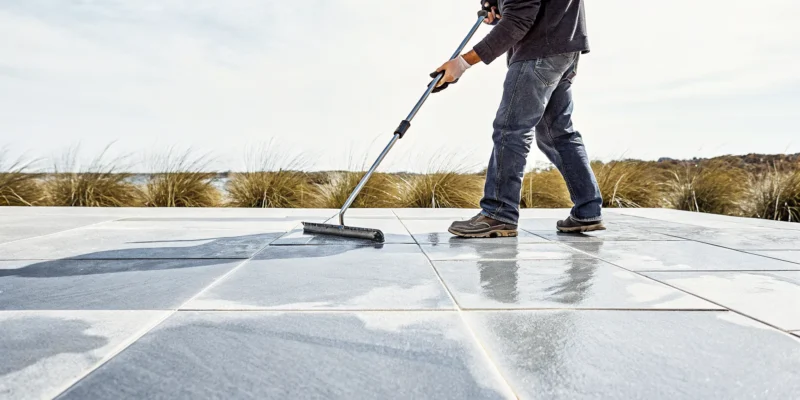
Professional preparing a natural stone patio for sealing on Long Island.

Natural Stone Sealing Long Island: The Ultimate Guide

Spilled drinks, fallen leaves, and dirt can quickly turn a pristine stone patio into a stained, worn-out surface. Without a protective barrier, porous stone acts like a sponge, absorbing moisture and spills that lead to permanent discoloration, mildew growth, and even cracking from winter ice. The good news is there’s a straightforward way to prevent these issues before they start. A high-quality sealer creates an invisible shield, repelling liquids and locking out dirt to keep your stone looking its best. This guide explains why professional natural stone sealing Long Island is the most effective defense for your outdoor living spaces, ensuring they remain beautiful and durable through every season.

Key Takeaways

  • Protect your investment by sealing your stone: Sealing creates a vital barrier against permanent stains from spills and prevents damage caused by Long Island’s specific climate, including freeze-thaw cycles and coastal humidity.
  • Know when to reseal with a simple water test: How often you seal depends on the stone’s porosity and location, but an easy test can tell you for sure. Just sprinkle water on the surface; if it soaks in instead of beading up, it’s time for a new coat.
  • Choose a professional for a lasting result: While DIY is tempting, a professional uses high-grade penetrating sealers and proper preparation techniques that store-bought products can’t match. This ensures a flawless finish and avoids costly mistakes or future restoration work.

Why Seal Your Natural Stone?

Think of your beautiful stone patio, walkway, or countertop as a long-term investment in your home’s value and appeal. Just like any valuable asset, it needs protection to stay in top condition. Sealing is the single most important step you can take to preserve the beauty and integrity of your natural stone surfaces for years to come. It’s a simple, preventative measure that saves you from costly and frustrating problems down the road. Here’s a closer look at why this process is so important.

How Sealing Protects Your Investment

Sealing your natural stone is like giving it an invisible shield. A high-quality sealer penetrates the stone’s pores and creates a protective barrier that repels water, oil, and other liquids before they can soak in and cause stains. This is especially important for outdoor surfaces like patios and pool surrounds that are exposed to everything from spilled drinks to fallen leaves. For paver installations, sealing also helps lock the joint sand in place, which prevents weed growth and keeps the surface stable. Our professional restoration and sealing services not only protect your stone but can also enhance its natural color, giving it a vibrant, finished look.

What Happens if You Don’t Seal It?

Without a protective seal, your stone is left vulnerable. Most natural stone is porous, meaning it acts a bit like a sponge. When left unsealed, it will absorb moisture, dirt, and spills, leading to deep, permanent stains that are difficult or impossible to remove. You might notice the stone darkens significantly when wet, which is a clear sign it’s absorbing water and needs to be sealed. Over time, this exposure can cause the stone to look dull, faded, and worn. Neglecting this simple maintenance can eventually lead to the need for expensive repairs or even a full replacement of your beautiful natural stone surfaces.

How Long Island Weather Affects Your Stone

Living on Long Island means we get to enjoy beautiful seasons, but our weather can be tough on outdoor living spaces. The combination of coastal air, humid summers, and freezing winters creates a unique set of challenges for natural stone surfaces. Your gorgeous stone patio, walkway, or pool deck is constantly exposed to these elements, from the salty sea breeze to the winter ice. Without a protective barrier, that beautiful investment can start to show signs of wear and tear sooner than you’d expect, losing its color and structural integrity.

The main issues we see here are damage from humidity, stress from freeze-thaw cycles, and stubborn stains from our local water. Each of these factors can degrade the look and feel of your stone over time. Think of sealing as sunscreen for your stone; it provides a crucial layer of defense against the environment. Understanding how our climate affects your stone is the first step in protecting it for the long haul. Proper care, especially professional sealing, is key to keeping your outdoor surfaces looking pristine for years. Gappsi offers expert restoration and sealing services designed specifically to combat these local environmental factors and preserve the beauty of your home.

Humidity and Moisture Damage

Our proximity to the coast means the air is often filled with moisture and salt, which can be particularly damaging to porous natural stone. When humidity is high, water vapor can easily penetrate unsealed stone, creating a damp environment deep within its pores. This constant moisture can lead to discoloration, efflorescence (a white, powdery deposit), and the growth of mold and mildew. Not only does this look unappealing, but it can also make surfaces slippery and unsafe. Sealing your stone creates a barrier that repels water, preventing it from soaking in and causing these issues.

Freeze-Thaw Cycles

Long Island winters are no joke, and the repeated freezing and thawing can be one of the biggest threats to your outdoor stone. Here’s how it works: water seeps into the tiny pores of the stone during the day or when temperatures are above freezing. When the temperature drops overnight, that water freezes and expands, putting immense pressure on the stone from within. This cycle of expansion and contraction can cause the stone to crack, chip, and spall (flake apart). Properly sealing your porcelain and natural stone pavers is your best defense against the destructive power of our winter weather.

Hard Water Stains and Deposits

You may not think about your water quality, but Long Island is known for having hard water, which is high in mineral content. When you use a sprinkler system or hose to water your lawn or clean your patio, that hard water can leave behind unsightly mineral deposits. These calcium and magnesium buildups create a dull, chalky film on your stone that is very difficult to clean. Over time, these deposits can etch the surface and permanently mar its finish. A quality sealer prevents these minerals from bonding to the stone, making them much easier to wash away with regular cleaning.

Does Your Stone Need Sealing?

The short answer is, yes, most natural stone benefits from sealing. However, the type of stone you have and where it’s located determines how often it needs attention. Think of sealer as an insurance policy for your beautiful stone patios, countertops, and pool surrounds. It creates a protective barrier that repels water, oil, and other liquids that could cause permanent stains. Understanding your stone’s specific needs is the first step to keeping it looking pristine for years to come.

Granite

Granite is a popular choice for everything from kitchen countertops to outdoor bars because of its incredible durability. While it’s one of the least porous natural stones, it’s not completely immune to staining. Spills like cooking oil, wine, or coffee can seep into the surface over time if it’s not properly protected. To keep your granite looking as good as the day it was installed, a quality sealer is essential. We recommend having it sealed every one to two years. This simple maintenance step ensures your investment remains a stunning, low-maintenance feature of your home. Our team provides expert restoration and sealing services to protect your surfaces properly.

Marble

There’s nothing quite like the timeless elegance of marble, but its beauty comes with a need for more diligent care. Marble is softer and more porous than granite, making it much more susceptible to staining and etching from acidic substances like lemon juice, vinegar, or wine. Without a proper seal, these spills can quickly absorb into the stone, leaving permanent marks. To preserve its luxurious finish, marble should be sealed every six to twelve months, especially in high-use areas like kitchens and bathrooms. Regular sealing is the key to protecting your marble from daily life and maintaining its classic, sophisticated appearance.

Limestone

Limestone offers a soft, natural look that’s perfect for creating a serene outdoor oasis. However, it is one of the most porous natural stones available. Its sponge-like nature means it can easily absorb moisture, dirt, and spills, leading to stains and potential damage from Long Island’s freeze-thaw cycles. Because of this high porosity, we recommend sealing limestone surfaces every six to nine months. This frequent maintenance is crucial for preventing water absorption and protecting the stone’s delicate structure. Proper care ensures your beautiful limestone masonry will stand the test of time.

Travertine

Often found around pool decks and on patios, travertine is known for its distinctive, naturally pitted surface that gives it a rustic charm. As a type of limestone, it shares a high level of porosity. Those small holes and crevices can trap dirt, grime, and water, making the stone difficult to clean and vulnerable to staining. Sealing travertine fills in these pores and creates a protective shield over the surface. This not only prevents stains but also makes routine cleaning much easier. For travertine used around swimming pools or in other high-moisture areas, regular sealing is an absolute must to maintain its beauty and integrity.

Slate and Bluestone

Slate and bluestone are fantastic choices for patios, walkways, and other outdoor features, lending a rich, earthy feel to any landscape design. While these stones are quite dense, they are still susceptible to moisture and staining. Water can get into the natural layers of the stone, and in the winter, this can lead to flaking or cracking as the water freezes and expands. Sealing your slate or bluestone surfaces helps repel water, prevents stains from things like fallen leaves or grill grease, and can even enhance the stone’s deep, natural colors. It’s a vital step in protecting the longevity and aesthetic of your landscape design.

How Often Should You Seal Your Stone Surfaces?

One of the most common questions we get is about how often natural stone needs to be sealed. The simple answer is: it depends. There isn’t a single timeline that works for every surface. The right sealing schedule for your home depends on a few key factors, including the type of stone you have, where it’s located, and how much daily use it gets. Think of it like this: a marble kitchen countertop will have very different needs than a slate walkway in your garden.

Understanding these variables will help you create a maintenance routine that keeps your stone looking its best for years to come. If you’re ever unsure, our team offers professional restoration and sealing services to take the guesswork out of the process. Below, we’ll walk through the main things to consider so you can figure out the perfect sealing frequency for your beautiful stone surfaces.

Consider Stone Type and Porosity

Not all stones are created equal when it comes to porosity, which is just a way of describing how porous, or absorbent, a material is. The more porous the stone, the more often it needs sealing to protect it from stains. For example, dense stones like granite have low porosity and typically only need a fresh coat of sealer every one to two years.

On the other hand, stones like marble are more porous and should be sealed every six to twelve months to prevent etching and stains. Highly porous stones, such as limestone or travertine, absorb liquids quickly and may need sealing as often as every six months. Knowing the specific needs of your natural stone is the first step in proper care.

Indoor vs. Outdoor Use

Where your stone is installed plays a huge role in how often it needs sealing. Outdoor stone surfaces, like patios and pool surrounds, are constantly exposed to the elements. Rain, sun, and Long Island’s freeze-thaw cycles can wear down sealers more quickly. Sealing these areas is essential to prevent water damage, staining, and the growth of mold or mildew.

Indoor stone faces its own set of challenges. Kitchen countertops are exposed to acidic foods, oils, and wine, while bathroom vanities deal with soap, lotions, and cosmetics. Even a beautiful stone fireplace surround can be affected by soot. Proper sealing makes cleanup a breeze and protects your investment, whether it’s part of an indoor home remodeling project or an outdoor oasis.

Foot Traffic and Daily Wear

Think about how much action your stone surfaces see every day. A stone floor in a busy entryway or a popular patio area will experience significantly more wear and tear than a decorative stone wall. High-traffic areas require more frequent sealing to stand up to scuffs, dirt, and constant friction. If you have pets or kids, you know how quickly floors and surfaces can get dirty.

The color of your stone can also make a difference. Lighter-colored stones tend to show stains and wear more easily than darker ones, so they might benefit from a more frequent sealing schedule. Keeping an eye on these high-use areas will help you know when it’s time for a touch-up.

Try the Water Test to Check

If you’re not sure whether your stone needs to be resealed, there’s a simple way to check. It’s called the water test, and you can do it in just a few minutes. Simply sprinkle a few drops of water onto the surface of your stone and watch what happens.

If the water beads up, your sealer is still working effectively. However, if the water starts to soak into the stone or leaves a darkened spot, it’s a clear sign that the protective barrier has worn down and it’s time to reseal. This easy water test is a practical way to assess your stone’s condition and stay ahead of potential staining.

The Stone Sealing Process Explained

Sealing natural stone is a methodical process that ensures your investment stays beautiful and protected for years. While it might sound technical, the process breaks down into a few key stages, from preparation to application and long-term care. Each step is vital for creating a durable barrier that guards against stains, moisture, and everyday wear. Understanding how it works helps you appreciate the craftsmanship involved and know what to expect when you hire a professional. It’s all about giving your stone the best defense so it can continue to look its best.

Clean and Prep the Surface

You can’t get a great result without a clean start. Before any sealer is applied, the stone surface must be completely clean and dry. This step involves removing all dirt, grime, oil, and old, failing sealers. If this crucial prep work is skipped, the new sealer can trap debris underneath, leading to a cloudy or hazy appearance. A professional cleaning ensures that the sealer can bond directly with the stone, creating a uniform and effective barrier. This is why our restoration and sealing services always begin with a thorough, deep cleaning to prepare the surface for a flawless finish.

Choose the Right Sealer: Penetrating vs. Topical

Not all sealers are created equal, and the right choice depends on your stone and its use. Sealers generally fall into two categories: penetrating or topical. Topical sealers form a protective film on the surface, which can add a glossy sheen but may require more frequent reapplication. Penetrating sealers, on the other hand, absorb into the stone’s pores to protect it from within without changing its natural finish. For dense materials like granite, a solvent-based penetrating sealer often provides deeper protection and longer-lasting results. The wide variety of porcelain and natural stones available means that selecting the correct sealer is key to preserving their unique beauty.

Apply the Sealer and Let It Cure

Once the surface is clean and the right sealer is chosen, the application begins. A professional will carefully apply an even coat, allowing it to soak into the stone. After a few minutes, any excess sealer is wiped away from the surface to prevent a sticky residue from forming. Some highly porous stones, like certain types of limestone or travertine, might need a second coat to ensure complete protection. After the final application, the sealer needs time to cure. This curing period is essential, as it’s when the sealer fully hardens and creates its strong, protective shield.

Maintain Your Sealed Stone

Sealing is the best way to preserve the beauty and durability of your stone surfaces, but it isn’t permanent. Over time, foot traffic, weather, and cleaning will wear down the protective barrier. A simple way to check if your stone needs a new coat is the water test. Just spill a few drops of water on the surface. If the water beads up, the sealer is still working. If it soaks in and darkens the stone, it’s time to reseal. Regular maintenance and reapplication are part of any good masonry care plan and will keep your patios, walkways, and countertops looking pristine.

Should You DIY or Hire a Pro?

Deciding between a DIY project and calling in an expert can be tough. While tackling a home improvement task yourself can be rewarding, sealing natural stone is a job where professional expertise makes a huge difference. The process requires specific knowledge and materials to get right. Before you head to the hardware store, consider what a professional brings to the table versus the risks of doing it yourself. It’s about more than just applying a product; it’s about ensuring the long-term health and beauty of your investment.

Why Hire a Professional

A professional uses high-quality, penetrating sealers that absorb deep into the stone to create an invisible shield against stains and moisture. These are far more effective than the topical coatings you might find in a store, which often sit on the surface and can peel or turn hazy over time. Experts also have the right equipment and follow a precise process for cleaning, drying, and applying the sealer. This expertise ensures a flawless finish and lasting protection, which is why so many homeowners trust Gappsi’s restoration and sealing services to protect their valuable stone features.

Understanding Professional Sealing Costs

Let’s talk about the numbers. Investing in professional sealing is one of the smartest financial decisions you can make for your home. A sealing job that costs a few hundred dollars can prevent future restoration work that could easily run into the thousands. Think of it as preventative care for your property. The cost for professional sealing typically ranges from $200 to $600, depending on the area and type of stone. This investment not only protects your beautiful masonry from damage but also helps maintain your home’s value, making it a small price to pay for peace of mind.

How to Choose a Sealing Service on Long Island

Choosing a company to seal your stone is a big decision. You want a team that will protect your investment and treat your home with care. With so many options on Long Island, it helps to know what separates the experts from the rest. Focus on three key areas: their experience, the quality of the products they use, and the support they offer after the job is done. Asking the right questions in these areas will help you find a reliable professional you can trust with your beautiful stone surfaces.

Look for Proven Experience

When you’re vetting a sealing service, experience is everything. Sealing natural stone is a specialized skill that requires a deep understanding of how different materials, like marble and granite, absorb and react to sealers. Look for a company that focuses on stone care, not a generalist who offers it as an add-on service. Ask to see a portfolio of their completed projects and check for before-and-after photos. A reputable company will be proud to showcase their work and may even provide references from other homeowners in your area. This track record proves they have the hands-on knowledge to get the job done right the first time.

Ask About the Quality of Sealers

The sealer itself is just as important as the person applying it. A low-quality product can fail quickly or even damage your stone, so don’t be shy about asking what a company uses. Inquire about the specific type of sealer they recommend for your surface and why. Is it a penetrating or topical formula? What makes it the best choice for your particular type of natural stone? A true professional will be happy to explain their product selection and how it will provide long-lasting protection against stains and moisture. If a contractor is vague about the products they use, consider it a red flag.

Check for Warranties and Support

A company’s confidence in its work is often reflected in the warranties and support it provides. Before signing a contract, ask if they offer a warranty on their sealing service. Understand what it covers and for how long. This gives you peace of mind knowing they stand behind their craftsmanship. Beyond a formal warranty, consider their approach to customer support. Do they provide clear instructions for maintaining your sealed surfaces? Are they available to answer questions after the project is complete? Reading online reviews and watching testimonials can give you great insight into how a company treats its clients long after the final payment is made.

Related Articles

Frequently Asked Questions

How can I tell if my stone needs to be resealed? The easiest way to check is with a simple water test. Just sprinkle a little water on the surface. If the drops bead up nicely, your sealer is still doing its job. If the water soaks in and leaves a dark spot, that’s a clear sign the protective barrier has worn off and it’s time to reseal. You might also notice that the stone looks dull or that stains are becoming harder to clean.

Will sealing change the color or finish of my stone? This is a common concern, but a professional job shouldn’t drastically change your stone’s appearance. We use high-quality penetrating sealers that absorb into the stone to protect it from within, rather than forming a plastic-like film on top. While some sealers can slightly enhance or deepen the natural colors, the primary goal is to provide invisible protection that preserves the stone’s original texture and finish.

Is it okay to seal my stone myself, or should I hire a professional? While you can find sealers at a hardware store, hiring a professional makes a significant difference in the quality and longevity of the protection. A pro has access to superior, commercial-grade products that last much longer and offer better defense against stains and moisture. More importantly, they have the right equipment and expertise to properly clean and prepare the surface, which is the most critical step for an effective, flawless application.

My stone is outdoors. How does sealing protect it from Long Island’s weather? Sealing is your stone’s best defense against our local climate. It creates a barrier that repels water, which is crucial during our freeze-thaw cycles in the winter. When water soaks into unsealed stone and then freezes, it expands and can cause cracks and flaking. Sealing also helps prevent moisture from our humid summers from causing mold, mildew, and discoloration, keeping your patio or walkway looking clean and safe.

What happens if I never seal my stone patio? If you skip sealing, you leave your stone completely vulnerable. Because most natural stone is porous, it will act like a sponge, absorbing everything from spilled wine and grill grease to dirt and rainwater. This leads to deep, permanent stains that are nearly impossible to remove. Over time, the constant exposure to moisture and the elements can cause the stone to degrade, crack, or flake, potentially leading to expensive repairs or even a full replacement.

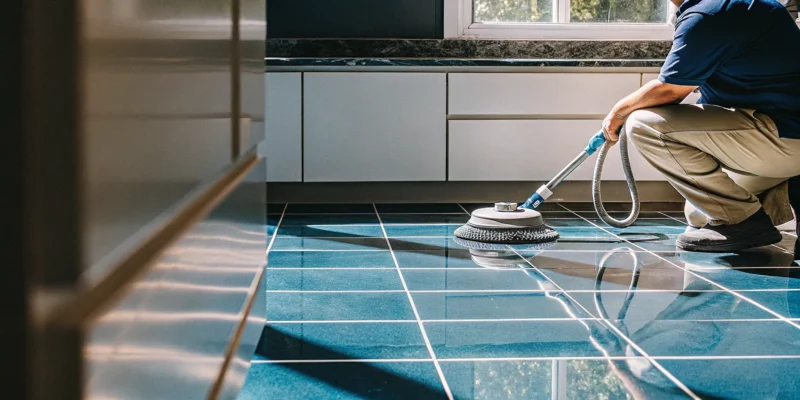
Long Island tile and grout cleaning for restored, like-new floors.

Tile and Grout Cleaning Long Island: Look New Again

Your grout lines might be hiding more than just dirt. Because grout is porous, it easily absorbs moisture, creating the perfect breeding ground for mold, mildew, and bacteria that your mop can’t eliminate. This is especially true in kitchens, bathrooms, and on outdoor patios. A professional deep clean does more than just restore your tile’s shine; it sanitizes the surface by removing these hidden contaminants at the source. For a truly healthy home, expert tile and grout cleaning Long Island provides a level of clean that goes far beyond what you can see on the surface.

Key Takeaways

  • Your Mop Can Make Grout Dirtier: Because grout is porous like a sponge, mopping often pushes dirty water deep into the grout lines, creating stubborn discoloration that surface cleaning simply can’t remove.
  • Restoration Requires Professional Power: A deep clean that restores your tile’s original beauty requires specialized equipment. High-pressure hot water extraction is the only method that safely flushes out years of embedded grime, mold, and bacteria.
  • Sealing Is the Key to Protection: Cleaning is only half the job. Applying a professional sealant after a deep clean creates an invisible shield on your grout, blocking future stains and making daily cleanup significantly easier.

Why Your Mop Isn’t Enough for Tile and Grout

You diligently mop your tile floors, expecting them to sparkle. But over time, you notice the grout lines look dingy and the tiles themselves have lost their shine. It’s a common frustration, and it’s not your fault. While mopping is great for surface-level dust and spills, it often can’t tackle the deep-seated grime that builds up in and around your tiles. The truth is, a mop and bucket can only do so much. In many cases, they can even make the problem worse by pushing dirty water into the very places you’re trying to clean, leaving you with a floor that only looks clean for a moment.

What’s Hiding in Your Grout Lines?

Think of your grout as a tiny sponge. Because it’s naturally porous, it absorbs everything it comes into contact with, including dirt, spills, soap scum, and moisture. Over time, this creates the perfect environment for mold, mildew, and bacteria to thrive, leading to discoloration and unpleasant odors. That dark, dingy look in your grout lines isn’t just dirt; it’s a sign of buildup that has settled deep into the material. No amount of surface scrubbing can fully remove what has been absorbed, which is why your grout can still look dirty even after you’ve just cleaned it.

How Grout Breaks Down Over Time

When dirt and grime get trapped deep within the pores of your grout, they don’t just cause discoloration. They can also start to degrade the grout itself. Regular mopping often contributes to this problem. Instead of lifting the dirt away, a mop can push dirty water across the floor, depositing grime directly into the grout lines. This buildup makes your beautiful porcelain and natural stone tiles look dull and lifeless. Eventually, the integrity of the grout can be compromised, leading to chipping and cracking, which only creates more places for dirt to hide.

The Problem with DIY Cleaning Products

Reaching for a popular DIY cleaning solution might seem like a good idea, but it can cause more harm than good. Many common household cleaners, including vinegar and ammonia-based products, are too harsh for grout. They can strip away the sealer that protects it, leaving your grout vulnerable to stains and moisture damage. Worse yet, if your tile was never sealed properly in the first place, these chemicals can directly eat away at the grout. Our professional restoration and sealing services are designed to clean deeply without causing this kind of damage, preserving the beauty and longevity of your tile.

What Are the Benefits of Professional Tile Cleaning?

You scrub your floors, wipe down your counters, and do your best to keep your tile looking fresh. But over time, you might notice that your grout is looking a little dingy and the tile itself has lost its original shine. While regular upkeep is important, professional tile and grout cleaning offers a level of deep cleaning that household tools simply can’t match. It’s not just about making your floors look good for a week; it’s about restoring their beauty, improving hygiene, and protecting your investment for the long haul. Think of it as a reset button for your home’s surfaces, bringing them back to the day they were installed.

Go Beyond Surface-Level Cleaning

Regular mopping is great for clearing away daily dust and spills, but it often just pushes dirt around on the surface. The real problem lies in the grout lines. Grout is porous, meaning it has tiny holes that trap dirt, oils, and grime. Over time, this buildup creates discoloration that no amount of scrubbing can fix. Professional cleaning uses high-pressure, hot water extraction methods to get deep into those pores, lifting out the embedded dirt that home cleaners leave behind. This process provides a true, lasting clean that revitalizes the entire surface, making both the tile and grout look uniformly bright and new again. It’s a key step in any serious home restoration and sealing project.

Eliminate Stubborn Mold, Mildew, and Stains

Is there anything more frustrating than seeing mold or mildew reappear in your bathroom grout, no matter how often you clean it? These unwelcome guests thrive in damp environments and can be tough to eliminate completely. Professional hot-water extraction methods don’t just clean the surface; they sanitize it, killing mold and mildew at the root so it doesn’t grow back as quickly. This makes your bathroom, kitchen, or entryway not only look cleaner but feel healthier. The same goes for stubborn stains on your patio or walkway. Whether it’s from rust, fallen leaves, or spilled drinks, a professional service has the right solutions to treat specific stains without damaging your beautiful masonry.

Protect Your Porcelain and Natural Stone

You chose your tile for its durability and style, and it’s an investment worth protecting. This is especially true for high-end materials like natural stone and porcelain. After a thorough cleaning, a professional can apply a high-quality sealant to your grout lines and tile surfaces. This invisible barrier fills in the pores of the grout, preventing dirt and liquids from seeping in. Spills will bead up on the surface instead of soaking in, making your daily cleaning much easier and more effective. Protecting your porcelain and natural stone with a professional-grade sealer is one of the best ways to guard against future stains and keep your surfaces looking pristine for years to come.

What to Expect from a Professional Cleaning

When you hire a professional team, you get more than just a mop and bucket. You get a proven system designed to restore your tile and grout safely and effectively. The process involves a detailed cleaning method, specialized equipment that you can’t find at a hardware store, and a final protective step that keeps your floors looking fantastic. Understanding these steps helps you see the true value of bringing in an expert for the job.

Our Step-by-Step Cleaning Process

Our professional cleaning process is methodical to ensure we get every bit of grime. First, we inspect your tile and grout to identify problem areas and determine the best approach for your specific material. Next, we apply a specialized, pH-balanced cleaning solution and manually scrub the grout lines to loosen embedded dirt and soil. The final step uses a hot water extraction method. We use a high-pressure tool that sprays heated water to flush out the dirt from deep within the grout pores, and a powerful vacuum immediately extracts the dirty water, leaving your tile surfaces spotless.

The Right Tools and Techniques for the Job

The real difference between a DIY clean and a professional one comes down to the equipment. We use commercial-grade machinery that provides a level of clean that household tools simply can’t match. This includes high-pressure hot water systems that dissolve tough grime and powerful vacuums that lift it away completely. This combination of heat, pressure, and extraction is what allows our restoration and sealing services to remove stubborn stains, mold, and mildew without damaging your tile or grout. It’s this professional technique that truly revitalizes your floors and makes them look new again.

Why Sealing Your Grout Matters

Cleaning is only half the battle. Grout is naturally porous, meaning it has tiny holes that absorb liquids, dirt, and grime like a sponge. This is why unsealed grout gets stained so easily. After a deep cleaning, applying a grout sealer is the most important step to protect your investment. The sealer creates an invisible protective layer over the grout, blocking spills from seeping in and preventing mildew from taking hold. This makes your daily cleaning easier and keeps your beautiful porcelain and natural stone looking pristine for years to come.

How Often Do You Need Professional Cleaning?

A common question we get is how often tile and grout really need a deep, professional clean. While there’s no single answer that fits every home, a good general guideline is to schedule a professional cleaning every one to two years. This helps maintain the beauty and integrity of your tile surfaces, preventing permanent staining and damage. Of course, this schedule can change based on your lifestyle and where the tile is located. Our restoration and sealing services are designed to bring your surfaces back to life, but knowing when to call us is key to keeping them looking their best year-round.

High-Traffic vs. Low-Traffic Areas

Think about the busiest spots in your home. Your kitchen, entryway, and main bathrooms likely see constant foot traffic, not to mention spills and splashes. These high-traffic areas will need more frequent professional attention than a guest room or formal dining room that’s rarely used. If you have kids or pets, you know they can add to the wear and tear, tracking in dirt and causing messes. Even outdoor spaces, like a stone patio around a swimming pool, are considered high-traffic zones that need regular deep cleaning to handle dirt, pollen, and grime.

Signs It’s Time to Call a Pro

Your regular mopping routine helps, but it can’t reach the dirt and grime that get trapped deep within porous grout lines. Over time, this buildup can make your floors look dull and dirty, no matter how often you clean them. If you notice your grout looks dark or discolored even after scrubbing, it’s a clear sign you need a professional. Other clues include a hazy film on your tiles that won’t go away or stubborn stains that just won’t budge. A professional cleaning can restore the original beauty of your porcelain and natural stone, making your entire space feel fresh and new again.

Cleaning Tile Indoors and Out on Long Island

On Long Island, our homes feature beautiful tile work that extends from the kitchen and bathroom right out to the patio and pool deck. These surfaces are a major investment, but they face very different challenges depending on their location. Indoor tile might deal with food spills, soap scum, and constant foot traffic, while your outdoor patio is exposed to humidity, rain, salt air, and changing temperatures. A cleaning strategy that works for one simply won’t work for the other.

That’s why a specialized approach is so important. We understand that cleaning the tile in your master bathroom requires a different touch than restoring a weathered stone patio. Our experience in both home remodeling and outdoor construction gives us a complete picture of how these materials perform over time. We use professional-grade equipment and techniques that are powerful enough to remove deep-seated grime but gentle enough to protect the integrity of your tile and grout, whether it’s inside your home or part of your outdoor living space.

Tailoring Our Approach to Your Tile Type

Not all tile is created equal, and cleaning it with a generic method can do more harm than good. Your beautiful, durable porcelain pavers require a different technique than your elegant, porous natural stone. We begin every job by identifying your specific tile material to ensure we use the right tools and cleaning solutions. Our team uses specialized equipment with hot, high-pressure water to deeply clean tile and grout, making your floors look new again without causing damage. This customized approach allows us to safely and effectively restore all types of porcelain and natural stone, protecting your investment for years to come.

Handling Long Island’s Unique Climate

The Long Island climate can be tough on outdoor surfaces. The humidity encourages mold and mildew growth in porous grout lines, while salt air can degrade materials over time. Because grout easily soaks up moisture and spills, it can quickly become stained and discolored. Regular mopping just can’t remove the grime that builds up from this constant exposure. Our professional cleaning process removes this buildup, and we follow it with a crucial final step: sealing. Applying a quality sealant creates a protective barrier, making it much harder for dirt, moisture, and stains to penetrate your grout. These restoration and sealing services are key to keeping your outdoor tile looking its best.

How to Choose a Tile Cleaning Service on Long Island

Finding the right company to clean your tile and grout can feel like a big decision, and it is. You’re trusting someone with a significant feature of your home, whether it’s your kitchen backsplash, bathroom floor, or outdoor patio. The key is to look for a team that combines technical skill with a deep respect for your property. A great service won’t just make your tile shine; they’ll protect your investment for years to come. When you start your search, focus on a few core areas: their specific expertise, the equipment they use, their pricing structure, and what other Long Island homeowners have to say about them.

A little research upfront ensures you hire a professional who understands the nuances of tile care. You want a company that sees more than just dirt, one that recognizes the material, understands the cause of the buildup, and applies the perfect solution. This thoughtful approach is what separates a quick surface wipe from a true restoration. By asking the right questions, you can find a partner who will treat your home with the care it deserves and deliver results that truly last.

Expertise with Porcelain, Ceramic, and Natural Stone

Not all tile is created equal, and your cleaning service should know the difference. Porcelain and ceramic tiles are incredibly durable, but natural stone like marble, travertine, or slate requires a much gentler touch. Using the wrong cleaning solution on natural stone can lead to etching, discoloration, or permanent damage. A true professional will identify your tile type and adjust their methods accordingly. They should have extensive training in using state-of-the-art technologies to pull grime from deep within porous surfaces without harming the material itself.

Before hiring anyone, ask about their experience with your specific type of porcelain and natural stone. A knowledgeable technician can explain their process and the products they’ll use, giving you confidence that your beautiful tile is in safe hands.

Safe Methods and Professional Equipment

The reason professional cleaning achieves such dramatic results comes down to two things: technique and tools. A pro team arrives with professional-grade equipment designed to extract built-up grime from deep inside the grout, something a household mop can’t do. This machinery uses controlled pressure and heat to safely lift away years of dirt without damaging your tile or grout lines.

Equally important are the cleaning agents they use. The best companies use powerful yet safe solutions that effectively break down mold, mildew, and stains without introducing harsh chemicals into your home. When you hire a service like Gappsi, you can trust that our team will restore and seal your surfaces using methods that are safe for your family and pets while delivering a superior clean.

Clear Pricing and Local Knowledge

No one likes surprises when it comes to billing. A trustworthy tile cleaning company will provide clear, upfront pricing after assessing the job. Be wary of vague quotes over the phone; a true professional will often want to see the area to give you an accurate estimate. This quote should detail the full scope of work, including any necessary pre-treatments or optional sealing services, so you know exactly what you’re paying for.

Hiring a local Long Island company also has its advantages. A team that understands the specific needs of Suffolk and Nassau County residents knows how our coastal climate affects outdoor patios and indoor tile. This local expertise means they are better prepared to handle common issues like salt air residue or humidity-driven mildew, ensuring a more effective and lasting clean.

Customer Reviews and Proven Reputation

In the home services industry, reputation is everything. Before you commit, take a few minutes to see what past customers have to say. Look for reviews on Google, social media, and the company’s website. A consistent pattern of positive feedback is a strong indicator of reliable service and quality workmanship. Pay attention to comments about professionalism, punctuality, and, of course, the final results.

A company with a long history of serving the community, sometimes for decades, has built a foundation of trust. This kind of longevity shows they stand by their work and have successfully helped countless homeowners. You can also check for a portfolio of their work, like the project showcases on the Gappsi YouTube channel, to see their results for yourself.

Is Professional Tile Cleaning a Good Investment?

When you’ve invested in beautiful tile for your home, you want it to look its best for years to come. While professional cleaning comes with a price tag, it’s important to think about it as an investment in protecting your property’s value and appearance. Instead of a simple expense, think of it as essential maintenance that prevents costly damage and keeps your home looking pristine. When you weigh the costs of DIY efforts against the long-term benefits, professional service often comes out on top.

DIY Costs vs. Professional Value

It’s tempting to grab a mop and a bottle of cleaner to tackle dirty tile yourself. While regular mopping helps with surface dust, it often just pushes dirt around and doesn’t get into the deeper grime. Grout is porous, meaning it acts like a sponge, absorbing dirt, spills, and soap residue that discolors it over time. Scrubbing grout lines by hand is messy, exhausting work, and it rarely achieves the results you’re hoping for. A professional cleaning goes far beyond what you can do on your own, using specialized equipment to lift embedded dirt and restore the original color of your grout, truly protecting your beautiful porcelain and natural stone.

How Regular Maintenance Saves You Money

Scheduling a professional cleaning every one to two years is one of the smartest ways to protect your investment. This proactive approach prevents the kind of deep, set-in stains and mildew growth that can lead to permanent damage. Over time, neglecting your grout can cause it to crack and crumble, leading to expensive repairs or even a full tile replacement. The ideal cleaning frequency depends on your lifestyle, including foot traffic, kids, and pets. By using Gappsi’s restoration and sealing services regularly, you extend the life of your floors and patios, saving you significant money in the long run.

Making Professional Cleaning Affordable

We understand that budget is a major consideration for any home project. The cost of professional tile and grout cleaning is often more affordable than homeowners expect, especially when you consider the value it provides. At Gappsi, we provide clear, upfront estimates so you know exactly what to expect. Investing in a scheduled maintenance plan can also be more cost-effective than waiting for a major restoration. Don’t let grime build up for years. Contact us for a no-obligation quote and see how our professional care can make a stunning difference for your tile and grout without breaking the bank.

Related Articles

Frequently Asked Questions

Why can’t I just scrub my grout clean myself? While scrubbing can remove surface dirt, it often can’t reach the grime that has been absorbed deep into the porous grout lines. Regular mopping can even push dirty water into the grout, making stains worse over time. Professional cleaning uses high-pressure hot water extraction to flush out that embedded dirt, achieving a level of clean that manual scrubbing simply can’t match.

How often do my tile floors really need a professional cleaning? A good rule of thumb is to schedule a professional cleaning every one to two years. However, this can change based on your home. High-traffic areas like kitchens and entryways, especially in homes with kids or pets, may need attention more frequently. If you notice your grout looks dark or your tiles have a dull film you can’t remove, it’s a clear sign it’s time to call a professional.

Is the cleaning process safe for my natural stone or delicate tile? Absolutely. A key part of a professional service is identifying the specific type of tile you have, whether it’s durable porcelain or a more delicate natural stone like marble or travertine. We then adjust our methods and use pH-balanced cleaning solutions that are specifically designed to be safe and effective for that material, ensuring a deep clean without any risk of damage.

What exactly is grout sealing and why is it so important? Think of grout sealing as creating an invisible shield for your grout lines. After a deep cleaning, we apply a professional-grade sealer that fills in the tiny pores of the grout. This prevents dirt, spills, and moisture from soaking in, which is what causes staining and mildew growth. It makes your daily cleaning much easier and is the most important step in protecting your tile for the long term.

Can you clean outdoor tile and stone patios too? Yes, we specialize in cleaning outdoor surfaces. We understand that Long Island’s climate, with its humidity and salt air, presents unique challenges for patios and walkways. Our process is designed to remove tough outdoor buildup like mold, mildew, and grime from your stone or tile, and we always recommend sealing it afterward to protect it from the elements.

A porcelain paver contractor discussing project plans and material samples with a homeowner.

How to Vet a Porcelain Paver Contractor Near Me

Here on Long Island, our outdoor living spaces have to endure a lot, from hot summer sun to freezing winter nights. That’s why so many homeowners are choosing porcelain pavers for their incredible resilience. However, that durability is only guaranteed when the installation is done right. A proper foundation is essential to handle our freeze-thaw cycles and prevent shifting or cracking. This is why finding a qualified local expert is so important. Your search for a “porcelain paver contractor near me” should focus on professionals who understand our specific climate and soil conditions. This guide will show you how to identify local specialists who can build a beautiful, lasting patio.

Key Takeaways

  • Hire a Porcelain Expert, Not a Generalist: Installing porcelain pavers requires specialized skills. Make sure your contractor has a proven track record with porcelain specifically, not just general paving, to guarantee a durable and beautiful result.
  • Verify Credentials and Past Work: Before signing anything, confirm the contractor has a valid license and proper insurance. Also, review their portfolio and ask for recent client references to get a true sense of their craftsmanship and professionalism.
  • Demand a Detailed Contract: A low price can be a red flag if it comes with a vague agreement. A professional quote will be itemized, and the final contract should clearly define the project scope, materials, timeline, and warranty to protect your investment.

Are Porcelain Pavers a Good Investment?

When you decide to upgrade your outdoor space, you’re making an investment in your home’s value and your family’s enjoyment. You want a material that not only looks beautiful on day one but continues to perform for years without demanding constant upkeep. This is where porcelain pavers truly shine. Unlike some traditional materials that can fade, stain, or crack over time, porcelain is engineered for incredible resilience and lasting beauty. It’s a modern solution that delivers the best of both worlds: the high-end aesthetic of natural materials with the strength of advanced manufacturing.

Think of it as a long-term upgrade. While the initial cost might be comparable to high-end natural stone, the lifetime value is exceptional. You save money and time on sealing, intensive cleaning, and future repairs. Gappsi offers a stunning selection of porcelain and natural stone pavers, giving you the freedom to create a custom look that stands up to everything life throws at it. From busy family gatherings to quiet morning coffees, your patio or walkway will maintain its elegance. Choosing porcelain is less about a simple purchase and more about a smart, forward-thinking decision for your property. It’s a commitment to quality that pays you back with peace of mind and a consistently gorgeous outdoor living area.

Enjoy Year-Round Durability

Here on Long Island, our patios and walkways face everything from blazing summer sun to harsh winter freezes. Porcelain pavers are built to handle these extremes with ease. Because they are fired at incredibly high temperatures, they have a very low water absorption rate. This means they resist moisture and are not prone to the cracking that can happen with other materials during freeze-thaw cycles.

This dense, non-porous surface also makes them highly resistant to stains from things like spilled wine, oil, or fallen leaves. Plus, they won’t fade over time from UV exposure, so the color you fall in love with is the color you’ll have for years. This impressive year-round durability means your outdoor space remains a beautiful, functional extension of your home, season after season.

Get High-End Style with Low Maintenance

One of the biggest draws of porcelain pavers is their ability to deliver a luxurious look without the demanding maintenance schedule. You can get the rich, detailed appearance of Italian travertine, rustic slate, or even warm wood, all with the simple upkeep of porcelain. Unlike many types of natural stone, porcelain pavers do not require sealing to protect them from stains or moisture.

This means you can spend more time enjoying your patio and less time working on it. Spills can be wiped away easily, and general cleaning usually just requires a simple sweep and a wash with water. This low-maintenance benefit not only saves you time but also reduces long-term costs associated with sealing products and intensive cleaning services, making it a practical choice for any busy homeowner.

Best Places to Use Porcelain Pavers at Home

The versatility of porcelain pavers allows you to bring a cohesive and elegant design to nearly any outdoor area. They are a perfect choice for patios, creating a sophisticated foundation for your outdoor living room or dining space. Their durability also makes them ideal for high-traffic walkways and entryways that need to withstand constant use.

Around a pool, porcelain is an especially smart option. Many styles have a textured, non-slip surface, providing better grip when wet. Because they resist chlorine and salt, they are a fantastic material for swimming pool decks. You can also use them for outdoor kitchens, fire pit areas, and even rooftop terraces. Their ability to be installed over existing concrete slabs makes them a great choice for giving an old, tired space a fresh, modern update with minimal demolition.

How to Find the Right Porcelain Paver Contractor

Choosing the perfect porcelain pavers is only half the project; finding the right contractor to install them is what truly brings your vision to life. A great contractor ensures your patio, walkway, or pool deck not only looks beautiful but also stands the test of time. The installation process for porcelain is more specialized than for other materials, so it’s crucial to partner with a team that has proven expertise. Taking the time to properly vet your options will save you from headaches and costly repairs down the road. Here’s how to find a qualified professional you can trust.

Start Your Search Locally

Beginning your search in your own backyard is always the best first step. A local Long Island contractor will be intimately familiar with the area’s specific building codes, climate considerations, and soil conditions. This local knowledge is invaluable for ensuring a durable and compliant installation. Companies that have been serving Nassau and Suffolk counties for years have a reputation to uphold within the community. They understand the local aesthetic and can recommend materials and designs that work well in our coastal environment. A strong local presence often means they are invested in delivering quality work to their neighbors.

Check Online Reviews and Directories

Once you have a list of local names, it’s time to do some digital digging. Online reviews on platforms like Google, Houzz, and Yelp offer a window into the experiences of past clients. Look for consistent themes in the feedback. Are clients happy with the communication, craftsmanship, and final result? One of the biggest mistakes homeowners make is choosing a contractor based on the lowest bid alone, without checking their reputation. A portfolio of beautiful photos is great, but verified reviews provide a more complete picture of what it’s like to work with a company. Pay attention to how a contractor responds to feedback, both positive and negative, as it speaks volumes about their professionalism.

Find a True Porcelain Specialist

Porcelain pavers require a different skill set and equipment than traditional concrete or stone pavers. Don’t just look for a general paver installer; find a true porcelain specialist. These experts understand the nuances of handling, cutting, and setting porcelain to prevent chips, cracks, and water issues. They will know the right type of base, adhesive, and grout to use for a flawless, long-lasting finish. A contractor who specializes in porcelain and natural stone will have a portfolio filled with similar projects and can speak confidently about their installation process, ensuring you get the uncompromising quality your investment deserves.

Verify Licenses and Certifications

This step is non-negotiable. A valid license ensures your contractor meets local and state requirements and is qualified to perform the work. In our area, you should look for a contractor with the proper licenses for both Nassau and Suffolk County. Equally important is insurance, specifically general liability and worker’s compensation. This protects you from any liability in case of accidents or property damage during the project. Don’t just take their word for it; ask for copies of their license and insurance certificates. A professional and trustworthy masonry company will gladly provide this documentation without hesitation.

How to Vet Potential Contractors

Once you have a shortlist of local contractors, it’s time to take a closer look. Vetting is the most important step in hiring, as it helps you separate the true professionals from those who might cut corners. This process is about more than just comparing prices; it’s about finding a partner you can trust to bring your vision to life with skill and integrity. A great contractor will be transparent, experienced, and communicative from the very first conversation.

Taking the time to properly vet each candidate protects your investment and ensures your project runs smoothly from start to finish. By focusing on a few key areas, you can confidently choose a company that will deliver a beautiful, durable porcelain paver patio, walkway, or pool surround that you and your family will enjoy for years. Let’s walk through exactly what you should look for.

Look for Proven Experience with Porcelain

Working with porcelain pavers requires a specific skill set. Unlike traditional concrete or stone, porcelain is a dense, non-porous material that demands specialized tools and installation techniques. A contractor who primarily works with other materials might not understand the nuances of cutting porcelain without chipping it or ensuring proper base preparation for drainage. Look for a team that has a solid, verifiable track record with porcelain and natural stone. Ask them directly about their experience with porcelain and how their installation process is tailored to the material. An experienced pro will be able to explain their methods with confidence.

Review Their Project Portfolio

A picture is worth a thousand words, especially when it comes to home improvement. A reputable contractor will be proud to show off their past work. Ask to see a portfolio of their completed porcelain paver projects. Pay close attention to the details: Are the grout lines clean and consistent? Are the cuts around edges and obstacles precise? Do the finished projects reflect the high-end look you’re hoping to achieve? A strong portfolio, like the project showcases on the Gappsi YouTube channel, gives you a clear idea of their craftsmanship and style, helping you see if their work aligns with your vision.

Confirm They Have Licensing and Insurance

This step is non-negotiable. A valid contractor’s license proves that the company meets local and state regulations, while proper insurance protects you from any liability in the event of an accident on your property. Before signing any contracts, ask for proof of both general liability insurance and workers’ compensation. A professional company will have this documentation ready and will be happy to provide it. This simple check is one of the easiest ways to filter out less reputable operators and ensure you’re working with a legitimate masonry and construction company that values safety and accountability.

Prioritize Clear Communication

The quality of your relationship with a contractor is just as important as the quality of their work. From your very first interaction, pay attention to how they communicate. Are they responsive to your calls and emails? Do they listen to your ideas and answer your questions thoroughly? A contractor who communicates clearly and professionally is more likely to manage your project effectively, keeping you informed and addressing any concerns that arise. If you feel rushed, dismissed, or confused during the initial conversations, consider it a red flag. A successful project is built on a foundation of mutual respect and open dialogue.

Understanding Porcelain Paver Installation Costs

When you receive a quote for a porcelain paver project, the final number is a blend of several key factors. Breaking down the estimate helps you see exactly where your money is going and ensures you’re comparing bids from different contractors in a meaningful way. A clear understanding of the costs involved is the first step toward a successful project and a beautiful, long-lasting patio, walkway, or pool deck.

Material Costs vs. Labor Costs

Every paver project quote can be split into two main categories: the cost of the materials and the cost of the labor to install them. The material cost is for the porcelain and natural stone pavers themselves, which varies based on the style and brand you choose. Labor costs cover the skilled team doing the work, from site preparation to laying each paver.

Interestingly, porcelain’s unique properties can influence both. Porcelain pavers are lighter than concrete and many natural stones. This makes them easier to transport and handle on-site, which can translate into more efficient labor and potentially lower installation costs compared to heavier, more cumbersome materials.

What Influences the Final Price?

Several variables can affect your project’s total cost. The complexity of your design is a big one; a curved walkway with intricate cuts will require more time and skill than a simple square patio. The condition of the installation area also matters. If your yard needs significant grading or excavation to create a stable base, this will add to the labor costs.

Here on Long Island, proper installation is critical to withstand our freeze-thaw cycles. A contractor must build a robust foundation to prevent shifting and ensure longevity. While this expert masonry work is a necessary part of the cost, it protects your investment for years to come, preventing future repair expenses.

How to Compare Contractor Quotes Fairly

When you have a few quotes in hand, it’s tempting to just pick the lowest number. However, the cheapest bid is rarely the best value. A suspiciously low price could signal a contractor who uses subpar materials, cuts corners on essential site prep, or isn’t fully insured. To compare quotes fairly, ask for an itemized breakdown from each contractor. This should detail the costs for materials, labor, site preparation, and any other specific project needs.

Look at what each quote includes. Does it cover permits, debris removal, and a final cleanup? What kind of warranty do they offer on their workmanship? A reputable contractor will be transparent about their process and happy to answer your questions. Reviewing a contractor’s past work on platforms like YouTube can also give you confidence in their quality and professionalism.

Key Questions to Ask Before You Hire

Once you have a shortlist of potential contractors, it’s time to dig a little deeper. Asking the right questions can help you separate the true professionals from the rest. A great contractor will welcome your questions and provide clear, confident answers. Think of this as a final interview to ensure you’re handing your project over to the right team. This conversation is your chance to confirm their expertise, communication style, and professionalism before you sign anything. Being prepared with these key questions will help you make a decision you feel good about for years to come.

Do you have experience with large-format porcelain tiles?

Not all pavers are created equal, and porcelain requires a specific skill set. This is especially true for large-format tiles, which are heavier and more challenging to install correctly. Ask contractors directly about their experience with the exact type of porcelain pavers you want to use. An installer who primarily works with concrete or smaller stones may not understand the precise techniques needed to prevent lippage (uneven tiles) and ensure a flawless, level surface. A contractor with proven porcelain experience will know how to prepare the base properly and handle the material to avoid cracks and chips, giving you much greater peace of mind.

What is your installation and drainage process?

A beautiful patio is only as good as its foundation. A professional contractor should be able to walk you through their entire installation process from start to finish. Ask them what materials they use for the base, how they compact it, and what steps they take to guarantee proper drainage. Inadequate drainage can lead to water pooling, shifting pavers, and ice damage in the winter. A detailed explanation of their masonry techniques shows they are thorough and understand how to build a durable, long-lasting surface that can withstand Long Island’s weather. If they can’t explain this clearly, it’s a major red flag.

Can you provide recent references or reviews?

One of the best ways to gauge a contractor’s quality of work and professionalism is to hear from past clients. Don’t just rely on testimonials posted on their website. Ask for a list of recent references you can actually contact, preferably from homeowners who had a similar project completed. Checking online reviews is a good start, but speaking to someone directly allows you to ask specific questions about their experience. You can see examples of a contractor’s finished work on the Gappsi YouTube channel, which provides a great visual for the quality you should expect.

What do your contract, timeline, and warranty include?

Never start a project without a detailed written contract. A vague agreement is a recipe for misunderstandings and unexpected costs. A professional contractor will provide a comprehensive document outlining the full scope of work, a list of materials, a clear payment schedule, and a projected timeline. This is a standard part of any professional home remodeling project. Be sure to also ask about warranties. You should know what is covered, for how long, and whether the warranty applies to both the porcelain pavers and the installation labor itself. This protects your investment and holds the contractor accountable for their work.

Contractor Red Flags You Shouldn’t Ignore

Choosing a contractor is a big decision, and while it’s exciting to get your project started, it’s just as important to know which warning signs to look out for. Spotting these red flags early can save you from major headaches, unexpected costs, and a finished product that doesn’t meet your expectations. A reputable professional will be transparent and proud of their work, so any hesitation or vagueness should be taken seriously.

Think of this as your checklist for what to avoid. A contractor who can’t provide a portfolio, offers a price that seems too good to be true, presents a flimsy contract, or won’t discuss their process is telling you something important about their business. Trust your gut. If something feels off, it probably is. Your home is your biggest investment, and the team you hire to work on it should be professional, experienced, and communicative from start to finish. At Gappsi, we believe a transparent design and construction process is the foundation of any successful project.

A Missing Portfolio or References

A contractor’s past work is their best resume. If a company can’t show you a portfolio with high-quality photos and examples of their porcelain paver projects, you should ask why. A professional with years of experience will have a collection of completed jobs they are eager to share. When you’re excited to get a project moving, it can be tempting to skip this step, but it’s one of the most important parts of vetting. A strong portfolio, like the projects you can see on our Gappsi YouTube channel, gives you a clear idea of their skill and style. The same goes for references. A confident contractor will happily connect you with recent clients who can speak to their experience.

Vague Bids That Seem Too Good to Be True

We all love a good deal, but when it comes to home improvement, an unusually low bid is often a major red flag. Choosing a contractor based on the lowest price without looking at the bigger picture is a common mistake that can cost you more in the long run. A suspiciously low estimate may indicate that the contractor is using subpar materials, cutting corners on essential prep work like the base foundation, or planning to add on unexpected fees once the project is underway. A professional quote should be detailed and transparent, clearly breaking down the costs for materials, labor, and any other expenses. If a bid is vague, ask for a more detailed itemization.

Unclear Contracts and Timelines

The contract is your single most important document. It protects both you and the contractor, and it should outline every detail of the project. A professional will always provide a comprehensive contract that clearly defines the scope of work, the specific porcelain and natural stone materials to be used, a payment schedule, and a projected timeline with start and completion dates. It should also include information on warranties for both materials and labor. If a contractor presents you with a simple, one-page agreement or is hesitant to put all the details in writing, consider it a serious warning. This lack of clarity can lead to confusion, disputes, and disappointment down the road.

Hesitation to Discuss Installation Methods

A true porcelain paver specialist will be proud of their craft and happy to explain their installation process to you. When you ask questions about how they plan to handle your project, you should receive clear, confident answers. If a contractor seems defensive, dismissive, or vague about their techniques, they may lack the necessary experience. You should feel comfortable asking about their method for base preparation, how they ensure proper drainage, and what kind of blade they use to cut porcelain tiles without chipping. An expert knows that a successful, long-lasting patio depends on these details and will be ready to share their expertise with you.

Related Articles

Frequently Asked Questions

Why do I need a specialist for porcelain pavers instead of a general paver installer? Porcelain is a unique material that requires specific expertise. Because it is so dense and hard, it needs to be cut with special diamond-tipped blades to get clean edges without chipping. A general installer might not have the right tools or experience. A specialist also understands the precise base preparation and bonding agents needed to ensure the pavers don’t shift or come loose, which is critical for a long-lasting, professional finish.

Are porcelain pavers slippery, especially around a pool? This is a great question and a very common concern. Many porcelain pavers designed for outdoor use are manufactured with a textured, non-slip surface to provide excellent grip, even when wet. This makes them a fantastic and safe choice for pool decks and patios. When you are selecting your pavers, you can always ask to see the slip-resistance rating to ensure you’re choosing a style that is right for your needs.

What’s the biggest difference in cost between porcelain and other materials? While the upfront cost of porcelain pavers can be comparable to other high-end options like natural stone, the true value is in the long-term savings. Porcelain does not require the annual sealing that many other materials need to prevent staining and water damage. Its incredible durability also means you are far less likely to spend money on repairs or replacements down the road. You are investing in a surface that stays beautiful with minimal effort and expense over its lifetime.

How can I be sure a contractor’s quote is fair and not just a lowball offer? A fair quote is a transparent one. Instead of just looking at the final number, ask for an itemized breakdown that details the costs for the pavers, the base materials, labor, and debris removal. A suspiciously low bid often means corners are being cut somewhere, whether it’s in the foundation prep or by using uninsured labor. A professional will be happy to explain every line item and will have a contract that clearly outlines the full scope of work.

How much maintenance do porcelain pavers really need? When we say low maintenance, we really mean it. Unlike natural stone that needs regular sealing, porcelain pavers require none. For routine cleaning, all you typically need is a broom to sweep away leaves and dirt. For a deeper clean, you can simply wash the area with water and a mild pH-neutral cleaner. Spills are easy to wipe up because the surface is non-porous, so you can spend your time enjoying your patio instead of constantly working on it.

Luxury Long Island backyard with custom pavilion and louvered aluminum pergola featuring outdoor furniture and landscaping

Backyard Pavilion vs Pergola: Which Is Right for You?

Adding a permanent structure to your Nassau County property is a significant investment in your home value. Comparing a backyard pavilion vs pergola reveals distinct differences in design, function, and weather resistance for your patio.

The choice of a backyard pavilion vs pergola depends on how you plan to use your outdoor space and the level of weather protection you require. A pavilion is a freestanding structure with a solid roof that offers full shelter from rain and direct sun. This makes it a great choice for housing outdoor kitchens or furniture that needs to stay dry. In contrast, a pergola features a roof made of open slats that allow for filtered light and airflow. While pergolas have roots in ancient garden design, modern versions often include adjustable louvers for light control. According to Gappsi Group, the main difference is the roof style, where pavilions provide full coverage while pergolas offer partial shade.

Choosing between these structures requires a close look at how you want your yard to feel. We will start with the most protective option to see if it meets your needs for a shaded retreat. You can start by learning about What Is a Custom Pavilion? The path begins with

Backyard Pavilion Vs Pergola: What Is a Custom Pavilion?

A custom pavilion is a long-term outdoor build made to stay in your yard for many years. It stands on its own or sits next to your house. The main trait of a pavilion is its solid roof. This roof covers the whole space below it. When you look at the backyard pavilion vs pergola choice, the roof is the biggest change. A pergola has open slats that let light through, but a pavilion shields you fully from the sky.

A structure with a solid roof

Modern pavilions use high-grade parts like wood, vinyl, or metal. These parts help the build match your home. Pros often use stone or brick at the base of the posts to tie it into a stone patio. This creates a high-end look that feels like a real part of your living space. History shows that people have used these garden spots for a very long time. Early forms of pavilions date back to ancient groups in Egypt and Mesopotamia who wanted shaded spots to rest.

Gappsi designs these builds to fit your yard’s size and style. You can choose a wood frame or a sleek vinyl finish. The solid roof allows for extras you cannot put under a pergola. For example, you can add fans, lights, or even a TV. These items stay safe from the rain because the roof is tight and strong. It makes the space feel like a room that just happens to be outside.

Full safety from sun and rain

Long Island homeowners face many types of weather. We get hot sun in the July heat and heavy rain in the fall. A custom pavilion offers a way to stay outside no matter what the sky looks like. The solid roof blocks all sun rays. This keeps the area cool on the hottest days. It also keeps you dry if a sudden storm hits during a party. You do not have to run inside when the clouds turn gray.

This full cover makes a pavilion a year-round space. You can add heaters to the ceiling to stay warm when the air gets crisp in late fall. Because the roof is so strong, it can hold the weight of snow without any issues. This level of safety is why many families choose a pavilion for their main outdoor spot. It gives you a solid place to host friends and family through every season.

Built for outdoor kitchens

One of the best ways to use a pavilion is to cover an outdoor cooking zone. A outdoor kitchen pavilion keeps your grill and fridge safe from the weather. Cooking outside is much easier when you do not have to worry about the weather. You can prep food, grill, and serve guests all in one dry spot. This setup also helps keep your indoor kitchen cool during the summer because all the heat stays outside.

Gappsi can mix these builds with custom stone work and pools. A pavilion next to a pool creates a great place to dry off in the shade. It also provides a spot for a dining table where the sun won’t beat down on your food. When you build a pavilion, you are creating a hub for your whole backyard. It links your pool, patio, and kitchen into one grand space. This adds value to your home and makes your yard the best place to be.

What Is a Pergola?

A pergola is an outdoor garden structure made of vertical posts that support a roof of open beams or slats. These structures have deep roots in history, with early forms dating back to ancient Mesopotamia and Egypt (University of Florida). Unlike a solid roof, a pergola roof lets filtered light and fresh air pass through. This open design provides partial shade for your yard. It is a top choice for creating a breezy feel on a patio or deck.

Classic and Modern Pergola Designs

Traditional pergolas often use wood beams to create a rustic or natural look. They work well as a base for climbing plants like vines or ivy. These plants grow over the slats to add more shade. Many modern homeowners now choose a louvered aluminum pergola for more control. These systems use motorized slats that you can open or close based on the weather. You can block the sun when it is hot or close the roof to keep out light rain.

Why Homeowners Choose Pergolas

One of the main reasons to pick a pergola is for its looks. It helps to define an outdoor room without blocking the view. It will not make the space feel closed in. While a solid roof gives full shelter, a pergola is more about style and comfort. It creates a clear zone for dining or lounging while staying open to the rest of your yard. For those weighing a backyard pavilion vs pergola, the choice often comes down to sun protection.

Function and Backyard Layout

Pergolas are very flexible and can be set up in many ways to suit your life. You can build them as stand-alone units in a garden or attach them to your house. They serve as a perfect bridge between your home and the outdoors. Because they offer some shade, they are great for spots where you still want to feel the sun. These structures help to organize your yard by marking out spots for social use or quiet rest (Washington State University).

Pavilion vs Pergola: Key Differences at a Glance

Choosing between a backyard pavilion vs pergola depends on how you plan to use your outdoor space. Both structures add beauty and value to a home, but they differ in roof design, cover, and cost. A pavilion has a solid roof for full shade. A pergola uses open slats for a more airy feel. Knowing these core traits helps you pick the right fit for your Long Island yard.

Roof design and weather cover

The main difference between these two structures is the roof. A pavilion has a solid roof that gives full shelter from both rain and sun (Gappsi Group). This makes it a top choice for an outdoor kitchen pavilion. You can keep your tools dry and cook outside even during a summer storm. It acts like a true outdoor room for your home.

A pergola uses a series of open beams. This style lets in light and helps air move, which creates a classic garden look. While it gives some shade, it does not stop rain. But a louvered aluminum pergola gives you more control. You can tilt the slats to block the sun or close them for better cover when the sky turns gray.

Comparing cost and use cases

Price is another big point for homeowners to think about. On average, a wood pavilion costs from about $5,800 to $10,400. Pergolas are often a bit cheaper. Wood models for those usually cost between $4,000 and $7,600. The final price will shift based on your choice of wood, vinyl, or metal and the size of the build.

Garden structures have shaped outdoor living for a long time. Early forms of these structures go back to ancient times in Egypt near 2000 BC (University of Florida IFAS). Today, they serve as the main spot in a modern yard. A pavilion works best as a full room. A pergola is great to mark a patio or path without blocking the view of the sky.

Feature Backyard Pavilion Pergola
Roof Type Solid and closed Open slats or beams
Protection Full sun and rain cover Some shade and airflow
Best Use Outdoor kitchens and rooms Patios and garden spots
Light Control Always full shade Filtered or adjustable
Avg. Wood Cost $5,800 to $10,400 $4,000 to $7,600
Maintenance Depends on material Depends on material

Choosing Based on Your Outdoor Living Vision

Your choice between a backyard pavilion vs pergola depends on how you want to use your yard. Your vision for outdoor living should lead the design. Some people want a space for big parties and cooking. Others want a quiet spot to sit in the sun. Gappsi Group uses a joined design-build plan to make these visions real. We handle every step from the first sketch to the final build.

Pavilions for cooking and dining

A pavilion is the best pick if you want a full outdoor room. Its solid roof keeps you dry when it rains and cool when it is hot. This makes it a great spot for an outdoor kitchen pavilion. You can add grills, ovens, and sinks without worrying about the weather. These structures also work well for poolside lounges where you need total shade.

A solid roof gives you a place to add lights, fans, and TVs. This helps you use your yard late into the night. Because the roof is closed, your furniture and tools stay safe from the rain. Most homeowners who want a dining area that feels like a house room choose a pavilion. It acts as a true hub for your home life.

Pergolas for lounges and paths

A pergola uses open beams to let light through. This creates a soft, filtered glow that feels real. Pergolas are often used to mark a lounge zone or a spot for a spa. They can also define garden paths. According to experts at Washington State, these structures help define “outdoor rooms” in a landscape. They give your yard structure without blocking the sky.

You can also pick a louvered aluminum pergola. This lets you change the shade with a remote. You can close the slats for more shade or open them to see the stars. Pergolas work well in garden areas where you want vining plants to grow. They offer a light and airy feel that suits a modern backyard.

Joined design and 3D views

Gappsi makes sure your new structure fits with your whole yard. We look at your pools and masonry patios to create a smooth look. You do not need to hire other teams for each job. We handle the stone work, the pool build, and the wood work all at once. This saves you time and keeps the work great.

We also offer 3D design services. This lets you see your yard before we start digging. You can see how a pavilion looks next to your pool. You can also test how a pergola fits over your spa. Seeing these views helps you make the best choice for your home. Our Smithtown showroom also lets you see samples in person to pick your best look.

Cost Considerations for Long Island Homeowners

Adding a new structure to your yard is a big step. You want a space that looks great and fits your budget. Costs for a backyard pavilion vs pergola can change based on many things. For a basic wood pergola, you might spend between $4,000 and $7,600. A wood pavilion usually costs more, with prices from $5,800 to $10,400. These price ranges are for simple wood builds. They do not include the cost of custom work or high-end parts. In Nassau and Suffolk Counties, you must also think about the cost of local permits and site labor.

Key Factors in Your Project Total

Many details will change the final price of your project. The size of the build and the parts you pick are important. For example, a louvered aluminum pergola costs more than a simple wood one. But it gives you more control over the sun and rain. You should also think about how the space will work with your yard. Research from Washington State University shows that these structures help define useful outdoor rooms in your yard. A clear design plan helps you avoid extra costs during the build.

  1. Part Selection: You can choose from wood, vinyl, or aluminum. Wood is often the most affordable choice, but it needs more care over time. Vinyl and aluminum cost more at first. But they stay in good shape for years with less work. You can see these parts in person at the Gappsi showroom in Smithtown.
  2. Size and Design: A larger structure needs more parts and time to build. If your design has complex shapes, the labor costs will rise. A custom fit for your yard ensures you use every inch of space well.
  3. Custom Features: Adding lights, fans, or screens will increase your budget. Many homeowners choose to build an outdoor kitchen pavilion to make a full cooking area. These extras make the space more useful all year long.
  4. Site Prep and Base: You must have a level spot and a strong base. This might mean you need stone work or new concrete pads to hold the weight. Proper prep prevents the structure from shifting or sinking over time.
  5. Expert Setup vs DIY Kits: A DIY kit might seem cheaper. But it often lacks the quality of a custom build. Pros ensure the structure is safe and built to last in the Long Island weather. Working with one team for design and setup saves you time and stress.

The Value of Your New Space

Spending money on your backyard adds value to your home. While costs vary, most outdoor structures offer a high return. Some reports show that you can get back 50% to 80% of what you spend when you sell your house. Beyond the money, a well-built structure gives you a place to relax and enjoy the fresh air. It makes your yard a true part of your home. A custom structure is a smart way to make your life better and boost your home value for years to come.

Design and Customization Options with Gappsi

Special Planning and 3D Views

Choosing between a backyard pavilion vs pergola is a big step for your home. Gappsi makes this choice easy through our special design process. We use 3D design tools to show how each structure looks in your yard before work starts. You can see how a wood pavilion or a vinyl pergola fits with your pool and patio. This help from our experts ensures you get the exact look you want for your space.

We invite you to visit our showroom in Smithtown to see materials in person. You can touch the wood, feel the vinyl, and test the metal parts. Seeing these items helps you understand the quality of our work. Our team guides you through every step to build a space that lasts for years. We handle all steps from the first sketch to the final build so you do not have to manage many workers.

Selecting Your Ideal Materials

Your choice of material affects both the look and the care of your structure. Gappsi offers classic wood for a natural feel and vinyl for low care. For a modern touch, many clients choose a louvered aluminum pergola. These units have motor parts that let you change the roof slats with a button. This gives you full control over how much sun or rain enters your seating area.

Our work draws from deep Italian roots and skill that dates back for years. The use of outdoor structures to define garden rooms is a practice seen throughout history. In fact, landscape design often uses pergolas to create useful spaces in local yards. We bring this old world skill to every project on Long Island. This ensures your new backyard feature is both strong and beautiful.

Custom Sizing and Added Features

We do not just offer standard sizes for your backyard. Every structure we build can be custom sized to fit your unique yard. Whether you need a small shade spot or a large outdoor kitchen pavilion, we can build it. This choice is key when you compare a backyard pavilion vs pergola for a tight space. We make sure the height and width work well with your house and trees.

A great outdoor space needs more than just a roof and posts. Gappsi provides full services like power and light for fans. We also handle the masonry for strong bases and stone floors. Outdoor rooms can even help vining plants grow, which is a design trick used since ancient times. You can learn more about the history of garden structures like arbors and pergolas to see how they evolved. By combining these skills, Gappsi gives you a full solution for your home. Check out our full range of custom pavilions and pergolas to find the best fit for your lifestyle.

Frequently Asked Questions

Which structure is better for protecting an outdoor kitchen from the weather?

A pavilion is the best choice for an outdoor kitchen since its solid roof gives full cover from rain and sun. According to Gappsi, a solid roof keeps your tools and eating area dry during big Long Island storms. A pergola adds style but only gives partial shade through open slats. This makes it a poor fit for cooking spots that need to stay dry all year long.

Can a custom outdoor structure be integrated into a larger backyard design?

Yes, you can blend these builds into your yard to create useful outdoor rooms. Data from Washington State University shows that pergolas and pavilions work well to mark specific zones. On Long Island, owners often pair them with stone patios or swimming pools. This way, your whole backyard feels like one joined living space for your family to enjoy.

What is the benefit of a louvered metal pergola over a fixed roof?

A louvered metal pergola gives you a roof you can change to fit your needs. Unlike a fixed pavilion roof, you can open the slats to let in sun or close them to block rain. Data from Gappsi shows that these powered systems allow for full control over light and shade. The metal frame is also very strong and needs very little work compared to wood. It is a top pick for modern Long Island yards.

How can I see how a new pavilion will look in my backyard before it is built?

You can use 3D design tools to see a full model of your project before work starts. According to Gappsi Group, these digital plans help you see how a pavilion or pergola fits with your pool, patio, and home. This step lets you change the size or style to get the perfect look. It is the best way to avoid mistakes and make sure you love the final result in your Long Island yard.

Book your free backyard pavilion or pergola consultation

If you wait to fix your yard, you will spend another year in the hot sun and rain. Start today to lock in your price and make sure your new structure is ready for summer. Do not let another year pass by without the shade your yard needs for comfort and a fast finish.

Ready to schedule a free consultation for your custom pavilion or pergola? Schedule your free meeting to talk to a backyard structure expert at Gappsi today. You can also see our Smithtown showroom samples for your next project so we can help you choose the best materials and design for your Long Island home and new outdoor backyard living space.