


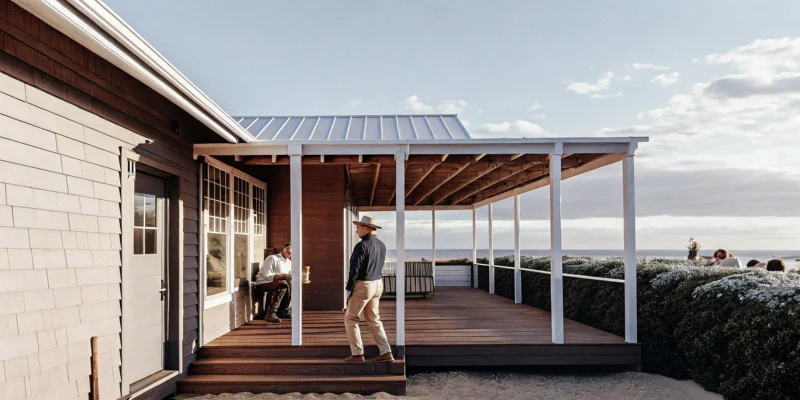
Building anything on Long Island comes with its own unique set of rules. Our coastal air, distinct seasons, and specific town codes mean that not just any construction approach will do. A pergola needs to be built with materials that can handle the salty breeze and a design that complements our local architecture. This is why finding a builder with deep local experience is so important. You need someone who doesn’t just know how to build, but knows how to build here. Your search isn’t just for any contractor; it’s for a specialist. This guide will show you exactly what to look for when hiring a pergola builder Long Island experts trust for their own homes, ensuring your new structure is built to last.
Key Takeaways
- Match Your Pergola Material to Your Lifestyle: Before you start your search, consider how the long-term maintenance of wood versus the convenience of vinyl or aluminum fits your needs, ensuring your final choice complements both your home and your schedule.
- Prioritize Proof Over Price When Choosing a Builder: A builder’s true value is shown in their detailed portfolio, proper local licensing, and transparent project management, not just the final number on a quote.
- Secure Your Investment with a Detailed Agreement: A successful project depends on clarity from the start, so insist on a comprehensive contract that outlines all costs, materials, timelines, and warranties to protect your investment.
What Pergola Style is Right for You?
Choosing a pergola is about more than just adding shade; it’s about defining an outdoor room and creating a specific atmosphere for your backyard. The style you select will influence everything from your home’s curb appeal to how you enjoy your patio or garden. The right choice comes down to balancing your personal aesthetic with the practical needs of your space. Do you envision a rustic, plant-covered retreat or a sleek, modern hub for entertaining? Answering these questions will guide you toward the perfect material and design. Think about how the structure will interact with your home’s architecture and your existing landscape. A well-chosen pergola should feel intentional and integrated, not like an afterthought. As you explore your options, consider the materials that speak to you and the functionality you need. Gappsi offers a wide selection of pavilions and pergolas to match any vision, ensuring your new structure feels like a natural extension of your home. Let’s look at the most popular styles to help you find the perfect fit.
Wood Pergolas
If you love a classic, timeless look, a wood pergola is a fantastic choice. The natural grain and warm tones of wood bring an organic, handsome feel to any backyard, blending beautifully with gardens and landscaping. Wood is also incredibly versatile. You can stain it to highlight its natural beauty or paint it any color to perfectly match your home’s exterior. This makes it a great fit for a wide range of architectural styles, from traditional to rustic. While wood does require some maintenance, like periodic sealing or staining to protect it from the elements, many homeowners find the rich appearance is well worth the effort.
Vinyl Pergolas
For those who want the classic look of a wood pergola without the upkeep, vinyl is the perfect solution. Vinyl pergolas are designed to mimic the appearance of painted wood but are crafted from a durable, low-maintenance material that won’t rot, warp, or fade. They are typically built with a strong wood core wrapped in a maintenance-free vinyl exterior, giving you the best of both worlds: strength and convenience. You’ll never have to worry about painting or staining, and cleaning is as simple as a quick rinse with a hose. This makes vinyl a practical and long-lasting option for busy Long Island homeowners.
Aluminum Pergolas
If your style leans more modern and minimalist, an aluminum pergola is an excellent option. With their clean lines and sleek profiles, aluminum structures create a sophisticated, contemporary feel in any outdoor space. They are available in a variety of powder-coated finishes that resist rust and corrosion, making them exceptionally durable and well-suited for Long Island’s coastal air. Aluminum pergolas pair beautifully with modern materials like porcelain pavers, creating a seamless and polished outdoor living area. They are also lightweight yet incredibly strong, offering a lasting structure with a distinctly modern edge.
Louvered and Motorized Pergolas
A louvered pergola gives you complete control over your outdoor environment. This innovative style features adjustable slats, or louvers, that can be opened, closed, or angled with a manual crank or a motorized system. On a sunny day, you can angle the louvers to create the perfect amount of shade. If a light rain shower passes through, you can close them completely to keep your patio furniture dry. This flexibility allows you to use your outdoor space more often, regardless of the weather. You can see some amazing Gappsi projects on our YouTube channel to get a better idea of how these systems work.
Freestanding vs. Attached Styles
Beyond materials, you’ll need to decide if you want a freestanding or attached pergola. An attached pergola is anchored to your house, creating a seamless transition from indoors to outdoors. This style works wonderfully over a patio, deck, or back door, providing shade and architectural interest right off the house. A freestanding pergola, on the other hand, stands on its own and can be placed anywhere in your yard. This makes it a perfect choice for defining a separate area, like a poolside lounge, a garden seating spot, or even a dedicated space for one of our sports games courts.
How to Find a Great Pergola Builder in Long Island
Once you have a vision for your pergola, the next step is finding the right person to bring it to life. The builder you choose is a partner in your home improvement project, so it’s important to find a team that is skilled, reliable, and a good fit for you. Taking the time to research your options will ensure your project runs smoothly and results in a beautiful outdoor structure you’ll enjoy for years. Here’s how to identify a great pergola builder in Long Island.
Review Their Portfolio and Past Projects
Think of a builder’s portfolio as their professional resume. It’s your first and best opportunity to see the quality of their work and their design style. A reputable builder will have an extensive gallery of past projects for you to review. As you look through their photos, ask yourself if you see projects similar to what you envision. Pay close attention to the details, the quality of the materials, and the overall craftsmanship. This will give you a clear idea of their capabilities and whether their aesthetic aligns with your own.
Verify Licenses, Insurance, and Local Experience
This step is non-negotiable. Before you hire anyone, confirm they have the proper licenses and insurance for work in Long Island. This protects you from any liability during the construction process and ensures the builder is a legitimate professional. Just as important is their local experience. A builder who is familiar with Nassau and Suffolk County’s specific building codes and permit requirements can save you from costly mistakes and delays. Neglecting local regulations can lead to fines or even being forced to take the structure down, so make sure your builder has proven construction expertise in our area.
Ask About Their Design and Building Process
A great builder will have a clear and transparent system for managing their projects. When you speak with potential candidates, ask them to walk you through their entire design and construction process. How do they start a project? Do they offer an initial consultation to discuss your ideas and measure your space? Find out who your main point of contact will be and how they handle communication and project updates. Understanding their process from the beginning helps set clear expectations and ensures a collaborative and positive experience from design to final installation.
What Does a Pergola Cost in Long Island?
Figuring out the budget for your new pergola is one of the first and most important steps in your project. The truth is, there’s no single price tag. The cost of a pergola in Long Island can range from a few thousand dollars to tens of thousands, depending entirely on your vision. Think of it as an investment in your home’s value and your family’s enjoyment of your outdoor space. The final cost is shaped by a few key elements: the materials you choose, the size of the structure, the complexity of the design, and any custom features you want to include.
Understanding these factors will help you create a realistic budget and have a more productive conversation with your builder. Whether you envision a classic wooden structure over your patio or a modern, motorized louvered system by the pool, there’s a perfect fit for your backyard. At Gappsi, we specialize in designing and building custom pavilions and pergolas that match your home’s style and your family’s needs, ensuring your investment brings you joy for years to come. We believe in transparency and helping you understand every aspect of the cost, so you can feel confident in your decision and excited about the beautiful, functional space you’re creating.
Average Costs by Material
The material you select is one of the biggest drivers of your pergola’s total cost. Each option offers a different look, level of maintenance, and price point. Vinyl pergolas are a popular and durable choice, typically ranging from $4,000 to $10,000. For a more modern and sleek appearance, aluminum pergolas are an excellent option, with costs often falling between $4,000 and $15,000 or more for high-end designs. Wood remains a timeless choice, offering natural beauty with a cost that varies based on the type of wood used. These price ranges reflect professionally installed structures that are built to last, not temporary kits.
Key Factors That Affect Price
Beyond the material, several other factors will influence your final quote. Size is a major one; a standard 10’ x 10’ pergola might cost between $2,000 and $6,000 for installation, but a larger, more expansive structure will naturally cost more. The complexity of the design also plays a role. A simple, classic design will be more budget-friendly than a custom shape with intricate details. Finally, labor costs for a professional installation can range from $500 to over $3,000, reflecting the builder’s expertise and the project’s scope. Adding features like built-in lighting, fans, or motorized louvered roofs will also increase the price but can greatly enhance your pergola’s functionality.
Tips for Comparing Quotes
When you start receiving quotes from builders, it’s tempting to just look at the final number. However, the cheapest quote isn’t always the best value. To make a true apples-to-apples comparison, ask for a detailed breakdown of all costs, including materials, labor, and any permits. Pay close attention to the quality of the materials being proposed. Also, be sure to ask about the builder’s warranty on both materials and craftsmanship. A strong warranty is a sign that the builder stands behind their work. This approach helps you understand exactly what you’re paying for and ensures there are no surprises down the road.
Key Qualities of a Top Pergola Builder
Finding a builder for your pergola project is one thing; finding the right partner to bring your vision to life is another. The best builders in Long Island share a few key characteristics that set them apart. It’s not just about having the tools and a truck. It’s about craftsmanship, reliability, and a commitment to a smooth process from start to finish. When you’re investing in your home, you deserve a partner who is as dedicated to the final result as you are.
A top-tier builder doesn’t just construct a pergola; they create an extension of your home. This means they prioritize using high-quality materials that are built to last through Long Island’s seasons. They offer customization options to ensure the new structure perfectly complements your home’s existing architecture. Beyond the physical build, they provide solid warranties that show they stand behind their work, giving you confidence in your investment. Finally, they understand that clear communication is the foundation of any successful project, keeping you informed and involved every step of the way. These qualities are the difference between a good-enough result and an outdoor space you’ll love for years to come.
High-Quality Materials and Customization Options
The materials used for your pergola will determine its look, durability, and maintenance needs. A great builder will guide you through the options, explaining the pros and cons of wood, vinyl, and aluminum. They should offer a range of high-quality choices that can withstand coastal weather without rotting or warping. Choosing the right material from the start saves you from future headaches and repair costs. A premier builder will also offer a wide selection of porcelain and natural stone pavers to create a cohesive and beautiful foundation for your new structure.
Beyond materials, the best builders excel at customization. Your pergola shouldn’t feel like a kit dropped into your backyard; it should look like it was always meant to be there. A skilled design team can create pavilions and pergolas that match your home’s unique style, whether it’s a classic North Shore colonial or a modern South Shore retreat. This level of personalization ensures your new outdoor living space is a true reflection of your taste.
Strong Warranties and Guarantees
A strong warranty is one of the clearest signs that a builder is confident in their craftsmanship and the materials they use. When a company offers a substantial guarantee on their work, it tells you they build things to last and are prepared to stand behind their projects for the long haul. Don’t be shy about asking potential builders for the specifics of their warranties. A reputable company will be transparent about what’s covered and for how long, giving you essential peace of mind.
This guarantee is your protection against potential defects in materials or installation. A builder who has been serving the community for decades, like Gappsi has since 1987, often has a long track record of honoring their commitments. Choosing a company with a proven history of reliability ensures that your investment is secure and that you have a trusted partner to call if any issues arise down the road.
Clear Communication and Project Management
A beautiful pergola is the goal, but a stress-free journey to get there is just as important. The best builders operate with total transparency. From the very first conversation, they should provide a clear project scope, a realistic timeline, and a detailed plan. You should know exactly what to expect and when, with no hidden surprises or last-minute changes. This level of organization is often a hallmark of experienced companies that handle complex home remodeling projects.
Consistent updates are also crucial. A top builder will establish a clear line of communication, letting you know how and when you’ll receive information about your project’s progress. Whether it’s a daily check-in or a weekly summary, you should never have to wonder what’s happening in your own backyard. This commitment to clear communication and professional project management ensures a smooth, collaborative process and a final result that perfectly matches your vision.
Your Step-by-Step Hiring Process
Finding the right builder is the most critical step in bringing your backyard vision to life. A great contractor does more than just build a structure; they partner with you to create a space that fits your lifestyle and home perfectly. This process ensures you find a reliable professional who can deliver a beautiful, lasting pergola. Let’s walk through the five key steps to hiring the best pergola builder for your Long Island home.
Step 1: Define Your Vision and Budget
Before you start your search, it’s important to have a clear idea of what you want. Think about how you plan to use your new pergola. Will it be a cozy spot for reading, a dining area for family gatherings, or the centerpiece of an outdoor kitchen? Consider features like built-in lighting, ceiling fans, or heaters, as these elements require planning for wiring and placement. Having a solid vision and a realistic budget will help you communicate your needs clearly and find a builder who can match your expectations. This initial homework makes the entire process smoother for everyone involved.
Step 2: Research and Shortlist Local Builders
With your vision in mind, you can begin researching local builders who specialize in pergolas and outdoor living. Look for companies with a strong portfolio of work in the Long Island area. It’s a good idea to choose a team that can manage the entire project, from design to construction. A company with a holistic approach can ensure your new pergola integrates seamlessly with your existing landscape and home architecture. For example, Gappsi designs and builds complete outdoor living spaces, which helps create a cohesive and unified look for your entire property.
Step 3: Request and Compare Detailed Quotes
After you’ve shortlisted a few promising builders, it’s time to request detailed quotes. A vague, one-page estimate isn’t enough. You need a comprehensive proposal that breaks down the costs for materials, labor, permits, and other expenses. Make sure you understand what’s included, the project timeline, and how the builder manages the process from start to finish. Getting this clarity upfront helps you compare offers accurately and prevents unexpected costs or delays down the road. Don’t be afraid to ask questions until you feel completely comfortable with the scope of the project.
Step 4: Review Contracts and Finalize Details
Once you’ve selected a builder, they will provide a contract for you to sign. Review this document carefully before putting your name on it. A thorough contract should outline all the project specifics, including the materials being used, warranty information, payment schedules, and what happens if changes are needed. This is also the time to confirm details about building permits and engineering specifications. Taking the time to understand every clause in the contract protects both you and the builder, ensuring there are no misunderstandings once the work begins.
Step 5: Start the Build and Stay Connected
After the contract is signed, construction can begin. A smooth project relies on clear and consistent communication. Establish a preferred method of contact with your project manager and ask for regular updates on their progress. A professional builder will be happy to keep you informed and answer any questions that arise during the build. Staying connected throughout the process ensures your project stays on track and that the final result is exactly what you envisioned. You can see examples of this process in action on the Gappsi YouTube channel, which showcases projects from start to finish.
Related Articles
- What You Should Know About Pergolas on Long Island – Gappsi Group
- Pergolas Archives – Gappsi Group
- Hiring Custom Pergola Builders: A Complete Guide
- Custom Long Island Railings: Style & Durability
- Pool & Backyard Design Experts in Long Island | Gappsi Inc
Frequently Asked Questions
Which pergola material requires the least maintenance? If you want a beautiful pergola without the annual upkeep, vinyl and aluminum are your best options. Both materials are incredibly durable and resistant to the weather we get on Long Island. You will not have to worry about rot, rust, or insect damage. A simple cleaning with a hose is usually all they need to look great, which frees up more of your time to actually enjoy your backyard.
Do I need a permit to build a pergola on Long Island? Most of the time, yes. Permit requirements vary between Nassau and Suffolk counties, and even by town, but building a permanent structure on your property usually requires one. This is especially true for pergolas attached to your house or larger freestanding models. A professional builder will be familiar with local codes and can manage the entire permitting process for you, which ensures your project is built safely and legally.
How long does the entire process take, from design to installation? The timeline can vary quite a bit depending on the project’s complexity. A straightforward pergola might be complete in a few weeks, while a highly custom design with features like motorized louvers and integrated lighting could take a couple of months. The design phase, material selection, and local permit approvals all play a role. Your builder should provide a clear and realistic timeline in their project proposal.
What’s the real difference between a freestanding and an attached pergola? The main difference is how you plan to use the space. An attached pergola acts as an extension of your home, creating a smooth transition from an indoor room to an outdoor one. It’s perfect for covering a patio right off your kitchen or living room. A freestanding pergola creates a destination elsewhere in your yard, like a separate lounge area by the pool or a quiet retreat in the garden.
Can I add features like lighting or a fan to my pergola later on? While it’s often possible to add features later, it is much easier and more cost-effective to plan for them from the beginning. Integrating things like lighting, fans, or heaters during the initial build allows for all the wiring to be hidden within the structure for a clean, seamless look. If you think you might want these additions in the future, it’s a great idea to discuss it with your builder during the design phase.