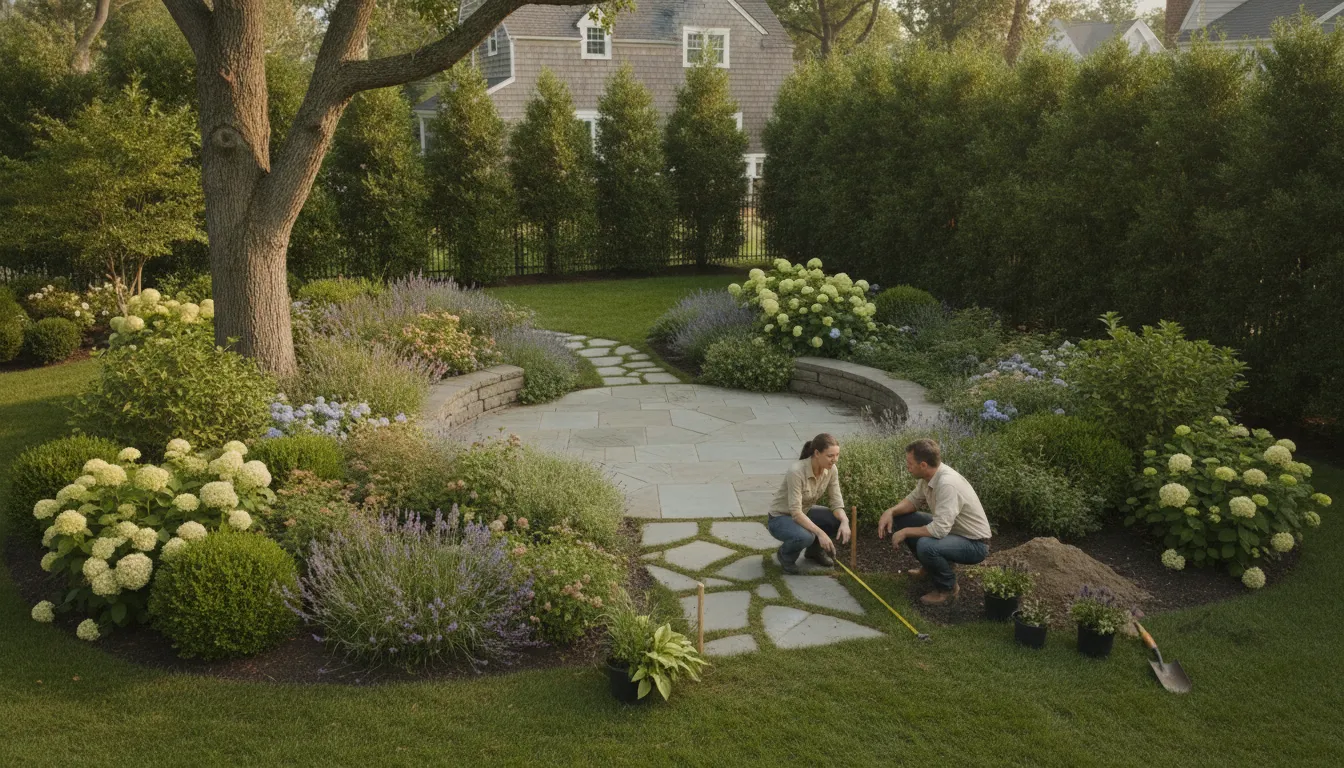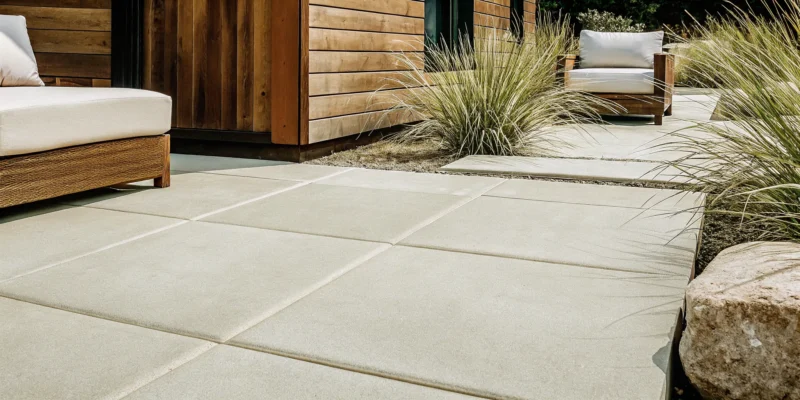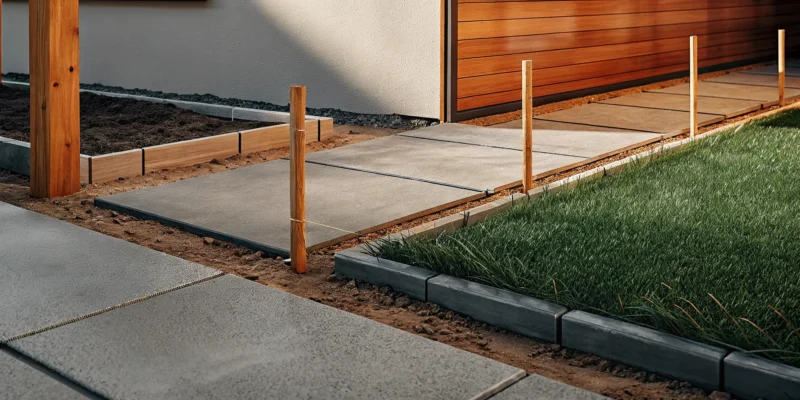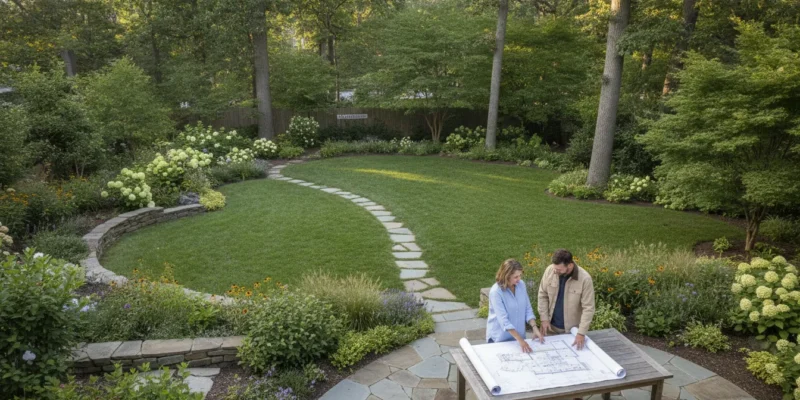
Professional applying sealer to a clean stone paver patio

Sealing Pavers Cost: What Changes the Price

Sealing pavers cost depends on much more than square footage. Surface condition, paver material, cleaning needs, joint repairs, sealer choice, access, and weather can all change the scope. For Long Island homeowners, an accurate estimate begins with an inspection rather than a generic rate.

National price ranges provide context, but they cannot show whether a patio needs stain treatment, a driveway has lost joint sand, or an old coating must be removed. Gappsi combines material knowledge, restoration experience, and outdoor construction expertise to define the work before quoting it.

What does sealing pavers cost?

Consumer cost guides commonly price professional paver cleaning and sealing by the square foot. Published ranges vary widely because some estimates include only straightforward cleaning and coating. Others include joint stabilization, repairs, difficult stain removal, or old coating removal. Smaller projects may also have a higher effective rate because setup, protection, and cleanup are required regardless of area.

The most useful question is not simply the rate per square foot. Ask what work is included in that rate. A detailed quote should separate standard preparation from condition-driven restoration and clearly identify exclusions.

Pricing variable Lower-scope condition Higher-scope condition
Surface condition Routine soil and sound pavers Oil, rust, efflorescence, or failed coating
Joint condition Stable, mostly full joints Lost sand, weeds, or movement
Access Open driveway or patio Tight gates, stairs, or protected pool area
Finish Compatible standard system Specialized material or appearance needs

Seven factors that change sealing pavers cost

1. Total paved area

Area affects cleaning time, joint sand, sealer quantity, and labor. Contractors should measure the actual surface instead of relying on rough dimensions. Borders, walkways, steps, and connected areas can add meaningful square footage. An accurate measurement also helps a contractor order the right amount of product.

2. Existing surface condition

A sound surface with routine dirt requires less preparation than pavers with embedded oil, rust, organic staining, efflorescence, or heavy growth. Preparation matters because applying sealer over contamination can lock in an unattractive result. Deep or varied stains may require testing and more than one treatment.

3. Old sealer and coating failure

Cloudiness, peeling, whitening, or uneven gloss may show that a previous coating is failing or incompatible. Adding another coat is not a shortcut in those cases. Testing and removal may be needed before a new system can be considered. Coating removal is more involved than routine cleaning and can have a major effect on price.

4. Joint sand and repairs

Missing joint material, loose pavers, edge movement, or settled areas add work beyond cleaning. Gappsi’s sealing process can include polymeric sand joint stabilization after proper preparation. A quote should state whether joint work is included and whether larger repairs will be priced separately.

5. Paver material

Concrete pavers and natural stones do not behave identically. Porosity, density, finish, and sensitivity influence cleaning pressure, absorption, product compatibility, and sealer selection. Material identification is therefore an important early step.

6. Sealer type and finish

The product, coverage rate, desired appearance, and number of coats affect materials and labor. Gappsi recommends water-based urethane sealers for best results, but every surface should still be checked for compatibility. A test area can help the homeowner understand how a finish will look.

7. Access and weather planning

Tight access, nearby pools, planting beds, walls, and outdoor kitchens require careful protection. Drying and curing also need a suitable weather window. Long Island humidity and rain forecasts can influence scheduling and application strategy.

What is included in a professional paver sealing quote?

A complete quote should describe the process, not just the final coat. Ask whether the following stages are included and how condition-related work will be handled.

  1. Inspection and material identification. The contractor identifies the paver or stone, evaluates drainage, notes failed coatings, and tests uncertain areas.
  2. Site protection. Adjacent walls, plantings, pools, doors, and furnishings are protected or moved as required.
  3. Cleaning and stain treatment. Gappsi uses high-volume, low-pressure hot water cleaning at 200 degrees Fahrenheit and a chemical-free cleaning approach where appropriate.
  4. Repairs and joint preparation. Loose material is removed, visible problems are addressed, and joints are prepared for stabilization.
  5. Polymeric sand installation. Joint sand is installed when included in the scope and suited to the surface.
  6. Drying and weather check. The surface must be ready for the selected coating. Applying sealer when moisture remains can cause problems.
  7. Sealer application and curing. The chosen product is applied according to system requirements, then protected during curing.

Skipping preparation may lower an estimate, but it can also reduce the quality and consistency of the result. A detailed process gives homeowners a fair way to compare proposals.

Why preparation often determines the final price

Preparation is where a sealing project gains a strong foundation or develops avoidable problems. Pavers need to be clean enough for the selected product to perform as intended. They also need to be dry enough for application. Neither requirement can be judged from square footage alone.

Stains need the right treatment

Oil, rust, leaf tannins, food spills, and organic growth behave differently. One cleaning method will not address every condition. A contractor may need to test a small area, repeat treatment, or explain that a deep stain may improve without disappearing completely. That attention changes labor time, but it also creates clearer expectations.

Joint condition changes the scope

Joint sand helps support the relationship between individual pavers. If joints are low, washed out, or filled with weeds, the scope may include removal of loose material and new polymeric sand. Steps, borders, and settled sections should also be reviewed. Sealer should never be presented as a repair for structural movement.

Moisture cannot be rushed

After cleaning, the surface needs an appropriate drying period. Shaded areas, dense materials, poor drainage, humidity, and recent rain can extend that period. A responsible schedule allows conditions to be evaluated instead of forcing application into an unsuitable window.

How paver material and sealer choice affect price

Material knowledge matters because a product that performs well on one paved surface may be inappropriate for another. Gappsi works with Cambridge, Nicolock, Techo-Bloc, Unilock, EP Henry, Rinox, and Belgard concrete pavers. The team also works with bluestone, travertine, marble, limestone, granite, and sandstone.

Natural stone varies in porosity and finish. Dense granite does not absorb products in the same way as a more porous stone. Travertine, limestone, marble, sandstone, and bluestone each deserve evaluation before cleaning and coating. Test areas can help confirm appearance and compatibility.

Finish expectations also affect the specification. Some homeowners want subtle protection with minimal visual change. Others prefer color enhancement or a more noticeable sheen. Discuss appearance, slip considerations, maintenance, and the existing surface before selecting a system. Learn more about Gappsi’s pavers and natural stone expertise.

Is DIY paver sealing really less expensive?

DIY sealing can reduce immediate labor expense when the surface is small, sound, and simple. However, comparing a bucket of sealer with a professional proposal overlooks cleaning equipment, stain treatment, joint material, application tools, protective supplies, disposal, and the homeowner’s time.

The largest financial risk is often creating a result that must be stripped and corrected. Sealing over trapped moisture, contamination, efflorescence, or a failing coating can cause cloudy or uneven areas. Applying too much product or selecting an incompatible system can also create problems.

Homeowners considering DIY work should identify the material, check the existing finish, confirm the weather window, and follow manufacturer instructions. A professional assessment is the safer starting point for natural stone, a failed coating, widespread stains, movement, or a large pool surround.

Long Island conditions to discuss before sealing

Nassau and Suffolk County properties experience seasonal temperature changes, coastal moisture, winter freeze-thaw cycles, tree debris, and varied drainage conditions. These factors do not automatically make every project more expensive. They do make a site-specific conversation valuable.

Ask the contractor to note low areas, downspout discharge, irrigation overspray, shade, and sections exposed to heavy traffic. A driveway may need extra attention where vehicles sit. A pool surround may require careful product selection and protection of coping, water, and nearby features. A wooded patio may need more organic stain treatment than an open terrace.

The goal is a scope that fits the property instead of the same process everywhere. Gappsi’s design-build and materials background helps connect restoration choices with how the paved area was constructed and used.

How to compare paver sealing estimates

Ask what preparation is included

Confirm whether each estimate includes stain treatment, cleaning, removal of loose joint material, minor repairs, and polymeric sand. Ask how delicate areas, walls, pools, plantings, and outdoor furnishings will be protected.

Compare the proposed sealer system

Look for the product type, intended finish, number of coats, and compatibility with your paver material. A lower estimate may specify one basic coat while another includes a material-specific system and more preparation.

Clarify exclusions and follow-up

Request written details on repairs, moving furniture, access, drainage concerns, coating removal, and excluded areas. Clear estimates reduce surprises. See Gappsi’s guide to cleaning and sealing pavers for more process details.

How to protect your paver sealing investment

Gappsi recommends waiting at least one year before sealing a new installation and generally resealing every three to five years. Actual timing depends on material, exposure, traffic, drainage, and the previous coating.

  • Clean spills promptly: Oil, rust, organic debris, and food stains become harder to address after they remain in place.
  • Watch the joints: Replacing lost joint material early can help limit movement and weed growth.
  • Address drainage issues: Standing water and persistent moisture can affect the surface and coating performance.
  • Avoid automatic resealing: Inspect the existing finish first. Adding sealer over a failing coating may create a larger project.

Save the product name, application date, number of coats, and contractor scope. Those details help the next professional evaluate compatibility and make a better recommendation. Photos taken after the work also provide a useful reference.

Questions to ask during an onsite consultation

A productive consultation should leave you with a clear understanding of the surface, the proposed process, and the choices that affect price. Ask the contractor to identify the paver material and explain any uncertain areas. Request a description of the current coating, if one exists, and whether a small test area is recommended.

Discuss how stains, joints, drainage, settled pavers, and edges will be handled. Ask what must be completed before work begins, including moving furniture or limiting irrigation. Confirm how long people, pets, furniture, and vehicles must remain off the surface during curing.

Finally, ask which parts of the scope are firm and which could change after cleaning reveals the surface more clearly. A transparent contractor should explain those possibilities without promising that every stain or preexisting defect will disappear. This conversation helps homeowners compare the value of each estimate rather than focusing only on the lowest total.

Frequently asked questions about sealing pavers cost

Does sealing a driveway cost more than sealing a patio?

It can. A driveway may have more square footage, vehicle stains, and heavier wear. A patio may involve tighter access, furniture, pool edges, or delicate natural stone. Condition and scope matter more than the label alone.

Is cleaning included before paver sealing?

Professional sealing should begin with suitable preparation, but proposals vary. Confirm the cleaning method, stain treatments, joint work, drying plan, and exclusions in writing.

How often should pavers be resealed?

Gappsi generally recommends resealing every three to five years after waiting at least one year on a new installation. Exposure, traffic, paver type, drainage, and the existing coating can change the schedule.

Can natural stone pavers be sealed?

Many natural stones can be sealed, but porosity, finish, and product compatibility must be considered. Travertine, bluestone, limestone, granite, marble, and sandstone should be evaluated before choosing a sealer.

Request a Long Island paver sealing consultation

Gappsi has served Long Island property owners since 1987 with an integrated approach to masonry, restoration, materials, and outdoor living. Visit Gappsi’s Restoration & Sealing Services page or call 631-543-1177 to request a consultation for your Nassau or Suffolk County property.

Share this page:
Large gray porcelain pavers on a modern patio with steps and surrounding lush greenery.

The Homeowner’s Guide to Porcelain Pavers

Creating a beautiful outdoor living area starts from the ground up. The surface you choose is the foundation for your entire design, influencing everything from furniture choices to the overall mood. While natural stone is beautiful and concrete is practical, neither offers the perfect blend of style and simplicity. Porcelain pavers give you the freedom to design without compromise. You can achieve the rich, warm look of hardwood or the elegant veining of Italian marble, all in a material that resists stains, fading, and frost. This versatility allows you to create a truly custom, high-end look that’s also incredibly easy to live with.

Key Takeaways

  • Porcelain is built to last: These pavers are engineered to be incredibly dense and strong, so they can handle harsh weather without cracking or fading. Their textured surface also provides great slip resistance, making them a safe and practical choice for pool decks and walkways.
  • Get the look you want without the hassle: You can have the beautiful appearance of natural stone or wood without the constant upkeep. Porcelain comes in a huge range of colors, styles, and sizes, giving you the creative freedom to design a custom outdoor space that feels uniquely yours.
  • Save time and money in the long run: While the initial cost can be higher than some materials, porcelain’s durability makes it a smart investment. You will not need to spend money on yearly sealing, and cleanup is simple, which means more time enjoying your space and less time working on it.

What Are Porcelain Pavers?

If you’re planning a new patio, walkway, or pool deck, you’ve likely come across porcelain pavers as an option. Think of them as the modern, high-tech sibling to traditional paving materials. They are incredibly dense, strong, and versatile tiles specifically engineered for outdoor use. Unlike indoor porcelain tiles, these pavers are thicker and built to withstand everything from harsh weather to heavy foot traffic, making them a fantastic choice for creating beautiful and long-lasting outdoor living spaces. Let’s look at what makes them unique.

How They’re Made

Porcelain pavers are crafted from a very pure, refined clay that is pressed and fired in a kiln at extremely high temperatures. This intense process creates a tile that is exceptionally dense and non-porous. Because the material is so compact, it absorbs very little water (less than 0.5%), which is key to its durability. This manufacturing method is what gives our collection of porcelain and natural stone pavers their signature strength, consistency, and resistance to the elements, ensuring your outdoor space looks great for years to come.

Porcelain vs. Natural Stone

Many homeowners love the look of natural stone, but it often comes with high maintenance. Porcelain offers the best of both worlds. Advanced printing technology allows porcelain pavers to realistically mimic the appearance of materials like slate, travertine, and bluestone, complete with authentic-looking textures and color variations. The key difference is consistency and upkeep. While every piece of natural stone is unique, porcelain provides a uniform look and requires far less maintenance. It doesn’t need sealing and is highly resistant to staining, giving you a flawless finish with minimal effort.

Porcelain vs. Concrete

Concrete pavers are a classic choice, known for creating traditional and rustic looks. However, they are porous, making them susceptible to stains, fading from UV rays, and moisture damage over time. Porcelain, on the other hand, is much less porous. This quality makes it highly resistant to stains from spills like oil or wine and prevents fading, so the color stays vibrant. While concrete pavers can offer certain textural styles, our expert masonry services often incorporate porcelain for projects that demand a sleek, modern aesthetic and superior long-term performance with less maintenance.

Why Choose Porcelain Pavers?

When you’re planning a new patio, walkway, or pool deck, the material you choose is one of the biggest decisions you’ll make. You want something that looks beautiful, of course, but it also needs to stand up to the demands of outdoor living. This is where porcelain pavers truly shine. They offer a unique combination of strength, style, and simplicity that makes them a top contender for any outdoor project.

Porcelain pavers are a fantastic choice for homeowners who value both performance and appearance. Unlike some materials that require you to compromise on one for the other, porcelain delivers on all fronts. From its incredible durability against Long Island weather to its minimal maintenance needs, it’s a material designed for modern life. If you’re looking for a surface that will stay beautiful for years with very little effort, exploring the benefits of porcelain and natural stone is a great place to start. Let’s look at the specific reasons why so many homeowners are making the switch.

Durability and Weather Resistance

One of the most compelling reasons to choose porcelain pavers is their exceptional durability. These pavers are manufactured by firing refined clay at extremely high temperatures, creating a dense and incredibly strong material. For Long Island homeowners, this means you get a surface that can handle everything from hot, sunny summers to freezing winters without cracking, chipping, or fading.

Because they are non-porous, porcelain pavers absorb very little water. This makes them highly resistant to frost damage, a common issue with other materials. They also stand up to UV rays, so the color you choose today will remain vibrant for years to come. This resilience makes them a reliable foundation for any landscape design, ensuring your investment looks great season after season.

Stain Resistance and Easy Maintenance

If you love entertaining outdoors but dread the cleanup, porcelain pavers are a game-changer. Their dense, non-porous surface naturally resists stains from common culprits like spilled wine, oil from the grill, or fallen leaves. Unlike porous materials that can soak up spills and develop stubborn marks, messes on porcelain typically sit on the surface, waiting to be wiped away.

This quality also means porcelain pavers don’t require sealing. You can skip the yearly chore of applying a sealant and still have a patio that resists mold, mildew, and moss growth. A simple sweep and occasional wash with soap and water are all it takes to keep them looking pristine. This low-maintenance appeal frees you from constant upkeep, giving you more time to simply enjoy your beautiful outdoor space.

Superior Slip Resistance

Safety is always a top priority, especially in areas that get wet. Porcelain pavers are engineered with a textured surface that provides excellent traction, making them a safe choice for pool decks, patios, and walkways. Even when wet, they offer a reliable grip underfoot, reducing the risk of slips and falls. This feature provides peace of mind, particularly for families with children or for anyone who enjoys hosting poolside gatherings.

When designing an area around one of Gappsi’s custom swimming pools, choosing a safe and durable decking material is critical. The inherent slip resistance of porcelain makes it an ideal partner for any poolside environment, combining safety with sophisticated style.

Endless Design Versatility

Your outdoor space should be a reflection of your personal style, and porcelain pavers offer the flexibility to bring any vision to life. They are available in a vast range of colors, patterns, and finishes. You can achieve the timeless look of natural stone like travertine or slate, or the warm, rustic feel of wood planks, all without the maintenance headaches associated with those materials.

Porcelain pavers also come in large formats and modular shapes, allowing for modern, clean lines and creative patterns. This design versatility means you can create a cohesive look that flows from your patio to your walkways and even complements your home’s architecture. With so many options, you can design a truly custom outdoor living area that is both beautiful and functional.

Excellent Long-Term Value

While the initial cost of porcelain pavers can be higher than some other options like concrete, they represent an excellent long-term investment. Their incredible durability means you won’t be spending money on frequent repairs or replacements. Plus, since they don’t require sealing or specialized cleaning, you’ll save significantly on maintenance costs over the years.

When you factor in their longevity and low upkeep, porcelain pavers often prove to be a more economical choice over their entire lifespan. By choosing a material that is built to last, you are investing in your home’s value and your own enjoyment for decades to come. You can explore a wide selection of high-quality options at the Gappsi Store to find the perfect fit for your project.

Designing with Porcelain Pavers

Now for the fun part: bringing your vision to life. Porcelain pavers are like a blank canvas for your outdoor space, offering an incredible range of design possibilities. Whether your style is rustic and natural or sleek and modern, there’s a porcelain paver that will perfectly match your home’s personality. Let’s look at how you can use these versatile pavers to create a stunning patio, pool deck, or walkway that you’ll love for years to come.

Achieve Natural Stone and Wood Looks

If you love the timeless beauty of natural materials but worry about the upkeep, porcelain is your answer. Advanced manufacturing techniques allow porcelain pavers to beautifully mimic the look of materials like travertine, slate, and even rich hardwoods. You can get the warm, inviting appearance of a wood-plank deck without ever having to worry about splinters, staining, or rot. Gappsi offers a stunning selection of porcelain and natural stone pavers that give you these authentic looks combined with incredible durability, so your patio looks perfect season after season.

Create Modern and Minimalist Spaces

For a clean, contemporary aesthetic, porcelain pavers are an unbeatable choice. Their crisp lines and uniform finish create a sophisticated and uncluttered look that is perfect for modern homes. Using large-format pavers can make a space feel bigger and more seamless by minimizing grout lines. This sleek appearance is ideal for creating a smooth flow from your indoor living area to your outdoor patio, blurring the lines between the two. A well-designed landscape using these pavers can transform your backyard into a chic, minimalist retreat for relaxing or entertaining.

Explore a Spectrum of Colors

Your color options with porcelain pavers are nearly limitless. You can find them in a whole spectrum of shades, from brilliant whites and soft beiges to cool silvers and dramatic, dark grays. Lighter colors are great for pool decks because they stay cooler under the sun and can make a smaller patio feel more open and airy. Darker tones, on the other hand, can create a bold, modern statement. This wide color palette allows you to perfectly coordinate your new outdoor surface with your home’s siding, trim, or even your garden’s color scheme. You can browse options at the Gappsi Store to find the perfect hue for your project.

Your Porcelain Paver Installation Options

One of the best things about porcelain pavers is their incredible versatility, which extends to how they’re installed. Unlike some materials that lock you into one method, porcelain gives you options. This flexibility means you can find the perfect installation technique for your specific project, whether you’re creating a new patio from scratch or covering an old one. Understanding these methods will help you plan your project and see what’s possible for your outdoor space.

Dry-Laid Over Sand or Gravel

This is a classic, mortar-free technique that works beautifully for ground-level patios and walkways. The pavers are set on a compacted base of sand or gravel. This method allows rainwater to permeate the joints and drain naturally into the ground, which is great for your landscape. It also makes future adjustments simple. If a paver ever needs to be replaced, you can lift it out without having to break any mortar. Proper base preparation is key, so ensuring the ground is perfectly graded and compacted is a job best left to a masonry professional for a flawless, long-lasting finish.

Install Over Existing Concrete

Have an old, tired concrete patio that’s seen better days? You don’t necessarily have to tear it out. If the concrete slab is structurally sound, you can install porcelain pavers directly on top of it. This is a fantastic way to completely transform a space with less demolition, mess, and expense. It’s an ideal solution for upgrading pool decks, patios, and front porches. Before installation, the existing surface needs to be clean and properly prepared to ensure a strong bond and prevent issues down the line. Our restoration services can help get your old concrete ready for its new, beautiful porcelain overlay.

Use Raised Pedestal Systems

For rooftops, balconies, or sloped areas, a raised pedestal system is an innovative solution. Adjustable pedestals are placed on the ground to support each corner of the pavers, creating a perfectly level, elevated surface. This method is excellent for drainage, as water flows through the open joints and away underneath. The space below the pavers can also cleverly hide irrigation lines or electrical wiring for lighting, keeping your patio looking clean and uncluttered. This system is ideal for creating modern outdoor living areas, especially when integrated with features like our custom pavilions and pergolas.

DIY vs. Professional Installation

While a simple, dry-laid porcelain paver path might seem like a manageable weekend project, most installations benefit from professional expertise. Achieving a durable, beautiful finish requires precise site preparation, accurate grading for drainage, and specialized tools for cutting the dense porcelain material. A professional ensures the foundation is solid and that the final surface is perfectly level and secure. For a project that adds significant value to your home and will last for decades, working with an experienced landscape design and construction team is the best way to guarantee a successful outcome.

Understanding Porcelain Paver Costs

Budget is a huge part of planning any home improvement project, and it’s smart to have a clear picture of the investment before you begin. When it comes to porcelain pavers, the initial price tag for the material is just one piece of the puzzle. The total cost depends on the specific tiles you choose, the complexity of your project, and the installation method you select. While porcelain can have a higher upfront cost compared to some other materials, its incredible durability and low maintenance requirements often make it a more economical choice in the long run. Let’s break down what goes into the cost of a beautiful new porcelain paver patio, walkway, or pool deck so you can plan your project with confidence.

Cost Per Square Foot

When you start shopping, you’ll find that the porcelain pavers themselves typically cost between $5 and $15 per square foot. This price point is generally higher than standard concrete pavers, which might make you pause. However, it’s important to think about the long-term value. Because porcelain is so dense and non-porous, you won’t be spending money on sealants every few years. Its resistance to stains and fading means you also avoid the cost and hassle of intensive cleaning or replacements down the line. Viewing your new patio or pool deck as a long-term investment helps put the initial material cost into perspective. The right porcelain and natural stone pavers can truly transform your space for decades.

Price Comparison with Other Materials

So, how does porcelain stack up against other popular choices? Compared to concrete pavers, porcelain offers a distinctly sleek and modern look with far less maintenance. Concrete is a workhorse, often preferred for its traditional textures and ability to handle heavy loads on driveways. Natural stone, like travertine or bluestone, offers unique, organic beauty but can be porous, requiring regular sealing to prevent stains and weather damage. Porcelain gives you the best of both worlds: you can get the stunning look of natural materials with superior performance and consistency. This makes it an excellent choice for homeowners who want a high-end look without the demanding upkeep, blending beauty with practicality. Our masonry design experts can help you compare these options side-by-side.

Factors That Affect Total Cost

The price per square foot for the tiles is just the starting point. Several other factors will influence your project’s final budget. The size and style of the pavers you select play a role, as do any intricate patterns or designs that require more complex cuts. The installation method is another major variable; a dry-laid patio on a sand base will have a different cost than one installed over a concrete slab or on a raised pedestal system. Finally, site preparation, such as grading the land or building a proper foundation, and other necessary materials will contribute to the total cost. Understanding these elements is key to creating a realistic budget for your home remodeling project.

How to Maintain Your Porcelain Pavers

One of the best parts of choosing porcelain pavers is how incredibly easy they are to care for. Unlike other materials that demand constant attention, porcelain is designed for a low-maintenance lifestyle. You can spend less time on upkeep and more time enjoying your beautiful outdoor space, whether it’s a new patio, pool deck, or walkway. Keeping your pavers looking brand new is straightforward and doesn’t require harsh chemicals or intensive labor.

The non-porous surface of porcelain pavers is the key to their simple maintenance. This quality prevents dirt, grime, and liquids from penetrating the surface, making cleanup a breeze. A little routine care is all it takes to preserve their beauty for years to come. If you ever run into tougher grime or want a professional touch, Gappsi also offers expert cleaning and restoration services for all types of outdoor surfaces, ensuring your entire property looks its best. Following a few simple steps will protect your investment and keep your outdoor living area looking pristine season after season.

Simple Routine Cleaning

For day-to-day upkeep, maintaining your porcelain pavers is as simple as a quick sweep or rinse. Use a broom to clear away leaves, dirt, and other debris that can accumulate. About once a month, or whenever they start to look a little dusty, give the area a good rinse with a garden hose. For a slightly deeper clean, you can use a mixture of mild soap and warm water. Just apply the solution, gently scrub with a soft-bristle brush, and rinse it all away. There’s no need for abrasive cleaners or power washers, which can sometimes damage the joint material between pavers. This gentle approach is all you need to keep your patio looking fresh.

How to Handle Spills and Stains

Accidents happen, but with porcelain pavers, they don’t have to become permanent problems. Because porcelain is virtually non-porous, spills like wine, oil, or barbecue sauce sit on the surface instead of soaking in. This gives you plenty of time to clean them up without worrying about lasting stains. In most cases, you can simply wipe the spill away with a damp cloth. For stickier or dried-on messes, a little mild detergent and a soft sponge will do the trick. This impressive stain resistance is a major advantage over porous materials like concrete or some natural stones, which often require regular sealing to protect them from discoloration. With porcelain, you get lasting beauty without the extra work.

Long-Term Inspection

While porcelain itself is incredibly durable, it’s a good practice to perform a quick inspection of your paved area once or twice a year. Take a walk across your patio or walkway and look at the overall installation. Check to see if any pavers have shifted and ensure the joints between them are still filled and stable. The extreme durability of porcelain means it resists cracking, fading, and scratching, so you’re unlikely to find issues with the pavers themselves. These inspections are more about ensuring the foundation and jointing material are holding up as they should. A high-quality installation from an experienced masonry team is the best way to prevent long-term issues and ensure your outdoor space remains solid and beautiful for decades.

Ready to Start Your Project?

Feeling inspired to begin your outdoor transformation? Bringing a new patio, walkway, or pool deck to life is an exciting process, and choosing the right materials is the first step toward creating a space you’ll love for years. With so many possibilities, it helps to have a clear plan and an expert partner to guide you.

The most enjoyable part is often selecting the perfect look. With porcelain pavers, you can achieve the rich appearance of natural wood or stone without the intensive maintenance. Whether you envision a sleek, modern outdoor kitchen or a rustic, charming garden path, there’s a style to match. We can help you explore a wide selection of high-quality porcelain and natural stone options at our showroom to find the one that fits your home’s aesthetic perfectly.

Once you’ve found your style, the next step is planning the installation. One of the great advantages of porcelain is its versatility. Depending on your property, pavers can be laid over a sand and gravel base, installed directly over an old concrete slab, or even placed on a pedestal system for a rooftop deck. You don’t have to figure this out alone. Our team of masonry experts will evaluate your space and recommend the best installation method for a durable and beautiful result.

Seeing how these materials can completely transform a space is often the best source of inspiration. You can watch our team in action and view a gallery of completed projects on our YouTube channel to gather ideas for your own home. When you’re ready to discuss your project, our designers are here to help you through every step, from the initial concept to the final installation.

Related Articles

Frequently Asked Questions

Are porcelain pavers slippery, especially around a pool? This is a great question, and a really important one for safety. Porcelain pavers designed for outdoor use are manufactured with a textured surface to provide excellent slip resistance. This makes them a fantastic and safe choice for pool decks, walkways, and any area that might get wet. You get that sleek, beautiful look without having to worry about creating a slippery surface.

How do porcelain pavers hold up to Long Island’s winter weather? They perform exceptionally well. The key is their incredibly low water absorption rate. Because the pavers are so dense, they absorb almost no water, which prevents them from cracking during the freeze-thaw cycles we experience every winter. Unlike more porous materials that can take on water and then split when it freezes, porcelain is built to resist that kind of damage, making it a very durable choice for our climate.

Do porcelain pavers get too hot for bare feet in the summer? Any surface will get warm in direct summer sun, but porcelain gives you options to manage the heat. Lighter-colored pavers will reflect more sunlight and stay significantly cooler to the touch than dark-colored ones. If you’re planning a pool deck or a patio where you’ll often be barefoot, choosing a white, light gray, or beige porcelain paver is a smart move to keep the surface comfortable.

Can I use porcelain pavers for my driveway? While standard porcelain pavers are perfect for patios and walkways, driveways require a bit more strength to handle the weight of vehicles. There are specific, thicker porcelain pavers engineered for this purpose. If you love the look of porcelain for your driveway, it’s definitely possible, but it’s critical to work with a professional to ensure you select and install a product that is rated for vehicular traffic.

Is professional installation really necessary for porcelain pavers? For the best and most lasting results, yes. While a very small, simple path might be a manageable DIY project, a patio or pool deck installation is more complex. Proper installation requires precise grading for drainage, a perfectly compacted base to prevent shifting, and specialized tools to cut the dense porcelain material cleanly. A professional installation ensures your investment is secure, looks flawless, and will last for decades without issues.

Share this page:
Custom pergola over a landscaped Long Island patio

Pergola Installers Near Me: Compare 3 Structures

The wrong shade structure can leave a Long Island backyard underused for years. The right choice starts with how you plan to use the space.

Pergola installers near me should help Long Island homeowners compare function, weather coverage, and site conditions before recommending a structure. A pergola defines an outdoor living area with partial shade and an open feel, making it well suited to patios, dining areas, and poolside seating. A pavilion adds a solid roof for greater protection from sun and rain, while a gazebo creates a freestanding destination with a more enclosed feel. The best choice depends on the yard, planned use, desired shade, drainage, local permit needs, and connection to the home. Before hiring, ask each installer to explain materials, footings, placement, water management, upkeep, and project responsibilities in plain language. A careful site review and detailed proposal will help you compare designs, avoid surprises, and select a structure built for everyday use.

The real question is not which structure looks best in a photo, but which one fits your yard and routine. Next, Pergola installers near me: start with the right structure shows how to match the structure to your yard before comparing contractors with confidence. Here is how.

Pergola installers near me: start with the right structure

Before searching for a contractor, decide how you want the new outdoor area to work. A pergola, pavilion, and gazebo each shape the yard in a different way. Your choice affects shade, views, furniture placement, and how the space connects with your Long Island home.

Match the structure to daily use

Start with the moments you want to enjoy outside. A pergola suits an open lounge, dining area, or poolside retreat where filtered light adds to the setting. Its open sides keep conversations and sightlines connected to the rest of the yard.

A pavilion works well when full overhead cover is the main goal. It can shelter a dining table, outdoor kitchen, or gathering space while leaving the sides open. A gazebo creates a more defined destination, often with a traditional shape and a sheltered, enclosed feel.

Pergola, pavilion, or gazebo?

Use this comparison to narrow the options before meeting with pergola installers near me. Think about how much sun reaches the site during the hours when you plan to use it. Also note nearby doors, paths, pools, and mature plants.

Feature Pergola Pavilion Gazebo
Shade Filtered and adjustable Full overhead cover Full overhead cover
Openness Open above and around Open sides, solid roof More defined and enclosed
Common use Lounge or dining area Outdoor kitchen or gatherings Quiet seating or garden retreat
Overall feel Light and connected Roomy and sheltered Traditional and distinct

Plan for the Long Island setting

The best option should fit both the house and the site. On a compact property, an open pergola can define a seating area without making the yard feel closed in. On a larger lot, a pavilion or gazebo may create a clear destination away from the home.

Bring contractors photos of the yard and a short list of must-haves. Ask how each structure would sit within the available space and relate to the home’s style. Discuss desired shade, planned furniture, lighting, and the path people will take from the house.

A clear direction also makes contractor quotes easier to compare. Each installer can price a similar scope instead of guessing what you want. That gives you a stronger basis for reviewing materials, layout ideas, and project details.

When is a pergola the best choice?

Partial shade with an open feel

A pergola is a strong choice when you want some shade without closing off the sky. Its open roof filters bright sun while keeping the space airy. This balance works well where a solid roof might feel heavy or block a valued view.

Shade levels depend on the roof design, slat spacing, and the sun’s path across the yard. Adjustable louvers offer more control, while fixed rafters create a steady pattern of light and shadow. The U.S. Department of Energy guidance on shade also shows why sun direction matters when planning outdoor comfort.

Clear definition for outdoor living areas

Pergolas give an open patio a clear purpose. Posts and overhead lines create a room-like shape without adding walls. This visual frame can define a dining area, lounge, poolside seating zone, or gathering place beside an outdoor kitchen.

The structure also helps connect separate features into one planned setting. A pergola near a pool can mark a quiet place away from active water. Over a patio, it can center furniture and help the paved area feel tied to the home.

Placement should support how people move, cook, sit, and gather. It should not crowd key paths or block access to grills and counters. A coordinated landscape design and construction plan can align the pergola with paving, masonry, lighting, planting, and nearby amenities.

Materials and details that fit the setting

The right material depends on the home’s style, upkeep goals, and exposure to weather. Wood brings warmth and can suit traditional settings, but it needs routine care. Aluminum offers crisp lines and lower upkeep, making it a practical fit for many modern yards.

  • Roof style: Fixed rafters create patterned shade, while louvers can adjust light and cover.
  • Post placement: Supports should frame the space without interrupting walkways, seating, or views.
  • Finish and color: These details should relate to the home, patio surface, and outdoor kitchen materials.
  • Built-in features: Lighting, fans, and screens work best when planned before construction starts.

When comparing pergola installers near me, look beyond the structure alone. Ask how the pergola will relate to drainage, utilities, footings, and existing hardscape. Design-build planning helps each part work together and reduces changes after construction begins.

Why choose a pavilion for a Long Island backyard?

A pavilion makes sense when the outdoor living area needs dependable overhead cover. Its solid roof blocks direct sun and helps keep light rain away from the space below. The result feels more like an outdoor room than an open garden feature.

This fuller cover can extend the time a family spends outside during changing Long Island weather. It also gives furniture, serving areas, and outdoor appliances more shelter. Homeowners comparing custom pavilions can plan the roof, posts, and finishes around the wider backyard design.

Pavilion or pergola?

A pergola has an open or slatted top, so it filters sunlight while keeping an airy feel. A pavilion uses a solid roof for more shade and better rain cover. That key difference often decides which structure fits the way a homeowner plans to use the yard.

Searching for pergola installers near me may be a useful starting point, but the first question should be about daily use. A pergola suits a patio where filtered light is welcome. A pavilion better supports meals, gatherings, and long periods outside when steady cover matters.

Space for cooking and seating

A pavilion can define zones without closing off the backyard. One side may hold an outdoor kitchen, while the center supports a dining table. Lounge seating can face the pool, garden, or another key view.

  • Keep cooking heat and smoke away from the main seating area.
  • Leave clear walking paths between counters, tables, and yard access points.
  • Place posts where they will not block views from the house or patio.
  • Plan lighting and power before the roof and finished surfaces are installed.

Good sightlines make the covered area feel connected to the rest of the property. They also help adults watch children near a pool or play area. The pavilion should frame the view instead of becoming a visual wall.

Roof drainage and site planning

A solid roof collects water, so drainage must be part of the first design conversation. Gutters, downspouts, and grading should move runoff away from posts, patios, and the house foundation. The EPA explains how green infrastructure can help capture and soak up stormwater near where it falls.

Long Island sites also differ in wind exposure, salt air, lot size, and nearby trees. These conditions affect roof shape, material choices, and pavilion placement. A careful plan balances overhead protection with open views, safe movement, and a natural link to the home.

Where does a gazebo work best?

A destination within the landscape

A gazebo works best where it can become a destination, not just a cover beside the house. Its freestanding form draws people across a yard and gives the landscape a clear point of focus. Place it where the approach feels inviting and the view rewards the walk.

A garden gazebo can sit at the end of a path, beside a pond, or within a broad planting bed. This setting lets the structure frame flowers, trees, and changing views through the seasons. Before choosing a low area, review the site’s drainage and check the FEMA flood maps for known flood risk.

A focal point beside the pool

Near a pool, a gazebo creates a separate place to rest, talk, or enjoy shade between swims. It should feel connected to the pool area without crowding the main path around the water. A clear view from the house can also help the whole yard feel planned.

Allow enough open space around the gazebo for easy movement, furniture, and routine care. The roofline should also suit the scale of the pool and nearby home. Gappsi’s custom gazebo designs show how shape, materials, and placement can make the structure a true backyard focal point.

Gazebo, pergola, or pavilion?

Each structure serves a different design goal. A gazebo is usually a distinct, freestanding destination with a defined roof and an enclosed visual shape. It fits spaces that need a classic garden feature or an intimate gathering point.

A pergola has a more open roof and often defines a patio, walkway, or seating zone. Its lighter frame can support vines while keeping a strong link to the space around it. A pavilion offers a broad solid roof, making it well suited to larger dining, cooking, or event areas.

  • Choose a gazebo when the yard needs a classic focal point and a smaller retreat.
  • Choose a pergola when filtered light and an open connection matter most.
  • Choose a pavilion when a large covered space is the main goal.

Good placement starts with how people will use the yard each day. Consider views, walking paths, sun, drainage, and the size of nearby features. When comparing gazebo builders with pergola installers near me, ask how each plan supports the site’s purpose and overall layout.

How to evaluate pergola installers near you

Searching for pergola installers near me gives you a starting list, but the best choice depends on the fit for your property. Use the same questions with each installer. A clear process helps you compare design skill, site planning, materials, and project scope.

Start with your space and goals

First, decide how you plan to use the pergola. You may want shade over a dining area, shelter near a pool, or a defined outdoor room. Note your preferred size, style, shade level, and any features you may add later.

  1. Define the project. Share photos, rough measurements, and your main goals with each installer. Explain how people move through the area and when you expect to use it.
  2. Review relevant work. Ask for recent pergola projects with a similar size, material, and setting. Look closely at post placement, roof details, finishes, and how each structure meets the surrounding landscape.
  3. Discuss materials and site conditions. Ask why the installer recommends a material for your location. The discussion should also cover drainage, existing patios, utilities, access, soil, sun, wind, and nearby structures.
  4. Clarify responsibility. Confirm who handles design drawings, engineering needs, permits, site preparation, installation, cleanup, and final checks. Ask how the team manages the different rules used by towns across Nassau and Suffolk Counties.
  5. Compare complete proposals. Request a written scope that lists dimensions, materials, finishes, features, site work, schedule, warranties, and exclusions. Compare the full scope instead of choosing from one headline number.

Questions about design and local rules

A strong installer should explain how the proposed pergola fits your site, not just show a standard model. Ask how roof direction, post locations, drainage, and attachment points affect the final plan. If answers stay vague, request more detail before moving forward.

Permit and code needs can vary by project and local authority. Before work begins, check with your town and review New York State’s building standards and codes resources. The proposal should state who will prepare documents, submit applications, answer questions, and schedule required checks.

A fair proposal comparison

Place each written proposal beside the same project notes. Check whether every installer included the same structure size, materials, shade features, electrical planning, site work, and cleanup. A missing item can make two proposals look more alike than they are.

Also review communication before you sign. Note whether the installer asks useful questions, documents changes, and explains tradeoffs in plain language. These habits help you judge how the team may handle choices and site issues during installation.

What should a design-build process include?

A detailed site review

A consultation-led process starts with the site, not a catalog. The installer should review sun, shade, drainage, access, grade, and nearby structures. This visit also helps define how the pergola will support dining, cooking, relaxing, or poolside use.

The review should cover the home, patio, pool, outdoor kitchen, walkways, and planting beds as one connected setting. It should also flag setbacks, utility locations, permit needs, and local construction rules. FEMA’s building-code research explains how modern codes can reduce damage from natural hazards.

Clear design and material choices

Next, the homeowner and designer should select the structure type, size, roof style, posts, colors, and finish. These choices should fit the home’s scale and the way the yard is used. The plan may also address lighting, fans, privacy panels, power, and future additions.

Material samples make these choices easier to judge. A finish can look different outdoors than it does on a screen. Visiting the Gappsi Smithtown showroom lets homeowners compare materials, construction details, and built examples before approving a design.

  • Confirm the pergola’s purpose, location, size, and preferred level of shade.
  • Compare structural materials, colors, roof options, and care needs.
  • Plan connections to patios, pools, kitchens, lighting, and landscape features.
  • Review drawings, scope, costs, permit duties, and the expected schedule.

Planning through installation

After the design is set, the contractor should provide a written scope and clear plan. It should show what is included, who handles permits, and how crews will reach the work area. Homeowners should also know how existing paving, planting, and utilities will be protected.

Installation should follow the approved plan, with key details checked before final sign-off. Those details include post placement, alignment, drainage, finishes, lighting, and connections to nearby features. A final walk-through should explain care needs and address any remaining work.

When comparing pergola installers near me, ask to see related projects and discuss how the whole yard will work together. Gappsi’s experience since 1987 offers useful context for reviewing long-term design and construction choices. A complete process should leave no gap between the first site visit and the finished outdoor setting.

Frequently Asked Questions

Does a pergola require a permit on Long Island?

Permit requirements depend on the structure, its size, attachment method, and the local building department. Rules can differ among towns and villages in Nassau and Suffolk Counties. Ask the installer who will prepare drawings, submit applications, and schedule inspections. Homeowners can also review New York State building standards and codes resources before confirming the project scope.

How much does professional pergola installation cost?

Professional pergola installation costs vary based on dimensions, materials, roof design, footings, electrical work, site access, and existing hardscape. Custom features such as adjustable louvers, lighting, fans, or screens can also affect the total. Request itemized proposals from several installers using the same project details. Compare included site work, permit responsibilities, warranties, cleanup, and exclusions rather than relying on one headline price.

How long does it take to install a pergola?

The installation schedule depends on design complexity, material availability, permit review, site preparation, and weather. A straightforward pergola on a prepared site may require less field time than a custom structure with new footings and electrical features. Ask each installer for separate estimates covering design, approvals, material lead times, construction, and inspections. Confirm how delays and schedule changes will be communicated.

What maintenance does a pergola need after installation?

Maintenance depends mainly on the pergola material, finish, roof system, and exposure to weather. Wood typically needs periodic cleaning, inspection, and refinishing, while aluminum usually requires simpler washing and hardware checks. Adjustable louvers, lighting, fans, and drainage parts may need added service. Ask the installer for a written care schedule, approved cleaning products, warranty terms, and instructions for checking fasteners after severe weather.

Plan your Long Island outdoor structure with Gappsi

Start with your space and goals

A useful design consultation starts with how you want to use the space. Bring photos, rough measurements, and ideas for shade, seating, lighting, and finishes.

Your town may also have rules that shape the project. Review New York’s building standards and codes, then confirm permit needs with your local building department.

Meet the Gappsi design team

Searching for pergola installers near me can produce many names, but reviewing Long Island pergola, pavilion, and gazebo options before an in-person visit helps you compare practical choices. Visit Gappsi’s Smithtown showroom to see materials, construction details, colors, and outdoor structure styles before making key choices.

Bring your questions and project details, including the site location and preferred timeline. Schedule your design consultation to discuss a Long Island outdoor structure planned around your home and yard.

Share this page:
outdoor kitchen near me layout with stone counters in a Long Island backyard

Outdoor Kitchen Near Me: Long Island Design Guide

A great outdoor kitchen starts with a layout that fits how your family actually uses the yard.

Schedule a visit to Gappsi’s Smithtown showroom to compare outdoor kitchen layouts and materials in person.

An outdoor kitchen near me should help Long Island homeowners compare local design, materials, and installation experience before they commit to a build. The right layout connects cooking, prep, seating, shade, and foot traffic, so the space works for weeknight dinners and larger gatherings. For Nassau and Suffolk homes, a local design-build team can also plan around yard size. Coastal weather, utilities, masonry, and the way the kitchen will connect to patios, pools, and pavilions. Gappsi brings that planning into one process with 3D design, showroom material selection, and installation experience across Long Island.

If you are searching because you want a real plan, not just grill photos, start with the provider and the layout. The first step is understanding how to choose an outdoor kitchen near me on Long Island. Here’s how to compare the options with confidence.

How to choose an outdoor kitchen near me on Long Island

Choose an outdoor kitchen near me by comparing local design-build experience, showroom access, material knowledge, and examples from similar Long Island properties. The best fit should explain layout, utilities, masonry, appliances, and installation before you approve the project.

Local search intent

Searching for an outdoor kitchen near me is usually the first step, not the full plan. A useful local search should lead to a provider who can assess the property and explain the build process. For Nassau and Suffolk homeowners, local knowledge also makes early planning more practical.

Start by looking beyond a photo gallery. Review the provider’s custom outdoor kitchen designs to see whether the work includes more than a grill island. Look for layouts that fit the yard and connect with nearby patios, pools, or pavilions.

The planned use matters. According to Realtor.com guidance on outdoor kitchens, a functional kitchen needs a cooking area, refrigeration, and a sink. Ask how each item will fit the way your household cooks and hosts guests.

A design-build process

An outdoor kitchen is part of the property, not a stand-alone appliance purchase. The right provider should discuss layout, materials, appliances, masonry, and installation before construction starts. Ask whether one team can coordinate these parts from the first design meeting through the final checks.

Three-dimensional planning can make that discussion easier. It lets homeowners review counter placement, seating space, work zones, and the kitchen’s fit within the yard before installation. Ask to see the proposed layout from several angles. Also confirm how the plan accounts for access paths and the wider outdoor living area.

A strong plan should answer practical questions early. Where will guests sit while someone cooks? How will the kitchen relate to the house and other outdoor features? Clear answers help the project move from an idea to an organized build.

Showroom access and installation experience

Materials should be judged in person when possible. Countertops, stone facades, cabinet finishes, and paving materials can look different in a small online image. A chance to visit a Long Island showroom helps homeowners compare surfaces and make a more informed choice.

Installation experience matters as much as design. Ask who will prepare the site, build the structure, fit the selected materials, and manage the final details. A provider should explain the sequence in plain terms. The answer should make clear who is responsible at each stage.

  • Ask to review a three-dimensional layout before approving the build.
  • Compare countertop, facade, cabinet, and paving materials in person.
  • Confirm who manages site work, masonry, appliance placement, and final checks.
  • Request examples that reflect the scale and style of your own yard.

For Long Island homeowners, the best local fit is a provider with a clear process and visible materials. Showroom access, detailed planning, and hands-on installation experience make it easier to compare options before work begins.

Best outdoor kitchen layouts for Long Island yards

The best outdoor kitchen layout depends on yard size, traffic flow, and how close the cooking area sits to patios, pools, pavilions, or the house. Straight-line, L-shape, U-shape, island, and pavilion-adjacent layouts all work when they match the way the family cooks and hosts.

Match the layout to the yard

The best layout starts with the way the yard is used. A straight-line kitchen can fit a narrow patio or deck without taking over the seating area. An L-shape adds prep space while keeping the cook connected to guests. For larger yards, a U-shape can create a more defined cooking zone.

An island layout works well when guests gather around the cook. Pavilion- or pergola-adjacent kitchens can add shade and support seasonal use. A poolside kitchen can serve swimmers and hosts, but it needs a clear path that does not cross the cooking area. Gappsi’s custom outdoor kitchens on Long Island show how a kitchen and pavilion can share one outdoor living plan.

Layout Best fit Planning note
Straight-line Narrow patio Keeps walkways open.
L-shape Medium patio Separates prep and seating.
U-shape Large yard Creates a defined cook zone.
Island Open entertainment area Invites guests to gather.
Pavilion-adjacent Covered outdoor room Adds shelter for mixed weather.

Plan utilities and exposure first

Before choosing a shape, map the grill, sink, refrigeration, lighting, and storage. Place each utility line before masonry begins. This helps avoid awkward appliance gaps or costly changes later. If the kitchen sits far from the house, decide whether the distance improves the yard enough to justify longer utility runs.

A functional outdoor kitchen needs more than a grill. A guide to outdoor kitchen planning notes that the minimum includes a cooking area, refrigeration, and a sink. Wind matters too. Avoid placing the cooking surface where smoke will drift toward dining seats, doors, or open windows.

Shade also needs a plan. A pavilion or pergola can make the space more useful during hot afternoons and light rain. For a homeowner searching for an outdoor kitchen near me, local yard conditions matter as much as the kitchen shape.

Keep hosting zones connected

Plan a simple route from the house to the kitchen, dining table, pool, and lounge area. The cook should not stand in the main walkway. Guests also need a place to gather without blocking a refrigerator door or prep counter. Use nearby seating to keep the kitchen social, then leave enough open space for safe movement.

Seasonal use can guide the final choice. Long Island homeowners who host through spring and fall may prefer a sheltered cooking and dining zone. Those focused on pool season may favor a poolside layout with direct access to drinks and serving space. Zillow research on outdoor kitchens found that these features can help homes sell for more than expected.

What should your outdoor kitchen include?

A practical outdoor kitchen should include a cooking zone, durable counter space, weather-ready storage, safe circulation, and seating that lets guests stay near the cook without blocking prep work. Refrigeration, sinks, shade, and lighting can be added when the property and budget support them.

A useful outdoor kitchen starts with the way you host. Some homeowners cook for a few guests, while others serve large family meals. Plan zones for cooking, prep, serving, and cleanup before choosing finishes. The NIH environmental wellness toolkit notes that your daily surroundings can affect your health.

Cooking zone essentials

Start with a grill sized for your usual gatherings. Add side burners or a specialty appliance only if you will use them often. A refrigerator keeps drinks and ingredients near the grill. A sink gives you a place to rinse produce, wash hands, and handle cleanup.

These items form the practical core of the space. Realtor.com notes that an outdoor kitchen needs a cooking area, refrigeration, and a sink at minimum. Put the refrigerator away from the hottest part of the grill. Keep the sink close enough for easy prep.

Prep space and durable surfaces

Leave clear counter space beside the grill and sink. This gives you room for trays, ingredients, and finished food. A masonry base helps the kitchen feel tied to the patio. Stone or porcelain surfaces add a polished finish and suit a custom layout.

Weather protection also matters on Long Island. A pavilion, pergola, or well-placed roof can shade the prep area and make outdoor meals more comfortable. Task lighting over the grill and counters supports evening use. For a built example, review this custom outdoor kitchen on Long Island.

Seating and storage choices

Storage should match how you serve food. Use drawers near the prep area for tools, utensils, and towels. Add cabinets for dishes, serving trays, and supplies that stay outside. Keep trash storage close to the sink, but away from bar seating.

Bar seating works best along an outer edge or raised counter. Guests can talk with the cook without crowding the work zones. If you often host larger groups, leave open space between stools and nearby paths. When comparing results for an outdoor kitchen near me, look for a plan that fits your real hosting habits.

outdoor kitchen near me material planning for a Long Island backyard

Outdoor kitchen materials that hold up in Nassau and Suffolk

Long Island outdoor kitchens need materials that can handle freeze-thaw cycles, salt air, sun exposure, and regular entertaining. Masonry bases, porcelain or natural stone surfaces, stainless appliances, and compatible pavers help the kitchen stay durable and consistent with the rest of the yard.

Material choice shapes how an outdoor kitchen looks, feels, and ages. In Nassau and Suffolk, the plan should account for coastal exposure, winter cold, and freeze-thaw cycles. Start with surfaces made for outdoor use, then compare colors and textures in person.

A durable masonry base

Masonry gives an outdoor kitchen a solid foundation and a built-in look. Natural stone, porcelain, and concrete can each suit the facade or nearby hardscape. The right mix depends on the home, patio, pool area, and desired finish.

Pavers also matter because the kitchen sits within a larger outdoor room. Choose a surface that supports foot traffic, seating, and the path between cooking and dining zones. For a local example, see this Merrick project featuring one of Gappsi’s custom outdoor kitchens on Long Island.

Ask how each exposed surface fits the setting and seasonal care plan. A coastal property may call for a different material review than a more sheltered yard. The base, facade, counter, and pavers should work as one system.

Counters and appliance finishes

A counter needs enough work space for prep, serving, and cleanup. Ask which natural stone, porcelain, or concrete options are intended for exterior use. Also review the edge, seams, and color beside the selected facade rather than as a separate sample.

Stainless steel is a practical finish to consider for grills, doors, drawers, and refrigeration. Appliance placement still needs careful thought. It should support the cooking flow while leaving clear room for guests, seating, and service access.

  • Compare facade materials beside the planned counter.
  • Review pavers with the kitchen, patio, and pool setting in mind.
  • Check appliance sizes before the masonry layout is final.
  • Discuss seasonal care for every exposed surface.

A local material review

When searching for an outdoor kitchen near me, look beyond a catalog image. Gappsi is a direct importer of premium stone and materials, with options for kitchen counters and facades. Its custom outdoor kitchen designs can pair those materials with the full layout.

Outdoor kitchens can also support resale appeal. Zillow reports that homes with outdoor kitchens can sell for as much as 3.1% more than expected. That makes a durable, cohesive plan more useful than chasing one trendy finish.

A showroom visit makes the choice more concrete. Compare stone, porcelain, concrete, stainless finishes, and pavers together before the final design is set. This helps align the kitchen with the home’s style and the wider outdoor space.

Request an outdoor kitchen consultation with Gappsi before choosing appliances, counters, or masonry finishes.

How does the design-build process work?

A design-build outdoor kitchen process usually moves from consultation and site review to 3D layout, material selection, utility planning, construction, and final walkthrough. One coordinated team helps the kitchen fit the patio, pool, pavilion, and wider outdoor living plan.

From site review to a working plan

A well-planned outdoor kitchen starts with the property, not a standard package. Gappsi’s full-service design-build contractor approach keeps layout, materials, utilities, and installation connected from the first meeting. This helps the finished space fit the home, patio, and way the family cooks outside.

For a homeowner searching for an outdoor kitchen near me, the process should answer practical questions early. The team needs to know where people gather, how food reaches the grill, and which views should remain open. It also needs to account for existing hardscape, access paths, and nearby structures.

  1. Consultation and site review. The process begins with a discussion of cooking habits, seating needs, appliances, and style. A site visit then checks the available space, the flow from the house, and access for construction.
  2. Layout and 3D design. The team maps the kitchen footprint and places the main work zones. A 3D design helps the homeowner review counter runs, appliance locations, seating areas, and nearby features before installation begins.
  3. Material and appliance selection. The homeowner chooses the facade, countertop, cabinets, and cooking equipment. These choices should suit the home and planned use, while also standing up to Long Island weather.
  4. Utility planning. The design team plans gas, electric, water, drainage, and lighting needs around the approved layout. This step keeps appliance locations practical and limits changes once masonry work is underway.
  5. Masonry and kitchen installation. The crew builds the base, installs the selected finishes, and sets the appliances. The work can also connect the kitchen with patios, walkways, walls, or other expert masonry and hardscaping features.
  6. Final walkthrough. The homeowner reviews the completed outdoor kitchen with the team. This is the time to confirm the finished details, appliance placement, work areas, and care needs for the selected surfaces.

One team for connected decisions

Outdoor kitchens work best when each choice supports the next one. The counter layout affects appliance placement. Appliance placement affects utility runs. Utility runs affect the masonry base, so these decisions should not be handled as separate tasks.

A single design-build team can keep those details aligned and reduce handoffs between contractors. Homeowners can also review a completed outdoor kitchen design-build experts project to see how a kitchen can fit an existing deck and outdoor setting.

A plan shaped around the property

The final plan should support more than cooking. It should make the yard easier to use for meals, guests, and time outside. A research review indexed by NCBI found associations between greenspace exposure and several health measures, including lower heart rate and diastolic blood pressure.

That does not mean every yard needs the same layout. A compact patio may call for a focused grill station. A larger property may need separate cooking, dining, and lounge areas linked by matching masonry and clear walking paths.

What is the average cost for an outdoor kitchen?

Outdoor kitchen cost varies by size, appliances, masonry, counters, utilities, shade structures, and site conditions. Instead of relying on a generic estimate, Long Island homeowners should define the layout and feature list first, then request a scoped consultation.

Cost depends on scope

The average cost for an outdoor kitchen depends on what the space must do. A simple grill station has a very different scope than a full masonry kitchen with refrigeration, storage, lighting, and seating. For that reason, a reliable local estimate should start with a site review and a layout discussion.

Homeowners searching for an outdoor kitchen near me often want a quick number. The better question is what drives the final investment. Size, appliances, utility runs, stone or porcelain choices, countertop length, patio work, shade structures, and access to the work area can all change the scope.

Features that change the budget

A cooking-only station usually needs less counter space and fewer utility decisions. A kitchen built for hosting needs more prep room, guest seating, storage, refrigeration, and lighting. If the kitchen connects to a pool patio, pavilion, retaining wall, or new paver area, those details should be planned together.

Appliances also shape the budget. Built-in grills, side burners, pizza ovens, ice makers, sinks, and outdoor refrigerators each need space and support. Some features may also need gas, electric, water, or drainage planning. A design-build team can help decide which items are worth including now and which can wait.

How to plan without pricing surprises

The best way to control cost is to define the layout before selecting finishes. Start with the way your family cooks and entertains. Then set priorities for the grill area, prep space, seating, storage, and weather protection. This keeps the design focused on use, not impulse upgrades.

Gappsi’s guide to outdoor kitchen installation cost is a helpful next step for homeowners who want to understand pricing factors in more detail. Use it with an in-person consultation, so the estimate reflects your actual Long Island property.

  • Decide whether the kitchen is for daily cooking, weekend hosting, or both.
  • Choose the core appliances before finalizing counter runs and cabinet space.
  • Review utility needs before masonry work begins.
  • Compare material samples in person when possible.

A good estimate should explain what is included, what is optional, and what may change after site review. That level of detail helps you compare outdoor kitchen options without relying on vague package pricing.

Frequently asked questions about outdoor kitchens

Does an outdoor kitchen add value to a house?

An outdoor kitchen can add value when it is well planned, built with durable materials, and matched to how buyers use the yard. On Long Island, the strongest value often comes from a complete outdoor living plan, not a stand-alone grill island.

What is the cheapest way to build an outdoor kitchen?

The cheapest approach is usually a compact layout with fewer built-in appliances and a clear utility plan. Still, low cost should not mean weak materials. A smaller masonry kitchen with the right grill, counter space, and storage can work better than an oversized design with poor flow.

What is the best outdoor kitchen layout?

The best layout depends on yard size, cooking habits, and guest flow. Straight-line kitchens suit compact patios. L-shaped and U-shaped layouts add more prep and serving space. Island layouts work well when guests gather around the cook.

How close should an outdoor kitchen be to the house?

Many outdoor kitchens work best close enough for easy access to the indoor kitchen, but far enough to manage smoke, heat, and foot traffic. A design-build review should account for doors, windows, utilities, seating, and safe movement through the yard.

Schedule your Long Island outdoor kitchen consultation

If you are ready to compare outdoor kitchen layouts for your Nassau or Suffolk County home, Gappsi can help you move from ideas to a buildable plan. Visit the Smithtown showroom to review materials, discuss appliances, and see how a 3D design can connect your kitchen with the rest of your outdoor living space.

Call 631-543-1177 to schedule a 3D design consultation or plan your showroom visit with Gappsi.

If you are moving from initial ideas to a permanent layout, use our built in outdoor kitchen planning guide to compare location, materials, utilities, appliances, and weather-ready details before construction.

Share this page:
A modern paver stone driveway installed by masonry contractors on Long Island, NY.

Your Guide to Masonry Contractors on Long Island, NY

Many Long Island yards come with challenges. You might have a sloped property that’s difficult to use, a cracked driveway that ruins your home’s first impression, or simply no dedicated space for outdoor entertaining. These are the exact problems that professional masonry is designed to solve. A well-built retaining wall can turn a useless hill into a beautiful tiered garden, while a new paver patio creates the perfect spot for family gatherings. The best masonry contractors on Long Island, NY are expert problem-solvers, using stone, brick, and concrete to add both function and style to your property. This guide will show you how the right masonry project can fix your yard’s biggest issues and transform it into a space you love.

Key Takeaways

  • Masonry is more than just bricks: It is the art of building the durable, beautiful structures that define your outdoor living area, from patios and walkways to retaining walls and outdoor kitchens.
  • Your contractor is your project partner: Protect your home and investment by choosing a professional who is fully licensed, insured, and provides a detailed written contract before starting any work.
  • A detailed plan prevents surprises: Ensure a smooth project by getting itemized estimates to compare value, setting a realistic budget, and confirming your contractor will manage the local permit process for you.

What Does a Masonry Contractor Do?

When you hear the term “masonry contractor,” you might picture someone laying a simple brick wall. While that’s part of the job, their skills cover a much wider range of services that are essential for creating beautiful and durable homes. A great masonry contractor is both an artist and an engineer, blending materials like stone, brick, and concrete to build structures that are as strong as they are stunning. From the foundation of your home to the intricate details of your outdoor patio, their work is everywhere. Let’s look at the specific tasks a masonry contractor handles.

Laying Bricks, Blocks, and Stones

At its core, masonry is the art of building with individual units. A contractor’s expertise involves skillfully laying bricks, blocks, and stones to form everything from foundational walls and chimneys to decorative garden borders and veneers. They understand how different materials and mortar types react to Long Island’s weather, ensuring your structures are built to last. This foundational skill is what allows for the creation of sturdy retaining walls that prevent soil erosion or elegant brickwork that gives your home timeless curb appeal. It’s a craft that requires precision, strength, and a deep knowledge of materials.

Pouring Concrete and Building Structures

Many masonry projects require a solid base, which is where concrete comes in. Professional masonry contractors are also experts at pouring concrete for a variety of applications. This includes creating strong foundations for new home additions, pouring slabs for sheds or pavilions, and forming structural components that provide stability for larger projects. They manage the entire process, from building the forms and mixing the concrete to finishing the surface for a smooth, level result. This expertise ensures that whatever is built on top, whether it’s a pergola or an outdoor kitchen, has the support it needs to remain secure for years.

Creating Patios, Walkways, and Outdoor Features

This is where a masonry contractor’s creativity really shines. They are the professionals you call to transform your backyard into a functional and inviting outdoor living space. Using materials like beautiful porcelain and natural stone pavers, they design and build custom patios for entertaining, elegant walkways to guide guests through your garden, and stunning pool surrounds. Their work can also include building outdoor kitchens, fire pits, and seating walls that become the centerpiece of your backyard. These features not only make your outdoor areas more enjoyable but also add significant value to your home.

Repairing, Restoring, and Sealing Surfaces

Masonry isn’t just about building new things; it’s also about maintaining and protecting existing structures. Over time, exposure to the elements can cause cracks in concrete, fading in pavers, or deterioration of mortar joints. A qualified contractor provides essential restoration and sealing services to address these issues. They can repair cracked patios, repoint aging brickwork, and apply professional-grade sealants to protect surfaces from water damage, stains, and wear. This preventative maintenance keeps your investment looking its best and extends the life of your masonry for decades.

Popular Masonry Projects for Long Island Homes

Masonry is the backbone of a truly exceptional outdoor living space. It’s what gives your yard structure, character, and timeless beauty. On Long Island, where we love to make the most of our properties, custom masonry allows you to shape your environment to fit your lifestyle. Whether you’re dreaming of a sprawling patio for summer barbecues, a cozy fire pit for crisp autumn evenings, or elegant walkways that guide guests through your garden, it all starts with stone, brick, or concrete.

A skilled masonry contractor does more than just lay stones; they bring a vision to life. The right project can solve practical problems, like managing a sloped yard or creating a durable driveway, while also adding significant value and curb appeal to your home. From foundational structures to decorative finishes, masonry work is a long-term investment in your property’s function and style. Below are some of the most requested projects that transform Long Island backyards into personal retreats, blending seamlessly with features like swimming pools, pergolas, and lush landscapes.

Paver Patios and Walkways

A paver patio is the heart of an outdoor living area, providing a solid and stylish foundation for dining sets, lounge chairs, and container gardens. Unlike a simple concrete slab, pavers offer endless design possibilities. You can choose from a huge variety of shapes, colors, and textures to create a look that is uniquely yours. Walkways made from the same materials create a cohesive flow, connecting your patio to the driveway, pool, or a quiet corner of your garden. High-quality porcelain and natural stone pavers are not only beautiful but also incredibly durable, standing up to foot traffic and Long Island’s changing seasons with minimal maintenance.

Retaining Walls and Garden Borders

Many Long Island properties have gentle slopes or varied elevations. Retaining walls are the perfect functional and aesthetic solution. They can turn a challenging slope into usable, terraced levels for planting or recreation. A well-built retaining wall prevents soil erosion and manages water runoff, protecting your landscape and home foundation. On a smaller scale, masonry garden borders create clean, defined edges for your flower beds and pathways. These features add a professional, polished look to your yard and can be built from materials that perfectly complement your home’s exterior and other hardscaping elements.

Driveways and Curbing

Your driveway is the first impression your home makes, so why not make it a great one? A custom masonry driveway instantly improves your home’s curb appeal. Paver driveways are a popular choice because they are strong, flexible, and offer a more sophisticated look than standard asphalt. For a more natural or rustic aesthetic, you can also consider options like stabilized gravel driveways, which provide a durable surface with excellent drainage. Adding masonry curbing along the edges of your driveway creates a clean, finished look that clearly defines the space and protects your adjacent lawn or garden beds.

Outdoor Kitchens and Fire Pits

There’s nothing better than cooking and dining outdoors. An outdoor kitchen, built with a sturdy masonry base, can be a simple grill island or a full-service setup with countertops, sinks, and storage. These structures are built to last, with materials like stone and brick that withstand the elements. Similarly, a built-in fire pit becomes a natural gathering spot for family and friends. It extends the time you can spend in your backyard well into the cooler months. These features transform a simple patio into a true outdoor room, perfect for entertaining or just relaxing.

Pool Decks and Entertainment Areas

A beautiful swimming pool deserves an equally beautiful surround. A masonry pool deck provides a safe, non-slip surface that is also comfortable underfoot. Materials like porcelain or natural stone pavers are ideal because they stay cooler in the sun and resist fading from chlorine and UV rays. Beyond the pool’s edge, masonry can be used to build out entire entertainment areas. Imagine multi-level patios for lounging, built-in seating walls that provide extra space for guests, and raised platforms for a hot tub or a cozy pergola. These elements work together to create a luxurious, resort-like atmosphere right in your own backyard.

What Makes a Great Masonry Contractor?

Finding the right contractor is the most important step in bringing your vision to life. But with so many options on Long Island, how do you know who to trust with your home? A great masonry contractor does more than just lay bricks; they act as a partner in your project. They combine technical skill with a creative eye and a commitment to your satisfaction. When you’re vetting potential contractors, there are a few key qualities that separate the good from the truly exceptional. Focusing on these areas will help you find a professional who will deliver beautiful, lasting results for your home.

Experience and a Strong Portfolio

Experience is more than just a number, it’s a sign of expertise honed over years of work. A contractor with a long history, like Gappsi’s 35-plus years serving Long Island, has seen it all. They understand the local climate, soil conditions, and architectural styles. Ask to see a portfolio of their completed projects. This is your chance to see their craftsmanship firsthand and get inspiration for your own space. A strong portfolio demonstrates their skill with different materials and project types, from intricate stone patios to sturdy retaining walls. It’s the best proof of their ability to deliver the quality you expect.

Proper Licensing and Insurance

This is a non-negotiable. Any contractor you consider must be fully licensed and insured to work in Nassau and Suffolk Counties. Licensing proves they meet local and state standards for their trade, while insurance protects you, your property, and the workers in case of an accident. Don’t just take their word for it; ask for proof of their license and insurance certificates. A professional contractor will have this information ready and will be happy to provide it. This simple step is crucial for your peace of mind and financial protection throughout the project.

High-Quality Materials and Craftsmanship

The beauty and longevity of your masonry project depend entirely on the quality of the materials and the skill of the person installing them. A great contractor uses proven methods and doesn’t cut corners. They should be able to explain why they recommend certain materials over others for your specific project. Whether you’re dreaming of a classic brick walkway or a modern patio, the right contractor will source top-tier porcelain and natural stone. Their commitment to quality craftsmanship ensures your investment not only looks stunning on day one but also withstands the test of time.

A Clear Design and Consultation Process

Your project should be a collaboration, not a guessing game. A top-tier contractor will offer a clear design and consultation process to make sure your vision is perfectly translated into the final build. They should listen to your ideas, offer professional input, and provide a detailed plan before any work begins. This process includes setting clear timelines, maintaining a clean work area, and having a direct point of contact for any questions. A company that invests in a thorough masonry design phase is dedicated to getting the details right and ensuring you’re happy with the outcome.

Great Communication and Project Support

Excellent communication is the foundation of a smooth and stress-free project. From the first phone call to the final walkthrough, your contractor should be responsive, clear, and proactive. They should keep you informed about progress, answer your questions promptly, and address any concerns that arise. A contractor who maintains a clean job site and communicates clearly with their customers shows respect for you and your home. You can often get a sense of their transparency by seeing how they present their work online, like through detailed project videos on their YouTube channel, which shows they are proud of their process and results.

How Much Does Masonry Work Cost on Long Island?

This is the big question, isn’t it? Understanding the budget is the first step in turning your backyard dreams into reality. The cost of masonry work on Long Island can vary quite a bit, but it helps to think of it as an investment in your home’s value and your family’s enjoyment. Quality masonry doesn’t just look beautiful; it’s built to last for decades, giving you a fantastic return on your investment through years of morning coffees, family barbecues, and quiet evenings by the fire pit. While a final price tag depends on your specific project, knowing the key factors that influence cost will help you plan effectively and make informed decisions. Let’s break down what goes into a masonry estimate so you can approach your project with confidence.

Factors That Affect Your Final Price

Several key elements shape the final cost of your masonry project. First is the material you choose. Gorgeous natural stone or high-end porcelain pavers will have a different price point than classic bricks or concrete blocks. The complexity of the design also plays a big role. A simple, rectangular patio will cost less than a multi-level space with curved walls and intricate patterns. Labor is another significant factor, especially on Long Island where skilled craftsmanship is in high demand. Finally, your property’s specific conditions, like site accessibility and the amount of prep work needed, can influence the total price.

Typical Costs for Popular Projects

To give you a general idea for budgeting, it helps to look at some common project costs. Keep in mind these are estimates, and a detailed quote is the only way to get a precise figure. For a paver patio, you might see prices ranging from $15 to $35 per square foot, depending on the materials and design intricacy. Building a stone retaining wall often falls between $20 and $60 per square foot. The cost reflects the skill needed to create a structure that is both beautiful and functionally sound. For custom features like a pool deck or an outdoor kitchen base, the price will be tailored to your unique design and material selections.

How to Avoid Hidden Costs

No one likes financial surprises during a home improvement project. The best way to avoid them is through clear communication and planning. Always get a detailed, written estimate that itemizes the costs for labor, materials, and any other fees. Before work begins, talk with your contractor about potential issues that could affect the budget, like poor soil drainage or discovering underground pipes. A good contractor will be upfront about these possibilities. It’s also a smart move to set aside a contingency fund, typically 10-20% of the total project cost, to cover any unforeseen expenses that might arise. This simple step provides peace of mind and keeps your project on track.

How to Choose the Right Masonry Contractor

Finding the right partner for your masonry project is the most important step toward bringing your vision to life. A great contractor does more than just lay bricks; they act as your guide, helping you choose the right materials, create a beautiful design, and ensure the final result is built to last. Taking the time to vet your options carefully will save you from headaches down the road and ensure you end up with a space you love. Here’s how to find the best masonry contractor for your Long Island home.

Define Your Project First

Before you start calling contractors, take some time to outline what you want. Are you dreaming of a sprawling new patio for summer barbecues, a functional retaining wall to manage a slope, or a simple repair for a cracked walkway? Knowing the scope of your project helps you find a specialist with the right experience. A company that excels at building intricate outdoor kitchens might have a different skillset than one that focuses on foundation repairs. Browse portfolios for inspiration and make a list of your must-haves. This clarity will make it much easier to communicate your vision and get accurate estimates from potential contractors.

Check Their Credentials and Reviews

Your next step is to do some homework. A reputable contractor will be fully licensed and insured for work in Nassau and Suffolk Counties, which protects you from liability. Don’t be shy about asking for proof. Look for a company with years of experience and a strong, diverse portfolio of completed projects. You can often find photos and videos on their website or social media channels, like the Gappsi YouTube channel, which showcases real-world transformations. Finally, read online reviews and testimonials to see what past clients have to say about their communication, professionalism, and the quality of their work.

Key Questions to Ask Before You Hire

Once you have a shortlist, it’s time to start the interview process. A professional contractor will offer a free estimate without any high-pressure sales tactics. During this consultation, ask questions that give you insight into their process. You might ask: Who will be my main point of contact? How do you keep the work area clean and safe? What is the estimated timeline for my project? This is also the perfect time to discuss materials. Ask about the different types of porcelain and natural stone they recommend and why. A great contractor will welcome these questions and provide clear, confident answers.

Red Flags to Watch For

Just as important as knowing what to look for is knowing what to avoid. Be cautious of any contractor who gives you a quote without seeing the property, pressures you to sign a contract immediately, or offers a price that seems too good to be true. A lack of a professional website, a physical address, or a portfolio are also warning signs. Always insist on a detailed, written contract that outlines the full scope of work, materials, timeline, and payment schedule. Vague agreements or requests for large upfront cash payments are major red flags that could signal an unreliable or inexperienced operator.

What to Expect From Your Estimate

Getting an estimate is one of the most important steps in your project. It’s more than just a price tag; it’s the blueprint for your future outdoor space and the start of your relationship with a contractor. A professional estimate process should feel clear, comfortable, and comprehensive. It’s your chance to see how a company operates, how they communicate, and whether they truly understand your vision. You should walk away from an estimate feeling informed and confident, not confused or pressured. Think of it as the first real conversation about turning your ideas into a tangible plan. A great contractor uses the estimate to build trust and set clear expectations from day one, ensuring everyone is on the same page before any work begins. This document is the foundation for a successful project, so it’s worth understanding what goes into a good one and how to read between the lines.

How to Request an Estimate

Reaching out for an estimate should be a straightforward and stress-free experience. Reputable companies make it easy to get in touch and are happy to discuss your project without any obligation. You should never feel pressured to commit just because you asked for a quote. When you contact a contractor, be ready to share the basic details of your project: what you want to build, where it’s located, and your general timeline. This initial conversation helps them understand your needs. At Gappsi, we believe in making this first step simple. You can easily request a consultation to get the ball rolling and have an open conversation about your vision for your home.

What a Good Estimate Includes

A quality estimate is detailed and transparent. It should break down the entire project so you know exactly what you are paying for. Look for more than just a final number at the bottom of the page. A thorough estimate will include a clear scope of work, an itemized list of materials and their costs, and a breakdown of labor charges. It should also outline a projected timeline, from start to finish, and specify payment terms. This level of detail shows that the contractor has carefully considered your project and is committed to transparency. It protects you from unexpected costs and ensures your masonry project is built to the agreed-upon standards.

How to Compare Different Quotes

When you have multiple quotes in hand, it’s tempting to just look at the final price. However, the cheapest option isn’t always the best. Compare the details of each estimate side-by-side. Does one contractor specify higher-quality porcelain and natural stone? Does another have a more realistic timeline? Pay attention to a contractor’s understanding of Long Island’s specific environment, including its soil and weather patterns. A contractor with deep local experience will plan a project that avoids future issues and lasts for years. Look for a company that demonstrates expertise and a commitment to quality craftsmanship, as these factors are far more valuable than a slightly lower price.

Common Mistakes to Avoid When Hiring a Contractor

Choosing a masonry contractor is one of the most important decisions you’ll make for your home improvement project. This partnership will shape the outcome, timeline, and budget of your vision. While it’s exciting to get started, moving too quickly can lead to costly mistakes and a lot of frustration. Taking the time to do your homework is the best way to ensure a smooth process and a beautiful result that you’ll love for years to come.

Think of hiring a contractor like hiring a key team member for your home. You want someone who is not only skilled but also reliable, trustworthy, and a good communicator. A great professional relationship is the foundation of a great project. To help you make a confident choice, we’ve put together a list of the most common pitfalls homeowners on Long Island face when hiring a contractor. By knowing what to watch out for, you can sidestep these issues and find a masonry expert who will bring your outdoor living space to life without the headache.

Choosing Based on Price Alone

It’s always tempting to go with the lowest bid, but this is often one of the biggest mistakes you can make. A price that seems too good to be true usually is. An unusually low estimate can be a red flag for a contractor who cuts corners, uses subpar materials, or lacks the experience to price a job accurately. You might save money upfront, but you could end up paying much more later in repairs or corrections. The National Association of Home Builders warns that the lowest price can reflect a lack of experience or quality. Instead of focusing only on the final number, consider the overall value. A quality contractor provides expert craftsmanship, durable materials, and peace of mind.

Skipping the Insurance and Credentials Check

This is a step you absolutely cannot afford to skip. A reputable masonry contractor must carry both general liability insurance and workers’ compensation. Liability insurance protects your property from accidental damage, while workers’ compensation covers injuries that might happen on the job, protecting you from being held responsible. The New York State Department of State emphasizes that hiring an unlicensed contractor can expose you to serious financial and legal risks. Before signing anything, ask for a certificate of insurance and verify their license. A professional contractor will have this information ready and will be happy to provide it. It’s a simple check that provides essential protection for you and your home.

Not Getting Everything in Writing

A verbal agreement or a handshake is not enough to protect you during a major home improvement project. A detailed, written contract is essential. This document is your roadmap for the entire project, and it protects both you and the contractor by setting clear expectations from the start. The Better Business Bureau advises that a written agreement is the best way to prevent misunderstandings and provides a reference point if disputes arise. Your contract should clearly outline the full scope of work, a list of materials to be used, a payment schedule, and a projected start and completion date. Never start a project without a signed contract in hand.

Overlooking a Contractor’s Communication Style

Your contractor will be a regular presence at your home, so it’s important that you can communicate effectively with them. During the initial consultation, pay close attention to how they interact with you. Do they listen to your ideas and answer your questions patiently? Are they responsive to your calls and emails? As experts at HomeAdvisor point out, a contractor’s responsiveness and willingness to answer questions can indicate their professionalism and commitment. A contractor who is difficult to get in touch with before you’ve hired them will likely be even harder to reach once the project is underway. Choose someone who is clear, respectful, and makes you feel comfortable. Good communication is the key to a low-stress project.

Do You Need a Permit for Masonry Work?

The word ‘permit’ can sound a little intimidating, but it’s an important part of any major home project. When it comes to masonry work on Long Island, permits are usually required for projects that involve structural changes or cover a significant area. Think new retaining walls, large patios, or outdoor fireplaces. These rules are in place to ensure everything is built safely and to code, protecting your investment and your family. It’s less about red tape and more about peace of mind for you as a homeowner.

Local Building Codes on Long Island

One of the trickiest parts about permits is that the rules can change from one town to the next. What’s required in Islip might be different from the regulations in North Hempstead. This is why working with a local contractor who knows the area is so important. For example, many towns require permits for any masonry work that alters a building’s structure. The Town of Hempstead’s website offers detailed building permit information that clarifies when an application is necessary. A professional contractor will be familiar with the specific codes in your village or town, ensuring your project is compliant from the start.

How Your Contractor Handles Permits

You have enough to think about with your project’s design and materials, you shouldn’t have to become a permit expert, too. A reputable masonry contractor will handle the entire permit process for you. This includes preparing the application, submitting plans, and coordinating with local building departments. This service is a huge part of their job and a sign of a true professional. The New York State Department of State provides resources on building permits and confirms that contractors should be knowledgeable about local requirements. By letting your contractor manage the paperwork, you can avoid potential fines or delays and focus on the exciting parts of your project.

Bringing Your Outdoor Living Space to Life with Masonry

Masonry is more than just stone and mortar; it’s the backbone of a truly exceptional outdoor living area. It provides the structure, definition, and enduring beauty that turns a simple backyard into a personal retreat. When you think about your dream patio, walkway, or pool deck, you’re thinking about masonry. A skilled contractor uses these materials to build a cohesive space where every element works together, from the hardscape under your feet to the landscape that surrounds you. It’s about creating a seamless flow between your home and your yard.

Combining Masonry with Landscaping

The best outdoor designs happen when masonry and landscaping are planned together. Masonry provides the strong, structural elements like stone retaining walls to terrace a sloped yard, elegant paver walkways to guide you through a garden, or a raised stone border for your flower beds. These features create the “bones” of the space. Then, the landscape design brings it to life with color, texture, and softness. By integrating these two disciplines, you get a balanced and harmonious environment that feels both intentional and natural. It’s this thoughtful combination that creates a truly stunning and functional outdoor setting.

Designing Around Pools, Pergolas, and Patios

Masonry is fundamental when creating destination spots in your backyard. Think about the areas where you gather with family and friends. A beautiful stone patio serves as the floor for your outdoor living room, while a custom-built outdoor kitchen becomes the heart of your summer parties. When you add features like swimming pools, the surrounding deck is a critical masonry element for both safety and style. The same goes for the solid foundation needed for a beautiful pergola or pavilion. A great masonry design ties all these features together, creating a unified and inviting space for relaxation and entertainment.

The Lasting Value of Quality Masonry

Choosing quality masonry is an investment in your home’s future. When a project is built with excellent materials and expert craftsmanship, it’s designed to withstand Long Island’s weather for decades. This means you spend more time enjoying your space and less time worrying about repairs. Using high-quality porcelain and natural stone ensures your patios and walkways resist wear and maintain their beauty. Over time, well-built masonry adds significant value to your property. To protect that investment, professional cleaning and sealing can keep your surfaces looking brand new for years to come, making it a smart choice for any homeowner.

Related Articles

Frequently Asked Questions

How long will my masonry project take to complete? The timeline for a masonry project really depends on its size and complexity. A straightforward paver walkway might only take a few days, while a large, multi-level patio with a retaining wall and outdoor kitchen could take several weeks. Weather also plays a role, as we need good conditions for materials to set properly. A professional contractor will give you a detailed and realistic timeline in your written contract so you know exactly what to expect before any work begins.

What kind of maintenance does a paver patio or walkway need? The great thing about modern pavers is that they are designed to be very low maintenance. For the most part, you can keep your patio looking great with just a seasonal sweep and a rinse with your garden hose. To keep it looking brand new, we recommend having it professionally cleaned and sealed every few years. This protects the surface from stains and weathering, preserves the color, and helps prevent weeds from popping up in the joints.

Is masonry construction a messy process? Any construction project will have some level of dust and disruption, but a professional contractor works hard to keep it contained. They should respect your home by protecting surrounding lawn and landscape areas, maintaining a tidy job site, and cleaning up thoroughly at the end of each day. While there will be a temporary work zone, it shouldn’t feel like your entire property has been taken over.

Why is it better to hire one company for my masonry, pool, and landscaping? When you hire one company to manage your entire outdoor project, you get a single, cohesive vision from start to finish. It eliminates the stress of coordinating different contractors and ensures all the elements, like your patio, pool deck, and garden beds, are designed to work together perfectly. This integrated approach prevents communication gaps, streamlines the timeline, and results in a more beautiful and functional space because one expert team is overseeing everything.

What’s the real difference between using natural stone versus porcelain pavers? Choosing between natural stone and porcelain often comes down to your personal style and lifestyle. Natural stone offers a unique, organic beauty since no two pieces are exactly alike, but it can be more porous and may require regular sealing to prevent stains. Porcelain pavers are manufactured to be incredibly dense and durable, making them highly resistant to stains, fading, and moisture. They offer a very consistent and clean look, perfect for modern designs.

Share this page: