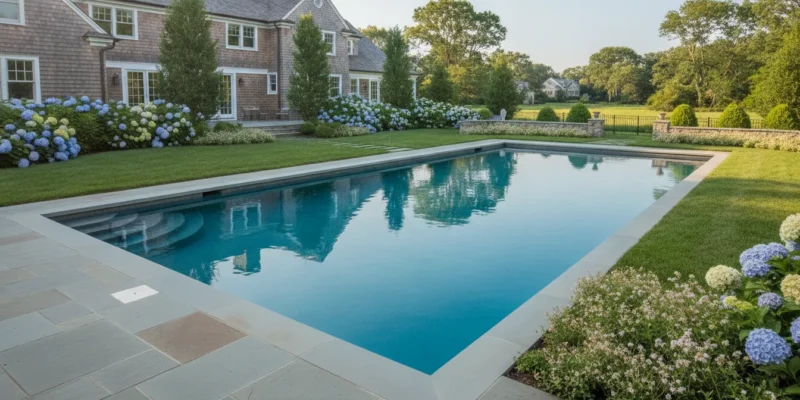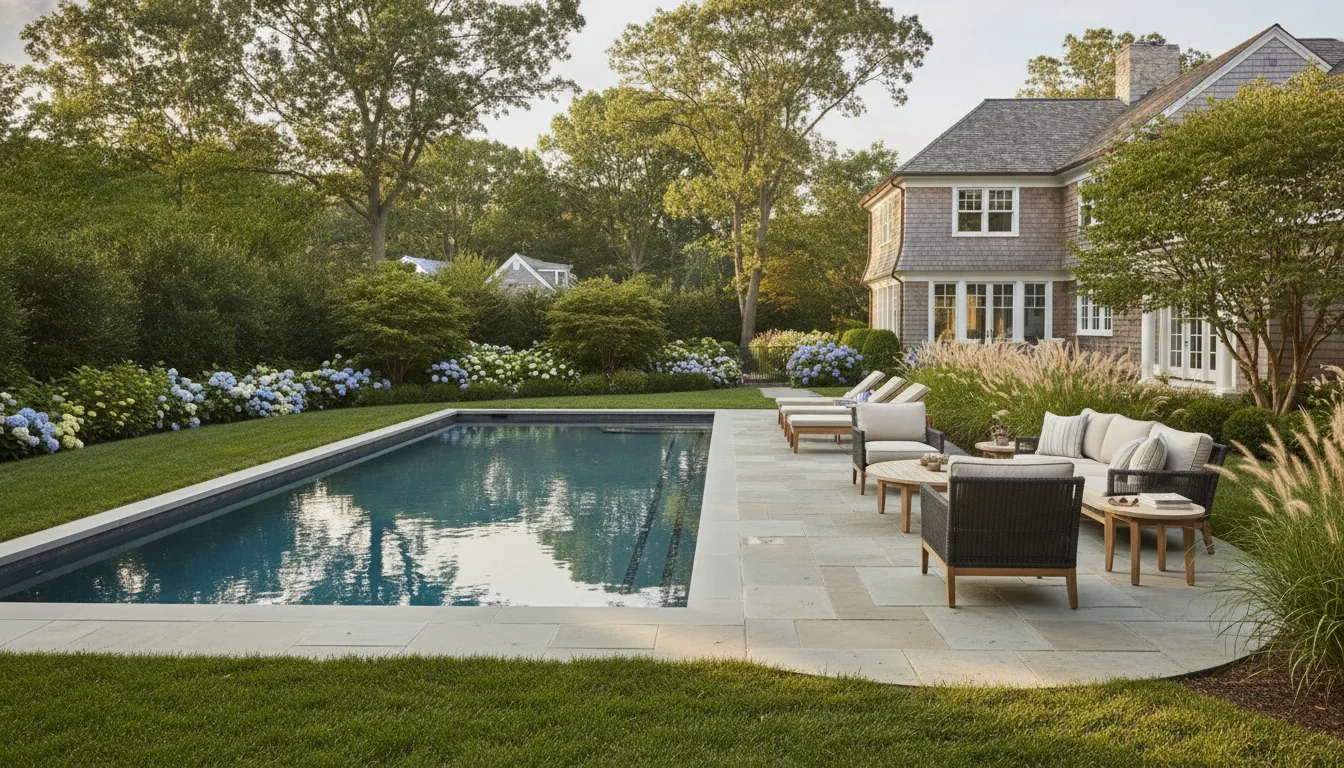
A professionally built Hamptons tennis court with a pergola and seating area.

How to Choose a Hamptons Sports Courts Builder

Life in the Hamptons is all about embracing the outdoors, and a private sports court is the perfect extension of that lifestyle. However, building here comes with its own unique set of rules and challenges. From navigating strict local zoning laws to selecting materials that can withstand the coastal salt air and weather, local expertise is non-negotiable. You need more than just a contractor; you need a specialist who understands the nuances of the area. This is why choosing the right Hamptons Long Island new york sports courts builder company is so critical to your project’s success and longevity.

Key Takeaways

  • Choose a builder with local expertise: Select a team that manages the entire project, from design and permits to construction, and has a proven portfolio of work in the Hamptons.
  • Prioritize quality from the ground up: A long-lasting court depends on a solid foundation, effective drainage, and high-performance materials specifically chosen to withstand a coastal environment.
  • Design a court that fits your lifestyle: Think about how your family will use the space by considering versatile multi-sport layouts, popular games like pickleball, and features like lighting for nighttime play.

What Makes a Great Sports Court Builder in the Hamptons?

Building a sports court is a fantastic addition to your Hamptons home, but it’s also a significant project. The difference between a court you’ll love for years and one that causes headaches comes down to the builder you choose. A great builder isn’t just a contractor; they are a partner who brings expertise, quality, and a deep understanding of what it takes to build in this unique area. They should guide you through every step, from initial design to the final net installation, ensuring the result is exactly what you envisioned. So, what key qualities should you look for? It boils down to a few critical factors that separate the best from the rest.

Look for Proven Experience

When you’re vetting builders, look for a team with a strong portfolio of projects specifically in the Hamptons and across Long Island. Local experience is invaluable. A builder who knows the area understands the specific soil conditions, weather patterns, and zoning regulations that can impact a build. Ask to see their previous work and look for a company that offers personalized, one-on-one service. The best builders are hands-on, with a dedicated project manager or even the owner present on-site to oversee the work. This level of attention ensures high standards and a smooth process from start to finish. A company with a long history of building sports courts will have the expertise to deliver a court that lasts.

Insist on High-Quality Materials

The longevity, safety, and performance of your court depend entirely on the materials used. A top-tier builder will offer a range of high-quality surfacing options and help you choose the right one for your needs. Whether you’re interested in classic asphalt, cushioned synthetic turf, or modern interlocking tiles like Mateflex, your builder should explain the benefits of each. They should source their materials from reputable suppliers and be transparent about what goes into your court. Don’t hesitate to ask about the specific products they use, from the base layer to the final surfacing. A commitment to quality materials, like premium natural stone for surrounding patios, is a clear sign of a builder who takes pride in their work.

Find a Partner for Design and Construction

Your builder should be a partner in both design and construction. They should listen to your vision and then use their expertise to bring it to life while avoiding common pitfalls. For example, proper drainage is absolutely essential for any court to prevent water from pooling and creating a slippery, unsafe surface. A skilled builder will incorporate a thoughtful drainage plan into the initial design. They will also guide you in selecting the right surfacing material to match your desired activities and aesthetic. Look for a company that offers comprehensive design and construction services, ensuring a cohesive and well-executed project from the ground up.

Confirm They Manage Local Permits

Navigating the building codes and permit requirements in the Hamptons can be a complex and time-consuming process. A professional and experienced sports court builder will handle this for you. They should have a thorough understanding of local regulations and manage all the necessary paperwork and inspections. This service is a huge relief for homeowners and a hallmark of a truly full-service company. When a builder confidently takes on the logistics of permitting, it shows they are well-established and knowledgeable about the local requirements. This is a key part of any major home improvement project and ensures your new court is fully compliant from day one.

What Are the Most Popular Sports Courts in the Hamptons?

Choosing the right type of sports court for your home is about more than just picking a game. It’s about creating a space for fun, fitness, and making memories with family and friends. In the Hamptons, homeowners are embracing a variety of sports, each with its own unique appeal. From timeless classics to the latest trends, the right court can become the centerpiece of your backyard. Understanding what’s popular can help you decide which option best fits your lifestyle, property, and how you plan to enjoy your outdoor space for years to come.

Tennis Courts

A private tennis court is a classic Hamptons feature for a reason. It offers a fantastic workout and a perfect setting for social gatherings. Having a court in your backyard provides a private, convenient place to practice your swing or host friendly matches without booking public court time. To get the authentic feel of the game, it’s essential that the court is built with professional-grade materials and precise dimensions. A well-constructed court not only plays better but also stands up to the coastal weather, ensuring it remains a beautiful and functional part of your property.

Basketball Courts

Basketball courts are another top choice, especially for families. They offer endless entertainment and are a great way to keep everyone active. Whether you’re planning for full-court games or just a space for your kids to practice their free throws, a custom design is key. You can tailor the size, surface, and markings to fit your specific needs and the layout of your yard. Gappsi specializes in designing and building custom sports game courts that are both high-performance and visually appealing, creating the perfect home court for players of all skill levels.

Pickleball Courts

Pickleball has quickly become one of the most requested sports courts, and it’s easy to see why. The game is fun, social, and accessible to all ages and athletic abilities. Because a pickleball court is smaller than a tennis court, it’s a practical option for a wider range of properties. Many homeowners are now opting for dedicated pickleball courts to join in on the fun. Proper installation is crucial for a consistent bounce and long-term durability, ensuring your court is always ready for a game when friends drop by.

Multi-Sport Courts

If you can’t decide on just one sport, a multi-sport court offers the ultimate versatility. This is an incredibly popular option for families with varied interests, allowing you to play basketball, pickleball, volleyball, and more, all in one designated area. A thoughtful design can incorporate adjustable nets and different line markings without feeling cluttered. Working with an experienced builder allows you to create a flexible recreational space that adapts to your family’s favorite activities, maximizing both the fun and the value of your investment.

What Materials and Technologies Do the Best Builders Use?

A beautiful sports court is more than just perfectly painted lines and a net. The real quality lies in the materials and construction techniques that you can’t always see. A premier builder combines time-tested methods with modern innovations to create a court that not only looks fantastic but also performs exceptionally and stands up to the Hamptons weather for years. From the ground up, every layer matters. An expert team will know exactly which materials and technologies are right for your property and the sports you love to play, ensuring your court is a lasting investment. This is where a builder’s deep knowledge truly makes a difference, turning a simple project into a professional-grade recreational space.

Choose the Right Court Surface

The surface of your court is one of the most important decisions you’ll make. It directly impacts playability, safety, and maintenance. For tennis, you might prefer the classic feel of a cushioned acrylic hard court, known for its consistent ball bounce. For basketball, a high-traction surface is key. If you’re looking for a low-impact option that’s easy on the joints, you might consider high-performance synthetic turf and game courts. A great builder won’t just present you with options; they’ll explain the pros and cons of each material based on your needs, helping you find the perfect match for your family’s activities.

Plan for a Solid Foundation and Drainage

What’s underneath your court is just as crucial as the surface itself. A solid, stable foundation is the key to a long-lasting court that won’t crack or shift over time. Without it, you’re setting yourself up for expensive repairs down the road. Equally important is proper drainage. In a place like the Hamptons, you need a court that can handle rain without turning into a pond. An experienced builder will meticulously plan for water runoff as part of a complete landscape design, ensuring your court dries quickly and remains safe and playable after a storm. This foundational work is a hallmark of true craftsmanship.

Add Lighting and Tech Features

Why limit your games to daylight hours? Modern lighting and technology can transform your court into a 24/7 entertainment hub. Energy-efficient LED lighting provides bright, even illumination for nighttime play without disturbing your neighbors. Beyond lighting, you can incorporate features like shock-absorbing surfaces to reduce stress on joints, multi-sport accessories for easy conversion between games, and even integrated sound systems. Discussing these features with your builder during the design phase ensures they are seamlessly integrated into the final build, adding functionality and fun to your investment.

Prioritize Weather-Resistant Construction

The coastal environment of the Hamptons, with its sun, salt air, and seasonal changes, can be tough on outdoor structures. The best builders understand this and use materials specifically designed to withstand the elements. This includes UV-resistant surface coatings that prevent fading and cracking, rust-proof fixtures, and durable fences and netting that can handle strong winds. By prioritizing weather-resistant construction, a builder ensures your court will maintain its pristine look and structural integrity for many seasons, minimizing the need for constant upkeep and allowing you more time to simply enjoy the game.

How to Choose the Right Builder

Selecting the right builder is the most critical decision you’ll make for your sports court project. The right team will not only deliver a high-quality court but also make the entire process smooth and enjoyable. You’re looking for a partner who understands your vision, respects your property, and has the expertise to bring your dream court to life. Think of this as hiring a long-term collaborator for your home. A great builder communicates clearly, provides transparent pricing, and has a proven track record of success right here in the Hamptons. Taking the time to vet your options thoroughly will pay off for years to come, ensuring your court is a source of fun, not frustration.

Verify Their Credentials and Insurance

Before you get into the exciting details of design, start with the fundamentals. Any professional builder you consider must be fully licensed and insured. This is non-negotiable. Licensing confirms they meet state and local requirements, while insurance protects you from any liability for accidents that might happen on your property during construction. A reputable company will gladly provide you with their documentation. This simple step ensures you’re working with a legitimate business that adheres to industry standards and is committed to protecting both their team and their clients. It’s the first and most important sign that you’re dealing with a true professional.

Schedule a Personal Consultation

A website or phone call can only tell you so much. The best way to get a feel for a builder is to schedule an in-person consultation at your home. This meeting is your chance to discuss your project, ask questions, and see how they respond. Do they listen carefully to your ideas? Do they offer thoughtful suggestions? A quality builder will take the time to walk your property, assess the space, and provide initial feedback. This personal interaction is invaluable for gauging their expertise and professionalism. It also helps you determine if your personalities and communication styles are a good fit for a major construction project.

Review Their Full Scope of Services

To keep your project streamlined and stress-free, look for a builder who offers comprehensive services. The ideal partner can manage everything from the initial design to the final installation. Companies that handle sports court design, material supply, and construction in-house can prevent the delays and miscommunications that often happen when you’re juggling multiple contractors. Ask potential builders to walk you through their entire process. A full-service company ensures a cohesive project where every element, from the foundation to the fencing, is handled by a single, accountable team. This integrated approach almost always leads to a better final product and a much smoother experience for you.

Ask About Warranties and Maintenance Plans

A sports court is a significant investment, and you want it to last. A confident builder will stand behind their work with a strong warranty. Don’t hesitate to ask for specifics. What does the warranty cover, and for how long? Some top-tier builders offer warranties that span decades, which speaks volumes about the quality of their materials and craftsmanship. Beyond the initial build, ask about ongoing maintenance. A company that offers restoration and sealing services shows a long-term commitment to their clients. This ensures you have a trusted partner to help keep your court in pristine condition for years of play.

Check Their Reputation and Reviews

Finally, do your homework on the builder’s reputation. Look for online reviews, client testimonials, and portfolio examples. While a company’s website is a great starting point, independent reviews will give you a more balanced perspective on the customer experience. See what past clients have to say about the builder’s communication, timeliness, and the quality of the finished product. You can also check out their social media channels, like YouTube, to see their work in action. Positive feedback and a portfolio of impressive projects are strong indicators that you’ve found a reliable and skilled builder who will deliver the court you’ve envisioned.

What to Expect During the Build

Once you’ve selected your builder, the journey to your new home sports court truly begins. This phase is all about turning plans into reality, and a professional team will make the process feel seamless and exciting. A great builder acts as your partner, keeping you informed every step of the way. From the first shovel in the ground to the final net installation, you should feel confident and clear about what’s happening on your property.

The construction of a custom sports court is a major project that involves careful coordination and expert execution. It’s more than just leveling a patch of land; it involves site preparation, foundation work, surface installation, and finishing touches like fencing and lighting. Your builder should provide a clear roadmap of the entire process, outlining key milestones and what to expect at each stage. Communication is key, so make sure you have a dedicated point of contact who can answer your questions and provide regular updates. This collaborative approach ensures the final result not only meets but exceeds your expectations, giving you a beautiful and functional court for years of enjoyment.

The Initial Site Evaluation and Design

The first step in the build process is a thorough site evaluation. Your builder will visit your property to assess the proposed location, taking careful measurements and analyzing the landscape. This isn’t just about aesthetics; it’s a critical technical step. One of the most important factors they’ll examine is drainage. Proper water management is essential for preventing puddles and ensuring your court has a safe, dry playing surface that lasts. During this phase, you’ll also finalize the design, working with your builder to integrate the court beautifully into your existing landscape.

Finalizing the Price and Timeline

With a design in hand and a site plan confirmed, your builder will provide a detailed proposal. This document should clearly outline the full scope of work, a transparent breakdown of costs, and a realistic project timeline. A large-scale construction project like a sports court requires a high level of coordination, so a well-defined schedule is crucial for keeping everything on track. Review this document carefully and ask questions about anything that seems unclear. A trustworthy builder will be happy to walk you through every line item, ensuring you feel completely comfortable with the investment and the projected completion date before work begins.

Getting the Right Permits

Building a sports court in the Hamptons almost always requires permits from your local town or village. This can be a complicated and time-consuming process involving paperwork, zoning laws, and inspections. A full-service builder will manage this entire process for you. They have the experience to prepare and submit all the necessary applications correctly, handle communications with local officials, and schedule required inspections. Having a team that can manage the permits is a huge advantage, saving you from headaches and potential delays while ensuring your project is fully compliant with local regulations.

Preparing for Potential Challenges

Even with the best planning, any construction project can face unexpected challenges, from weather delays to supply chain issues. An experienced builder knows how to anticipate these potential hurdles and has contingency plans in place to address them effectively. They also guide you in making crucial decisions upfront, like choosing the right surfacing material for your court’s performance and durability. By selecting a builder with deep knowledge of high-quality materials and construction techniques, you can feel confident that your project is in capable hands, ready to overcome any obstacles that may arise.

Related Articles

Frequently Asked Questions

How long does it typically take to build a sports court? The timeline for building a sports court can vary quite a bit. Factors like the complexity of the design, the amount of site preparation needed, local permit processing times, and even the weather can play a role. A straightforward project might take several weeks from start to finish, while a more intricate build with extensive landscaping could take longer. A professional builder will give you a detailed and realistic timeline before any work begins.

What are the main factors that influence the cost of a new sports court? The final cost depends on a few key decisions. The overall size of the court is a major factor, as is the type of playing surface you select; for example, synthetic turf and cushioned acrylic surfaces have different price points. The condition of your property also matters, as extensive excavation or drainage work can add to the cost. Finally, any custom features like professional lighting, high-end fencing, or multi-sport accessories will influence the total investment.

How much maintenance does a home sports court actually require? The level of upkeep really depends on the surface material you choose. Most modern courts are designed to be low-maintenance, generally just requiring you to keep them clear of leaves and debris. Some surfaces may benefit from a periodic power wash to stay looking fresh. Over the long term, a hard court surface might need to be resealed or repainted every five to seven years to maintain its performance and appearance, but your builder can provide a specific care plan for your court.

I’m not sure if I have enough space. What’s the minimum area needed for a court? You might be surprised by what’s possible, even in a yard that doesn’t seem huge. While a regulation tennis court requires a large footprint, a pickleball court is much smaller and can fit into more compact spaces. Half-court basketball is another fantastic option for maximizing fun in a limited area. The best way to know for sure is to have a professional designer evaluate your property; they are experts at creating functional and fun layouts that work with the space you have.

Can I customize the look of my court with specific colors or logos? Absolutely! Customizing the appearance of your court is one of the most exciting parts of the design process. Modern court surfaces are available in a wide variety of colors, so you can choose a scheme that complements your home and landscape design. Many homeowners also add custom logos, family initials, or unique line markings to make the space truly their own. This is a great detail to discuss with your builder during the initial design consultation.

Share this page:
One of the best house extension ideas for a ranch home, featuring a modern sunroom with large windows.

6 Best House Extension Ideas for Ranch Homes

One of the best features of a ranch home is its architectural simplicity, which makes it an incredible canvas for creative updates. Unlike more complex home styles, the clean lines and sprawling layout of a ranch provide amazing flexibility when it comes to adding on. You can seamlessly blend a new addition or create a stylish, modern contrast. This design freedom opens up a world of possibilities for transforming your home. To help you get inspired, we’ve gathered the best house extension ideas for ranch homes, covering everything from sunrooms that blur the line between indoors and out to second-story additions that completely reshape your living space. Let’s look at how you can build upon your home’s classic charm.

Key Takeaways

  • A solid plan is your best tool: Before you begin, understand local zoning laws, secure the necessary permits, and create a detailed budget that includes a 10-20% contingency fund. This preparation is essential for a smooth and predictable project.
  • Ranch homes offer diverse expansion options: The single-level layout of a ranch is perfect for various additions, including horizontal expansions for a master suite, cost-effective garage conversions, or even adding a second story to double your living area.
  • Your contractor and materials determine the final quality: The long-term success of your extension relies on two things: partnering with a licensed, experienced contractor and selecting durable, high-quality materials. This combination ensures your new space is both beautiful and built to last.

What Makes a Ranch Home Extension Unique?

Ranch homes have a classic, sprawling charm that makes them a fantastic canvas for expansion. Unlike multi-story homes where additions can feel complicated, the single-level layout of a ranch offers unique and straightforward opportunities to add space without sacrificing character. The key is to lean into what makes this style so special in the first place.

One of the biggest advantages is the seamless connection to the outdoors. Ranch homes were designed to blend with their landscape, and a well-planned extension can strengthen that bond. This is your chance to add a sunroom that floods your home with light or expand a living area with large glass doors that open onto a new patio. By focusing on this indoor-outdoor flow, you can create a space that feels both larger and more connected to your yard, perfect for adding features like pavilions and pergolas to complete the experience.

The architectural simplicity of a ranch also provides incredible design flexibility. You aren’t locked into one specific look. The exterior can be finished with a variety of materials, from classic horizontal siding to modern board and batten, allowing the new addition to either match the original structure perfectly or provide a stylish contrast. This adaptability makes it easier to create the open-concept living areas many homeowners want, transforming the layout to better suit a modern lifestyle. A thoughtful home remodeling project can make an addition feel like it was always part of the original plan.

Popular Ideas for Extending Your Ranch Home

One of the best things about a ranch home is its straightforward, accessible layout. But as your family grows or your needs change, you might find yourself wishing for a little more elbow room. The good news is that the simple structure of a ranch makes it a fantastic candidate for an extension. Whether you want to build up, push out, or repurpose an existing area, there are plenty of ways to add functional and beautiful space to your home.

Deciding on the right type of addition depends on your budget, how much space you need, and your property’s layout. You could double your square footage by adding a second story, or you could create a seamless indoor-outdoor flow with a new sunroom. From small bump-outs that make a single room feel more spacious to full-scale garage conversions, we’ll walk through the most popular options. Each approach has its own set of benefits, helping you create a home that perfectly fits your lifestyle without having to move.

Add a Second Story

If you need a significant amount of new space but don’t want to sacrifice your yard, building up is the way to go. Adding a second story can literally double your living area, providing ample room for new bedrooms, bathrooms, or a dedicated home office. This is a major project that transforms your single-story ranch into a two-story colonial, so it requires careful planning and a solid foundation. While it’s one of the more expensive options, a second-story addition is an incredible investment that allows you to completely reshape your home. A project of this scale is a significant home remodeling undertaking, but the results can be truly spectacular.

Expand Horizontally

Expanding outward is a natural fit for the classic ranch layout. A horizontal addition lets you extend your home’s footprint into your side or backyard, maintaining the convenience of single-level living. This is a great way to create a luxurious primary suite, a larger, more open-concept kitchen, or a spacious family room for everyone to gather. Because you’re building on the ground level, these additions can feel like a natural extension of your existing home. The process typically involves pouring a new foundation and blending the roofline, which requires expert masonry and construction work to ensure a seamless look.

Create a Bump-Out Addition

Don’t need a massive new wing? A bump-out might be the perfect solution. This is a smaller-scale addition that extends an existing room by just a few feet. It’s a clever way to gain a little extra space right where you need it most, without the cost and disruption of a full-blown addition. A bump-out can create a cozy breakfast nook in your kitchen, a sunny reading corner in your living room, or enough space to finally get that walk-in closet you’ve been dreaming of. Since they often don’t require a full new foundation, bump-outs are a more budget-friendly way to enhance a room’s function and feel.

Add a Sunroom or Porch

Ranch homes are known for their connection to the outdoors, and adding a sunroom or porch can strengthen that link. A sunroom gives you a light-filled, versatile space you can enjoy year-round, whether you use it as a lounge, a playroom, or a home office with a view. A covered porch or patio, on the other hand, extends your living area into the backyard, creating the perfect spot for outdoor dining and entertaining. You can even add features like an outdoor kitchen or fireplace under beautiful pavilions and pergolas to create a true outdoor oasis that complements your home’s style.

Convert Your Garage

If your attached garage is mostly used for storage, converting it into living space is one of the most cost-effective ways to expand. Since the structure is already in place, the project focuses on transforming the interior into a comfortable, finished room. This involves insulating the walls, leveling the floor, adding heating and cooling, and replacing the garage door with a wall and windows. A converted garage can become anything from a home gym or guest suite to a family den or playroom. Just remember that you’ll be giving up your indoor parking, so it’s a trade-off you’ll want to consider carefully.

Convert Your Attic

Have you ever looked up and wondered about all that empty space above your head? If your ranch has a pitched roof with enough headroom, you might be able to convert your attic into a functional room. This is another great way to add square footage without altering your home’s footprint. An attic conversion is perfect for creating a quiet home office, a cozy guest bedroom, or a fun bonus room for the kids. The project mainly involves interior work like adding flooring, insulation, drywall, and running electrical lines. A professional should always assess the structure first to make sure it can support the added weight of a finished living space.

How Much Will Your Ranch Extension Cost?

One of the first questions on every homeowner’s mind is, “What’s the budget for this?” The cost of extending your ranch home can vary quite a bit, depending on what you want to achieve. A small bump-out to expand your kitchen will have a very different price tag than adding an entire second floor. The final cost depends on the project’s size, the materials you choose, and the complexity of the work.

To give you a clearer picture, we’ve broken down the typical cost ranges for the most popular ranch home additions. Think of these as a starting point for your planning. The best way to get a precise number for your specific project is to work with a professional who can provide a detailed estimate. A full-service home remodeling team can help you understand every cost involved, from permits to the final coat of paint, ensuring there are no surprises along the way.

Second Story Addition ($100k – $300k)

Adding a second story is the most ambitious and expensive way to expand your ranch home, with costs often ranging from $100,000 to $300,000. This is a major renovation that essentially involves building a new level on top of your existing home. The process requires significant structural reinforcement to the foundation and first-floor walls to support the added weight. While it’s a big investment, a second-story addition can double your square footage without sacrificing any of your precious yard space, making it a fantastic option for growing families on smaller lots.

Horizontal Expansion ($20k – $50k)

If you have the land to spare, building outward is a more budget-friendly option than building up. A horizontal expansion, like adding a new master suite or a family room, typically costs between $20,000 and $50,000. This type of project requires pouring a new foundation and seamlessly connecting the new structure to your existing home. The final price will depend on the size of the addition and the finishes you select. It’s a great way to get the extra space you need while maintaining the single-story convenience of a ranch home.

Bump-Out Addition ($4k – $10k)

A bump-out is a perfect solution when you just need a little more breathing room in a specific area. These small-scale additions can cost as little as $4,000 to $10,000 because they often don’t require a full new foundation. Instead, they can be cantilevered from the existing structure. A bump-out can extend a room by just a few feet, but that small change can make a huge difference. It’s an ideal way to create a cozy breakfast nook in your kitchen, a reading corner in your living room, or extra space for a soaking tub in your bathroom.

Garage Conversion ($10k – $20k)

If your attached garage is mostly used for storage, converting it into living space is one of the most cost-effective ways to expand your home. With a typical price range of $10,000 to $20,000, a garage conversion uses the existing structure, which saves a lot on construction costs. The project involves insulating the walls, leveling the floor, adding heating and cooling, and replacing the garage door with a solid wall and windows. This can be a great way to add a new bedroom, home office, or playroom, but remember you’ll be giving up your indoor parking space.

Attic Conversion ($20k – $50k)

Don’t forget to look up! If your ranch home has an attic with enough headroom, you might have usable space right above you. Converting an attic into a livable room generally costs between $20,000 and $50,000. The work is mostly contained within your home’s existing footprint and involves adding insulation, flooring, drywall, and proper ventilation. You may also need to add dormer windows to bring in natural light. An attic conversion is a wonderful way to create a private guest suite, a quiet home office, or a fun playroom for the kids.

What Factors Influence the Final Price?

The price ranges we’ve discussed are great for initial planning, but your final cost will depend on several key factors. The overall size of the addition is the biggest driver of cost, as a larger space requires more materials and labor. The quality of the materials you choose also plays a huge role; high-end finishes like custom cabinetry or natural stone pavers will cost more than standard options. Any custom features, complex structural changes, and local permit fees will also affect the bottom line. Working with an experienced contractor will help you create a detailed budget that reflects your vision and priorities.

Choosing the Best Materials for Your Extension

Selecting the right materials is one of the most important steps in planning your home extension. Your choices will define the look, feel, and long-term durability of your new space. It’s about more than just aesthetics; it’s about choosing materials that can handle Long Island’s weather, blend with your existing home, and provide lasting value. From the foundation that supports it all to the siding that protects it from the elements, every component plays a crucial role in the success of your project. Let’s walk through the key materials you’ll need to consider.

Siding and Exterior Finishes

The siding is what ties your new extension to the rest of your home, creating a cohesive look. For ranch homes, you have a lot of great options. Materials like wood, stone, brick, and stucco are popular choices, and you don’t have to stick to just one. In fact, using a mix of materials can add texture and visual interest to your home’s exterior. Imagine pairing classic wood siding with a beautiful stone veneer accent wall. This approach allows you to create a custom look that feels both timeless and unique, ensuring your addition is a perfect complement to your home’s original character.

Roofing for Your Addition

Your roof does more than just keep the rain out; it’s a key part of your home’s energy efficiency. Modern roofing materials and techniques can make a huge difference in keeping your extension comfortable year-round. Innovations like closed-cell spray foam insulation and advanced sheathing systems prevent air leaks and heat loss, which can help lower your energy bills. A properly vented roof assembly is also essential, as it helps manage moisture and temperature, protecting the structure of your addition. Investing in a high-quality roofing system ensures your new space is not only durable but also efficient.

Foundation and Structural Support

A strong foundation is the literal base of your entire project. Without solid structural support, even the most beautifully designed extension will run into problems. The best materials for home construction and foundations are typically wood, engineered wood products, concrete, and stone. The right choice depends on your specific project, soil conditions, and local building codes. Working with an experienced contractor is key here, as they can ensure the foundation is properly designed and built to support your new addition safely for decades to come. This is one area where you never want to cut corners.

Flooring for a Seamless Look

The right flooring helps create a smooth and natural transition from your existing home into your new extension. The goal is to make the entire space feel like one unified area, not a separate, tacked-on room. You can achieve this by continuing your current flooring material into the new space or by choosing a complementary option. For example, if you have hardwood in your living room, you could extend it into the addition. Alternatively, you could use beautiful porcelain tiles that match the color palette of your home. Options like bamboo also offer a modern and durable finish.

Why Quality Brands Matter for Durability

When you’re selecting materials, it’s tempting to focus on the initial cost, but durability is just as important. Investing in high-quality, trusted brands from the start can save you a lot of money and headaches down the road. These materials are designed to withstand wear and tear, resist damage from different climates, and maintain their appearance over time. At the Gappsi Store, we carry products that are built to last, so you can feel confident in your investment. Choosing quality ensures your home extension will not only look great when it’s finished but will continue to perform well for years to come.

How an Extension Improves Your Home’s Value and Function

A home extension is about more than just adding square footage. It’s an opportunity to reshape your home to fit your life, not the other way around. Whether your family is growing, you need a dedicated workspace, or you simply want to create a better flow between your indoor and outdoor areas, a well-designed addition can completely transform your living experience. Beyond the immediate lifestyle benefits, a thoughtful extension is also a smart financial move that can significantly increase your property’s market value.

Enjoy More Living Space

As your life changes, your home should be able to change with it. An extension gives you the freedom to create the space you truly need. Ranch homes are particularly well-suited for horizontal additions, making it easier to expand your footprint with a new master bedroom, a larger kitchen, or a family room. This type of home remodeling project allows you to stay in the neighborhood you love while tailoring your home to your current needs. Imagine having a dedicated home office that isn’t the dining room table or a spacious kitchen where everyone can gather without feeling cramped. That extra room can make all the difference in your day-to-day comfort.

Increase Your Property Value

Building an addition is often a more affordable and emotionally satisfying way to get more living space than buying a new home. When you add functional rooms like bedrooms or bathrooms, you get the best return on your investment. A professionally constructed extension not only adds value through increased square footage but also enhances your home’s overall appeal to future buyers. High-quality materials and craftsmanship, from the foundation to the finishing touches, signal a well-maintained and desirable property. It’s an investment in your home’s future that you also get to enjoy right now.

Create Better Outdoor Living Opportunities

Ranch homes are known for their strong connection to the outdoors, and an extension can make that connection even stronger. Additions that include patios, decks, or sunrooms honor the original spirit of the design while creating new ways to enjoy your property. You could add a sunroom that opens onto a beautiful new patio made with porcelain and natural stone, creating a seamless transition from inside to out. Or, you could extend your kitchen and install large glass doors that lead to a covered outdoor dining area, perfect for summer evenings with family and friends.

Common Challenges to Plan For

A home extension is an exciting project, but it comes with its share of complexities. Thinking through potential hurdles before you start is the best way to keep your project on track, on time, and on budget. From the unseen structure of your home to local regulations and design choices, every detail matters. A successful addition isn’t just about the final look; it’s about a smooth process built on careful preparation. This means looking beyond the blueprints and considering the practical realities of construction.

Anticipating these challenges helps you and your contractor create a solid plan. When you know what to look for, you can ask the right questions and make informed decisions. This proactive approach turns potential problems into manageable tasks. Whether you’re adding a new master suite or expanding your kitchen, a well-thought-out strategy is your greatest asset. Working with an experienced team that understands the nuances of home remodeling in Long Island ensures every challenge is met with a professional solution. It’s about having a partner who can foresee issues with drainage, material availability, or permitting, giving you peace of mind from the first sketch to the final walkthrough.

Ensuring Proper Structural Support

Before you dream about paint colors and furniture, you have to think about what’s holding everything up. Your home’s existing foundation and frame must be able to handle the weight and stress of an addition. A professional assessment is the first step. We always start by checking the existing foundation, roof, and materials to confirm they are sound. This isn’t a corner you can cut. A weak foundation can lead to major structural problems down the road, like cracking walls or uneven floors. A thorough inspection will determine if your current structure needs reinforcement, ensuring your new space is safe and built to last for decades.

Understanding Zoning Rules and Permits

Every town in Nassau and Suffolk County has its own set of rules for home construction, and they are strictly enforced. You’ll need to check local zoning laws for regulations on setbacks (how close you can build to property lines), lot coverage (how much of your property can be covered by buildings), and height restrictions. Trying to figure this out on your own can be overwhelming. An experienced local contractor will handle the permits and ensure your extension plans are fully compliant, saving you from potential fines, legal issues, and the nightmare of having to tear down non-compliant work.

Matching the New Design to Your Home

Creating a seamless transition between your existing home and the new addition is key to a beautiful result. While you might think an exact match is the goal, it can be difficult to find identical siding or brick from decades ago. Instead, consider using a different but complementary material for the addition. For example, a brick ranch home can look stunning with a wood or stone siding addition. This approach creates intentional contrast and character. Exploring different porcelain and natural stone options can also help you tie the old and new spaces together beautifully, both inside and out.

Planning Your Budget to Avoid Overruns

Sticking to a budget is one of the biggest concerns for any homeowner. The best way to manage costs is to plan for the unexpected. We always advise clients to budget carefully and include a contingency fund of 10% to 20% for unforeseen expenses. During demolition, you might discover outdated wiring, hidden plumbing issues, or pest damage that needs to be addressed. Having that extra money set aside means these surprises won’t derail your project or force you to compromise on other features. It’s a financial safety net that provides flexibility and reduces stress during the construction process.

How to Choose the Right Contractor for Your Project

Finding the right partner to bring your vision to life is one of the most critical steps in any home extension project. The right contractor does more than just build; they act as your guide, managing the complexities of construction, adhering to timelines, and ensuring the final result meets your expectations. A great partnership with your contractor can make the entire process feel smooth and exciting, while the wrong one can lead to stress and disappointment. Taking the time to carefully vet potential contractors will pay off in the long run, giving you peace of mind and a beautiful, well-built addition to your home.

What Qualifications to Look For

When you start meeting with contractors, there are a few non-negotiables to look for. First and foremost, confirm that any potential partner is fully licensed and insured. This is your safety net, protecting you from liability and ensuring all work complies with Long Island’s local building codes. Next, ask for references from past clients. Speaking to people who have been through the process can give you honest insight into a contractor’s reliability, communication, and the quality of their work. Finally, look for a team with specific, proven experience in projects similar to yours. A contractor who specializes in home remodeling and extensions will understand the unique challenges of seamlessly blending new construction with an existing ranch home.

Questions to Ask Potential Contractors

To find the best fit, it helps to go into your initial meetings with a prepared list of questions. This isn’t an interrogation; it’s a conversation to see if your styles and expectations align. Start with the basics: “Are you licensed and insured?” and “Can you provide a few references from recent house extension projects?” Then, get more specific about their process. Ask for a detailed written estimate and a clear project timeline. Inquiring about how they handle unexpected issues or changes can also reveal a lot about their problem-solving skills and communication style. The answers to these questions will help you gauge not only their qualifications but also how well you’ll work together throughout the project.

Getting an Accurate Project Estimate and Timeline

A project estimate should be more than just a single number. A professional contractor will provide a detailed breakdown that outlines the costs for labor, materials, permits, and other expenses. This transparency helps you understand exactly where your money is going and prevents surprise costs down the road. It’s a good practice to get estimates from a few different contractors to get a sense of the market rate for your project. Be cautious of any bid that is significantly lower than the others, as it could be a red flag for subpar materials or hidden fees. A realistic timeline is just as crucial, so make sure you get a clear schedule of the project phases from start to finish.

How to Plan Your Ranch Home Extension

A successful home extension starts long before the first wall comes down. A thoughtful plan is your roadmap to getting the space you want without the headaches you don’t. It helps you set a realistic budget, create a cohesive design, and prepare your home and family for the construction process. Taking the time to map out your project ensures every decision, from the layout to the light fixtures, aligns with your vision and your home’s existing character. With a clear plan, you can move forward confidently, knowing you’ve covered all your bases for a smooth and rewarding renovation.

Key Design Considerations for a Seamless Look

The goal of an extension is to make it feel like it was always part of your home, not an afterthought. To achieve a seamless look, think about how the new structure will connect to the old one. For instance, if your ranch is brick, you could use a complementary material like board-and-batten siding on the addition to create an intentional, layered design. It’s also important to consider what your family needs now and what you might need in the future. Planning for a flexible space, like a sunroom that could one day become a playroom or home office, adds long-term value and function to your home remodeling project.

Understanding the Project Timeline and Phases

Every construction project follows a general timeline, and knowing the phases can help you manage expectations. It all begins with an initial consultation and design phase, where you’ll work with professionals to draw up blueprints. Next comes the permitting process, which can take time depending on your local municipality. Once approved, the real work begins with site preparation, foundation work, framing, and exterior finishing. The final phases involve interior work like plumbing and electrical, followed by finishing touches and a final walkthrough. A professional team will always start by inspecting the existing foundation and local building codes to build a realistic project timeline.

How to Prepare Your Home for Construction

Getting your home ready for construction is about more than just clearing out furniture. First, it’s critical to address the structural and legal groundwork. You’ll need to verify that your home’s foundation can support the new weight, especially if you’re adding a second story. It’s also essential to check local zoning laws for rules on property line setbacks and how much of your lot can be covered by buildings. On a practical level, you should designate a clear path for workers to access the construction zone and seal off other areas of your home to minimize dust. Planning for temporary lifestyle changes, like setting up a makeshift kitchen, can also make the process much more manageable.

Related Articles

Frequently Asked Questions

How long does a typical ranch home extension take? The timeline for an extension can vary quite a bit depending on the project’s scale. A smaller bump-out or garage conversion might take a few months, while a large horizontal addition could take four to six months. A full second-story addition is a much bigger undertaking and can often take six months to a year from the initial design to the final walkthrough. Factors like the local permitting process, weather, and the complexity of your design will all play a role in the final schedule.

Can we stay in our home while the extension is being built? For many types of additions, especially those that expand outward like a new family room or sunroom, you can absolutely stay in your home. Your contractor will work to seal off the construction zone to minimize dust and disruption. However, for more invasive projects like a second-story addition or a major kitchen overhaul that’s part of the extension, it might be more comfortable and practical to arrange temporary housing for at least part of the construction phase.

Which type of addition adds the most value to my home? Generally, any addition that increases your home’s functional square footage will add value. Projects that add bedrooms and bathrooms tend to provide a strong return on investment because they are key features for homebuyers. That said, a well-designed addition that improves your home’s overall flow, curb appeal, and connection to the outdoors can also add significant value by making the entire property more desirable.

How can I ensure the new addition blends well with my existing ranch home? The key to a seamless look is thoughtful design, not necessarily an exact match. Instead of trying to find identical decades-old brick, consider using a complementary material like stone or wood siding to create a beautiful, intentional contrast. Paying close attention to architectural details is also important. Aligning the new roofline with the old one and using similar window styles and trim will help tie the entire structure together into one cohesive home.

What is the very first step I should take if I’m considering an extension? Before you do anything else, take some time to think clearly about your goals and your budget. Ask yourself what you need the new space for, how you want it to function, and what you are comfortable investing in the project. Once you have a good sense of your needs and a realistic budget in mind, the next step is to schedule a consultation with a professional design-build firm. They can help you explore your options, discuss what’s feasible for your property, and provide an initial estimate.

Share this page:

How to Use a Concrete Basketball Court Cost Calculator

A new basketball court is more than just a place to play; it’s a long-term investment in your home and your family’s lifestyle. Like any significant home improvement project, smart financial planning is the key to success. Figuring out the budget can feel like the most challenging part, but it doesn’t have to be. Using a concrete basketball court cost calculator helps you explore different options and understand how your choices impact the bottom line. It empowers you to make informed decisions about your investment, ensuring the final result not only meets your vision but also fits comfortably within your financial goals. Let’s break down the costs so you can build a court that delivers value for years to come.

Key Takeaways

  • Budget for the entire project, not just the concrete: Your total investment includes more than the slab itself; remember to account for essential costs like site preparation, drainage systems, surface coatings, and accessories like hoops or lighting.
  • Prioritize professional installation for long-term value: While a DIY approach might seem cheaper initially, professional installation prevents costly future repairs from issues like cracking or improper drainage, ensuring your court is safe and durable.
  • Use calculators for planning, not for final numbers: Online cost estimators are great for initial budgeting and exploring options, but a formal quote from a contractor after a thorough site evaluation is necessary for an accurate project cost.

What is a Concrete Basketball Court Cost Calculator?

If you’re dreaming of adding a basketball court to your backyard, one of your first questions is probably about the cost. A concrete basketball court cost calculator is an online tool designed to give you a preliminary estimate for your project. Think of it as a starting point to help you budget. It considers factors like materials, labor, and site preparation to give you a general idea of the investment required. For example, a typical outdoor basketball court can range anywhere from $12,500 to over $115,000. That’s a huge range, and it’s because every court is different. The final price depends on the size, materials, and any special features you want to include.

These calculators are great for initial planning, helping you turn a vague idea into a more concrete financial picture before you even pick up the phone to call a professional. By using one, you can get a feel for the numbers involved in creating your perfect home game court. It helps you explore different options and see how they impact the bottom line, making you a more informed homeowner when it’s time to discuss the project with a contractor. It’s the perfect first step in figuring out what’s possible for your space and your budget.

How Do They Work?

These calculators are pretty straightforward. They work by asking you to input specific details about your planned basketball court. You’ll typically enter the court’s dimensions, the type of materials you’re considering, and other features you want to include. The tool then uses this data to generate a cost estimate. To get the most reliable number, it’s important to be as accurate as possible with your inputs. Some common measurement errors include guessing the dimensions instead of measuring, mixing up units like feet and meters, or forgetting to account for a sloped yard. Taking a few extra minutes to gather precise information will give you a much more useful estimate to work with.

Why Use One?

Using a cost calculator is all about smart planning. It helps you understand the financial side of your project right from the start, which is key for effective budgeting. Knowing the potential costs allows you to make informed decisions about what you can realistically afford and which features are most important to you. As the experts at Legendary Sports Construction point out, a basketball court is an “investment in lifestyle,” not just an addition to your property. A calculator gives you the clarity you need to move forward confidently, ensuring your budget aligns with your vision for a fun, active space for your family to enjoy for years to come.

What Makes a Calculator Accurate?

The accuracy of a cost calculator really comes down to two things: the quality of the information you provide and the data programmed into the tool itself. While a calculator is a fantastic starting point, building a high-quality sports court involves a lot of specific expertise. Professionals understand the nuances of site preparation, drainage, and material performance that online tools can’t fully capture. According to CourtMaster Sports, it’s essential for homeowners to understand the specific maintenance needs of their court to ensure its longevity. This kind of expert knowledge is what ultimately turns a simple estimate into a precise, reliable project quote.

What Factors Influence the Cost of a Concrete Court?

When you start budgeting for a backyard basketball court, you’ll quickly find that no two projects are exactly alike. The final price tag depends on a handful of key variables that can swing the cost significantly. Understanding these factors will help you get a more accurate estimate and make informed decisions about your project. From the size of the court to the type of hoop you install, every choice plays a role in the total investment. Let’s break down the main components that influence the cost of building a concrete court.

Court Size and Dimensions

The most straightforward factor affecting your court’s cost is its size. A larger court requires more materials, more labor, and more time to build. Costs are often calculated per square foot, with estimates typically ranging from $4 to $16 per square foot for the concrete slab itself. A small half-court for practice shooting will naturally be much more affordable than a full-sized court designed for 5-on-5 games. Before you decide, think about how you’ll use the space. Do you need a regulation-size key, or is a simple shooting area enough? Defining the court’s purpose will help you and your contractor determine the ideal dimensions for your yard and budget.

Site Preparation and Drainage

Before any concrete can be poured, the ground needs to be properly prepared. This is often one of the biggest and most variable costs of the entire project. If your Long Island backyard is sloped, has poor soil, or is difficult for construction equipment to access, the cost of excavation and grading will increase. Proper site preparation also includes ensuring adequate drainage to prevent water from pooling on the court and causing damage over time. As one expert notes, “If your yard has a big slope or is hard to get to, preparing the ground can be the most expensive part.” This step is critical for the longevity of your court.

Concrete Type and Thickness

The foundation of your court is the concrete slab, and its quality is non-negotiable for a durable, long-lasting playing surface. For a high-performance sports court, a standard pour won’t cut it. Most professional-grade game courts are built over a 4- to 5-inch thick steel-reinforced concrete slab. This thickness, combined with a concrete strength of 3500 PSI, ensures the surface can withstand intense play and changing weather without cracking or shifting. While using a thinner or lower-grade concrete might save a little money upfront, it will likely lead to expensive repairs down the road. Investing in a quality foundation is essential for a court that will last for years.

Surface Finishes and Coatings

The raw concrete slab is just the beginning. To create a safe and playable surface, you’ll need the right finish. A “medium broom finish” is often recommended for the concrete itself, as this texture provides excellent grip for players’ shoes and helps prevent slips and falls. Beyond the texture, you can add acrylic color coatings, game lines for basketball and other sports, and even custom logos. These finishes not only give your court a professional look but also protect the concrete from the elements. Each layer of paint or coating adds to the material and labor costs, but it’s what transforms a simple slab into a true home court.

Optional Features and Upgrades

Finally, the features you add to your court will influence the total cost. A high-quality, adjustable basketball hoop is a must, but you can also incorporate features for other activities. Many homeowners choose to add multi-sport versatility with net systems for tennis, pickleball, or volleyball. Other popular upgrades include rebounder nets, powerful LED lighting for playing after dark, and perimeter fencing for safety and convenience. These optional features and their installation will add to your budget, but they also maximize the fun and functionality of your new outdoor space.

How Much Does a Concrete Basketball Court Cost?

Figuring out the budget for your dream basketball court is one of the most important first steps. The final price tag can vary quite a bit, as it depends on everything from the size of the court to the finishes you choose. Think of it less as a single price and more as a range that you can adjust based on your priorities. Whether you’re planning a simple half-court for family fun or a premium, multi-sport surface, understanding the key cost components will help you plan effectively and avoid surprises down the road. Let’s break down what you can expect to invest in a new concrete court.

The Price of a Basic Court

If you’re looking for a straightforward space to practice your free throws, a basic concrete court is a great starting point. Generally, you can expect the cost to pour a concrete slab to fall between $15,000 and $45,000. This price typically covers a standard-sized half-court, including the concrete itself and the labor for installation. A “basic” court usually means you get a durable, playable surface without extra features like acrylic coatings or high-end hoops. The final cost within this range often comes down to site accessibility and the specific masonry expertise of the team you hire.

The Price of a Premium Court

For those who want to create a truly standout athletic space, a premium court offers endless customization. The cost for these installations is often calculated per square foot, typically ranging from $4 to $16 for outdoor courts. What makes a court “premium”? This is where you can add features like multi-layer acrylic surfaces for better cushioning and ball response, custom colors and logos, professional-grade hoops, and even fencing or lighting. These upgrades transform a simple slab into a high-performance sports game court that’s perfect for serious players and entertaining guests.

How Location Affects Your Budget

Where you live plays a significant role in the overall cost of your basketball court. The final price can vary significantly based on your location due to regional differences in labor rates, material transportation costs, and local building regulations. Here on Long Island, for example, factors like property accessibility and the need for extensive site preparation on sloped or uneven ground can influence the budget. Working with a local contractor who understands the area’s specific challenges and permit requirements ensures a smoother process and a more accurate initial quote for your project.

Factoring in Long-Term Maintenance

One of the best things about a concrete court is its durability. While sports courts generally require minimal upkeep, a little maintenance goes a long way in protecting your investment. To ensure your court has a long and playable life, you’ll want to plan for periodic cleaning to remove debris and prevent staining. Every few years, it’s also a good idea to have the court inspected for any small cracks that need filling and to apply a fresh sealant. These restoration and sealing services protect the concrete from weathering and keep the surface in top condition for years of play.

What to Look For in a Cost Calculator

When you start searching for concrete basketball court cost calculators, you’ll quickly find there are a lot of options out there. But not all of them are built to give you a truly helpful estimate. A good calculator is more than just a simple multiplication tool; it’s a planning partner that helps you understand the variables and make informed decisions. The best ones are detailed, flexible, and easy to use, guiding you toward a budget that reflects your actual project goals.

Think of it as the first step in your project’s blueprint. A vague calculator will give you a vague number, which isn’t very useful when you’re trying to plan. A great one, however, will ask the right questions and allow you to explore different scenarios. It should help you see how your choices, from the size of the court to the type of hoop you install, impact the final price tag. Knowing what features to look for will help you find a tool that gives you confidence in your budget and a clear path forward.

Essential Inputs for an Accurate Estimate

The accuracy of any calculator depends entirely on the information you provide. To get a realistic estimate, you need a tool that asks for specific details, not just generic dimensions. Look for calculators that prompt you for precise length and width measurements, information about the current state of the site, and any potential challenges like slopes or drainage issues. As one source points out, common measurement errors like guessing instead of measuring or forgetting site-specific factors can throw off your numbers significantly. The more detailed the inputs, the more reliable your estimate will be.

Material and Customization Options

A backyard court is a personal project, and a good calculator should reflect that. It should allow you to explore different material and customization options to see how they affect the cost. For example, you should be able to select different concrete thicknesses, surface coatings, and paint choices. Building a high-quality court requires specialized knowledge, and understanding your material options is a key part of the process. This feature lets you weigh your aesthetic preferences against your budget, helping you decide where to invest and where you might be able to save.

Helpful Visuals and Comparisons

Sometimes, numbers on a screen can feel a bit abstract. That’s why calculators with helpful visuals and cost comparisons are so valuable. Seeing a rendering of different court layouts or a side-by-side comparison of various features can make the planning process much more tangible. Some tools provide a rough price range for different tiers of courts, which helps you see where your project might land. This visual context helps you make choices that not only fit your budget but also match the vision you have for your backyard.

A Simple, User-Friendly Interface

Finally, the best calculator is one you’ll actually use. A clunky, confusing interface can be frustrating and may even lead to mistakes in your estimate. Look for a tool with a clean design and a straightforward, step-by-step process. The goal is to simplify the budgeting process, not complicate it. While a calculator is a great starting point, it’s always best to work with an experienced court builder to finalize your plans. A user-friendly calculator makes it easier to gather your thoughts and prepare for that professional consultation.

Common Cost Misconceptions About Concrete Courts

When you start budgeting for a new basketball court, it’s easy to get tripped up by a few common assumptions about the cost. Thinking through these potential pitfalls ahead of time will help you create a realistic budget and ensure your project runs smoothly from start to finish. A beautiful, durable court is a fantastic investment in your home and lifestyle, and getting the finances right is the first step.

Let’s clear up some of the biggest misconceptions so you can plan your project with confidence.

The Myth of “Cheaper is Better”

We all love a good deal, so it’s tempting to jump on the lowest bid you receive for your court installation. But when it comes to construction, a surprisingly low price can be a red flag. A quality concrete slab is a significant investment, and cutting corners on materials or labor often leads to bigger expenses down the road. A poorly poured court can crack, settle unevenly, or drain improperly, resulting in costly repairs.

Instead of focusing only on the initial price, think about the long-term value. A well-built court from an experienced team will last for years with minimal issues. Investing in quality craftsmanship for your sports game courts ensures you get a safe, playable surface that truly enhances your property.

Uncovering Hidden Project Costs

A basic price-per-square-foot estimate rarely tells the whole story. The final cost of your concrete court depends on much more than just its size. Many essential steps can add to the budget, and it’s important to know what they are upfront.

Be sure to ask if your quote includes site preparation, which can involve excavation, grading, and installing a proper drainage system. Other potential costs include local permits, custom line painting, premium surface coatings, and accessories like fencing or lighting. A transparent contractor will provide an itemized estimate that breaks down every expense, so you know exactly where your money is going. This level of detail is standard for professional masonry construction.

Costly Planning Mistakes to Avoid

Building a high-performance sports court requires specialized knowledge. It’s not as simple as just pouring a slab of concrete. One of the most expensive mistakes a homeowner can make is underestimating the technical details involved in the planning phase.

Proper site evaluation is critical to guarantee your court performs well and lasts for decades. An expert will assess your property’s soil conditions, water table, and overall landscape to prevent issues with drainage and stability. They will also help you select the right concrete mix and thickness for Long Island’s climate. Working with a professional from the beginning is the best way to avoid fundamental errors that are difficult and expensive to fix later.

How to Lower Your Concrete Basketball Court Costs

Building a backyard basketball court is an exciting project, but it’s also a significant investment. The good news is that you don’t have to break the bank to create a high-quality, durable court your family will love for years. With some strategic thinking and careful decision-making, you can manage your budget effectively without cutting corners on what matters most. It all comes down to making smart choices with your materials, understanding the value of professional work, and having a solid plan from the very beginning.

Choose Your Materials Wisely

Your choice of materials is one of the biggest factors influencing the final price tag. The concrete slab alone can be a substantial part of the budget, but there are ways to be cost-effective. Opting for a standard, high-quality concrete mix, like 3500 PSI steel-reinforced concrete, provides the perfect balance of durability and affordability for a residential court. While premium finishes and coatings look great, you can start with a simpler finish and plan to upgrade it later. Working with an expert can help you explore all the options for sports game courts and find materials that fit your budget without compromising on safety or performance.

DIY vs. Professional Installation

The idea of a DIY installation can be tempting if you’re looking to save money, but building a basketball court is more complex than it looks. It requires specialized knowledge to ensure proper grading, drainage, and a perfectly level surface. A small mistake in pouring the concrete can lead to cracking, pooling water, and an unsafe playing area, resulting in costly repairs down the road. Investing in professional installation from a team experienced in athletic courts guarantees the job is done right the first time. This not only ensures the longevity and safety of your court but also saves you from the headaches and hidden costs of a DIY project gone wrong.

Save Money with Smart Planning

A well-thought-out plan is your best tool for keeping costs in check. Before any work begins, take the time to finalize your court’s size, location, and features. Making changes mid-project is one of the fastest ways to inflate your budget. Proper site preparation is also crucial; addressing any grading or drainage issues upfront will prevent expensive problems later. Partnering with a design-build firm helps streamline this process, as they can create a comprehensive plan that covers everything from excavation to the final hoop installation. This integrated approach ensures every detail is accounted for, helping you stick to your budget and avoid unexpected surprises.

Concrete vs. Other Surfaces: A Cost Comparison

When you’re planning your dream basketball court, one of the first big decisions is the surface material. While concrete is a popular choice for its durability and performance, it’s helpful to see how it stacks up against other common options, like asphalt. Looking at the numbers is important, but the real story is in the long-term value and how each surface holds up to years of play and Long Island weather. A court is more than just a slab of pavement; it’s an investment in your home and your family’s enjoyment. Let’s break down the costs and benefits to help you make the best choice.

Concrete vs. Asphalt Breakdown

At first glance, asphalt often looks like the more budget-friendly option. An asphalt court can have a lower initial installation cost, which is certainly appealing. However, that upfront price doesn’t tell the whole story. A professionally installed concrete court is a significant project, and its price reflects the quality of materials and labor involved. While the initial investment for concrete might be higher, it’s crucial to think about the costs that come after the installation. Asphalt is more susceptible to weather damage, requiring more frequent and costly maintenance over its lifespan to fix cracks and uneven spots.

Comparing Long-Term Value and Durability

This is where concrete truly shines. A high-quality sports game court is built to last, and that starts with a solid foundation. We build our concrete courts over a 4- to 5-inch thick, steel-reinforced slab using high-strength concrete. This robust construction makes it incredibly resilient against wear and tear, from intense games to harsh freeze-thaw cycles. While asphalt might need patching and resurfacing every few years, a well-built concrete court requires minimal upkeep. This durability means you’ll spend less time and money on repairs and more time enjoying the game, making it a smarter investment for the long run.

How to Get an Accurate Project Estimate

Getting a clear and accurate estimate is one of the most important steps in planning your backyard basketball court. A reliable quote isn’t just a number; it’s a detailed roadmap for your project that prevents surprises down the line. It shows that your contractor understands your vision and has a solid plan to bring it to life. To get a quote you can trust, you need to have a productive conversation with your contractor, understand the site-specific challenges, and use budgeting tools to set realistic expectations from the start. This process ensures everyone is on the same page and helps you feel confident as you move forward with building the court of your dreams.

What to Ask Your Contractor

Your first conversation with a professional installer is your best opportunity to set the project up for success. It’s smart to connect with an expert early on to choose the right materials for a long-lasting court. A seasoned pro can walk you through the pros and cons of different concrete mixes, surface coatings, and hoop systems. Come prepared with questions about their experience, the project timeline, and how they handle material selection. Ask them to explain the installation process from start to finish. This initial discussion will help you find a partner who can build the high-quality sports and game courts your family will enjoy for years.

Planning for Permits and Site Evaluation

Before any concrete is poured, a thorough site evaluation is essential. The unique characteristics of your property play a huge role in the final cost. If your yard has a big slope or is hard to get to, preparing the ground can be the most expensive part. This work often involves moving a lot of dirt, building retaining walls, and ensuring good drainage to protect your investment. You’ll also need to account for local building permits, which vary across Long Island. A professional contractor can assess your property, identify potential challenges, and manage the permitting process for you, ensuring your project complies with all local regulations.

Using a Calculator to Finalize Your Budget

Online cost calculators are a great tool for getting a preliminary budget in place. You can use a calculator to get a quick price estimate, which helps you understand the general cost range for a project like yours. Most concrete courts fall somewhere between $4 and $16 per square foot, but this can change based on your specific design choices. While a calculator gives you a helpful starting point, remember that it’s just an estimate. The final step is to get a detailed, formal quote from your contractor that reflects your specific materials, site conditions, and any custom features you’ve chosen for your home remodeling project.

Related Articles

Frequently Asked Questions

How accurate are online cost calculators, really? Think of an online calculator as a great first step for ballpark budgeting. It can give you a general idea of the costs based on standard sizes and materials. However, it can’t see your backyard. It won’t know if your property has a steep slope or tricky access for equipment, which are details that can significantly affect the final price. Use it to get a foundational number, then talk to a professional for a precise quote based on your specific site.

What’s the biggest unexpected cost I should plan for? Site preparation is almost always the biggest variable. The initial quote for a concrete slab is one thing, but the cost to get the ground ready for it is another. If your yard needs extensive excavation, grading to create a level surface, or a complex drainage system to handle water runoff, this work can add a substantial amount to your budget. It’s a critical step you can’t skip, so be sure to discuss it in detail with your contractor.

Can I save money by pouring the concrete myself? While the DIY spirit is admirable, building a sports court is a project best left to professionals. Pouring a concrete slab that is perfectly level, properly graded for drainage, and finished for optimal playability requires specialized skill and equipment. A small mistake can lead to major problems like cracking, pooling water, or an uneven surface, which are incredibly expensive to fix. Investing in professional installation ensures your court is safe, durable, and built right the first time.

Why is concrete a better long-term investment than asphalt? Asphalt may seem cheaper at first, but concrete offers far better long-term value. A steel-reinforced concrete court is incredibly durable and can withstand intense play and harsh weather with very little upkeep. Asphalt is softer and more prone to developing cracks and low spots, meaning you’ll spend more time and money on repairs and resurfacing over the years. Concrete’s resilience makes it a smarter, more cost-effective choice for a court that will last for decades.

What’s the difference between a basic court and a premium one? A basic court gives you a fantastic, high-quality playing surface. It typically includes the professionally installed, steel-reinforced concrete slab with a standard broom finish for good traction. A premium court builds on that foundation with custom features. This can include multi-layer acrylic coatings for color and improved cushioning, painted lines for various sports like pickleball or volleyball, professional-grade adjustable hoops, and additions like fencing or lighting.

Share this page:
Serene powder coated aluminum cabinets with blue drawers in an outdoor kitchen.

Your Guide to Serene Powder Coated Aluminum Cabinets

Your outdoor kitchen should be a true extension of your home, reflecting your personal style down to the last detail. Standard, one-size-fits-all solutions often fall short, leaving you with awkward gaps or a look that doesn’t quite match your vision. You deserve a space that feels custom-built because it is. With powder coated aluminum outdoor kitchen cabinets | Serene, you get complete design freedom. From a wide range of colors and realistic woodgrain finishes to custom sizing that fits your unique layout perfectly, you can create a kitchen that is uniquely yours. This article will walk you through all the ways you can personalize your space for a truly seamless and beautiful result.

Key Takeaways

  • Choose durability for less maintenance: Serene’s powder-coated aluminum cabinets are built to handle Long Island weather without rusting, fading, or warping, which means you spend less time on upkeep and more time enjoying your kitchen.
  • Design a kitchen that’s uniquely yours: Since every cabinet is made to order, you can personalize your layout, color, and finish to perfectly match your home’s style and create a seamless, functional outdoor space.
  • Invest in your home’s long-term value: A high-quality outdoor kitchen increases your property’s appeal while saving you money on future repairs, making it a smart financial decision that also improves your lifestyle.

Why Choose Serene’s Powder-Coated Aluminum Cabinets?

When you decide to build an outdoor kitchen, you’re creating a space for making memories. You want it to be beautiful, functional, and above all, durable. That’s where the right materials make all the difference. Serene’s powder-coated aluminum cabinets are a fantastic choice because they are engineered specifically for the outdoors. They combine sleek design with incredible resilience, giving you a kitchen that looks great and performs year after year. Let’s look at what makes them stand out.

Built to Withstand Extreme Weather

Long Island weather is anything but predictable. From humid, salty summer air to freezing winter storms, your outdoor kitchen needs to be tough. Serene’s cabinets are built for this challenge. They are made from strong aluminum with a welded frame designed to handle extreme conditions without warping or cracking. This means you can spend less time worrying about your investment and more time enjoying your backyard. Because they are guaranteed not to rust, they maintain their strength and beauty through every season, making them a core part of your outdoor living space.

Enjoy a Rust-Free, Welded Frame

The secret to Serene’s strength lies in its construction. Inside each cabinet is a robust one-by-one-inch welded tube frame that provides incredible stability. Unlike other metals that can corrode over time, this aluminum frame is guaranteed not to rust. This is a huge advantage for outdoor cabinetry, as rust can weaken the structure and ruin its appearance. With a rust-free frame, you get lasting peace of mind knowing your cabinets are built to endure. You won’t have to deal with the constant upkeep that other materials might require, giving you a truly low-maintenance outdoor kitchen.

Install with Ease Thanks to a Lightweight Design

Strength doesn’t have to mean heavy and difficult to work with. Aluminum is surprisingly lightweight, which makes installing your Serene cabinets a much smoother process. This efficiency helps keep your project on track. But the benefits don’t stop there. Aluminum is also waterproof, fire-resistant, and mold-resistant, so you won’t have to worry about water damage or mildew. Its impermeable surface is easy to clean and stands up to spills, ensuring your kitchen remains hygienic and looks fantastic. This makes it an ideal material for any home remodeling project where durability and ease are top priorities.

How Do Serene Cabinets Compare to Steel and Wood?

When you’re designing an outdoor kitchen, the material you choose for your cabinets is one of the most important decisions you’ll make. It needs to look great, function perfectly, and stand up to everything Long Island weather throws at it. Serene’s powder-coated aluminum cabinets are a fantastic choice, but it helps to see how they stack up against other popular options like stainless steel and wood. Each material has its own profile, and understanding the differences will help you create an outdoor space that lasts.

Let’s look at how aluminum compares in terms of maintenance, durability, and overall value, so you can feel confident in your investment.

Aluminum vs. Stainless Steel: A Look at Maintenance

Stainless steel is a common sight in outdoor kitchens, known for its strength and durability. While it’s a solid material, it’s not without its maintenance needs. Both stainless steel and aluminum require regular cleaning to keep them looking their best in an outdoor setting. However, aluminum is a much lighter material, which can make installation easier.

The key difference maker is the finish. A high-quality powder coat finish, like the one on Serene cabinets, provides a protective layer that makes the aluminum incredibly resilient and low-maintenance. While stainless steel is strong, aluminum is softer and can be more susceptible to dents. But with the durable powder coating, Serene cabinets gain an extra layer of defense, helping you create a beautiful and functional outdoor kitchen that complements your stone patio.

Aluminum vs. Wood: Which Lasts Longer Outdoors?

Wood offers a classic, traditional look, but it struggles to hold up against the moisture, humidity, and temperature swings we experience on Long Island. Wood can warp, rot, and attract pests over time, requiring constant sealing and maintenance to prevent damage. In contrast, aluminum is built for the outdoors.

Serene’s aluminum cabinets are naturally waterproof, rust-resistant, mold-resistant, and fire-resistant. They won’t warp or crack when exposed to sun and rain, making them a far more durable and safer option than wood. Plus, since they are constructed without adhesives, you don’t have to worry about formaldehyde. For a truly lasting outdoor kitchen that you can enjoy for years under your custom pergola, aluminum is the superior choice for longevity and peace of mind.

Comparing Cost and Long-Term Value

It’s true that aluminum cabinets can have a higher upfront cost than some traditional wood options. However, it’s important to think about this as a long-term investment in your home. The durability of aluminum means you’ll save significantly on maintenance and replacement costs down the road. You won’t spend your weekends re-staining cabinets or your money replacing warped doors.

Over time, the superior performance and minimal upkeep of Serene’s powder-coated aluminum cabinets provide incredible value. You get a beautiful, hassle-free outdoor kitchen that adds to your property’s appeal and stands the test of time. Choosing durable materials is a smart strategy for any home remodeling project, ensuring you can spend more time enjoying your space and less time working on it.

How Can You Customize Your Serene Outdoor Kitchen?

Your outdoor kitchen should be more than just a place to grill; it should be a true extension of your home and personal style. With Serene cabinets, you aren’t limited to a one-size-fits-all solution. Instead, you get to design a space that is uniquely yours, from the overall look down to the smallest functional details. The beauty of Serene is in its flexibility, allowing you to create a kitchen that perfectly suits your space, your cooking habits, and your aesthetic vision. Let’s look at the specific ways you can tailor these cabinets to create your dream outdoor cooking area.

Find Your Perfect Color and Finish

The first step in personalizing your outdoor kitchen is choosing the right look. Serene offers a wide selection of powder-coated colors and finishes, so you can find the perfect match for your home’s exterior. Whether you want a sleek, modern gray, a classic white, or a bold, statement color, there’s an option for you. You can even choose a realistic woodgrain finish that gives you the warm, inviting look of wood without the constant upkeep. This allows you to create a cohesive design that complements your beautiful porcelain and natural stone pavers. The right finish sets the tone for your entire outdoor entertaining space.

Get the Perfect Fit with Custom Sizing

One of the biggest challenges with outdoor kitchens is making them fit seamlessly into your space. Serene solves this problem because every cabinet is built to order. This means your kitchen is made to perfectly fit your specific patio, deck, or backyard layout, no matter the size or shape. There are no awkward gaps or wasted corners, just a clean, integrated design. This custom approach is ideal for unique spaces or for homeowners who want to maximize every inch of their outdoor area. Our team at Gappsi can help you plan a layout that works with your home’s architecture and any existing masonry features for a truly custom-built feel.

Add Functional Touches like Soft-Close Hinges

A great kitchen isn’t just about looks; it’s about how it functions. Serene cabinets allow you to customize the interior features to match how you cook and entertain. You can select from different door styles, drawer configurations, and helpful additions like pull-out shelves for easy access to pots and pans. Features like soft-close hinges prevent slamming doors and add a touch of quiet luxury to your outdoor space. By planning these details, you can create a highly organized and efficient kitchen where everything you need is right at your fingertips. It’s these thoughtful touches that make your outdoor kitchen, often situated under beautiful pavilions and pergolas, a joy to use.

How Long Do Serene’s Aluminum Cabinets Last?

When you invest in your outdoor kitchen, you want to know it will stand the test of time. After all, this is where you’ll be making memories for years to come. Serene’s powder-coated aluminum cabinets are engineered for exactly that: long-lasting performance with minimal fuss. They are built to handle everything Long Island weather throws their way, from humid summer days to salty winter air. Let’s look at the specifics of their durability, from the warranty that backs them to the simple care that keeps them looking brand new.

Understanding the Five-Year Warranty

It’s always reassuring when a company stands behind its products, and Serene does just that. Their aluminum cabinets come with a five-year limited warranty, giving you confidence in your purchase. This warranty is a promise that the materials and craftsmanship are top-notch and built to last. It covers any defects that might pop up, so you can focus on enjoying your beautiful new outdoor space instead of worrying about its components. This commitment to quality ensures your investment is protected, allowing you to furnish your outdoor living area from the Gappsi Store with complete peace of mind.

How They Hold Up in Harsh Weather

Living on Long Island means our outdoor furniture needs to be tough. Serene cabinets are specifically designed for this environment. They are guaranteed not to rust, which is a huge advantage over many metal alternatives. The secret is their special “coastal powder coat” finish. This isn’t just a layer of paint; it’s a durable coating that protects the aluminum from moisture, salt spray, and intense sun. Whether your home is right on the coast or further inland, these cabinets are made to endure the elements without fading or corroding. They are a perfect complement to other durable outdoor structures like our custom pavilions and pergolas.

Keep Them Looking New with Simple Maintenance

One of the best features of Serene’s aluminum cabinets is how little work they require from you. They are designed for impressive durability with very little upkeep. Forget about the constant sanding, staining, or sealing that wood cabinets demand. Most of the time, a simple wipe-down with mild soap and water is all you need to keep them looking pristine. This low-maintenance design means you get to spend more time cooking and entertaining and less time on chores. It’s a practical choice that fits a busy lifestyle, much like our other services that help you maintain your property, such as our restoration and sealing for patios and driveways.

What Are the Top Benefits of Powder-Coated Aluminum?

When you’re designing an outdoor kitchen, you want materials that look great and can stand up to the elements without demanding constant upkeep. That’s where powder-coated aluminum truly shines. Unlike traditional paint, powder coating is a dry finishing process where a specialized powder is applied to the aluminum and then cured under heat. This creates a hard, durable finish that’s much tougher than conventional paint. For homeowners on Long Island, this means your beautiful outdoor kitchen will be protected from humid summers, salty air, and chilly winters.

Serene cabinets leverage this technology to create a product that is as resilient as it is stylish. The powder coating process ensures a consistent, high-quality finish that completely seals the aluminum, protecting it from moisture and UV rays. This makes it an ideal choice for any outdoor project, from a simple grill station to a full-service kitchen integrated into your patio and landscape design. It’s a smart investment that combines sophisticated aesthetics with practical, long-lasting performance, giving you a beautiful outdoor space you can enjoy for years to come.

Superior Protection from Sun and Rain

One of the biggest challenges for any outdoor fixture is the weather. Serene cabinets are specifically engineered to handle it all. They are built from strong aluminum with a welded frame, which means they are structurally sound and guaranteed not to rust. The powder-coated finish acts like armor, shielding the cabinets from the sun’s harsh UV rays that cause fading and the constant moisture from rain that can lead to corrosion. This level of protection ensures your outdoor kitchen remains vibrant and functional, no matter what the forecast holds. You can have peace of mind knowing your investment is safe, season after season.

Resists Fading, Chipping, and Mold

Durability is about more than just surviving the weather; it’s about looking good while doing it. Serene uses a special “coastal powder coat” designed to handle even the most demanding environments. This finish is thermally bonded to the aluminum, creating a surface that resists chipping, scratching, and peeling. Unlike painted wood or other metals, you won’t have to worry about the color fading over time. Plus, the non-porous surface prevents mold and mildew from taking hold, a common problem in humid climates. This means less time spent on deep cleaning and more time enjoying your beautiful, pristine outdoor kitchen.

Enjoy More Time Outside with Less Maintenance

Your backyard should be a place for relaxation, not constant chores. Serene cabinets are designed to be incredibly durable and last a long time with very little care. The powder-coated aluminum surface is easy to clean; a simple wipe-down with soap and water is usually all it takes to keep them looking brand new. You can forget about the yearly sanding, staining, or sealing that wood cabinets require. By choosing low-maintenance materials, you free up your weekends to actually use your outdoor space for what it was intended for: cooking, entertaining, and making memories with family and friends.

What Kind of Support Can You Expect from Serene?

Investing in an outdoor kitchen is a big decision, and it’s natural to want a team you can rely on from the initial sketch to the final installation. When you choose Serene cabinets through Gappsi, you get more than just a high-quality product; you get a dedicated support system. We understand that a smooth process is just as important as a beautiful result. That’s why we partner with Serene to ensure you feel confident and informed at every stage. Our role is to bridge the gap between Serene’s excellent manufacturing and your unique vision for your Long Island home.

From the moment you start planning your layout to long after your project is complete, our combined expertise is at your service. We’ll help you translate your ideas into a functional design, keep you updated on progress, and ensure your new outdoor space is installed to perfection. This collaborative approach is designed to make the entire experience straightforward and enjoyable. You won’t have to juggle multiple contacts or wonder about the next steps. We manage the details so you can focus on anticipating all the great memories you’ll make in your new kitchen.

Get Expert Help with Design and Engineering

Bringing your dream outdoor kitchen to life starts with a solid plan. Serene makes the design phase simple with a clear, three-step process. First, you’ll work with their engineers to map out the perfect kitchen layout for your space and needs. Next, you get to do the fun part: picking your favorite color and finish to match your home’s aesthetic. Finally, you’ll select your appliances and any custom options. Our team at Gappsi facilitates this entire process, ensuring the final design integrates seamlessly with your overall landscape and masonry plans for a cohesive and stunning result.

Stay Informed Every Step of the Way

Clear communication is the cornerstone of any successful home improvement project. We pride ourselves on being accessible and responsive, and Serene shares that commitment. Customers often mention that the company is easy to work with, always takes their calls, and is dedicated to making sure every detail is perfect. When you work with Gappsi, you can expect that same level of attentiveness. We act as your single point of contact, coordinating with the Serene team and keeping you in the loop from start to finish. You’ll always know what’s happening and what to expect next, without having to chase down answers.

Count on Us for Installation and Warranty Help

Your peace of mind is important. Once your custom cabinets arrive, our expert Gappsi team handles the complete installation, ensuring everything is fitted precisely and functions perfectly. We treat your home with the care it deserves. After the work is done, you can relax knowing your investment is protected. Serene cabinets come with a five-year limited warranty, giving you confidence in their durability and long-term performance. Should any issues arise, you can count on our team to provide support and help you with any warranty claims, making the process simple and stress-free.

Are Serene Outdoor Kitchen Cabinets a Good Investment?

When you decide to add an outdoor kitchen, you’re not just buying appliances and cabinets; you’re investing in your home and your lifestyle. A well-designed outdoor kitchen can become the heart of your backyard, a place for family dinners, and the perfect spot for entertaining friends. But is it a smart financial move? With Serene cabinets, the answer is a clear yes. They offer a powerful combination of long-term value, low maintenance, and accessible financing that makes them a solid choice for any homeowner.

Increase Your Home’s Long-Term Value

An outdoor kitchen is a highly sought-after feature that can significantly increase your property’s appeal and resale value. Potential buyers often see a beautiful, functional outdoor living area as a major bonus. Serene enhances this value because each kitchen is custom-built in the USA to fit your space perfectly, creating a seamless and high-end look. This level of quality and customization signals a well-cared-for home. When you invest in durable, stylish outdoor features, you’re not just improving your daily life; you’re making a strategic upgrade that pays off. It’s a key part of any home remodeling project that adds tangible, lasting worth.

Save on Maintenance Costs Over Time

A smart investment saves you money in the long run, and that’s exactly what Serene cabinets are designed to do. Built with a strong, welded aluminum frame, they are made to withstand tough outdoor weather without breaking down. Unlike wood that can rot or warp and steel that can rust, Serene’s powder-coated aluminum is guaranteed not to rust. This means you can forget about the yearly cycle of sanding, staining, or sealing. These cabinets are designed to be incredibly durable and require minimal care, freeing you up to spend more time enjoying your backyard and less time working on it. Choosing low-maintenance materials is one of the best ways to ensure your outdoor space remains a source of relaxation, not chores.

Explore Your Financing Options

Building the outdoor kitchen you’ve always wanted is an exciting prospect, and flexible payment options can make it even more achievable. While a premium outdoor kitchen is a significant undertaking, it doesn’t have to be a single, large expense. To help you manage the cost, Serene offers financing options that allow you to spread your payments over time. This makes it easier to invest in the high-quality cabinets and features you want without compromising your vision or your budget. By exploring financing, you can move forward with your project and start enjoying your beautiful new outdoor living space much sooner.

What to Know Before You Buy

Getting ready to create your dream outdoor kitchen is an exciting process. To make sure everything goes smoothly from start to finish, there are a few key things to consider before you place your order for Serene cabinets. Thinking through measurements, layout, and delivery ahead of time ensures your new space will be as functional as it is beautiful. Let’s walk through what you need to know to feel confident in your investment.

How to Measure Your Space Correctly

Since every Serene outdoor kitchen is built to order, getting the measurements right is the essential first step. These cabinets are designed to fit your space perfectly, creating a seamless, built-in look. Before we begin, our team will help you measure the designated area, accounting for any existing features like utility lines or uneven surfaces. Precise measurements are the foundation of a great design, ensuring your new cabinets integrate flawlessly with your patio and overall landscape. Taking the time to get this right prevents surprises during installation and guarantees a polished, professional result.

Plan Your Ideal Cabinet Layout

This is where your vision starts to take shape. Planning your cabinet layout is a collaborative process designed to match your cooking style and entertainment needs. We’ll work with you to map out where each cabinet, appliance, and countertop will go. Do you need more storage near the grill? A dedicated space for a mini-fridge? We’ll help you think through the workflow of your kitchen to create a practical and enjoyable layout. This planning stage is a key part of our home remodeling process, ensuring your final design is tailored specifically to you.

What to Expect for Delivery

Once your design is finalized, Serene gets to work manufacturing your custom cabinets. Because they handle everything from design to production, the process is streamlined and efficient. When your cabinets are ready, we coordinate the delivery and professional installation, so you don’t have to worry about a thing. Plus, your investment is protected by a five-year limited warranty, giving you peace of mind. From your first design consultation to the final installation, our goal is to provide a completely stress-free experience, bringing high-quality products from the Gappsi Store directly to your home.

Related Articles

Frequently Asked Questions

How do these aluminum cabinets handle the salty air and harsh winters on Long Island? They are specifically engineered for coastal environments like ours. The cabinets are protected by a special “coastal powder coat” that is thermally bonded to the aluminum. This creates a durable, sealed surface that resists corrosion from salt spray and stands up to freezing temperatures without cracking or warping. Plus, the welded aluminum frame is guaranteed not to rust, so you can trust it to last through every season.

What does “low-maintenance” actually mean for cleaning these cabinets? It means you can spend your time enjoying your kitchen instead of working on it. Unlike wood that needs regular sealing or staining, Serene cabinets just require a simple cleaning with mild soap and water to look their best. The non-porous surface resists stains and prevents mold growth, so you won’t need any harsh chemicals or intense scrubbing to keep your kitchen looking pristine.

Since aluminum is a softer metal, how well does the finish resist scratches and dents? While aluminum itself is a lighter metal, the powder-coating process creates an incredibly tough and resilient finish. This protective layer is much harder than traditional paint and is designed to resist the chipping, scratching, and scuffs that come with everyday use in an outdoor kitchen. It provides a strong defense that keeps the cabinets looking great for years.

Can I really get any color I want, and will it match my existing patio? Absolutely. The goal is to create a kitchen that feels like a natural extension of your home. Serene offers a huge selection of colors, from classic neutrals to bold statement shades. You can even choose a realistic woodgrain finish if you love the look of wood but want the durability of aluminum. We can help you select the perfect option to complement your existing stone pavers, siding, and overall landscape design.

What is the general process from when I decide I want a Serene kitchen to when it’s installed? The process is designed to be straightforward and collaborative. It starts with a design consultation where we help you map out the perfect layout for your space and choose your colors and features. Once the design is finalized, Serene custom-builds your cabinets. When they are ready, our Gappsi team handles the complete professional installation, ensuring everything fits perfectly. We manage the entire project so you can have a seamless and stress-free experience.

Share this page:

Porcelain Pavers 24×36 Silver Gray Patio & Pool Coping in East Northport, NY

Porcelain pavers are a top choice for creating a modern, luxurious outdoor space. In this recent East Northport, NY project, carefully chosen surfaces turned a residential pool area into a resort-style retreat. The design features Duomo Valtstone Light 24×36 porcelain pavers, gray sandstone coping, silver travertine veneer, and custom spa details, blending modern style with natural textures.  This project shows how porcelain and natural stone can combine to create a space that looks great and lasts a long time. These materials are also easy to maintain, which is important for homeowners investing in high-quality outdoor surfaces.

A Modern Outdoor Statement with Duomo Valtstone Light Porcelain

The foundation of this outdoor design begins with the patio surface. The homeowners selected Duomo Valtstone Light 24×36 porcelain pavers in a silver gray tone. These large-format porcelain pavers deliver a sleek, contemporary look while performing exceptionally well in outdoor environments.
The 24×36 size gives the patio a clean, open look with fewer grout lines, creating a smooth flow around the pool. This larger format also makes the space feel more modern and spacious, perfect for homes that want both style and comfort.  Porcelain pavers are non-porous, frost-resistant, and stain-resistant, making them a better choice than concrete or natural stone. These qualities make them a great choice for pool areas, where water, chemicals, and changing temperatures can damage other materials.

Designed to Elevate the Pool Area

The patio wraps around the pool, creating a unified, practical space for entertaining. The silver-gray porcelain provides a neutral base that reflects light, keeping the area bright and cool even in warm weather.  Porcelain’s slip-resistant surface adds safety around the pool. Whether you’re relaxing, hosting guests, or with family, the patio offers comfort and peace of mind.

Natural Stone Coping for a Timeless Finish

To complement the modern porcelain pavers, the pool and spa feature gray sandstone coping. This natural stone has smooth edges on all sides, giving a polished look and lasting strength.  The sharp look of the porcelain pavers and the softer texture of the sandstone create a nice visual balance. The stone’s slight color changes add warmth and character, so the space doesn’t feel too plain.  The spa coping features a wide 24-inch sandstone cap, creating a bold design feature. This wider edge also works as a comfortable spot to sit or relax.

Silver Travertine Veneer for Cohesive Design

To unify the space, the spa walls were covered with silver travertine in various sizes. This stone adds natural texture and depth, making the spa stand out while matching the silver-gray color scheme.  The same silver travertine covers the house’s bottom, visually linking the pool area to the home. This makes the outdoor space feel like a true extension of the house rather than a separate area.  The front stoop was made to match the pool and spa coping, keeping the materials and finishes consistent across the property.

Integrated Pool Features for Functionality

In addition to its attractive surfaces, the pool features an outcover system for convenience and protection when not in use. It helps keep the water warm, reduces debris, and makes the area safer.  The pool’s brackets use 24×24 gray sandstone coping, keeping the natural stone look and adding strength where it’s needed most. Every detail in this project was chosen to improve both style and function.
porcelain-pavers-24x36-silver-gray-patio--pool-coping-in-east-northport-ny-youtube

The Benefits of Porcelain Pavers for Outdoor Living

Porcelain pavers are now a popular choice for outdoor patios, especially in areas such as Long Island. Here’s why:
1. Extreme Durability – Porcelain is fired at very high temperatures, making it dense and resistant to cracking, chipping, and fading.
2. Low Maintenance – Porcelain doesn’t need sealing like natural stone and resists stains, mold, and mildew.
3. Slip Resistance – The texture of outdoor porcelain pavers gives great traction, even when wet. This makes them perfect for pool stability.  Porcelain retains its color even after years of sun and weather exposure.

4. Design Versatility – Porcelain comes in many colors, textures, and sizes, so you can create custom outdoor designs.

A Modern Outdoor Oasis in East Northport, NY

This project demonstrates how high-quality materials and smart design can transform a backyard into a luxury retreat. The mix of 24×36 silver gray porcelain pavers, gray sandstone coping, and silver travertine veneer balances modern style with natural beauty.  From the large patio to the detailed spa and matching accents, every element comes together to create a unified, beautiful space.  This new porcelain patio in East Northport, NY, shows the value of good craftsmanship and modern materials. Whether you’re hosting friends or relaxing by the pool, this space is ideal for outdoor living.

Contact Gappsi Today

📍 Serving all of Long Island, NY — Nassau & Suffolk Counties
🌐 www.gappsi.com
📞 Call now for a free consultation and estimate!

SCHEDULE A MEETING TODAY WITH GAPPSI

Share this page: