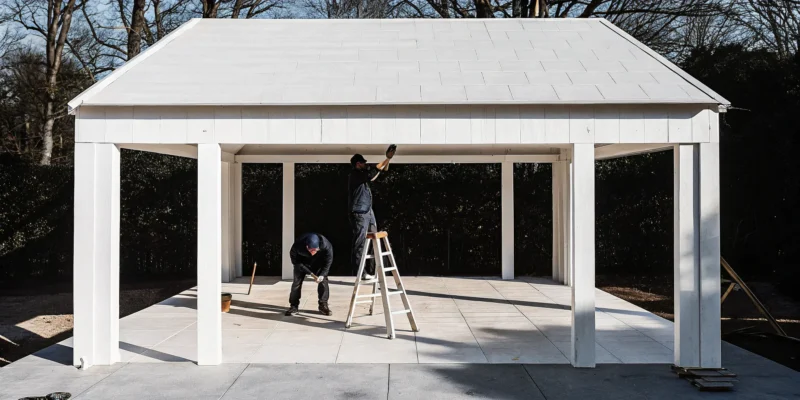
Professional vinyl pavilion installer completing a project on Long Island.

Vinyl Pavilion Installer Long Island: A Buyer’s Guide

Your backyard should be a reflection of your personal style. A vinyl pavilion offers a perfect canvas to create a custom outdoor room that feels like a natural extension of your home. This isn’t about choosing a one-size-fits-all kit. It’s about selecting the perfect size, roof style, colors, and features that fit your life. Whether you dream of a cozy reading nook or an expansive space for entertaining, the possibilities are endless. A skilled vinyl pavilion installer Long Island will work with you as a creative partner, guiding you through the design process to ensure every detail is just right.

Key Takeaways

  • Choose vinyl for a low maintenance lifestyle: Vinyl pavilions are built to withstand Long Island’s weather without the constant sanding, staining, or sealing that wood requires, giving you more time to relax and enjoy your backyard.
  • Plan your project holistically for a cohesive result: A great pavilion is part of a larger design, so consider how it will work with your patio, pool, and landscaping from the start. This ensures all the practical details, like permits and budget, support a unified vision.
  • Partner with an experienced local installer: The right contractor is essential for a successful project. A professional with local expertise will handle permits, ensure quality construction, and provide peace of mind with proper licensing and warranties.

Vinyl vs. Wood vs. Metal: Why Vinyl Is the Clear Winner

When you’re planning the perfect backyard retreat, choosing the right material for your pavilion is a big decision. While wood has a traditional charm and metal offers an industrial look, vinyl stands out as the smartest choice for Long Island homeowners. It combines durability, low maintenance, and timeless style into one complete package. A vinyl pavilion gives you the freedom to relax and enjoy your outdoor space without the constant upkeep required by other materials. Let’s look at why vinyl is the clear winner for creating a lasting and beautiful addition to your home.

Built for Long Island Weather

Living on Long Island means dealing with a mix of everything: humid summers, snowy winters, and salty sea air. Your outdoor structures need to be tough enough to handle it all. This is where vinyl truly shines. Unlike wood, which can rot, warp, or fall victim to insect damage, vinyl is completely resistant to moisture and pests. Our pavilions and pergolas are built with a sturdy wood core wrapped in a thick layer of high-quality vinyl. This design gives you the structural integrity of wood with the unbeatable protection of vinyl, ensuring your pavilion stays beautiful and strong for years, no matter what the weather brings.

Enjoy Low Maintenance, High Reward

Your backyard should be a place for relaxation, not a source of endless chores. Wood pavilions require regular sanding, staining, and sealing to protect them from the elements. Metal can rust, dent, or require repainting. Vinyl, on the other hand, is incredibly low maintenance. A simple cleaning with soap and water is all it takes to keep it looking brand new. It resists fading, cracking, and discoloration from the sun, so you can spend your weekends enjoying your pavilion instead of working on it. This means more time for family barbecues, poolside lounging, and making memories in your beautiful outdoor living space.

Enhance Your Home’s Curb Appeal

A beautifully designed pavilion does more than just provide shade; it adds significant value and appeal to your property. Vinyl pavilions offer a clean, classic, and sophisticated look that complements any architectural style, from modern to traditional. Because it’s such a versatile material, you can customize it with different colors, finishes, and decorative elements to perfectly match your home’s aesthetic. An expertly installed pavilion is a highly sought-after feature for homebuyers, making it a smart investment that you can enjoy now and benefit from later. It’s a key part of a thoughtful home remodeling strategy that pays off.

Common Vinyl Myths, Debunked

Some people still think of vinyl as a flimsy or lower-quality option, but that couldn’t be further from the truth. Today’s vinyl is a premium building material engineered for strength and longevity. One common myth is that vinyl is not durable. In reality, our vinyl is rigorously tested to withstand high winds and extreme weather conditions without cracking or becoming brittle. Another misconception is that it will fade or yellow over time. Modern vinyl includes protective finishes that resist fading from UV rays, and it comes with robust warranties for peace of mind. We use only high-quality materials in all our projects, from natural stone pavers to premium vinyl.

How Can You Customize Your Vinyl Pavilion?

One of the best parts of adding a vinyl pavilion to your yard is making it uniquely yours. This isn’t about picking a pre-made kit from a catalog; it’s about creating a structure that feels like a natural extension of your home and lifestyle. From the overall footprint to the smallest decorative details, you have control over the final look. Think of it as designing a custom outdoor room from the ground up. A well-designed pavilion should complement your home’s architecture and fit perfectly into your landscape. Let’s walk through the exciting ways you can personalize your vinyl pavilion to create the backyard retreat you’ve been dreaming of.

Size and Layout

Before you get into colors and styles, the first decision is figuring out the right size and layout for your space. Think about how you plan to use your pavilion. Will it be a cozy spot for two armchairs and a small table, or do you need an expansive area for a full outdoor dining set? The function will determine the footprint. We can help you map out dimensions that feel balanced within your yard, ensuring there’s still plenty of green space and easy traffic flow. A thoughtful landscape design considers the entire property, and your pavilion is a key piece of that puzzle.

Colors, Trims, and Finishes

This is where your personal style really comes to life. Vinyl pavilions are available in a range of classic, neutral colors like crisp white, warm almond, and soft clay that are designed to complement any home exterior. You can choose a single color for a clean, cohesive look or mix and match the trim to create a subtle contrast. The goal is to select a palette that ties into your home’s existing colors, whether it’s matching the siding, trim, or even the stone pavers on your patio. This attention to detail ensures your new pavilion looks like it was always meant to be there.

Roof Styles: From Gable to Hip

The roof does more than just provide shelter; it defines your pavilion’s entire architectural character. A classic gable roof, with its triangular shape, is a timeless choice that excels at shedding rain and snow. For a more elegant and robust look, a hip roof features four sloped sides that offer excellent stability, making it a great option for windy areas. Each style brings a different feel to your backyard, from traditional to modern. You can see great examples of different structures on our YouTube channel to get a better sense of how each roof style looks in a real Long Island backyard.

Post and Column Designs

The posts are the foundation of your pavilion’s structure and a major design element. Standard square posts offer a clean, classic look that works with almost any style. If you want to make a bolder statement, you can upgrade to larger, more substantial columns that give the pavilion a grander presence. For an even more customized feel, you can incorporate different materials. Imagine your vinyl posts anchored with beautiful custom masonry bases that match your patio or retaining walls. This simple upgrade adds texture, color, and a high-end, integrated look that truly sets your pavilion apart.

Integrated Lighting, Fans, and Screens

To make your pavilion a true outdoor living room, think about comfort and convenience. Planning for electrical wiring from the start allows for the seamless integration of features like overhead lighting, a ceiling fan for warm summer days, and even outlets for charging your phone or plugging in speakers. These additions extend how and when you can use your space, turning it into a perfect spot for evening dinners or relaxing after dark. With expert home remodeling experience, we can ensure all electrical work is handled safely and discreetly, so the focus stays on your beautiful new structure.

How Much Does a Vinyl Pavilion Cost in Long Island?

Figuring out the cost of a new vinyl pavilion is a key step in planning your dream backyard. While there isn’t a single price tag, understanding the variables will help you create a realistic budget. Think of it as an investment that adds lasting value and enjoyment to your home. Generally, a custom-built vinyl

Key Factors That Influence Cost

The final cost of your pavilion comes down to a few main components. First is size. A larger pavilion requires more materials and labor, which naturally increases the price. Next is the complexity of the design. A straightforward rectangular pavilion will cost less than one with a unique shape or intricate details. Finally, the features you include play a big role. While vinyl itself is a durable and cost-effective choice, the specific quality and the underlying wood structure can affect the price. Professional installation is another factor, but it ensures your pavilion is built safely and will last for years to come.

What Drives the Price Up (or Down)?

You have a lot of control over the final cost through customization. Opting for premium upgrades will increase the price, but they also add significant function and style. Features like decorative post trims, privacy walls, or integrated electrical for lighting and ceiling fans are popular additions that drive the price up. The style of the roof and the materials used, such as architectural shingles or a metal roof, also impact the budget. On the other hand, sticking to a standard size and a simpler design is a great way to manage costs. Every choice, from the color to the column style, gives you an opportunity to create a structure that perfectly fits both your vision and your budget.

How to Budget for Your Project

Creating a budget starts with a clear vision. Begin by listing your must-have features versus your nice-to-haves. This helps you prioritize where to allocate your funds. When you’re ready, the next step is to get a detailed, itemized quote from a professional installer. This ensures there are no surprises along the way. It’s also wise to think about the entire scope of your outdoor project. Will your pavilion need a stone paver foundation? Do you want to add surrounding landscaping? Factoring in these related elements from the start helps you plan for the complete cost of your beautiful new outdoor living space.

Do I Need a Permit for a Pavilion in Long Island?

So, you’re dreaming of a beautiful vinyl pavilion in your backyard. Before you get too far into the design details, it’s smart to think about the practical side of things, specifically permits. The short answer is yes, you will likely need a permit to build a pavilion in Long Island. While it might seem like an extra step, permits are in place to ensure your new structure is safe, sound, and meets local building codes.

The exact requirements can vary quite a bit depending on where you live in Nassau or Suffolk County. Each town and village has its own set of rules. Generally, the size of your pavilion, its height, and whether it’s considered a permanent structure will determine the specific permits you need. A permanent pavilion, especially one with a concrete foundation or electrical wiring for lights and fans, almost always requires approval from your local building department. Taking the time to sort this out upfront saves you from potential headaches, fines, or even being asked to remove the structure later. An experienced installer can make this process feel much less intimidating by guiding you through every step.

Understanding Local Permit and Zoning Rules

Think of a building permit as a seal of approval that confirms your project plans are safe and up to code. Local permit and zoning rules are designed to protect you and your property value. Zoning ordinances, for example, dictate how far your pavilion must be from property lines, your house, and other structures. These regulations ensure there’s enough space for emergency access and that your new addition doesn’t negatively impact your neighbors.

Your first step should be to contact your town or village’s building department. They can provide a checklist of what’s required for a structure like a pavilion. This usually includes submitting detailed plans or drawings, a property survey, and an application form. It might sound like a lot, but getting this right from the start is the best way to protect your investment and ensure your project goes smoothly.

What to Know About HOA Rules

If you live in a planned community or a neighborhood with a homeowners’ association (HOA), you have another layer of guidelines to consider. HOA rules are completely separate from your town’s building codes, and in many cases, they can be even more specific. Your HOA might have regulations about the pavilion’s size, style, color, and even the types of materials you can use.

Before you finalize any plans or apply for a municipal permit, be sure to review your HOA’s covenants and get their written approval. Submitting your plans to the architectural review committee is usually the first step. Getting the green light from your HOA first prevents any potential conflicts or fines down the road and ensures your new outdoor living space is a welcome addition to the neighborhood.

How a Pro Handles the Paperwork for You

Dealing with permits, zoning laws, and HOA applications can feel overwhelming, but you don’t have to do it alone. This is one of the biggest benefits of working with an experienced local installer. A professional team that regularly works in Long Island will be familiar with the specific requirements of different towns and villages, saving you countless hours of research and potential missteps.

At Gappsi, we handle the entire permit acquisition process for you. From preparing the necessary architectural drawings to submitting the paperwork and communicating with local officials, our team manages all the details. This allows you to focus on the fun parts of the project, like choosing finishes and planning your first backyard gathering. Our goal is to provide a seamless experience, ensuring your pavilion installation is not only beautiful but also fully compliant.

How to Choose the Right Vinyl Pavilion Installer

Finding the perfect vinyl pavilion is only half the equation; choosing the right team to bring it to life is just as important. The installer you partner with will determine the quality of the final product and the smoothness of the entire experience. A great contractor acts as your guide, handling everything from design to the final touches, while a poor one can turn your dream project into a headache.

To make sure you find a reliable professional, it’s smart to do a little research. Focusing on a few key areas will help you identify a contractor who not only has the right skills but also shares your commitment to quality. Look for a team with deep local roots, a portfolio that speaks for itself, strong warranties, and all the proper credentials. Taking the time to vet your installer ensures your new pavilion will be a source of joy for years to come.

Proven Local Experience

When building an outdoor structure on Long Island, local experience is a must. An installer who knows the area understands the specific challenges our climate presents, from salty sea air to heavy snow. They will recommend materials and construction techniques that are proven to last. A local company will also be an expert in navigating town-specific building codes and permit requirements, saving you from potential delays and compliance issues. A team with a long history in your community has a reputation to uphold and a deep understanding of what it takes to build beautiful, durable outdoor spaces right here on Long Island.

A Strong Portfolio of Past Projects

Before you commit, always ask to see an installer’s portfolio. A collection of past projects is the best way to judge their craftsmanship, style, and versatility. Look for a company that showcases a wide range of designs, from simple and classic to large and intricate. This demonstrates their ability to handle different requests and deliver high-quality results. As you review their work, see if their style aligns with your vision. A strong portfolio, like our gallery of custom pavilions and pergolas, should give you confidence that the installer can create the exact outdoor retreat you have in mind.

Warranty and Post-Installation Support

A vinyl pavilion is a significant investment in your home, and it should be protected. A reputable installer will always stand behind their work with a comprehensive warranty. Be sure to ask what the warranty covers, including both the materials and the labor, and for how long it lasts. Beyond the warranty, consider the company’s approach to post-installation support. You want a partner who will be available to answer questions or address any concerns that might pop up down the road. This commitment to service ensures your pavilion remains in perfect condition and gives you valuable peace of mind.

Proper Licensing and Insurance

Never overlook the basics: your installer must be fully licensed and insured. This is a critical step that protects you, your property, and the workers on site. Proper licensing confirms that the contractor meets state and local standards for professionalism and knowledge. Insurance, including liability and worker’s compensation, shields you from financial responsibility in the event of an accident or property damage. Asking for proof of these credentials is a standard part of the hiring process and a clear indicator that you’re working with a legitimate, trustworthy home improvement company. Don’t be afraid to verify their information for complete assurance.

Our Vinyl Pavilion Installation Process, Step by Step

Seeing a project come together from a simple idea to a finished structure is incredibly rewarding. We believe you should feel confident and informed every step of the way. That’s why we follow a clear, five-step process to ensure your vinyl pavilion installation is smooth, predictable, and results in a space you’ll love for years. From the first sketch to the final walkthrough, our team handles every detail so you can focus on dreaming up your first backyard gathering.

Step 1: Consultation and Design

Everything starts with a conversation. Our first step is to sit down with you and listen to your ideas. We’ll discuss your vision for the space, how you plan to use your pavilion, and what your budget looks like. This initial meeting is all about aligning our expertise with your expectations. We want to understand your lifestyle and aesthetic to create a design that feels like a natural extension of your home. This collaborative approach ensures the final plan perfectly captures what you’re looking for, setting a strong foundation for the entire project.

Step 2: Customization and Material Selection

This is where your vision really starts to take shape. We guide you through all the exciting choices to personalize your vinyl pavilion. You can select from different roof styles, add custom elements like post trim or privacy walls, and even plan for electrical cutouts for lighting and fans. We offer a variety of column options, from standard 6×6 posts to larger 8×8 square columns or elegant 10-inch tapered round columns. Our team will help you choose the colors and finishes that best complement your home’s exterior, ensuring your new pavilion or pergola is a perfect fit.

Step 3: Permits and Site Prep

Before any construction begins, we handle the essential groundwork. In many parts of Long Island, a pavilion installation requires a permit. Our team manages the entire permitting process for you, handling local regulations and ensuring all paperwork is filed correctly to avoid any delays or legal issues. At the same time, we prepare the site for a solid and stable foundation. Proper site preparation is critical for the longevity of your structure, and our expertise in home remodeling and construction means we get it right the first time.

Step 4: Construction and Installation

With the plans finalized and the site prepared, our skilled craftsmen get to work. We bring your design to life with precision and an unwavering attention to detail. Our installation team has decades of experience building beautiful and durable outdoor structures across Long Island. We believe that professional installation is key to achieving a flawless finish and a pavilion that can withstand the elements for years to come. You can watch our team’s expert craftsmanship in action as we assemble your pavilion with care, ensuring every component is perfectly placed and secured.

Step 5: Final Walkthrough and Support

Once the installation is complete, we conduct a final walkthrough with you. This is our chance to present your new vinyl pavilion and make sure you are completely satisfied with the result. We’ll answer any questions you have and confirm that every detail meets your expectations. Our commitment to you doesn’t end when the project is finished. We stand behind our work with post-installation support, so you can have peace of mind knowing we’re here for you. We want you to feel confident and excited to start making memories in your beautiful new outdoor space.

Designing Your Complete Outdoor Living Space

A vinyl pavilion is a fantastic centerpiece for your backyard, but it’s just the beginning. The real transformation happens when you design the entire area around it, creating a complete outdoor living space that feels like a natural extension of your home. Think of your pavilion as the anchor, the main feature that pulls everything else together. When you thoughtfully combine it with other elements like a stone patio, a sparkling pool, or lush gardens, you create a destination that’s not just beautiful but incredibly functional for relaxing and entertaining.

This is where having a cohesive plan is so important. Instead of tackling projects one by one, designing your entire outdoor space at once ensures every element works in harmony. From the flow of the walkways to the placement of your outdoor kitchen, a unified design creates a polished, high-end result. At Gappsi, we specialize in bringing these complete visions to life. Our team handles everything from landscape design to masonry and pool installation, ensuring every piece of your project fits together perfectly. Let’s explore how you can pair your pavilion with other features to build the backyard of your dreams.

Pair Your Pavilion with Custom Masonry

Pairing your vinyl pavilion with custom masonry is the key to creating a permanent, luxurious outdoor room. Stone and brickwork ground the structure, giving it a sense of substance and connecting it visually to your home’s architecture. Imagine a beautiful stone fireplace as the focal point for cozy evenings, or a fully equipped outdoor kitchen with a built-in grill and stone countertops for seamless entertaining. These features turn your pavilion from a simple shelter into a true outdoor living area.

A well-designed pavilion isn’t just enjoyable, it’s valuable. Professionally built outdoor living spaces are in high demand, and integrating custom masonry can give your property a significant edge. Seating walls, decorative pillars, or an elegant patio floor can elevate the entire space, making it feel custom-built and thoughtfully planned.

Create a Cohesive Poolside Retreat

A pavilion is the perfect companion to a swimming pool, offering a shady escape from the sun and a comfortable spot for dining, lounging, or watching the kids splash. Once you’ve chosen the size and style of your pavilion, the fun really begins. You can customize it to create a cohesive poolside retreat that feels like a five-star resort. Think about matching the pavilion’s white vinyl trim to your pool’s coping or using complementary colors for a unified look.

The placement is also key. A pavilion can be situated at the end of the pool to create a dramatic focal point or placed alongside it to serve as a convenient hub for activity. By planning your swimming pool and pavilion together, you can ensure a seamless flow and a design where every element works together beautifully.

Frame Your Space with Landscaping and Pavers

Landscaping and pavers are the finishing touches that frame your pavilion and integrate it into your yard. A winding paver walkway can create an elegant path from your back door to the pavilion, while a spacious patio beneath it provides a solid, stylish floor for furniture. Using high-quality porcelain or natural stone pavers adds texture and color, further defining the space as a distinct outdoor room.

Lush landscaping softens the edges and makes the structure feel like it has always been there. You can plant flowering shrubs for seasonal color, use ornamental grasses to add texture, or plant a row of evergreens for year-round greenery. The open layout of a vinyl pavilion is perfect for framing these beautiful garden views, allowing you to enjoy your landscape from a comfortable, shaded spot.

Complete the Look with Fencing and Privacy

To make your outdoor living space a true sanctuary, you need privacy. Fencing and strategic plantings can shield you from neighbors and block out unwanted noise, creating a more intimate and relaxing atmosphere. When planning your pavilion, it’s smart to consider things like wind direction and where you might need a screen from the afternoon sun or a nosy neighbor. This is where thoughtful design makes all the difference.

A stylish fence can do more than just create a boundary; it can become a beautiful backdrop for your pavilion and garden. You can also add retractable screens or curtains directly to your pavilion for on-demand privacy. Gappsi offers a variety of fencing solutions that can complement your home and pavilion, completing the look of your backyard oasis while making it feel safe and secluded.

Why Choose Gappsi for Your Vinyl Pavilion?

Choosing the right installer is just as important as choosing the right pavilion. You need a partner who understands your vision, knows the local landscape, and has the expertise to bring it all together flawlessly. At Gappsi, we combine decades of local experience with a comprehensive, client-focused approach to ensure your project is a success from the first sketch to the final walkthrough.

Decades of Local, Hands-On Experience

With roots in Long Island since 1987, our experience is about more than just years in business. It’s about a deep understanding of the local architecture, climate, and community standards. We’ve spent decades designing and building custom pavilions and pergolas that are perfectly suited for Long Island homes. This hands-on experience means we anticipate challenges before they arise and deliver a finished product that is not only beautiful but also built to last. Our team has seen it all, and we bring that wealth of knowledge to every single project, ensuring your pavilion is crafted with precision and care.

One Team for Your Entire Outdoor Project

Imagine having one dedicated team to handle every aspect of your outdoor transformation. That’s the Gappsi promise. We manage your entire project in-house, from the initial design and permit applications to the final construction and landscaping touches. You won’t have to juggle multiple contractors or worry about coordinating schedules. We are experts in handling local building codes in Nassau and Suffolk Counties, making the permit process smooth and stress-free for you. This integrated approach allows us to create a truly cohesive outdoor living space where your new pavilion perfectly complements your swimming pool, patio, and garden.

A Commitment to Quality and Your Satisfaction

Your satisfaction is the foundation of our work. We believe a quality project starts with a quality experience, which is why we begin with a complimentary design consultation to listen to your ideas and understand your goals. We are committed to using only the best materials and employing expert craftsmanship to bring your vision to life. You can see the results of our dedication on our YouTube channel, where our finished projects speak for themselves. Our job isn’t finished until we’ve conducted a final walkthrough with you and know you are completely thrilled with your new vinyl pavilion.

Related Articles

Frequently Asked Questions

How long will a vinyl pavilion actually last on Long Island? A high-quality vinyl pavilion is a long-term investment built to withstand our specific coastal climate. Unlike wood that can rot or warp from humidity and snow, the vinyl we use is engineered to resist moisture, salt air, and pests. Because it’s constructed with a solid wood core for structural integrity and wrapped in a protective vinyl layer, you can expect it to last for decades with very minimal upkeep, looking great year after year.

I love the classic look of wood. Can a vinyl pavilion give me a similar feel? I completely understand the appeal of wood’s natural charm. While vinyl offers a cleaner, more classic look, you can absolutely achieve a warm and high-end feel. We can incorporate design elements that add texture and substance, like upgrading the posts to more substantial columns or adding custom masonry bases made from natural stone. This combination gives you the timeless look of custom construction without the constant maintenance that a full wood structure requires.

How long does the installation process typically take from start to finish? The total timeline can vary depending on the complexity of your design and how quickly local permits are approved. The design and customization phase is usually quick, but the permit process can sometimes take several weeks. Once the permits are secured and the site is prepped, the actual on-site construction is surprisingly fast, often taking just a few days. Working with an experienced team that handles the permit process for you is the best way to keep the project moving smoothly.

Can I add a pavilion to my existing patio or pool deck? Yes, absolutely. Adding a pavilion is a fantastic way to upgrade an existing outdoor area. During our initial consultation, we will assess your current patio or deck to ensure its foundation is suitable to support the new structure. We make sure the installation is done correctly and safely, so the new pavilion feels like it was part of the original design all along.

Will the vinyl yellow or fade over time from the sun? That’s a common concern, but it’s a myth based on older, lower-quality vinyl. The premium vinyl used today is a completely different material. It is manufactured with UV inhibitors that protect it from the sun’s rays, preventing it from yellowing, fading, or becoming brittle over time. This ensures your pavilion will maintain its crisp, clean color for many years, even in a sunny, open backyard.
Share this page:
Architectural plans on a windowsill for a Long Island home improvement project.

6 Tips for Finding a Home Improvement Company Long Island

Your home is more than just a building; it’s where your life happens. When you decide to renovate, you’re not just updating a space, you’re creating an environment that better suits your lifestyle. Whether you dream of a backyard oasis with a custom pool and pavilion or an open-concept kitchen perfect for family gatherings, the key is finding a partner who can see the big picture. A true design-build firm does more than just construction. The right home improvement company Long Island has to offer will manage every detail, from initial sketches and permits to the final walkthrough, ensuring a seamless and cohesive transformation for your entire property.

Key Takeaways

  • Think Beyond a Single Job: A premier home improvement company acts as a single partner for your entire property, managing everything from indoor remodels to outdoor living spaces to ensure a seamless and cohesive final result.
  • Vet Your Contractor Thoroughly: Protect your investment by doing your due diligence. This means verifying their license and insurance, reviewing their portfolio, and speaking with past clients about their experience with communication and quality.
  • Plan for a Successful Partnership: A smooth renovation depends on clear expectations from the start. Establish a realistic budget, get a detailed written contract before work begins, and maintain open communication throughout the project.

What Does a Home Improvement Company in Long Island Actually Do?

When you hear the term “home improvement company,” you might picture a team that handles kitchen remodels or bathroom updates. While that’s true, a premier Long Island company often does much more. Think of them as your single partner for transforming your entire property. Instead of you having to hire a separate architect, landscaper, pool installer, and mason, a full-service firm manages every detail from start to finish. This integrated approach is what sets a true design and build company apart from a general contractor.

These companies have the expertise to see the big picture, ensuring every element, from the flow of your indoor living area to the design of your outdoor oasis, works together perfectly. They handle projects that span your entire property line. This means they can build a stunning new patio, install a custom swimming pool, and then move inside to create the open-concept kitchen you’ve always wanted. The goal is to provide a seamless experience, turning your vision for your home into a reality without the headache of juggling multiple contractors and timelines.

Outdoor Living and Entertainment Spaces

A great home improvement company can turn your backyard into a true extension of your home. This goes far beyond simply planting a few shrubs or laying a patio. They design and build complete outdoor environments tailored to how you want to live and entertain. This could include installing beautiful and durable masonry for patios and walkways, constructing a custom swimming pool, or adding a shaded pavilion for dining.

The best part of working with a single firm is the cohesive design. Your pool, patio, and landscaping all feel like they belong together. They can also incorporate unique features to fit your family’s lifestyle, like installing low-maintenance synthetic turf and Sports Games Courts for the kids or building a cozy outdoor fireplace for cool evenings.

Indoor Remodeling and Construction

While many Long Island companies focus on the outdoors, a truly comprehensive firm brings that same level of design and construction expertise inside. Their services often cover a wide range of home remodeling projects. This includes popular updates like kitchen and bathroom renovations, basement finishing, and even building room additions to give your family more space.

A full-service company handles everything from structural changes to the finishing touches. They can install new flooring, create custom tile work, and manage the entire interior build-out. By using one team for both your indoor and outdoor projects, you ensure a consistent level of quality and a harmonious design that flows throughout your entire property, often using versatile materials like porcelain and natural stone in both spaces.

Design, Permits, and Build Under One Roof

One of the biggest advantages of hiring a top-tier home improvement company is getting a full-service experience. This means they manage the entire project from the initial idea to the final walkthrough. The process starts with a design phase, where they work with you to create detailed plans and 3D renderings that capture your vision. You get to see what your project will look like before any construction begins.

From there, the company handles the often-confusing process of securing all necessary town and village permits. This step alone can save you a tremendous amount of time and stress. With the plans approved, their in-house construction team gets to work, bringing the design to life. This integrated “design-build” model streamlines communication and ensures your project is completed efficiently and to the highest standard, just as the landscape design was originally planned.

Who Are Long Island’s Top Home Improvement Companies?

Finding the right partner for your home renovation is a big decision. On Long Island, you have many great options, from full-service design-build firms to specialized contractors. The best fit depends on your project’s scope, your budget, and the level of service you’re looking for. To help you get started, here are some of the top home improvement companies trusted by homeowners across Nassau and Suffolk County.

Gappsi

With roots stretching back to 1987, Gappsi has built a solid reputation for transforming properties across Long Island. What makes them stand out is their comprehensive, whole-property approach. They manage everything from initial landscape design and swimming pool installation to complete home remodeling. This seamless process means you have one expert team handling both your indoor and outdoor projects, ensuring a cohesive vision from start to finish. Their extensive experience in both Nassau and Suffolk County makes them a reliable choice for any major home improvement project, whether it’s a new masonry patio or a full interior renovation.

Other Notable Long Island Contractors

While Gappsi offers a complete solution, it’s always smart to know your options. Here are a few other well-regarded contractors on Long Island:

  • Pro Quality Home Improvements Inc.: With over two decades of experience, Pro Quality Home Improvements is known for its commitment to quality work and customer satisfaction across Nassau and Suffolk County.
  • A Father of Four: This family-oriented general contractor specializes in projects like home additions and kitchen remodels. A Father of Four offers free estimates to help homeowners begin the planning process.
  • Handyman Innovations: Known for providing quality services at competitive prices, they also offer discounts for seniors and veterans, making them an appealing option for a wide range of clients.

What Services Do Top Long Island Contractors Offer?

When you partner with a premier home improvement company, you gain access to a team that can handle your entire project from concept to completion. The best contractors offer a wide range of services, ensuring a cohesive design and seamless execution for your home’s transformation. Here’s a look at what you can expect.

Swimming Pools and Water Features

Top contractors specialize in creating stunning backyard retreats centered around water. This is more than just installing a standard pool. They can help you design and build custom swimming pools that fit your landscape and lifestyle, whether you envision a sleek modern design or a freeform naturalistic shape. Many also design and install other water features, like serene koi ponds, elegant fountains, or dramatic rock waterfalls. These elements can transform your yard into a private oasis, providing a beautiful focal point and the calming sound of moving water for ultimate relaxation.

Masonry and Stonework

Expert masonry is the foundation of any beautiful and durable outdoor living space. Leading Long Island contractors provide comprehensive masonry services for everything from patios and walkways to driveways and retaining walls. They work with a variety of high-quality materials, including classic brick, versatile pavers, and beautiful natural stone. A skilled mason can create intricate patterns for a patio, build a sturdy and attractive stoop for your front entrance, or construct an elegant pool surround that ties your entire backyard design together, ensuring your investment looks great and lasts for decades.

Landscaping and Synthetic Turf

A great contractor understands that greenery is what brings an outdoor space to life. Comprehensive landscaping services can shape your entire property, from planting lush garden beds to installing irrigation systems. Many top companies also offer modern solutions like synthetic turf installations. This isn’t the fake grass of the past; today’s turf looks and feels incredibly realistic. It’s a perfect low-maintenance option for pristine lawns, personal putting greens, durable dog runs, or even backyard sports games courts. It provides a consistently green, usable surface without the constant need for mowing, watering, or fertilizing.

Pavilions, Pergolas, and Outdoor Structures

To truly live outdoors, you need functional, sheltered spaces. Top contractors design and build beautiful and practical outdoor structures that extend the comforts of your home into the backyard. Custom pavilions and pergolas can create a shaded retreat from the summer sun, define a dining area, or provide a perfect framework for an outdoor kitchen. These structures can be built to match your home’s architectural style and are often combined with other features like masonry walls or fireplaces to create a complete outdoor room for entertaining, cooking, or simply relaxing with family.

Fencing, Driveways, and Restoration Services

A full-service contractor also handles the essential finishing touches that complete your property’s look and functionality. This includes installing high-quality fencing for privacy, security, and style, with options ranging from classic wood to modern composite materials. They can also design and install new driveways using materials like durable pavers or permeable gravel systems. Furthermore, many offer restoration services to bring old, worn-out paving stones back to life. Their expert cleaning and sealing can make an old patio or walkway look brand new again, protecting your initial investment.

Wellness Installations: Saunas and Spa Features

Bringing the spa experience home is a growing trend, and leading contractors are equipped to make it happen. Many now specialize in creating personal wellness retreats right in your backyard. This can include the design and installation of luxury outdoor saunas, which offer a peaceful escape and numerous health benefits. These features can be seamlessly integrated into your landscape design, perhaps tucked into a quiet corner of the garden or connected to a pool deck. By incorporating elements like saunas or hot tubs, a contractor can help you create a space that supports not just recreation, but also your overall well-being.

How to Find a Reputable Home Improvement Contractor

Choosing a contractor is one of the biggest decisions you’ll make for your home renovation. The right partner can turn your vision into a beautiful, functional reality, while the wrong one can lead to stress and disappointment. Taking the time to properly vet your options is the single most important step you can take to ensure a smooth project from start to finish. Think of it as building the foundation for your renovation’s success. A little bit of research now will save you from major headaches down the road. By following a few straightforward steps, you can confidently find a professional and reliable home improvement company that you can trust to handle your project with care and expertise.

Ask for Referrals and Check Online Reviews

Start your search by talking to people you trust. Ask friends, family, and neighbors on Long Island for recommendations. Hearing about a firsthand experience is invaluable, as speaking to past customers is one of the best ways to gauge a contractor’s reliability, communication, and quality of work. Once you have a few names, head online to check out their reviews on various platforms. Look for consistent themes in the feedback. While a single negative review isn’t necessarily a dealbreaker, a pattern of complaints about missed deadlines or poor communication should give you pause. A company’s YouTube channel or social media can also offer a glimpse into their work and client interactions.

Verify Licensing and Insurance

This step is non-negotiable. A professional contractor must be licensed to work in your area and carry both liability insurance and workers’ compensation. It’s easy to assume everything is in order, but as many homeowners have unfortunately learned, failing to verify can leave you with unfinished work and little recourse. Licensing proves they meet local standards, while insurance protects you from liability if a worker is injured on your property or if your home is damaged during the project. Don’t just take their word for it; ask for copies of their license and insurance certificates and verify them with the appropriate Nassau or Suffolk County agencies.

Review Portfolios and Past Projects

This is where you get to see if a contractor’s style aligns with your own. A reputable company will be proud to show off its work. Spend time looking through their portfolio of past projects to get ideas and assess the quality of their craftsmanship. Pay close attention to projects that are similar to what you have in mind. If you’re dreaming of a backyard oasis, look closely at their swimming pool installations. If a new stone patio is on your list, examine the detail in their masonry work. A strong portfolio demonstrates experience and gives you confidence that they can deliver the results you want.

Request References From Past Clients

Online reviews are helpful, but speaking directly with a past client provides a deeper level of insight. A contractor who is confident in their work will have no problem providing you with a list of references. When you call, be prepared with a few questions. Ask about the client’s overall experience, whether the project stayed on schedule and within budget, and how the contractor handled communication or any unexpected issues that arose. Most importantly, ask them if they would hire the contractor again. Their answer to that simple question will tell you almost everything you need to know.

6 Things to Look For in a Home Improvement Company

Choosing a home improvement company is a big decision, and it’s one of the most important you’ll make for your project. You’re not just hiring someone to build something; you’re inviting a team into your home and trusting them with your vision and your investment. The right partner will make the process feel exciting and collaborative, while the wrong one can turn your dream project into a major headache. To make sure you find a great match, it helps to know what to look for from the very start.

Think of it like building a relationship. You want a company with a proven track record, a clear communication style, and the skills to deliver exactly what you want. Taking the time to vet your options thoroughly is the single best thing you can do to ensure your project goes smoothly and you end up with a space you absolutely love. A great contractor does more than just build; they listen, they problem-solve, and they care about the final result as much as you do. From their experience in your neighborhood to the way they handle their contracts, every detail matters. These six factors will help you identify a top-tier contractor who can bring your Long Island home renovation to life.

1. Years of Experience and Local Knowledge

Experience is more than just a number. A company that has been serving Long Island for years brings a deep understanding of local building codes, permit processes, and even the unique environmental factors of Nassau and Suffolk County. They know which materials hold up best to our coastal weather and how to design projects that fit the local aesthetic. Gappsi, for example, brings decades of craftsmanship to every project. This kind of localized expertise is invaluable. It helps prevent unexpected delays and ensures your investment is built to last, saving you time and money in the long run.

2. Range of Services Offered

Hiring a company that can handle your entire project from start to finish is a game-changer. Instead of juggling multiple contractors for design, masonry, and landscaping, you have one dedicated team. This integrated approach ensures a cohesive vision and a much smoother workflow. A full-service company can manage everything from installing swimming pools and building pavilions to handling the final landscape design. This not only simplifies communication but also helps keep your project on schedule and on budget, as the entire team is working in sync toward the same goal.

3. Licensing, Insurance, and Certifications

This is a non-negotiable. Before you sign any contract, confirm that the company has a valid contractor’s license, general liability insurance, and workers’ compensation. These credentials are your protection. A license proves they meet state and local standards, while insurance covers you in case of accidents or property damage during the project. Any professional contractor will readily provide proof of their coverage. Don’t just take their word for it; asking for the documents is a standard and necessary step to avoid costly mistakes and protect your home.

4. Transparent Pricing and Realistic Budgeting

While it’s tempting to go with the lowest bid, this can often lead to trouble. An unusually low price may signal subpar materials, inexperienced labor, or hidden costs that will appear later. A reputable contractor will provide a detailed, itemized estimate that clearly outlines all expenses. They should be able to explain every line item and work with you to create a realistic budget that aligns with your goals. The best value comes from a fair price for excellent work, not just the cheapest option. Look for transparency and a willingness to discuss costs openly.

5. Communication and Customer Service

Great communication is the backbone of any successful renovation. From your first phone call, pay attention to how the company interacts with you. Are they responsive, attentive, and willing to answer all your questions? The right contractor acts as a partner, listening to your ideas and providing clear updates throughout the project. This commitment to communication is essential for bringing your vision to life, whether you’re planning a small update or a major home remodeling project. A contractor who values your input will make the entire process feel more collaborative and far less stressful.

6. Warranty and Post-Project Support

A contractor’s commitment to you shouldn’t end when they pack up their tools. A quality company will stand behind its work with a solid warranty. Before signing on, ask about their post-project support and what their warranty covers. This guarantee is a clear indicator of their confidence in their materials and craftsmanship. It shows they build things to last and are dedicated to your long-term satisfaction. Knowing you have that support provides peace of mind and protects your investment for years to come, which is especially important for large-scale home renovations.

Red Flags to Watch For When Hiring a Contractor

Choosing the right contractor is the most critical step in your home renovation journey. While the majority of professionals are dedicated and honest, knowing what to look out for can save you from major headaches, unexpected costs, and disappointment. Think of these red flags not as deal-breakers on their own, but as signs that you need to ask more questions and proceed with caution. Protecting your investment starts with being an informed and vigilant homeowner. Here are some key warning signs that a contractor might not be the right fit for your project.

Vague or Incomplete Estimates

A trustworthy contractor will provide a detailed, itemized estimate that clearly outlines the costs for labor, materials, permits, and other expenses. Be wary of a “ballpark” figure written on the back of a business card. Making a decision based on a vague quote can lead to costly surprises down the road. A professional estimate is a sign of a professional operation. If a contractor is hesitant to break down the costs for your masonry project, it could mean they are disorganized, inexperienced, or worse, planning to add surprise fees later. A clear, comprehensive quote protects both you and the contractor by setting clear expectations from day one.

Pressure Tactics and Rushed Decisions

Your home renovation is a significant investment, and you should never feel rushed into a decision. Be cautious of contractors who use high-pressure sales tactics, such as claiming a “special price” is only available if you sign today or mentioning they have “leftover materials” from a nearby job. A reputable company respects the process and understands that you need time to review proposals, check references, and feel confident in your choice. A professional building your dream pavilion will want you to be completely comfortable and excited about the project, not pressured into it. Rushing is a red flag that often signals a focus on sales over quality.

No License, Insurance, or References

This is a non-negotiable. Any contractor you consider must be able to provide proof of current licensing and insurance, including both general liability and worker’s compensation. It’s easy to assume everything is in order, but you must verify. Hiring an unlicensed or uninsured contractor puts you at enormous risk; if an accident happens on your property, you could be held financially responsible. Similarly, a contractor who can’t or won’t provide a list of recent references is a major cause for concern. For any major home remodeling project, a history of satisfied clients is one of the best indicators of future success.

Poor Communication From the Start

Pay close attention to how a contractor communicates during your initial conversations. Do they return your calls promptly? Do they listen to your ideas and answer your questions clearly? Or are their answers vague and their follow-up inconsistent? How a contractor communicates before they have your business is a strong indicator of how they will communicate during the project. The right partner brings not only technical skill but also reliability and a commitment to bringing your vision to life. You can often get a feel for a company’s style by watching their project videos and seeing how they present their work and explain their process. Clear communication is the foundation of a smooth and successful renovation.

Tips for a Smooth Home Renovation on Long Island

Starting a home renovation is exciting, but it can also feel overwhelming. A bit of planning can make the entire process smoother and more enjoyable. Here are a few key tips to help you prepare for your Long Island home transformation, ensuring you and your contractor are aligned from day one.

Set a Realistic Budget Before You Start

Before you get lost in design ideas and material samples, it’s crucial to ground your project with a realistic budget. Knowing your numbers from the start helps prevent stress and disappointment down the road. Take time to research the typical costs for your type of project in Long Island and be honest about what you can comfortably afford. A great contractor will work with you to understand your budget and provide a transparent breakdown of costs. This initial financial planning is the foundation for a successful home remodeling project, ensuring your vision can become a reality without unexpected financial strain.

Plan Your Project Timeline

A detailed project timeline is your roadmap to a successful renovation. It does more than just set a finish date; it helps manage expectations and minimize disruptions to your daily life. Work with your contractor to outline each phase of the project, from demolition to the final touches. A well-planned schedule should also include buffer time for any unexpected delays or important decisions you might need to make along the way. For complex projects like installing swimming pools, a clear timeline ensures every step, from excavation to filling, is coordinated perfectly, keeping your project on track.

Get Everything in Writing

A handshake is nice, but a contract is essential. A professional contractor will always provide a detailed written agreement before any work begins. This document is your single source of truth and should clearly outline the full scope of work, a schedule of payments, the project timeline, and the specific materials to be used. According to the Federal Trade Commission, getting all promises in writing is one of the most important steps to protect yourself. This contract prevents misunderstandings and holds both you and your contractor accountable, creating a clear and professional partnership.

Stay Involved Throughout the Process

While you’ve hired an expert to handle the work, your involvement is key to getting the results you want. Stay in regular communication with your project manager and be available to answer questions or make decisions as they arise. This doesn’t mean you need to be on-site every day, but being engaged helps ensure the project stays true to your vision. A collaborative relationship with your contractor leads to a better final product. You can see how this partnership comes to life by viewing a contractor’s past projects, where client vision and expert execution create stunning transformations.

Can You Get Discounts on Home Improvement Services?

A home renovation is a significant investment, so it’s natural to look for ways to make your project more affordable. While deep discounts on custom work are rare, reputable companies often provide options to help you manage the cost and get the most value for your money. Instead of just looking for the lowest price, which can sometimes be a red flag, focus on finding a partner who offers transparent pricing and financial flexibility.

Thinking about your budget shouldn’t be an afterthought. It’s a core part of the planning process. The right home improvement company will work with you to understand your financial comfort zone and explore every avenue to bring your vision to life without causing financial strain. From initial consultations to flexible payment structures, there are several ways to make your dream project more accessible. Exploring these options early on ensures you can move forward with confidence.

Free Estimates and Consultations

The first step in any home improvement project should always be a free estimate and consultation. This is a no-obligation opportunity to discuss your ideas, understand the potential costs, and get a feel for the company you might be working with. During a consultation, you can ask detailed questions about materials, timelines, and the construction process. It’s your chance to see if the contractor truly understands your vision for a new swimming pool or a complete backyard makeover.

A detailed estimate provides a clear breakdown of expenses, helping you avoid surprises down the road. This isn’t just a number; it’s a foundational document for your project plan. Use this meeting to gauge the team’s professionalism and expertise. A company that invests time in providing a thorough, complimentary consultation is showing you that they value your business and are committed to getting the details right from the very beginning.

Financing Options to Manage Larger Projects

For larger projects like a full home remodeling or an extensive outdoor kitchen installation, financing can be a game-changer. It allows you to complete your project now and pay for it over time through manageable monthly installments. This approach makes it possible to achieve your dream home without having to deplete your savings or compromise on the quality and scope of the work. Many top-tier contractors partner with trusted third-party lenders to offer flexible financing plans.

When discussing your project, don’t hesitate to ask about available financing options. Companies like Gappsi understand that a major renovation is a big financial commitment and facilitate financing to help homeowners get their projects off the ground. This flexibility ensures you don’t have to put your plans on hold, allowing you to enjoy your newly transformed space sooner rather than later.

Senior and Veteran Discounts

Many businesses believe in giving back to the community, and one common way they do this is by offering special discounts to seniors and military veterans. While not every contractor advertises these programs, it’s always worth asking about them. These discounts are a small token of appreciation for service and life experience, and they can help reduce the overall cost of your project, whether it’s new masonry work or a simple landscape update.

When you’re gathering estimates, simply inquire if they have a senior or veteran discount program. A respectful and professional company will be happy to answer. It’s a simple question that could lead to welcome savings on your final bill. This small step can make a meaningful difference in your budget, helping you allocate funds to other aspects of your project or simply enjoy a lower total cost.

Ready to Transform Your Long Island Home?

Taking the first step to transform your home is a big deal, and you want to get it right. Finding the perfect home improvement partner is the key to a smooth and successful project. As you get ready to begin, keeping a few essential tips in mind will help you choose a company with confidence.

First, do a little homework on companies with a strong local reputation. Online reviews and project galleries give you a real sense of a contractor’s quality and style. It’s also a great idea to interview a few different contractors instead of settling on the first one you find. This lets you compare their ideas, pricing, and how they approach a project like yours. You’re looking for a team that truly understands your vision. A company’s YouTube channel can be a great place to see their work in action.

Consider whether you need a specialist for one job or a team that can handle everything. Companies that offer a whole-property approach can create a cohesive design for your entire home, from indoor remodeling to outdoor living spaces. This often simplifies the process since you’re working with one dedicated team from start to finish. Finally, one of the best ways to feel confident in your choice is to talk with past customers. A reputable company will be happy to provide references. Asking about their experience with communication, timelines, and the final result gives you invaluable insight. Following these steps will help you find a home improvement company you can trust to bring your vision to life.

Related Articles

Frequently Asked Questions

What’s the real difference between a general contractor and a full-service home improvement company? Think of it this way: a general contractor is great for managing a specific project, like a bathroom remodel. A full-service home improvement company, however, acts as your partner for the entire property. They have in-house designers, builders, and landscape experts who work together. This means they can design a new kitchen that flows seamlessly into a new stone patio and pool area, ensuring one cohesive vision from your front door to your back fence.

Why can’t I get a simple price quote over the phone for my project? A quick phone quote might seem convenient, but it’s often inaccurate. A professional company needs to see your space, understand the site conditions, discuss material quality, and grasp your vision fully before providing a detailed estimate. An on-site consultation allows them to create a transparent, itemized proposal that accounts for every detail, which protects you from surprise costs and ensures the final price is realistic for the quality of work you expect.

Do I have to hire one company for both my indoor and outdoor projects? You certainly don’t have to, but there are major benefits to doing so. When one team handles everything, the design feels more connected and intentional. The materials used on your patio might complement your new kitchen floor, and the entire project runs more smoothly because you have a single point of contact. It eliminates the headache of you trying to coordinate a separate landscaper, pool installer, and interior remodeler.

How involved do I need to be once the project starts? Your level of involvement is up to you, but a great project is a partnership. While you’ve hired experts to manage the day-to-day work, staying engaged is key. You should expect regular updates from your project manager and be available to answer questions or approve decisions. This collaborative approach ensures the final result is exactly what you envisioned, preventing misunderstandings and keeping the project true to your goals.

Besides checking for a license, what’s the most important step when choosing a contractor? After verifying their license and insurance, the most critical step is to speak with their past clients. A company can show you a beautiful portfolio, but talking to someone who has actually lived through the renovation process with them gives you unmatched insight. Ask about their experience with communication, how the team handled unexpected issues, and if the project stayed on schedule. A contractor who is confident in their work will gladly provide references.

Share this page:
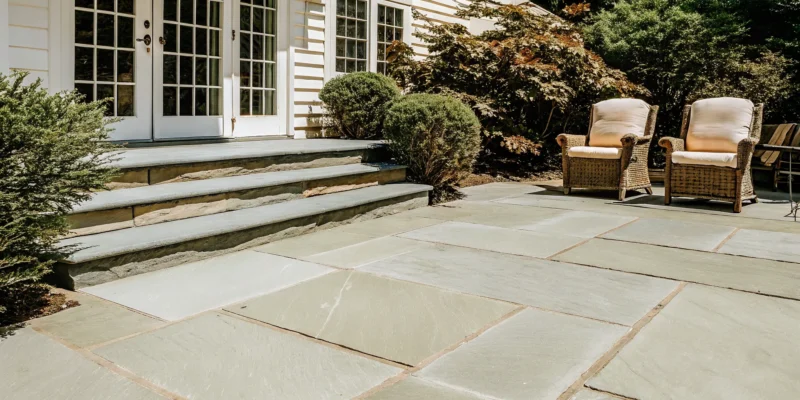
Natural bluestone patio with cleft surface texture on Long Island

Best Patio Materials for Long Island: Bluestone vs Travertine vs Concrete Pavers

Winter frost heave on Long Island easily cracks poorly built patios and causes costly backyard damage. Choosing the wrong stone or concrete paver means your outdoor living space will crumble within a few seasons.

The best patio materials for Long Island are natural bluestone, travertine, and concrete pavers, which each provide homeowners with superb strength, great seasonal performance, and beautiful masonry results. Natural bluestone offers a classic cleft look that handles harsh freeze-thaw cycles well, while travertine stays very cool underfoot, making it the perfect choice for sunny pool decks. In contrast, concrete pavers from top local brands like Cambridge and Nicolock offer highly versatile design styles, low maintenance needs, and superb strength at an affordable overall cost. In the end, choosing the right material depends on your own budget, your maintenance needs, and how you plan to enjoy your new custom outdoor living space.

To select the best patio materials for Long Island backyards, you must first understand how our local weather patterns impact various stones over time. We will help you evaluate these options by first Understanding Long Island’s Unique Climate Challenges. This crucial decision begins with knowing how freeze-thaw cycles, coastal salt, and seasonal humidity affect each material’s performance over time.

Schedule Your Free Design Consultation — Our team will help you choose the best patio materials for your Long Island home.

Best Patio Materials For Long Island: Understanding Long Island’s Unique Climate Challenges

Long Island weather is nice, but it can be harsh on outdoor living spaces. If you want a patio that lasts, you must plan for local weather. Stone that works in other states often fails here.

That is why picking the right option is key. But even the best stone is not enough on its own. Proper setup is needed to survive our climate.

The Freeze-Thaw Threat to Masonry

Winters on Long Island bring cold weeks and warm days. Water gets into porous stones and then freezes. When water freezes, it grows in size.

This growth pushes the stone apart and makes it crack. Scientists at Stony Brook University study how these cold freeze-thaw cycles harm local brick and stone. To stop this threat, you must select stones that do not soak up water.

When water turns to ice, it exerts immense pressure. Unsealed patios will flake and peel. Just one bad winter can ruin a poorly made stone floor. Using dense natural bluestone or travertine helps prevent this costly damage.

Coastal Salt and Humidity Realities

Long Island is surrounded by saltwater. This means that coastal salt air is a constant factor for Suffolk County and Nassau County homes. Salt can settle on your patio and slowly eat away at the stone. It also breaks down concrete bonds over time, making your stones weak and crumbly.

Damp summer air also creates water issues. Wet air slows down drainage and keeps your patio damp.

Damp stones can grow mold and moss, which look bad and make the surface slick. Sealing your stone blocks these threats. It keeps salt and water out so your patio stays clean and dry.

Base Preparation and Edge Restraints

The best paving stone will still fail if the ground beneath it moves. In our region, soil shifts often due to weather changes. To prevent this, you must have a proper base.

We use a base of six to eight inches of packed RCA or stone dust. This deep support layer keeps the patio level and lets water drain away.

Edge restraints are also needed to lock the stones in place. Without them, the outer stones will spread and push outward over time. We install our patented Edge Restraint System to keep every stone locked tight.

Our team has built many long-lasting patios across Long Island. You can view our work in our completed project portfolio to see how we handle these tough climate needs.

Bluestone: The Classic Natural Stone Choice for Long Island Patios

When you plan a new outdoor space, choosing the best patio materials for Long Island homes is a key choice. Natural bluestone stands out as a classic, time-tested option for local backyards. This quarried natural stone offers a rustic charm that fits both old and new homes. If you want a fine stone patio, Gappsi supplies and installs this stone through our professional masonry services.

Natural cleft texture and unique colors

This stone has a unique look because of how workers split it. A natural cleft surface shows the soft ridges and texture of the earth. The color range is also very broad, running from cool blue-gray to warm blue-brown tones. According to New York State mining records, this sandstone is mined from local beds. These color shades mean that no two stone patios look exactly the same.

Some homeowners prefer a smoother feel underfoot. You can choose a flamed bluestone or textured finish instead of a cleft surface. High heat is applied to the stone to create a flat, slip-free surface. This textured surface is best for wet areas like pool decks and steps. It prevents slips while keeping the natural look of the stone. For more ideas, review our slip-resistant pavers.

Freeze-thaw durability for cold winters

One big reason this stone is among the best patio materials for Long Island is its strength. This sandstone has great freeze-thaw durability to survive wet, cold winters. Builders have used this natural stone for centuries in northern climates. It will not crack or break when the ground freezes and thaws. This makes it a smart choice for long-term outdoor use.

Our team lays natural bluestone on walkways, backyard patios, and pool decks. Installing them well is key to making sure the stones do not shift over time. Gappsi uses a deep, packed stone base to allow water to drain away. Good drainage stops water from pooling under the patio and causing damage. This careful work ensures your stone patio stays flat and beautiful for decades.

Sealing and maintenance requirements

While this stone is very tough, it is also porous. This means it can absorb water, oil, and grease from backyard grills. To prevent stains, you must apply a stone sealer after installation. Sealing keeps the deep colors bright and stops dirt from sinking in. You will need to clean the stone and coat it with this sealer every few years.

The usual cost of this stone runs from $25 to $40 per square foot installed. This is a higher price than most concrete pavers, but the classic look has no match. This stone is best for homeowners who want a timeless, natural look. It is a great fit if you do not mind doing a little routine work to keep the stone safe.

Travertine: A Timeless Option for Warm-Weather Entertaining

When you look for the best patio materials for Long Island, travertine is a strong contender. This natural stone brings warmth and classic style to any backyard design. It has a rich history of use in fine masonry. Gappsi supplies and installs travertine to help homeowners build beautiful outdoor spaces.

Natural beauty and thermal properties

Travertine is a form of natural limestone. It is a sedimentary rock formed from mineral spring deposits. This process leaves small, natural holes or pits on the surface. Homeowners can choose to leave these pits open for a rustic feel. They can also use filled travertine for a smoother finish.

This stone comes in warm, earth-toned hues. The most common colors are cream, ivory, beige, walnut, and gold. This range makes it easy to match with your home exterior.

The biggest benefit of travertine is its thermal performance. Carbonate rocks like limestone have unique thermal properties. Studies show that carbonate rocks limit heat buildup under the sun. This means travertine stays cool underfoot, even on hot summer days. This cool-surface comfort makes it excellent for pool decks. It is also a smart choice for outdoor kitchen areas.

Maintenance and climate considerations

But travertine is softer than other stones like bluestone. It needs proper care to handle the harsh local winter weather. Because of freeze-thaw cycles, water can get into unfilled pits and cause cracks.

To prevent this damage, you must seal the stone each year. Professional sealing keeps water and dirt out of the pores. It also stops stains from pool chemicals. Simple cleaning with soap and water will keep the stone clean. You should also sweep off leaves and debris to prevent stains.

If you want to compare bluestone and pavers, you must think about maintenance. Concrete pavers are durable and need little care. Bluestone is harder but can get hot. Travertine offers cool comfort but needs more hands-on care.

Ideal uses and cost ranges

Travertine is best for certain areas in your yard. It works well for pool decks, patios, and outdoor kitchen spaces. It is ideal for homeowners who want to walk barefoot without burning their feet.

The typical cost for travertine ranges from $25 to $45 per square foot. This price includes the stone and the work to lay it. The final cost depends on the stone grade and the prep work.

While it costs more than concrete, its beauty and cool feel add real value to your home. Gappsi can help you select the right grade for your project.

Concrete Pavers: The Versatile and Cost-Effective Workhorse

Concrete pavers are among the best patio materials for Long Island backyards. These units offer deep design choice at a fair price, making them a great fit for people on a budget. You can find them in many colors, shapes, and textures. Some styles are made to mimic natural stone, brick, or even wood. This choice lets you build a custom look that fits your home. If you want more high-end looks, you can check out natural stone paver options for your yard.

You can arrange these pavers in many patterns. Common choices include herringbone, basketweave, and running bond designs. These patterns do more than look nice. They also lock the pavers together to create a stronger surface. This keeps the patio stable under foot traffic and outdoor tables and chairs.

Top local brands and warranties

For the Northeast climate, local brand choice matters. Cambridge and Nicolock are two of the strongest brands for Long Island weather. Cambridge units feature ArmorTec to resist stains and color fade. They also come with a lifetime warranty. Nicolock uses a special through-color process called Paver-Shield. These pavers are made locally in Lindenhurst, which keeps shipping times short. Other brands like Belgard and Techo-Bloc also offer great design choices.

Base prep and lifetime durability

Concrete pavers are tough, but their lifespan depends on what lies underneath. A standard paver patio can last twenty-five to fifty years. To get this long life, you must prepare the ground. Long Island soil moves when the weather freezes and thaws. You need a six-to-eight-inch base of compacted aggregate or stone dust. We also set up solid edge restraints to hold the pavers in place. Proper drainage is key to stop shifting over time. You can learn more about permeable pavement designs that help water drain.

Many fast-working builders skip these steps. They use thin bases or bad edges to save time. When winter cold hits, these weak patios crack and sag. Gappsi uses a deep base and strong restraints on every build. This care ensures your yard stays flat and safe for decades.

Paving costs and home value return

Concrete pavers are the most low-cost option for most yards. Installed paver patios on Long Island often cost between twenty and thirty-five dollars per square foot. The final price depends on the style of the units and the layout shape. Simple square layouts cost less. Complex curved layouts with custom borders sit at the top of the price range. For example, a three-hundred-square-foot patio will cost about six thousand to ten thousand five hundred dollars.

This project is a smart money move. Paver patios offer a great return on investment, or ROI. You can expect to get back sixty to eighty percent of the build cost in home value. These patios also make your home sell faster if you decide to move. Buyers love seeing finished stone-look backyards. Because the units hold their color and shape, they keep their curb appeal for many years.

Bluestone vs. Travertine vs. Concrete Pavers: A Head-to-Head Comparison

Performance criteria and cost comparison

Finding the best patio materials for Long Island yards is a key step for your home. You must look at cost, strength, and looks before you build. Each material has its own pros and cons in our damp, cold climate. Homeowners should think about how each option holds up over many years.

How these stones and blocks react to water and frost is very important. In cold weather, wet stone can freeze and crack. The freeze-thaw cycle can split weak or unsealed stone, as shown in studies by the National Institutes of Health. Good base work and sealants will help prevent this damage.

Feature Bluestone Travertine Concrete Pavers
Cost per square foot $25 to $40 $25 to $45 $20 to $35
Freeze-thaw durability Excellent (very dense natural stone) Moderate (requires regular sealing) Excellent (dense and flexible)
Lifespan More than 50 years More than 50 years 25 to 50 years
Maintenance Moderate (periodic sealing needed) Moderate (sealing and crack checks) Moderate (sealing and joint sand)
Slip resistance Excellent (natural cleft texture) Good to excellent (tumbled finishes) Excellent (textured options)
Heat retention High (can get hot in sun) Low (stays cool underfoot) Moderate (varies by shade)
Color options Blue-gray and brown tones Cream, beige, and gold hues Wide range of custom blends
Best use Traditional patios and walkways Pool surrounds and patio areas Driveways and high-traffic patios

Distinct advantages of each material

As you compare bluestone and pavers, you will see that each has its own strengths. Concrete pavers offer great value and design choice because they come in many shapes. They work well for active homes that need a strong yard that is easy to fix if one block cracks.

By contrast, natural bluestone has a rustic look that manufactured blocks cannot match. Its deep blue and gray tones make it a top pick for classic paths. At the same time, travertine stays cool under hot sun. This makes it a great choice for pool decks and outdoor cooking spaces.

Making your final choice

To pick the right material, think about how you will use your space. A pool deck needs a cool surface like travertine so you do not burn your feet. A driveway needs the strength of concrete pavers to hold heavy cars. For a rustic, cozy backyard look, natural bluestone is hard to beat.

Which Patio Material Is Best for Your Long Island Home?

Choosing the best patio materials for Long Island depends on your specific goals. Each option has unique strengths for Nassau and Suffolk County backyards. Data from the National Weather Service shows our region faces cold winters with frequent temperature shifts. These shifts can stress your stone, so a proper choice is key.

Concrete pavers for custom designs and budget

If budget and design choices matter most, concrete pavers deliver the best value. They cost between $20 and $35 per square foot installed on Long Island. You can expect a long lifespan of 25 to 50 years. Homeowners also get a strong 60% to 80% return in home value.

Concrete pavers come in a wide range of shapes, colors, and textures. Some options can even mimic natural brick or wood. Local brands like Nicolock make their pavers in Lindenhurst to stand up to our climate.

Natural bluestone for classic appeal and strength

For timeless natural beauty and strength, natural bluestone offers unmatched character. This stone handles Long Island’s freeze-thaw cycles well because of its dense makeup. Quarried and split into classic flagstone shapes, bluestone features a natural cleft surface.

This rough texture is highly slip-resistant, making it great for walks and pool surrounds. While it costs more than concrete, natural bluestone gives a unique look that never goes out of style. It is the perfect choice for classic paths and main patios.

Travertine for poolside comfort and entertaining

If you want to entertain around a pool or outdoor kitchen, travertine is the top choice. This stone has a cool surface that stays pleasant on hot summer days. Its heat resistance means your guests can safely walk barefoot.

This natural limestone has small pitted holes for a unique texture. The soft cream, gold, and walnut hues blend well with any backyard design. It needs sealing every few years to protect its surface, but the stunning look is worth the effort.

Gappsi carries all three of these patio materials. Our team can help you select the right choice for your home. You can view our completed project portfolio to see how each material looks in real backyards. We also invite you to visit our showroom in Smithtown to see and feel these stones in person. Our masonry experts can guide you through the entire design process.

Frequently Asked Questions

How do concrete pavers hold up in Long Island weather?

Concrete pavers hold up very well because they flex with the freeze-thaw cycles of Nassau and Suffolk Counties. Leading local brands like Nicolock, made right in Lindenhurst, use special shields to resist fading and salt damage. When set on a properly compacted six-inch base, these pavers stop cracking and shifting, lasting twenty-five to fifty years.

Which patio material requires the least maintenance in Long Island?

Concrete pavers are the easiest patio material to maintain on Long Island. Unlike natural bluestone, they do not need frequent sealing to stop staining or water damage. Local pavers from brands like Cambridge feature tough finishes that resist spills, dirt, and heavy wear. If a single paver cracks, you can simply pull it out and replace it without rebuilding the whole patio.

Is bluestone a good choice for Long Island patios?

Yes, natural bluestone is a durable and classic choice for Long Island patios. This natural stone resists damage from harsh winter freeze-thaw cycles very well. However, bluestone absorbs water and needs proper sealing to stop staining from leaves, spills, or winter salt. Homeowners can compare bluestone and pavers to find the best option for their yard.

Are porcelain pavers a good option for Long Island patios?

Yes, porcelain pavers are a strong choice because they are very dense and do not absorb water. This means they will not crack during cold freeze-thaw cycles. They also resist stains, mold, and salt damage without needing any sealers. For help choosing the right stone, Gappsi offers professional masonry services to guide your design. Review our porcelain paver options before choosing a surface.

What is the most durable patio material for the Northeast?

Natural bluestone and concrete pavers are both very strong options for Northeast yards. Bluestone is a dense natural stone that withstands cold temperatures, while concrete pavers are made to expand and contract without cracking. Both materials need a solid six-inch base of compacted gravel to stop shifting during winter freezes.

Ready to Build the Best Patio for Your Long Island Home?

Choosing the wrong patio stone can lead to cracked masonry, shifting pavers, or pooling water after just one freezing cold winter on Long Island. If you delay your custom hardscape project now, you risk missing out on another beautiful warm season of outdoor parties and family cookouts with friends. Starting your masonry design and installation today ensures all yard work is completed before the ground freezes so your patio is ready by spring.

Ready to build? Contact Gappsi today to schedule a free design consultation. Our expert design-build team is ready to help you choose the best materials and start planning your custom backyard space. We look forward to working with you.

Share this page:
A porcelain paver contractor discussing project plans and material samples with a homeowner.

How to Vet a Porcelain Paver Contractor Near Me

Here on Long Island, our outdoor living spaces have to endure a lot, from hot summer sun to freezing winter nights. That’s why so many homeowners are choosing porcelain pavers for their incredible resilience. However, that durability is only guaranteed when the installation is done right. A proper foundation is essential to handle our freeze-thaw cycles and prevent shifting or cracking. This is why finding a qualified local expert is so important. Your search for a “porcelain paver contractor near me” should focus on professionals who understand our specific climate and soil conditions. This guide will show you how to identify local specialists who can build a beautiful, lasting patio.

Key Takeaways

  • Hire a Porcelain Expert, Not a Generalist: Installing porcelain pavers requires specialized skills. Make sure your contractor has a proven track record with porcelain specifically, not just general paving, to guarantee a durable and beautiful result.
  • Verify Credentials and Past Work: Before signing anything, confirm the contractor has a valid license and proper insurance. Also, review their portfolio and ask for recent client references to get a true sense of their craftsmanship and professionalism.
  • Demand a Detailed Contract: A low price can be a red flag if it comes with a vague agreement. A professional quote will be itemized, and the final contract should clearly define the project scope, materials, timeline, and warranty to protect your investment.

Are Porcelain Pavers a Good Investment?

When you decide to upgrade your outdoor space, you’re making an investment in your home’s value and your family’s enjoyment. You want a material that not only looks beautiful on day one but continues to perform for years without demanding constant upkeep. This is where porcelain pavers truly shine. Unlike some traditional materials that can fade, stain, or crack over time, porcelain is engineered for incredible resilience and lasting beauty. It’s a modern solution that delivers the best of both worlds: the high-end aesthetic of natural materials with the strength of advanced manufacturing.

Think of it as a long-term upgrade. While the initial cost might be comparable to high-end natural stone, the lifetime value is exceptional. You save money and time on sealing, intensive cleaning, and future repairs. Gappsi offers a stunning selection of porcelain and natural stone pavers, giving you the freedom to create a custom look that stands up to everything life throws at it. From busy family gatherings to quiet morning coffees, your patio or walkway will maintain its elegance. Choosing porcelain is less about a simple purchase and more about a smart, forward-thinking decision for your property. It’s a commitment to quality that pays you back with peace of mind and a consistently gorgeous outdoor living area.

Enjoy Year-Round Durability

Here on Long Island, our patios and walkways face everything from blazing summer sun to harsh winter freezes. Porcelain pavers are built to handle these extremes with ease. Because they are fired at incredibly high temperatures, they have a very low water absorption rate. This means they resist moisture and are not prone to the cracking that can happen with other materials during freeze-thaw cycles.

This dense, non-porous surface also makes them highly resistant to stains from things like spilled wine, oil, or fallen leaves. Plus, they won’t fade over time from UV exposure, so the color you fall in love with is the color you’ll have for years. This impressive year-round durability means your outdoor space remains a beautiful, functional extension of your home, season after season.

Get High-End Style with Low Maintenance

One of the biggest draws of porcelain pavers is their ability to deliver a luxurious look without the demanding maintenance schedule. You can get the rich, detailed appearance of Italian travertine, rustic slate, or even warm wood, all with the simple upkeep of porcelain. Unlike many types of natural stone, porcelain pavers do not require sealing to protect them from stains or moisture.

This means you can spend more time enjoying your patio and less time working on it. Spills can be wiped away easily, and general cleaning usually just requires a simple sweep and a wash with water. This low-maintenance benefit not only saves you time but also reduces long-term costs associated with sealing products and intensive cleaning services, making it a practical choice for any busy homeowner.

Best Places to Use Porcelain Pavers at Home

The versatility of porcelain pavers allows you to bring a cohesive and elegant design to nearly any outdoor area. They are a perfect choice for patios, creating a sophisticated foundation for your outdoor living room or dining space. Their durability also makes them ideal for high-traffic walkways and entryways that need to withstand constant use.

Around a pool, porcelain is an especially smart option. Many styles have a textured, non-slip surface, providing better grip when wet. Because they resist chlorine and salt, they are a fantastic material for swimming pool decks. You can also use them for outdoor kitchens, fire pit areas, and even rooftop terraces. Their ability to be installed over existing concrete slabs makes them a great choice for giving an old, tired space a fresh, modern update with minimal demolition.

How to Find the Right Porcelain Paver Contractor

Choosing the perfect porcelain pavers is only half the project; finding the right contractor to install them is what truly brings your vision to life. A great contractor ensures your patio, walkway, or pool deck not only looks beautiful but also stands the test of time. The installation process for porcelain is more specialized than for other materials, so it’s crucial to partner with a team that has proven expertise. Taking the time to properly vet your options will save you from headaches and costly repairs down the road. Here’s how to find a qualified professional you can trust.

Start Your Search Locally

Beginning your search in your own backyard is always the best first step. A local Long Island contractor will be intimately familiar with the area’s specific building codes, climate considerations, and soil conditions. This local knowledge is invaluable for ensuring a durable and compliant installation. Companies that have been serving Nassau and Suffolk counties for years have a reputation to uphold within the community. They understand the local aesthetic and can recommend materials and designs that work well in our coastal environment. A strong local presence often means they are invested in delivering quality work to their neighbors.

Check Online Reviews and Directories

Once you have a list of local names, it’s time to do some digital digging. Online reviews on platforms like Google, Houzz, and Yelp offer a window into the experiences of past clients. Look for consistent themes in the feedback. Are clients happy with the communication, craftsmanship, and final result? One of the biggest mistakes homeowners make is choosing a contractor based on the lowest bid alone, without checking their reputation. A portfolio of beautiful photos is great, but verified reviews provide a more complete picture of what it’s like to work with a company. Pay attention to how a contractor responds to feedback, both positive and negative, as it speaks volumes about their professionalism.

Find a True Porcelain Specialist

Porcelain pavers require a different skill set and equipment than traditional concrete or stone pavers. Don’t just look for a general paver installer; find a true porcelain specialist. These experts understand the nuances of handling, cutting, and setting porcelain to prevent chips, cracks, and water issues. They will know the right type of base, adhesive, and grout to use for a flawless, long-lasting finish. A contractor who specializes in porcelain and natural stone will have a portfolio filled with similar projects and can speak confidently about their installation process, ensuring you get the uncompromising quality your investment deserves.

Verify Licenses and Certifications

This step is non-negotiable. A valid license ensures your contractor meets local and state requirements and is qualified to perform the work. In our area, you should look for a contractor with the proper licenses for both Nassau and Suffolk County. Equally important is insurance, specifically general liability and worker’s compensation. This protects you from any liability in case of accidents or property damage during the project. Don’t just take their word for it; ask for copies of their license and insurance certificates. A professional and trustworthy masonry company will gladly provide this documentation without hesitation.

How to Vet Potential Contractors

Once you have a shortlist of local contractors, it’s time to take a closer look. Vetting is the most important step in hiring, as it helps you separate the true professionals from those who might cut corners. This process is about more than just comparing prices; it’s about finding a partner you can trust to bring your vision to life with skill and integrity. A great contractor will be transparent, experienced, and communicative from the very first conversation.

Taking the time to properly vet each candidate protects your investment and ensures your project runs smoothly from start to finish. By focusing on a few key areas, you can confidently choose a company that will deliver a beautiful, durable porcelain paver patio, walkway, or pool surround that you and your family will enjoy for years. Let’s walk through exactly what you should look for.

Look for Proven Experience with Porcelain

Working with porcelain pavers requires a specific skill set. Unlike traditional concrete or stone, porcelain is a dense, non-porous material that demands specialized tools and installation techniques. A contractor who primarily works with other materials might not understand the nuances of cutting porcelain without chipping it or ensuring proper base preparation for drainage. Look for a team that has a solid, verifiable track record with porcelain and natural stone. Ask them directly about their experience with porcelain and how their installation process is tailored to the material. An experienced pro will be able to explain their methods with confidence.

Review Their Project Portfolio

A picture is worth a thousand words, especially when it comes to home improvement. A reputable contractor will be proud to show off their past work. Ask to see a portfolio of their completed porcelain paver projects. Pay close attention to the details: Are the grout lines clean and consistent? Are the cuts around edges and obstacles precise? Do the finished projects reflect the high-end look you’re hoping to achieve? A strong portfolio, like the project showcases on the Gappsi YouTube channel, gives you a clear idea of their craftsmanship and style, helping you see if their work aligns with your vision.

Confirm They Have Licensing and Insurance

This step is non-negotiable. A valid contractor’s license proves that the company meets local and state regulations, while proper insurance protects you from any liability in the event of an accident on your property. Before signing any contracts, ask for proof of both general liability insurance and workers’ compensation. A professional company will have this documentation ready and will be happy to provide it. This simple check is one of the easiest ways to filter out less reputable operators and ensure you’re working with a legitimate masonry and construction company that values safety and accountability.

Prioritize Clear Communication

The quality of your relationship with a contractor is just as important as the quality of their work. From your very first interaction, pay attention to how they communicate. Are they responsive to your calls and emails? Do they listen to your ideas and answer your questions thoroughly? A contractor who communicates clearly and professionally is more likely to manage your project effectively, keeping you informed and addressing any concerns that arise. If you feel rushed, dismissed, or confused during the initial conversations, consider it a red flag. A successful project is built on a foundation of mutual respect and open dialogue.

Understanding Porcelain Paver Installation Costs

When you receive a quote for a porcelain paver project, the final number is a blend of several key factors. Breaking down the estimate helps you see exactly where your money is going and ensures you’re comparing bids from different contractors in a meaningful way. A clear understanding of the costs involved is the first step toward a successful project and a beautiful, long-lasting patio, walkway, or pool deck.

Material Costs vs. Labor Costs

Every paver project quote can be split into two main categories: the cost of the materials and the cost of the labor to install them. The material cost is for the porcelain and natural stone pavers themselves, which varies based on the style and brand you choose. Labor costs cover the skilled team doing the work, from site preparation to laying each paver.

Interestingly, porcelain’s unique properties can influence both. Porcelain pavers are lighter than concrete and many natural stones. This makes them easier to transport and handle on-site, which can translate into more efficient labor and potentially lower installation costs compared to heavier, more cumbersome materials.

What Influences the Final Price?

Several variables can affect your project’s total cost. The complexity of your design is a big one; a curved walkway with intricate cuts will require more time and skill than a simple square patio. The condition of the installation area also matters. If your yard needs significant grading or excavation to create a stable base, this will add to the labor costs.

Here on Long Island, proper installation is critical to withstand our freeze-thaw cycles. A contractor must build a robust foundation to prevent shifting and ensure longevity. While this expert masonry work is a necessary part of the cost, it protects your investment for years to come, preventing future repair expenses.

How to Compare Contractor Quotes Fairly

When you have a few quotes in hand, it’s tempting to just pick the lowest number. However, the cheapest bid is rarely the best value. A suspiciously low price could signal a contractor who uses subpar materials, cuts corners on essential site prep, or isn’t fully insured. To compare quotes fairly, ask for an itemized breakdown from each contractor. This should detail the costs for materials, labor, site preparation, and any other specific project needs.

Look at what each quote includes. Does it cover permits, debris removal, and a final cleanup? What kind of warranty do they offer on their workmanship? A reputable contractor will be transparent about their process and happy to answer your questions. Reviewing a contractor’s past work on platforms like YouTube can also give you confidence in their quality and professionalism.

Key Questions to Ask Before You Hire

Once you have a shortlist of potential contractors, it’s time to dig a little deeper. Asking the right questions can help you separate the true professionals from the rest. A great contractor will welcome your questions and provide clear, confident answers. Think of this as a final interview to ensure you’re handing your project over to the right team. This conversation is your chance to confirm their expertise, communication style, and professionalism before you sign anything. Being prepared with these key questions will help you make a decision you feel good about for years to come.

Do you have experience with large-format porcelain tiles?

Not all pavers are created equal, and porcelain requires a specific skill set. This is especially true for large-format tiles, which are heavier and more challenging to install correctly. Ask contractors directly about their experience with the exact type of porcelain pavers you want to use. An installer who primarily works with concrete or smaller stones may not understand the precise techniques needed to prevent lippage (uneven tiles) and ensure a flawless, level surface. A contractor with proven porcelain experience will know how to prepare the base properly and handle the material to avoid cracks and chips, giving you much greater peace of mind.

What is your installation and drainage process?

A beautiful patio is only as good as its foundation. A professional contractor should be able to walk you through their entire installation process from start to finish. Ask them what materials they use for the base, how they compact it, and what steps they take to guarantee proper drainage. Inadequate drainage can lead to water pooling, shifting pavers, and ice damage in the winter. A detailed explanation of their masonry techniques shows they are thorough and understand how to build a durable, long-lasting surface that can withstand Long Island’s weather. If they can’t explain this clearly, it’s a major red flag.

Can you provide recent references or reviews?

One of the best ways to gauge a contractor’s quality of work and professionalism is to hear from past clients. Don’t just rely on testimonials posted on their website. Ask for a list of recent references you can actually contact, preferably from homeowners who had a similar project completed. Checking online reviews is a good start, but speaking to someone directly allows you to ask specific questions about their experience. You can see examples of a contractor’s finished work on the Gappsi YouTube channel, which provides a great visual for the quality you should expect.

What do your contract, timeline, and warranty include?

Never start a project without a detailed written contract. A vague agreement is a recipe for misunderstandings and unexpected costs. A professional contractor will provide a comprehensive document outlining the full scope of work, a list of materials, a clear payment schedule, and a projected timeline. This is a standard part of any professional home remodeling project. Be sure to also ask about warranties. You should know what is covered, for how long, and whether the warranty applies to both the porcelain pavers and the installation labor itself. This protects your investment and holds the contractor accountable for their work.

Contractor Red Flags You Shouldn’t Ignore

Choosing a contractor is a big decision, and while it’s exciting to get your project started, it’s just as important to know which warning signs to look out for. Spotting these red flags early can save you from major headaches, unexpected costs, and a finished product that doesn’t meet your expectations. A reputable professional will be transparent and proud of their work, so any hesitation or vagueness should be taken seriously.

Think of this as your checklist for what to avoid. A contractor who can’t provide a portfolio, offers a price that seems too good to be true, presents a flimsy contract, or won’t discuss their process is telling you something important about their business. Trust your gut. If something feels off, it probably is. Your home is your biggest investment, and the team you hire to work on it should be professional, experienced, and communicative from start to finish. At Gappsi, we believe a transparent design and construction process is the foundation of any successful project.

A Missing Portfolio or References

A contractor’s past work is their best resume. If a company can’t show you a portfolio with high-quality photos and examples of their porcelain paver projects, you should ask why. A professional with years of experience will have a collection of completed jobs they are eager to share. When you’re excited to get a project moving, it can be tempting to skip this step, but it’s one of the most important parts of vetting. A strong portfolio, like the projects you can see on our Gappsi YouTube channel, gives you a clear idea of their skill and style. The same goes for references. A confident contractor will happily connect you with recent clients who can speak to their experience.

Vague Bids That Seem Too Good to Be True

We all love a good deal, but when it comes to home improvement, an unusually low bid is often a major red flag. Choosing a contractor based on the lowest price without looking at the bigger picture is a common mistake that can cost you more in the long run. A suspiciously low estimate may indicate that the contractor is using subpar materials, cutting corners on essential prep work like the base foundation, or planning to add on unexpected fees once the project is underway. A professional quote should be detailed and transparent, clearly breaking down the costs for materials, labor, and any other expenses. If a bid is vague, ask for a more detailed itemization.

Unclear Contracts and Timelines

The contract is your single most important document. It protects both you and the contractor, and it should outline every detail of the project. A professional will always provide a comprehensive contract that clearly defines the scope of work, the specific porcelain and natural stone materials to be used, a payment schedule, and a projected timeline with start and completion dates. It should also include information on warranties for both materials and labor. If a contractor presents you with a simple, one-page agreement or is hesitant to put all the details in writing, consider it a serious warning. This lack of clarity can lead to confusion, disputes, and disappointment down the road.

Hesitation to Discuss Installation Methods

A true porcelain paver specialist will be proud of their craft and happy to explain their installation process to you. When you ask questions about how they plan to handle your project, you should receive clear, confident answers. If a contractor seems defensive, dismissive, or vague about their techniques, they may lack the necessary experience. You should feel comfortable asking about their method for base preparation, how they ensure proper drainage, and what kind of blade they use to cut porcelain tiles without chipping. An expert knows that a successful, long-lasting patio depends on these details and will be ready to share their expertise with you.

Related Articles

Frequently Asked Questions

Why do I need a specialist for porcelain pavers instead of a general paver installer? Porcelain is a unique material that requires specific expertise. Because it is so dense and hard, it needs to be cut with special diamond-tipped blades to get clean edges without chipping. A general installer might not have the right tools or experience. A specialist also understands the precise base preparation and bonding agents needed to ensure the pavers don’t shift or come loose, which is critical for a long-lasting, professional finish.

Are porcelain pavers slippery, especially around a pool? This is a great question and a very common concern. Many porcelain pavers designed for outdoor use are manufactured with a textured, non-slip surface to provide excellent grip, even when wet. This makes them a fantastic and safe choice for pool decks and patios. When you are selecting your pavers, you can always ask to see the slip-resistance rating to ensure you’re choosing a style that is right for your needs.

What’s the biggest difference in cost between porcelain and other materials? While the upfront cost of porcelain pavers can be comparable to other high-end options like natural stone, the true value is in the long-term savings. Porcelain does not require the annual sealing that many other materials need to prevent staining and water damage. Its incredible durability also means you are far less likely to spend money on repairs or replacements down the road. You are investing in a surface that stays beautiful with minimal effort and expense over its lifetime.

How can I be sure a contractor’s quote is fair and not just a lowball offer? A fair quote is a transparent one. Instead of just looking at the final number, ask for an itemized breakdown that details the costs for the pavers, the base materials, labor, and debris removal. A suspiciously low bid often means corners are being cut somewhere, whether it’s in the foundation prep or by using uninsured labor. A professional will be happy to explain every line item and will have a contract that clearly outlines the full scope of work.

How much maintenance do porcelain pavers really need? When we say low maintenance, we really mean it. Unlike natural stone that needs regular sealing, porcelain pavers require none. For routine cleaning, all you typically need is a broom to sweep away leaves and dirt. For a deeper clean, you can simply wash the area with water and a mild pH-neutral cleaner. Spills are easy to wipe up because the surface is non-porous, so you can spend your time enjoying your patio instead of constantly working on it.

Share this page:
Long Island tile and grout cleaning for restored, like-new floors.

Tile and Grout Cleaning Long Island: Look New Again

Your grout lines might be hiding more than just dirt. Because grout is porous, it easily absorbs moisture, creating the perfect breeding ground for mold, mildew, and bacteria that your mop can’t eliminate. This is especially true in kitchens, bathrooms, and on outdoor patios. A professional deep clean does more than just restore your tile’s shine; it sanitizes the surface by removing these hidden contaminants at the source. For a truly healthy home, expert tile and grout cleaning Long Island provides a level of clean that goes far beyond what you can see on the surface.

Key Takeaways

  • Your Mop Can Make Grout Dirtier: Because grout is porous like a sponge, mopping often pushes dirty water deep into the grout lines, creating stubborn discoloration that surface cleaning simply can’t remove.
  • Restoration Requires Professional Power: A deep clean that restores your tile’s original beauty requires specialized equipment. High-pressure hot water extraction is the only method that safely flushes out years of embedded grime, mold, and bacteria.
  • Sealing Is the Key to Protection: Cleaning is only half the job. Applying a professional sealant after a deep clean creates an invisible shield on your grout, blocking future stains and making daily cleanup significantly easier.

Why Your Mop Isn’t Enough for Tile and Grout

You diligently mop your tile floors, expecting them to sparkle. But over time, you notice the grout lines look dingy and the tiles themselves have lost their shine. It’s a common frustration, and it’s not your fault. While mopping is great for surface-level dust and spills, it often can’t tackle the deep-seated grime that builds up in and around your tiles. The truth is, a mop and bucket can only do so much. In many cases, they can even make the problem worse by pushing dirty water into the very places you’re trying to clean, leaving you with a floor that only looks clean for a moment.

What’s Hiding in Your Grout Lines?

Think of your grout as a tiny sponge. Because it’s naturally porous, it absorbs everything it comes into contact with, including dirt, spills, soap scum, and moisture. Over time, this creates the perfect environment for mold, mildew, and bacteria to thrive, leading to discoloration and unpleasant odors. That dark, dingy look in your grout lines isn’t just dirt; it’s a sign of buildup that has settled deep into the material. No amount of surface scrubbing can fully remove what has been absorbed, which is why your grout can still look dirty even after you’ve just cleaned it.

How Grout Breaks Down Over Time

When dirt and grime get trapped deep within the pores of your grout, they don’t just cause discoloration. They can also start to degrade the grout itself. Regular mopping often contributes to this problem. Instead of lifting the dirt away, a mop can push dirty water across the floor, depositing grime directly into the grout lines. This buildup makes your beautiful porcelain and natural stone tiles look dull and lifeless. Eventually, the integrity of the grout can be compromised, leading to chipping and cracking, which only creates more places for dirt to hide.

The Problem with DIY Cleaning Products

Reaching for a popular DIY cleaning solution might seem like a good idea, but it can cause more harm than good. Many common household cleaners, including vinegar and ammonia-based products, are too harsh for grout. They can strip away the sealer that protects it, leaving your grout vulnerable to stains and moisture damage. Worse yet, if your tile was never sealed properly in the first place, these chemicals can directly eat away at the grout. Our professional restoration and sealing services are designed to clean deeply without causing this kind of damage, preserving the beauty and longevity of your tile.

What Are the Benefits of Professional Tile Cleaning?

You scrub your floors, wipe down your counters, and do your best to keep your tile looking fresh. But over time, you might notice that your grout is looking a little dingy and the tile itself has lost its original shine. While regular upkeep is important, professional tile and grout cleaning offers a level of deep cleaning that household tools simply can’t match. It’s not just about making your floors look good for a week; it’s about restoring their beauty, improving hygiene, and protecting your investment for the long haul. Think of it as a reset button for your home’s surfaces, bringing them back to the day they were installed.

Go Beyond Surface-Level Cleaning

Regular mopping is great for clearing away daily dust and spills, but it often just pushes dirt around on the surface. The real problem lies in the grout lines. Grout is porous, meaning it has tiny holes that trap dirt, oils, and grime. Over time, this buildup creates discoloration that no amount of scrubbing can fix. Professional cleaning uses high-pressure, hot water extraction methods to get deep into those pores, lifting out the embedded dirt that home cleaners leave behind. This process provides a true, lasting clean that revitalizes the entire surface, making both the tile and grout look uniformly bright and new again. It’s a key step in any serious home restoration and sealing project.

Eliminate Stubborn Mold, Mildew, and Stains

Is there anything more frustrating than seeing mold or mildew reappear in your bathroom grout, no matter how often you clean it? These unwelcome guests thrive in damp environments and can be tough to eliminate completely. Professional hot-water extraction methods don’t just clean the surface; they sanitize it, killing mold and mildew at the root so it doesn’t grow back as quickly. This makes your bathroom, kitchen, or entryway not only look cleaner but feel healthier. The same goes for stubborn stains on your patio or walkway. Whether it’s from rust, fallen leaves, or spilled drinks, a professional service has the right solutions to treat specific stains without damaging your beautiful masonry.

Protect Your Porcelain and Natural Stone

You chose your tile for its durability and style, and it’s an investment worth protecting. This is especially true for high-end materials like natural stone and porcelain. After a thorough cleaning, a professional can apply a high-quality sealant to your grout lines and tile surfaces. This invisible barrier fills in the pores of the grout, preventing dirt and liquids from seeping in. Spills will bead up on the surface instead of soaking in, making your daily cleaning much easier and more effective. Protecting your porcelain and natural stone with a professional-grade sealer is one of the best ways to guard against future stains and keep your surfaces looking pristine for years to come.

What to Expect from a Professional Cleaning

When you hire a professional team, you get more than just a mop and bucket. You get a proven system designed to restore your tile and grout safely and effectively. The process involves a detailed cleaning method, specialized equipment that you can’t find at a hardware store, and a final protective step that keeps your floors looking fantastic. Understanding these steps helps you see the true value of bringing in an expert for the job.

Our Step-by-Step Cleaning Process

Our professional cleaning process is methodical to ensure we get every bit of grime. First, we inspect your tile and grout to identify problem areas and determine the best approach for your specific material. Next, we apply a specialized, pH-balanced cleaning solution and manually scrub the grout lines to loosen embedded dirt and soil. The final step uses a hot water extraction method. We use a high-pressure tool that sprays heated water to flush out the dirt from deep within the grout pores, and a powerful vacuum immediately extracts the dirty water, leaving your tile surfaces spotless.

The Right Tools and Techniques for the Job

The real difference between a DIY clean and a professional one comes down to the equipment. We use commercial-grade machinery that provides a level of clean that household tools simply can’t match. This includes high-pressure hot water systems that dissolve tough grime and powerful vacuums that lift it away completely. This combination of heat, pressure, and extraction is what allows our restoration and sealing services to remove stubborn stains, mold, and mildew without damaging your tile or grout. It’s this professional technique that truly revitalizes your floors and makes them look new again.

Why Sealing Your Grout Matters

Cleaning is only half the battle. Grout is naturally porous, meaning it has tiny holes that absorb liquids, dirt, and grime like a sponge. This is why unsealed grout gets stained so easily. After a deep cleaning, applying a grout sealer is the most important step to protect your investment. The sealer creates an invisible protective layer over the grout, blocking spills from seeping in and preventing mildew from taking hold. This makes your daily cleaning easier and keeps your beautiful porcelain and natural stone looking pristine for years to come.

How Often Do You Need Professional Cleaning?

A common question we get is how often tile and grout really need a deep, professional clean. While there’s no single answer that fits every home, a good general guideline is to schedule a professional cleaning every one to two years. This helps maintain the beauty and integrity of your tile surfaces, preventing permanent staining and damage. Of course, this schedule can change based on your lifestyle and where the tile is located. Our restoration and sealing services are designed to bring your surfaces back to life, but knowing when to call us is key to keeping them looking their best year-round.

High-Traffic vs. Low-Traffic Areas

Think about the busiest spots in your home. Your kitchen, entryway, and main bathrooms likely see constant foot traffic, not to mention spills and splashes. These high-traffic areas will need more frequent professional attention than a guest room or formal dining room that’s rarely used. If you have kids or pets, you know they can add to the wear and tear, tracking in dirt and causing messes. Even outdoor spaces, like a stone patio around a swimming pool, are considered high-traffic zones that need regular deep cleaning to handle dirt, pollen, and grime.

Signs It’s Time to Call a Pro

Your regular mopping routine helps, but it can’t reach the dirt and grime that get trapped deep within porous grout lines. Over time, this buildup can make your floors look dull and dirty, no matter how often you clean them. If you notice your grout looks dark or discolored even after scrubbing, it’s a clear sign you need a professional. Other clues include a hazy film on your tiles that won’t go away or stubborn stains that just won’t budge. A professional cleaning can restore the original beauty of your porcelain and natural stone, making your entire space feel fresh and new again.

Cleaning Tile Indoors and Out on Long Island

On Long Island, our homes feature beautiful tile work that extends from the kitchen and bathroom right out to the patio and pool deck. These surfaces are a major investment, but they face very different challenges depending on their location. Indoor tile might deal with food spills, soap scum, and constant foot traffic, while your outdoor patio is exposed to humidity, rain, salt air, and changing temperatures. A cleaning strategy that works for one simply won’t work for the other.

That’s why a specialized approach is so important. We understand that cleaning the tile in your master bathroom requires a different touch than restoring a weathered stone patio. Our experience in both home remodeling and outdoor construction gives us a complete picture of how these materials perform over time. We use professional-grade equipment and techniques that are powerful enough to remove deep-seated grime but gentle enough to protect the integrity of your tile and grout, whether it’s inside your home or part of your outdoor living space.

Tailoring Our Approach to Your Tile Type

Not all tile is created equal, and cleaning it with a generic method can do more harm than good. Your beautiful, durable porcelain pavers require a different technique than your elegant, porous natural stone. We begin every job by identifying your specific tile material to ensure we use the right tools and cleaning solutions. Our team uses specialized equipment with hot, high-pressure water to deeply clean tile and grout, making your floors look new again without causing damage. This customized approach allows us to safely and effectively restore all types of porcelain and natural stone, protecting your investment for years to come.

Handling Long Island’s Unique Climate

The Long Island climate can be tough on outdoor surfaces. The humidity encourages mold and mildew growth in porous grout lines, while salt air can degrade materials over time. Because grout easily soaks up moisture and spills, it can quickly become stained and discolored. Regular mopping just can’t remove the grime that builds up from this constant exposure. Our professional cleaning process removes this buildup, and we follow it with a crucial final step: sealing. Applying a quality sealant creates a protective barrier, making it much harder for dirt, moisture, and stains to penetrate your grout. These restoration and sealing services are key to keeping your outdoor tile looking its best.

How to Choose a Tile Cleaning Service on Long Island

Finding the right company to clean your tile and grout can feel like a big decision, and it is. You’re trusting someone with a significant feature of your home, whether it’s your kitchen backsplash, bathroom floor, or outdoor patio. The key is to look for a team that combines technical skill with a deep respect for your property. A great service won’t just make your tile shine; they’ll protect your investment for years to come. When you start your search, focus on a few core areas: their specific expertise, the equipment they use, their pricing structure, and what other Long Island homeowners have to say about them.

A little research upfront ensures you hire a professional who understands the nuances of tile care. You want a company that sees more than just dirt, one that recognizes the material, understands the cause of the buildup, and applies the perfect solution. This thoughtful approach is what separates a quick surface wipe from a true restoration. By asking the right questions, you can find a partner who will treat your home with the care it deserves and deliver results that truly last.

Expertise with Porcelain, Ceramic, and Natural Stone

Not all tile is created equal, and your cleaning service should know the difference. Porcelain and ceramic tiles are incredibly durable, but natural stone like marble, travertine, or slate requires a much gentler touch. Using the wrong cleaning solution on natural stone can lead to etching, discoloration, or permanent damage. A true professional will identify your tile type and adjust their methods accordingly. They should have extensive training in using state-of-the-art technologies to pull grime from deep within porous surfaces without harming the material itself.

Before hiring anyone, ask about their experience with your specific type of porcelain and natural stone. A knowledgeable technician can explain their process and the products they’ll use, giving you confidence that your beautiful tile is in safe hands.

Safe Methods and Professional Equipment

The reason professional cleaning achieves such dramatic results comes down to two things: technique and tools. A pro team arrives with professional-grade equipment designed to extract built-up grime from deep inside the grout, something a household mop can’t do. This machinery uses controlled pressure and heat to safely lift away years of dirt without damaging your tile or grout lines.

Equally important are the cleaning agents they use. The best companies use powerful yet safe solutions that effectively break down mold, mildew, and stains without introducing harsh chemicals into your home. When you hire a service like Gappsi, you can trust that our team will restore and seal your surfaces using methods that are safe for your family and pets while delivering a superior clean.

Clear Pricing and Local Knowledge

No one likes surprises when it comes to billing. A trustworthy tile cleaning company will provide clear, upfront pricing after assessing the job. Be wary of vague quotes over the phone; a true professional will often want to see the area to give you an accurate estimate. This quote should detail the full scope of work, including any necessary pre-treatments or optional sealing services, so you know exactly what you’re paying for.

Hiring a local Long Island company also has its advantages. A team that understands the specific needs of Suffolk and Nassau County residents knows how our coastal climate affects outdoor patios and indoor tile. This local expertise means they are better prepared to handle common issues like salt air residue or humidity-driven mildew, ensuring a more effective and lasting clean.

Customer Reviews and Proven Reputation

In the home services industry, reputation is everything. Before you commit, take a few minutes to see what past customers have to say. Look for reviews on Google, social media, and the company’s website. A consistent pattern of positive feedback is a strong indicator of reliable service and quality workmanship. Pay attention to comments about professionalism, punctuality, and, of course, the final results.

A company with a long history of serving the community, sometimes for decades, has built a foundation of trust. This kind of longevity shows they stand by their work and have successfully helped countless homeowners. You can also check for a portfolio of their work, like the project showcases on the Gappsi YouTube channel, to see their results for yourself.

Is Professional Tile Cleaning a Good Investment?

When you’ve invested in beautiful tile for your home, you want it to look its best for years to come. While professional cleaning comes with a price tag, it’s important to think about it as an investment in protecting your property’s value and appearance. Instead of a simple expense, think of it as essential maintenance that prevents costly damage and keeps your home looking pristine. When you weigh the costs of DIY efforts against the long-term benefits, professional service often comes out on top.

DIY Costs vs. Professional Value

It’s tempting to grab a mop and a bottle of cleaner to tackle dirty tile yourself. While regular mopping helps with surface dust, it often just pushes dirt around and doesn’t get into the deeper grime. Grout is porous, meaning it acts like a sponge, absorbing dirt, spills, and soap residue that discolors it over time. Scrubbing grout lines by hand is messy, exhausting work, and it rarely achieves the results you’re hoping for. A professional cleaning goes far beyond what you can do on your own, using specialized equipment to lift embedded dirt and restore the original color of your grout, truly protecting your beautiful porcelain and natural stone.

How Regular Maintenance Saves You Money

Scheduling a professional cleaning every one to two years is one of the smartest ways to protect your investment. This proactive approach prevents the kind of deep, set-in stains and mildew growth that can lead to permanent damage. Over time, neglecting your grout can cause it to crack and crumble, leading to expensive repairs or even a full tile replacement. The ideal cleaning frequency depends on your lifestyle, including foot traffic, kids, and pets. By using Gappsi’s restoration and sealing services regularly, you extend the life of your floors and patios, saving you significant money in the long run.

Making Professional Cleaning Affordable

We understand that budget is a major consideration for any home project. The cost of professional tile and grout cleaning is often more affordable than homeowners expect, especially when you consider the value it provides. At Gappsi, we provide clear, upfront estimates so you know exactly what to expect. Investing in a scheduled maintenance plan can also be more cost-effective than waiting for a major restoration. Don’t let grime build up for years. Contact us for a no-obligation quote and see how our professional care can make a stunning difference for your tile and grout without breaking the bank.

Related Articles

Frequently Asked Questions

Why can’t I just scrub my grout clean myself? While scrubbing can remove surface dirt, it often can’t reach the grime that has been absorbed deep into the porous grout lines. Regular mopping can even push dirty water into the grout, making stains worse over time. Professional cleaning uses high-pressure hot water extraction to flush out that embedded dirt, achieving a level of clean that manual scrubbing simply can’t match.

How often do my tile floors really need a professional cleaning? A good rule of thumb is to schedule a professional cleaning every one to two years. However, this can change based on your home. High-traffic areas like kitchens and entryways, especially in homes with kids or pets, may need attention more frequently. If you notice your grout looks dark or your tiles have a dull film you can’t remove, it’s a clear sign it’s time to call a professional.

Is the cleaning process safe for my natural stone or delicate tile? Absolutely. A key part of a professional service is identifying the specific type of tile you have, whether it’s durable porcelain or a more delicate natural stone like marble or travertine. We then adjust our methods and use pH-balanced cleaning solutions that are specifically designed to be safe and effective for that material, ensuring a deep clean without any risk of damage.

What exactly is grout sealing and why is it so important? Think of grout sealing as creating an invisible shield for your grout lines. After a deep cleaning, we apply a professional-grade sealer that fills in the tiny pores of the grout. This prevents dirt, spills, and moisture from soaking in, which is what causes staining and mildew growth. It makes your daily cleaning much easier and is the most important step in protecting your tile for the long term.

Can you clean outdoor tile and stone patios too? Yes, we specialize in cleaning outdoor surfaces. We understand that Long Island’s climate, with its humidity and salt air, presents unique challenges for patios and walkways. Our process is designed to remove tough outdoor buildup like mold, mildew, and grime from your stone or tile, and we always recommend sealing it afterward to protect it from the elements.

Share this page: