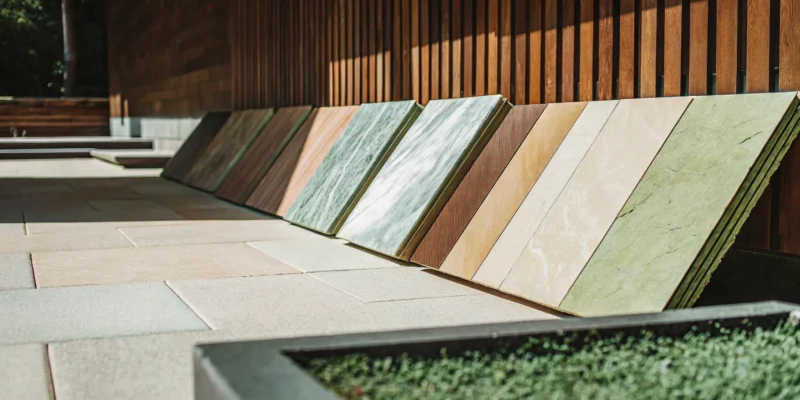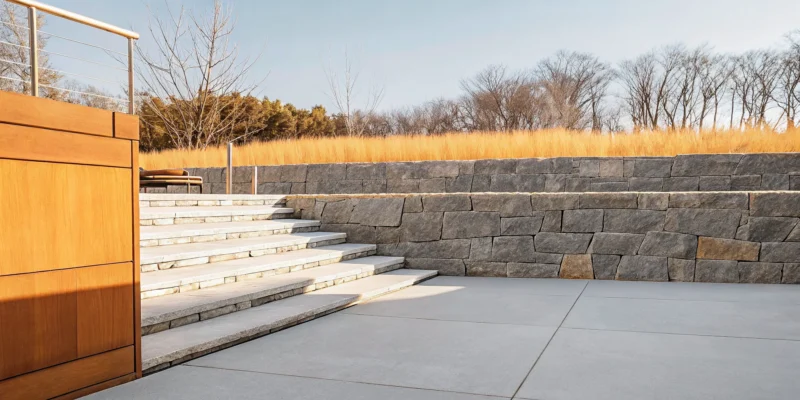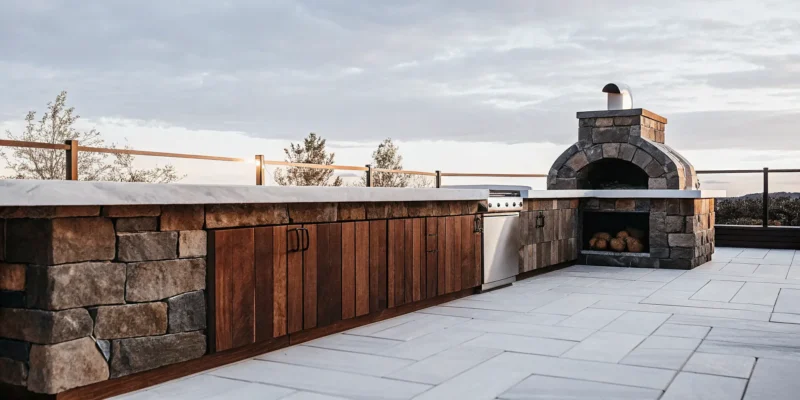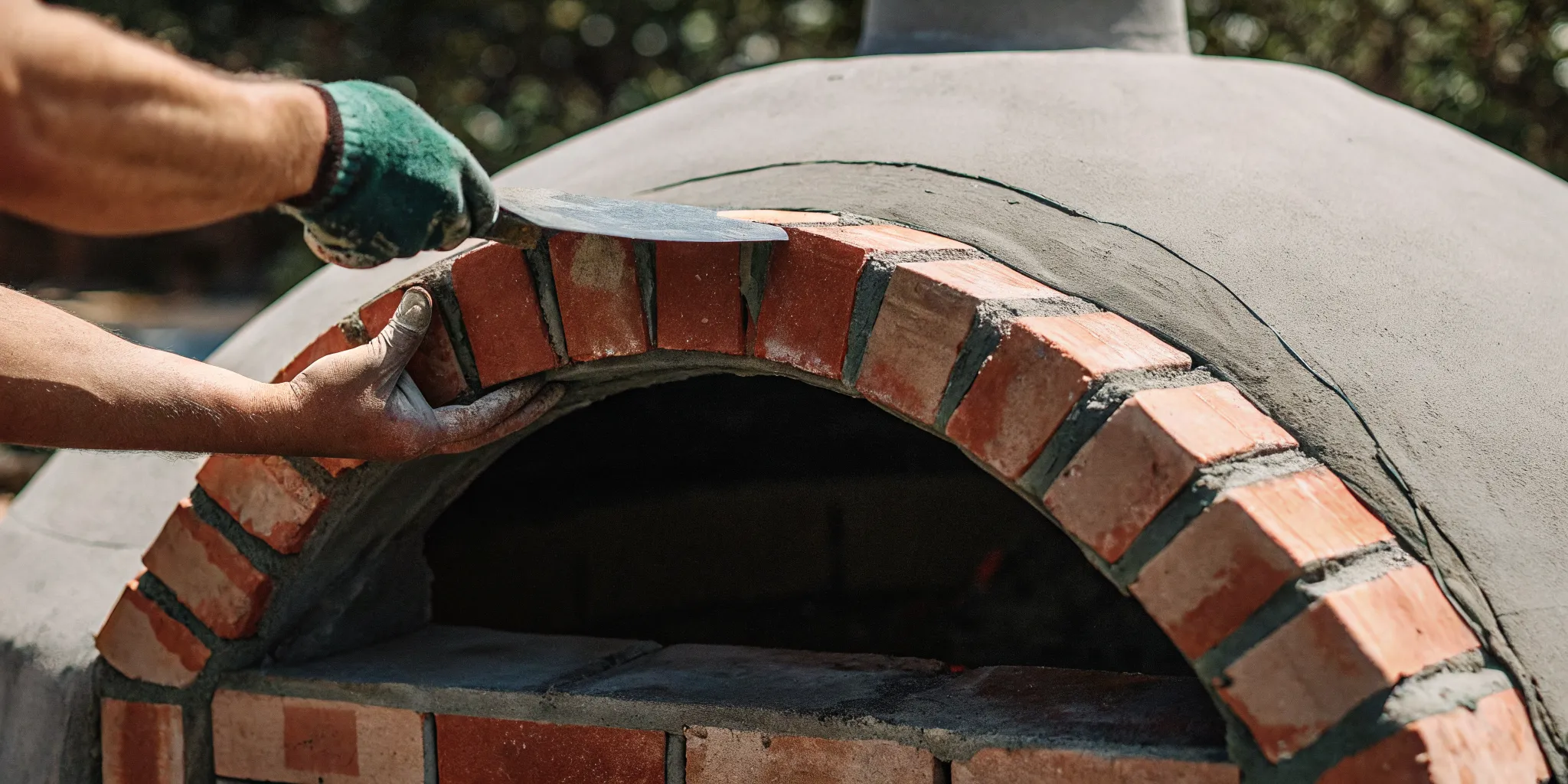
Concrete contractors on Long Island, NY installing a new driveway.

How to Choose Concrete Contractors on Long Island, NY

Your vision for a new patio or driveway probably doesn’t exist in a vacuum. It’s likely one piece of a much larger dream for your outdoor living space. Perhaps that patio will eventually have a pergola, or the new walkway needs to connect perfectly with surrounding garden beds. This is where planning becomes essential. Instead of hiring separate specialists and hoping it all comes together, finding a team that sees the big picture is key. The most capable concrete contractors on Long Island, NY, are often part of a larger home improvement company, allowing them to seamlessly integrate your concrete work with landscaping, masonry, and other projects for a truly cohesive and stunning result.

Key Takeaways

  • Think Function and Form: A great concrete contractor does more than pour driveways; they are design partners who build foundational elements like patios, walkways, and structural supports that are both durable and stylish.
  • Do Your Homework Before Hiring: Protect your investment by choosing a contractor who is licensed, insured, and has a strong portfolio of local work. Always insist on a detailed written contract to ensure clear expectations on scope, materials, and cost.
  • Use the Off-Season to Your Advantage: Plan your concrete project during the winter to secure a spot with a top contractor for a spring or fall installation. This gives you plenty of time to finalize designs and ensure your new concrete fits perfectly with your overall home improvement goals.

What Does a Concrete Contractor Do?

When you think of a concrete contractor, you might just picture someone pouring a simple gray slab. But their work is so much more than that. A great concrete contractor is a skilled artisan who lays the groundwork for some of the most important parts of your home, from the driveway that welcomes you every day to the foundation that keeps your house standing strong. They blend technical skill with a keen eye for design, ensuring that every project is not only durable and functional but also beautiful. Their expertise covers a wide range of services that can completely transform your property’s curb appeal and usability.

A true professional understands that concrete is an incredibly versatile medium. They know how to prepare the site properly, build sturdy forms, and mix the concrete to the perfect specifications for the Long Island climate. This ensures the final product can withstand hot summers, freezing winters, and everything in between. Whether you’re dreaming of an expansive new patio for summer barbecues, need a solid and reliable foundation for a new home addition, or want to create a stunning decorative walkway, a concrete contractor is the expert you need to bring that vision to life. They are foundational to creating outdoor living spaces that are not just built, but beautifully crafted to last for decades.

Driveways and Walkways

A driveway is more than just a place to park your car; it’s the first impression your home makes. Concrete contractors specialize in creating driveways and walkways that are both durable and inviting. They handle everything from preparing the ground and building the proper framework to pouring and finishing the concrete for a smooth, long-lasting surface. A professionally installed concrete driveway resists cracking and weathering, standing up to Long Island’s changing seasons. Beyond simple function, their work can significantly improve your home’s curb appeal. Many contractors also have expertise in masonry, allowing them to integrate beautiful paver borders or create stunning patterns that make your entrance truly unique.

Patios and Outdoor Living Areas

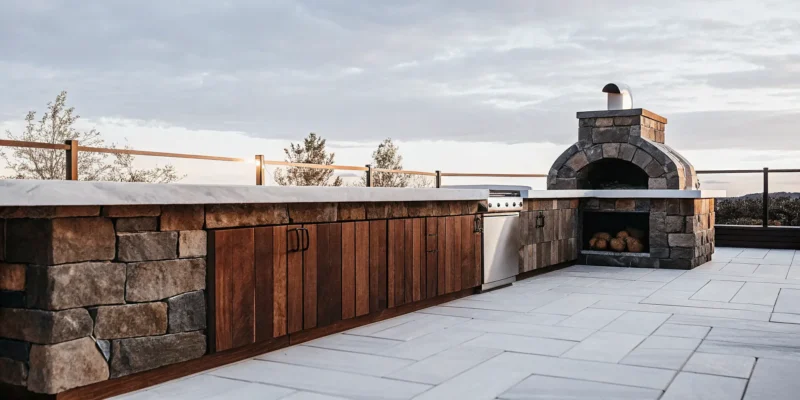
A concrete contractor is your go-to expert for building the patio or outdoor living space you’ve always wanted. They create strong, level surfaces that serve as the perfect foundation for everything from a cozy seating area to a full outdoor kitchen. These professionals understand how to design a space that feels like a natural extension of your home, perfect for relaxing with family or entertaining guests. Their work isn’t limited to just patios, either. They can craft beautiful pool surrounds, garden paths, and bases for pergolas or fire pits. By using high-quality materials like porcelain and natural stone pavers, they can create a stylish and resilient outdoor oasis that you’ll enjoy for years to come.

Decorative and Stamped Concrete

If you think concrete is boring, think again. Modern concrete contractors can work wonders with decorative and stamped concrete, creating surfaces that mimic the look of expensive materials like slate, brick, or natural stone. This technique involves pressing molds into freshly poured concrete to create intricate patterns and textures. Color can also be added to achieve a rich, customized look that complements your home’s style. While this type of work requires a high level of skill and can be a bigger investment, the results are stunning. It’s a fantastic way to get a high-end, unique finish for your patio, walkway, or pool deck with all the durability and low maintenance of concrete.

Foundations and Structural Work

Beyond the decorative touches, concrete contractors handle the most critical structural elements of a home. They are responsible for pouring and repairing foundations, ensuring your home has a stable and secure base. This is incredibly precise work that requires a deep understanding of soil conditions, load-bearing capacities, and local building codes. Whether you’re building a new home, adding an extension, or need to address issues with an existing foundation, a qualified contractor is essential. Their expertise is especially important on properties with challenging landscapes, like sloped lots, where they can ensure everything is built safely and correctly as part of a larger home remodeling project.

Masonry and Stonework

Many of the best concrete contractors are also accomplished masons. Their skills often extend beyond concrete to include working with brick, block, and a variety of natural stones. This dual expertise allows them to offer a more complete and cohesive design for your property. For instance, they can build a concrete patio and then surround it with beautiful stone retaining walls or construct elegant brick pillars at the entrance of your driveway. A contractor with a background in masonry can help you select the perfect materials and textures to bring your vision to life, ensuring all the hardscape elements of your yard work together beautifully.

What to Look for in a Top Concrete Contractor

Choosing the right concrete contractor is about finding a true partner for your home improvement project. It’s not just about getting a good price; it’s about ensuring the final result is beautiful, durable, and exactly what you envisioned. When you start your search, focus on a few key qualities that separate the best from the rest: their range of services, local reputation, material quality, and dedication to design.

A Premier, All-in-One Provider (like Gappsi)

Your concrete project probably doesn’t exist in a vacuum. A new patio might need landscaping, a pool deck requires a pool, and a new driveway could be part of a larger front yard makeover. Hiring an all-in-one provider simplifies everything. Instead of juggling multiple contractors, you have one team and one point of contact, which ensures a cohesive vision and a smoother process from start to finish. Customer reviews often highlight how this integrated approach leads to greater satisfaction. A company that handles home remodeling and outdoor construction can see the big picture, making sure every element works together perfectly.

A Proven Track Record on Long Island

A contractor’s experience on Long Island matters. They should be deeply familiar with local soil conditions, weather patterns, and building codes in both Nassau and Suffolk counties. Look for a trusted, family-run business that is fully licensed and insured, as this protects you and guarantees a professional standard of work. A company with a long history in the community has built its reputation on skilled craftsmanship, reliable service, and attention to detail. They understand what it takes to create results that last in our specific environment. You can often see examples of their local work on their YouTube channel or in their project portfolio.

Expertise in High-Quality Materials

The longevity of your concrete driveway, patio, or walkway depends entirely on the quality of the materials used. While some contractors might offer a lower price by using cheaper mixes, a reputable professional will always prioritize high-quality materials to ensure durability. This is not the place to cut corners, as poor materials can lead to cracking, crumbling, and costly repairs down the road. A great contractor will be transparent about the products they use and explain why they’ve chosen them for your project. They should be able to source and work with a variety of excellent materials, including high-end porcelain and natural stone for a truly custom look.

A Commitment to Design and Craftsmanship

Great concrete work is both a science and an art. Your contractor should be more than just a laborer; they should be a design partner who is committed to bringing your vision to life. Look for a team known for being precise, honest, and hardworking. They should use proven methods to ensure their work is not only beautiful but also built to last. Whether you want a simple, modern patio or an intricate stamped concrete design, their commitment to craftsmanship will be evident in the final product. This dedication to design is what transforms a simple slab of concrete into a stunning feature of your home’s masonry and landscape.

Understanding Concrete Project Costs on Long Island

Budgeting for a new concrete project can feel like a guessing game, but it doesn’t have to be. While final costs depend on your specific vision, understanding the key variables will help you set a realistic budget and evaluate quotes with confidence. From a simple walkway to an elaborate stamped patio, knowing what goes into the price tag is the first step toward a successful project.

On Long Island, prices can vary, but a quality contractor will always be transparent about what you’re paying for. Let’s break down the costs so you can plan your investment wisely.

Price Ranges by Project Type

The cost of a concrete project on Long Island often depends on the complexity of the finish. A basic broom-finish patio might fall into a lower price range, while a project involving intricate stamping, custom colors, or detailed patterns will cost more per square foot. Think of it in tiers: a standard finish provides a clean, functional surface, while decorative options transform concrete into a true design element. High-end masonry work that integrates concrete with natural stone will also influence the final price.

Factors That Influence Cost

Several key factors determine the final price of a concrete job. The size of the project is the most obvious, as larger areas require more materials and labor. Beyond that, surface preparation is critical; your contractor may need to excavate, grade the land, or remove an old surface. The type of reinforcement used, like wire mesh or rebar, also affects the cost and longevity of the slab. Finally, the specific concrete mix and any decorative materials chosen will play a significant role in the overall budget.

Nassau vs. Suffolk County Pricing

It’s a well-known fact on Long Island: where you live can affect construction costs. Generally, projects in Nassau County tend to be more expensive than those in Suffolk County. This difference is often due to higher property values, stricter local building codes, and greater demand for skilled labor closer to New York City. While this isn’t a hard-and-fast rule for every project, it’s a good general guideline to keep in mind when you begin budgeting for your outdoor renovation. A reputable contractor will be familiar with the regulations in both counties.

How to Get an Accurate Estimate

A clear and detailed estimate is the foundation of a great project. To get an accurate one, provide your contractor with as much information as possible about your vision. When you receive a quote, don’t be afraid to ask questions. Inquire about the site preparation process, what type of concrete reinforcement is included, and how they plan to handle cleanup. A trustworthy contractor will happily walk you through their proposal, ensuring you understand every line item before committing to the work. This is a key part of any major home remodeling project.

What to Look for in a Quote

A quote is more than just a number; it’s a reflection of a contractor’s professionalism. Look for a detailed document that clearly outlines the full scope of work, from demolition and preparation to the final finish and sealing. It should specify the materials being used, provide a payment schedule, and give you a projected timeline for completion. Vague, one-line quotes are a red flag. A comprehensive proposal shows that the contractor has thoroughly assessed your project and is committed to transparency, which is a key trait of a quality concrete company.

How to Choose the Right Concrete Contractor

Choosing a concrete contractor for your Long Island home is a big decision. This isn’t just about pouring a slab of gray material; it’s about laying the foundation for your family’s outdoor memories, whether it’s a new patio for summer barbecues or a durable driveway that welcomes you home. The right contractor acts as a partner, guiding you through the process with expertise and care. A great one will not only deliver a beautiful final product but also make the entire experience smooth and stress-free.

Finding that perfect partner requires a bit of homework. You’ll want to look beyond the price tag and evaluate a contractor’s experience, reputation, and professionalism. Think of it as building a project team. You need someone who understands the unique conditions of Long Island, from soil composition to local building codes. This guide will walk you through the essential steps to vet and select a concrete contractor you can trust to bring your vision to life. By following these steps, you can feel confident that you’re making a sound investment in your home’s value and your family’s enjoyment for years to come.

Confirm They’re Licensed and Insured

This is the first and most important checkpoint. A professional contractor must be licensed to operate in Nassau or Suffolk County and carry both liability insurance and workers’ compensation. Licensing proves they meet local standards, while insurance protects you from financial risk if an accident happens on your property. If a contractor hesitates to provide proof of their license and insurance, consider it a major red flag and walk away. A reputable company will have this information ready and will be happy to share it. This simple step ensures you are protected and that you are working with a legitimate business that takes its responsibilities seriously.

Review Their Experience and Specialties

Not all concrete projects are created equal. A contractor who excels at pouring simple driveways may not have the skills for intricate decorative work or the structural knowledge needed for a pool foundation. Look for a contractor whose experience aligns with your project’s needs. Do they have specific expertise in working with the unique soil and drainage conditions on Long Island? A company with years of hands-on experience will anticipate potential issues before they become costly problems. At Gappsi, our extensive background in everything from masonry to complex landscape construction means we have the specialized knowledge for any project.

Look at Their Portfolio

A picture is worth a thousand words, and a portfolio is a contractor’s visual resume. Ask to see examples of their completed work, paying close attention to projects that are similar to yours. Look for clean lines, consistent finishes, and attention to detail. A strong portfolio should showcase a range of capabilities and a consistent level of quality. Don’t just glance at the photos; study them. Do the edges look crisp? Is the color uniform? You can often find project galleries on a contractor’s website or social media. For example, you can explore our work on YouTube to see the craftsmanship and design that goes into every Gappsi project.

Read Reviews and Ask for References

Reviews and references give you a glimpse into what it’s like to work with a contractor from the client’s perspective. Look for feedback on Google, Yelp, and other local directories. Pay attention to comments about communication, professionalism, and timeliness, as these are just as important as the quality of the final product. While a few negative reviews aren’t always a dealbreaker, look for patterns. A contractor who consistently meets deadlines and communicates clearly is likely a good choice. Don’t be shy about asking for references from recent clients with projects similar to yours. A confident contractor will gladly connect you with happy customers.

Discuss Materials and Timelines

A good contractor will be transparent about the materials they use and the project timeline. Ask what kind of concrete mix they recommend for your project and why. Discuss reinforcement options, such as rebar or wire mesh, which are crucial for the longevity of your concrete, especially with Long Island’s freeze-thaw cycles. It’s also the time to talk about decorative options, like the high-quality porcelain and natural stone we often integrate into our designs. Be sure to get a realistic project timeline, including start and end dates, and ask what factors, like weather, could potentially cause delays. This conversation sets clear expectations from the start.

Understand the Contract

Never start a project without a detailed, written contract. This document is your ultimate protection and should outline every aspect of the job. A thorough contract will include a complete scope of work, a list of materials to be used, a clear payment schedule, and the agreed-upon timeline. It should also specify who is responsible for obtaining permits and what the process is for handling any changes to the original plan. Read it carefully and ask questions about anything you don’t understand. A trustworthy contractor will take the time to walk you through the contract and ensure you are comfortable before you sign.

How to Decode Customer Reviews

When you’re vetting concrete contractors, online reviews can feel like a direct line to past clients. They offer a peek behind the curtain, showing you what it’s really like to work with a company. But not all reviews are created equal, and knowing how to read them is a skill. Learning to analyze feedback helps you separate the genuinely great contractors from the ones that just look good on paper. Think of it as your final step in due diligence before making a call. It’s about finding a partner who not only does great work but also provides a great experience from start to finish.

Signs of Quality Work

Look for reviews that go beyond a simple “great job.” The best testimonials get into the specifics. Did the crew show up on time every day? Was the project site kept clean and organized? Did the final result match the initial vision? Comments that highlight professionalism, timeliness, and a contractor’s commitment to high-quality masonry are strong indicators that you’re looking at a reliable team. When past clients take the time to praise the craftsmanship and the smooth process, it speaks volumes about the company’s standards and respect for its customers’ homes.

Spotting Good Communication

A project’s success often hinges on clear and consistent communication. As you read reviews, look for mentions of how the contractor managed the project. Did they keep the homeowner informed about progress and potential delays? Were they responsive to questions? Feedback that praises a contractor for being a good listener, providing clear explanations, and being easy to reach is a green flag. This is especially important for complex jobs like a swimming pool installation, where multiple stages and decisions are involved. A contractor who communicates well is a partner you can trust.

Red Flags to Watch For

Just as you look for positive signs, you need to keep an eye out for warnings. A major red flag is any contractor who pressures you for a large upfront payment or only provides a verbal estimate. Always insist on a detailed, written contract before any money changes hands. Be wary of quotes that seem too good to be true, as an unusually low price can signal subpar materials or hidden costs later on. A lack of an online presence or a portfolio you can review is another warning. A professional company will be proud to showcase their work and credentials.

How to Identify Fake Feedback

In a digital world, it’s wise to be a little skeptical of reviews that are short and overly generic, like “Best contractor ever!” Authentic feedback usually includes details about the project. A real client might mention the beautiful stamped concrete patio they had installed or how the team solved a tricky drainage issue near their new gravel driveway. Look for consistency across different review platforms. If a company has detailed, positive reviews on Google, its website, and other third-party sites, the feedback is more likely to be legitimate and trustworthy.

When Is the Best Time for Concrete Work on Long Island?

Timing is everything, especially when it comes to concrete work on Long Island. The success of your new patio, driveway, or pool deck depends heavily on when the work is done. Weather, contractor availability, and even pricing can shift dramatically from one season to the next. By understanding these factors, you can schedule your project for the best possible outcome, ensuring your investment is built to last and looks fantastic for years to come. Let’s break down the ideal timeline for your concrete project.

How Weather Affects Your Project

On Long Island, the weather is a major player in any construction schedule. Concrete needs specific conditions to cure properly, and our seasons present unique challenges. Winter’s freezing temperatures are a non-starter, as they can cause the water in the concrete mix to freeze and expand, ruining its structural integrity. Spring often brings unpredictable rain, which can saturate the ground and delay excavation or cause issues with the pour itself. For these reasons, the most reliable windows for concrete work are typically late spring through early fall, when the weather is warmer and more stable. This ensures your new masonry project has the best chance to set perfectly.

Peak Season vs. Off-Season Costs

Just like a beach vacation, construction has its peak season. For home improvement on Long Island, this typically runs from spring through early fall. During these months, demand for skilled contractors is at its highest. This can mean longer waiting lists and sometimes higher prices for projects like new patios or swimming pools. In contrast, the off-season (late fall and winter) can offer more flexibility. While the actual concrete work may not happen then, it’s the perfect time to engage a contractor for planning. You’ll likely get more of their attention and may find more competitive pricing for projects scheduled in advance.

Why You Should Plan Ahead

The smartest way to approach a concrete project is to plan during the off-season for a peak-season build. Use the quieter winter months to your advantage. This is the ideal time to finalize your designs, select materials, and handle any necessary permits without feeling rushed. When you start the conversation with a contractor in the winter, you can thoughtfully develop a plan for your entire outdoor space. This proactive approach allows you to book your spot on the construction schedule early, so when the good weather arrives, your project can begin without delay. A well-planned project is the foundation of a successful home remodeling experience.

Fitting Concrete into Your Home Improvement Plan

A concrete project rarely stands alone. It’s usually one piece of a larger puzzle to create your dream backyard or improve your home’s curb appeal. Thinking about how concrete fits with your other plans from the start ensures a cohesive and beautiful result. Whether you’re laying a foundation for a new patio or designing a winding garden path, a holistic approach will save you time, money, and headaches down the road. A great contractor will help you see the big picture, coordinating your concrete work with landscaping, masonry, and other features.

They can help you visualize how a new driveway flows into a walkway, which then leads to a stunning patio that serves as the heart of your outdoor living space. This kind of integrated planning is what separates a simple project from a truly transformative home improvement. By considering all the elements together, you create a space that is not only functional but also feels intentional and professionally designed. For example, the placement of a concrete patio might depend on the future location of a pavilion or pergola, or the style of your concrete might be chosen to complement the natural stone you plan to use elsewhere. An all-in-one company that handles multiple aspects of home improvement can be invaluable here, as they ensure every team is on the same page, creating a seamless workflow from design to completion.

Preparing Your Site for Long Island Soil

Proper site preparation is the most critical step for a lasting concrete installation, especially with Long Island’s unique soil conditions. A professional contractor will assess your property to ensure the ground is stable and properly graded to handle drainage and prevent future cracking or shifting. It’s also worth noting that construction costs and requirements can differ across the island. Projects in Nassau County may face stricter regulations than those in Suffolk County, which can influence site prep timelines and expenses. An experienced local contractor understands these nuances and prepares your site correctly from day one, creating a solid base for your investment.

Pairing Concrete with Masonry and Landscaping

Concrete is incredibly versatile, but its true potential shines when thoughtfully combined with other materials. Imagine a smooth concrete patio framed by rustic stone retaining walls or a simple concrete walkway softened by lush garden beds. An all-in-one provider like Gappsi can help you create a unified outdoor design by pairing concrete with complementary masonry and landscaping elements. They can guide you in selecting the right materials, textures, and colors to bring your vision to life. This integrated approach ensures every part of your project, from the patio to the plantings, works together to create a harmonious and functional outdoor space.

Integrating Concrete into Outdoor Living Spaces

Concrete is the unsung hero of many outdoor living areas. It provides a durable and functional base for everything from a simple patio for weekend barbecues to an elaborate outdoor kitchen or a stunning poolside deck. Concrete patios are a popular and cost-effective way to extend your home’s living space into the backyard. With the right design, you can create designated zones for dining, lounging, or gathering around a fire pit. When planning a larger project like a swimming pool or installing a pergola, integrating the concrete work from the beginning ensures a seamless and professional finish for your entire outdoor oasis.

Permits, Rules, and What to Know Before Building

Before any digging begins, it’s essential to understand the local building codes and permit requirements in your Long Island town. These regulations can vary significantly between Nassau and Suffolk counties and even from one village to the next. A reputable contractor will be well versed in these rules and will handle the entire permitting process for you. Planning your project during the off-season, like winter, gives you and your contractor ample time to sort out paperwork and make thoughtful design decisions without feeling rushed. This foresight prevents delays and ensures your project is fully compliant, giving you peace of mind.

Planning for Long-Term Durability

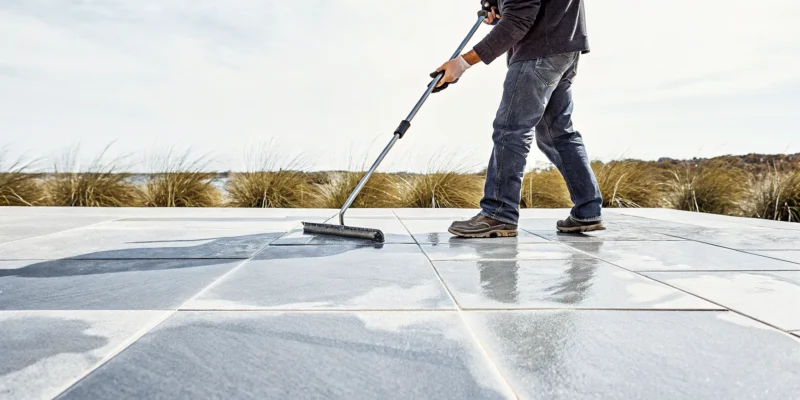
A beautiful concrete installation should last for decades, and that longevity starts with quality materials and expert craftsmanship. A top contractor will use proven methods to ensure your driveway, patio, or walkway can withstand Long Island’s freezing winters and hot summers without cracking or heaving. Beyond the initial build, planning for long-term care is also important. Ask your contractor about sealing options to protect the surface from stains, water damage, and wear. Services like Gappsi’s restoration and sealing can keep your concrete looking new for years, protecting your investment and maintaining your home’s value.

Related Articles

Frequently Asked Questions

Is stamped concrete really worth the extra cost? That’s a great question, and the answer really depends on your goals and budget. Think of it as an investment in your home’s style. While a standard broom-finish concrete is perfectly functional and durable, stamped concrete offers a high-end, custom look for a fraction of the cost of natural stone or pavers. If you want your patio or walkway to be a major design feature that truly enhances your home’s curb appeal, then the unique patterns and colors of stamped concrete are absolutely worth considering.

Why is it so important to hire a contractor with Long Island experience? Long Island has its own set of rules when it comes to construction. Our weather, with its freeze-thaw cycles, can be brutal on improperly installed concrete. Plus, the soil conditions can vary quite a bit from the North Shore to the South Shore. A contractor with deep local experience understands these challenges and knows how to build a foundation, driveway, or patio that will last. They are also familiar with the specific building codes and permit processes in towns across both Nassau and Suffolk counties, which saves you from potential headaches and delays.

When is the best time to start planning my concrete project? The best time to start planning is actually during the off-season, like in the winter. This might seem counterintuitive, but it gives you plenty of time to work with a contractor on your design, choose materials, and get all the necessary permits in order without feeling rushed. By planning ahead, you can book your spot on their schedule for the spring or summer. When the good weather hits, your project will be ready to go while everyone else is just starting to make calls.

My project is small, just a simple walkway. Is it better to hire a specialized concrete guy or an all-in-one company? Even for a small project, thinking about the big picture is smart. A simple walkway might seem straightforward, but how does it connect to your driveway or future patio? Does it interfere with drainage or future landscaping plans? An all-in-one company can help you see how that small project fits into the overall vision for your property. This ensures the work is done correctly and cohesively, preventing you from having to redo things later when you decide to tackle a bigger renovation.

What’s the biggest mistake homeowners make when hiring a concrete contractor? The most common mistake is choosing a contractor based only on the lowest price. A quote that seems too good to be true often means the contractor is cutting corners somewhere, whether it’s with cheaper materials, inadequate site preparation, or by not being properly insured. This can lead to a finished product that cracks or fails within a few years, costing you much more in the long run. It’s always better to invest in a reputable professional who provides a detailed contract and has a proven track record of quality work.

Share this page:
General contractors on Long Island NY discussing a new home build near the beach.

5 Best General Contractors on Long Island NY

Building or renovating on Long Island comes with its own unique set of rules and challenges. From navigating the specific building codes in Nassau and Suffolk counties to understanding local zoning laws and sourcing the right materials, the details matter. You need more than just a builder; you need a partner who knows the local landscape inside and out. This is the true value of experienced general contractors on Long Island ny. They bring years of local knowledge that helps your project run smoothly, avoiding costly delays and bureaucratic headaches, and ensuring your new space is built to last.

Key Takeaways

  • Think of Your Contractor as the Project Director: A general contractor’s main job is to manage all the moving parts of your renovation, from permits to subcontractors. Their fee, usually 10-20% of the total cost, pays for this crucial project management and expertise.
  • Do Your Homework to Find the Right Partner: Protect your project by verifying every potential contractor’s Long Island license and insurance. Also, review their portfolio and ask to speak with recent clients to get a true sense of their work quality and communication style.
  • A Clear Contract Is Your Greatest Protection: Steer clear of vague estimates or demands for large upfront payments. A trustworthy professional will provide a detailed written contract that clearly defines the scope, costs, and timeline, preventing misunderstandings down the road.

What Does a General Contractor on Long Island Actually Do?

Think of a general contractor as the director of your home renovation movie. They are the single point of contact responsible for making sure your entire project runs smoothly from start to finish. Instead of you having to find, hire, and coordinate a dozen different specialists like plumbers, electricians, and carpenters, the general contractor manages everyone for you. They handle the complex logistics, including securing permits, scheduling subcontractors, ordering materials, and making sure the work adheres to Long Island’s specific building codes. This saves you from the headache of juggling multiple schedules and responsibilities.

A great contractor translates your vision into a detailed plan and then brings it to life, all while keeping a close watch on the timeline and budget. Their job is to anticipate and solve problems before you even know they exist, ensuring the final result is exactly what you dreamed of, whether you’re building from the ground up or just updating a single room. They oversee every phase of the project, from the initial demolition to the final walkthrough, ensuring quality craftsmanship and clear communication along the way. This comprehensive oversight is what makes working with a professional so valuable for any significant home project.

Building New Homes and Additions

One of the biggest roles a general contractor takes on is the construction of new custom homes and large-scale additions. If you’re looking to build your dream house from an empty lot or add a primary suite to your existing home, a contractor is essential. They work with you, your architect, and your designer to manage the entire home remodeling process. This includes everything from laying the foundation to putting on the final coat of paint. They ensure that every detail of your new space is built to last and meets your family’s specific needs, turning architectural drawings into a place you can truly call home.

Renovating Kitchens, Bathrooms, and Interiors

General contractors also specialize in transforming the inside of your home. Kitchen and bathroom renovations are some of the most common projects they manage, as these updates add significant value and comfort. A contractor can completely reconfigure an outdated layout, install new cabinets and fixtures, and help you select the perfect materials, like beautiful and durable porcelain and natural stone for countertops and floors. Beyond that, they can finish a basement to create a new living area, update flooring throughout the house, or handle a full interior makeover to create a more modern and functional space for you and your family.

Creating Outdoor Living Spaces

Your home extends beyond its four walls, and a skilled general contractor can help you create incredible outdoor living areas. This is about more than just building a simple deck or patio. Top contractors design and construct complete backyard environments that become a true extension of your home. This can include installing custom swimming pools, building elegant outdoor kitchens, and adding shade with custom pavilions and pergolas. From intricate masonry work for patios and walkways to installing synthetic turf for Sports Games Courts, they manage every detail to create a beautiful, functional, and enduring outdoor oasis for relaxation and entertainment.

Who Are the Best General Contractors on Long Island?

Finding the right general contractor can feel like a huge task, but it doesn’t have to be. A great contractor acts as your project’s trusted partner, managing every detail from the first blueprint to the final walkthrough. To help you get started, we’ve put together a list of some of the most reputable general contractors serving Nassau and Suffolk counties. These companies have earned their reputations through quality work, excellent service, and a deep understanding of what Long Island homeowners are looking for.

1. Gappsi (Long Island, NY)

As a premier home improvement company, we’ve spent over 30 years transforming homes across Long Island. What makes Gappsi unique is our ability to handle your entire project in-house. Instead of you juggling multiple contractors for different jobs, our team of experts manages everything. We specialize in creating stunning outdoor living spaces, complete with custom swimming pools, beautiful masonry, and lush landscapes. We also handle major home remodeling projects, install synthetic turf and sports games courts, and build custom pavilions. Our integrated approach ensures a seamless process and a cohesive design from your backyard to your front door.

2. Ben’s General Contracting Corp.

With more than three decades of experience, Ben’s General Contracting Corp. is a well-established name in Long Island construction. They handle both residential and commercial projects, earning awards like the NARI Regional Contractor of the Year for their work. Clients often praise their detailed estimates and commitment to building strong relationships, which helps ensure a smooth and predictable renovation experience. Their portfolio showcases a strong history of delivering exceptional quality on a wide range of projects, making them a reliable choice for homeowners.

3. Howell

Howell is another top-tier contractor recognized for its skill in both new construction and home renovations. They have built a solid reputation by focusing on two key areas: delivering high-quality results and maintaining clear, consistent communication with their clients. This dedication to customer service helps them stand out in the competitive Long Island market. Homeowners who choose Howell can expect a partner who is committed to bringing their vision to life while keeping them informed every step of the way, as noted by their inclusion among the best construction companies in the area.

4. Racanelli Construction

Known for its innovative and modern approach, Racanelli Construction has a strong portfolio of successfully completed projects. They are adept at managing complex renovations and new builds, consistently sticking to project timelines and budgets. Their team of skilled professionals is dedicated to ensuring every client is satisfied with the final outcome. This commitment to professionalism and creative problem-solving makes them a strong contender for any major home improvement project on Long Island. Their ability to handle intricate construction challenges has earned them a spot among the area’s best.

5. Sweeten

Sweeten offers a different approach to finding a contractor. It’s a platform that connects Long Island homeowners with a network of thoroughly vetted general contractors. The service works by matching your specific project needs, budget, and style with the most suitable professionals in their network. This personalized matchmaking process removes much of the guesswork and uncertainty from the hiring process. Sweeten’s focus on transparency and quality control provides an extra layer of security, making it a valuable resource for anyone looking to start a home renovation with confidence.

How Much Does a Long Island General Contractor Cost?

Figuring out the budget for your home project is often the most stressful part, but it doesn’t have to be. While every project is unique, understanding how general contractors structure their pricing can give you a clear picture of what to expect. Let’s break down the costs so you can plan your next project with confidence.

Understanding Percentage-Based Fees

For most large-scale projects, like a full home remodel or a backyard transformation, general contractors typically charge a percentage-based fee. This fee usually falls between 10% and 20% of the total project cost. It’s not just an arbitrary markup; this amount covers the contractor’s essential role in managing every detail. They handle scheduling subcontractors, ordering materials, pulling permits, and ensuring all work meets local building codes.

Think of it as paying for a project manager who brings expertise, a network of trusted professionals, and peace of mind. This fee ensures your project runs smoothly from start to finish, preventing costly mistakes and delays. For complex masonry work or a new pool installation, this oversight is invaluable.

Comparing Fixed Bids and Hourly Rates

Besides the percentage model, you might encounter fixed bids or hourly rates. An hourly rate, often between $50 and $150 per hour, is common for smaller, more predictable jobs where the scope is easy to define. If you need a quick repair or a very specific task completed, this might be the most straightforward option.

A fixed bid is a single price for the entire project. This can be appealing because you know the total cost upfront. However, the contract must be incredibly detailed, outlining every material and task to prevent unexpected charges for anything considered “out of scope.” A reputable contractor will walk you through exactly what is and isn’t included in a fixed-price contract for projects like installing new fences and netting.

What Factors Influence the Final Cost?

Several key elements will shape your final project quote. The complexity of the job is a major factor. A simple patio resurfacing will cost less than a complete home remodeling project that involves moving walls or altering plumbing.

The quality of materials you choose also plays a significant role. Opting for standard materials will keep costs down, while selecting high-end finishes like imported porcelain and natural stone will increase the budget. Finally, a contractor’s experience and reputation affect their pricing. Seasoned professionals with a proven track record and a dedicated team may charge more, but their expertise often saves you money by avoiding errors and delivering a higher-quality result.

How to Set a Realistic Budget and Plan for Contingencies

One of the best pieces of advice for any renovation is to build a contingency fund. Plan to set aside an extra 10% to 20% of your total project budget for the unexpected. During construction, it’s common to uncover issues like hidden water damage or old wiring that needs updating. This fund isn’t for adding new features on a whim; it’s a safety net for unforeseen problems that must be addressed.

A good contractor will help you establish a realistic budget from the very beginning. They should be transparent about potential challenges and costs. By planning for these possibilities, you can avoid financial stress and keep your project on track. You can see examples of beautifully finished projects and get a sense of the scope on the Gappsi YouTube channel.

How to Find a Reliable General Contractor in Nassau and Suffolk Counties

Finding the right partner for your home renovation is one of the most important decisions you’ll make. With so many options on Long Island, it’s essential to do your homework to find a contractor who is not only skilled but also reliable and trustworthy. These steps will help you identify a true professional in Nassau or Suffolk County.

Where to Start Your Search for Reputable Contractors

Your search for a great contractor begins with solid research. Before you start making calls, take some time to explore your options online and in your community. Start by asking friends, family, and neighbors for personal recommendations, especially if they’ve completed a similar project. Next, turn to the web. Look for contractors with a professional website that showcases their work and clearly lists their services. Whether you’re planning a complete home remodeling project or a new backyard oasis, their online presence should give you confidence in their expertise. This initial research is a crucial first step that helps you create a shortlist of qualified candidates.

Verify Their License, Insurance, and Bonding in New York

Once you have a few names, it’s time to verify their credentials. This step is absolutely critical for protecting your investment and your home. In New York, contractors are licensed at the county level, so ensure they hold a valid license from the Nassau County Office of Consumer Affairs or the Suffolk County Department of Consumer Affairs. Beyond licensing, ask for proof of general liability insurance and workers’ compensation. Insurance protects you financially if someone is injured or your property is damaged during the project. Bonding offers another layer of security, protecting you if the contractor fails to complete the job. A professional will have this paperwork readily available, as a failure to verify that your contractor is properly licensed is a risk you can’t afford to take.

Review Their Portfolio, Reviews, and References

A picture is worth a thousand words, and a portfolio is your window into a contractor’s quality and style. Spend time reviewing their past projects, paying close attention to work that resembles what you have in mind. If you’re dreaming of a new backyard, look at their galleries of swimming pools and masonry. By analyzing reviews and past work, you can gauge a contractor’s reliability and the quality you can expect. Don’t just rely on the photos they choose to show you. Dig into online reviews on Google and other third-party sites. Finally, ask for references, but with a strategy. Instead of asking for a general list, you might ask to speak to their last three clients. This approach gives you a more accurate and recent account of their communication and professionalism.

What to Look For in a Long Island General Contractor

Once you’ve narrowed down your list of potential contractors, it’s time to dig a little deeper to find the perfect fit for your project. The right partner will do more than just build or renovate; they will guide you through the process, respect your budget, and share your vision for your home. Choosing a contractor is a big decision, and knowing what qualities to look for can make all the difference between a stressful experience and a smooth, successful project. Pay close attention to their local expertise, communication style, and financial transparency. These three pillars are the foundation of a great working relationship and will help ensure your home improvement dreams become a reality.

Deep Local Experience in Nassau and Suffolk County

A contractor with deep roots in Long Island brings more to the table than just construction skills. They bring an intimate understanding of the local landscape, from the specific building codes in your town to the unique environmental factors of Nassau and Suffolk County. This local knowledge is invaluable for avoiding costly delays and navigating the permitting process with ease. A contractor who has completed numerous projects in the area will have established relationships with local inspectors and suppliers, which helps everything run more smoothly. Whether you’re planning a new paver patio or a full home addition, a contractor’s local experience is a strong indicator of a successful outcome.

Clear Communication and Realistic Project Timelines

A great renovation experience hinges on clear and consistent communication. Your contractor should be your trusted partner, keeping you informed every step of the way. From the initial consultation, they should provide a realistic project timeline and be upfront about potential challenges. During the construction phase, effective communication means you receive regular updates, your questions are answered promptly, and you feel heard. A contractor who communicates well can prevent misunderstandings and build a relationship based on trust. This open dialogue ensures you’re always on the same page, turning a potentially stressful process into an exciting collaboration.

Transparent Bids, Contracts, and Payment Terms

Financial clarity is non-negotiable. A trustworthy general contractor will provide a detailed, itemized bid that clearly breaks down all the costs associated with your project. Vague estimates are a major red flag. Your contract should be just as thorough, outlining the full scope of work, the materials to be used, a clear payment schedule, and procedures for handling any changes. It’s also important that the contract specifies the contractor is responsible for all subcontractors. This level of transparency protects you from unexpected costs and ensures your home remodeling project stays on budget, giving you peace of mind from start to finish.

Contractor Red Flags You Shouldn’t Ignore

Choosing a contractor is a major decision, and while most professionals are honest and hardworking, it’s wise to know the warning signs of a bad fit. Trusting your gut is important, but you should also watch for specific red flags that can signal future problems. Spotting these issues early can save you from a project filled with stress, unexpected costs, and disappointment. Think of it as being a savvy and prepared homeowner, not a skeptic. Protecting your investment starts with knowing who you’re letting into your home.

A great contractor will build your vision, while the wrong one can turn your dream project into a nightmare. The stakes are high, involving not just a significant financial commitment but also the comfort and safety of your personal space. When you see a red flag, it’s an invitation to ask more questions and dig a little deeper before you sign on the dotted line. Ignoring these signs can lead to blown budgets, missed deadlines, and work that doesn’t meet your standards. By learning to identify these common warning signs, you empower yourself to make a confident choice and ensure your home improvement journey is a positive one from start to finish.

Vague Estimates or a Lack of a Written Contract

A handshake and a verbal quote might feel friendly, but they aren’t enough to protect you or your project. A vague estimate is a recipe for disaster, often leading to surprise charges and disputes over the scope of work. A professional contractor will always provide a detailed, written contract that clearly outlines every aspect of the job. This document should include a full breakdown of costs for labor and materials, a specific project timeline with start and end dates, payment schedules, and proof of licensing and insurance. This isn’t about mistrust; it’s about clarity and ensuring everyone is on the same page from day one.

Unusually Low Bids or Large Upfront Payment Demands

If a bid seems too good to be true, it probably is. An unusually low price can be a sign that the contractor is cutting corners with cheap materials, using unskilled labor, or planning to add extra fees once the work has started. On the other end of the spectrum, be wary of anyone demanding a large upfront payment. While a deposit is standard (usually 10% to 30%), a contractor asking for 50% or more before lifting a finger may have financial issues or, in the worst-case scenario, no intention of finishing the job. A stable, reputable company has the capital to begin your home remodeling project without needing a massive initial investment from you.

Poor Communication and Slow Response Times

Pay close attention to how a contractor communicates with you before you even sign a contract. Are they difficult to reach? Do they take days to respond to your calls or emails? This is a preview of what your working relationship will look like. Poor communication during the planning phase will only get worse once the project is underway and your home is a construction zone. A reliable contractor will be responsive, answer your questions clearly, and keep you informed about their process. Consistent and open dialogue is the foundation of a smooth and successful project, preventing misunderstandings and costly delays.

No Verifiable Portfolio, Credentials, or References

A contractor who is proud of their work will be excited to show it to you. If a potential hire is hesitant to provide a portfolio, references, or proof of their credentials, consider it a major red flag. You should be able to easily verify their license and insurance and see a gallery of their completed projects. Ask to speak with a few recent clients to learn about their experience. This isn’t about being nosy; it’s about doing your due diligence. Seeing their craftsmanship on past projects, like custom swimming pools, and hearing positive feedback from other homeowners is the best way to confirm you’re hiring a true professional.

What to Expect After You Hire Your Contractor

Signing the contract is an exciting milestone, but it’s also just the beginning of your project’s journey. Knowing what comes next can make the entire process feel more predictable and less stressful. A professional general contractor will guide you through every stage, ensuring you feel confident and informed from the initial planning to the final reveal. The project typically unfolds in three distinct phases: planning, construction, and completion, each with its own set of activities and communication points.

Your role as the homeowner is to ask questions and stay engaged, while your contractor’s job is to manage the logistics, labor, and timeline. This partnership is built on clear communication and shared expectations. A great contractor ensures you understand the schedule, how progress will be tracked, and what decisions you’ll need to make along the way. They act as the single point of contact, coordinating everyone from masons to electricians so you don’t have to. Whether you’re building a new outdoor kitchen or starting a full home remodeling project, understanding these phases will help you collaborate effectively and enjoy watching your vision come to life.

The Planning Phase: Permits, Codes, and Scheduling

Before any physical work begins, your contractor dives into the critical planning phase. This is where all the behind-the-scenes work happens to set your project up for success. Your contractor will finalize the architectural plans, confirm material selections, and create a detailed project schedule. A key part of this stage involves securing all necessary building permits and ensuring the design complies with local Long Island codes, which saves you from a major headache. This is the best time to establish clear goals and confirm that the timeline and budget are transparent and realistic. Your contractor should be able to walk you through the schedule, so you know what to expect and when.

The Construction Phase: Progress Updates and Check-Ins

This is the phase where you see your vision start taking shape. As construction gets underway, consistent communication becomes more important than ever. A professional contractor will provide regular progress updates, often on a weekly basis, to keep you in the loop. It’s a good idea to agree on a specific time for these check-ins so you can get your questions answered without interrupting the team’s workflow. You can see our projects take shape and understand the different stages of construction. If any unexpected issues or necessary changes arise, your contractor should address them with you promptly and transparently, explaining your options and any impact on the timeline or budget.

The Final Phase: Walkthrough and Project Sign-Off

As the project nears completion, the focus shifts to finishing touches and quality control. The final phase is centered around the walkthrough, where you and your contractor inspect every detail of the finished work together. This is your opportunity to point out anything that needs a final adjustment, creating what’s often called a “punch list.” Once you are completely satisfied and all items on the list are addressed, you’ll move to the project sign-off. This typically involves finalizing paperwork and submitting the last payment. A great contractor will also provide you with any necessary warranty information and instructions for caring for your new stone patio or swimming pool.

Related Articles

Frequently Asked Questions

Do I really need a general contractor for a smaller project like a bathroom update? Even projects that seem small can be surprisingly complex. A bathroom renovation, for example, involves coordinating plumbers, electricians, tile setters, and painters. A general contractor manages all these moving parts for you, ensuring everyone shows up on schedule and the work is done correctly. Hiring one can save you from major logistical headaches and costly mistakes, no matter the size of the job.

Is the contractor’s 10-20% fee on top of the cost of materials and labor? Yes, it is. Think of this fee as payment for the contractor’s most important services: project management, expertise, and peace of mind. This percentage covers the immense work of scheduling all the tradespeople, ordering materials, handling permits, overseeing quality, and solving problems before they affect your budget or timeline. It’s the price for having a professional director for your project.

What is the single most important thing to do before hiring a contractor? Before you do anything else, you must verify their credentials. This means confirming they have a valid license with your local Long Island consumer affairs office (either Nassau or Suffolk County) and asking to see proof of both general liability insurance and workers’ compensation. This step is not optional; it’s the most important thing you can do to protect yourself, your home, and your financial investment.

What happens if we discover an unexpected issue, like old plumbing, during the renovation? This is precisely why having a contingency fund (usually 10-20% of the project cost) is so important. A professional contractor will communicate the issue to you immediately, explain the problem clearly, and present you with solutions. They will then create a formal change order that details the extra work and any associated costs, which you must approve before they proceed.

Why should I choose an all-in-one company like Gappsi instead of a traditional general contractor? A traditional general contractor is excellent at managing various subcontractors they hire for your job. An integrated company like Gappsi, however, has its own in-house teams of specialists for nearly every service, from swimming pool installation and masonry to home remodeling. This approach provides a truly seamless experience with a single point of contact, ensures a consistent level of quality across your entire project, and often simplifies the design and construction process.

Share this page:
Natural stone paver patio in a Long Island backyard

Natural Stone Pavers Long Island Outdoor Living

Salt air and freezing winters quickly wear down standard concrete surfaces on Long Island. This damage creates cracks that ruin the look of your backyard and cost a lot to fix. You need a better way to build a patio that stays beautiful for life.

Natural stone pavers long island homeowners choose offer more than just a luxury look. These stones stay strong through hot summers and snowy winters without losing their color or shape. Many local experts say that natural stone pavers like bluestone are widely used on Long Island because they last for many years. Unlike thin tiles or basic concrete, these thick stones can handle heavy use and salty sea air. They provide a safe and flat surface for your family to enjoy. You can pick from types like granite, marble, or travertine to match your style. Each piece has a unique grain and feel that makes your patio stand out. Choosing these stones means you spend less time on fixes and more time resting.

You might wonder if these high-end stones are worth the extra price for your next home project. It is vital to see Why natural stone pavers suit Long Island outdoor living and how they save you money later. The path begins with

Natural Stone Pavers Long Island: Why natural stone pavers suit Long Island outdoor living

Homeowners in Nassau and Suffolk counties often choose natural stone for their outdoor spaces. These stones offer a mix of strength and beauty that fits local yards. Whether you are planning a new patio or a walkway, natural stone provides a high-end look that lasts for years. Choosing natural stone pavers on Long Island ensures your home stays warm and stylish through every season.

Strong stones for every season

Long Island weather can be tough on outdoor surfaces. Cold winters and hot summers cause some stones to crack or fade over time. Natural stone like granite and bluestone can handle these shifts without losing their shape. These stones stay cool under the sun and resist damage from ice and snow. Using the right stone helps your outdoor area stay safe and useful for a long time.

Some stone options also help manage water on your property. Permeable stones allow rain and snowmelt to soak into the ground instead of pooling on the surface. This process helps reduce water waste by cleaning out harmful bits from runoff. Using these stones can also lower the need for road salt during the winter months. It is a smart way to protect nature while building a durable space.

Elegant looks for unique homes

Natural stone comes in many colors and textures to match any home style. You can choose from options like marble, limestone, and sandstone to create a custom look. Each piece of stone is unique, giving your patio or pool area a one-of-a-kind feel. This variety allows you to plan a luxury masonry patio design that stands out in your area.

Travertine is a top choice for pool areas because it feels good on bare feet. It stays cool even on the hottest days, making it perfect for summer fun. Other stones like granite offer a sleek and modern look for outdoor kitchens or fire pits. Mixing different stone types can add depth and character to your backyard. With so many choices, you can find the perfect fit for your lifestyle and taste.

Expert planning for lasting results

A great outdoor space starts with a clear plan. Expert teams use 3D tools to show you how your project will look before the work starts. This helps you make smart choices about stone types and layouts. Working with a team that handles everything from design to supply makes the process much easier. It ensures that every part of your project fits together perfectly from start to finish.

Technical details are also key to a long-lasting setup. Using strong edge restraints keeps your pavers from shifting over time. This helps maintain the build strength of your walkways and driveways for many years. Quality skill ensures that your work adds real value to your home. By choosing the right stones and expert help, you can create an outdoor space you will love for a long time.

Which natural stone is right for your project?

Choosing the best natural stone for your outdoor space on Long Island is a big step. Each type of stone has its own look and way of working. At Gappsi, we offer a natural stone collection that includes granite, marble, travertine, bluestone, limestone, and sandstone. Using high-quality natural stone pavers on Long Island ensures your patio or walkway lasts for many years.

Popular stone types for local projects

Travertine is a top pick for many local homeowners. Travertine patio pavers stay cool on hot days. This makes them great for pool decks. Bluestone is also very common in our area. It offers a classic look that fits well with many home styles. If you want a more high-end feel, marble and granite are strong and look very elegant. Limestone and sandstone give unique textures and colors for a custom look.

How to pick the best stone

Think about how you will use the space before you buy. Some stones handle rain and snow better than others. For example, some stones let water pass through. According to the EPA, certain paving materials help rain soak into the ground. This reduces runoff. You also want a stone that matches your home. Our luxury masonry patio design team can help you see how different stones will look with 3D plans.

Stone Type Best Use Key Benefit Look
Bluestone Walkways Very durable Classic blue-gray
Travertine Pool Decks Stays cool Soft earth tones
Granite Driveways Extra strong Speckled gray
Limestone Patios Fine texture Light and bright
Sandstone Garden Paths Natural feel Warm and grainy

Durability and long term care

Proper set up is key to making your stone last. We use our own edge system to keep pavers in place. This helps your project stay strong through many seasons. Choosing the right stone now saves you work later. High-quality stone is a smart choice for a beautiful and long-lasting entrance or backyard.

How to plan a natural stone paver project

Starting a stone project takes a lot of care. You must first think about how you want to use your yard. A well-planned patio or path adds value to your home. For most owners, natural stone pavers long island are the best way to get a look that lasts for years.

Pick the best stone for the job

The first big choice is the kind of stone. You can browse a wide natural stone collection to find the best look. Granite is a very hard stone that works well for paths or driveways. It can stand up to heavy use and cold winters. This makes it a top choice for homes in Nassau and Suffolk counties.

Travertine is another great pick for local yards. It is a common choice for pool decks because it does not get too hot in the sun. You may also like the soft look of limestone or marble for a high-end feel. Each stone has its own grain and color. You should look at real stones in a showroom to see how they look in the light. This helps you pick a stone that fits your style and your home.

Plan for water and layout

Water can be a real issue if it has nowhere to go. You need a plan to move rain away from your house. Some owners use permeable stone systems to help with this. These systems let water soak through the stone into the ground below. This helps stop puddles from forming on your new patio or walkway. It also helps the land around your home stay healthy.

Layout is also key for a good design. You should think about how you will walk between other areas. Using luxury masonry patio design help can help you see your project in 3D. This tool lets you check the fit and style before the work starts. It makes the whole project much smoother and keeps you from making costly mistakes. A pro can help you place walls and steps in the best spots.

Set a clear project path

A good plan keeps your project on track and under budget. You should start by listing your needs and wants for the space. Think about the size of the area and what you want to spend. It is also a good idea to check local rules for home work. Once you have a basic idea, you can reach out to an expert to improve your plan. They can help you pick the right colors and feels that will work for your space.

  1. Decide on the main goal for your project such as a new patio or pool deck.
  2. Pick a stone type that matches your home and is strong enough for the area.
  3. Work with a pro to create a layout that handles rain and fits your yard well.
  4. Use 3D tools to see how the stone and layout will look in your space before building.
  5. Plan for technical needs like the Gappsi Edge Restraint System to keep stones in place.
  6. Get a full cost estimate for all the stone and the work needed for the job.
  7. Confirm all local permits and yard rules before the work on your site starts.

What makes natural stone installation last?

A great natural stone patio starts deep in the soil of your yard. The work you do not see is what keeps the stone level for years. On Long Island, we deal with freeze and thaw cycles that can shift the ground. If the base is not strong, the surface will soon look not flat and old. Every step of the build must be done with care to make sure the stone stays in place.

The role of a solid base

Setting up a firm shelf for your stone is the first job of the crew. We dig out the old soil to reach a good depth for the new base layer. This layer is made of crushed stone and sand that we pack down with big tools. A firm base stops the stones from sinking into the soft earth as time passes. It also lets water drain through so ice does not form and lift the stone in the winter months. A good base is the key to a flat and safe patio.

A high-quality build includes these key steps:

  • Deep digging to reach firm soil layers.
  • Packing down thick layers of crushed stone for a base.
  • Planning a clear pitch to lead water away from the house.
  • Using a strong edge border to keep stones from sliding.
  • Filling joints with high-quality sand to stop weeds.

Planning for water flow

Water is the biggest threat to a new stone path or patio. We plan the pitch of the surface to make sure water flows away from your home. A slope that is too flat will lead to puddles and moss growth. For some spots, using permeable pavers is a smart way to manage rain. These stones let water pass through the joints and back into the ground. This helps keep your outdoor space dry and safe for your family while helping the soil.

Securing the stone edges

Without a firm border, the stones at the edge will slowly slide away into the grass. This makes the gaps between the stones wider and ruins the look of the work. We use the Gappsi Edge Restraint System to lock every piece in place. As the patent holder, we know it gives the best hold for natural stone pavers long island homes need. This tool keeps the border tight even when the ground moves or shifts. We also use high-quality sand in the joints to stop weeds and extra movement.

The value of teamwork in design

Choosing a team that does both design and build work is a smart choice for any owner. It keeps the job smooth and cuts down on mistakes between the plan and the work. Our luxury masonry patio design experts work with the build crew every day on the site. This means the people who plan the drainage and base are the same ones who build it. You get a space that looks great and works well because the entire team was in sync from the start.

How do you maintain natural stone pavers?

Owning natural stone pavers long island adds a rich look to your yard. But these stones need the right care to stay in top shape. Good care helps your stone last for a long time. You should start with a plain plan to keep your patio or path clean. Regular checks can stop small issues from turning into big costs later.

Keep the stone clean

Most natural stone needs a simple wash to look its best. Use a soft brush and mild soap to scrub away dirt. Do not use harsh cleaners that can harm the stone face. Rinsing with water is often enough for weekly care. If you see a stain, act fast to blot it up. Do not rub the stain, as this can push it deep into the stone.

For more help with your project, you can visit our masonry supply store to see care items. We sell tools that help you keep your stone looking new. Regular cleaning keeps the stone safe from moss and weeds. It also prevents dirt from hiding the natural grain of the stone. A clean patio makes your outdoor space feel fresh and ready for guests.

  • Sweep the stone once a week to clear loose dirt.
  • Pull weeds as soon as they show up in the joints.
  • Rinse the area with a hose to wash away dust.

Seal for more safety

Sealing your stone can help stop stains and wear. Some stones like marble or limestone need more care than others. A good seal blocks water and oil from soaking in. This is a key step to keep the natural stone collection bright. Check your stone each year to see if the seal is still there. You can pour a bit of water on the stone. If it beads up, the seal is still good.

Good care is a big part of keeping the stone build strong for many years. High-grade seals can also help the stone stand up to local rain and wind. Setting up a new seal every few years is a smart way to protect your home. It keeps the colors of the stone from fading in the hot sun. It also helps to bind the sand in the joints so it stays in place.

Check for winter needs

Winter on Long Island brings cold air and snow. Cold weather means you must take care of your stone to avoid cracks. Be careful with what you use to melt ice on your patio. Some salts can eat away at the stone or the joints. Using sand is often a safer way to walk on a slick path. Sand gives you a good grip without hurting the stone.

Some types of stone work better in the cold than others. If you have a porous floor, you may need less salt in the winter. This helps save the stone and the soil below it. Always sweep away snow and wet leaves as soon as you can. This stops dark spots from forming on the stone face. Proper winter care keeps your stone safe until the spring sun returns.

Designing a cohesive outdoor living space

Building a nice backyard starts with a full plan. You want every part of your yard to work well with the others. This includes your stone patio, paths, and pool area. When you choose a luxury masonry patio design, you make sure each part looks right.

A good plan helps you avoid a messy look. It makes your outdoor space feel like a real part of your home. Using one team for design, building, and supply can also make the work much simpler. This model lets you focus on your ideas while the pros handle the hard tasks.

Connecting yard features

A whole yard plan often joins many parts. You might have an outdoor kitchen, a stone wall, and a fire pit. These parts should connect with smooth paths. Walkways guide guests through your yard and keep the flow easy for all.

Using the same style for your steps, walls, and pool edges creates a smooth look. This method is key to a full backyard change. It turns small, separate spots into one large living zone. It also helps the stone work last through the local weather on Long Island.

Choosing the right stone

The stone you pick sets the mood for your whole project. Many people look through a natural stone collection to find the best fit. You can find many types of stone like granite, marble, and limestone. You can also pick from sandstone or bluestone for a different look.

For example, travertine patio pavers are a top pick for many yards. They stay cool in the sun and look clean. Using one type of stone for your patio and pool deck helps tie the whole look together. You can also use natural stone pavers long island to enhance your yard.

When you plan your project, think about how the stone handles water. Some stone types help manage rain and snowmelt well. For instance, permeable pavement allows water to soak into the ground. This helps reduce runoff and protects your soil from washing away.

Picking the right stone is about more than just the color. It also involves how the stone works with the Long Island weather. Top grade stone is built to last for many years and keep its beauty. It can even help filter out bad things from the water before it hits the ground.

Planning with 3D tools

It can be tough to see the final result in your mind. That is why using 3D tools is so helpful for people who own homes. These tools let you see your yard from every side before any work starts. You can check how the colors of the stone look next to your house.

You can also see if your new kitchen will fit in the space you have. This step helps you make sure the layout is both useful and pretty. It gives you a clear vision and peace of mind about your new yard. Expert help helps you make the best choice for your home and your life.

What should you ask before choosing stone pavers?

When you visit a showroom in Smithtown, you should feel ready to ask key questions. Choosing natural stone pavers on Long Island is a big step for your home. You want to make sure the stone fits your style and the local land.

Homeowners in Nassau and Suffolk Counties often look for ways to improve their outdoor living areas. A showroom visit helps you see the look and feel of the stone up close before you buy it.

How does the stone handle local weather?

You should ask how your stone will deal with rain and snow. Long Island winters can be very harsh on outdoor decks and paths. Some stone types are better at letting water pass through to the soil below.

These permeable pavers help reduce surface runoff on your land. This keeps water from pooling on your new patio or walkway. It also helps filter out things that can pollute the local water supply.

Ask if the stone is tough enough for ice and cold. Some stones can crack when water freezes inside small pores. You need to know which natural stone collection works best for a driveway versus a pool deck.

A good expert will show you samples of granite, marble, and bluestone. They can tell you how each one stands up to salt and sun over time.

What is the full project scope?

It is helpful to ask if one team will handle the whole job from start to finish. Using a single team for design and build can save you a lot of stress. This plan helps keep the design and the actual build work in sync.

You should ask to see a 3D view of your project before the work begins. This helps you find any issues with the layout or stone choice early on. It also ensures the final look matches what you had in mind for your home.

Ask about the base and edge systems that the team uses. A strong base is key to a patio that lasts for many years. You want to avoid stones that shift or sink after just one season.

Inquire about special tools like edge restraints that keep the stones in place. These parts of the job are often hidden but they are very vital for a long life.

Can I see real material samples?

Always ask to see and touch the stones in person at a local shop. Photos can look very different than the real thing under the bright sun. You should check a masonry supply store to see the true colors and textures.

Look at options like travertine, limestone, and sandstone to see what fits your house style. Each stone has a unique feel that can change how your outdoor space looks and works.

Ask how the stone looks when it is wet versus when it is dry. This is very key for pool areas or paths that get a lot of rain. Some stones can get slippery while others have a natural grip.

Knowing these details helps you pick a stone that is safe for your family to walk on. Bringing a few small samples home can also help you see how they look next to your house walls.

Frequently Asked Questions

Is natural stone cheaper than pavers?

Natural stone costs more than concrete blocks. The price is higher because stone is dug from the earth and cut by hand. Concrete blocks are made in a plant, which keeps the cost low. Even so, natural stone is very tough and stays pretty for a long time. Many people on Long Island choose stone for its high value and style.

What are the top 5 paving stones?

The most liked stones for outdoor spots are granite, marble, travertine, bluestone, and sandstone. Each stone has a unique look. For example, Gappsi has many types of stone to fit any yard style. Travertine is a top pick for pool decks because it stays cool on hot days. Granite and bluestone are also great for heavy use on paths and driveways.

How much does a 20 by 20 stone patio cost?

A 20 by 20 stone patio often costs from $10,000 up to $25,000. This price range depends on the stone you pick and the yard work needed. Stones like marble or granite will cost more than common bluestone. Work costs and fees on Long Island also change the final price. It is smart to have a pro look at your yard for a firm price.

How much does a 1,000 square foot paver patio cost?

A patio that is 1,000 square feet often costs from $15,000 to $35,000. The cost can go higher if you choose premium natural stone instead of concrete. You also need to think about the base layers and any extra drainage needed for the site. According to the EPA, using the right stone can help manage rain and water flow in your yard.

Schedule a showroom consultation for your outdoor stone project

Putting off your masonry project means your home stays at the very end of a long list of people who want new stone patios now. If you do not book your team today, you will have to wait for many months while our slots fill up with other local projects. You can avoid these long wait times by starting your plan now so your new outdoor living space is ready for the warm spring sun. Visit our showroom to see our natural stone collection in person before you make a final choice for your new Long Island home.

Ready to schedule a showroom consultation? Contact Gappsi Inc. to start your masonry project today.

Share this page:
Natural stone paver patio in a Long Island backyard

Natural Stone Pavers Long Island Outdoor Living

Salt air and freezing winters quickly wear down standard concrete surfaces on Long Island. This damage creates cracks that ruin the look of your backyard and cost a lot to fix. You need a better way to build a patio that stays beautiful for life.

Natural stone pavers long island homeowners choose offer more than just a luxury look. These stones stay strong through hot summers and snowy winters without losing their color or shape. Many local experts say that natural stone pavers like bluestone are widely used on Long Island because they last for many years. Unlike thin tiles or basic concrete, these thick stones can handle heavy use and salty sea air. They provide a safe and flat surface for your family to enjoy. You can pick from types like granite, marble, or travertine to match your style. Each piece has a unique grain and feel that makes your patio stand out. Choosing these stones means you spend less time on fixes and more time resting.

You might wonder if these high-end stones are worth the extra price for your next home project. It is vital to see Why natural stone pavers suit Long Island outdoor living and how they save you money later. The path begins with

Natural Stone Pavers Long Island: Why natural stone pavers suit Long Island outdoor living

Homeowners in Nassau and Suffolk counties often choose natural stone for their outdoor spaces. These stones offer a mix of strength and beauty that fits local yards. Whether you are planning a new patio or a walkway, natural stone provides a high-end look that lasts for years. Choosing natural stone pavers on Long Island ensures your home stays warm and stylish through every season.

Strong stones for every season

Long Island weather can be tough on outdoor surfaces. Cold winters and hot summers cause some stones to crack or fade over time. Natural stone like granite and bluestone can handle these shifts without losing their shape. These stones stay cool under the sun and resist damage from ice and snow. Using the right stone helps your outdoor area stay safe and useful for a long time.

Some stone options also help manage water on your property. Permeable stones allow rain and snowmelt to soak into the ground instead of pooling on the surface. This process helps reduce water waste by cleaning out harmful bits from runoff. Using these stones can also lower the need for road salt during the winter months. It is a smart way to protect nature while building a durable space.

Elegant looks for unique homes

Natural stone comes in many colors and textures to match any home style. You can choose from options like marble, limestone, and sandstone to create a custom look. Each piece of stone is unique, giving your patio or pool area a one-of-a-kind feel. This variety allows you to plan a luxury masonry patio design that stands out in your area.

Travertine is a top choice for pool areas because it feels good on bare feet. It stays cool even on the hottest days, making it perfect for summer fun. Other stones like granite offer a sleek and modern look for outdoor kitchens or fire pits. Mixing different stone types can add depth and character to your backyard. With so many choices, you can find the perfect fit for your lifestyle and taste.

Expert planning for lasting results

A great outdoor space starts with a clear plan. Expert teams use 3D tools to show you how your project will look before the work starts. This helps you make smart choices about stone types and layouts. Working with a team that handles everything from design to supply makes the process much easier. It ensures that every part of your project fits together perfectly from start to finish.

Technical details are also key to a long-lasting setup. Using strong edge restraints keeps your pavers from shifting over time. This helps maintain the build strength of your walkways and driveways for many years. Quality skill ensures that your work adds real value to your home. By choosing the right stones and expert help, you can create an outdoor space you will love for a long time.

Which natural stone is right for your project?

Choosing the best natural stone for your outdoor space on Long Island is a big step. Each type of stone has its own look and way of working. At Gappsi, we offer a natural stone collection that includes granite, marble, travertine, bluestone, limestone, and sandstone. Using high-quality natural stone pavers on Long Island ensures your patio or walkway lasts for many years.

Popular stone types for local projects

Travertine is a top pick for many local homeowners. Travertine patio pavers stay cool on hot days. This makes them great for pool decks. Bluestone is also very common in our area. It offers a classic look that fits well with many home styles. If you want a more high-end feel, marble and granite are strong and look very elegant. Limestone and sandstone give unique textures and colors for a custom look.

How to pick the best stone

Think about how you will use the space before you buy. Some stones handle rain and snow better than others. For example, some stones let water pass through. According to the EPA, certain paving materials help rain soak into the ground. This reduces runoff. You also want a stone that matches your home. Our luxury masonry patio design team can help you see how different stones will look with 3D plans.

Stone Type Best Use Key Benefit Look
Bluestone Walkways Very durable Classic blue-gray
Travertine Pool Decks Stays cool Soft earth tones
Granite Driveways Extra strong Speckled gray
Limestone Patios Fine texture Light and bright
Sandstone Garden Paths Natural feel Warm and grainy

Durability and long term care

Proper set up is key to making your stone last. We use our own edge system to keep pavers in place. This helps your project stay strong through many seasons. Choosing the right stone now saves you work later. High-quality stone is a smart choice for a beautiful and long-lasting entrance or backyard.

How to plan a natural stone paver project

Starting a stone project takes a lot of care. You must first think about how you want to use your yard. A well-planned patio or path adds value to your home. For most owners, natural stone pavers long island are the best way to get a look that lasts for years.

Pick the best stone for the job

The first big choice is the kind of stone. You can browse a wide natural stone collection to find the best look. Granite is a very hard stone that works well for paths or driveways. It can stand up to heavy use and cold winters. This makes it a top choice for homes in Nassau and Suffolk counties.

Travertine is another great pick for local yards. It is a common choice for pool decks because it does not get too hot in the sun. You may also like the soft look of limestone or marble for a high-end feel. Each stone has its own grain and color. You should look at real stones in a showroom to see how they look in the light. This helps you pick a stone that fits your style and your home.

Plan for water and layout

Water can be a real issue if it has nowhere to go. You need a plan to move rain away from your house. Some owners use permeable stone systems to help with this. These systems let water soak through the stone into the ground below. This helps stop puddles from forming on your new patio or walkway. It also helps the land around your home stay healthy.

Layout is also key for a good design. You should think about how you will walk between other areas. Using luxury masonry patio design help can help you see your project in 3D. This tool lets you check the fit and style before the work starts. It makes the whole project much smoother and keeps you from making costly mistakes. A pro can help you place walls and steps in the best spots.

Set a clear project path

A good plan keeps your project on track and under budget. You should start by listing your needs and wants for the space. Think about the size of the area and what you want to spend. It is also a good idea to check local rules for home work. Once you have a basic idea, you can reach out to an expert to improve your plan. They can help you pick the right colors and feels that will work for your space.

  1. Decide on the main goal for your project such as a new patio or pool deck.
  2. Pick a stone type that matches your home and is strong enough for the area.
  3. Work with a pro to create a layout that handles rain and fits your yard well.
  4. Use 3D tools to see how the stone and layout will look in your space before building.
  5. Plan for technical needs like the Gappsi Edge Restraint System to keep stones in place.
  6. Get a full cost estimate for all the stone and the work needed for the job.
  7. Confirm all local permits and yard rules before the work on your site starts.

What makes natural stone installation last?

A great natural stone patio starts deep in the soil of your yard. The work you do not see is what keeps the stone level for years. On Long Island, we deal with freeze and thaw cycles that can shift the ground. If the base is not strong, the surface will soon look not flat and old. Every step of the build must be done with care to make sure the stone stays in place.

The role of a solid base

Setting up a firm shelf for your stone is the first job of the crew. We dig out the old soil to reach a good depth for the new base layer. This layer is made of crushed stone and sand that we pack down with big tools. A firm base stops the stones from sinking into the soft earth as time passes. It also lets water drain through so ice does not form and lift the stone in the winter months. A good base is the key to a flat and safe patio.

A high-quality build includes these key steps:

  • Deep digging to reach firm soil layers.
  • Packing down thick layers of crushed stone for a base.
  • Planning a clear pitch to lead water away from the house.
  • Using a strong edge border to keep stones from sliding.
  • Filling joints with high-quality sand to stop weeds.

Planning for water flow

Water is the biggest threat to a new stone path or patio. We plan the pitch of the surface to make sure water flows away from your home. A slope that is too flat will lead to puddles and moss growth. For some spots, using permeable pavers is a smart way to manage rain. These stones let water pass through the joints and back into the ground. This helps keep your outdoor space dry and safe for your family while helping the soil.

Securing the stone edges

Without a firm border, the stones at the edge will slowly slide away into the grass. This makes the gaps between the stones wider and ruins the look of the work. We use the Gappsi Edge Restraint System to lock every piece in place. As the patent holder, we know it gives the best hold for natural stone pavers long island homes need. This tool keeps the border tight even when the ground moves or shifts. We also use high-quality sand in the joints to stop weeds and extra movement.

The value of teamwork in design

Choosing a team that does both design and build work is a smart choice for any owner. It keeps the job smooth and cuts down on mistakes between the plan and the work. Our luxury masonry patio design experts work with the build crew every day on the site. This means the people who plan the drainage and base are the same ones who build it. You get a space that looks great and works well because the entire team was in sync from the start.

How do you maintain natural stone pavers?

Owning natural stone pavers long island adds a rich look to your yard. But these stones need the right care to stay in top shape. Good care helps your stone last for a long time. You should start with a plain plan to keep your patio or path clean. Regular checks can stop small issues from turning into big costs later.

Keep the stone clean

Most natural stone needs a simple wash to look its best. Use a soft brush and mild soap to scrub away dirt. Do not use harsh cleaners that can harm the stone face. Rinsing with water is often enough for weekly care. If you see a stain, act fast to blot it up. Do not rub the stain, as this can push it deep into the stone.

For more help with your project, you can visit our masonry supply store to see care items. We sell tools that help you keep your stone looking new. Regular cleaning keeps the stone safe from moss and weeds. It also prevents dirt from hiding the natural grain of the stone. A clean patio makes your outdoor space feel fresh and ready for guests.

  • Sweep the stone once a week to clear loose dirt.
  • Pull weeds as soon as they show up in the joints.
  • Rinse the area with a hose to wash away dust.

Seal for more safety

Sealing your stone can help stop stains and wear. Some stones like marble or limestone need more care than others. A good seal blocks water and oil from soaking in. This is a key step to keep the natural stone collection bright. Check your stone each year to see if the seal is still there. You can pour a bit of water on the stone. If it beads up, the seal is still good.

Good care is a big part of keeping the stone build strong for many years. High-grade seals can also help the stone stand up to local rain and wind. Setting up a new seal every few years is a smart way to protect your home. It keeps the colors of the stone from fading in the hot sun. It also helps to bind the sand in the joints so it stays in place.

Check for winter needs

Winter on Long Island brings cold air and snow. Cold weather means you must take care of your stone to avoid cracks. Be careful with what you use to melt ice on your patio. Some salts can eat away at the stone or the joints. Using sand is often a safer way to walk on a slick path. Sand gives you a good grip without hurting the stone.

Some types of stone work better in the cold than others. If you have a porous floor, you may need less salt in the winter. This helps save the stone and the soil below it. Always sweep away snow and wet leaves as soon as you can. This stops dark spots from forming on the stone face. Proper winter care keeps your stone safe until the spring sun returns.

Designing a cohesive outdoor living space

Building a nice backyard starts with a full plan. You want every part of your yard to work well with the others. This includes your stone patio, paths, and pool area. When you choose a luxury masonry patio design, you make sure each part looks right.

A good plan helps you avoid a messy look. It makes your outdoor space feel like a real part of your home. Using one team for design, building, and supply can also make the work much simpler. This model lets you focus on your ideas while the pros handle the hard tasks.

Connecting yard features

A whole yard plan often joins many parts. You might have an outdoor kitchen, a stone wall, and a fire pit. These parts should connect with smooth paths. Walkways guide guests through your yard and keep the flow easy for all.

Using the same style for your steps, walls, and pool edges creates a smooth look. This method is key to a full backyard change. It turns small, separate spots into one large living zone. It also helps the stone work last through the local weather on Long Island.

Choosing the right stone

The stone you pick sets the mood for your whole project. Many people look through a natural stone collection to find the best fit. You can find many types of stone like granite, marble, and limestone. You can also pick from sandstone or bluestone for a different look.

For example, travertine patio pavers are a top pick for many yards. They stay cool in the sun and look clean. Using one type of stone for your patio and pool deck helps tie the whole look together. You can also use natural stone pavers long island to enhance your yard.

When you plan your project, think about how the stone handles water. Some stone types help manage rain and snowmelt well. For instance, permeable pavement allows water to soak into the ground. This helps reduce runoff and protects your soil from washing away.

Picking the right stone is about more than just the color. It also involves how the stone works with the Long Island weather. Top grade stone is built to last for many years and keep its beauty. It can even help filter out bad things from the water before it hits the ground.

Planning with 3D tools

It can be tough to see the final result in your mind. That is why using 3D tools is so helpful for people who own homes. These tools let you see your yard from every side before any work starts. You can check how the colors of the stone look next to your house.

You can also see if your new kitchen will fit in the space you have. This step helps you make sure the layout is both useful and pretty. It gives you a clear vision and peace of mind about your new yard. Expert help helps you make the best choice for your home and your life.

What should you ask before choosing stone pavers?

When you visit a showroom in Smithtown, you should feel ready to ask key questions. Choosing natural stone pavers on Long Island is a big step for your home. You want to make sure the stone fits your style and the local land.

Homeowners in Nassau and Suffolk Counties often look for ways to improve their outdoor living areas. A showroom visit helps you see the look and feel of the stone up close before you buy it.

How does the stone handle local weather?

You should ask how your stone will deal with rain and snow. Long Island winters can be very harsh on outdoor decks and paths. Some stone types are better at letting water pass through to the soil below.

These permeable pavers help reduce surface runoff on your land. This keeps water from pooling on your new patio or walkway. It also helps filter out things that can pollute the local water supply.

Ask if the stone is tough enough for ice and cold. Some stones can crack when water freezes inside small pores. You need to know which natural stone collection works best for a driveway versus a pool deck.

A good expert will show you samples of granite, marble, and bluestone. They can tell you how each one stands up to salt and sun over time.

What is the full project scope?

It is helpful to ask if one team will handle the whole job from start to finish. Using a single team for design and build can save you a lot of stress. This plan helps keep the design and the actual build work in sync.

You should ask to see a 3D view of your project before the work begins. This helps you find any issues with the layout or stone choice early on. It also ensures the final look matches what you had in mind for your home.

Ask about the base and edge systems that the team uses. A strong base is key to a patio that lasts for many years. You want to avoid stones that shift or sink after just one season.

Inquire about special tools like edge restraints that keep the stones in place. These parts of the job are often hidden but they are very vital for a long life.

Can I see real material samples?

Always ask to see and touch the stones in person at a local shop. Photos can look very different than the real thing under the bright sun. You should check a masonry supply store to see the true colors and textures.

Look at options like travertine, limestone, and sandstone to see what fits your house style. Each stone has a unique feel that can change how your outdoor space looks and works.

Ask how the stone looks when it is wet versus when it is dry. This is very key for pool areas or paths that get a lot of rain. Some stones can get slippery while others have a natural grip.

Knowing these details helps you pick a stone that is safe for your family to walk on. Bringing a few small samples home can also help you see how they look next to your house walls.

Frequently Asked Questions

Is natural stone cheaper than pavers?

Natural stone costs more than concrete blocks. The price is higher because stone is dug from the earth and cut by hand. Concrete blocks are made in a plant, which keeps the cost low. Even so, natural stone is very tough and stays pretty for a long time. Many people on Long Island choose stone for its high value and style.

What are the top 5 paving stones?

The most liked stones for outdoor spots are granite, marble, travertine, bluestone, and sandstone. Each stone has a unique look. For example, Gappsi has many types of stone to fit any yard style. Travertine is a top pick for pool decks because it stays cool on hot days. Granite and bluestone are also great for heavy use on paths and driveways.

How much does a 20 by 20 stone patio cost?

A 20 by 20 stone patio often costs from $10,000 up to $25,000. This price range depends on the stone you pick and the yard work needed. Stones like marble or granite will cost more than common bluestone. Work costs and fees on Long Island also change the final price. It is smart to have a pro look at your yard for a firm price.

How much does a 1,000 square foot paver patio cost?

A patio that is 1,000 square feet often costs from $15,000 to $35,000. The cost can go higher if you choose premium natural stone instead of concrete. You also need to think about the base layers and any extra drainage needed for the site. According to the EPA, using the right stone can help manage rain and water flow in your yard.

Schedule a showroom consultation for your outdoor stone project

Putting off your masonry project means your home stays at the very end of a long list of people who want new stone patios now. If you do not book your team today, you will have to wait for many months while our slots fill up with other local projects. You can avoid these long wait times by starting your plan now so your new outdoor living space is ready for the warm spring sun. Visit our showroom to see our natural stone collection in person before you make a final choice for your new Long Island home.

Ready to schedule a showroom consultation? Contact Gappsi Inc. to start your masonry project today.

Share this page:
A modern swimming pool and patio built by a Long Island pool contractor.

Your Guide to Swimming Pool Contractors in Long Island NY

A swimming pool is rarely just a standalone feature. It’s the stunning centerpiece of a complete backyard experience. The perfect pool flows seamlessly into a beautiful stone patio, is complemented by lush landscaping, and is perhaps shaded by a custom pergola. When you start planning your project, it’s crucial to find a builder who shares this holistic vision. You need a team that sees beyond the pool’s edge and understands how to create a cohesive and functional outdoor living space. The best swimming pool contractors Long Island NY are also master designers of outdoor environments. They can help you integrate everything from lighting and masonry to outdoor kitchens, transforming your entire property. This guide will help you find a contractor with the creative vision and construction expertise to bring your complete backyard dream to life.

Key Takeaways

  • Think beyond the pool itself: A great contractor is a design partner who helps create a complete outdoor living space. Consider how your pool type, whether gunite, vinyl, or fiberglass, will integrate with your patio, landscaping, and other features for a cohesive backyard retreat.
  • Vet your contractor to protect your investment: Choosing the right partner is your most important decision. Always verify their Long Island license and insurance, review their portfolio of past work, and confirm they have experience managing the local permitting process.
  • Understand the full cost of ownership: Your final budget is influenced by the pool type, size, surrounding materials like stone or porcelain, and any custom upgrades. Remember to also plan for long-term expenses like chemicals, electricity, and professional maintenance.

What Can a Long Island Pool Contractor Do for You?

When you think of a pool contractor, you probably picture the team that digs the hole and installs the pool. While that’s a huge part of the job, a great contractor’s services go far beyond basic installation. They are designers, project managers, and skilled craftspeople who can transform your entire backyard. From the initial design sketch to long-term care and creating a complete outdoor oasis, a full-service contractor is your partner in building the backyard of your dreams.

New Pool Installation

The most fundamental service a contractor provides is, of course, building a new pool. This process is much more involved than just excavation and construction. A professional contractor will guide you through every step, starting with a design that suits your property and lifestyle. They help you choose the right type of pool, select materials, and ensure the final product is a beautiful, functional, and safe addition to your home. Their expertise covers everything from securing permits to the final plaster coat, making a complex project feel seamless. A quality contractor handles the entire swimming pool installation from start to finish.

Renovations and Restorations

What if you already have a pool that’s seen better days? A pool contractor can bring it back to life. Renovations can be as simple as replacing a vinyl liner or as complex as completely changing the shape and depth of an existing gunite pool. Contractors can update your pool with modern finishes, replace cracked tiles, and install energy-efficient equipment like new pumps and filters. They can also handle essential repairs to keep your pool in top condition. These restoration services not only improve your pool’s appearance but also enhance its safety and functionality for years to come.

Custom Features and Upgrades

This is where you can really let your personality shine. A skilled pool contractor can incorporate a wide array of custom features to make your pool one of a kind. Imagine a cascading waterfall, dramatic fire bowls, or colorful LED lighting that transforms your pool at night. You could add a tanning ledge for lounging in shallow water, built-in benches for relaxing, or even an integrated spa. These upgrades turn a standard swimming pool into a luxurious retreat. Discussing options like adding a sauna or hot tub nearby can also create a more comprehensive wellness space.

Complete Outdoor Living Spaces

A swimming pool is often the stunning centerpiece of a backyard, but it’s rarely the only piece of the puzzle. The best contractors understand this and can design and build a cohesive outdoor living space. This means the project doesn’t end at the pool’s edge. They can create a seamless transition from your pool to a beautiful stone patio for sunbathing, a shaded pavilion or pergola for dining, or an outdoor kitchen for entertaining. By integrating landscaping, lighting, and other hardscaping elements, a contractor can create a unified and breathtaking backyard environment that feels like a true extension of your home.

What Are Your Pool Options on Long Island?

Choosing a swimming pool is one of the most exciting parts of a backyard transformation. The right pool becomes the centerpiece for family fun, relaxation, and entertaining all summer long. On Long Island, homeowners have several fantastic options, and the best one for you depends on your yard, your budget, and your vision for the perfect outdoor oasis. Do you picture a freeform lagoon surrounded by lush landscaping, or a sleek, modern rectangle for swimming laps? Thinking about these details will help guide your decision. Understanding the core differences in construction, maintenance, and cost is the first step toward bringing your dream backyard to life. At Gappsi, we don’t just install pools; we design and build complete outdoor living environments. We specialize in creating beautiful, durable swimming pools that integrate seamlessly with your patio, landscaping, and overall home aesthetic, ensuring the final result is cohesive and stunning.

Gunite Pools

If you can dream it, you can build it with gunite. Gunite pools are the gold standard for customization and luxury. They are built on-site using a rebar framework that is sprayed with a concrete mixture, allowing for any shape, size, or depth you can imagine. This flexibility means you can incorporate features like built-in benches, tanning ledges, and intricate waterfalls. Gunite pools are incredibly durable and are finished with plaster, pebbles, or tile, offering a beautiful and long-lasting surface. Because they are so customizable, they are the perfect choice for homeowners who want a unique pool that perfectly complements their home’s architecture and masonry.

Vinyl Liner Pools

Vinyl liner pools are a popular and versatile option known for their smooth surface and affordability. These pools are constructed with a wall structure, typically made of steel or polymer, and a custom-fitted vinyl liner is placed inside to hold the water. The liners come in a wide variety of colors and patterns, giving you a good degree of aesthetic control. While the liner will eventually need to be replaced, modern vinyl materials are quite durable. This type of pool is a great middle-ground, offering a balance of quality, customization, and cost-effectiveness for many Long Island families.

Fiberglass Pools

For homeowners looking for a quick installation and minimal maintenance, fiberglass pools are an excellent choice. These pools are factory-molded into a single shell that is delivered to your home and set into an excavated hole. Because the installation process is so streamlined, you can be swimming much sooner than with other in-ground options. The non-porous gel coat of a fiberglass pool is smooth to the touch, resists algae growth, and requires fewer chemicals over its lifetime. While you are choosing from pre-designed shapes and sizes, the industry offers a huge variety of modern designs to fit almost any backyard.

Above-Ground Pools

Above-ground pools are the most budget-friendly and straightforward way to add a swimming area to your yard. They require no major excavation and can often be set up in just a day or two. This makes them a great choice for families who want to test the waters of pool ownership, have a smaller budget, or are renting their home. While they don’t offer the permanence or integrated look of an in-ground pool, they provide a wonderful escape from the summer heat. However, for a true backyard transformation that adds significant value to your property, an in-ground pool is an investment that pays off for years to come.

How Much Does a New Pool Cost on Long Island?

Let’s talk about the big question: what is the budget for a new swimming pool? The truth is, the price can vary quite a bit. While you might see national averages for inground pools, Long Island presents unique challenges that often push costs higher. Think about factors like local permits, property access, and specific soil conditions that are unique to our communities in Suffolk and Nassau counties. Generally, a new inground pool installation in our area can range from a simple, budget-friendly design to a luxurious, feature-rich oasis that becomes the centerpiece of your home.

The final cost isn’t just about the pool shell itself. It’s a complete package that includes excavation, installation, decking, and all the necessary equipment like pumps and filters. When you partner with a full-service company, you get a clear picture of the total investment from the start. At Gappsi, we help you understand every line item, ensuring your new swimming pool fits your vision and your budget without any surprises. We believe a well-planned project is the key to a backyard you’ll love for years to come, and that starts with a transparent and thorough budgeting process.

Comparing Costs by Pool Type

The type of pool you choose is one of the biggest factors in your initial budget. Vinyl liner pools typically have the lowest upfront cost, making them an attractive option for many families. However, keep in mind that the liner will need to be replaced every several years. Fiberglass pools have a higher initial price, but their non-porous surface requires fewer chemicals and less maintenance over time. This often makes them a more economical choice in the long run. Gunite pools offer the most design flexibility, but this customization means they usually have the highest starting price point, allowing for truly one-of-a-kind shapes and features.

Factors That Influence Your Final Price

Beyond the pool type, several other elements will shape your final quote. The size, depth, and complexity of the pool’s shape play a significant role. So does the preparation of your property, which includes excavation and grading. Your choice of materials for the surrounding patio and coping, such as beautiful porcelain and natural stone, will also affect the cost. Then there are the fun additions. Features like waterfalls, custom lighting, a heating system, or an automatic pool cover will increase the total investment. A comprehensive project often includes landscaping, fencing, and other elements to create a complete outdoor living space.

Budgeting for Ongoing Maintenance

Your financial planning shouldn’t stop once the pool is installed. A smart design from the beginning can significantly reduce ongoing maintenance and improve durability over the long term. Annual costs include chemicals, electricity to run the pump, and professional opening and closing services. Different pool types also have different needs. For example, a vinyl liner will eventually need replacement, while a gunite pool may need to be resurfaced after about a decade. Planning for these expenses helps you enjoy your pool without stress. Regular care, including professional cleaning and sealing for your patio, also protects your investment.

How to Choose the Right Swimming Pool Contractor

Choosing a contractor is the single most important decision you’ll make for your new swimming pool. This is the partner who will turn your backyard vision into a reality, so it’s worth taking the time to find the right one. A great contractor brings not only skill and experience but also peace of mind. They communicate clearly, respect your property, and stand behind their work, ensuring the entire process is as smooth as possible.

Think of this as a hiring process for a major project, because that’s exactly what it is. You’re looking for a professional who is not only qualified on paper but also aligns with your expectations for quality and service. The right team will guide you through every step, from initial design and material selection to the final walkthrough. By focusing on a few key areas like credentials, past work, and local expertise, you can confidently select a swimming pools company that will deliver a beautiful, lasting addition to your home.

Verify Their Licenses and Insurance

Before you get swept away by beautiful design photos, it’s essential to cover the basics. Your contractor must have a valid license for work in Long Island and carry proper insurance. This isn’t just red tape; it’s your primary protection. A license proves they meet local standards for competency and are a legitimate business.

Equally important is insurance. Your contractor should have two key types: general liability to cover any potential damage to your property and worker’s compensation to cover their crew in case of injury. Without this coverage, you could be held financially responsible for accidents. Always ask for proof of insurance and don’t hesitate to verify it with the provider. A professional company will have this information ready and will be happy to share it.

Review Their Portfolio and References

Once you’ve confirmed a contractor is properly licensed and insured, it’s time for the fun part: seeing their work. A reputable pool builder will be proud of their past projects and should have an extensive portfolio for you to review. Look for examples that are similar in style or scope to what you envision for your own backyard. Pay attention to the details, the quality of the craftsmanship, and the overall aesthetic.

Gone are the days of having to call a long list of strangers for references. Today, the best contractors showcase their work online. Check their website for photo galleries and watch videos of completed projects to get a real feel for their capabilities. Gappsi’s YouTube channel, for example, offers a behind-the-scenes look at projects from start to finish, giving you a clear picture of the team’s process and results.

Understand the Long Island Permitting Process

Building a pool involves more than just digging a hole; it requires permits and adherence to specific local building codes, which can vary from town to town across Nassau and Suffolk counties. This process can be complex and time-consuming, but the right contractor will handle it all for you. An experienced Long Island pool builder will be deeply familiar with these local regulations.

Your contractor’s ability to manage the permitting process is a strong indicator of their professionalism and local expertise. They should prepare and submit all necessary paperwork on your behalf, coordinate inspections, and ensure every aspect of the project is fully compliant. This service is a significant value-add, saving you from headaches and potential delays while ensuring your pool is built safely and legally.

Key Questions to Ask Before Signing a Contract

Before you commit, it’s wise to have a final conversation to ensure you’re fully aligned. Prepare a list of questions to ask each potential contractor. This helps you compare their responses and clarifies expectations for everyone involved. Your goal is to understand their process, communication style, and what you can expect once work begins.

Here are a few key questions to get you started:

  • Can you walk me through your entire process, from design to completion?
  • Who will be my main point of contact throughout the project?
  • What is the estimated timeline, and how do you manage unexpected delays?
  • What warranties do you offer on the pool structure and the equipment?

A trustworthy contractor will provide clear, confident answers. When you’re ready, you can ask us these questions and we’ll be happy to walk you through our entire process.

What to Watch Out For When Hiring a Pool Contractor

Choosing a contractor is a huge decision, and you want to feel confident you’re placing your backyard dreams in the right hands. While most professionals are honest and skilled, it’s smart to know the warning signs of a potentially bad fit. A little awareness upfront can save you from major headaches down the road. By keeping an eye out for a few red flags and avoiding common pitfalls, you can ensure your pool project goes smoothly from start to finish.

Red Flags to Avoid

When you’re meeting with potential contractors, trust your gut, but also watch for specific warning signs. A major red flag is a contractor who can’t provide proof of proper licensing and insurance. This is non-negotiable, as it protects you from liability. Also, be cautious of anyone who pressures you to sign a contract immediately or offers a price that seems too good to be true. The lowest bid often comes with compromises in materials, craftsmanship, or surprise costs later. A reputable swimming pool company will have a solid history, transparent pricing, and the credentials to back up their work.

Common Mistakes Homeowners Make

One of the most frequent mistakes is not getting a detailed contract. Your agreement should clearly outline every detail, including the scope of work, materials, payment schedule, and project timeline. Without this, you open yourself up to misunderstandings. Another common oversight is failing to consider how the pool fits into your overall property value and lifestyle. Think beyond just the pool itself. Consider the surrounding patio, landscaping, and fencing. A well-designed project using quality porcelain and natural stone will enhance your home for years, so make sure your builder has experience with creating complete outdoor environments, not just digging a hole.

Planning Your Project Timeline

A smooth project starts with a solid plan. Rushing into construction without thorough research is a recipe for delays and budget overruns. Take time to understand the entire process, from initial design to the final touches. In places like Long Island, the design and permit approval process can take time, so it’s important to factor this into your schedule. A great contractor will guide you through this, handling the necessary paperwork and setting realistic expectations. This initial landscape design and planning phase is the foundation for a stress-free installation and a backyard you’ll love.

Where to Find Trustworthy Contractor Reviews

Choosing the right pool contractor is a huge decision, and you want to feel confident you’re hiring a team you can trust. Before you sign any contracts, doing a little homework on a company’s reputation can save you a lot of headaches later. Think of it as your final check to ensure the quality of their work matches the promises they make. By looking at what past clients have to say, you can get a much clearer picture of what your own experience might be like. From online platforms to old-fashioned word of mouth, there are several great ways to gather the feedback you need to make an informed choice.

Online Review Sites

Checking online reviews gives you a clear, unfiltered look at how a contractor treats their clients. Websites like Google and Houzz are excellent resources for reading detailed feedback from homeowners in the Long Island area. When you read these reviews, look for patterns. A single negative review might be an outlier, but several comments mentioning the same issue, like poor communication or project delays, could be a red flag. Pay attention to how the company responds to feedback, too. A professional and helpful response to criticism shows they care about customer satisfaction. Reading homeowner reviews is one of the most important steps before hiring anyone for your project.

Social Media and Video Galleries

A contractor’s digital presence can tell you a lot about their work and professionalism. A well-maintained website and active social media profiles show a company that is proud of its projects and engaged with its community. Take a look at their photo and video galleries to see the quality and style of their finished work. Do the projects look like what you’re envisioning for your own backyard? Video testimonials from past clients are especially valuable, as they give you a genuine sense of the customer experience. This visual research helps you feel confident that you’re choosing a team that can bring your vision to life.

Local Recommendations and Word of Mouth

Sometimes, the best recommendations come from right in your own neighborhood. Talk to friends, family, and neighbors who have recently installed a pool or completed a major backyard renovation. Ask them about their experience: Was the contractor reliable? Did they stick to the budget and timeline? Would they hire them again? Hearing a firsthand account from someone you trust is invaluable. If you see a beautiful swimming pool or outdoor space in your area, don’t be shy about asking the homeowner who did the work. Local word of mouth often leads you to the most reputable and trusted contractors on Long Island.

Related Articles

Frequently Asked Questions

How long does the entire process of building a new pool take? The timeline for a new pool can vary quite a bit, but it’s helpful to think of it in two main phases: planning and construction. The planning phase, which includes design, material selection, and securing permits, can take a few months. Once construction begins, the actual build time depends on the pool type and project complexity, but a good contractor will give you a clear and realistic schedule from the start.

What’s the most important factor when choosing between a gunite, vinyl, or fiberglass pool? The best choice really depends on your top priority. If you want complete creative control over the shape, size, and features, gunite is your best bet. If you’re looking for a balance of affordability and customization with a quick installation, a vinyl liner pool is a fantastic option. For those who prioritize low maintenance and the fastest possible installation time, a fiberglass pool is an excellent choice.

Do I need to handle the permits for my new pool myself? Absolutely not. A professional, full-service pool contractor will manage the entire permitting process for you. They have experience with the specific codes and requirements in towns across Long Island, so they can prepare and submit all the necessary paperwork. This service is a huge relief and ensures your pool is built safely and legally without you having to deal with the headache.

My pool is old and looks dated. Is it better to renovate it or just start over? This is a common question, and the answer depends on the pool’s condition and your goals. A good contractor can do amazing things with renovations, like updating the finish, adding modern water features, or replacing old equipment. Often, a renovation is a very effective way to get the look and feel of a new pool for a smaller investment. We recommend having a professional assess the structure before you decide.

Besides the pool itself, what other costs should I be planning for? It’s smart to think about the project as a complete backyard space, not just a pool. Your budget should account for the surrounding patio or deck, required safety fencing, and any landscaping needed to finish the area. You might also want to include fun extras like lighting, a heater, or an automatic cover. A good contractor will discuss all these elements with you upfront to create a comprehensive budget with no surprises.

Share this page: