Your Guide to Perfect Patio Pavers in Hauppauge

Building a patio that lasts on Long Island requires more than just good materials; it requires local expertise. Our region’s freeze-thaw cycles and unique soil conditions can quickly ruin a poorly installed patio, leading to sinking, shifting, and cracking. That’s why choosing the right contractor is the most important decision you’ll make. With decades of experience installing patio pavers in Hauppauge and across Long Island, we understand exactly what it takes to build a foundation that withstands our climate. This article explains our step-by-step masonry process, ensuring your new outdoor space is beautiful, durable, and built correctly from the ground up.

Marble-Patio-Backyard-Renovation-Hauppauge-NY-3Check out Gappsi’s latest marble patio backyard renovation located on Long Island New York.  The outdoor areas of your home can serve as a beautiful and functional extension to the inside. With the right architecture and landscaping, your outdoor space can transform into a stunning aspect of your home that draws attention and welcomes friends and loved ones.

Whether you are looking to update your patio space, add a pool area, or create a truly unique outdoor experience – we can help.

Planning Your Perfect Paver Patio in Hauppauge

A paver patio is more than just a place to put your grill. It’s the foundation of your entire outdoor living area, a space for making memories with family and friends. If you’re a homeowner in Hauppauge, you know that our backyards can present unique challenges. From soggy lawns after a storm to cracked and dated concrete slabs, many of us are dealing with outdoor spaces that are more frustrating than functional. A well-designed paver patio is the perfect solution, turning problem areas into a beautiful, low-maintenance retreat. It’s a chance to finally create that outdoor dining room, cozy fire pit lounge, or serene garden escape you’ve been dreaming of.

The key to a successful project is understanding how a patio can solve your specific issues. Pavers are incredibly effective at correcting uneven ground, creating a stable and level surface where one didn’t exist before. They also offer superior drainage compared to solid concrete, preventing water from pooling and turning your yard into a swamp. By choosing the right materials and ensuring expert installation, you can replace a high-maintenance, problematic backyard with a durable and attractive patio that serves your family for years to come. It’s about creating a space that works for you, not against you.

Solving Common Backyard Problems with a Paver Patio

Many Long Island backyards come with a list of frustrations. Maybe you have a spot where the grass refuses to grow, an old concrete slab that’s become an eyesore, or low-lying areas that collect water every time it rains. A paver patio is one of the most effective ways to address these issues head-on. Unlike a poured concrete slab that can crack over time due to our freeze-thaw cycles, individual pavers can shift slightly with the ground, which makes them far more durable and resistant to damage. This flexibility allows them to be installed on less-than-perfect terrain, correcting unevenness and creating a perfectly flat, usable surface for furniture and foot traffic.

From Uneven Ground to Poor Drainage

Poor drainage is another common headache for Hauppauge homeowners. A professionally installed paver patio is designed with a slight grade to direct water away from your home’s foundation. The base layers of gravel and sand beneath the pavers also help water dissipate into the ground naturally. For areas with significant water issues, permeable pavers are an excellent option, allowing rainwater to pass directly through the surface and into the ground below. This not only solves drainage problems but also helps replenish the local groundwater. By replacing a cracked, stained, or poorly drained area with a beautiful paver patio, you’re not just getting a new feature; you’re getting a long-term solution.

Why Local Expertise Matters for Your Hauppauge Patio

When it comes to building a paver patio that lasts, local experience is everything. A contractor who understands Long Island’s specific climate and soil conditions will know how to prepare the site correctly to prevent future issues like sinking or heaving. Our region experiences freezing winters and hot, humid summers, which can take a toll on outdoor construction. A company with deep roots in the area knows which materials perform best and what installation techniques are necessary to ensure your patio withstands the test of time. They will build a proper base, ensure adequate drainage, and select pavers that can handle the seasonal temperature swings without cracking or fading.

Gappsi: Building on Long Island Since 1987

At Gappsi, we’ve been designing and building exceptional outdoor spaces for Long Island homeowners since 1987. Our decades of experience in Hauppauge and across Suffolk and Nassau counties mean we have an unmatched understanding of the local environment. We’ve seen it all, from sandy soil near the coast to clay-heavy ground further inland. This expertise informs every step of our masonry process, from the initial site evaluation to the final paver placement. We don’t just build patios; we build lasting solutions tailored to the unique character of your property and the demands of our climate, ensuring your investment is beautiful, functional, and durable for decades.

Understanding Paver Patio Costs and Timelines

Budgeting is a huge part of any home improvement project, and it’s helpful to have a general idea of costs before you begin. The price of a paver patio can vary widely based on several key factors. The size of the patio is the most obvious one, but the type of paver you choose will also have a significant impact. Intricate designs with multiple colors, borders, or patterns will typically cost more than a simple layout. Additionally, the amount of site preparation required plays a role. If your yard is sloped or needs extensive excavation and grading, the labor costs will be higher. It’s important to consider all these elements when planning your budget.

Breaking Down the Cost of Paver Patios

When you receive a quote for a paver patio, the price typically includes everything from materials and labor to excavation and debris removal. The cost is usually calculated on a per-square-foot basis, which makes it easier to estimate the total expense once you know the dimensions of your desired patio. Remember that this price reflects not just the pavers themselves but also the crucial base materials, the expertise of the installation crew, and the use of professional-grade equipment. Investing in a quality installation from an experienced team is the best way to protect the long-term value of your new outdoor space.

Average Cost Per Square Foot in Hauppauge

For homeowners in the Hauppauge area, a general guideline for a professionally installed paver patio is between $30 and $45 per square foot. This range accounts for different material choices, from affordable concrete pavers to more premium natural stone options. It also reflects varying levels of site complexity. A straightforward, level installation will fall on the lower end of the scale, while a project requiring significant grading or intricate patterns will be on the higher end. This pricing structure helps ensure you are paying a fair price for the specific requirements of your project.

Example: Cost for a 20×20 Paver Patio

To put that into perspective, let’s consider a standard 20×20 foot patio, which gives you a 400-square-foot living space. Using the average cost range, you could expect the total price to be between $12,000 and $18,000. This is a significant investment, which is why it’s so important to work with a reputable contractor. This estimate would cover a complete, professional installation. The final cost will depend on your specific material selections and the unique conditions of your property, but this example provides a solid starting point for your financial planning.

Typical Project Timelines

One of the great things about paver patios is that they can be installed relatively quickly, minimizing disruption to your home life. While every project is different, a timeline gives you a clear expectation of how long your backyard will be a construction zone. The duration depends heavily on the size of the patio, the weather, and the amount of prep work needed. A smaller, simpler patio on a level site will naturally take less time than a large, multi-level patio with custom features. Your contractor should provide you with a projected timeline before the work begins.

How Long Does Installation Take?

For most standard residential paver patios, the entire installation process typically takes about three to five days from start to finish. Day one often involves excavation and preparing the base, which is the most critical step for ensuring a long-lasting result. The following days are dedicated to laying the pavers, cutting them to fit the design, and finishing the project with joint sand and compaction. Larger or more complex projects might extend beyond this timeframe, but a professional crew works efficiently to transform your space as quickly as possible without cutting corners.

Getting a Free, Accurate Quote for Your Project

While general estimates are useful for initial planning, the only way to know the true cost of your dream patio is to get a detailed, personalized quote. An on-site consultation is essential because it allows a professional to assess your property, discuss your vision, and identify any potential challenges. During this meeting, you can explore different materials, design options, and features. This process ensures that the quote you receive is comprehensive and accurate, with no surprises down the road. It’s an opportunity to ask questions and make sure you’re comfortable with the contractor and their plan.

At Gappsi, we believe in transparency and collaboration. That’s why we offer free, no-obligation project consultations and quotes. Our experts will come to your Hauppauge home, listen to your ideas, and measure the space. We’ll then provide you with a detailed proposal that outlines all the costs associated with your project. This allows you to make an informed decision that fits your budget and your goals. Getting a professional quote is the first real step toward turning your backyard vision into a reality, and we’re here to make that step as easy as possible.

Choosing the Right Paver Material for Long Island’s Climate

Selecting the right material for your paver patio is about more than just aesthetics; it’s about durability and longevity, especially here on Long Island. Our weather puts outdoor materials to the test with its cycle of freezing, thawing, snow, and intense summer sun. Choosing a paver that can withstand these conditions is crucial to protecting your investment. The best materials are those that resist cracking, fading, and moisture damage. Fortunately, there are several excellent options that combine beauty with the resilience needed to thrive in the Hauppauge climate, ensuring your patio looks great for many seasons to come.

Natural Stone Pavers

For a timeless, high-end look, nothing compares to natural stone. Materials like travertine, bluestone, and granite offer unique colors and textures that create a truly one-of-a-kind patio. Each stone has its own character, adding an element of natural elegance to your backyard. Beyond their beauty, many natural stones are incredibly durable and hold up well against Long Island’s changing temperatures. They are a premium choice that adds significant value and sophistication to your home. At the Gappsi showroom, you can see a wide variety of natural stone options to find the perfect match for your style.

Concrete Pavers

Concrete pavers are the most popular choice for patios, and for good reason. They are engineered to be exceptionally strong and durable, making them a practical and long-lasting option for our climate. Thanks to modern manufacturing, concrete pavers come in a vast array of shapes, sizes, colors, and textures. You can find options that mimic the look of natural stone, classic brick, or even modern porcelain tiles. This versatility allows you to achieve almost any design style, from rustic to contemporary, while staying within a more accessible budget. They are a reliable and stylish choice for any Hauppauge home.

Permeable Pavers

If you’re concerned about drainage or want to make an environmentally conscious choice, permeable pavers are an outstanding solution. These pavers are designed with special joints that allow rainwater to flow through the patio surface and into a specially prepared gravel base below. This system helps manage stormwater runoff, reduces pooling on your patio, and can even help prevent basement flooding. They are an ideal choice for poolside areas or properties with drainage challenges. Solutions like our GravelFix system demonstrate how modern materials can solve practical problems while maintaining a beautiful appearance.

Our Step-by-Step Paver Installation Process

A beautiful, long-lasting paver patio is built from the ground up, and the installation process is just as important as the materials you choose. A meticulous, step-by-step approach ensures that every layer of your patio is built to last, preventing common problems like sinking, shifting, or weed growth. At Gappsi, we’ve refined our process over decades of experience to guarantee a flawless result every time. We handle every detail with precision and care, from the initial design consultation to the final cleanup, so you can feel confident in the quality and durability of your new outdoor space. Our professional team treats your property with respect, ensuring a smooth and stress-free experience.

Step 1: Site Evaluation and Design

Every great patio begins with a great plan. The first step is a thorough site evaluation where our design experts visit your home. We’ll discuss your vision, how you plan to use the space, and your style preferences. We take precise measurements and assess the terrain, noting any slopes, drainage issues, or other challenges. Using this information, we collaborate with you to create a custom design that complements your home’s architecture and meets your functional needs. This is where we finalize the patio’s shape, size, paver choice, and any special features like seating walls or integrated lighting.

Step 2: Proper Ground and Base Preparation

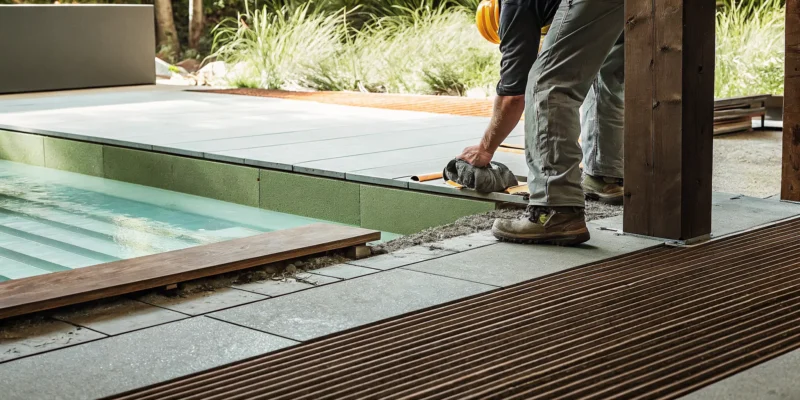
This is the most critical stage of the entire installation. Proper base preparation is the secret to a paver patio that will not sink or shift over time. Our crew begins by excavating the area to the required depth, typically several inches. We then lay and compact a sub-base of crushed stone, creating a stable foundation that allows for proper drainage. A layer of sand is then added and precisely leveled to create a smooth bed for the pavers. We take extreme care during this step because we know that the longevity of your patio depends entirely on the quality of what’s underneath.

Step 3: Professional Paver Installation and Finishing

With the base perfectly prepared, our skilled masons begin laying the pavers according to the design plan. Each paver is placed by hand, ensuring tight joints and a stable surface. We make precise cuts for edges and patterns, resulting in a clean, professional look. Once all the pavers are in place, we sweep a special type of sand, called polymeric sand, into the joints. When activated with water, this sand hardens to lock the pavers together, prevent weed growth, and resist erosion. Finally, we can apply a sealant to protect the pavers from stains and enhance their color, a service you can maintain with our restoration and sealing team.

A Look at a Hauppauge Backyard Transformation

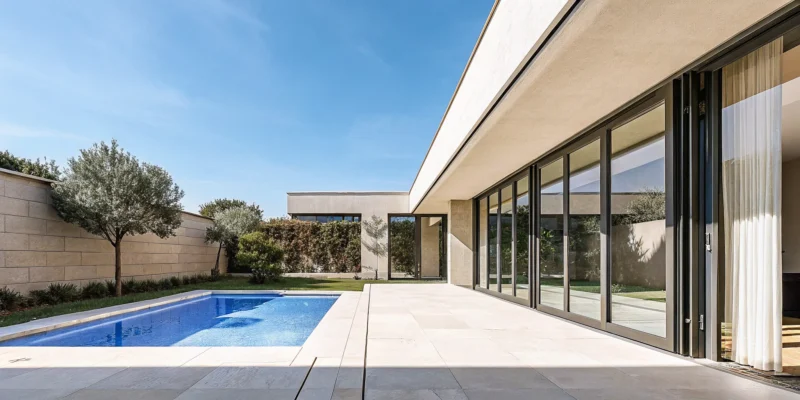
A new paver patio is often the catalyst for a complete backyard transformation. It serves as the centerpiece that connects all the other elements of your outdoor living dreams. Imagine stepping out from your back door onto a stunning marble patio, like the one we recently completed for a family in Hauppauge. This new space isn’t just a patio; it’s the heart of their backyard, seamlessly connecting the house to a sparkling swimming pool and a lush green lawn. The project didn’t stop there. We integrated a foundation for a future pergola that will soon provide a shaded dining area, perfect for summer evenings.

This is the power of a holistic design approach. A paver patio can be extended to create elegant walkways that meander through your garden or a durable, attractive surface for your driveway. It can form the base for an outdoor kitchen, a cozy fire pit area, or even a personal sports games court for the kids. By thinking about the entire space, we can create a cohesive and functional backyard that flows beautifully from one area to the next. You can see more of our dramatic before-and-after projects on the Gappsi YouTube channel, where we showcase how a simple idea can grow into a breathtaking outdoor oasis.

MARBLE PATIO – GAPPSI NATURAL STONE COLLECTION

We started with redoing the patio masonry and installing G040 Marble Pavers. Marble, known for its elegance and sophistication is a popular natural stone option.  Marble pavers can add a sense of luxury and boldness to your outdoor space that other stones just can’t do. Due to the natural veining patterns in marble, your pavers will each be unique in addition, they will enhance the beauty of your entire outdoor oasis.

Marble Features

  • Skid Resistance
  • Naturally Cool
  • Durability
  • Low Maintenance
  • No two stones are the same

Marble-Patio-Backyard-Renovation-Hauppauge-NY-5A U-shaped outdoor kitchen was installed and veneered with Nantucket Eldorado cultured stones.  The classic elegance and intricate detail of small stones combined with the simplicity of a panel system give this stone the appearance of a precision hand-laid dry-stack set. This stone type makes installation easy for expansive walls and column fascias alike.

In the outdoor kitchen, we installed all Twin Eagles appliances, including a sink, a separate bar sink, storage cabinets, and a Summit refrigerator.  Transform your backyard into a full-service kitchen.  Gappsi offers an extensive collection of built-in under-counter outdoor refrigerators, freezers, kegerators, and icemakers by Summit. Their weatherproof selection brings safe and stylish food service to any home or commercial setting.

PRIMO GRILL SMOKER

Adding to the backyard cooking experience is a Primo Grill Smoker as well as an Alfa Pizza Oven.  The invention of the wheel has nothing on the patented Primo Oval design smoking system.  Primo has the size grill for you whether you are tailgating & camping, grilling for the family in the backyard, or hosting a large gathering.  From their flagship Jack Daniel’s Edition Oval XL 400 to the classic round Kamado. Every Primo grill is a primary outdoor cooker.  Anyone can be added to a built-in outdoor kitchen or to complement an existing grill or smoker.  Gappsi installed the X-Large Charcoal Primo Grill.  The grill provides the largest cooking area and the patented oval shape offers superior cooking efficiency and accessibility. Grill, bake, roast, or smoke any food.

Marble-Patio-Backyard-Renovation-Hauppauge-NYALFA FORNI PIZZA OVEN

The Alfa Pizza Oven is the secret to savoring pizza at home that’s just as good as a pizzeria’s. With so many designs to choose from which one is right for you?  Choose the aesthetic line that best represents you and enhances your outdoor spaces.  Enjoy grilling, baking, and stewing delicious meals, and test yourself with Alfa Forni’s delicious recipes. These pizza ovens are characterized by careful design, high-quality materials, and attention to detail. Alfa’s designs are suitable for both rustic and modern design homes, for use indoors, in the garden, or on the terrace. Alfa transforms the traditional way of cooking into an object of design. Discover the full range of wood-fired ovens of Alfa Forni.  We installed the Alfa Forni FUTURO 4 Pizza oven.

SWIMMING POOL

The backyard swimming pool was also remodeled with new plumbing and new equipment.  Replacing your equipment or reworking the plumbing can help to make all your equipment run more efficiently which can lead to several benefits including reduced costs to operate your pool, a cleaner and clearer pool, and less wear and tear on your pool pump.

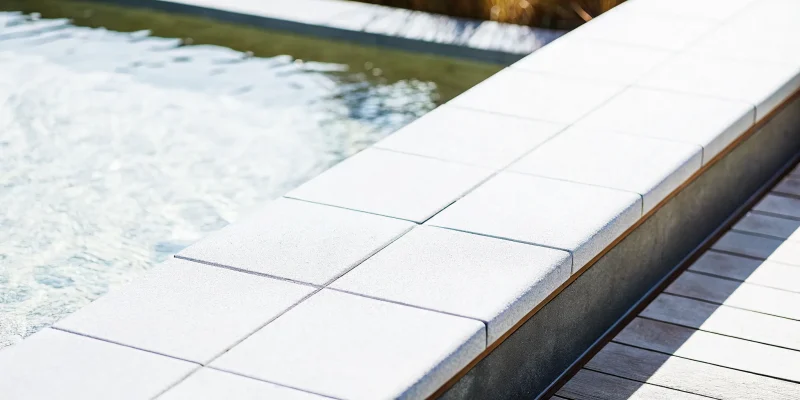
Marble-Patio-Backyard-Renovation-Hauppauge-NY-4The patio consists of G040 marble pavers selected from the Gappsi Natural Stone Collection. We used a French pattern for the patio and two-inch copings for the pool edges.  Marble pavers are a great choice for the pool area. Marble pavers resist bacteria, preventing any harmful elements from thriving in the pool area. Tumbled marble pavers provide a strong grip to prevent slipping and falling incidents.

Marble tiles are heat resistant too, which means that anyone walking around the pool area will keep their feet cool, making it less likely to injure themselves from the sun’s heat.  This is an exceptionally important consideration if you have children and the elderly living with you. With the huge options available for pool coping, the possibilities are wide. You can experiment with different styles based on your taste. In most cases, homeowners prefer neutral colors and materials to ensure that the coping effortlessly merges with the existing look. However, with customized options, you have the complete flexibility to design your space just the way you want.

Marble-Patio-Backyard-Renovation-Hauppauge-NY1MONTIGO FIREPLACE

We built a new fireplace and installed a Montigo fireplace insert.  Montigo’s lines of exceptional fireplaces may be just what you’re looking for. The signature design of Montigo fireplaces means you’ll always get sleek styling and a great view of your fire, whether you have them installed indoors or out. This particular model has a blower as well inside to blow hot hair up to the sitting area. The fireplace structure was veneered with Nantucket Eldorado cultured stones and G040 coping for the shelves of the fireplace.

LANDSCAPING & DESIGN

Some landscaping of the backyard area was completed with Gappsi’s team by adding to the existing landscape. Landscape design allows you to embrace nature in a manicured and predictable way, but the plants themselves have other benefits. Adding rich amounts of foliage may improve the air quality around your home. Plants absorb harmful pollutants and chemicals, purifying the air without the use of electricity or machinery.

Marble-Patio-Backyard-Renovation-Hauppauge-NY-2PATIO SEALING

The patio was sealed also to help prevent weeds.  Sealing the stones also makes it easier to clean and protect the pavers. This is the latest Gappsi Backyard renovation in Hauppauge NY. Text us now at 631-543-1177 to schedule your meeting with Giuseppe.

Beyond the Patio: Complete Outdoor Living Solutions

A beautiful paver patio is the foundation of your outdoor retreat, but it’s the surrounding elements that truly bring the space to life. Thinking beyond the patio itself allows you to create a cohesive and functional environment that flows seamlessly from one area to the next. By integrating various features, you can transform your entire backyard into a personalized oasis that reflects your lifestyle. This holistic approach ensures every part of your yard works together in harmony. From custom walkways that connect spaces to functional entertainment zones like outdoor kitchens and sports games courts, a complete solution considers every aspect of how you want to live outdoors.

Custom Walkways, Steps, and Driveways

A thoughtfully designed patio deserves beautiful connections to the rest of your home and yard. Custom walkways and steps do more than just guide foot traffic; they create a sense of journey and cohesion throughout your property. Imagine a graceful stone path leading from your patio to a garden, or elegant steps connecting different levels of your outdoor space. We can integrate practical features like durable driveways or foundations for pergolas, ensuring every element is both beautiful and built to last with expert masonry that matches or complements your patio.

Outdoor Kitchens and Fire Pits

Extend your living space and hosting season by adding an outdoor kitchen or a cozy fire pit. These features transform your patio into your home’s social hub, perfect for entertaining. A fully equipped outdoor kitchen allows you to prepare meals without leaving your guests, while a fire pit provides a natural gathering spot for cool evenings. We design and build these features using a variety of materials, like stunning cultured stone, to create a look that perfectly aligns with your patio and home’s architecture. It’s the ideal way to make your backyard the centerpiece for any gathering.

Swimming Pools and Poolscapes

There’s nothing like a paver patio that leads directly to a sparkling swimming pool. The key to a successful poolscape is choosing the right materials for safety and comfort, like marble pavers that stay cool and resist bacteria. Gappsi designs and builds complete swimming pools and poolscapes, paying close attention to details like non-slip surfaces and durable coping. We help you create a luxurious and safe poolside environment where your family can relax and make lasting memories all summer long, seamlessly integrated with your patio design.

Sports Games Courts and Landscaping

A complete backyard solution considers both relaxation and recreation. For active families, adding custom sports games courts can provide endless hours of fun. To balance these functional areas, thoughtful landscaping is essential. Incorporating lush foliage and garden beds softens the hardscape, adds natural beauty, and can even improve air quality. This combination of active zones and green spaces creates a well-rounded backyard that caters to every member of the family, ensuring there’s something for everyone to enjoy.

Keeping Your Paver Patio Looking New

One of the best things about a professionally installed paver patio is its durability and relatively low maintenance. You’ve invested in a beautiful outdoor space, and keeping it looking its best doesn’t have to be a chore. The key is starting with a quality installation, which prevents many common issues like shifting or weed growth down the line. With just a little bit of regular care, your patio will continue to be a source of pride and enjoyment for years to come. Here’s what you need to know about maintaining that fresh, just-installed look.

General Maintenance and Cleaning

The secret to a long-lasting paver patio is simple, consistent care. A high-quality installation is your first line of defense, but a little upkeep goes a long way. We recommend a general cleaning at least once a year to remove dirt and debris. Over time, the sand in the joints can settle, so checking and replenishing it as needed will keep the pavers secure and help prevent weeds. For ultimate protection against stains and weathering, it’s a good idea to seal your patio every few years. This simple routine ensures your investment remains as stunning as the day it was completed.

Repair and Joint Sand Replacement

Even with a flawless installation, your beautiful paver patio will need a little TLC to stay in top shape. Think of the sand between your pavers as the unsung hero of your patio. It locks everything together, creating a stable surface and keeping pesky weeds from sprouting. Over time, however, rain and general wear can wash this joint sand away. When that happens, you might notice pavers starting to shift or become uneven. This is a completely normal part of a paver patio’s life cycle and an easy fix. Regularly replacing the joint sand is a crucial step in maintaining your patio’s integrity and appearance. If you notice gaps forming or your pavers feel a bit wobbly, it’s time for a refresh. This simple maintenance, combined with periodic cleaning, ensures your outdoor space remains a beautiful, safe, and enjoyable retreat for years. For homeowners who prefer a hands-off approach, professional restoration and sealing services can handle this for you, keeping your patio pristine.

SCHEDULE A MEETING TODAY WITH GAPPSI

https://youtu.be/-RIXDlRL7jY

Frequently Asked Questions

Why should I choose pavers over a poured concrete slab for my Long Island patio? Poured concrete slabs are prone to cracking due to our region’s freeze-thaw cycles, which can lead to large, unsightly damage. Pavers, on the other hand, are individual units that can shift slightly with the ground’s movement. This flexibility makes them far more durable and resistant to cracking, ensuring your patio remains stable and beautiful for many years.

How much should I budget for a professionally installed paver patio? The cost depends on factors like the size of your patio, the materials you choose, and how much site preparation is needed. As a general guideline for homeowners in the Hauppauge area, you can expect a price between $30 and $45 per square foot. This covers everything from excavation and base materials to the final installation, ensuring a high-quality result that lasts.

My yard has terrible drainage and often gets soggy. Can a paver patio help? Absolutely. A professionally installed paver patio is one of the best solutions for drainage problems. The installation process includes creating a slight grade to direct water away from your home, and the gravel base beneath the pavers helps water dissipate into the ground. For areas with more significant water issues, permeable pavers are an excellent option that allows rain to pass directly through the surface.

How long will my backyard be a construction zone during the installation? You’ll be surprised at how quickly the transformation happens. For most standard-sized residential patios, the entire installation process typically takes about three to five days. Our professional crews work efficiently to prepare the base, lay the pavers, and finish the project, minimizing disruption so you can start enjoying your new space as soon as possible.

What kind of maintenance does a paver patio require to keep it looking new? Paver patios are refreshingly low maintenance. The most important things are to start with a quality installation and perform some simple upkeep. We recommend a general cleaning once a year to wash away dirt. You should also check the sand in the joints every so often and replenish it if needed to keep pavers secure. Sealing the patio every few years is also a great way to protect it from stains and weather.

Key Takeaways

  • Prioritize a Professional Base: The success of your Long Island patio hinges on a foundation built to withstand our freeze-thaw cycles. Proper site excavation and a compacted base are non-negotiable steps that prevent sinking, shifting, and future headaches.
  • Budget for Quality and Complexity: Expect a professional paver patio in Hauppauge to cost between $30 and $45 per square foot. This range accounts for your choice of materials, like concrete or natural stone, and the specific site preparation your property requires.
  • Think Beyond the Patio Itself: Envision your patio as the central hub of your backyard. Planning how it will connect to other features like walkways, an outdoor kitchen, or a fire pit from the start ensures you create a cohesive and truly functional outdoor living space.

Related Articles

Share this page:

Paver Basketball Court

Paver-Basketball-Court

A paver basketball court is perfect when you searching for something unique that will make your property stand out.  Consider a custom-designed basketball court. This brick-paver inlay basketball court is sure to make your home a favorite among the neighborhood kids. If you are in the market for a new concrete driveway consider all of the possibilities before making your final decisions.

Pavers are various sizes of stones that are made of natural stone, clay brick, concrete, or even porcelain. They are utilized to construct an interlocking paving system that is strong and adaptable. The pavers are much stronger than a concrete base and do not easily break or split.

Pavers are more environmentally friendly than concrete slabs because they require less care, are durable, and adapt to seasonal and climate changes.

Can You Play Basketball on Pavers?

Yes, you can use pavers for the floor area of your basketball court.  Paver blocks are in more demand because of their advantages. Pavers effectively reduce runoff from surface water. They also have a minimum 20-year lifespan, making them extremely durable in construction and easy to replace.

An additional benefit of using paver blocks is their ease of installation. A particular block can be changed without damaging the other blocks if any of the blocks are cracked or discolored by corrosive chemicals such as petrol, diesel, etc.  Interlocking the paver blocks is a solution for preserving the environment if you are concerned about the security of your ecosystem or habitats.

Basketball Sports Game Courts Material Options

Brick Paver Basketball Sports Game Courts

This court layout is not new for Gappsi and looks beautiful on a property.  The material complements your property more than any other option. A brick paver basketball court looks nice, especially if you already have a paver patio on your property.

When choosing a brick paver basketball court the lines are cut out and replaced with different colored bricks. The aesthetics of this are beautiful and the athletics are not bad either.  Similar to concrete, there are seams, but if you choose the proper brick it’s not an issue.  The seam between the bricks is small, especially with a straight-edged paver. In addition, many paver companies make slip-resistant pavers that give a player more traction.

Paver Basketball Court2Asphalt Pad With Painted Lines

The most affordable option for a homeowner to have a backyard basketball court is an asphalt pad court with painted lines. The material costs are the least expensive as well as the installation.  This low cost is due to eliminating the expense of painting the entire court and simply only the lines.  Often there is a concern with the durability of unpainted asphalt. In our experience as long as there are no large trees with roots near the court it will be fine.  The roots often cause big cracks as the tree grows causing the asphalt to crack. As for wear and tear, a backyard court will not experience the same traffic as your driveway so the longevity of the sports game court is longer than a standard asphalt driveway.

Asphalt-Painted Courts

In addition, the sports game courts can be painted similarly to what you see on public courts or tennis courts. This often is worth the extra expense. It is absolutely beautiful to look at when painted, especially when custom-colored lines with logos in the key, as well as matching pole pads with lettering, are added.

Concrete Pad Basketball Sports Game Courts

Much like an asphalt pad, a concrete pad with painted lines is more affordable than one that’s painted due to cutting out the painting process. In addition, it tends to look sharper than asphalt with a cleaner look to it.

Expansion joints are added to prevent cracking in the concrete.  It’s a minor detail to consider in the aesthetics of the court. The concrete looks nicer but the asphalt plays nicer.  Also painting a concrete pad looks very sharp similar to the asphalt pad when painted.  It is also worth the extra expense.

Hard-Packed Gravel With Mateflex Sports Game Court Tiles

Many towns have strict zoning laws which regulate the amount of non-permeable coverage a property can have. If your town or village will not allow you to have a non-permeable court based on your property size, then choosing a hard-packed gravel basketball court with Mateflex tiles may be your best and only option.

Paver-Basketball-Court1Gappsi Paver Basketball Court Built in Manhasset NY

Gappsi installed a 22 x 28 basketball sports game court in Manhasset NY, located in Nassau County on Long Island. The court was built with a recycled concrete base and paved with a Nicolock Stone Ridge.  It is a three-piece combination with a smooth texture. We used Granite City for the border and court inlays. Golden Brown for the field and a travertina color for the key in the court. In addition, our team installed regulation adjustable hoops. The patio was cut and the new court was inlaid for a seamless fit and appearance. This is not only a sports game court but can be used as a patio because it is made of pavers. It’s very durable and would never need to be repainted and striped. The homeowners are very happy and this is the latest sports game court by Gappsi in Manhasset NY.

SCHEDULE A MEETING TODAY WITH GAPPSI

View Gappsi’s YouTube Channel For Videos Paver Basketball Court

Share this page:

Granite Pavers Around Pool: Style & Safety

A pool area should be a place for relaxation and fun, not a source of constant worry. With wet surfaces, running children, and constant foot traffic, safety is the most important factor in your design. The right decking material can give you complete peace of mind. Granite is an exceptional choice because its natural, textured surface provides excellent slip resistance, which is crucial in a space that’s always wet. Choosing granite pavers around pool decks means you are prioritizing your family’s safety without sacrificing an ounce of style. This article will cover the key features that make granite a secure, practical, and beautiful foundation for your poolside activities.

Granite-Patio-And-Pool-Coping-Long-Island-NY3Granite Patio And Pool Coping Long Island NY give a home timeless beauty and curb appeal!  Perhaps no single factor is more important to the value of your home than its curb appeal. Update your entry with a beautiful set of granite steps and make that all-important first impression.

  • Rough, hand-hewn, or precisely machined, our beautiful granite posts are sure to add character, charm, and strength to any landscape application.
  • Transform your outdoor space into an inspiring place with the addition of granite pavers, patios, and walkways.
  • A memorial bench made of granite is a fitting addition to a favorite remembrance spot at your home, playground, park, or town common to honor the heroes among us.
  • Naturally durable, granite withstands weathering, freeze-thaw cycles, and ice-melting chemicals, unlike wood, brick, or concrete.

At Gappsi we believe in superior granite materials that result in low maintenance and permanence, assuring an outcome your family and community will enjoy for many years to come.

Why Choose Granite Pavers for Your Pool Area?

When you’re designing the perfect poolside retreat, the material you choose for the decking is a major decision. It needs to be safe, durable, and beautiful. Granite pavers check all those boxes, making them a fantastic option for any Long Island home. Let’s look at why granite is such a popular and practical choice for creating a stunning and long-lasting pool area that adds significant value and enjoyment to your property.

Exceptional Durability and Maintenance

One of the biggest advantages of granite is its incredible strength. This natural stone is formed under intense heat and pressure, making it one of the most durable materials you can choose for your outdoor space. It easily handles the extreme heat of summer sun without fading or becoming uncomfortably hot to walk on. It also stands up to Long Island’s tough freeze-thaw cycles in the winter, resisting cracks and damage far better than materials like concrete. This resilience means your beautiful pool surround will maintain its integrity and appearance for decades with very little fuss, giving you more time to actually enjoy your pool instead of worrying about upkeep.

Resistant to Pool Chemicals and Stains

Pools require chemicals to stay clean, but those same chemicals can be harsh on surrounding surfaces. Granite’s dense composition makes it highly resistant to damage from chlorine and other common pool treatments. It also stands up well against stains from spilled drinks, food, or sunscreen, which are inevitable in a well-loved pool area. This natural resistance helps keep your patio looking pristine and reduces the need for constant, heavy-duty cleaning, preserving the beauty of your investment.

Simple Cleaning and Upkeep

Maintaining a granite pool deck is surprisingly simple. Because it doesn’t chip or crack easily like concrete, you won’t be dealing with constant repairs. For routine cleaning, a simple sweep to remove debris and an occasional wash with a mild detergent and water are all that’s needed to keep it looking great. This low-maintenance quality is a huge plus for busy homeowners who want a beautiful outdoor space without a demanding upkeep schedule.

Sealing Granite Paving

While granite is naturally very durable, applying a sealant is a smart move for a pool area. A quality sealant provides an extra layer of protection, making the stone even more resistant to water absorption, stains, and the effects of pool chemicals. It helps preserve the stone’s natural color and finish over the long term. We recommend having your granite pavers professionally sealed after installation and then resealed every few years as part of a regular maintenance plan. Our team offers expert restoration and sealing services to protect your investment.

A Great Long-Term Value

While the initial cost of granite pavers might be higher than some other options like basic concrete, it’s important to look at the bigger picture. Granite is a fantastic long-term investment for your home. Its incredible durability means you won’t be spending money on frequent repairs or replacements down the line. A well-designed granite pool deck not only provides a beautiful and functional space for your family but also significantly adds to your property’s value. When you choose high-quality natural stone, you’re investing in a feature that will pay for itself in longevity, low maintenance, and timeless appeal.

Managing Costs with Phased Installation

If you love the idea of a granite pool deck but are concerned about the upfront cost, consider a phased installation. You can start with the essential pool surround and then expand your project over time. For example, you could add a matching granite patio for your outdoor dining area or connecting walkways the following year. This approach allows you to build your dream outdoor living space in manageable stages without compromising on quality or design. Working with a full-service company like Gappsi makes this process seamless, as we can help you create a cohesive long-term plan for your entire property.

Natural Stone Options

Travertine pavers and other natural stone pavers offer the best longevity of any paver type. Natural stone options include granite, sandstone, slate, limestone, marble, travertine, and bluestone. The color choices are more varied than you might expect.

Whether you desire the clean lines of pattern pavers on your patio or the rustic appearance of irregular stepping stones for your winding garden path, we have the right cut granite and natural stone to suit your tastes. Available in a variety of materials, colors, and textures. Imagination is your only limit.

Granite-Patio-And-Pool-Coping-Long-Island-NY1Granite Paving is the ideal solution for creating modern patios or pathways! If you’re looking for a high-end finish with plenty of style and durability, granite paving stones are a perfect choice! This hard-wearing natural stone paving features a non-slip and scratch-resistant surface that will stay looking its best all throughout the year.

⇒ Durable & Hard-Wearing ⇒ Flamed Or Shotblasted Surface Texture ⇒ Scratch Resistant ⇒ Non-Slip

Granite Paving Stones

As a hard-wearing natural stone, granite slabs are suitable for any area which will see high amounts of footfall.  Due to their durability, non-slip and scratch-resistant properties they are a perfect choice. Well-known for being robust yet stunning, granite pavers are ideal for use on patios, paths, and around pools in any domestic or commercial project. This popular paving material is available in a range of colors to suit any design needs!

Types of Granite Pavers

Solid, Composite, and Reclaimed Granite

When you start exploring granite, you’ll find a few different types to consider. The most common is solid granite, which is cut directly from quarries into durable, beautiful pavers. These pavers are incredibly strong and long-lasting, making them a fantastic investment for any outdoor space. Their natural texture also provides a slip-resistant surface, which is a huge plus for safety around patios and walkways. For a more historic or rustic feel, reclaimed granite cobblestones offer a unique character that new materials can’t replicate. No matter which type you choose, you’re getting a material known for its resilience and timeless appeal. You can explore a wide variety of natural stone pavers to find the perfect fit for your home’s aesthetic.

Creative Design Applications

Using Granite for Borders and Accents

Granite’s versatility shines when you use it for more than just the main surface. It’s an excellent choice for creating borders and accents that define your outdoor living areas. Around a pool, a granite border not only looks stunning but also helps keep grass and dirt from getting into the water, making maintenance a little easier. You can also use granite pavers to edge a garden bed or line a walkway, creating clean, crisp lines that give your landscape a professionally finished look. Using a contrasting color of granite as an accent within a larger patio can also create visual interest and break up the space in a stylish, intentional way. These details truly complete the design of your swimming pool and patio area.

Popular Paving Patterns

The way your granite pavers are laid can completely change the look and feel of your patio or walkway. You have so many options beyond a simple grid. Classic patterns like running bond, where pavers are offset in each row, create a timeless look. For something more dynamic, a herringbone pattern adds a sense of movement and sophistication. You can also work with different sizes, from small cubes to large slabs, to create everything from a modern, streamlined design to a classic, old-world courtyard. The pattern you select is a key part of the design process, and the right masonry work ensures it’s executed perfectly for a flawless finish.

The Role of Pool Coping

Pool coping is the material used for the edge or cap of your swimming pool, and it’s one of the most important details in your pool design. Granite is an outstanding choice for coping because it can handle everything a pool environment throws at it. It stands up to constant exposure to water, pool chemicals, and the sun without fading or degrading. Granite is also highly resistant to scratches and chips, so it will keep its beautiful appearance for years. Beyond its durability, granite coping provides a safe, non-slip edge for getting in and out of the pool. It creates a seamless transition from your pool to your patio, giving the entire area a cohesive and high-end look.

Sizes & Colours To Suit Any Project

Natural granite pavers offer a wealth of design opportunities.  They offer a range of sizes and color options available.  You will always be able to find a style to suit the needs of your project! You can choose from a multitude of sizes, from large format pavers to smaller slabs, or a mixed size, which is perfect for random laying to create a unique finish. Color options range from the light and bright Silver Grey Granite, and the mid-grey tones in Blue Black Granite to something a little darker in our Black Granite Paving. The hard-wearing and durable natural stone paving is designed for outdoor use and will stand the test of time even in harsh weather! Our full range of granite is suited for Long Island New York’s climate that will last for decades.

Granite-Patio-And-Pool-Coping-Long-Island-NYSealing Granite Paving

It’s generally advised to seal granite pavers to help prevent any staining.  Sealing also helps to prevent the growth of any moss or algae. You may want to consider sealing your granite slabs, especially if your stone is light in color, as any stains will be more visible. However, sealing is not compulsory and there is a wide range of sealing products available which will provide various results. Some sealants will simply seal and protect, whereas others can be used to enhance the color of your slabs. When sealing your granite patio you will also help to protect against general wear.  For example, fading can sometimes occur over long periods. As for when to apply a sealer, there are no specific guidelines.  Most landscapers and tradespersons will have their own tried and tested methods.

Often people choose to seal their paving slabs before laying them.  This may prevent any staining during the laying process.  Others prefer to leave their stone unsealed for up to a year, allowing the granite to weather naturally before applying a sealant. To learn more about sealing your pavers check out our Paver Cleaning Service.

Natural Colours & Variations

Granite products are entirely natural and will feature variations in color, tone, and pattern. This is a feature of the product and our product images will give a great overview of some of the natural variations you could receive.

Colors will appear more vibrant when wet and subtler prior to installation before the stone has absorbed any moisture.

Gappsi installed this backyard over 10 years ago, and recently sealed the pavers. The granite pavers look just as good as the day they were installed at the customer’s home. This is the benefit of using natural stones for your patio pool copings. We installed a freeform pool with concrete walls and a vinyl liner. For the patio and coping we used Amagansett Granite Pavers selected from the Gappsi natural stone collection. We designed and built the portico and the outdoor kitchen with travertine mocha veneer.  The appliances used were all Delta Appliances and a Summit Refrigerator with a granite countertop. 

SCHEDULE A MEETING TODAY WITH GAPPSI

View Gappsi’s YouTube channel for videos of Granite Patio And Pool Coping Long Island NY

https://youtu.be/zLfVbKvCFUk  

Key Considerations for Safety and Installation

When you’re designing a space for fun and relaxation, safety is always the top priority. A pool deck isn’t just about looks; it needs to be a secure surface for everyone, from kids playing to adults lounging. This is where granite truly shines. Its inherent properties, combined with proper installation techniques, create a beautiful and safe environment. Thinking through factors like heat absorption, slip resistance, and drainage from the start ensures your pool area will be a worry-free oasis for years. A little planning goes a long way in building a space that is both stunning and functional for your family and friends to enjoy.

Choosing a Cooler Surface for Sunny Climates

We all know how hot a Long Island summer can get, and a scorching pool deck can quickly ruin a perfect swim day. The color of your granite pavers plays a big role in how much heat they retain. Darker stones absorb more sunlight and can become uncomfortably hot for bare feet. To keep your pool surround cool and comfortable, it’s best to choose lighter-colored stones. Shades of light gray or buff-colored granite reflect more sunlight, helping the surface stay at a more pleasant temperature even on the sunniest days. This simple choice makes a huge difference in the usability and enjoyment of your pool area.

Safety Features in Granite Pavers

Beyond its beauty, granite offers fantastic safety benefits that make it an ideal material for poolside applications. One of its most important qualities is its natural slip resistance. The texture of granite provides a reliable grip underfoot, which is crucial in an area that is constantly wet. This significantly reduces the risk of slips and falls, giving you peace of mind when family and friends are enjoying the pool. This inherent safety feature is one of the main reasons so many homeowners choose granite for their pool decks, as it combines elegance with practical, everyday security without requiring extra non-slip coatings or treatments.

Non-Slip Surfaces and Beveled Edges

The safety-conscious design of granite pavers extends to their very shape. Many granite pavers are crafted with beveled, or slanted, edges. This subtle detail serves several important functions. First, it helps prevent tripping by creating a smooth transition between pavers. Second, these angled edges make the pavers more resistant to chipping, preserving the pristine look of your deck. Finally, beveled edges can help mask any minor unevenness in the ground below, contributing to a more uniform and stable surface. These thoughtful design elements work together to create a pool deck that is as safe as it is beautiful.

The Importance of Professional Installation

Even the highest quality materials won’t perform well without proper installation. For a granite paver pool deck, professional installation is essential for both safety and longevity. An expert ensures the ground is properly prepared and graded, creating a perfectly flat and stable surface that will not shift or settle over time. This precision is key to preventing tripping hazards and ensuring the durability of your investment. At Gappsi, our masonry and construction teams have decades of experience, guaranteeing your project is built to the highest standards for lasting comfort and safety.

Ensuring Correct Slope and Drainage

Proper water management is critical for any pool deck. Standing water can create slipping hazards and contribute to the growth of mold and mildew. A professionally installed granite paver deck is designed with a slight, almost imperceptible slope that directs water away from the pool. A grade of at least two percent is the industry standard to ensure effective drainage. This prevents puddles from forming on the surface and protects the foundation of the deck, ensuring it remains stable and secure for many years. This technical detail is a crucial part of a safe and low-maintenance pool environment.

Working with a Skilled Contractor

Choosing the right design and materials is just the first step. To bring your vision to life and ensure your granite paver surface lasts for decades, you need to work with a skilled and experienced contractor. A reputable installer understands the specific requirements for setting natural stone in a poolside environment, from creating a stable base to ensuring precise placement and proper drainage. An expert can guide you through material selection and design choices, making sure the final result not only looks fantastic but also meets the highest safety and quality standards. This partnership is key to a successful and enduring project.

Comparing Granite to Other Pool Deck Materials

When planning your pool deck, you’ll find a wide variety of materials to choose from, each with its own set of pros and cons. While options like poured concrete, porcelain tiles, and other natural stones are popular, granite consistently stands out for its unique combination of strength, beauty, and low maintenance. Understanding how granite stacks up against these alternatives can help you make an informed decision that aligns with your aesthetic goals, budget, and long-term expectations. Comparing these materials highlights why granite is often considered a premium choice for creating a durable and elegant outdoor living space that truly lasts.

Granite vs. Concrete, Porcelain, and Marble

Compared to poured concrete, granite offers superior durability and a more luxurious appearance. While concrete can crack and requires frequent resealing, granite withstands the elements without showing wear. Porcelain tiles are another popular option, but they can be slippery when wet unless specifically textured for pool use. Marble, while beautiful, is a softer, more porous stone that can be susceptible to scratching and staining from pool chemicals. Granite is significantly denser than other stones like limestone or marble, making it much more resistant to deep stains and chemical damage, ensuring it maintains its beauty with minimal effort.

Other Natural Stones for Pool Decks

Granite is part of a family of excellent natural stone options for pool decks. Materials like travertine, bluestone, and sandstone are also popular choices because they offer great durability, a non-slip texture, and timeless visual appeal. Each stone has a unique look and feel, from the earthy tones of travertine to the classic cool gray of bluestone. Exploring the full range of porcelain and natural stone options allows you to find the perfect match for your home’s style. While all are great choices, granite’s exceptional hardness and resistance to stains and weathering often place it at the top of the list for homeowners seeking the ultimate in performance and elegance.

Frequently Asked Questions

Is granite slippery when it gets wet? This is a great question and a top concern for any pool area. Granite is actually an excellent choice for safety because of its natural texture. The surface has a subtle roughness that provides a reliable grip, even when it’s wet. This quality helps reduce the risk of slips and falls, giving you more peace of mind while your family enjoys the pool.

Will granite pavers get too hot for bare feet in the summer? The temperature of your granite deck really depends on the color you choose. Darker stones absorb more sunlight and can get quite warm. However, if you select a lighter color, like a soft gray or a sandy tone, the pavers will reflect more of the sun’s heat. This keeps the surface much cooler and more comfortable for bare feet, even on the hottest Long Island days.

How much maintenance does a granite pool deck really require? Granite is surprisingly low-maintenance, which is a huge plus. Its dense nature makes it resistant to stains, pool chemicals, and cracking from winter freezes. For the most part, you’ll just need to sweep it to clear off leaves and debris. An occasional wash with mild soap and water is enough to keep it looking fresh. We do recommend sealing the granite every few years to give it an extra layer of protection and preserve its color.

Granite sounds expensive. Is it a good long-term investment? While the initial cost for granite can be higher than for materials like concrete, it is a fantastic long-term investment. Because granite is so durable, you won’t be spending money on the frequent repairs or replacements that other materials often need. It holds up beautifully for decades, adds significant value to your property, and its timeless look never goes out of style.

What exactly is pool coping and why is granite a good choice for it? Pool coping is the cap or edge that goes around the top of your pool shell. It’s a critical feature for both safety and style. Granite is an ideal material for coping because it’s incredibly strong and can handle constant exposure to water and chemicals without wearing down. It also provides a safe, non-slip edge for swimmers to hold onto and helps create a beautiful, seamless transition from your pool to your patio.

Key Takeaways

  • Invest in durability with granite: This natural stone is a smart long-term choice because its strength resists weather, pool chemicals, and stains, which means less time spent on upkeep and more time enjoying your pool.
  • Prioritize safety without sacrificing style: Granite’s naturally textured surface provides excellent slip resistance, and choosing lighter-colored pavers helps keep your pool deck comfortably cool for bare feet on hot days.
  • Rely on professional installation: The success of your project depends on expert installation; a skilled team guarantees correct drainage and a stable foundation, ensuring your pool deck remains safe and beautiful for years to come.

Related Articles

Share this page:

Granite Patio Pavers and Pool Coping – A Basic Guide

Granite patio pavers
A granite patio by Gappsi

There’s no doubt about how much a swimming pool can enhance the appearance of your backyard. Regardless of the shape and size, they are a wonderful addition to your home exterior. However, when it comes to pool coping, most people want to stick to granite patio pavers and pool coping. If you’re wondering whether the material is appropriate for your needs, keep reading.

Why Do You Need a Pool Coping?

Before we get into why we need granite pavers, it’s important to understand the role of pool coping. A pool coping directs splashout into the deck drains and away from the pool. It also blocks water flow from the area behind the pool, preventing further damage. The most important role it plays is that of an inhibitor. It inhibits dirt, debris, and grass from entering the pool area. Last but not least, it provides swimmers with a sturdy and safe way to enter and exit poolside.

Granite Patio Pavers and Pool Coping: Why Do You Need Them?

Granite Is Durable and Long-Lasting

Any product you choose for any purpose should have the quality of being durable and long-lasting, especially when it comes to enhancing your home’s appearance. This is precisely why granite is a sought-after choice.

It is a popular choice among many people mainly because of its durability. However, the consensus on its popularity isn’t new. It goes back to the time of the construction of Roman aqueducts. All in all, the material is highly resilient and sturdy and requires minimal maintenance, making it perfect for everything, including your patios.

It’s Moisture Resistant

The best quality of granite is that it adapts well to wet areas in Nassau and Suffolk County, Long Island, NY. Hence, when you install these pavers as pool coping, you won’t have to worry about water seeping in. The stone is quite impenetrable to most liquids.

It Adds a Level of Elegance to Your Exterior

Our designers at Gappsi ensure that the granite stone you choose enhances the beauty of your backyard or lawn. Furthermore, thanks to the huge variety of colors and formats in our showrooms, you will have no trouble finding your favorite color.

It’s Much More Affordable Than Other Options Out There

Granite stone has long been the ideal solution for most pool copings. Apart from the durability and variety factors, the price also plays a role here. You can get it repaired or replaced at a reasonable price if needed.

Granite Patio Pavers
A granite patio in a house on Long Island

Key Factors to Consider When Choosing Your Pool Paver

From our suppliers and distributors to our contractors and installer, everyone ensures that you get exactly what you’re looking for. However, there’s more to the subject than just appearance and durability. You must consider the following factors, too, when it comes to choosing your pool paver.

Price

Cost plays a vital role in the selection process. You want to ensure that whatever you’re choosing is cost-effective and has a long life span. Stone pavers usually require much less upkeep than other options in the market.

Glare And Heat

It’s important to consider how the paver surface feels on a hot day. While most surfaces are prone to getting hot in summer, some get hotter than others. You want to get a denser and lighter paver in Nassau and Suffolk County, Long Island, NY. You may also want to factor in the amount of glare you’ll experience. The rule is to consider the color. The lighter it is, the greater the glare.

Surface Finish

The surface finish should be a primary factor to consider when choosing pool paving for an outdoor space. Since avoiding spills is the priority, it’s important that you with something with a non-slip finish.

Sealing

Using the right seal for pool pavers is imperative, especially since natural stone is porous. Make sure to seal your granite patio pavers and pool coping correctly, or it may not be able to stand the test of time. The stone’s quality falls prey to environmental factors over time which is why protecting its natural beauty is important. Nonetheless, our manufacturers ensure that you get the best possible quality no matter what type of pavers you choose. You may also want to consult our professionals to learn more about the sealing process.

Pool Coping

If you’ve decided to pave around your pool, you may want to consider a few more questions. Do you want to use a different coping material or run it along the edge? Regardless, you want to go with a paver that merges well with the remaining landscape. All in all, the deal is to choose a material that isn’t only aesthetically pleasing but also performs well, whether you’re using it for your pool, walkways, or wall veneers.

Granite vs. Bluestone

While bluestone has a sawn finish, Granite has a bush-hammered finish. Both are ideal in terms of their performance. However, with bluestone, you can choose various formats, from cobblestones to tiles. On the other hand, granite has its own way of giving you an elegant finish that meshes well with both traditional and contemporary architecture. While the option of custom fabrication is there, it all comes down to personal preferences.

Learn More About Granite Patio Pavers and Pool Copings

You can’t possibly have a pool without coping. It’s almost like having a plane without a roof. Hence, it’s safe to conclude that the final outlook of your pool depends solely on the material you choose for pavers and copings. At Gappsi, we have an endless list of options for you to choose from. We also encourage the idea of familiarizing yourself with different stone options.

After all, choosing a durable, long-lasting material that increases the aesthetic value of your home is the primary goal. From the style to the budget, you want to ensure that your chosen material fits your needs best. Our customized services have benefitted a number of clients over the years. This gives us even more of a reason to transform your backyard or lawn into the space of your dreams.  For more information, call us at Gappsi and schedule a consultation today!

SCHEDULE A MEETING TODAY WITH GAPPSI

Share this page:

How to Clean Nicolock Pavers & Keep Them Looking New

There’s a certain satisfaction that comes from tackling a home maintenance project yourself. When it comes to your hardscape, knowing how to clean Nicolock pavers can save you time and money while restoring your patio’s charm. While many cleaning tasks are perfect for a weekend DIY, some methods carry risks. Using a pressure washer incorrectly or choosing the wrong cleaning solution can cause permanent damage, stripping color and ruining the paver’s surface. This guide is designed to give you the confidence to clean your pavers safely. We’ll cover the best DIY solutions for common stains and also explain the signs that indicate it’s time to call for professional restoration and sealing to truly protect your investment.

Concrete Pavers by Gappsi
Driveway Concrete Pavers by Gappsi
Nicolock and Cambridge concrete pavers are both excellent choices for your property. However, taking the paver technology into account is as important as taking their feel and look into consideration. Each brand has a lot to offer, from amazing technology to several design options for your property, making decision-making even harder. Let’s take a closer look at the pros and cons of each, along with tips for their maintenance.

Nicolock Paving Stones

Nicolock paving stones use its paver-shield technology to manufacture beautiful concrete paving stones. They also manufacture segmental retaining wall systems, precast concrete products, and paving slabs. Thanks to the paver-shield technology, these pavers have a richer and denser surface. They also have a bright, vibrant appearance that just doesn’t fade.

Cambridge Paving Stones

Cambridge pavers have ArmorTec technology that does a wonderful job of improving your home’s appearance. This extra-dense concrete has a rich appearance which also keeps your surface smooth and skid-resistant. There are a number of possibilities when it comes to using them for different designs. The cherry on top is that there are numerous colors and shapes available. At Gappsi, we make sure to connect you with the best suppliers for Nassau and Suffolk County, Long Island, NY.

Nicolock and Cambridge Concrete Pavers – How to Maintain Them

When it comes to cleaning and sealing, you want to make sure you’re doing it right. The first step involves getting the stones ready. Start by removing any items touching the pavers, such as toys, chairs, tables, etc. Then, if you notice any weeds, pull them out gently. You want to ensure that you’re working on a clear surface. You can also use a broom to scrub any other growth away. At Gappsi, our installers and applicators make sure to do the job right, so you do not need to touch the pavers for any form of maintenance for a long time. While there are basic ways to maintain your concrete pavers without professional help, they might not work every time.

What Types of Cleaning Solutions Should You Use?

There are numerous cleaners for pavers. However, you want to stick to an effective and long-lasting solution. Before you take your pick, make sure to test the solutions on a single stone first to record its reaction to the color.

Swimming pool concrete pavers
Backyard Concrete Pavers in Long Island, NY

Diluted Bleach

You can remove a number of stains by using bleach diluted with ten parts water. The stains this solution can easily remove are tobacco stains, wood rot, and beverage stains.

Water And Soap

Sometimes, hand soap or dishwashing soap is also effective in removing moderate stains and grease. You can make the solution easily by mixing some warm water with soap.

Simple Green

The best cleaning solutions for pavers are those that are chemical-free. You want to ensure that you’re using the least number of chemicals when working with any outdoor structure. There are a number of retailers across the country that sell cleaning solutions for pavers. However, you want to make sure you’re purchasing the one with the least number of chemicals involved.

Hire Gappsi Contractors Today To Clean And Seal Your Pavers!

At Gappsi, we understand how overwhelming the task of maintaining your pavers can be. For this reason, we have a number of skilled professionals to do the job for you. Whether you want to restore the pavers on your walkway or pool patios, trust us to do the job in both Nassau and Suffolk County, Long Island, NY. After all, preventive maintenance of Nicolock and Cambridge concrete pavers is essential to keep their quality intact for the long run. Our professionals will apply low-pressure hot water to clean your pavers to ensure that all the grime and dirt have been removed. Then, they will refill the joints with polymeric sand before using a specialized machine to apply vibration. Then, they will mist using a garden hose before applying a urethane-based sealer. Thanks to this product, you won’t see yellow or peeling pavers for a long time. This sealer does not give the stones a shiny appearance, but it makes up by adding a deeper tone to the color. Furthermore, our team will also guide you about ways to clean and seal the pavers yourself.

Preventing Pavers From Fading

It’s important to acknowledge that sooner or later, your outdoor pavers will fade. This is usually because of prolonged exposure to UV rays. With time, you may notice that the aggregate is no longer accepting the color pigments, which will make them appear gray or white the more the color fades. The good news is there are a few ways to slow down fading. One way is to seal them appropriately. This way, the pavers will be able to resist wear and tear for a long time. However, the benefits of sealing don’t end here. Sealing also prevents Nicolock and Cambridge concrete pavers from water penetration, weather conditions, cracks and damages, moss, mold, weeds, and ants.

Concrete pavers for backyard
Top-quality concrete pavers by Gappsi
In a nutshell, no matter what type of pavers you have, sealing them will do wonders in keeping their look and quality intact. All you have to do is leave the work in the hands of our experts, who will take care of your investment with due diligence. With years of experience under its belt, Gappsi knows how to serve you best.

How Frequently Should You Opt For Sealing?

At the time of installation, our installer will make sure to apply a sealer to prevent the fading of your pavers. However, doing it once is not enough. As a rule of thumb, you want to go for it every three to five years. If the sun is intense, you want to go for it every three years to maintain the rich appearance of your concrete pavers.

Preparation for Cleaning

Before you start scrubbing, a little prep work goes a long way in making the job easier and more effective. First, you’ll want to completely clear the paver surface. Move any patio furniture, planters, grills, or toys out of the way so you have full access to the entire area. Next, take a moment to pull any weeds that have popped up in the joints between the pavers. Once the space is clear, use a stiff broom or a leaf blower to sweep away all the loose debris like dirt, leaves, and twigs. Getting rid of this surface-level grime ensures your cleaning solution can work directly on the stains and built-up dirt. This simple setup is the first step in any effective restoration and sealing process.

Initial Rinse

After you’ve swept the area clean, give the entire paver surface a good rinse with your garden hose. This step does more than just wash away the last bits of fine dust and dirt. Wetting the pavers before applying a cleaner is crucial because it helps the cleaning solution spread more evenly and prevents it from absorbing too quickly into the porous stone. A pre-rinsed, damp surface allows the cleaner to sit on top and work its magic on the grime, rather than just soaking in. Think of it as priming the canvas before you start painting.

Specific Moss Removal

If you have areas with stubborn moss, mold, or algae, particularly in damp or shady spots, you’ll need to tackle them with a bit of extra effort. Before you apply any cleaning solution, grab a stiff-bristled brush and scrub these green patches away. Physically removing the bulk of the growth is much more effective than relying on a cleaner alone. It requires some elbow grease, but it ensures that when you do apply a cleaning product, it can penetrate the paver surface to handle any remaining roots or spores. Proper landscape drainage and sunlight can also help prevent it from coming back.

Moss and Mold Solution

Moss and mold can be persistent issues on outdoor pavers, especially in damp or shaded areas, but you can manage them with the right approach. Before you start cleaning, it’s important to prepare the surface. Move any patio furniture, planters, or toys off the pavers and gently pull out any weeds that have crept into the joints. This gives you a clear, unobstructed area to work on and ensures your cleaning solution can reach every spot where growth might be hiding. A quick sweep with a stiff broom can also help dislodge any loose debris or surface growth, making the next steps much more effective.

For a potent solution to tackle stubborn moss and mold, you can use a simple mixture of diluted bleach. A good ratio to follow is ten parts water to one part bleach. This can effectively kill the growths and help lift the stains they leave behind. However, you need to be careful. Always test your cleaning solution on a single, hidden paver first to make sure it doesn’t alter the stone’s color. Also, take care to protect any nearby plants or grass from the bleach mixture to avoid accidental damage to your landscaping. Applying the solution with a garden sprayer can help you control where it goes.

If you prefer a more environmentally friendly option, plenty of chemical-free paver cleaners are effective against organic growth. These products are safer for your surrounding plants, pets, and the local ecosystem. While DIY cleaning can certainly improve your patio’s appearance, preventing moss and mold from returning is the real goal. For a long-lasting fix that protects your investment, professional restoration and sealing can protect your pavers from moisture and inhibit future growth. This process not only cleans the surface but also seals the pores of the stone, keeping them looking beautiful for years to come.

Vinegar Solution

If you’re looking for an eco-friendly way to clean your Nicolock and Cambridge concrete pavers, a simple vinegar solution is a fantastic option. The acetic acid in white vinegar is a natural and effective cleaner that cuts through dirt, grime, and even light efflorescence without using harsh chemicals. To create the solution, just mix one part white vinegar with four parts water in a bucket. Before you start, clear the area of any furniture and debris, and be sure to pull any weeds from the paver joints. Then, pour the solution onto a section of the pavers and let it sit for a few minutes before gently scrubbing with a stiff-bristled brush to lift stains and restore their appearance.

Always test this solution on a small, inconspicuous spot first, as the acidity could affect the color or finish on certain types of pavers. This DIY method is perfect for routine upkeep and helps maintain the vibrant look of your patio or walkway. However, for deep-set oil stains or to ensure your pavers are protected for the long haul, consider a professional restoration and sealing service. A professional sealing not only provides a deeper clean but also safeguards your investment against the elements, prevents weed growth, and offers UV protection to keep the colors from fading.

Scrubbing Technique

Once you have your cleaning solution ready, it’s time to apply it. After giving the pavers a light rinse with water, pour your chosen cleaner onto the stained areas. The key to effective cleaning is using the right tool for the job. Grab a stiff-bristle scrub brush, the kind you might use for floors, or a push broom with firm bristles. Gently work the solution into the pavers using a circular motion. It’s important to be firm enough to lift the dirt but gentle enough not to harm the surface. Remember to avoid using wire brushes or abrasive scouring pads. These tools are too harsh and can easily scratch or damage the protective coating on your Nicolock or Cambridge pavers, leaving permanent marks.

A Note on Pressure Washing

Pressure washing can be a tempting shortcut for tackling tough dirt and grime, but it comes with significant risks. While effective, the high-pressure stream of water can be too aggressive for concrete pavers. It can etch the surface, altering its texture and color, or worse, blast away the polymeric sand from the joints. This sand is crucial for locking the pavers in place and preventing weeds. If you’re considering this method, it’s often best to call in professionals who have the right equipment and experience. At Gappsi, our team can restore and seal pavers using specialized techniques to clean them safely. If you decide to do it yourself, always use the lowest possible pressure setting and consider a round brush attachment to disperse the water flow and minimize potential damage.

Risks and Recommendations

Let’s talk more about the risks of pressure washing. When the joint sand is washed away, it compromises the entire paver system. The pavers can shift, become uneven, and create tripping hazards. It also opens the door for weeds and moss to take root much more easily. Damaging the surface of the paver itself is another major concern, as it can strip away the color and protective technologies like ArmorTec. Our recommendation is to always start with the gentlest cleaning method first, like a simple scrub with soap and water. If you must use a pressure washer, keep a safe distance from the surface and use a wide-angle nozzle to reduce the force of the water.

Important Warnings for Cleaning

Before you apply any cleaning solution to your entire patio or driveway, it’s absolutely essential to perform a spot test. Find a small, out-of-the-way area, perhaps behind a planter or near the edge of the installation, and apply a small amount of the cleaner. Let it sit and then rinse it off according to the product’s instructions. This simple step allows you to see how the solution reacts with your specific pavers. You can check for any discoloration or adverse effects before committing to the entire surface. This is a non-negotiable step, whether you’re using a homemade solution or a store-bought chemical cleaner. It’s a few extra minutes of work that can save you from a costly mistake.

Tools to Avoid

When you’re scrubbing your pavers, the tools you don’t use are just as important as the ones you do. As mentioned earlier, you should never use a wire brush or any kind of metal scouring pad. These implements are far too abrasive for concrete pavers. They will scratch the surface, leaving behind unsightly marks that cannot be removed. This is especially true for Nicolock and Cambridge pavers, which have specialized top coats that give them their rich color and smooth texture. Damaging this layer not only affects the appearance but can also reduce the paver’s resistance to stains and weathering. Always stick to stiff, non-metallic brushes to protect your investment.

The Final Rinse Step

After you’ve finished scrubbing and the pavers look clean, the final step is to rinse everything thoroughly. Use a standard garden hose with a regular spray nozzle to wash away all the cleaning solution and loosened grime. It’s important to be meticulous with this step, as any leftover soap or chemical residue can leave a hazy film on the surface once it dries. Make sure you rinse until the water running off the pavers is completely clear. For particularly stubborn areas, you may need to repeat the scrubbing and rinsing process a few times. A complete and thorough rinse ensures your pavers will dry beautifully, leaving you with a clean and refreshed outdoor space.

When to Seal New Pavers

It might seem counterintuitive, but you should hold off on sealing your brand new pavers. It’s best to wait at least six to twelve months after installation before applying the first coat of sealer. This waiting period is crucial for the longevity and appearance of your patio or driveway. It allows the pavers to fully settle into their new home and gives the joint sand time to compact and properly set. Rushing this process can trap moisture and efflorescence, leading to a cloudy finish that’s difficult to fix. Patience here really pays off, ensuring your sealer adheres correctly and provides the best possible protection for your investment.

The Reason for Waiting to Seal

The primary reason for this delay is a natural process called efflorescence. This is the white, chalky residue that can sometimes appear on the surface of new concrete products. It’s simply natural salts making their way to the surface as moisture evaporates, and it’s not a defect in the paver. Giving your pavers several months to a year allows them to go through this initial “breathing” phase. Most efflorescence will wash away on its own with rain and time. Sealing too early traps these salts underneath, which can obscure the beautiful color of your pavers and interfere with the sealer’s bond.

DIY Sealing Instructions

If you decide to seal your pavers yourself, proper preparation is everything. The first and most critical step is to thoroughly clean the entire surface. You need to remove all dirt, grime, moss, and stains, because any debris left behind will get trapped under the sealer. Once the pavers are spotless, you must let them dry completely, which can take a day or two depending on the weather. Apply the sealer with a roller or a sprayer, working in thin, even coats to avoid puddles. It’s always a good idea to test the sealer on a spare paver or an inconspicuous area first to make sure you like the finish.

Sealing Best Practices

To keep your pavers looking their best and protected from the elements, sealing isn’t a one-and-done task. Think of it as regular maintenance. As a general guideline, you should plan to reseal your pavers every three to five years. The exact timing depends on factors like how much foot traffic the area gets and its exposure to direct sunlight and harsh weather. For high-traffic areas or surfaces that get a lot of sun, you might lean closer to the three-year mark. Consistent sealing will help maintain the pavers’ vibrant color, prevent stains, and inhibit weed growth, keeping your outdoor space beautiful for years to come.

Special Maintenance Considerations

Beyond routine cleaning and sealing, your pavers may need some special attention from time to time to handle specific issues. Things like efflorescence, pesky weeds, and the challenges of winter weather are all common concerns for paver owners on Long Island. Knowing how to address these situations will help you maintain the integrity and beauty of your hardscape. For instance, what you use to melt ice in the winter can have a big impact on the surface of your pavers. Similarly, pavers used for a pool deck have unique needs due to their constant exposure to water and pool chemicals. Understanding these nuances is key to proper long-term care.

Managing Efflorescence

Seeing a white, powdery film on your beautiful new pavers can be alarming, but don’t worry. This is just efflorescence, a completely normal and temporary occurrence with concrete products. It’s caused by natural salts migrating to the surface and is not a sign of a defective paver. In most cases, this chalky layer will disappear on its own over time with exposure to rain and regular use. If you want to speed up the process, you can gently scrub the area with a stiff brush and water. For more stubborn spots, specific efflorescence cleaners are available that are designed to dissolve the salt deposits without damaging the pavers.

Weed Prevention

Weeds have a knack for popping up in the most inconvenient places, including the joints between your pavers. The best defense is a good offense, which starts during installation. Using polymeric sand in the joints is the most effective way to prevent weeds. This special sand is swept into the joints and then activated with water, causing it to harden and form a durable yet flexible bond that blocks weeds from taking root. If you do spot a few weeds, it’s best to pull them by hand before they establish a deep root system. For ongoing prevention, keeping the joints topped up with polymeric sand is your best strategy.

Winter Care

When winter arrives on Long Island, you’ll need to clear snow and ice from your paver surfaces. You can safely use a snow blower or shovel, but be mindful of the equipment you use. If you’re using a plow, it should have a rubber edge to prevent it from scraping or chipping the pavers. The same goes for snow blowers; try to avoid direct contact between any metal parts and the paver surface. Taking a little extra care during snow removal will ensure your driveway or walkway emerges from winter looking just as good as it did in the fall.

Ice Melt

Choosing the right ice melt product is critical for the health of your pavers. Standard rock salt, or sodium chloride, is generally safe to use. However, you should absolutely avoid any products containing magnesium chloride. While effective at melting ice, these more aggressive chemicals can cause surface damage and deterioration to concrete pavers over time, and using them may even void your paver warranty. Always check the label before you buy and stick to basic rock salt to keep your surfaces safe for both walking and for the pavers themselves.

Snow Removal Tools

The tools you use for snow and ice removal matter just as much as the chemicals. Never use sharp metal tools, like a metal shovel or an ice chopper, to break up thick ice on your pavers. This can easily lead to chips, scratches, and gouges that are impossible to repair. Instead, opt for a plastic shovel for lighter snow. If you have to deal with ice, apply a safe ice melt product and let it do the work. A gentle approach is always best to protect the surface and ensure your pavers stay in pristine condition through even the toughest winters.

Tips for Pool Deck Pavers

Pavers are a fantastic choice for pool decks, offering a slip-resistant and attractive surface. However, the pool environment requires a bit of special care. Pool chemicals like chlorine can be harsh, so it’s a good idea to rinse the deck with fresh water from a hose periodically to wash away any chemical residue. Proper sealing is especially important for pool decks to protect the pavers from both chlorine and potential salt damage if you have a saltwater pool. At Gappsi, when we design and install paver pool patios, we always ensure proper drainage is in place to prevent standing water, which helps keep the surface clean and safe.

Schedule Your FREE Consultation Today

No matter how many stores you visit to get the best possible cleaning solution, it won’t ensure that the results are long-lasting. Contact Gappsi for a consultation and a free estimate for cleaning and sealing your pavers. https://youtu.be/Xw4RBUzZLqo

Frequently Asked Questions

Why do I have to wait to seal my new pavers? It’s tempting to seal your beautiful new patio right away, but patience is key. New concrete pavers go through a natural curing process called efflorescence, where mineral salts come to the surface, creating a temporary white haze. Sealing too early traps this haze underneath, which can result in a cloudy finish. Waiting six to twelve months allows this process to complete naturally, ensuring the sealer adheres properly and your pavers look their best.

Is it really necessary to reseal my pavers every few years? Yes, think of sealing as essential maintenance that protects your investment. A quality sealer acts as a barrier against UV rays, which prevents the color from fading over time. It also protects against stains from spills, inhibits weed and moss growth in the joints, and makes routine cleaning much easier. Resealing every three to five years keeps your hardscape looking vibrant and well-maintained for the long haul.

Can I use a pressure washer if I’m careful? While pressure washing can seem like a quick fix, it often does more harm than good. The intense spray can easily strip the color and texture from the paver surface and, more importantly, blast out the jointing sand that keeps everything locked in place. This can lead to wobbly pavers and a surge in weed growth. If you must use one, stick to the lowest pressure setting and a wide-angle nozzle, but for a deep clean without the risk, professional services are a much safer bet.

What’s the most effective way to stop weeds from growing between my pavers? The best defense against weeds is using polymeric sand in the joints of your pavers. When activated with water, this sand hardens to form a strong yet flexible bond that physically blocks weeds from sprouting. If you already have pavers and are dealing with weeds, the solution involves thoroughly cleaning out the joints and refilling them with fresh polymeric sand. This is far more effective than just pulling weeds as they appear.

What should I use to melt ice on my pavers during the winter? When dealing with ice, you need to be selective about the products you use. Basic rock salt (sodium chloride) is generally safe for concrete pavers. However, you should always avoid ice melts that contain magnesium chloride. These stronger chemicals can react with the concrete and cause surface damage and deterioration over time. Always check the product label to protect your pavers through the winter months.

Key Takeaways

  • Prioritize safe cleaning practices: You can effectively clean your pavers using simple, gentle solutions like diluted vinegar or mild soap. Always test your chosen cleaner on a small, inconspicuous area first to prevent any unexpected discoloration.
  • Seal your pavers to preserve their appearance: For long-lasting color and protection against stains, reseal your pavers every three to five years. If your pavers are newly installed, it’s best to wait at least six months before applying the first coat of sealer.
  • Avoid aggressive cleaning methods: High-pressure washing and abrasive tools like wire brushes can permanently damage your pavers by stripping their color and texture. For deep-set stains or a full restoration, professional cleaning and sealing is the safest way to protect your investment.

Related Articles

  • How to Clean Nicolock Pavers: A Simple Guide
  • Nicolock and Cambridge Concrete Pavers – How to Maintain Them
  • Nicolock Paving Stones Archives – Gappsi Group
  • Concrete pavers Archives – Gappsi Group
  • Pavers restoration, cleaning & sealing, nicolock & cambridge paving stones, long island NY, Gappsi – Gappsi Group
Share this page: