That sloped, unusable part of your yard doesn’t have to be a permanent problem. A professionally installed retaining wall can transform it into a functional and beautiful space, all while protecting your property from soil erosion. But when you start getting quotes, the cost can feel like a major hurdle. It’s easy to feel stuck between needing the wall and facing the upfront expense. This is the point where many homeowners wonder, can I finance retaining walls in Long Island to solve this problem without draining my savings? You absolutely can. Financing is a practical tool that bridges the gap, allowing you to protect and improve your home now.
Key Takeaways
- Budget for the Complete Project, Not Just Materials: A retaining wall’s final cost includes labor, site preparation, drainage, and permits. Always get a detailed, itemized quote to avoid surprises and create a realistic budget for your project.
- Use Financing to Make Your Project Happen Sooner: You can fund your retaining wall with options like personal loans, home equity loans, or contractor financing. This allows you to break down the expense into manageable payments instead of waiting to save the full amount.
- Compare Contractors and Loan Offers Carefully: Secure the best value by getting quotes from multiple licensed contractors. Apply the same strategy to financing by comparing interest rates, terms, and fees from different lenders to find the most affordable loan.
How Much Does a Retaining Wall Cost in Long Island?
Figuring out the cost of a new retaining wall isn’t as simple as picking a number from a catalog. The final price tag depends on a mix of factors, from the materials you choose to the unique layout of your property. A small, decorative garden wall will have a very different budget than a large, structural wall needed for serious erosion control. Understanding these key components will help you set a realistic budget and ask the right questions when you get a quote.
Let’s break down the main elements that influence the cost of a retaining wall in Long Island. We will cover how your choice of materials sets the foundation for your budget, why the wall’s size and design can dramatically change the price, how your specific property conditions play a crucial role, and what hidden costs you should plan for so there are no surprises down the road. Knowing this information will prepare you for a smoother, more transparent process from start to finish.
How Materials Impact Your Budget
The material you choose is one of the biggest factors in your retaining wall’s cost. Each option has a different price point and brings a unique look to your landscape. For example, interlocking concrete blocks are often a cost-effective and durable choice, while natural stone offers a timeless, high-end appearance but comes with a higher price for both the material and the skilled labor required to install it.
Here’s a general idea of what you can expect per square foot for installed materials:
- Interlocking Concrete Blocks: $40 to $80
- Poured Concrete: $60 to $120
- Gravity Walls (Dry-Stack Fieldstone): $70 to $130
- Natural Stone: $80 to $165
Thinking about these ranges helps you see how your aesthetic preferences connect directly to your budget.
Why Wall Size and Design Matter
It might seem straightforward, but the size of your wall, especially its height, has a huge impact on the total cost. A taller wall isn’t just more expensive because it uses more material. As a retaining wall gets taller, it needs significantly more structural reinforcement and a deeper foundation to safely hold back the soil. This requires more complex engineering and labor.
In many Long Island towns, any wall over four feet tall requires a design from a licensed engineer and a building permit. This adds professional fees and administrative time to your project. A complex design with curves, tiers, or built-in stairs will also increase labor costs compared to a simple, straight wall. When planning your project, remember that doubling the height can easily triple or even quadruple the cost due to these essential structural and safety requirements.
The Role of Your Property and Drainage
Your property’s specific conditions are a major part of the cost equation. Long Island’s varied terrain, from the hilly, clay-based soil on the North Shore to the sandy soil and high water tables on the South Shore, presents unique challenges. Proper drainage is not an optional upgrade; it’s critical to prevent water pressure from building up behind the wall, which can lead to bowing, cracking, or complete failure.
An experienced masonry contractor will assess your yard’s slope, soil type, and water runoff patterns to design an effective drainage system. This might involve installing perforated pipes, gravel backfill, and weep holes. Addressing these site-specific needs adds to the overall cost but is essential for the long-term stability and success of your wall.
Watch Out for These Hidden Costs
The price of the blocks or stones is only one part of the total project cost. Several other necessary steps can add up, and it’s important to account for them in your budget. These “hidden” costs often include excavation to prepare the site, removal and disposal of excess soil, and the delivery of materials to your home.
If your wall requires extra reinforcement, the cost of geogrid (a stabilizing mesh) will also be a factor. Unexpected issues, like hitting large boulders that need to be removed, can also increase labor time and expenses. When you get a quote, make sure it clearly itemizes these aspects. A thorough estimate should cover everything from site prep to final cleanup, giving you a complete picture of the investment and preventing surprise charges later on.
What Drives Up the Cost of a Retaining Wall?
When you start budgeting for a retaining wall, you’ll quickly find that the final price tag isn’t just about the materials you choose. Several key factors can significantly influence the total cost, from local regulations to the specific challenges of your property. Understanding these elements ahead of time helps you create a realistic budget and ensures there are no surprises down the road. A well-built retaining wall is a long-term investment in your property’s safety and beauty, and getting it right means accounting for all the necessary components, not just the visible ones. Let’s break down the main cost drivers you’ll encounter.
Understanding Long Island Permit Rules
One of the first things to consider is local regulations. In many Long Island towns, retaining walls over a certain height, typically four feet, require a building permit and a design from a licensed engineer. While this adds to the upfront cost, it’s a crucial step for safety and legal compliance. An engineered plan ensures your wall is designed to handle the specific pressures of your landscape, preventing future failure. A professional contractor will manage the permit application process for you, making sure everything is built to code. This isn’t just red tape; it’s a safeguard for your investment and property.
Factoring in Labor and Installation
The complexity of the installation is a major part of your project’s budget. Labor costs go far beyond simply stacking blocks. The process includes site preparation like excavation and grading, which can be more difficult on a steep or hard-to-access property. The intricacy of your design also plays a role; a straight, simple wall is less labor-intensive than one with curves, tiers, or built-in steps. Your material choice matters here, too. Installing heavy natural stone pavers requires more skill and time than working with uniform concrete blocks. Experienced craftsmanship is what guarantees your wall is not only beautiful but also structurally sound for years to come.
The Cost of Drainage and Waterproofing
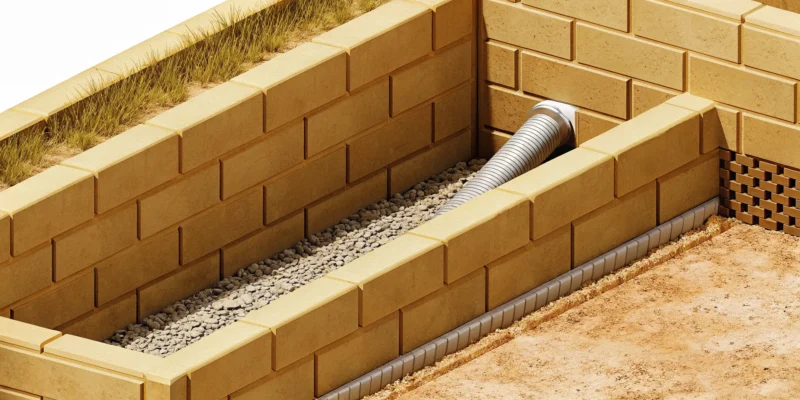
Proper drainage is not an optional upgrade; it’s essential to your retaining wall’s survival. The biggest threat to any retaining wall is hydrostatic pressure, which is the force of water building up behind it. Without a way to escape, this pressure can cause the wall to lean, crack, or even collapse. A professional masonry installation includes a comprehensive drainage system. This typically involves a gravel backfill, perforated pipes to channel water away, and sometimes waterproofing the back of the wall. Skipping this step to save money is a mistake that often leads to much more expensive repairs or a complete replacement in the future.
Choosing Your Retaining Wall Material
Picking the right material for your retaining wall is one of the most important decisions you’ll make. It sets the tone for your entire outdoor space and has a major impact on your project’s total cost. Your choice will come down to a balance of aesthetics, durability, and budget. Do you envision a classic, rugged stone wall that looks like it’s been there for generations? Or maybe a sleek, modern wall made of interlocking blocks? Each option has its own character and price point.
At Gappsi, we work with a wide range of materials and can help you find the perfect fit for your Long Island home. Our masonry experts can walk you through the pros and cons of each choice, ensuring your new wall is not only beautiful but also built to last. From natural stone to manufactured blocks, we source high-quality products to create a structure that complements your landscape and meets your functional needs. Let’s look at some of the most popular options.
Natural Stone
Natural stone is a timeless choice for retaining walls, loved for its durability and unmatched beauty. Each stone is unique, giving your wall a rich character and texture that manufactured materials can’t quite replicate. It’s an excellent option if you want to create a high-end, organic look that blends seamlessly with your garden. However, this premium aesthetic comes at a higher cost. The material itself is more expensive, and the installation is more labor-intensive, which will influence your overall budget and financing needs. We have a vast selection of porcelain and natural stone to help you achieve that perfect look.
Interlocking Concrete Blocks
Interlocking concrete blocks are a very popular and practical choice for Long Island homeowners. They are engineered to fit together securely, which makes for a strong, stable wall and a more straightforward installation process. This often makes them more cost-effective than natural stone. Don’t let the word “concrete” fool you, these blocks come in a huge variety of colors, textures, and sizes. You can achieve looks that range from a rustic stacked stone appearance to a clean, contemporary design. Their versatility and budget-friendly nature make them a fantastic all-around option for most retaining wall projects.
Poured Concrete and Boulders
For a strong, minimalist look, a poured concrete wall is an excellent option. It offers a smooth, uniform finish that works well with modern architecture and landscaping. It’s incredibly strong and can be formed into custom curves and shapes. On the other end of the style spectrum are boulders. Using large, natural boulders creates a dramatic, rustic retaining wall that feels like a part of the natural landscape. Both poured concrete and boulders can require a significant investment due to the heavy machinery and specialized labor involved. They are often integrated into a larger landscape design to create a cohesive and impactful outdoor space.
How Your Material Choice Affects Financing
The material you choose is a major factor in the total cost of your retaining wall, which directly influences your financing options. A wall built from premium natural stone will have a higher price tag than one made from interlocking concrete blocks. This difference in cost will determine how much you may need to borrow. Homeowners often use personal loans or home equity loans to cover the expense of materials and labor. When you’re planning your budget, it’s important to understand that a more expensive material will likely require a larger loan, which means a higher monthly payment.
Can You Finance a Retaining Wall in Long Island?
Yes, you can absolutely finance a retaining wall. Building a beautiful and functional retaining wall is a significant investment in your property, and financing makes it possible to get the project done right without paying the full cost upfront. Think of it as a tool that lets you break down a large expense into manageable monthly payments, so you can create the outdoor space you want now, rather than waiting to save up the entire amount. Many homeowners in Long Island find that financing is the key to achieving their vision without compromising on quality or design.
There are several different ways to fund your project, and the best path for you will depend on your financial situation, the total cost of the wall, and your comfort level with different types of loans. From traditional bank loans to options offered directly through your contractor, you have choices. Understanding these options is the first step toward making a smart financial decision for your home improvement project. We’ll walk through the most common financing methods so you can feel confident choosing the one that fits your budget and goals.
Personal Home Improvement Loans
A personal home improvement loan is one of the most straightforward ways to finance a retaining wall. These are typically unsecured loans, which means you don’t have to use your home as collateral. You receive the money as a lump sum, which you can use to cover all project expenses, including materials and labor. The great thing about personal loans is that they usually come with a fixed interest rate and a set repayment term, so your monthly payment will be predictable. The application process is often quick, making it a popular choice for homeowners who want to start their project without delay.
Home Equity Loans and HELOCs
If you have built up equity in your home, you might consider a home equity loan or a home equity line of credit (HELOC). With a home equity loan, you borrow a lump sum against your home’s value and pay it back in fixed installments. A HELOC, on the other hand, works more like a credit card, giving you a line of credit you can draw from as needed. Because these loans are secured by your home, they often have lower interest rates than unsecured personal loans. However, this also means your home is on the line if you can’t make the payments, so it’s a decision that requires careful consideration of your financial stability.
Contractor Financing Options
Many homeowners find it easiest to arrange financing directly through their contractor. At Gappsi, we partner with lenders to offer financing options that make it simple to fund your retaining wall or any other home improvement project. This approach streamlines the entire process, since you can manage your design, construction, and payment plan all in one place. It saves you the time and effort of searching for a separate lender. When you discuss your project with a contractor, always ask if they provide financing solutions, as it can be an incredibly convenient and efficient way to get your project off the ground.
Using Credit Cards for Smaller Projects
For smaller retaining wall projects or for purchasing materials, a credit card can be a useful tool. If you have a card with a low introductory APR or a 0% interest offer, you could potentially finance your project interest-free for a period of time. This strategy only works if you are disciplined enough to pay off the balance before the promotional period ends. If you don’t, you could face very high interest rates. Using a credit card can also be a good way to earn rewards points on a large purchase, but it’s best reserved for costs you know you can pay off quickly to avoid long-term debt.
Specialized Hardscaping Loans
Did you know some lenders focus specifically on outdoor living projects? Companies that offer hardscaping financing understand the unique aspects of funding projects like retaining walls, patios, and swimming pools. Because they specialize in this area, their loan products are tailored to the needs of homeowners undertaking major landscape construction. They are familiar with the typical costs and timelines involved, which can make the approval process smoother. If you’re planning a large-scale project, looking into a specialized lender can be a great way to find a loan that’s perfectly suited for your backyard transformation.
Does Gappsi Offer Financing for Retaining Walls?
Yes, we do. We understand that a retaining wall is a significant and valuable addition to your property, and we want to make the process as smooth as possible for you. That’s why Gappsi provides flexible financing options for retaining wall projects across Long Island. Our goal is to help you create the functional, beautiful outdoor space you envision without the stress of a large upfront payment. By breaking down the total cost into manageable monthly installments, you can move forward with your project right away.
Choosing to finance through Gappsi simplifies the entire process. Instead of coordinating with separate lenders and contractors, you have one dedicated team. Our financing can cover the entire scope of your project, from the initial design and material selection to the final installation. This includes the high-quality materials used in our expert masonry work. We partner with trusted lenders to offer competitive rates and clear terms, ensuring there are no surprises. During your consultation, our team will walk you through the available financing plans and help you find one that fits your budget, allowing you to invest in your home with confidence.
How to Compare Financing and Get the Best Deal
Once you have a few financing options on the table, it’s time to put on your detective hat. Finding the right loan is about more than just securing the funds; it’s about finding a deal that fits your financial picture without adding unnecessary stress. A little bit of comparison shopping here can save you thousands of dollars over the life of the loan. Think of it as the final step in designing your perfect outdoor space, ensuring the financial foundation is just as solid as the masonry work itself.
Don’t just jump at the first offer you receive. Lenders have different criteria, which means their offers can vary quite a bit. By looking closely at the interest rates, loan terms, and any associated fees, you can make a confident and informed choice. It’s also crucial to understand how your own financial health, particularly your credit score, influences the deals you’re offered. To help you sort through the details, let’s break down exactly what to look for and which red flags to avoid. This will help you secure a great rate for your retaining wall project.
Key Interest Rates and Loan Terms
When you look at a loan offer, the two most important numbers are the interest rate (usually shown as APR, or Annual Percentage Rate) and the loan term. The APR includes the interest rate plus some lender fees, giving you a more complete picture of the borrowing cost. Loan terms for home improvement projects can be quite flexible, sometimes extending up to 120 months. A longer term means a lower monthly payment, which can be easier on your budget. However, it also means you’ll pay more in total interest over time. It’s a balancing act, so use a loan calculator to see how different terms affect your monthly payment and overall cost.
Spotting Fees and Hidden Charges
A low interest rate can be tempting, but it doesn’t tell the whole story. Some personal loans come with extra costs that can catch you by surprise if you’re not careful. Always ask about origination fees (a charge for processing the loan), prepayment penalties (a fee for paying the loan off early), and late payment fees. These details are usually in the loan agreement, so it’s worth taking the time to read the fine print. Before you sign anything, ask the lender for a complete list of all fees. A transparent lender will have no problem breaking down every cost for you, ensuring there are no hidden charges down the road.
How Your Credit Score Impacts Your Options
Your credit score is one of the biggest factors lenders consider. A higher score signals that you’re a reliable borrower, which usually means you’ll get offered better financing options. Lenders may offer you a lower interest rate, a higher loan amount, or even 0% introductory financing if you have a strong credit history. Before you even start applying for loans, it’s a great idea to check your credit score. Knowing where you stand gives you negotiating power and helps you identify which loan offers are truly competitive. If your score is lower than you’d like, you can take steps to improve it before applying.
Financing Red Flags to Avoid
While most lenders are reputable, it’s smart to be aware of potential pitfalls. Be cautious of any financing offer that seems too good to be true, because it probably is. Watch out for lenders who use high-pressure tactics to get you to sign immediately or who promise guaranteed approval without even checking your credit. Vague or confusing terms are another major red flag. A trustworthy lender will provide clear, straightforward information. If you ever feel rushed or uncertain, it’s best to walk away and explore other options. Protecting your finances is just as important as protecting your property with a well-built retaining wall.
Getting a Fair Quote for Your Project
Before you can figure out financing, you need a clear and comprehensive quote. This document is more than just a price tag; it’s the roadmap for your project. A detailed quote helps you understand exactly what you’re paying for, prevents surprise costs down the line, and is essential when you apply for a home improvement loan. Knowing what to look for in a quote and what to ask your contractor will put you in the driver’s seat, ensuring your project starts on the right foot.
What a Good Quote Includes
A good quote is transparent and itemized. It should clearly separate the costs of materials, labor, permits, and any other project-specific expenses like excavation or drainage systems. This level of detail is crucial because it helps you compare offers accurately and gives you a solid document to present to lenders. When you apply for a home improvement loan, the lender wants to see a clear breakdown of how the funds will be used. A professional quote for your masonry project provides exactly that, justifying the loan amount and showing that you’ve done your homework.
Questions to Ask Your Contractor
Once you have a quote in hand, it’s time to ask some clarifying questions. This isn’t about being difficult; it’s about being an informed homeowner. Start by asking about the design and construction process. How will they ensure proper drainage to prevent water damage? What type of footing will they use, and why is it right for your property? It’s also smart to discuss your long-term vision. A good contractor can help you plan a retaining wall that complements your future landscape design goals. Asking these questions helps you gauge their expertise and ensures the final product is built to last.
How to Vet Long Island Contractors
Choosing the right contractor is the most important decision you’ll make. Start by confirming they are licensed and insured to work in Long Island. Ask to see a portfolio of their previous retaining wall projects and check for online reviews or testimonials. A contractor with a strong local reputation will happily share their work. You can often see project examples on their website or social media, like the Gappsi YouTube channel, which showcases completed projects. Pay attention to how they talk about technical details, like soil conditions and structural support. A true expert will be able to explain these concepts clearly and confidently, ensuring your wall is both beautiful and structurally sound.
Common Financing Mistakes to Avoid
Financing a big project can feel like a huge task, but avoiding a few common missteps can make the process much smoother and more affordable. It’s easy to get excited about the final result, like a beautiful new retaining wall, but taking a moment to be strategic about your loan will pay off in the long run. By being aware of these potential pitfalls, you can approach your financing with confidence. This helps you secure a deal that works for your budget without any unwelcome surprises down the road.
Underestimating the Total Cost
One of the most common mistakes is focusing only on the price of the materials. A successful retaining wall project involves much more than just the stone or blocks you see. You also need to account for labor, excavation, proper drainage systems, and potentially even landscaping services to finish the area. Home improvement loans are a popular way to cover these expenses, but you need an accurate total to borrow the right amount. Make sure you get a comprehensive quote that breaks down every line item, from permits to site cleanup. This helps you avoid having to scramble for more funds midway through construction.
Skipping Your Credit Score Check
Before you even start looking at loan applications, take a moment to check your credit score. This three-digit number has a huge impact on your financing options. Lenders use it to gauge your reliability as a borrower, and a strong score can help you secure a lower interest rate and more favorable terms. A lower score might mean higher rates or fewer choices. You can often check your score for free through your credit card company or bank. Knowing where you stand allows you to either apply with confidence or take some time to improve your score before seeking a loan.
Taking the First Financing Offer
When you get that first pre-approval, it can be tempting to sign on the dotted line and get your project started. However, it’s always best to pause and shop around. The first offer isn’t always the best one. Lenders can have very different interest rates, fees, and repayment terms, so it’s wise to compare multiple options to find the best deal. Look at offers from your local bank, credit unions, and online lenders. Many contractors, including Gappsi, also offer financing solutions that are convenient and competitive, so be sure to ask what’s available.
Ignoring the Loan’s Fine Print
The details matter, especially when it comes to a loan agreement. Always read the fine print to fully understand the terms and conditions before you commit. Look for information on prepayment penalties, late fees, and whether the interest rate is fixed or variable. Some offers, like 0% financing, sound great but may come with strict conditions, such as requiring you to pay the full amount within a short promotional period. Understanding these details ensures you know exactly what you’re agreeing to and helps you manage your loan effectively over time.
Is a Retaining Wall Covered by Homeowners Insurance?
It’s a smart question to ask, and the answer isn’t always straightforward. Most home insurance policies classify a retaining wall as a “detached structure,” just like a shed or a separate garage. This means its coverage is usually limited to a percentage of your home’s total dwelling coverage, often around 10%. So, if your home is insured for $500,000, your retaining wall might only be covered for up to $50,000, depending on your specific policy. This is a key detail to confirm before you start building.
Coverage really depends on what caused the damage. Your policy will likely cover damage from specific events like a fire, lightning, strong winds, or a vehicle hitting the wall. However, and this is a big “however,” the most common reason a retaining wall fails is often excluded. Damage from the pressure of water-saturated soil, earth movement, or a collapse after heavy rain is typically not covered. This is why proper construction and drainage are so critical from the start. A well-built masonry wall is your best defense against issues that insurance won’t handle.
Before you finalize your project, I always recommend calling your insurance agent. Ask them directly how your policy handles detached structures and what specific perils are covered or excluded for retaining walls. Understanding these details ahead of time helps you manage your financial risk and gives you peace of mind knowing exactly where you stand. It’s a simple step that can save you a major headache down the road.
Are Retaining Walls Tax Deductible?
When you invest in a major home project, it’s smart to wonder if you can get a little back from Uncle Sam. While you can’t deduct the cost of a retaining wall from your taxes in the year you build it, it can provide a significant tax benefit when you sell your home. The IRS views a retaining wall as a “capital improvement,” not a simple repair.
A capital improvement is any project that adds substantial value to your property, extends its useful life, or adapts it for new uses. Since a retaining wall stabilizes your land and prevents erosion, it definitely qualifies. Instead of a yearly deduction, the cost of your new retaining wall is added to your home’s “cost basis.” Your cost basis is the total amount you’ve invested in your home, starting with the original purchase price.
By adding the project cost to your basis, you increase the official cost of your home. When you eventually sell, this reduces your taxable profit, or capital gain. A smaller profit means a lower tax bill. So, be sure to keep all receipts and contracts from your retaining wall installation. While it won’t help you this tax season, it can save you a lot of money in the long run. You can find more details by exploring a list of tax-deductible improvements to see how different projects are treated.
Related Articles
- Learn About Quality Retaining Walls for Your Long Island Backyard – Gappsi Group
- Estimate for reinforced poured concrete footer for retaining walls long island – Gappsi Group
- Three level retaining wall long island – Gappsi Group
- Remove retaining walls|rebuild retaining wall|long island – Gappsi Group
- Top Concrete Block Retaining Wall Contractors Long Island
Frequently Asked Questions
Why is proper drainage so important for a retaining wall? Proper drainage is the single most important factor for your wall’s long-term stability. The biggest threat to any retaining wall is the force of water building up in the soil behind it, a problem known as hydrostatic pressure. Without an escape route, this pressure can cause the wall to bow, crack, or even fail completely. A professional installation always includes a drainage system, like gravel backfill and perforated pipes, to safely channel water away. Think of it as essential insurance for your investment, not an optional extra.
How tall can my retaining wall be before I need a permit in Long Island? As a general rule, many towns in Long Island require a building permit and a plan from a licensed engineer for any retaining wall over four feet tall. This isn’t just about paperwork; it’s a critical safety measure. Taller walls must withstand significantly more pressure, so an engineered design ensures they are built to handle the load safely. Since regulations can vary by town, it’s always best to confirm the specific rules for your area, which a professional contractor can help you with.
What’s the real cost difference between natural stone and concrete blocks? The main difference comes down to the material itself and the labor needed to install it. Interlocking concrete blocks are manufactured to be uniform, which makes the installation process faster and more straightforward, resulting in a lower overall cost. Natural stone, while beautiful and unique, is more expensive to source and requires a higher level of skill and time to fit each individual stone, increasing labor costs. Your choice depends on balancing your desired aesthetic with your total project budget.
Is financing a retaining wall a good idea? Financing can be a great tool that makes a large project more manageable. It allows you to build the wall you need now, using quality materials and professional installation, without having to pay the full amount upfront. By breaking the cost into predictable monthly payments, you can invest in your property’s safety and beauty without draining your savings. Many homeowners find that financing through their contractor is the most convenient option, as it simplifies the process from design to payment.
Will my homeowners insurance cover my retaining wall if it fails? It depends on what caused the failure. Most insurance policies consider a retaining wall a “detached structure,” and coverage is often limited. Your policy might cover damage from specific events like a fire or a vehicle collision. However, damage from the most common issues, such as pressure from water-logged soil or gradual earth movement, is typically excluded. This is why investing in a professionally built wall with proper drainage is your best protection against future problems.