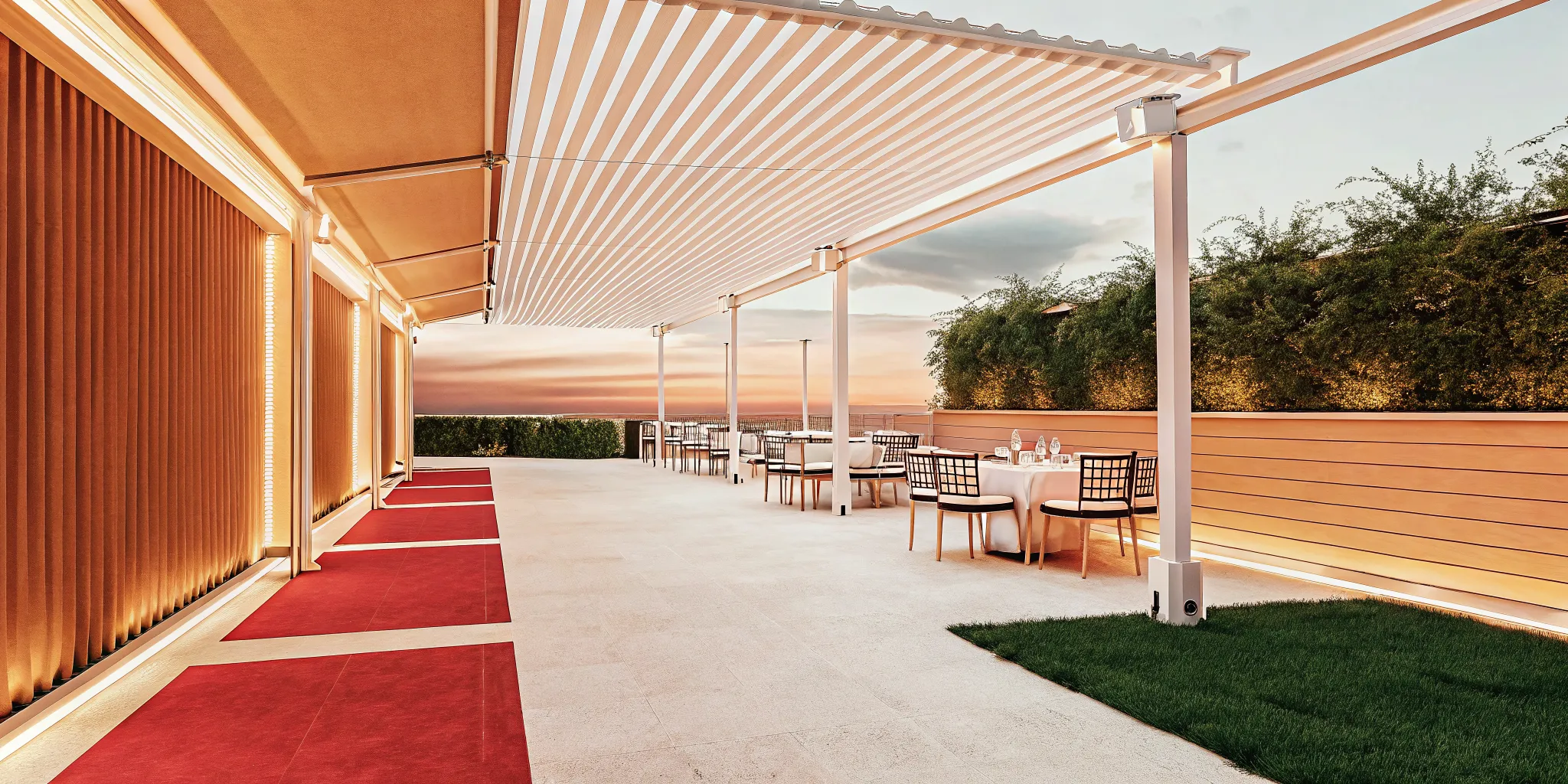
Wood burning stove and oven combination from a dealer on Long Island, New York.

How to Find the Best Stove Oven Dealer on Long Island

Long Island winters can be unpredictable, and having a reliable source of heat and a way to cook during a power outage provides incredible peace of mind. A wood-burning stove and oven combo offers a completely off-grid solution, keeping your family warm and fed using a single, renewable fuel source. Modern units are incredibly efficient, burning cleaner and longer than older models, making them a practical choice for everyday use and emergency preparedness. This level of self-sufficiency starts with finding the right appliance, and a trusted wood burning stove and oven combination dealer on Long Island new york can help you select a high-performance model that meets your family’s needs.

Key Takeaways

  • Combine heating and cooking: A wood burning stove and oven combo serves two functions at once, providing an efficient way to warm your home and prepare meals, which is especially useful during power outages.
  • Focus on the right features: Look for key specifications like EPA certification for efficiency, the correct heating capacity for your room size, and durable materials to guarantee your stove performs well and is safe.
  • Partner with a trusted expert: The right dealer is as important as the right stove, so choose a local company that provides expert advice, certified installation, and ongoing support to ensure you get the most from your investment.

What is a Wood Burning Stove and Oven Combo?

A wood burning stove and oven combo is a single, hardworking appliance that heats your space and cooks your food. Think of it as the ultimate two-for-one for your home. These units combine the cozy warmth of a traditional wood stove with the practical function of an oven, making them a fantastic addition to any kitchen, living area, or even a covered outdoor patio. They offer a unique, rustic charm while providing a reliable source of heat and a way to prepare delicious meals, from roasted chicken to freshly baked bread. It’s a piece that feels both nostalgic and incredibly practical.

Unlike separate appliances, a cookstove is designed to be a centerpiece. It brings people together and creates a warm, inviting atmosphere that becomes the heart of your home. Whether you’re looking to add a functional statement piece as part of a home remodeling project or want a reliable off-grid cooking solution, these combos are incredibly versatile. Modern designs are much more efficient and cleaner-burning than the old-fashioned ranges you might picture. Some models reach up to 80% efficiency, meaning they can heat a significant portion of a home while providing consistent cooking temperatures. They truly blend timeless appeal with modern performance.

Why Choose a Stove and Oven Combo?

Choosing a stove and oven combo is about embracing efficiency and a unique way of life. These units are masters of multitasking. They use the heat generated from burning wood to both warm your home and cook your meals, which means you get more value from a single fuel source. This is perfect for anyone interested in reducing their reliance on electricity or gas, especially during a power outage. Plus, there’s nothing quite like the taste of food cooked with a real wood fire. It adds a distinct flavor that you just can’t replicate with a conventional oven. It’s a practical choice that also adds a lot of heart to your home.

How Do They Work?

The way these combos work is brilliantly simple. Inside the unit, there’s a firebox where you burn the wood. This fire generates heat that radiates out from the stove’s body, warming the surrounding room just like a standard wood stove. At the same time, the design cleverly channels a portion of that heat into an insulated oven compartment. This allows you to bake, roast, or warm food using the same fire. Since the entire unit is powered by wood, it operates completely without electricity or gas, giving you a steady, reliable source of heat for both cooking and comfort.

Key Features to Look For

When you start shopping for a wood-burning stove and oven combo, you’ll quickly see that there are many options available. It’s easy to feel a bit overwhelmed, but focusing on a few key features will help you find the perfect fit for your Long Island home. Think about how you plan to use your stove. Is it for heating a large open-plan living area, supplementing your current heating system, or creating a cozy cooking hub in your kitchen? Your answers will guide you toward the right model. Let’s break down the most important features to consider so you can make a choice you’ll be happy with for years to come.

Heating Capacity

The first thing to consider is how much space you need to heat. Wood stoves come in various sizes, designed to heat anything from a single room to an entire house. For chilly Long Island winters, you’ll want a stove with an adequate BTU (British Thermal Unit) rating to keep your space comfortable. A higher BTU rating means more heat output. Before you shop, measure the square footage of the area you want to heat. This information will help your dealer recommend a stove that’s powerful enough to do the job efficiently without being excessive for the space.

Efficiency and EPA Certification

A modern wood stove should be both powerful and efficient. An efficient stove burns less wood to produce the same amount of heat, saving you money on fuel and reducing your environmental impact. Look for the EPA certification label, which guarantees the stove meets strict federal air quality standards. The best models have an efficiency rating of 70% or higher and can offer long burn times, sometimes up to 12 hours on a single load of wood. This means less time spent loading the stove and more time enjoying its consistent, steady warmth.

Oven Size and Cooking Features

The oven is what makes this appliance so special, so think about how you’ll use it. These stoves are fantastic for everything from baking bread and roasting chickens to simmering stews, all while warming your home. Consider the oven’s size. Do you need enough space for a large holiday meal, or will you mostly be making smaller dishes? Some models also come with features like a built-in thermometer or a cooktop surface for even more versatility. A stove and oven combo can be a beautiful and functional centerpiece for any home remodeling project.

Quality Materials and Safety Clearances

Finally, pay close attention to the stove’s construction and safety requirements. High-quality materials like cast iron and heavy-gauge steel ensure durability and excellent heat retention. Safety is also a top priority. Every stove has specific clearance requirements, which is the minimum safe distance it must be from walls and other combustible materials. A professional installer will ensure these clearances are met. When you visit a showroom, ask about the materials and the installation process to ensure your new stove is both beautiful and safe. You can find a great selection of high-quality options at the Gappsi Store.

Top Brands and Models on Long Island

Once you know what features matter most, you can start exploring specific brands and models. The market has some fantastic options, but it helps to know which names are trusted for quality and performance. Here on Long Island, we have access to some of the best, so let’s look at what you should consider as you shop.

Explore Gappsi’s Premium Selection

At Gappsi, we’ve carefully selected a range of wood-burning stove and oven combos that blend timeless appeal with modern performance. A wood-burning cookstove can warm your living space while you cook a meal, combining the function of a wood stove with a fully operational oven. This makes them a wonderful solution for daily use and a reliable off-grid option for cooking and heating. Our collection at the Gappsi Store features models designed to fit your home’s aesthetic while delivering powerful, dual-purpose functionality. We focus on products that are not only beautiful but also built to last.

Popular Brands to Consider

As you do your research, you’ll come across a few key brands that are well-regarded in the industry. It’s a good idea to look for North American-made options, which are often recognized for their solid construction. For example, brands like Drolet offer models such as the Bistro and Chic-Choc, known for their quality Canadian manufacturing and long burn times. These brands have built a reputation for reliability, so they are a great starting point in your search. Keeping an eye out for established names with positive reviews gives you confidence in your investment.

Compare Key Models and Specifications

When comparing models, a few key specifications will tell you a lot about performance. Modern wood ranges are far more efficient and cleaner-burning than older versions, with some reaching up to 80% efficiency. One of the most important things to look for is an EPA certification label, which is usually on the back of the stove. This certification ensures the unit meets clean air standards. Also, check the burn time, which should ideally be between 8 to 12 hours, and aim for a real-world efficiency of over 70%. These factors together ensure you get the most value from your investment.

Understanding the Costs

When you start shopping for a wood-burning stove and oven, you’ll see a range of price points. The final cost involves more than just the appliance itself. It’s a combination of the unit’s quality, features, and the professional installation required to get it running safely in your home. Thinking about the total investment from the beginning helps you set a realistic budget and find a stove that delivers value for years to come. Let’s break down the key factors that contribute to the overall price.

What Affects the Price?

The sticker price of a stove oven is directly tied to its construction and capabilities. A well-built stove made from high-quality materials will naturally cost more upfront but often proves more durable and efficient over time. Key factors influencing the price include the heating capacity, which determines how large a space it can warm, and the oven size. North American-made models are often praised for their solid construction and long burn times, making them a worthwhile investment. When you browse the options at the Gappsi Store, you’ll notice how these features impact the final cost.

Ask About Promotions and Financing

Don’t hesitate to ask your dealer about any current promotions or financing options they might offer. These can make a premium stove more attainable for your budget. A great dealer wants to build a relationship with you and will be transparent about ways to make your purchase work. It’s also helpful to work with a company that provides a wide range of services. For instance, if your new stove is part of a larger kitchen update, a full-service provider can streamline your entire home remodeling project, which can be a huge advantage.

Factor in Installation and Service

Professional installation is a critical part of your stove’s total cost, and it’s not an area where you want to cut corners. A reputable dealer provides comprehensive support, from helping you choose the right model to ensuring it’s installed correctly and safely. This often involves specialized work, like custom masonry for the hearth and surround. Having knowledgeable staff guide you through the process saves you time and prevents potential issues later on. This end-to-end service is a key part of the value you receive from a trusted local dealer.

Finding the Best Dealer on Long Island

Choosing the right dealer is just as important as choosing the right stove. You want a partner who understands your vision, offers high-quality products, and provides expert guidance from start to finish. On Long Island, finding a local dealer you can trust makes the entire process smoother and more enjoyable. A great showroom will not only display a variety of models but will also have a team ready to answer your questions and help you find the perfect match for your home’s unique needs and style.

Why Gappsi is Your Go-To Showroom

When you’re ready to bring the warmth and charm of a wood-burning stove into your home, finding the right partner is key. At Gappsi, we pride ourselves on being more than just a showroom. We offer a wide range of high-quality wood-burning ovens from popular brands known for their incredible efficiency and beautiful designs. Our team isn’t just here to sell you a product; we’re here to help you find the perfect fit for your home and lifestyle. With years of experience, our knowledgeable staff can walk you through every option, answering your questions and making sure you feel confident in your choice. We believe the selection process should be exciting, not overwhelming.

What to Look for in a Local Dealer

As you explore your options on Long Island, there are a few key things to look for in any dealer. First, make sure they offer EPA-certified wood stoves. This certification is your assurance that the stove meets important standards for efficiency and environmental compliance, which is good for your wallet and the planet. A great resource for this is the EPA’s guide on choosing the right wood-burning stove. Also, consider the variety of stoves they have available. A good dealer should present a solid range of options that cater to different heating needs, cooking styles, and aesthetic preferences, so you never feel like you have to settle.

Prepare for Your Consultation

To get the most out of your visit to a showroom, a little preparation goes a long way. Before you go, take a few minutes to measure the space you plan to heat. Having these dimensions handy will help the experts find a stove with the right capacity for your home. It’s also helpful to think about your primary heating needs and how you envision using the oven. Are you looking for a primary heat source or supplemental warmth? A reputable dealer will offer a free consultation to discuss these details, helping you understand all your options and make a truly informed decision without any pressure.

How to Get Started

Once you have a short list of potential dealers, it’s time to take the next step. Moving forward with confidence comes down to knowing what to look for and what to ask. A great dealer will be a partner in your project, guiding you from the initial showroom visit to the final installation. Here’s how you can prepare to make the best choice for your home.

Reaching Out to a Dealer

Your first conversation with a dealer sets the tone for the entire experience. Look for a team that listens to your vision and helps you find a stove and oven combo that truly fits your home’s style. A quality dealer won’t just sell you a product; they will work with you to find the perfect fit for your space and needs. Think of them as a key part of your home remodeling team. They should be able to answer your questions clearly and provide personalized recommendations that make sense for your project.

Questions to Ask During Your Visit

Walking into a showroom prepared with questions will help you make an informed decision. Start by asking about the stove’s efficiency and environmental compliance. You can look for the EPA certification label on the unit or ask the dealer to show you which models are on the current list of EPA-certified wood stoves. Next, discuss the size of the space you need to heat. A stove that’s too small won’t be effective, while one that’s too large can be inefficient. Getting answers to these questions will help you compare your options and find a model that performs well for years to come.

The Installation Process and Ongoing Support

Your purchase is just the beginning. A crucial factor in your decision should be the dealer’s installation process and the support they offer after the sale. Ask if they have certified staff who handle the installation. A professional installation is essential for safety and proper performance. You should also clarify what the service includes, from delivery and setup to any ongoing maintenance support or warranties. Choosing a dealer who provides comprehensive service ensures you have a reliable resource to turn to, giving you complete peace of mind as you enjoy your new stove.

Related Articles

Frequently Asked Questions

Can a wood-burning stove and oven combo really heat my whole house? It certainly can, but it depends on the stove’s power and your home’s layout. The key is to choose a model with the right BTU rating for your square footage. A properly sized stove can easily serve as the primary heat source for a large, open-plan area or even a well-insulated home, providing consistent warmth all winter. During a consultation, an expert can help you match a stove’s heating capacity to your specific needs.

How difficult is it to cook with one of these ovens? There is a bit of a learning curve compared to a standard electric or gas oven, but most people find it enjoyable and rewarding. Modern designs are built for better heat control and often include built-in thermometers to help you maintain a consistent temperature. The process becomes intuitive with a little practice, and the delicious, subtly smoky flavor it gives to everything from baked bread to roasted vegetables is something a conventional oven just can’t match.

Do these stoves require electricity to operate? No, they don’t. A wood-burning stove and oven combo operates completely off the grid. It uses only wood to generate heat for both warming your home and cooking your food. This makes it an incredibly reliable appliance, especially during power outages, ensuring you can stay warm and prepare hot meals no matter what the weather brings.

What does the installation process typically involve? Professional installation is essential for safety and performance. The process starts with finding a suitable location that meets the stove’s specific clearance requirements from walls and other flammable materials. It also involves installing a proper chimney or flue system to vent smoke outside. Often, the installation includes creating a non-combustible base, or hearth, which might require custom masonry work to create a beautiful and safe foundation for your new stove.

Are modern wood stoves better for the environment than older models? Absolutely. Modern wood stoves that are EPA-certified are significantly more efficient and cleaner-burning than older, uncertified units. They are designed to burn wood more completely, which means they use less fuel to produce the same amount of heat. This process releases far fewer particulates into the air, making them a much more responsible and environmentally friendly choice for heating your home.

Share this page:
Modern outdoor kitchen with a grill and bar seating designed by a Long Island NY contractor.

Your Guide to Outdoor Kitchen Contractors on Long Island

If you love hosting, you know the routine: you’re stuck running between the grill outside and the kitchen inside, missing out on conversations with your guests. An outdoor kitchen solves this problem completely. It creates a seamless entertainment space where you can prep, cook, and socialize all in one place. Everything you need, from a refrigerator for cold drinks to a sink for quick cleanups, is right at your fingertips. This transforms hosting from a chore into a genuine pleasure. To create this effortless experience, you need a space designed for function and flow. That’s where an expert Outdoor Kitchen Designer Installer Contractor Long Island NY comes in, turning your backyard into the ultimate destination for friends and family.

Key Takeaways

  • Hire a professional to manage the entire process: A qualified contractor handles every phase of your project, from creating a functional design and securing permits to coordinating the full installation, which takes the stress of project management off your plate.
  • Select materials built for the outdoors: The longevity of your outdoor kitchen depends on choosing durable, weather-resistant options. Prioritize materials like natural stone and marine-grade appliances that can withstand Long Island’s climate and protect your investment for years to come.
  • Vet your contractor carefully to ensure quality: The right partner makes all the difference. Be sure to review a contractor’s portfolio of past work, confirm they are fully licensed and insured, and speak with recent references to feel confident in their ability to deliver a high-quality result.

What Can an Outdoor Kitchen Contractor Do for You?

Thinking about adding an outdoor kitchen is exciting, but turning that vision into a reality involves more than just picking out a grill. A professional outdoor kitchen contractor is your partner in the process, managing everything from the big picture design to the smallest installation details. They bring the expertise needed to create a space that’s not only beautiful but also functional, safe, and built to last. Let’s walk through exactly what a contractor can handle for you.

Design Your Dream Kitchen

A great contractor does more than just build; they design. They’ll help you create a well-planned space that functions as a cohesive system rather than just a collection of parts. This means thinking through the ideal layout for how you cook and entertain, ensuring easy access to utilities, and selecting materials that complement your home’s style. With their experience, a contractor can help you visualize the final product and make smart decisions that ensure your outdoor kitchen is a joy to use for years to come. Their expert design and construction knowledge is key to a successful project.

Source the Best Materials

Choosing the right materials is critical for an outdoor kitchen, especially with Long Island’s variable weather. A contractor has the expertise to guide you toward the best options that can withstand sun, rain, and snow. They have established relationships with suppliers and know which materials offer the best value and durability. Whether you’re considering durable outdoor cabinets, stainless steel appliances, or beautiful porcelain and natural stone countertops, your contractor will ensure every component is suited for outdoor use. This guidance helps you avoid costly mistakes and ensures your kitchen remains in great shape.

Handle the Full Installation

One of the biggest benefits of hiring a contractor is having a single point person to manage the entire project. From the initial site prep to the final installation, they coordinate every step. This includes working with electricians, plumbers, and other tradespeople to ensure everything is done correctly and on schedule. A contractor makes sure your new kitchen fits seamlessly with your existing patio, deck, or swimming pool area, taking the stress of project management completely off your shoulders. You get to sit back and watch your dream kitchen come to life without juggling multiple vendors.

Manage Permits and Codes

Building an outdoor kitchen often involves connecting utilities like water, gas, and electricity, which means you’ll likely need permits. A knowledgeable contractor understands local building codes and will handle the entire permitting process for you. This is a crucial step that ensures your kitchen is built safely and legally. They’ll manage the paperwork, schedule inspections, and make sure every aspect of the installation, from plumbing and drainage to electrical wiring, is up to code. This expertise provides peace of mind, knowing your investment is protected and your family is safe.

Choosing the Right Materials and Features

Your outdoor kitchen should be an extension of your home, which means it needs to be both beautiful and functional. The materials and features you select play a huge role in achieving that balance. It’s not just about picking a grill; it’s about creating a cohesive space that can handle backyard parties, family dinners, and the unpredictable Long Island weather. From the countertops where you’ll prep your meals to the lighting that sets the mood, every detail matters. Let’s walk through the key components that will make your outdoor kitchen a lasting and enjoyable part of your home.

Durable Countertops: Stone, Concrete, or Steel?

The right countertop is the workhorse of your outdoor kitchen. You need a surface that can stand up to sun, rain, and snow without staining, cracking, or fading. Natural stone, like granite, is a classic choice for its durability and timeless look. For a more modern feel, stainless steel offers a sleek, professional-grade surface that’s easy to clean. Concrete countertops can be custom-poured for a unique, industrial-chic vibe. We often recommend high-quality porcelain and natural stone because they are incredibly dense, non-porous, and resistant to the elements, making them a perfect fit for an outdoor cooking space.

Must-Have Appliances for Outdoor Cooking

A great outdoor kitchen is so much more than just a grill. To create a truly functional space, think about how you like to cook and entertain. A built-in grill is the centerpiece, but consider adding a side burner for simmering sauces or boiling corn. An outdoor refrigerator is a game-changer, keeping drinks and ingredients cold and saving you trips inside. A sink with running water makes prep and cleanup a breeze. For those who love to host, a pizza oven or a smoker can turn your backyard into the neighborhood’s favorite restaurant. The Gappsi Store offers a selection of high-performance appliances designed to handle the demands of outdoor cooking.

Smart Storage and Cabinetry

Nothing clutters a beautiful kitchen faster than having nowhere to put things. Ample storage is essential for keeping your cooking tools, serving dishes, and cleaning supplies organized and protected from the weather. Outdoor cabinets need to be tough. Stainless steel is a popular option because it resists rust and corrosion. Marine-grade polymer cabinets are another excellent choice, as they won’t warp, fade, or rot. Often, the best solution is to integrate storage directly into the kitchen’s structure with durable masonry that seamlessly matches your home’s aesthetic while providing weatherproof compartments for all your essentials.

Lighting and Power for Ambiance and Function

Proper lighting ensures your outdoor kitchen is usable and safe long after the sun goes down. A good lighting plan includes multiple layers. Task lighting, like spotlights over the grill and prep areas, is crucial for safety. Ambient lighting, such as string lights, under-counter lights, or sconces, creates a warm and inviting atmosphere for your guests. Don’t forget about power. You’ll need strategically placed, weatherproof outlets for blenders, speakers, or charging phones. Integrating lighting into your overall landscape design helps create a cohesive and magical backyard experience.

Built to Last: Weatherproofing for the Long Island Climate

Here on Long Island, our weather can be tough on outdoor structures. From humid, sunny summers to freezing winters with snow and ice, your kitchen needs to be built from materials that can handle it all. Choosing materials that withstand our specific climate, especially the damaging freeze-thaw cycles, is essential for the longevity of your investment. This means selecting frost-proof stone, marine-grade stainless steel appliances, and durable cabinetry. Proper construction techniques are just as important. Applying a protective sealant can also extend the life of your surfaces, and our restoration and sealing services can keep your kitchen looking new for years to come.

From Concept to Completion: The Installation Process

Seeing your outdoor kitchen come together is an exciting process. While every project is unique, a professional contractor will follow a clear, step-by-step plan to ensure everything goes smoothly. Understanding this process helps you know what to expect and feel confident from the first conversation to the final reveal. Here’s a look at the typical journey from a simple idea to a fully functional outdoor kitchen right in your Long Island backyard.

Step 1: The Initial Consultation

This first meeting is all about discovery. It’s a conversation where you share your vision, your must-have features, and your budget. A great contractor will listen carefully, ask questions about how you plan to use the space, and assess your property to discuss what’s possible. This is the perfect time to bring your inspiration photos and ideas to the table. At Gappsi, we see this as the foundational step where we align our expertise with your dream, ensuring the final project truly reflects your lifestyle. This initial planning is a key part of any successful home remodeling project.

Step 2: Bringing Your Design to Life

Once we have a clear understanding of your goals, the creative work begins. Using advanced design software, we transform your ideas into a detailed 3D rendering. This allows you to virtually walk through your new outdoor kitchen before construction even starts. You can see how the layout flows, experiment with different materials for countertops and finishes, and decide on the perfect placement for your grill, refrigerator, and sink. This collaborative design phase is crucial for making adjustments and finalizing every detail, ensuring the finished space is both beautiful and perfectly functional for your needs. You can see examples of our finished work on the Gappsi YouTube channel.

Step 3: Prepping the Site and Securing Permits

With a final design in hand, it’s time to prepare the site. This important phase involves all the groundwork, like clearing and leveling the area, creating a solid foundation, and running utility lines for water, gas, and electricity. One of the biggest advantages of working with an experienced contractor is that we handle all the logistics, including securing the necessary building permits for your town in Long Island. We make sure your project complies with all local codes and regulations, so you can have peace of mind knowing everything is being done correctly and safely.

Step 4: The Build and Installation

This is when your vision truly starts to take shape. Our team of skilled craftsmen gets to work, constructing the framework of your kitchen with expert masonry. We then meticulously install your chosen cabinets, countertops, and appliances with precision and care. We believe in using only high-quality, durable materials that are built to last. Whether you’ve chosen sleek stainless steel or gorgeous porcelain and natural stone, our focus on expert craftsmanship ensures your outdoor kitchen will be a beautiful and enduring addition to your home.

Step 5: The Final Walkthrough

Once the last appliance is in place and the final touches are complete, we’ll do a final walkthrough with you. This is your opportunity to inspect every detail of your new outdoor kitchen and make sure you are completely happy with the result. We’ll show you how to operate all your new equipment, from the grill to the outdoor refrigerator, and provide you with tips on how to care for the new surfaces. Our job isn’t finished until you are 100% satisfied and ready to start hosting barbecues and making memories in your stunning new space.

Why an Outdoor Kitchen Is a Great Investment

An outdoor kitchen is more than just a place to grill burgers. It’s a functional, beautiful extension of your home that completely changes how you use your backyard. Think of it as a long-term investment in your property and your lifestyle. It creates a central point for gatherings, makes hosting feel effortless, and allows you to enjoy the fresh Long Island air more often. From a practical standpoint, it adds significant appeal and functionality to your home, making it a smart choice for any homeowner looking to enhance their outdoor living space.

Add Value to Your Home

When it comes to home improvements, not all projects offer a great return. An outdoor kitchen, however, is a feature that consistently catches the eye of potential buyers. On Long Island, where outdoor living is a huge part of the lifestyle, a well-designed kitchen is a major selling point. It suggests a home that’s perfect for entertaining and family life. By investing in quality masonry and durable appliances, you’re not just building a space for today, you’re adding tangible value that will pay off down the road. It’s a functional upgrade that also makes your property more competitive on the market.

Create the Ultimate Entertainment Hub

Imagine hosting a party where you’re not stuck inside, away from your guests. An outdoor kitchen becomes the heart of your backyard, a natural gathering spot for friends and family. You can chat with everyone while you cook, and the open layout keeps the party flowing. Modern designs often include features like a bar or cocktail station, turning your patio into the go-to spot for evening get-togethers. By creating a multi-functional space, you can cook, dine, and relax without ever leaving the fresh air. It transforms your backyard from a simple lawn into a true entertainment destination.

Enjoy Your Backyard All Year Long

Many people think of outdoor kitchens as a summer-only feature, but that doesn’t have to be the case. With smart design choices, you can extend your outdoor season well into the spring and fall. Incorporating elements like a fire table, built-in patio heaters, or a covered pergola can create a cozy and inviting atmosphere even when the weather is cool. This allows you to get so much more use out of your investment. Instead of packing everything away after Labor Day, you can enjoy crisp autumn evenings and sunny spring afternoons in your beautiful outdoor space.

Make Outdoor Living Effortless

A thoughtfully designed outdoor kitchen makes everything easier. Instead of running back and forth to your indoor kitchen for supplies, everything you need is right at your fingertips. A great contractor will plan for utilities, layout, and materials to work together as a single, efficient system. This isn’t just about adding a grill; it’s about creating a complete outdoor living area that feels like a natural part of your home. When your landscape design seamlessly integrates your kitchen, patio, and garden, outdoor living becomes simple, comfortable, and a part of your daily routine.

Finding the Best Outdoor Kitchen Contractor for Your Project

Choosing the right contractor is the single most important decision you’ll make for your outdoor kitchen project. This is the team you’ll trust to turn your vision into a beautiful, functional space that lasts for years. A great partnership means clear communication, quality craftsmanship, and a smooth process from start to finish. But with so many options out there, how do you know who to choose? It comes down to finding a team that not only understands your aesthetic but also has the technical expertise to build a structure that can handle Long Island’s unique climate. The right contractor acts as your partner, guiding you through material selections, appliance choices, and layout decisions to create a space that truly works for your family. To find the best fit for your home, you’ll want to focus on a few key areas that separate the true professionals from the rest. By asking the right questions, reviewing their past work, and checking their credentials, you can feel confident you’re hiring a team that will deliver the outdoor oasis you’ve been dreaming of.

Look for Proven Experience and Credentials

Your outdoor kitchen needs to be more than just beautiful; it has to withstand hot summers, freezing winters, and everything in between. That’s why it’s so important to find a contractor with a long history of building durable outdoor living spaces specifically on Long Island. Look for a company that specializes in this type of work, not a generalist who does it on the side. A team with decades of experience in everything from masonry to landscaping will understand the unique challenges of our climate and how to select materials that won’t crack, fade, or warp. Proven expertise is your best guarantee of a kitchen that will host family barbecues for years to come.

Review Their Portfolio and Past Projects

A portfolio is your window into a contractor’s style and quality of work. Don’t just glance at the photos; study them. Do their projects have the look and feel you’re going for? Look for a variety of designs that show their range, from sleek, modern setups to rustic, traditional kitchens. Pay close attention to the details, like the stonework, appliance integration, and overall finish. A great way to see their craftsmanship up close is to check out videos of their completed work. Visiting a contractor’s YouTube channel can give you a much better sense of the scale and quality of their projects than static images alone.

Get Clear on Pricing and Timelines

Transparency is key when it comes to the project’s budget and schedule. A trustworthy contractor will provide a detailed, itemized quote that breaks down the costs for materials, labor, appliances, and permits. Be wary of anyone who gives you a single, vague number without explaining what it includes. You should also have a clear conversation about the project timeline. While unexpected delays can happen (especially with weather), an experienced contractor should be able to give you a realistic schedule and commit to keeping you updated on their progress. This open communication helps manage expectations and ensures there are no surprises along the way.

Always Check for Licenses, Insurance, and References

This step is non-negotiable. A reputable contractor must be fully licensed to work in your area and carry both liability insurance and worker’s compensation. This isn’t just about following rules; it’s about protecting you. If an accident happens on your property, their insurance ensures you aren’t held financially responsible. Don’t just take their word for it, ask to see the documents. Finally, ask for a list of recent references and take the time to call them. Hearing directly from past clients is one of the best ways to learn about a contractor’s communication skills, professionalism, and the quality of their finished home remodeling projects.

Common Pitfalls to Avoid When Hiring a Contractor

Choosing a contractor is one of the biggest decisions you’ll make for your home improvement project. It’s exciting to get started, but moving too quickly can lead to headaches down the road. Taking the time to find the right partner ensures your project is a success from start to finish. Let’s walk through a few common missteps homeowners make and how you can sidestep them to get the beautiful outdoor kitchen you’ve been dreaming of.

Mistake #1: Choosing Price Over Quality

It’s always tempting to go with the lowest bid, but when it comes to your home, price shouldn’t be the only factor. An unusually low estimate can be a red flag for subpar materials or inexperienced labor. Investing in quality from the start means you’ll have an outdoor kitchen that not only looks fantastic but also withstands Long Island’s weather for years to come. Skimping on materials often leads to an inferior product you’ll be unhappy with later. A reputable contractor will be transparent about costs and help you select durable, high-quality porcelain and natural stone that fits your vision and budget.

Mistake #2: Not Doing Your Homework

Before you start collecting quotes, take some time to research what you want and who you want to work with. Having a clear idea of your goals, style, and must-have features will help you communicate effectively with potential contractors. Look at their past projects, read client reviews, and check their credentials. Planning ahead allows you to properly research your options and find a company whose work resonates with you. Exploring a contractor’s project gallery is a great way to see their craftsmanship firsthand and gather inspiration for your own outdoor space. This preparation helps you make informed decisions and find the perfect team for your project.

Mistake #3: Forgetting to Talk About Long-Term Care

Your beautiful new outdoor kitchen is built, the last tool is packed away, and you’re ready to start grilling. But what happens next? It’s easy to forget about maintenance in the excitement of a finished project, but discussing long-term care is essential. Ask your contractor about the upkeep required for the materials and appliances you’ve chosen. A good partner will provide clear instructions for cleaning and care to ensure your investment remains a source of enjoyment for years. Understanding these needs upfront helps you protect your outdoor kitchen and keep it looking its best. Some companies even offer restoration and sealing services to help with upkeep.

Mistake #4: Overlooking Local Building Codes

Building codes and permits can feel complicated, but they are a non-negotiable part of any major home renovation. Every town on Long Island has its own set of regulations for things like plumbing, electrical work, and structural additions. Ignoring these rules can result in fines, project delays, or even having to tear down completed work. An experienced local contractor will be well-versed in these requirements and manage the entire permitting process for you. This ensures your project is not only beautiful and functional but also safe and fully compliant. This is where hiring a professional masonry and construction company makes all the difference.

Related Articles

Frequently Asked Questions

How long does it take to build an outdoor kitchen? The timeline for an outdoor kitchen project can vary quite a bit, but you can generally expect it to take several weeks to a few months from our first conversation to your first cookout. The initial design and material selection phase is followed by securing any necessary permits, which can sometimes take a few weeks on its own. Once the groundwork is ready, the actual construction is often the fastest part of the process.

What are the most important features for a kitchen that will last in Long Island’s weather? For a kitchen to endure our coastal climate, you need to focus on materials that can handle moisture and dramatic temperature swings. This means choosing non-porous countertops, like high-quality porcelain or granite, that won’t absorb water and crack in a freeze. It also means selecting cabinetry and appliances made from marine-grade stainless steel or other weatherproof materials that resist rust and corrosion.

Do I need to have a complete design idea before I call a contractor? Not at all. It’s helpful if you have a general sense of what you like and how you plan to use the space, but you don’t need a finished blueprint. A good contractor will work with you during the initial consultation to turn your rough ideas into a functional, beautiful design. We see it as a partnership where we bring the technical expertise to help shape your vision.

How much should I expect to invest in a quality outdoor kitchen? The cost of an outdoor kitchen depends heavily on the size, complexity, materials, and appliances you choose. A simple setup with a built-in grill and some counter space will be very different from a large, fully equipped kitchen with a refrigerator, sink, and pizza oven. The best approach is to think about it as a long-term investment in your home’s value and your family’s lifestyle, and a good contractor can help you design a project that aligns with your budget.

What is the biggest mistake homeowners make when planning an outdoor kitchen? One of the most common pitfalls is underestimating the importance of a functional layout. It’s easy to get focused on the grill or the countertops, but a great outdoor kitchen flows well and has a smart “work triangle” just like an indoor one. Thinking through where you’ll prep, cook, and serve is crucial. A specialized contractor has the experience to design a space that is not only beautiful but also incredibly practical to use.

Share this page:
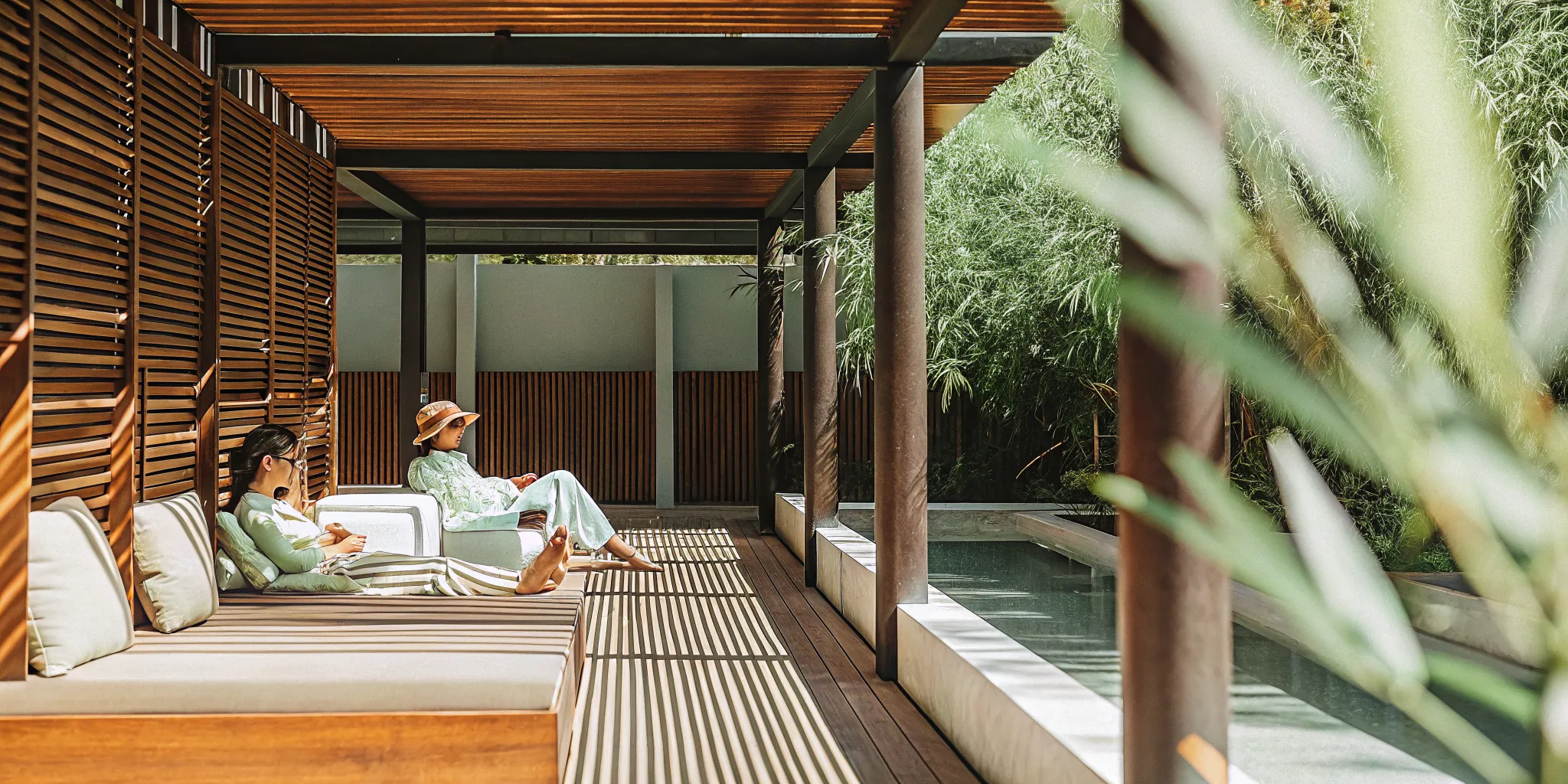
Long Island sauna installation in progress with tools resting on a wooden bench.

Long Island Sauna Installation: A Cost Guide

A home sauna is a significant upgrade, adding value to your property and your daily routine. To protect that investment, it’s essential that the installation is handled with professional care. A poorly installed sauna can lead to inefficient heating, moisture issues, or even serious safety hazards. Getting it right means paying close attention to the foundation, electrical requirements, and structural details like vapor barriers. This guide walks you through the critical aspects of a high-quality installation, helping you understand what to look for in a contractor and what to expect on installation day. Let’s explore the key steps to a flawless Long Island sauna installation.

Key Takeaways

  • Define your ideal sauna experience: Start by choosing between the intense, steamy heat of a traditional Finnish sauna or the gentle, direct warmth of an infrared model. Your decision, along with whether you place it indoors or outdoors, will shape your entire project.
  • Budget for the complete project, not just the unit: A realistic budget includes the cost of the sauna itself, professional installation fees, and the necessary electrical work. Understanding these three components upfront helps prevent unexpected costs down the road.
  • Prioritize a professional and safe installation: The most critical step is hiring a licensed and insured installer who can handle proper ventilation and electrical requirements. This ensures your sauna is not only built to last but is also safe for your home and family.

Explore Your Sauna Options

Choosing a sauna for your home is an exciting step toward creating your personal wellness retreat. But with so many options available, it’s easy to feel overwhelmed. The right choice depends on your lifestyle, your space, and the kind of experience you’re looking for. Before you start picturing your first relaxing session, it’s helpful to understand the main categories of saunas available. The first major decision is the type of heat you prefer. Do you crave the intense, steamy heat of a classic Finnish sauna, or the gentle, deep warmth of an infrared model? Each offers different health benefits and a unique atmosphere.

Next, you’ll want to think about location. Are you picturing a cozy indoor escape in a spare room or basement, or a rustic outdoor cabin next to the pool? An indoor sauna offers year-round convenience, while an outdoor model can transform your backyard into a true destination. Finally, there’s the style. For outdoor saunas, popular designs like barrel and cabin saunas each have a distinct look and feel. Thinking through these key areas—heat, location, and style—will help you narrow down your options and find the perfect fit for your Long Island home. Let’s look at each of these choices more closely.

Traditional Finnish vs. Infrared Saunas

The biggest difference between sauna types comes down to how they generate heat. A traditional Finnish sauna uses an electric or wood-fired stove to heat rocks, which then radiate heat throughout the room. This creates high ambient temperatures and that classic “sauna” feeling, especially when you ladle water over the rocks for a burst of steam. On the other hand, an infrared sauna uses special lamps to emit infrared light, which warms your body directly instead of heating the air around you. The experience is less intense, with lower temperatures, but the heat penetrates more deeply. From an installation perspective, many infrared models are plug-and-play, running on a standard household outlet, while traditional saunas typically require a dedicated 220-240V circuit.

Indoor vs. Outdoor Models

Deciding where to put your sauna is another key choice. Indoor saunas offer incredible convenience, turning a spare room, basement, or large bathroom into a year-round wellness space. They are protected from the elements and don’t require any special foundation work, making installation straightforward. An outdoor sauna, however, transforms your backyard into a true destination. Imagine stepping out of a beautiful cabin-style sauna and into your swimming pool on a cool evening. While they create a magical experience, outdoor models require a solid foundation, like a concrete pad or deck, to ensure they are stable and level, which adds to the site preparation.

Specialty Styles: Barrel and Cabin Saunas

If you’re leaning toward an outdoor sauna, you’ll find some beautiful and unique designs. Barrel saunas are a popular choice, known for their distinctive cylindrical shape that helps them heat up quickly and efficiently. They have a rustic, charming look that blends well with natural landscapes. Cabin-style saunas offer a more traditional feel, with four straight walls and a classic roof. They often provide more interior space for benches and changing areas, feeling more like a small, dedicated room. Both styles can be customized with different woods, windows, and porch options, allowing you to create a structure that perfectly complements your home and landscaping.

Breaking Down Sauna Installation Costs

Understanding the budget for your new home sauna is the first step toward making this relaxing retreat a reality. The total cost isn’t just the price of the unit itself; it includes the type of sauna you choose, professional labor, electrical work, and any extra features you want to add. Think of it as a complete project with a few key components. Knowing what to expect financially helps you plan effectively and ensures there are no surprises along the way. At Gappsi, we believe in transparency, so let’s walk through the typical expenses involved in a professional sauna installation on Long Island. This breakdown will give you a clear picture of the investment required to bring a personal wellness sanctuary into your home.

Sauna Prices by Type

The type of sauna you select is the biggest factor in your overall cost. Prices can vary quite a bit, with basic portable saunas starting around a few hundred dollars. For a permanent, high-quality installation, you’ll be looking at a wider range. A traditional Finnish or modern infrared sauna typically costs between $3,500 and $10,000 for the unit alone. For a popular 2-4 person model, you can expect the unit to be in the $4,000 to $9,000 range. Remember, this is just for the sauna itself. The final price will also include delivery and installation, which we’ll cover next.

Professional Installation and Labor

While a DIY approach might seem tempting, professional installation is the best way to ensure your sauna is set up safely and correctly. Labor costs for a standard installation can add $1,000 to $3,000 to your total. This fee covers the assembly of the unit, proper placement, and ensuring everything functions perfectly. Infrared saunas often have a simpler setup and can sometimes be installed in just a few hours, which may place them at the lower end of the labor cost spectrum. Our experienced home remodeling team handles every detail, so you can relax knowing your investment is in good hands.

Electrical Work and Permit Fees

Proper electrical work is non-negotiable for a safe sauna installation. Traditional saunas usually need a dedicated 220-240V circuit, similar to an oven or a clothes dryer. In contrast, many smaller infrared saunas can run on a standard 110-120V outlet. Hiring a licensed electrician to handle the wiring can cost anywhere from $300 to $1,500, depending on your home’s existing electrical setup. You may also need a permit from your local municipality, so it’s important to factor in those fees. We coordinate with trusted electricians to ensure all work is up to code and seamlessly integrated into your project.

Optional Features and Accessories

Once the basics are covered, you can think about the fun extras. Optional features and accessories are what make your sauna uniquely yours. This could include built-in Bluetooth speakers for music, chromotherapy (colored light therapy), or upgraded interior benches. Many people also add accessories like backrests, essential oil diffusers, and traditional wooden buckets and ladles. While these items will add to the final cost, they can significantly enhance your sauna experience. You can find a variety of high-quality accessories at the Gappsi Store to complete your personal wellness space.

How to Choose the Right Sauna for Your Home

Picking the perfect sauna is about more than just choosing a model. It’s about creating a personal wellness retreat that fits your lifestyle, home, and budget. With so many options available, from traditional Finnish saunas to modern infrared units, it helps to have a clear plan. Let’s walk through the key factors to consider so you can make a choice you’ll love for years to come. Thinking through these details now will ensure your new sauna becomes a seamless and cherished part of your daily routine.

Consider Your Space and Size Needs

First, think about how you plan to use your sauna. Will it be your private escape for one or two people, or do you envision hosting friends for a relaxing social hour? The number of users will determine the ideal size. Next, measure the space you have in mind. Whether it’s a dedicated spot in your backyard or a corner of your master bathroom, knowing your exact dimensions is crucial. A professional can perform a site assessment to confirm the best placement and ensure your chosen location can support the unit. This step is especially important for larger home remodeling projects where a sauna is just one piece of the puzzle.

Look for Quality Materials and Construction

A well-built sauna is an investment in both your home and your health, so craftsmanship matters. High-quality woods like cedar, hemlock, and spruce are popular for a reason; they withstand high temperatures and humidity while offering a beautiful, aromatic experience. Pay close attention to construction details, especially ventilation. Proper airflow is essential for safety and comfort, with fresh air ideally entering near the heater and exiting on an opposite wall. Whether you choose a pre-built kit or a custom design, durable materials and expert construction ensure your sauna will last for decades, providing a reliable and safe environment for relaxation.

Factor in Energy and Operating Costs

Your budget should account for more than just the initial purchase price. The total cost of a sauna includes the unit itself, professional installation, and any necessary electrical work. It’s also wise to consider long-term operating costs. Generally, infrared saunas are more energy-efficient and may have lower monthly electricity bills compared to traditional models that need more time to heat up. The quality of your sauna’s insulation and construction will also play a big role in its efficiency. Investing in a well-made unit from the start can save you money over time by retaining heat more effectively and reducing energy consumption with every session.

Compare the Health Benefits

Ultimately, the decision to add a sauna to your home is often rooted in its wellness benefits. Both traditional and infrared saunas are celebrated for their ability to promote relaxation, soothe sore muscles, and improve circulation. If your main goal is deep muscle recovery, the intense, penetrating heat of an infrared sauna might be the best fit. If you love the social and respiratory benefits of a classic steam experience, a traditional Finnish sauna is an excellent choice. Many owners find that having unlimited, immediate access to these health perks is a game-changer for their well-being. You can see how these spaces transform a home on the Gappsi YouTube channel.

What to Expect During Professional Installation

Once you’ve chosen your perfect sauna, the next step is bringing it to life in your home. Opting for professional installation takes all the guesswork and heavy lifting off your plate. A skilled team handles every detail, from preparing the site to ensuring every electrical connection is safe and up to code. This way, you can relax and look forward to your first session without worrying about the technical details. A professional installer not only ensures safety but also protects your investment by getting everything right the first time, from the foundation to the final trim. This expertise prevents common DIY mistakes that can lead to costly repairs or inefficient performance down the road.

At Gappsi, our process is designed to be seamless and stress-free. We manage the entire project, so you have a single point of contact from start to finish. Our experienced installers treat your home with care, work efficiently, and make sure you’re completely satisfied with the final result. We’ll walk you through how to operate your new sauna and answer any questions you have before we leave. It’s all about providing a smooth experience that ends with a beautiful, perfectly functioning home spa that you can enjoy for years to come.

Site Assessment and Preparation

The first step in any professional installation is a thorough site assessment. Our team will visit your home to evaluate your chosen location, whether it’s in a master bathroom, basement, or backyard. We’ll take precise measurements, check that the foundation or floor is level, and plan the best way to bring in the materials without disrupting your home. This initial visit ensures there are no surprises on installation day.

Many modern infrared saunas are incredibly versatile and can be installed indoors without needing special plumbing or chimneys. During the assessment, we’ll confirm the spot is ideal and prepare the area for our crew. This includes clearing the space and protecting surrounding surfaces so that when the installation is complete, the only thing we leave behind is your stunning new sauna.

Electrical and Ventilation Requirements

Proper electrical work is critical for your sauna’s safety and performance. The power needs can vary quite a bit; traditional Finnish saunas typically require a dedicated 220-240V circuit, similar to an electric range or dryer. In contrast, many infrared models are designed to work with a standard 110-120V household outlet. Our team will determine exactly what your sauna needs during the site assessment.

If your chosen model requires hardwiring, we coordinate with licensed electricians to install the correct circuit and connect the sauna safely. This is a key part of our comprehensive home remodeling expertise. We also address ventilation to ensure proper airflow, which helps the sauna operate efficiently and protects your home’s air quality. We handle all these technical details so you don’t have to.

The Installation Timeline and Testing

You might be surprised by how quickly your home spa comes together. Thanks to modern, pre-fabricated designs, most infrared saunas can be fully installed in just three to four hours. Custom-built or traditional models may take a bit longer, but our team always works efficiently to minimize disruption to your daily routine. We’ll give you a clear timeline upfront so you know exactly what to expect.

Once the sauna is assembled, the final and most important step is testing. We power everything on and conduct a complete systems check. This includes verifying that the heater reaches the correct temperature, the digital controls are responsive, and all lighting and sound systems are working perfectly. We won’t consider the job done until we’ve walked you through the controls and you feel confident using your new sauna.

Structural Needs and Vapor Barriers

When installing a sauna inside your home, protecting the surrounding structure from heat and moisture is a top priority. This is where a vapor barrier becomes essential. A vapor barrier is an impermeable membrane installed within the sauna walls that prevents moisture from seeping into your home’s framework. It’s a crucial component that stops issues like mold, mildew, and wood rot before they can start.

Our professional installers understand the building science behind a safe and durable sauna. We ensure a vapor barrier is properly installed in every traditional sauna we build, creating a tight seal that protects your investment and your home. This attention to detail is a core part of our masonry and construction philosophy, ensuring your wellness retreat is built to last for years to come.

Common Sauna Installation Mistakes to Avoid

Installing a sauna is an exciting project, but a few common missteps can turn your dream retreat into a source of frustration. Getting the details right from the start ensures your sauna is safe, efficient, and ready for years of enjoyment. By understanding the potential pitfalls, you can make sure your installation process is smooth and successful, whether you’re working with a professional or just want to be an informed homeowner.

Underestimating Ventilation

Proper ventilation is one of the most overlooked yet crucial aspects of a functional sauna. It’s not just about letting steam out; it’s about creating a continuous flow of fresh air for a comfortable and safe breathing environment. A well-designed sauna uses natural draught ventilation. This means cool, fresh air should enter through an intake vent low on the wall, ideally right below the heater. As the heater warms the air, it rises and circulates before exiting through an exhaust vent placed high on the opposite wall. This simple system keeps the air from feeling stuffy and helps distribute heat evenly for the perfect session.

Common DIY Pitfalls

While the idea of a DIY sauna project can be tempting, it’s easy to make critical errors without professional experience. Many people get excited and jump straight to building, completely skipping the essential planning and design stage. It’s also common to skim over the manufacturer’s installation instructions, which can lead to improper assembly and performance issues. One of the biggest DIY mistakes is failing to check your home’s electrical capacity. Traditional saunas often require a dedicated 220-240V circuit, while some infrared models can run on a standard outlet. A professional can assess your home’s setup as part of a larger home remodeling plan.

Electrical and HVAC Misconceptions

When it comes to your sauna, electrical work is not the place to cut corners. Unsafe wiring is a serious hazard that can lead to equipment failure or even fire. Most saunas, especially traditional models, need their own dedicated circuit installed by a licensed electrician to handle the power load safely. Another misconception is that a sauna can be vented directly into your home’s existing HVAC system. This is incorrect and can cause moisture and heat issues elsewhere in your house. The sauna’s ventilation system is self-contained and designed to vent back into the same room or directly outside, depending on the model and location. Following proper electrical safety guidelines is non-negotiable.

How to Maintain Your New Sauna

Your new sauna is a beautiful investment in your home and well-being, and a little care goes a long way in keeping it that way. Just like any other part of your home, your

Daily Cleaning and Care

The best way to keep your sauna fresh is to build a few simple habits into your routine. After each use, take a moment to wipe down the benches, backrests, and walls with a damp cloth to remove perspiration and oils. It’s also a great idea to sit or lie on a towel to minimize direct contact with the wood. This simple step prevents stains and keeps the wood looking its best. Propping the door open after you’re done allows the interior to air out and dry completely, which is key to preventing mildew. A quick sweep or vacuum of the floor will take care of any dust or debris, leaving it ready for your next session.

Preserving the Wood

The beautiful wood interior is the soul of your sauna, and proper care is essential to its longevity. All wooden surfaces in your sauna must be regularly cleaned and maintained to keep them looking fresh for many years. Because temperature fluctuations may cause cracking or warping, you’ll want to clean the wood every few months with a soft brush and a mild cleaning solution made for saunas. Avoid harsh chemicals, as they can damage the wood and release fumes when heated. If you notice any stains, you can gently sand them away with fine-grit sandpaper. For deeper protection, Gappsi’s expertise in restoration and sealing can provide guidance on the best products to preserve your sauna’s natural beauty.

Heater Maintenance and Seasonal Checks

Your heater is the heart of your sauna, so keeping it in top condition is a priority. Regular checkups help prevent small issues from becoming larger ones. Before each use, do a quick visual inspection to make sure nothing is obstructing the heater. For traditional saunas, periodically check the stones; they should be rinsed annually and replaced if they show signs of cracking or crumbling. For all heater types, wipe down the exterior to keep it free of dust. Once a year, it’s wise to perform a more thorough inspection of the wiring and heating elements or have a professional do it for you. This ensures your sauna operates safely and efficiently.

How to Find the Right Long Island Sauna Installer

Choosing the perfect sauna is exciting, but finding the right team to install it is just as important. The quality of the installation determines not only how your sauna looks and functions but also how safe it is for you and your family. A great installer brings expertise, precision, and a deep understanding of the structural and electrical requirements needed for a seamless project. They are your partner in bringing your vision to life, ensuring every detail is handled correctly from start to finish.

Think of your installer as the final piece of the puzzle. They ensure your investment is protected by following local building codes, handling complex electrical work, and guaranteeing the sauna operates efficiently for years to come. Taking the time to find a qualified, experienced professional in Long Island will give you peace of mind and a beautiful, functional wellness retreat right in your own home. At Gappsi, we manage the entire process with our in-house team of experts, from design to the final touches of your sauna installation.

Vet Your Contractor and Check Credentials

Before you sign any contracts, the first step is to confirm your potential installer is licensed and insured. This is non-negotiable. A licensed contractor has proven they meet state and local requirements, while insurance protects you from liability in case of accidents on your property. This simple check ensures your project will comply with Long Island’s building codes and safety standards. Working with an established company gives you confidence that you’re partnering with a team that has a long history of successful home remodeling projects and a reputation to uphold. A credible installer will gladly provide you with their credentials.

Ask These Key Questions

Treat the hiring process like an interview. You need to feel confident in the team you choose, so don’t be shy about asking direct questions. A professional installer will be prepared to answer them clearly and thoroughly.

Here are a few key questions to get you started:

  • Can you provide a free, detailed estimate for the entire project?
  • Do you have references from past clients in my area?
  • Where can I see examples of your previous sauna installations?
  • What kind of warranties do you offer on your workmanship and the products?
  • What is your rating with the Better Business Bureau?

A reputable installer will have a portfolio ready to share. Many, like Gappsi, have a YouTube channel or online gallery showcasing their finished work.

Understand the Services and Warranties

Get a clear understanding of what the installation service includes. A comprehensive installation should cover everything from site preparation to assembly, electrical hookups, and final testing. One of the most critical parts is the electrical work. Your installer should always collaborate with a licensed electrician to ensure the sauna is connected safely and meets all code requirements.

Finally, ask about warranties. You should receive a manufacturer’s warranty on the sauna unit itself and a separate labor warranty from the installer covering their workmanship. Knowing you’re covered on both fronts provides long-term security and confidence in your investment. A clear warranty on both the sauna unit and the installation offers complete peace of mind.

Related Articles

Frequently Asked Questions

What’s the real difference between a traditional sauna and an infrared one? The main difference is how they create heat. A traditional sauna heats the air around you to a high temperature, creating that classic, steamy environment. An infrared sauna uses special lamps to warm your body directly with gentle, radiant heat. The experience is less intense, but the warmth penetrates more deeply, which many people find great for soothing sore muscles.

How much space do I actually need to install a sauna? You might need less space than you think. Saunas come in a wide range of sizes, from compact one-person models that can fit in a large bathroom or spare room corner to spacious outdoor cabins. The key is to have a level surface and proper clearance. A professional site assessment is the best way to confirm your chosen spot is suitable and to find a model that fits perfectly.

Besides the sauna itself, what other costs should I plan for? It’s smart to budget for a few key items beyond the price of the unit. The most significant additional cost is usually electrical work, as many saunas require a dedicated circuit installed by a licensed electrician. If you’re planning an outdoor sauna, you’ll also need to factor in the cost of preparing a solid, level foundation, like a concrete pad or a reinforced deck.

How long does a typical sauna installation take? The timeline really depends on the type of sauna you choose. Many modern, pre-fabricated infrared saunas can be assembled and ready to go in just a few hours. A more traditional or custom-built sauna will naturally take longer. We always provide a clear timeline before we begin so you know exactly what to expect and can plan accordingly.

Is it difficult to keep a sauna clean and well-maintained? Not at all. Good maintenance is mostly about forming a few simple habits. Using a towel to sit on and wiping down the benches with a damp cloth after each session will handle most of the daily care. Beyond that, a periodic deep clean of the wood and an annual check of the heater and its components will keep your sauna in beautiful condition for years.

Share this page:
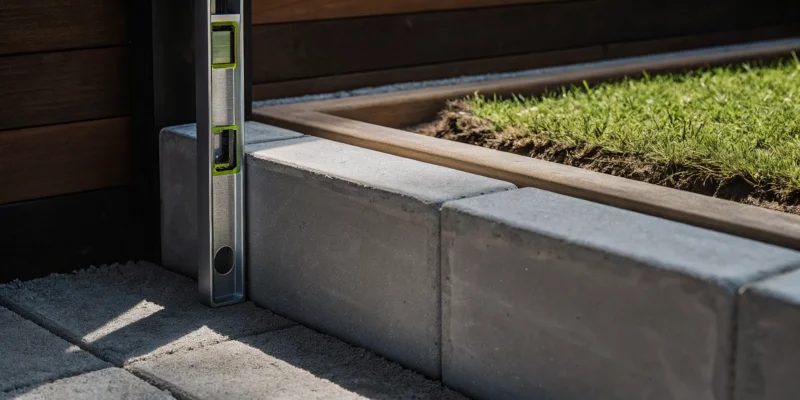
NextBase paver base panel system with smart drainage being installed on a driveway.

NextBase vs. Gator Base: The Paver Base Breakdown

The foundation of any paver project is the unsung hero that ensures your investment lasts for decades. A weak base leads to shifting stones, uneven surfaces, and costly repairs down the line. While traditional gravel bases have been the standard, they are vulnerable to the freeze-thaw cycles we experience here on Long Island. This is where modern engineering provides a superior solution. Companies like Techniseal and Gator Alliance have developed systems designed for long-term stability and excellent drainage. The NextBase Paver Base Panel System, for example, creates an interlocking grid that distributes weight evenly and manages water effectively. We’ll explore how these advanced systems work and compare them to help you build a beautiful outdoor space that truly stands the test of time.

Key Takeaways

  • Synthetic bases save time and labor: These modern panels replace tons of heavy gravel, which means less digging and a much faster installation for your patio or walkway compared to traditional methods.
  • Know the difference between the top brands: NextBase features a robust interlocking system for superior stability, while Gator Base stands out as a cost-effective and sustainable choice made from recycled materials.
  • Use the right base for the right job: Synthetic panels are perfect for pedestrian areas like patios and walkways, but for driveways that handle cars, you’ll need to stick with a traditional gravel foundation to support the heavy load.

What is NextBase Paver Base?

If you’ve ever considered a new patio or walkway, you’ve probably pictured the beautiful finished product. What you might not have pictured is the tons of gravel and sand that traditionally go underneath. Building that foundation is often the most labor-intensive part of the project. This is where a synthetic paver base comes in, and NextBase is a leading name in this modern approach. It’s a lightweight, engineered panel system designed to completely replace the thick layer of crushed stone typically used in hardscaping.

When you’re planning a project with beautiful porcelain and natural stone pavers, the foundation is just as important as the stones you choose. NextBase offers a simpler, faster, and less physically demanding way to create a stable and long-lasting base. Instead of excavating several inches of soil and hauling in heavy aggregate, you work with easy-to-handle panels. This innovation makes paver installation more accessible for DIY projects and more efficient for professional installers, saving time, money, and a lot of backaches. It’s a streamlined solution for creating the outdoor spaces you’ve been dreaming of.

How the System Works

NextBase is a panel system that replaces the heavy, traditional base materials used for outdoor surfaces like patios and walkways. Think of it as a high-tech floor for your pavers. The panels are designed to be easy to put together and create a very stable base. Each panel has an interlocking design, so they connect securely to one another for extra stability across the entire project area. This ensures the base acts as a single, solid unit. The panels are also easy to cut, allowing you to create custom shapes and fit them perfectly around curves or obstacles in your yard.

The Innovation Behind Techniseal

The secret behind NextBase is its material. The panels are made from a strong, durable material called high-density polypropylene. This isn’t just any plastic; it’s engineered to withstand heavy loads and the harsh weather cycles we experience here on Long Island. According to Techniseal’s product information, NextBase is also environmentally friendly and won’t harm the soil or water. A key feature is its excellent drainage. The panels are designed to allow water to flow through them, preventing pooling and frost heave, which helps your patio or walkway remain level and beautiful for years to come.

Meet Gator Base: How Does It Compare?

When you’re looking into synthetic paver bases, Gator Base is another name you’ll hear a lot. It’s a well-established product from Alliance Gator, a company known for its hardscaping solutions. Like NextBase, it’s designed to make paver installation faster and less physically demanding than the traditional method. But how does it work, and what makes it different? Let’s break down its approach and see how it stacks up against the competition.

The Gator Alliance Approach to Paver Installation

Gator Base is a high-density foam panel engineered to replace the thick layer of compacted crushed stone you’d normally use for a paver project. It’s specifically designed for pedestrian areas like patios, walkways, and pool surrounds. The main idea is efficiency. By swapping out tons of gravel for these lightweight panels, you drastically cut down on excavation, hauling, and labor. This makes the Gator Base system a go-to choice for both professional contractors and ambitious DIYers who want a solid foundation without the back-breaking work of a traditional base installation.

Key Differences: NextBase vs. Gator Base

So, what sets these two systems apart? A key difference is the amount of traditional base they replace. Each Gator Base panel takes the place of about 6 inches of compacted stone, which significantly reduces how deep you need to dig. It’s made from a lightweight yet strong polypropylene that’s also 100% recyclable. NextBase panels, on the other hand, are designed to replace up to 300 pounds of base material each. While both systems offer major savings on labor and time, Gator Base specifically highlights a potential 20% reduction in labor costs and up to 50% in excavation costs, making it a very appealing option for budget-conscious projects.

Synthetic vs. Traditional Base: Which Should You Choose?

When you picture building a new patio or walkway, you probably imagine a lot of digging and hauling heavy bags of gravel and sand. For decades, that was the only way to create a stable foundation for pavers. This traditional method involves excavating several inches of soil, laying down geotextile fabric, and then adding and compacting multiple layers of crushed stone and sand. It’s a proven technique, for sure, but it’s also incredibly labor-intensive, time-consuming, and creates a major mess in your yard that can last for days.

Today, you have another option: synthetic paver base panels. Systems like NextBase and Gator Base are engineered to replace that thick, heavy layer of crushed stone. These panels create a strong, stable foundation with significantly less excavation and effort. Choosing between a synthetic and traditional base comes down to weighing the benefits of modern technology against old-school methods. You’ll want to consider the impact on your timeline, your budget, and the long-term performance of your beautiful new masonry project. Let’s look at how these two approaches stack up in the areas that matter most to homeowners.

Lighter Materials and Less Labor

The most immediate advantage of synthetic bases is the dramatic reduction in heavy materials. A traditional base requires tons of crushed stone and sand, all of which needs to be moved from your driveway to your backyard, one wheelbarrow at a time. Synthetic panels, on the other hand, are incredibly lightweight and easy to handle. For example, a single NextBase panel can replace nearly 300 pounds of traditional base material. This means far less digging and heavy lifting. For you, this translates to a cleaner, less disruptive project and significant savings on labor costs, whether you’re doing it yourself or hiring a professional.

A Look at Installation Times

Because you get to skip most of the excavation and material hauling, synthetic base panels can cut your installation time dramatically. A project that might take several days with a traditional base can often be completed much more quickly. Using a product like Gator Base can reduce labor costs by at least 20 percent simply because the job gets done faster. This streamlined process means your yard returns to normal sooner, and you can start enjoying your new patio, walkway, or outdoor kitchen without a long wait. You can see how quickly these projects come together on the Gappsi YouTube channel, where our teams showcase their efficient work.

Benefits of Long-Term Durability

It’s natural to wonder if a lightweight plastic panel can really be as durable as several inches of compacted stone. The answer is a resounding yes. These panels are engineered from high-density polypropylene, a material designed to last. NextBase, for instance, is rated to remain stable for over 100 years. The panels lock together to create a rigid grid that distributes weight evenly, preventing pavers from shifting or sinking. They are also built to handle the freeze-thaw cycles we experience on Long Island, which helps prevent frost heave. This modern material won’t rot or decay, ensuring your investment stays beautiful for years, especially with proper paver maintenance.

A Feature-by-Feature Breakdown

When you get down to the details, both NextBase and Gator Base offer impressive advantages over traditional paver bases. But they achieve these results in slightly different ways. Understanding their unique features will help you decide which one is the perfect fit for your patio, walkway, or driveway project. Let’s break down what sets each system apart, from their design and materials to their environmental footprint.

NextBase: Interlocking Design and Smart Drainage

What really makes NextBase stand out is its clever interlocking panel system. Think of it like puzzle pieces that snap together to create a super stable and uniform foundation. This design replaces the need for tons of heavy, traditional base materials, which simplifies the installation process quite a bit. The panels also have a built-in drainage feature, with channels that direct water away from the surface. This is a huge plus for preventing water from pooling and causing damage over time, ensuring your beautiful natural stone pavers stay put for years to come. This smart design makes for a durable and long-lasting base.

Gator Base: Recycled Materials and Cost-Effectiveness

Gator Base takes a slightly different approach, focusing on efficiency and sustainability. It’s made from a lightweight yet incredibly strong polypropylene that is also 100% recyclable. For homeowners looking to make an eco-friendly choice, this is a major benefit. Beyond its green credentials, Gator Base is also very kind to your budget. Using this system can lead to significant savings on both labor and excavation costs, which can make a real difference in your project’s bottom line. It’s an attractive option for anyone wanting a high-quality result without overspending, making it a popular choice for many landscape design projects.

Sustainability and Environmental Impact

If you’re concerned about the environmental impact of your home improvement project, you can feel good about choosing either of these synthetic bases. Both companies have made sustainability a priority. NextBase is crafted from a high-density polypropylene that is designed to remain stable for over a century without leaching any harmful chemicals into the soil. Similarly, Gator Base is fully recyclable and won’t degrade when buried, minimizing its long-term effect on the environment. Choosing either of these products means you’re investing in a durable solution that’s also a responsible choice for your property and the planet.

How to Install NextBase and Gator Base Systems

Installing a synthetic paver base is much simpler than working with traditional aggregate, but following the correct steps is still key to a lasting result. Both NextBase and Gator Base share a similar installation process that saves you time and a lot of heavy lifting. Whether you’re building a new patio or a walkway, the process starts with proper ground preparation and ends with a beautiful, stable surface ready for years of enjoyment.

The main advantage here is the reduction in deep digging and material hauling. These lightweight panels create a solid foundation without the need for several inches of compacted stone, which means less strain on your back and a faster project timeline. This technology makes hardscaping projects more accessible, but precision is still essential for a professional-looking and durable outcome. Think of it as a smarter, not harder, approach to building the outdoor space you’ve been dreaming of. Let’s walk through the general steps for getting these systems installed correctly so you can feel confident about the process from start to finish.

Preparing Your Site

Your first step is to prepare the ground. Unlike traditional methods that require deep excavation, synthetic bases only need a shallow trench. When installing, you should dig about 3 ⅝ inches deep. The exact depth might change based on how thick your porcelain or natural stone pavers are. After clearing the area of grass and roots, you’ll want to make sure the soil is level and compacted. Once the ground is firm, you’ll add a thin layer of bedding sand, about ¾ of an inch, and screed it to create a perfectly smooth surface for the panels to rest on. This initial prep work is crucial for a professional-looking finish.

Laying and Cutting the Panels

This is where you really start to see the benefits of a synthetic base. The panels are lightweight and easy to handle. The panels connect together, which makes them easy to put down and creates a strong, stable base. You simply lay them on top of the prepared sand bed, locking each one into its neighbor. For edges or custom shapes, you usually don’t need special tools. The panels have cutting lines every 3 inches, so you can easily cut them to the size you need with a utility knife. This makes fitting them around curves or obstacles a straightforward task with materials you can find at the Gappsi Store.

Securing the Panels and Finishing Your Project

Once your panels are laid out and cut to size, the final steps bring your project together. To keep the perimeter secure, you’ll want to install an edge restraint. For example, you can use Gator Edge and Gator Base Screws to hold everything in place. These systems are also designed for excellent water management. Gator Base, for instance, is built to return water to the native soil through built-in evacuation channels, preventing water buildup. After the base is secure, you can begin laying your pavers. Once they are all in place, you’ll sweep polymeric sand into the joints and compact the surface to lock everything together for a durable, long-lasting finish.

Which Paver Base is Right for Your Project?

Choosing between NextBase and Gator Base comes down to the specifics of your project. Both are fantastic modern alternatives to the traditional gravel and sand method, but they are not one-size-fits-all solutions. The right choice depends on what you’re building, your budget, and even the weather in your area. Think of it like picking the right foundation for a house; it’s a critical step that ensures your beautiful new patio or walkway lasts for years. While traditional methods have served us well, these synthetic bases offer unique advantages in terms of installation speed, labor, and performance. They represent an evolution in hardscaping, making professional-grade results more accessible. To make the best decision for your home, you’ll want to consider a few key factors. We’ll walk through the size and expected use of your project, how your timeline and budget play a role, and why Long Island’s climate makes drainage a top priority. Understanding these elements will help you select a paver base that provides a stable, long-lasting surface for your outdoor masonry projects, whether you’re laying elegant porcelain pavers or classic natural stone.

Considering Project Size and Foot Traffic

First things first, what are you building? Both NextBase and Gator Base are designed specifically for pedestrian areas. This makes them an excellent choice for projects like garden paths, patios, and the areas around your swimming pool. They provide a solid, reliable foundation where people will be walking and relaxing. However, it’s important to know their limits. Neither of these synthetic bases is rated for vehicular traffic. If you’re planning a driveway or a parking area, you’ll need to stick with a traditional, deep aggregate base that can handle the weight of cars and trucks. For walkways and outdoor living spaces, these panels are more than up to the task.

Factoring in Your Budget and Timeline

If you’re looking to save time and money, synthetic bases are a compelling option. A traditional paver base requires significant excavation, often 6 to 12 inches deep, which means more labor and more material to haul away. With a product like NextBase, you may only need to dig down a few inches. This streamlined process can seriously speed up your project timeline. Gator Base also promises major savings, potentially cutting labor costs by 20% or more. While the panels themselves have an upfront cost, the reduction in excavation, labor hours, and aggregate material often makes them a more budget-friendly choice in the long run, getting you back to enjoying your yard faster.

Matching the Base to Your Climate and Drainage Needs

Here on Long Island, we get our fair share of rain and snow, which makes drainage a non-negotiable feature for any hardscaping project. Poor drainage can lead to shifting pavers, water damage, and freeze-thaw cycles that destroy your beautiful work. Both NextBase and Gator Base are engineered with this in mind. They feature built-in channels and slopes that allow water to flow through the panels and return to the soil beneath. This design prevents water from getting trapped, which protects the integrity of your installation. This advanced drainage management is a huge advantage over traditional bases and helps ensure your patio or walkway won’t require premature restoration and sealing.

DIY or Hire a Pro: Making the Call

Deciding whether to tackle a paver project yourself or bring in a professional is a big part of the planning process. Synthetic bases like NextBase and Gator Base have certainly made DIY installations more approachable by reducing the heavy labor and excavation involved. However, it’s still important to honestly assess the scope of your project, your budget, and your own skill set. The right choice comes down to balancing the potential cost savings of a DIY job with the expertise, efficiency, and peace of mind that comes with hiring a seasoned team. Let’s break down when it makes sense to go one way or the other.

When to Hire a Hardscaping Professional

For large or complex projects, hiring a professional is often the smartest investment. If you’re planning a high-traffic area like a new patio, a pool deck, or an intricate walkway, an expert touch ensures the job is done right. Professionals have the experience to handle challenges like proper site grading for drainage, ensuring the base is perfectly level, and creating a durable surface that will withstand years of use and harsh weather. A professional masonry contractor brings the right equipment and a deep understanding of materials, guaranteeing a polished, long-lasting result. Think of it as an investment in quality and your own peace of mind.

The Tools and Skills Needed for a DIY Install

If you’re feeling handy and your project is on the smaller side, a DIY installation is definitely within reach. Thanks to innovations like synthetic bases, you can save significantly on labor and excavation costs. Products like Gator Base can reduce digging, and NextBase panels are designed with cutting lines, so you often don’t need special tools to get a perfect fit. To succeed, you’ll need some basic skills: the ability to measure accurately, follow instructions carefully, and handle some light physical work. If you’re laying a simple garden path or a small, square patio, taking the DIY route can be a rewarding and budget-friendly option. You can find many of the necessary tools and supplies to get started at a local home improvement supplier.

Common Myths About Synthetic Bases, Busted

New technology always comes with a few questions, and synthetic paver bases are no exception. It’s smart to be skeptical, but let’s clear the air on some common misconceptions. Understanding the facts can help you feel confident about choosing the right foundation for your patio, walkway, or other outdoor project.

Are They Really Durable?

It’s easy to look at a lightweight plastic panel and wonder if it can really hold up over time, especially compared to tons of gravel. The truth is, these bases are engineered for incredible longevity. NextBase, for example, is made from a high-density polypropylene that won’t break down or leach chemicals into the soil for over a century. Similarly, Gator Base is designed to last, featuring built-in channels that help manage water and prevent shifting. These systems provide a stable, long-lasting foundation for beautiful masonry projects that stand the test of time.

Can You Use Them Anywhere?

This is a great question, and the answer is no, they aren’t a one-size-fits-all solution. It’s important to match the base to the project. Gator Base is specifically designed for pedestrian areas like patios and walkways, so you wouldn’t want to use it for a driveway. NextBase offers a bit more versatility and is compatible with a wide range of surfaces, including pavers, natural stone, and porcelain tiles. The key is to understand the load-bearing needs of your project. For areas with vehicle traffic, a traditional aggregate base or specialized gravel driveway solutions would be the right choice.

What About Material Safety?

Concerns about adding plastic materials to your yard are completely valid. Luckily, both NextBase and Gator Base were created with environmental safety in mind. They are made from polypropylene, a stable plastic that is 100% recyclable and won’t release harmful chemicals into your soil. This means you can build your dream patio without worrying about its impact on your lawn or garden. Choosing an environmentally friendly base is just one part of creating a beautiful and sustainable landscape design you can enjoy for years to come.

Where to Find NextBase and Gator Base

Now that you’ve weighed the pros and cons, the next step is figuring out where to buy these paver base systems. Unlike grabbing a bag of concrete from a big-box store, NextBase and Gator Base are specialized products. You’ll typically find them through authorized dealers and professional suppliers. As a full-service home improvement company, we at Gappsi handle all the material sourcing for you, ensuring you get authentic, high-quality products for your project. But if you’re curious about where they come from, here’s a quick guide to get you started.

Finding Authorized Dealers and Suppliers

Both NextBase and Gator Base are professional-grade materials, so you’ll find them at specialty landscape and hardscape supply stores rather than general home improvement centers. NextBase is a product from Techniseal, a company well-regarded for its hardscape installation solutions. You can learn more about their panel base system directly on their site. Similarly, Gator Base is an innovative foundation option from Alliance Gator. Working with a contractor like Gappsi simplifies this process entirely. We have long-standing relationships with the best suppliers on Long Island, which means we can source the right materials for your job without any hassle on your part.

A Note on Pricing and Availability

When you’re budgeting for your project, it’s helpful to understand how these systems are priced. The cost can vary based on your location and the supplier, but you’re making an investment in quality and convenience. For example, a 10-pack of NextBase panels often runs around $240. While Gator Base pricing is comparable, its main financial benefit comes from reducing labor costs by at least 20 percent, which can lead to significant savings on the total project. At the Gappsi Store, we provide transparent pricing and can help you compare the material and installation costs to find the best fit for your budget and timeline.

Maintaining Your Paver Base for Years to Come

Choosing a synthetic paver base like NextBase or Gator Base sets you up for a durable, long-lasting patio, walkway, or driveway. While these systems are designed to be incredibly low-maintenance, a little proactive care will keep your investment looking its best for decades. Think of it as a simple check-up for your outdoor space. By staying on top of a few small tasks, you can prevent minor issues from becoming bigger headaches down the road and ensure your beautiful paver surface remains stable and stunning.

Simple Inspection and Care Tips

A great habit to get into is walking your paver area with the changing seasons, especially before winter arrives. Look for any pavers that seem to have shifted or settled. Keeping the surface clean is also key. Regularly sweep away leaves and debris to prevent staining and organic growth. For a deeper clean, a gentle rinse with a garden hose usually does the trick. To give your pavers an extra layer of defense, consider applying a sealant every three to five years. This not only protects them from the elements but also helps lock the jointing sand in place. Our professional restoration and sealing services can keep your pavers looking brand new.

How to Handle Common Issues and Repairs

Even with a solid synthetic base, Long Island’s freeze-thaw cycles can sometimes cause a paver to shift slightly. If you spot one, the fix is often straightforward. You can carefully lift the paver, adjust the leveling sand underneath, and set it back in place. Also, pay attention to water flow. Make sure your gutters and the surrounding grade direct water away from your patio to prevent pooling. Proper landscape design is essential for good drainage. For stubborn stains or more significant repairs, it’s always a good idea to call in a professional. Our masonry experts can handle any repair, ensuring the integrity of your project is maintained.

Related Articles

Frequently Asked Questions

Can I use a synthetic base for my driveway? That’s a great question, and the answer is no. Both NextBase and Gator Base are specifically engineered for pedestrian areas like patios, walkways, and pool surrounds. They provide excellent stability for foot traffic but are not designed to handle the heavy, repeated weight of vehicles. For a driveway project, you will need to use a traditional, deep aggregate base to ensure it can withstand the load and last for years.

What’s the biggest advantage of using a synthetic base over traditional gravel? The most significant benefit is the massive reduction in labor and time. A traditional base requires you to dig out several inches of soil and then haul in tons of heavy gravel and sand. Synthetic panels are lightweight and replace almost all of that aggregate, which means far less digging, less heavy lifting, and a much faster installation. Your yard stays cleaner, and you get to enjoy your new space much sooner.

Are these plastic panels really as strong as tons of compacted stone? It’s natural to be skeptical, but yes, they are incredibly durable. These panels are made from high-density polypropylene, a material engineered to distribute weight evenly and withstand harsh weather, including Long Island’s freeze-thaw cycles. They are designed not to rot or decay and can last for decades, providing a stable foundation that prevents your pavers from shifting or sinking over time.

How much less digging is actually involved with a synthetic base? You save a significant amount of excavation work. A traditional paver installation often requires you to dig down 6 to 12 inches to create a proper foundation. With a synthetic system like NextBase or Gator Base, you typically only need to excavate about 3 to 4 inches. This difference saves you from removing, and disposing of, a huge amount of soil.

Do I need special tools to cut and fit the panels for a DIY project? For the most part, no. One of the best features of these panels is how easy they are to work with. They are designed with pre-marked cutting lines, allowing you to trim them to fit curves or edges using just a standard utility knife. This makes the installation process much more accessible for a DIY project, as you won’t need to rent or buy heavy-duty cutting equipment.

Share this page:
A modern patio with Cambridge Pavingstones, showing the lasting color and durability of ArmorTec.

What Are Cambridge Pavingstones With ArmorTec?

Your outdoor living space should be a true extension of your home, reflecting your personal style. Too often, homeowners feel limited by the bland, uniform look of poured concrete or asphalt. You deserve more than a generic gray slab. You deserve a space with character, color, and texture that complements your home’s architecture. This is the creative freedom you get with pavers. Specifically, Cambridge Pavingstones With ArmorTec provide an incredible palette of styles, from the sleek lines of modern collections to the rustic charm of textured stones. This guide will walk you through the different options, helping you find the perfect design to create a truly unique and beautiful hardscape you’ll love for years.

Key Takeaways

  • Count on long-lasting beauty with ArmorTec: This built-in technology creates a dense, smooth surface that locks in color and resists fading, stains, and harsh Long Island weather, keeping your patio or driveway looking new for years.
  • Personalize your outdoor space with versatile styles: Move beyond basic concrete and asphalt; Cambridge offers a wide variety of collections, colors, and textures, giving you the creative freedom to design a unique outdoor space that reflects your personal taste.
  • Enjoy peace of mind with easy upkeep and a lifetime warranty: Forget costly, large-scale repairs, as you can simply replace a single damaged stone. This straightforward maintenance, combined with a transferable lifetime warranty, makes Cambridge a smart, long-term investment.

What Are Cambridge Pavingstones with ArmorTec?

When you start planning a new patio, walkway, or driveway, you’ll quickly come across Cambridge Pavingstones. They are a top choice for Long Island homeowners, and for good reason. These aren’t just ordinary concrete blocks; they are engineered for beauty and longevity. Cambridge offers a huge range of styles and colors, making it easy to create a custom look for everything from a poolside oasis to a grand entryway. Whether you’re designing a rustic walkway or a modern patio, there’s a Cambridge product to match your vision. But what truly sets them apart from the competition is a special feature called ArmorTec.

This isn’t just a marketing buzzword. ArmorTec is a unique manufacturing process that gives each paver a durable, fade-resistant surface. Think of it as built-in protection that keeps your outdoor spaces looking brand new for years. While other pavers can look worn and faded after a few seasons of sun and snow, Cambridge pavers with ArmorTec maintain their rich color and smooth texture. This technology is integrated into their entire line of paving stones, walls, and outdoor living kits, ensuring a consistent and high-quality finish for your entire project. It’s the key ingredient that delivers a beautiful, low-maintenance surface you can enjoy without worry.

What Makes ArmorTec Technology Special?

So, what exactly is ArmorTec? It’s a proprietary technology where a super-fine, dense mixture of sand and cement is fused to the top of every paver during manufacturing. This isn’t a secondary coating or a sealant that can wear off. Instead, it becomes an inseparable part of the stone, creating an incredibly hard and smooth surface. This process ensures that the vibrant color is locked in from top to bottom. Because the surface is so dense, it has no large pores, which makes the paver less susceptible to absorbing stains and dirt. It’s this fundamental difference in construction that gives Cambridge Pavingstones their signature look and feel.

How ArmorTec Protects Against Wear and Weather

The real benefit of ArmorTec shows up over time. That dense surface acts like a shield, protecting your investment from the elements and daily use. The colors stay vibrant and true because the technology provides excellent resistance to fading from harsh UV rays. It also stands up to the wear and tear of foot traffic, patio furniture, and even the stress of snow plowing in the winter. For Long Islanders, its resistance to de-icing salts is a huge plus. This durability means less chipping, cracking, and scratching, keeping your masonry beautiful for decades. Plus, the smooth, non-porous finish makes cleaning up spills a breeze.

Why Choose Cambridge Pavingstones?

When you’re planning a new patio, walkway, or driveway, you want materials that look great and are built to last. Cambridge Pavingstones with ArmorTec check both boxes, offering a smart alternative to traditional concrete, asphalt, or brick. They provide a beautiful, high-end finish for your outdoor spaces while standing up to daily life and the changing Long Island seasons. Choosing Cambridge means investing in a solution that is not only stunning but also incredibly practical for years to come.

Strength and Durability

One of the biggest reasons homeowners love Cambridge Pavingstones is their incredible resilience. These pavers are engineered to handle everything from backyard parties to vehicle traffic without cracking or shifting like poured concrete or asphalt can. They are an excellent choice for high-use areas like driveways and pool surrounds. Because they are so durable, they often prove to be a more cost-effective option over time, saving you from future repairs and replacements. Our expert masonry team can design a project that not only looks beautiful but is built with the strength to endure for decades.

Lasting Color and Finish

You want your investment to look as good in ten years as it does on day one. Thanks to the integrated ArmorTec technology, Cambridge Pavingstones maintain their rich, vibrant color and smooth finish for many years. This unique manufacturing process protects the pavers from fading, even with constant exposure to the sun and foot traffic. Unlike other materials that can look dull and worn over time, Cambridge pavers keep their beautiful appearance, ensuring your patio or walkway remains a standout feature of your home. This commitment to lasting beauty is why we often recommend them for our landscape design projects.

Simple Upkeep and Maintenance

Life is busy, and the last thing you need is a high-maintenance patio. Cambridge Pavingstones are designed to be incredibly easy to care for. Spills and stains are less of a worry because if a paver is ever permanently stained, you can simply replace that single stone instead of redoing the entire surface. This makes dealing with an accidental oil leak on the driveway or a spilled glass of wine on the patio a simple fix. For routine care, a simple cleaning is all it takes to keep them looking fresh. We also offer professional restoration and sealing services to give your pavers an extra layer of protection.

Find Your Style: Popular Cambridge Collections

One of the best parts of designing your outdoor space is choosing materials that reflect your personal style. Cambridge Pavingstones offer a variety of collections, each with a distinct look and feel. Whether your home is modern, traditional, or somewhere in between, there’s a paver that will fit perfectly. Let’s explore some of the most popular collections to help you find the right match for your project.

The Sherwood Collection

If you love clean lines and a contemporary vibe, the Sherwood Collection is an excellent choice. These three-piece paving stones have a slightly textured surface that adds visual interest without feeling busy. They are designed to create bold, beautiful driveways and patios that make a modern statement. Thanks to the integrated ArmorTec technology, the colors stay rich and vibrant, and the surface is protected from the harsh Long Island weather. Our expert masonry team can design a pattern that brings this sleek, contemporary vision to life.

The RoundTable Collection

For those who envision their patio as a warm, central gathering spot, the RoundTable Collection is ideal. Its signature circular patterns and interlocking pavers create a welcoming atmosphere that encourages conversation and connection. This collection is perfect for designing cozy fire pit areas, outdoor dining spaces, or any spot where friends and family will come together. Imagine this beautiful paver design under one of our custom pavilions or pergolas, creating the ultimate backyard retreat for making memories.

The KingsCourt and Excalibur Collections

To bring a touch of elegance to your landscape, look no further than the KingsCourt and Excalibur Collections. KingsCourt offers a timeless, classic look with a variety of shapes that create intricate, sophisticated patterns. For a more modern take on elegance, the Excalibur Collection features sleek lines and smooth finishes. Both collections are infused with ArmorTec, ensuring their refined appearance lasts for years. These high-end pavers are a fantastic example of the beautiful porcelain and natural stone options we work with to create stunning outdoor surfaces.

A Look at Colors and Textures

Beyond the shape and pattern, the right color and texture are what truly personalize your space. Cambridge Pavingstones are available in a wide spectrum of colors, from warm earth tones that feel natural and grounded to cooler grays that offer a more modern look. The textures range from smooth and polished to rugged and rustic, allowing you to customize the feel underfoot. You can explore different styles and find inspiration by visiting the Gappsi Store, where you can see how these options can complement your home’s unique character.

Cambridge Pavers vs. Concrete and Asphalt

When you’re planning a new driveway, patio, or walkway, you’ll likely weigh the pros and cons of different materials. The most common choices are concrete, asphalt, and pavers. While concrete and asphalt have been around for a long time, Cambridge Pavingstones offer distinct advantages that make them a superior choice for almost any project. From their incredible strength to their design flexibility, pavers provide a level of quality and beauty that other materials just can’t match. Let’s look at how they stack up.

A Clear Winner in Durability

When it comes to standing up to Long Island’s weather and daily wear, Cambridge Pavingstones are in a class of their own. Thanks to their unique manufacturing process, these pavers are twice as strong as standard poured concrete and absorb far less water. This is a huge benefit during our freeze-thaw cycles, as less water absorption means a much lower risk of cracking and surface damage. Whether you’re building a driveway that needs to support vehicles or a pool deck that sees constant foot traffic, you can count on pavers to hold up beautifully year after year.

More Options for a Beautiful Design

Your outdoor space should be a reflection of your personal style, and pavers give you the creative freedom to make that happen. Unlike the uniform look of concrete or asphalt, Cambridge Pavingstones come in a wide range of collections, colors, and textures. You can create a rustic, old-world feel with the Sherwood collection or a more classic, formal look with KingsCourt. You can also mix and match pavers to design custom borders, patterns, and accents. This level of design flexibility allows you to create a truly unique masonry feature that complements your home’s architecture and landscape.

A Smarter Long-Term Investment

Choosing pavers is a smart financial decision for the long run. While the initial cost might be higher than asphalt, the lifetime value is much greater. Concrete and asphalt are prone to cracking and staining, and repairs can be costly and obvious. If a Cambridge paver gets stained by oil or damaged by a heavy object, you can simply lift it out and replace it. This simple repair process keeps your surface looking pristine for decades. Because they are so durable and easy to maintain, a paver installation is an investment that adds lasting value and curb appeal to your home.

The Ideal Choice for Long Island Homes

When you live on Long Island, you know your home’s exterior has to be tough. Our weather brings everything from humid summers to icy winters, so choosing materials that can handle these shifts is key to an outdoor space that lasts. Cambridge Pavingstones with ArmorTec are a perfect match for our local environment, offering a blend of durability and practical design. They are engineered to withstand our climate’s specific challenges, ensuring your patio, walkway, or driveway looks great for years to come.

Designed for the Northeast Climate

One of the best things about Cambridge Pavingstones is that they are manufactured right here in the Northeast. This isn’t just a fun fact; it means they are specifically engineered to handle our region’s unique weather patterns. Think about the freeze-thaw cycles we experience every winter, which can cause other materials to crack and heave. These pavers are built to resist that kind of damage. They are just as prepared for the hot, direct sun of a Long Island summer, holding up without fading. This local focus ensures you’re getting a product truly designed for your home’s environment.

Resists Salt, Ice, and Sun Damage

Living on Long Island means dealing with salt, from coastal air to winter de-icing products. Salt is corrosive to concrete, but Cambridge Pavingstones with ArmorTec are built to resist it. Their dense surface prevents salt from penetrating and causing damage. This same resilience helps them stand up to ice and intense sun, preventing the cracking and fading that makes other materials look worn. This makes them an excellent choice for everything from a poolside patio to a durable gravel driveway.

The Advantage of Easy Repairs

Life happens. A guest might spill wine, or a heavy object could chip a stone. With poured concrete, a single stain or crack can mean a costly repair. This is where pavers have a huge advantage. If one Cambridge Pavingstone gets damaged, you can simply lift it out and replace it. The repair is quick, seamless, and affordable. This simple maintenance feature saves you time and stress, ensuring your outdoor space always looks its best without a major overhaul.

What Homeowners Are Saying

It’s one thing for a company to talk about its products, but it’s another to hear directly from people who use them every day. Homeowners across Long Island have shared their experiences with Cambridge Pavingstones, and their feedback highlights what makes this brand a trusted choice. From standing up to coastal weather to transforming curb appeal, these pavers consistently earn high marks. Let’s look at what your neighbors are saying about their patios, walkways, and driveways.

How They Hold Up in Harsh Weather

For those of us on Long Island, winter is no joke. We need outdoor surfaces that can handle snow, ice, and salt without cracking or fading. Homeowners consistently praise Cambridge Pavingstones for their resilience. The ArmorTec surface provides an “outstanding resistance to the stresses of snow plowing,” which means you don’t have to worry about your plow service destroying your beautiful driveway. This durability gives you peace of mind, knowing your investment is protected season after season. It’s a practical choice for our climate, ensuring your outdoor spaces look great even after the toughest winters.

Improving Your Home’s Curb Appeal

Your home’s exterior is the first thing people see, and upgrading your hardscaping can make a huge difference. Homeowners love how Cambridge Pavingstones instantly improve their property’s look. As a premier American manufacturer, Cambridge is known for creating high-quality hardscape solutions that add both beauty and value. Whether you’re creating a winding garden path or a sophisticated new patio, these pavers provide a polished finish that complements any landscape design. It’s an upgrade that not only looks fantastic but also contributes to your home’s long-term value.

The Customer Support Experience

Choosing the right materials is important, but so is knowing you have support from the company behind them. Homeowners often mention their positive interactions with Cambridge, noting that the company genuinely values customer feedback and a good experience. This commitment to service is why we at Gappsi confidently recommend their products. When you combine a quality product with a company that stands behind it, you get a winning combination. Our masonry experts ensure the installation is flawless, giving you a beautiful result backed by a brand that cares.

Understanding the Installation Process

Once you’ve chosen your favorite Cambridge Pavingstones, you’re probably excited to see them transform your space. The installation process is where the magic happens, and knowing what to expect can make the experience smooth and stress-free. A professional installation ensures your new patio, walkway, or driveway not only looks beautiful but is also built to last. Our team at Gappsi handles every detail, from preparing the ground to laying the final stone, so you can simply look forward to the finished result. We focus on clear communication and expert craftsmanship every step of the way.

Preparing Your Site for Installation

A great outdoor space starts with a solid foundation. Our first step is to assess your property and prepare the site for installation. One of the great things about Cambridge pavers is their versatility. In many cases, they can be installed directly over existing concrete patios or asphalt driveways, which can save you time and money on demolition and removal. Our team will determine the best approach for your specific project, ensuring the base is stable, properly graded for drainage, and ready to support your new pavers for years to come. This careful prep work is key to preventing shifting or settling down the road.

Why Professional Installation Matters

While it might be tempting to DIY, having your pavers installed by a professional is one of the smartest decisions you can make. Our experienced masonry team follows the exact manufacturer specifications, which is essential for your project’s longevity and for keeping the lifetime warranty valid. We have the right tools and expertise to handle any challenges that arise, ensuring a flawless finish with clean lines and perfect patterns. A professional installation guarantees your investment is protected and that your new hardscape will perform beautifully through every Long Island season, giving you peace of mind and a stunning result.

Your Project Timeline and What to Expect

Every project is unique, but we always follow a clear process to keep you informed. It starts with a design consultation where we map out your vision. From there, we’ll schedule the site preparation and installation. The timeline can vary depending on the size of your project, weather conditions, and the complexity of the design. Throughout the process, we’ll handle all aspects of the hardscape construction, whether it’s a simple walkway or an intricate patio with retaining walls and built-in features. We believe in open communication, so you’ll always know what’s happening and what to expect next as we bring your project to life.

Your Warranty and Support Options

When you invest in your home’s exterior, you want to know that your choice is protected for the long haul. It’s not just about how your new patio or driveway looks today, but how it will perform for years to come. That’s why understanding the warranty and support options available is so important. With Cambridge Pavingstones, you get more than just a beautiful product; you get a commitment to quality that lasts. Let’s look at what that means for you and where you can turn if you ever have questions.

A Look at the Lifetime Warranty

One of the best things about choosing Cambridge Pavingstones with ArmorTec is the confidence that comes with their lifetime warranty. This isn’t just a short-term promise; it’s a guarantee that protects your investment for as long as you own your home. Even better, the warranty is transferable. If you decide to sell your house down the line, the new homeowners will inherit that same protection. This is a fantastic feature that adds real value to your property and gives you total peace of mind knowing your beautiful masonry work is built to last.

How to Get Help and Find Answers

Even with the best products, you might have questions later on. The great news is that finding help is simple. When you work with an experienced installer, you always have a direct line for support. For broader research, platforms like Houzz are excellent resources for reading homeowner reviews and seeing how others have used Cambridge products in their own projects. You can find trusted local professionals and get a feel for their work. And if you love your new pavers, sharing your experience on social media can help other Long Island homeowners make a confident choice, too.

How to Care for Your Cambridge Pavingstones

Your new patio or driveway is an investment in your home’s beauty and value, and caring for it is surprisingly simple. Cambridge Pavingstones are designed to be low-maintenance, so you can spend more time enjoying your outdoor space and less time working on it. With just a few key practices, you can keep your pavers looking as stunning as the day they were installed.

Simple Cleaning and Upkeep

One of the best things about Cambridge Pavingstones is how easy they are to maintain. For most routine cleaning, a quick sweep to remove debris and a rinse with a garden hose is all you need. If you have a tougher spot from a cookout or a spilled drink, a gentle paver cleaner will usually do the trick. The real advantage comes with repairs. If a single paver gets a stubborn stain that won’t lift, you don’t need to replace the entire surface. We can simply swap out that one stone, making your patio look perfect again. This feature makes long-term upkeep both straightforward and affordable.

Seasonal Care Tips for Long Islanders

Living on Long Island, we experience everything from scorching summer sun to freezing winter ice. Cambridge Pavingstones are built to handle these demanding conditions. They are designed to resist the cracking that can happen during freeze-thaw cycles, and their dense surface holds up against de-icing salts. The ArmorTec finish also protects them from fading under the summer sun. This resilience makes them a perfect material for any outdoor surface, including walkways, driveways, and beautiful pool decks. You can rest easy knowing your pavers will withstand the seasons and continue to look great year after year.

Protecting Your Investment for Years to Come

A little proactive care will ensure your pavers last a lifetime. We generally recommend waiting one year before applying a sealant. This allows a natural process called efflorescence, which can look like a white haze, to complete. Sealing too soon can trap this haze. When winter arrives, be careful with snow removal. If you use a snowplow on your driveway, make sure it has a rubber-edged blade, as a steel one can scratch the pavers. Following these simple guidelines will protect your investment for decades. When the time is right, our team offers professional restoration and sealing services to keep your pavers in top condition.

Related Articles

Frequently Asked Questions

Is ArmorTec just a sealant that will wear off over time? No, it’s much more than that. ArmorTec isn’t a coating applied after the fact. It’s a special mixture of fine sand and cement that is fused directly to the top of each paver during the manufacturing process. This makes the color and durable surface an inseparable part of the stone, so it won’t peel or wear away like a sealant would.

What do I do if a single paver gets badly stained or chipped? This is one of the biggest advantages of using pavers. Unlike a concrete slab that requires a large, messy patch, a damaged paver can be easily lifted out and replaced with a new one. The repair is quick, seamless, and keeps your entire patio or driveway looking perfect without a major expense.

How well do Cambridge Pavingstones handle Long Island’s harsh winters? They are specifically designed for our climate. Because they are manufactured in the Northeast, they are engineered to withstand freeze-thaw cycles without cracking. The dense ArmorTec surface also provides excellent resistance to damage from de-icing salts, which is a huge benefit for driveways and walkways during icy weather.

Are these pavers difficult to keep clean? Not at all, they are designed for simple upkeep. The smooth, dense surface created by ArmorTec makes it harder for dirt and spills to penetrate the stone. For general maintenance, a simple sweep and a rinse with a hose is usually enough. This low-maintenance feature means you can spend more time enjoying your outdoor space.

Can you install pavers over my existing concrete patio or asphalt driveway? In many situations, yes. This can be a great way to save time and money on the project by avoiding a full demolition. Our installation team will assess your existing surface to make sure it’s stable enough to serve as a base. If it is, we can install the pavers directly over it, giving you a brand new look without starting from scratch.

Share this page: