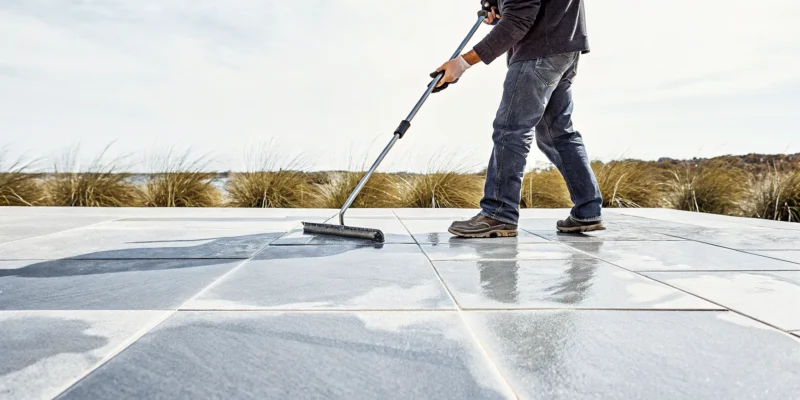
A person laying artificial turf by unrolling it over the prepared base.

How to Lay Artificial Turf for a Flawless Lawn

Taking on a big home improvement project can be incredibly rewarding, and installing your own artificial lawn is a challenge you can definitely conquer. While it requires some muscle and attention to detail, the process is straightforward when you have a clear plan to follow. Think of this guide as your expert partner, breaking down each stage into simple, actionable steps. We’ll cover the essential tools you’ll need, the right way to prepare your base, and the techniques for getting those seams perfectly invisible. This is your complete roadmap for how to lay artificial turf, giving you the confidence to create a beautiful, long-lasting lawn yourself.

Key Takeaways

  • Focus on the Foundation First: The success of your entire project depends on proper ground preparation. Taking the time to clear, level, and compact a solid base is the best way to prevent future lumps, sinkholes, and drainage problems.
  • Patience Pays Off During Installation: Don’t rush the process of laying and cutting your turf. Letting the material relax in the sun makes it more pliable, and carefully trimming edges and joining seams is what creates that flawless, professional look.
  • Finish Strong for a Lasting Look: The final steps are just as important as the first. Securing the perimeter, adding infill for stability, and brushing the grass blades upright are essential for achieving a lush, natural appearance that will last for years.

Gather Your Tools and Materials

Before you can even think about unrolling that beautiful green turf, you need to get organized. Having all your tools and materials ready to go will make the entire installation process smoother and a lot less stressful. Think of it as setting yourself up for success. A little prep work now saves you from making frantic trips to the hardware store later. This preparation is the first step toward achieving a professional-looking lawn that you can be proud of.

Essential Tools You’ll Need

To get that seamless look, you’ll need a few key tools. Start with the basics for ground prep: a shovel and a wheelbarrow for moving soil and base materials. A turf cutter can be a lifesaver for removing your old lawn. For the installation itself, a sharp utility knife is crucial for cutting the turf to size, and a hammer will help you secure the edges. The most important piece of equipment is a plate compactor, which you can usually rent. This ensures your base is firm and level, preventing dips and bumps down the road. Having the right installation tools makes the job manageable and gives you a much better result.

Key Materials for a Solid Foundation

The longevity of your new lawn depends entirely on what’s underneath it. First, you’ll need your synthetic turf. Choose a high-quality option that fits the look and feel you want for your yard. Next is your base layer, typically made of crushed rock or a similar aggregate. This is vital for proper drainage and stability. Finally, don’t forget a good weed barrier. This fabric layer goes down before the turf to stop any persistent weeds from growing through. A solid foundation is truly the secret to a beautiful, low-maintenance lawn that lasts for years.

Optional Gear to Simplify the Job

While the essentials will get the job done, a few extra pieces of gear can make your life much easier. A power broom, for example, is fantastic for brushing up the turf fibers after you’ve laid them and added infill, giving your lawn a full, natural look. A carpet kicker can also be helpful for stretching the turf taut to eliminate any wrinkles before you secure it. These aren’t must-haves, but if you’re tackling a large area, investing in or renting these extra supplies can save you a lot of time and effort, helping you achieve that perfect finish with a little less elbow grease.

Prepare the Ground for a Flawless Finish

The secret to an artificial lawn that looks amazing for years isn’t just in the quality of the turf itself, but in the meticulous work you do before you even unroll it. Proper ground preparation is, without a doubt, the most critical part of the entire project. Think of it as building the foundation for a house; if the base isn’t solid, nothing on top will be either. This foundational work is what ensures your lawn stays smooth, drains correctly after a Long Island rainstorm, and won’t develop frustrating lumps or sinkholes over time.

Taking the time to create a stable, well-draining base will pay off with a durable, beautiful lawn that you can enjoy for years to come. While this process requires some muscle and attention to detail, following these steps carefully will set you up for a successful installation. It’s the difference between a lawn that looks professionally installed and one that shows its DIY roots. Of course, if you’re looking for a perfect result without the heavy lifting, our team has years of experience installing flawless synthetic turf and game courts and can handle the entire process for you.

Clear Out Old Grass and Debris

First things first, you need a clean canvas. This means removing every bit of the existing lawn, including grass, weeds, roots, and any large stones. For larger areas, renting a sod cutter is the most efficient way to get the job done. It slices right under the grass, allowing you to roll it up and remove it easily. If you’re working with a smaller patch, a sturdy shovel and some determination will work just fine. You’ll want to dig down about two to four inches to make sure you’ve removed the entire root system. Skipping this step can lead to old organic material decomposing under your new turf, creating an uneven and lumpy surface over time.

Excavate and Grade the Area

With the old lawn gone, it’s time to establish the proper depth and slope for your new turf. You’ll need to excavate the entire area to a uniform depth of about four inches. This creates enough room for the essential base layers that provide drainage and stability. As you dig, focus on grading the area. This means creating a very slight, consistent slope, about a one to two percent grade is ideal, that directs water away from your home’s foundation, patios, or walkways. You can use landscape stakes and a string line to help you maintain a consistent slope across the entire space. This step is absolutely vital for preventing water from pooling on your new lawn.

Lay Your Drainage Base

Now you can start building the foundation that will support your turf. This sub-base layer is crucial for both stability and drainage. We recommend using a crushed aggregate, such as Class II road base, crushed rock, or decomposed granite. You’ll need to fill the excavated area with a three to four-inch layer of this material. Use a wheelbarrow to transport the base material and a landscape rake to spread it as evenly as possible. This rock layer creates channels that allow water to flow through and drain away efficiently, keeping your turf from becoming waterlogged. It’s a similar foundational principle we use for projects like durable gravel driveways, ensuring long-term stability.

Level and Compact the Surface

Once your base material is spread evenly, the next step is to compact it into a hard, smooth surface. This is what prevents the ground from shifting or settling under your turf later on. For the best results, you should use a plate compactor, which you can rent from most home improvement stores. Go over the entire area several times, moving in different directions to ensure every inch is thoroughly compacted. The goal is to create a base that is firm to the touch and doesn’t leave deep footprints when you walk on it. For an even tighter compaction, you can lightly mist the aggregate with a hose before using the compactor.

Add a Weed Barrier

The final preparation step is laying down a weed barrier. This is a high-quality geotextile fabric that you’ll place directly on top of your compacted base. Its job is to stop any persistent weeds or old grass roots from growing up through the drainage holes in your artificial turf. At the same time, the fabric is permeable, so it won’t interfere with drainage. Roll out the fabric, making sure to cover the entire area. If you need to use multiple pieces, overlap the seams by at least six inches to prevent any gaps. Secure the barrier in place using landscape staples every few feet, paying special attention to the perimeter and the seams.

Lay and Cut Your Artificial Turf

Unroll and Position the Turf

Once your base is perfectly prepped, it’s time for the main event. Carefully unroll your artificial turf over the area, making sure the grain of the grass blades all points in the same direction for a uniform look. Don’t worry about wrinkles or stiffness at first; the sun is your best friend here. Let the turf lay out under the sun for at least an hour. This little sunbath helps the material relax, making it more flexible and easier to work with. If you’re working with a large piece, grab a friend to help you position it, as the rolls can be quite heavy. This step is key for a smooth, professional-looking installation of your new synthetic turf.

Measure and Cut for a Perfect Fit

With your turf relaxed and in position, you can start trimming it to size. The golden rule here is to measure twice and cut once. When you make your initial cuts, always leave about four to five inches of extra material around the entire perimeter. This extra turf acts as a safety net, giving you plenty of room to make precise, final trims against sidewalks, patios, or garden beds later on. It’s much easier to trim a little more off than it is to patch a piece that’s been cut too short. Using a sharp utility knife will give you the cleanest cuts for a perfect fit.

Tackle Corners and Curves

Straight lines are simple, but most yards have curves and corners to work around. For these tricky spots, a sharp razor knife is essential. To get a clean edge, it’s best to trim the turf from the back side. This allows you to see your cutting lines clearly and follow the contours of your hardscaping or edging precisely. Many turf rolls come with a black or red manufacturing edge, often called salvage, which you’ll want to trim off completely to ensure your seams are invisible. Taking your time on these detailed cuts is what separates a good DIY job from a great one. A visual guide can be incredibly helpful for this part of the process.

Let the Turf Acclimate

After you’ve done your rough cuts, it’s time for another short break. Before you start securing anything, let the turf lay flat in the sun for at least two hours. This step is called acclimation, and it’s crucial for a flawless result. As the turf warms up, it becomes even more pliable, allowing it to conform perfectly to the shape of your prepared base. This flexibility makes it easier to stretch the turf taut, eliminating any remaining wrinkles and ensuring it lays completely flat before you secure the seams and edges. Patience during this stage will pay off with a lawn that looks lush and natural for years to come.

Secure Your Turf and Hide the Seams

With your turf perfectly cut and settled, it’s time for the finishing steps that truly transform it into a seamless, professional-looking lawn. This is where you’ll secure everything in place, hide any evidence of seams, and give the grass blades that lush, upright appearance. Taking your time here ensures your new lawn not only looks fantastic but is also durable enough to handle everything from backyard parties to family games. These final touches are what make all the difference.

Join Seams with Tape and Adhesive

Creating an invisible seam is the secret to a flawless artificial lawn. Start by carefully folding back the edges of the two turf pieces you need to join. Lay a strip of specialized turf seaming tape on the base layer, right down the center of the gap. Apply a quality turf adhesive evenly across the tape. Then, slowly and carefully, fold the turf edges back down onto the adhesive-coated tape, pressing them firmly together. It’s helpful to have a friend for this part to ensure the pieces meet perfectly without overlapping. This creates a strong bond that will keep your seams hidden and secure.

Secure the Edges and Perimeter

Once your seams are joined, you need to anchor the entire perimeter of your turf. This prevents the edges from lifting and keeps the surface stable and safe. Using 5-inch galvanized nails or U-shaped turf staples, fasten the turf to the base every six to ten inches around the outer edge. You should also add a few along your seams for extra reinforcement. This step is especially important for high-traffic areas or if you’re installing a personal sports game court. Properly securing the edges ensures your lawn stays put, no matter the weather or activity.

Add Infill for Stability

Infill is a crucial component that gives your artificial turf weight, helps the blades stand upright, and provides a soft, cushioned feel underfoot. Spread about one to two pounds of infill material, like silica sand, per square foot across the entire surface. You can use a drop spreader for even distribution. This material settles down to the base of the turf, adding stability and protecting the backing from sun exposure. For homeowners with pets, there are also specialized pet-friendly infills available. You can find high-quality synthetic turf and installation materials to complete your project.

Brush and Groom for a Natural Look

The final step is to brush the turf to bring it to life. Using a power broom or a stiff-bristled push broom, brush against the grain of the grass blades. This action helps the blades stand up tall, creating a full and natural appearance. It also works the infill down into the base of the turf, right where it needs to be. This grooming process removes any flatness from being rolled up and gives your new lawn a pristine, manicured look. A quick brush is all it takes to make your turf look its absolute best.

Keep Your New Lawn Looking Its Best

Now that your beautiful new lawn is installed, a little bit of upkeep will ensure it stays green and gorgeous for years to come. Unlike a natural lawn that demands constant mowing and watering, maintaining artificial turf is straightforward and simple. With just a few routine tasks, you can keep the blades standing tall and the surface looking pristine. Think of it as protecting your investment and ensuring your outdoor space is always ready for backyard barbecues, kids’ playtime, or just relaxing in the sun. We’ll walk through the easy steps for cleaning, handling pet messes, and managing your turf through the seasons.

Simple Cleaning and Brushing

To keep your turf looking lush and natural, give it a good brushing every so often. Using a stiff, non-metal brush, sweep the fibers against the direction they naturally lay. This simple motion helps the blades stand upright, giving your lawn that fresh, vibrant look. Regular brushing also prevents the blades from matting down in high-traffic areas and ensures the infill material stays evenly distributed. It’s a quick chore that makes a huge difference in maintaining the appearance of your synthetic turf installation.

Handle Pet Waste and Debris

If you have furry family members, you’ll be happy to know that artificial turf is incredibly pet-friendly. When accidents happen, simply remove any solid waste and rinse the area with a hose every few weeks to wash away any residue. For extra odor control, you can spread a layer of Zeolite over the base before the turf is installed. This natural mineral helps neutralize pet odors, keeping your yard smelling fresh. A clean lawn means a happy space for both you and your pets to enjoy, making your outdoor living area a true haven.

Your Seasonal Care Checklist

Keeping your artificial lawn in top shape is all about consistency. Make it a habit to periodically clear away leaves and debris with a leaf blower or rake, just as you would with any yard. A regular brushing schedule will keep the grass blades looking perky and full. Think of it as a simple seasonal to-do list that protects the look and function of your lawn over time. Consistent care ensures your turf remains a beautiful, low-maintenance feature of your home for many years, much like our approach to restoring and sealing patios and driveways to preserve their beauty.

Manage Heat on Hot Days

On those hot Long Island summer days, your artificial turf can absorb heat from the sun. While it cools down quickly once shaded, it’s something to be aware of. If you’re in the planning stages, you can select turf made from materials like nylon, which has a higher heat tolerance. Products with a higher face weight and longer pile height can also feel more comfortable underfoot. A quick spray with a garden hose can cool the surface down instantly, making it comfortable for bare feet. Choosing the right turf and game court materials from the start can make all the difference.

Related Articles

Frequently Asked Questions

How long does a typical DIY turf installation take? The timeline really depends on the size of your yard and how much help you have. For an average-sized backyard, you should set aside a full weekend. The majority of your time, probably about 70 percent of it, will be spent on the ground preparation. Clearing out the old lawn and creating a perfectly compacted base is the most labor-intensive part. Laying and securing the turf itself is much quicker, but you don’t want to rush the foundational work.

What’s the single most important step I shouldn’t mess up? Without a doubt, it’s the ground preparation. It might feel like the least glamorous part of the project, but creating a solid, compacted base is what guarantees your lawn will look great for years. If you skimp on this step, you’ll end up with lumps, dips, and poor drainage down the road. A flawless foundation is truly the secret to a professional-looking result that lasts.

Is artificial turf a good choice if I have dogs? Absolutely. Artificial turf is a fantastic solution for pet owners. It’s durable enough to withstand their playing, and you won’t have to worry about muddy paws or brown spots. Clean-up is also very simple. You can pick up solid waste just like you would on regular grass, and a quick rinse with a hose will take care of any liquid messes, keeping your yard fresh and clean.

How does artificial turf handle heavy rain? A properly installed artificial lawn handles rain beautifully. The turf itself has small drainage holes in the backing, and the crushed rock base you install underneath is designed to let water flow through and drain away from the surface. This system prevents puddles from forming, so your lawn stays usable even after a heavy Long Island downpour.

Can I just lay the turf directly on top of my existing soil or grass? I would strongly advise against it. Placing turf directly over soil or grass is a recipe for an uneven, lumpy lawn. The organic material underneath will decompose over time, creating soft spots and an unstable surface. More importantly, you would be skipping the crucial aggregate base layer, which is essential for proper drainage and long-term stability.

Share this page:
Permeable pavers on a modern driveway for managing rainwater and enhancing curb appeal.

Your Guide to Permeable Pavers for Driveways

A driveway that allows rainwater to pass right through it might sound a bit like magic, but it’s actually the result of smart, intentional design. The secret isn’t that the pavers themselves are porous like a sponge. The real innovation lies in the system as a whole, from the small gaps between each stone to the carefully layered foundation of clean aggregate beneath. This structure is engineered to mimic the way the earth naturally absorbs water. When you install permeable pavers for driveways, you’re creating a surface that is both incredibly strong and environmentally functional. It’s a sophisticated system that provides a durable place to park your car while actively managing stormwater right on your property.

Key Takeaways

  • It’s all about the base, not the paver: The real work of a permeable system happens below the surface. Water drains through the small gaps between pavers into a deep, layered stone foundation that filters it back into the soil.
  • Protect your property and the environment: A permeable driveway prevents water from pooling on the surface or running into storm drains. This reduces soil erosion around your home and helps recharge local groundwater, making it a smart choice for your landscape.
  • Expert installation is non-negotiable: The success of a permeable driveway depends entirely on its specialized foundation. Proper installation by a professional is essential to ensure it drains correctly and provides a durable, long-lasting surface for your vehicles.

How Do Permeable Pavers Actually Work?

Permeable pavers might seem like a bit of magic, but their function is based on a really smart, straightforward system. Unlike a traditional asphalt or concrete driveway that creates a solid, non-porous surface, a permeable system is designed to mimic the way natural ground absorbs rainwater. Instead of forcing water to run off into the street, where it can overwhelm storm drains and carry pollutants into local waterways, permeable pavers allow it to soak back into the earth right where it falls. This is a huge benefit for Long Island homeowners who want to protect our local environment.

This process not only helps reduce flooding and erosion on your property but also contributes to recharging our groundwater supply. The entire system, from the pavers on top to the layers of stone beneath, works together to manage stormwater effectively. It’s an elegant solution that combines beautiful design with practical, eco-friendly function. At Gappsi, we specialize in designing and installing these systems, ensuring they are both beautiful and built to last. The secret isn’t in the paver itself, but in the thoughtful engineering of the entire structure. It creates a durable, stable surface that can handle cars and foot traffic while working with nature, not against it. Let’s break down exactly how these components come together.

The Secret to Letting Rainwater Through

It’s a common misconception that the pavers themselves are porous like a sponge. The real genius is in the design of the system. Permeable pavers, which can be made from beautiful porcelain and natural stone, are installed with small, intentional gaps between each one. These gaps are then filled with a special, clean aggregate (tiny stones) that allows water to flow through freely. Instead of sheeting off the surface, rainwater drains directly through these joints and into the base below. This process helps water soak back into the soil, which is great for your surrounding landscape and reduces the strain on municipal drainage systems. It’s a simple yet highly effective way to manage runoff.

What’s Underneath: The Layers of a Permeable System

The pavers you see are just the top of a carefully constructed foundation. Below the surface, a permeable system consists of several layers of different-sized, open-graded stones. This multi-layered base acts as a natural filter and a temporary reservoir for rainwater. As water passes through the joints, these stone layers clean it of debris and hold it while it gradually soaks into the subsoil. A proper permeable installation requires a much deeper base than a traditional one, often needing at least 30% more gravel. This robust foundation is critical for both effective drainage and the long-term stability of your driveway, providing the strength needed to support vehicles. This is why professional masonry expertise is key.

Why Choose Permeable Pavers for Your Driveway?

When you think about upgrading your driveway, you’re probably focused on curb appeal and durability. But what if your driveway could also be an eco-friendly feature that protects your property? Permeable pavers offer a smart solution that looks great, lasts for years, and helps manage rainwater right where it falls. They combine function and style, giving you more than just a place to park your car. Let’s look at a few of the biggest reasons homeowners are making the switch.

Manage Stormwater and Protect Your Landscape

One of the standout benefits of a permeable paver driveway is its ability to handle stormwater effectively. Instead of rainwater pooling on the surface or running off into storm drains, it filters through the joints between the pavers and soaks into the ground below. This natural process helps prevent soil erosion around your property and reduces the amount of polluted runoff entering Long Island’s waterways. By replenishing the groundwater, a permeable system also nourishes your surrounding landscape and reduces the strain on municipal drainage systems, making it a responsible choice for the environment and your home.

Long-Term Value and Potential Savings

Investing in a permeable driveway is a smart move for your property’s future. Not only can a beautifully installed paver driveway increase your home’s value, but it can also lead to long-term savings. Many municipalities have regulations or offer incentives related to stormwater management. By installing a permeable system, you might find you’re compliant with local environmental rules and could even see a reduction in certain fees or property taxes. It’s an investment that pays off by adding significant curb appeal and value to your home while potentially lowering some ongoing costs, all while being kinder to the planet.

Get the Exact Look You Want

Choosing an eco-friendly option doesn’t mean you have to compromise on style. Permeable pavers come in a huge variety of shapes, sizes, colors, and textures, allowing you to achieve the exact aesthetic you envision for your home’s exterior. Whether you prefer the classic look of cobblestone, the clean lines of modern concrete, or the rich tones of natural stone, there’s a permeable option to match. You can create intricate patterns and designs that complement your home’s architecture, proving that sustainable choices can also be the most beautiful ones.

Are They as Durable as Traditional Pavers?

A common question is whether permeable pavers can stand up to the same wear and tear as traditional surfaces. The answer is a resounding yes. Despite their porous nature, permeable paver systems are engineered to be incredibly strong and durable. When installed correctly by a professional masonry team, they can easily handle the weight of heavy vehicles and daily traffic. These systems are designed for longevity, providing a stable and reliable surface that will last for decades. You get all the environmental benefits without sacrificing the strength and performance you expect from a high-quality driveway.

Exploring Your Permeable Paver Options

When you hear “permeable,” you might picture something purely functional, but the reality is so much more exciting. Choosing an eco-friendly driveway doesn’t mean you have to compromise on style. There’s a wide world of materials that can match your home’s aesthetic, from classic and elegant to modern and rustic. Let’s look at some of the most popular choices for Long Island homes.

Interlocking Concrete Pavers

These are one of the most versatile choices available. Permeable interlocking concrete pavers look just like traditional pavers, but the magic happens in the small gaps between them. These joints are filled with tiny stones that let rainwater flow through to a specially prepared base underneath, which filters the water. With a huge variety of shapes, colors, and textures, you can create a custom look that perfectly complements your home’s design. They provide the classic, structured appearance many homeowners love, whether you want a cobblestone feel or a sleek, modern surface.

Porous Asphalt and Concrete

If you prefer the uniform look of a traditional driveway, porous asphalt and concrete are great options. Unlike standard versions, these materials are mixed with a formula that creates tiny, interconnected pores throughout the surface. This allows water to drain directly through the pavement itself, rather than running off the sides. It’s a durable solution that provides a smooth, consistent finish while still offering all the environmental benefits of a permeable system. This makes it a solid choice for homeowners who want a clean, minimalist appearance for their driveway.

Natural Stone and Other Eco-Friendly Choices

For a truly high-end or naturalistic look, nothing beats real stone. You can create a permeable driveway using gorgeous natural stone pavers set with wider, gravel-filled joints that allow for drainage. Another popular eco-friendly option involves grid systems. These grids provide structural support and can be filled with either decorative gravel or even grass for a lush, green driveway. Systems like GravelFix are perfect for creating a stable and beautiful surface that blends seamlessly into your landscape, offering unique textures and a strong connection to the environment.

How to Pick the Best Material for Your Home

Choosing the right material comes down to balancing aesthetics, performance, and local rules. Start by considering your home’s architectural style. A rustic farmhouse might look stunning with a gravel grid system, while a contemporary home may be better suited to sleek pavers. It’s also wise to check with your local town here on Long Island, as many have specific regulations about non-porous surfaces. Adopting a permeable design might even come with incentives. Discussing your vision with a design and construction expert is the best way to weigh all the factors and select the perfect material for your home.

What’s the Investment for a Permeable Driveway?

Let’s talk about one of the most important factors in any home project: the budget. When you’re looking at a permeable paver driveway, it’s helpful to think of it as a long-term investment in your home’s functionality and curb appeal. While the initial price tag can be higher than for a traditional driveway, the final cost includes a sophisticated drainage system built right in. This upfront investment can prevent future headaches and expenses related to water management, making it a smart and sustainable choice for your property. To give you a clear picture, let’s break down what goes into the cost.

A Breakdown of Material and Installation Costs

When you start pricing out a permeable driveway, you’ll see a range of costs. The materials themselves, such as the pavers, can run from about $4 to $12 per square foot. However, the total project cost, which includes the specialized base layers, excavation, and professional labor, typically lands between $10 and $40 per square foot. The reason for this range is that you aren’t just paying for pavers; you’re investing in an entire engineered system. The layers of aggregate beneath the surface are just as important as the beautiful porcelain and natural stone pavers you see on top, as they are what allow water to filter through effectively.

Factors That Influence the Final Price

Several key factors will shape the final quote for your permeable driveway. The specific type of paver you choose is a major one, as costs vary between concrete, clay, and natural stone. The size and complexity of your driveway also play a big role. Beyond that, site preparation is crucial. If your property requires significant grading or excavation to create the right foundation, that will influence the cost. The installation itself requires a specific, non-compacted base, which is different from a traditional driveway. This requires expert masonry and construction knowledge to ensure the system functions correctly for years to come.

Permeable vs. Traditional: A Cost Comparison

It’s true that a permeable paver driveway often has a higher upfront cost than a standard asphalt or concrete surface. But it’s not quite an apples-to-apples comparison. A traditional driveway may require you to install a separate, costly drainage system to handle stormwater runoff. With a permeable system, that solution is built-in, potentially saving you money and hassle. Over time, the durability of high-quality pavers and the reduced risk of water damage can offer significant value. Plus, you’re getting an eco-friendly feature that enhances your landscape and adds a unique, high-end look to your home, similar to our custom Gravel-Fix driveways.

Installation and Care: What to Expect

A permeable paver driveway is a fantastic long-term investment for your home, but its success hinges on getting two things right: a professional installation and simple, consistent care. Unlike a traditional driveway, the real work happens in the layers beneath the surface. When installed correctly, your permeable driveway will manage stormwater and look beautiful for years with very little effort on your part. Let’s walk through what you can expect from the installation process and how to keep your new driveway in top shape.

Why a Professional Foundation is Key

The secret to a permeable driveway that lasts is the foundation. It’s not just about laying pavers; it’s about building a multi-layered system that allows water to filter through. This requires a specific, non-compacted base of open-graded stone that creates voids for water to collect and seep into the ground. This is very different from the compacted base used for traditional pavers. Getting this foundation right is a precise science, which is why professional masonry and construction is so important. An improperly installed base can lead to clogged joints, shifting pavers, and a system that fails to drain, completely defeating the purpose of your investment.

Ensuring Your Driveway Can Handle the Traffic

It’s a common question: can a driveway designed to let water through really be strong enough for cars? The answer is a definite yes. Permeable pavers are engineered to be incredibly strong and durable, easily handling the weight of daily vehicle traffic. The strength comes from two places: the high-quality pavers themselves and the interlocking system that distributes the load across a wide area. The open-graded gravel base also plays a role, providing a stable foundation that can support heavy loads without compacting. When you choose high-quality natural stone or pavers, you can be confident your driveway is built to perform for decades.

Simple Maintenance to Keep It Working Perfectly

One of the best parts of owning a permeable paver driveway is how little maintenance it needs. Your main job is to keep the joints between the pavers clear of debris so water can pass through. This usually just means an occasional sweep with a stiff broom or a rinse with a garden hose to remove leaves, dirt, and sediment. If you have grass pavers, you’ll also need to mow and water the grass as you would with your lawn. For deeper cleaning or to address any stubborn stains, Gappsi offers professional cleaning and sealing services to restore your driveway’s look and function.

Is a Permeable Driveway the Right Choice for You?

Deciding on the right driveway material involves more than just looks. It’s about finding a solution that fits your property, your lifestyle, and your local environment. If you’re weighing your options, here’s a breakdown of key factors to help you determine if a permeable driveway is the perfect fit for your Long Island home.

Considering Your Soil, Property, and Climate

Permeable pavers are designed to be an eco-friendly solution that works with nature, not against it. Instead of letting rainwater run off into storm drains, they allow it to soak through the surface and into the ground below. This process helps replenish local groundwater supplies and filters out pollutants from runoff, which protects our nearby waterways. For homeowners, this means no more puddles or pooling water on your driveway after a heavy rainstorm. This can also help prevent water from collecting near your home’s foundation, reducing the risk of flooding and water damage over time. It’s a smart way to manage the elements while maintaining a beautiful and functional driveway.

Checking Local Regulations and Permits

Before you start any major project, it’s always a good idea to understand local regulations. Many towns across Long Island are putting limits on how much non-porous or “hard” surface area a property can have. Some municipalities even have stormwater fees based on the amount of impervious surface on your lot. Choosing permeable pavers can help you comply with these local codes and could even save you money in the long run. We always recommend checking with your local town or village to learn about their specific rules for permeable surfaces. They can also tell you about any potential tax benefits or incentives available for installing an environmentally friendly driveway.

Making the Final Decision for Your Home

Ultimately, a permeable driveway is a smart, sustainable, and stylish choice for any home. They are just as strong and durable as traditional options, easily handling daily foot and vehicle traffic while adding significant curb appeal. When making your final decision, consider the unique benefits they offer: superior stormwater management, a reduced environmental footprint, and a modern aesthetic. By choosing the right materials, you can create a driveway that is not only beautiful but also a responsible investment in your property and community. If you’re still unsure, talking with a professional can help you weigh the pros and cons for your specific home.

Related Articles

Frequently Asked Questions

Do weeds grow in the gaps between the pavers? This is a common concern, but permeable systems are designed to minimize weed growth. The small, clean stones used to fill the joints don’t provide a great environment for weeds to take root, unlike the sand used in some traditional paver joints. While you might see a stray weed from time to time, regular sweeping is usually enough to keep the surface clear and prevent anything from establishing itself.

How do permeable pavers handle snow and ice in the winter? They actually perform quite well in winter conditions. Because water drains through the surface instead of pooling on top, there is less standing water to freeze when temperatures drop. This can lead to less ice buildup compared to a non-porous surface. You can plow a permeable driveway, but it’s best to use a plow with a protective edge to avoid catching the pavers. When it comes to de-icers, it’s wise to use them sparingly, as excessive salt can be harmful to the system and the local groundwater.

Are permeable driveways strong enough for an SUV or a delivery truck? Absolutely. The strength of a permeable driveway doesn’t come from the pavers alone; it comes from the entire engineered system beneath them. The deep, multi-layered stone base is designed to provide a stable foundation that distributes the weight of heavy vehicles across a wide area. When installed correctly by a professional team, your driveway can easily handle daily traffic from cars, SUVs, and the occasional delivery truck without any issues.

What happens if the joints get clogged with dirt over time? Clogging is rare, especially if you keep up with simple maintenance like sweeping away leaves and debris. The system is designed to handle a normal amount of sediment. If the joints do become significantly clogged after many years, they can be professionally cleaned. A specialized vacuum can be used to remove the old joint material, which is then replaced with fresh, clean aggregate to restore the driveway’s full permeability.

Can I just replace my old asphalt driveway with permeable pavers? Replacing a traditional driveway with a permeable system is a bit more involved than a simple surface swap. The process requires a full excavation of the old driveway and the soil below it. This is done to create the much deeper, specialized base of open-graded stone that is essential for proper water drainage. It’s a complete system build from the ground up, which is why professional design and installation are so important for long-term success.

Share this page:
Custom gunite pool and patio designed by professional Long Island, NY builders.

Find the Best Gunite Pool Builders in Long Island, NY

You have a vision for your backyard: a beautiful, sparkling pool where your family can relax and play all summer long. But turning that dream into a reality is a complex process with many moving parts. The bridge between your idea and a finished, functional oasis is a skilled and reliable builder. A gunite pool offers limitless design freedom, but only an expert can execute that vision flawlessly. This is where your search for the best gunite pool builders in Long Island, NY, truly begins. We’ve created this resource to help you find a partner who can handle every detail, from design to construction, with precision and care.

Key Takeaways

  • Your builder is your most important partner: The success of your project hinges on choosing a contractor with proven gunite experience, proper Long Island licensing, and a strong reputation. Prioritize clear communication and a detailed contract over simply picking the lowest bid.
  • Embrace the design freedom of gunite: Gunite’s key advantage is its complete flexibility. You can create any shape, size, or depth and seamlessly integrate custom features like tanning ledges, waterfalls, and spas to build a pool that truly fits your home and lifestyle.
  • Plan for the entire backyard transformation: A smooth pool build involves more than just the construction itself. Understand the local permit process, plan for a realistic timeline, and create a budget that includes decking, landscaping, and other features to ensure a cohesive outdoor oasis.

Who Are the Top Gunite Pool Builders in Long Island?

Choosing the right builder for your gunite pool is one of the most important decisions you’ll make in your home improvement journey. You’re not just hiring a contractor; you’re selecting a partner who will help bring your vision for the perfect backyard escape to life. Long Island is home to many skilled professionals, but the best builders combine technical expertise with a deep understanding of design, a commitment to quality materials, and a track record of happy clients. They listen to your ideas, offer creative solutions, and manage the project with clear communication from start to finish.

To help you begin your search, we’ve highlighted some of the most reputable gunite pool builders serving Nassau and Suffolk counties. Each of these companies has earned a strong reputation for their craftsmanship and dedication to creating beautiful, lasting swimming pools. Think of this as a starting point to help you find the perfect team to build the backyard oasis you’ve always wanted.

Gappsi: Premier Pool Construction Since 1987

With a legacy of creating exceptional outdoor spaces since 1987, Gappsi is a leader in comprehensive backyard design and construction. We don’t just build swimming pools; we create fully integrated environments. Our expertise is especially evident in gunite pool renovations, where we can completely transform an existing pool into a modern, luxurious retreat. What truly sets us apart is our ability to handle every element of your project, from stunning masonry and coping to lush landscaping and custom water features. This holistic approach ensures your new pool blends seamlessly and beautifully with the rest of your property.

Gibbons Pools

Gibbons Pools has built a strong reputation on Long Island for creating luxury, award-winning custom pools and spas. They are a top choice for homeowners looking for exceptional craftsmanship and a high-end finish. The team at Gibbons handles new construction, renovations, and ongoing service, providing a complete solution for their clients. Their portfolio showcases a commitment to sophisticated design and quality, making them a well-known name in the local pool industry. They focus on delivering a premium product that stands as a centerpiece of any backyard.

Custom Pools Long Island

As their name suggests, Custom Pools Long Island specializes in designing and building one-of-a-kind swimming pools tailored to each client’s home and lifestyle. Their primary focus is on gunite and inground pools, where they excel at turning unique ideas into reality. If you have a specific vision that doesn’t fit a standard mold, their team is dedicated to the creative process. Their commitment to creating luxurious, personalized pools means they work closely with homeowners to ensure the final result is a perfect reflection of their personal style.

Sweeney’s Pool Service

Sweeney’s Pool Service, Inc. is another established builder that constructs and renovates custom gunite pools across Long Island. They are known for their expertise in building durable pools that are made to last for decades. Homeowners who prioritize longevity and solid construction often turn to Sweeney’s for their projects. Their focus on using proven techniques and quality materials ensures that clients receive a beautiful and structurally sound pool that will be a source of enjoyment for many years to come.

How to Choose the Right Gunite Pool Builder

Choosing the right builder is the most critical decision you’ll make for your new gunite pool. This is the team you’ll be partnering with for months, trusting them to turn a significant investment into the backyard oasis you’ve envisioned. To make a confident choice, focus on a few key areas that separate the great builders from the rest. It’s about finding a partner with the right experience, credentials, and communication style to bring your project to life smoothly.

Proven Gunite Construction Experience

Look for a builder with a long and successful track record specifically with gunite pools. An experienced contractor has managed projects of all shapes and sizes, navigating Long Island’s unique terrain and building codes. They can anticipate potential issues before they become costly problems. Ask to see a portfolio of their work, paying close attention to the quality of the craftsmanship and the variety of designs. A deep portfolio demonstrates their ability to handle complex projects and deliver consistently beautiful results. This history shows they not only know how to build a pool but how to build one that lasts.

Proper Licensing and Insurance

Never skip the step of verifying a builder’s credentials. Your contractor must have a valid home improvement license for your specific county in Long Island, as well as comprehensive liability insurance and workers’ compensation coverage. This isn’t just red tape; it’s your protection. Proper licensing ensures they meet local standards, while insurance protects you from financial responsibility in case of accidents or property damage during construction. A professional builder will readily provide proof of their credentials, giving you the peace of mind that you’re working with a legitimate and responsible company.

Custom Design Capabilities

One of the greatest appeals of a gunite pool is the limitless design potential. You need a builder who can translate your ideas into a functional and stunning design. A top-tier builder won’t just offer a few standard shapes; they’ll act as a creative partner. They should be able to discuss and seamlessly integrate custom features like waterfalls, tanning ledges, built-in spas, and infinity edges. Their ability to customize ensures your new pool will perfectly complement your home’s architecture and your family’s lifestyle, creating a truly one-of-a-kind outdoor space.

Strong Customer Reviews and Reputation

A builder’s reputation is built one project at a time. Go beyond the testimonials on their website and look for reviews on independent platforms like Google and Houzz. Pay attention to what past clients say about the entire experience—from the initial design consultation to the final cleanup and post-project support. Don’t hesitate to ask for recent references you can speak with directly. Some companies even have video testimonials that can give you a better sense of their work and client relationships. Consistent positive feedback is a strong indicator of quality craftsmanship and excellent customer service.

Clear Communication and Project Management

A pool build is a complex process with many moving parts. You want a builder who communicates clearly, proactively, and consistently. From the start, they should provide a detailed contract and a realistic timeline, keeping you informed of progress and any potential delays. A great project manager will be your single point of contact, ready to answer questions and address concerns promptly. This open line of communication is the foundation of a low-stress project. It ensures you always know what’s happening on-site and feel like a valued partner throughout the entire construction journey.

Breaking Down the Cost of a Long Island Gunite Pool

Typical Installation Price Range

On Long Island, a typical gunite pool installation costs between $90,000 and $140,000, with total project prices ranging from $50,000 to over $180,000. You can generally expect to budget around $100 to $280 per square foot. This covers the core construction of your swimming pool, but remember that site conditions and design complexity will affect the final number. The best way to get an accurate picture for your yard is to request a detailed quote from a professional builder who can assess your property and discuss your vision.

Factors That Influence Your Final Cost

Gunite pools are a smart long-term investment, and several factors determine the upfront cost. Beyond the obvious—size and depth—your property itself plays a role. A sloped yard or limited access for equipment can increase site preparation costs. Your choice of materials for the pool’s interior finish and the surrounding patio, like beautiful porcelain or natural stone, will also influence the budget. Even the equipment, like pumps and filters, comes in various price points. Each choice allows you to tailor the project to your specific needs and priorities.

Popular Upgrades and Features

This is your chance to personalize your backyard oasis. Popular upgrades can transform your pool’s look and feel. Consider adding a soothing waterfall, an integrated spa for year-round relaxation, or a shallow tanning ledge perfect for lounging. Custom LED lighting sets the mood for evening swims, while a vanishing edge offers a sleek, modern aesthetic. These features add to the cost but create a truly custom experience. They also help integrate your pool into a larger outdoor living design that might include a pavilion or pergola.

Available Financing and Payment Options

Many homeowners finance their gunite pool projects. Common options include home equity loans, personal loans, or financing programs available through your builder. It’s always a good idea to discuss payment options early in the conversation. A professional builder will provide a transparent, itemized quote that breaks down every expense, which is crucial for both your budget and any loan applications. This clarity helps you plan effectively and ensures there are no surprises. When you’re ready to start planning your new swimming pool, ask about the financing process.

Why Choose a Gunite Pool?

When you’re planning your dream backyard, the type of pool you choose is one of the biggest decisions you’ll make. While there are several options available, gunite pools consistently stand out for their incredible flexibility and longevity. They are built on-site using a steel rebar frame and a sprayed concrete mixture, a method that opens up a world of possibilities. From unmatched durability to complete design freedom, a gunite pool is more than just a place to swim—it’s a permanent, high-value addition to your home that can be tailored to your exact vision.

Unmatched Durability and Lifespan

If you’re looking for a pool that will last a lifetime, gunite is the answer. The construction process, which involves spraying a concrete and sand mixture over a grid of steel reinforcement bars, creates an incredibly strong and durable monolithic shell. This robust structure can withstand the test of time, and with proper care, a gunite pool can last for decades, even a century or more. This makes it a true long-term investment in your property. Choosing a gunite pool means you’re building a permanent feature that your family can enjoy for generations, without worrying about frequent replacements or structural failures.

Complete Design Freedom

One of the most exciting benefits of a gunite pool is the unparalleled creative freedom it offers. Unlike pre-molded fiberglass pools, gunite can be shaped into any form you can imagine. Whether you want a classic rectangle, a winding lazy river, or a freeform lagoon that blends into your landscape, it’s all possible. This flexibility extends to features as well. You can easily incorporate custom elements like built-in spas, tanning ledges, waterfalls, and swim-up bars. The finish can also be customized with a variety of materials, including plaster, pebble, or tile, allowing you to create a truly unique backyard oasis that perfectly complements your home’s masonry and overall aesthetic.

Increased Property Value

A beautiful, well-built gunite pool is a significant asset that can increase your home’s value. Because of their durability and custom appearance, gunite pools are seen as a premium upgrade that adds major appeal for potential buyers, especially in areas like Long Island where outdoor living is so desirable. It’s not just an expense; it’s an investment in your property’s marketability. A stunning swimming pool can be the centerpiece of your backyard, transforming it into a luxurious retreat that enhances your home’s overall worth. When you decide to sell, a high-quality gunite pool can be a key feature that sets your home apart from the rest.

Long-Term Maintenance Needs

While gunite pools are built to last, it’s important to understand their long-term care requirements. Like any major home feature, they need routine maintenance to stay in top condition. The primary long-term task for a gunite pool is resurfacing, which is typically needed every 10 to 15 years. This process involves applying a new layer of finish to the pool’s interior to keep it looking fresh and prevent leaks. While this is an added cost to consider in your long-term budget, it’s a predictable part of ownership that ensures your pool remains a beautiful and functional centerpiece. Proper care and occasional restoration will protect your investment for years to come.

Designing Your Dream Gunite Pool

This is where the fun really begins. A gunite pool is a blank canvas, giving you the freedom to create a backyard retreat that is uniquely yours. Unlike standard pools with pre-set shapes, a gunite pool is built on-site, allowing for complete customization. The design process is a collaborative effort to translate your vision into a functional and beautiful reality. Think about how you want to use the space. Is it for hosting lively summer parties, enjoying quiet family afternoons, or getting in a few laps for exercise?

Your answers will shape every decision, from the pool’s footprint to the finishing touches. The right design not only reflects your personal style but also complements your home’s architecture and the natural flow of your landscape. With an experienced builder, you can explore endless possibilities to create a truly one-of-a-kind swimming pool that will be the centerpiece of your home for years to come. Let’s look at the key elements you’ll get to decide on.

Custom Shapes and Sizes

With gunite, you aren’t limited to a simple rectangle or oval. You have the flexibility to design a pool that fits your backyard and your lifestyle perfectly. You might prefer a sleek, modern rectangular pool with clean lines that complements a contemporary home. Or perhaps a relaxed, freeform design with gentle curves feels more organic and natural in your space. The shape can be tailored to fit around existing trees, patios, or other landscape features, making the most of your property’s unique layout and creating a seamless, integrated look.

Integrated Water Features and Lighting

Water features add movement, sound, and a touch of luxury to your pool area. Imagine the tranquil sound of a rock waterfall cascading into the water or the playful splash of deck jets. Features like bubblers on a tanning ledge or a raised spa that spills over into the main pool can create a resort-like atmosphere right in your backyard. At night, lighting transforms the space entirely. Modern LED lights can illuminate your pool with a spectrum of colors, setting the mood for a peaceful evening swim or a vibrant poolside party.

Unique Tile and Surface Finishes

The interior finish of your pool is like the paint on your walls—it defines the overall color and character of the water. Gunite pools offer a wide array of options, from classic white plaster for a crisp, blue look to colored plaster or pebble finishes that can create a deep lagoon-like appearance. You can also add a personal touch with waterline tiles, choosing from countless colors, patterns, and materials. For a truly custom look, consider adding intricate mosaics and stonework to the floor or steps of your pool.

Cohesive Decking and Landscaping

Your pool doesn’t exist in a vacuum; it’s the heart of your entire outdoor living space. Gunite construction allows for the seamless integration of popular features like tanning ledges, beach entries, and built-in benches that blur the lines between the pool and the patio. The surrounding deck and landscape are just as important as the pool itself. Choosing the right masonry and patio materials ensures your pool deck is both beautiful and functional, while thoughtful landscaping provides privacy, shade, and softens the hardscape.

The Gunite Pool Construction Timeline

Knowing what to expect during your pool build can make the entire process feel much more manageable. While every custom project is unique, a gunite pool installation generally follows a predictable path. On average, you can expect the construction to take anywhere from 6 to 12 weeks from the moment the crew breaks ground. This timeline can shift based on the complexity of your design, property conditions, and a few other factors we’ll get into.

An experienced builder will guide you through each step, ensuring you’re always in the loop. The goal is to move your project forward efficiently without cutting corners, transforming your backyard into the oasis you’ve envisioned. At Gappsi, we manage the entire process, from initial sketches to the final fill, to create a seamless and stress-free experience for you.

From Project Start to Finish: The Main Phases

Seeing your pool come to life happens in a few key stages. It all starts with finalizing your design and securing the necessary permits. Once we have the green light, our team gets to work on excavation, carefully shaping the earth to match your pool’s custom form. Next, we install a sturdy steel rebar framework that acts as the skeleton of your pool. Plumbers and electricians then run all the necessary lines for filtration, lighting, and water features. The most exciting part for many homeowners is the gunite application, where a specialized concrete blend is sprayed over the rebar to form the durable pool shell. After the gunite cures, we add the finishing touches: tile, coping, your interior finish, and the surrounding decking and patio.

How Weather and Seasons Can Affect Timing

Here on Long Island, we know the weather can be unpredictable. Rain, snow, or extended periods of freezing temperatures can cause unavoidable delays in a pool construction timeline. The gunite application, for example, requires specific conditions to cure properly, so a week of heavy rain can pause progress. An experienced local builder understands these seasonal challenges and will plan the project schedule accordingly. While we can’t control the weather, we can build a realistic timeline that accounts for potential interruptions and communicate openly with you if any delays occur. This ensures that work proceeds safely and that the final quality of your new swimming pool is never compromised.

The Permit and Approval Process

Before any digging begins, every pool project must go through a permit and approval process with your local municipality. This is a non-negotiable step that ensures your new pool meets all safety regulations and building codes, from fencing requirements to property setbacks. The time it takes to secure a permit can vary quite a bit depending on your town and the complexity of the project. This is one of the first hurdles in the timeline, and it’s a critical one. Working with a seasoned pool builder is a huge advantage here, as they will be familiar with local requirements and can prepare and submit all the necessary paperwork correctly, helping to prevent unnecessary delays right from the start.

Key Questions to Ask Your Pool Builder

Choosing a pool builder is a big decision. You’re not just hiring someone to dig a hole; you’re trusting them with a major investment in your home and your family’s future enjoyment. To make sure you find the right partner, it helps to go into your consultations prepared. Asking smart, direct questions will give you a clear picture of their experience, process, and what it will be like to work with them. Think of it as an interview—you’re the one in charge. These key questions will help you cut through the sales pitch and get the information you really need to hire with confidence.

Can I See Your Portfolio?

This seems obvious, but it’s about more than just looking at pretty pictures. A builder’s portfolio is proof of their craftsmanship and their ability to deliver on different styles. Ask to see examples of pools that are similar in size, shape, and features to what you have in mind. A great builder will be proud to show off their work and might even connect you with past clients. Pay attention to the details in the photos—the tile work, the decking, and the overall finish. You can get a great sense of a company’s quality by exploring their past swimming pool projects and seeing the transformations for yourself.

What Do Your Warranty and Service Agreements Cover?

A swimming pool is a complex system with a lot of moving parts. You need to know what happens if something goes wrong after the crew leaves. Ask for specific details about their warranty. What does it cover? Is it for the structure, the equipment, or the workmanship? How long does the coverage last? A reputable builder will offer a comprehensive warranty because they stand behind the quality of their work. This conversation also opens the door to discussing ongoing service and maintenance, ensuring you have a reliable partner to help you care for your investment for years to come.

What Is the Expected Timeline?

While every construction project can face unexpected delays from weather or inspections, an experienced builder should be able to give you a realistic timeline. Ask for a breakdown of the major phases, from excavation and plumbing to decking and finishing touches. This helps you understand the entire process and sets clear expectations for both sides. A builder who has completed hundreds of projects in the Long Island area will have a firm grasp on local permit processes and seasonal challenges, allowing them to provide a much more accurate and dependable schedule for your new pool.

How Do You Ensure Quality Control?

This question helps you understand a builder’s process and their commitment to excellence. Ask who will be on-site supervising the project each day and how they will keep you updated on progress. Find out what kind of materials they use and why. For example, the choice between different types of porcelain and natural stone pavers can significantly impact the look and longevity of your pool deck. Strong communication and a commitment to using high-quality materials are clear signs of a contractor who prioritizes quality control from start to finish, ensuring your pool is built to last.

Common Mistakes to Avoid When Hiring a Builder

Building your dream pool is an exciting process, but it’s also a major investment in your home. The builder you choose will make all the difference between a smooth, enjoyable experience and a project filled with stress and unexpected problems. To make sure you end up with a beautiful backyard oasis you can enjoy for years, it helps to know what common pitfalls to look out for. By avoiding these frequent missteps, you can hire with confidence and set your project up for success from day one.

Choosing Based on Price Alone

It’s completely understandable to have a budget in mind, but selecting a pool builder based only on the cheapest price can lead to poor quality work and unexpected costs later on. A bid that seems too good to be true often is. It could signal corner-cutting on materials, inexperienced labor, or a scope of work that leaves out essential steps you’ll have to pay for down the line. Instead of focusing solely on the bottom line, look for the best value. A well-built swimming pool from a reputable builder is an asset that will last for decades, making the initial investment worthwhile.

Not Verifying Credentials

Before you sign any contracts, it’s crucial to do your homework on the builder. Don’t hesitate to ask about their experience, especially with gunite pools, which require specialized skills. A professional company will be transparent about their qualifications. You should always verify that they have the proper licensing and insurance for work in Long Island. This protects you from liability in case of accidents on your property. Ask to see a portfolio of their completed projects and for references from past clients. A builder who is proud of their work will be happy to share it.

Overlooking Important Contract Details

The contract is your most important tool for ensuring a successful project. A successful pool construction project relies heavily on clear, consistent communication, and overlooking contract details can lead to major misunderstandings. Your contract should be detailed and easy to understand. Make sure it clearly outlines the full scope of work, a specific payment schedule, a realistic project timeline, and details on material and workmanship warranties. Reading every line might seem tedious, but a thorough contract protects both you and the builder, ensuring everyone is on the same page before any work begins.

Ignoring Communication Red Flags

Strong communication is one of the clearest signs of a reliable pool contractor. From your very first interaction, pay attention to how the builder communicates with you. Do they answer your questions clearly and patiently? Do they respond to your calls or emails in a timely manner? A builder who values communication makes the entire process more enjoyable and less stressful. If you feel like you’re being rushed, dismissed, or given vague answers, consider it a red flag. You’ll be working with this team for months, so it’s essential to choose a construction company you can build a positive relationship with.

What to Know About Long Island Pool Permits

Getting a permit for your new gunite pool might sound like a headache, but it’s a crucial step that ensures your backyard oasis is safe for everyone. A professional builder will handle the paperwork, but it’s smart to understand the key requirements yourself. This process protects your family, your guests, and your investment by making sure everything is built to the highest safety standards.

Local Building Codes and Safety Rules

First things first: any pool in New York that can hold at least 24 inches of water needs a building permit. This isn’t just red tape; it’s about safety. The state has specific pool safety information and regulations designed to prevent accidents. The most important rule involves barriers. Your pool area must be completely enclosed by a fence or other barrier that is at least 48 inches high. Any gates in the fence must be self-closing and self-latching to prevent small children from wandering into the pool area unsupervised. Your builder will make sure your design includes these essential safety features from the very beginning.

Property Setback Regulations

You also need to think about where the pool will sit on your property. You can’t just place it anywhere you’d like. New York has property setback regulations that dictate how far your pool must be from your property lines, your house, and other structures. These rules are in place for a few reasons: they ensure emergency responders can access the area, prevent water drainage issues for your neighbors, and maintain a degree of privacy. Your pool designer will survey your property and create a plan that adheres to all local zoning laws, ensuring your swimming pool installation is fully compliant.

The Inspection and Compliance Process

Once your permits are approved and construction is underway, a local building inspector will visit your property at key stages. They aren’t there to cause trouble—they’re there to verify that the work meets all required codes. The inspector will check everything from the structural integrity and electrical wiring to the plumbing and safety barriers. A reputable builder will coordinate these inspections and ensure every aspect of the project is up to code. Passing these inspections is the final step to getting your pool approved, giving you peace of mind that your beautiful new gunite pool was built correctly and safely.

Related Articles

Frequently Asked Questions

What’s the real difference between a gunite pool and a fiberglass one? The biggest difference comes down to customization and permanence. A fiberglass pool is a pre-made shell that’s lowered into your yard, which limits you to the manufacturer’s available shapes and sizes. A gunite pool is built completely on-site, allowing you to design any shape, size, or depth you can imagine and seamlessly integrate features like spas or tanning ledges. Think of it as the difference between buying a pre-built shed and having a custom guesthouse designed for your property.

How long does the entire process take, from the first call to the first swim? While the on-site construction typically takes 6 to 12 weeks, the full timeline from your initial design meeting to your first swim is usually a bit longer. You should plan for a few weeks upfront for the design and selection process, followed by the permit application phase, which can vary by town. A good builder will give you a clear, all-encompassing timeline that accounts for these preliminary steps so you know exactly what to expect.

Besides the pool, what other project costs should I anticipate? This is a great question because the pool is just one part of your new backyard. You should also budget for the surrounding patio or deck, safety fencing, and landscaping, as these are essential for a finished and functional space. Many homeowners also choose to add features like an outdoor kitchen, a pavilion for shade, or lighting to enhance the area, so it’s wise to think about the entire scope of your dream backyard from the start.

How much work is it to take care of a gunite pool each week? Modern gunite pools are much easier to maintain than you might think. Your weekly routine will generally involve testing the water chemistry, skimming leaves from the surface, and emptying the skimmer baskets. Many of these tasks can be simplified with automatic cleaners and chemical feeders. While there is a commitment, a little bit of consistent care each week is all it takes to keep the water sparkling and ready for you to enjoy.

Can I really get any shape I want? Are there any limitations? Yes, the design freedom with gunite is truly remarkable. You can create everything from sharp geometric designs to flowing, naturalistic curves that fit perfectly into your landscape. The main limitations aren’t from the material itself but from your property’s specific characteristics, like its size, slope, and local setback regulations. An experienced designer will work with you to create a custom shape that not only brings your vision to life but also works beautifully within your specific yard.

Share this page:
A quality vinyl swimming pool built by a professional builder on Long Island NY.

How to Choose a Vinyl Swimming Pool Builder on Long Island NY

A swimming pool is rarely just a standalone feature; it’s the centerpiece of your entire outdoor living space. It should integrate perfectly with your patio, complement your landscape design, and create a cohesive environment for relaxing and entertaining. This is why you need more than just a pool installer—you need a design-build expert who sees the bigger picture. A premier vinyl swimming pool builder on Long Island NY understands how to create a complete backyard transformation. We’ll explore what sets these full-service companies apart and show you how to find a builder who can manage every element of your project, ensuring a beautiful and functional result.

Key Takeaways

  • Look for a Partner, Not Just a Contractor: Your builder’s qualifications are non-negotiable. Confirm they are fully licensed and insured on Long Island, and always ask to see a portfolio of their work and speak with past clients to gauge their quality and process.
  • Budget for the Full Picture: Plan for more than just the initial installation cost. A smart budget includes yearly maintenance expenses and sets aside funds for the eventual liner replacement, ensuring you can enjoy your pool without financial surprises.
  • Embrace the Flexibility of Vinyl: Vinyl pools offer a winning combination of a lower upfront cost and faster installation. They also provide incredible design freedom, allowing you to create a custom shape and size with a smooth, comfortable finish for your family.

How to Choose the Right Vinyl Pool Builder on Long Island

Choosing the right builder for your vinyl pool is one of the most important decisions you’ll make in your backyard transformation journey. This isn’t just about hiring a contractor; it’s about finding a partner who understands your vision and has the expertise to bring it to life. A great builder ensures the process is smooth and the final result is a beautiful, well-crafted pool you’ll enjoy for years. To find the best fit for your Long Island home, you need to know what to look for and what questions to ask. Let’s walk through the key things to consider so you can move forward with confidence.

What Defines a Great Pool Builder?

A great pool builder has a proven track record and a deep understanding of inground pool construction, especially with vinyl liners. They should be able to walk you through various options and explain the pros and cons of each. Look for a company that offers comprehensive services. A team that can handle not just the swimming pool installation but also the surrounding patio, landscaping, and fencing creates a more seamless and cohesive project. This integrated approach saves you the headache of coordinating multiple contractors and ensures every element of your backyard oasis works together perfectly. A true expert is a one-stop shop for your entire outdoor living space.

Verifying Licenses and Insurance

This step is non-negotiable. Before you sign any contracts, you must verify that your potential pool builder is fully licensed and insured to work in Long Island. A reputable contractor will readily provide you with proof of their credentials and liability insurance. Don’t be shy about asking for this documentation. This is your assurance that they operate legitimately and that you are protected from any potential accidents or issues that could arise during construction. Transparency here is a huge indicator of a trustworthy and professional company. It’s a simple check that protects your home, your investment, and your peace of mind.

Assessing Materials and Craftsmanship

The quality of your pool comes down to two things: the materials used and the skill of the people installing them. Ask potential builders about the specific types of vinyl liners they use and why they recommend them for the Long Island climate. A knowledgeable builder will explain the durability and warranty of their products. More importantly, ask to see their work. A portfolio of completed projects is essential. Pay close attention to their past vinyl pool installations to see the details—the smoothness of the liner, the precision of the coping, and the overall finish of the surrounding masonry and stonework. This visual proof is the best way to gauge their experience and commitment to quality craftsmanship.

Vetting Your List of Potential Pool Builders

Once you have a shortlist of potential builders, it’s time to do some homework. This is the most critical phase of your decision-making process, where you move beyond websites and brochures to truly understand who you might be working with. A great builder does more than just install a pool; they act as a trusted partner, guiding you through every step. Taking the time to properly vet your candidates will give you the confidence that your investment is in good hands and that the final result will be the backyard oasis you’ve always wanted.

The Gappsi Standard: A Benchmark for Quality

When you start evaluating builders, it helps to have a benchmark for excellence. A company with a long-standing reputation sets a high bar for what you should expect. For example, at Gappsi, we specialize in constructing and installing both vinyl liner and gunite swimming pools for homes and commercial properties across Long Island. This expertise shows a deep understanding of different materials and building techniques. A builder’s commitment to quality craftsmanship and customer satisfaction should be evident in every interaction. Use this as your standard—does the builder you’re considering have a proven track record and a clear dedication to delivering a superior product?

What Sets a Premier Builder Apart

So, what specific qualities should you look for? A premier pool builder stands out from the competition in a few key ways. First, look for versatility. A company with expertise in various pool types and a full-service renovation team demonstrates a broad skill set and the ability to handle diverse project requirements. This adaptability means they can find the perfect solution for your unique space and needs. A premier builder also has an established process, clear communication channels, and a professional team that respects your property and your time. They should be able to answer your questions thoroughly and provide clear, detailed proposals.

Reviewing Portfolios and Client Testimonials

One of the best ways to gauge a builder’s work is to see it for yourself. Ask to review their portfolio of completed projects. Do the pools they’ve built reflect the level of quality and style you envision for your own backyard? Pay attention to the details in the photos, from the smoothness of the liner to the precision of the surrounding stonework. Beyond pictures, see what past customers have to say. Reading through client testimonials offers invaluable insight into the actual customer experience. Honest feedback can tell you a lot about a builder’s communication, timeliness, and what it’s really like to work with them from start to finish.

What Does a Vinyl Pool Cost on Long Island?

Let’s talk numbers. Understanding the potential investment for a vinyl pool is one of the first steps in planning your backyard oasis. While every project is unique, we can look at some typical price ranges on Long Island to give you a clear starting point. The final cost will depend on the size, features, and builder you choose, but having a ballpark figure helps you set a realistic budget from day one.

Remember, the initial price tag is just one part of the equation. It’s also smart to think about the long-term costs associated with maintenance and upkeep. A quality installation from a reputable builder can save you money down the road by minimizing repairs and extending the life of your pool liner.

Breaking Down the Average Investment

On Long Island, the average cost to install an in-ground vinyl liner pool typically falls between $35,000 and $65,000. A basic, smaller pool (around 12’ x 24’) with standard equipment like a heater, filter, steps, and a simple concrete deck will likely land you in the $45,000 range. Of course, you can scale up or down from there. A more modest 10’x20′ pool with minimal features might start closer to $20,000. On the other hand, if you’re dreaming of a large, freeform pool with a waterfall, a high-end deck, and a diving board, your investment could reach $85,000 or more. These figures give you a solid idea of what to expect as you begin exploring different swimming pools.

Factors That Influence the Final Price

So, what causes that wide price range? Several key factors come into play. The most obvious is size—a larger pool requires more materials and labor, driving up the cost. Installation labor itself is a significant part of the budget, often accounting for 25% to 50% of the total project cost. The materials you choose for features like coping (the edge around the pool) and the surrounding deck also make a big impact. While basic concrete is the most budget-friendly decking option, upgrading to elegant natural stone pavers or custom masonry will add to the final price while creating a more luxurious finish.

Planning for Long-Term Maintenance Costs

Beyond the initial installation, it’s wise to budget for the ongoing care of your vinyl pool. Yearly maintenance, which includes chemicals and regular upkeep, generally costs between $350 and $800. The biggest long-term expense to plan for is the eventual liner replacement. A high-quality vinyl liner can last for many years with proper care, but eventually, it will need to be replaced. This typically costs between $4,000 and $7,000, depending on the pool’s size, liner thickness, and whether any structural repairs are needed. Factoring these future costs into your budget ensures you can enjoy your pool for years to come without any financial surprises.

Why Choose a Vinyl Pool for Your Home?

When you start picturing a pool in your backyard, you’ll quickly discover there are a few different types to choose from. Vinyl liner pools are an incredibly popular option here on Long Island, and for good reason. They offer a fantastic combination of affordability, design flexibility, and quick installation that makes the dream of pool ownership accessible for many families.

If you’re looking for a pool that can be tailored to your yard without an astronomical price tag, vinyl is worth a serious look. Let’s get into the specific advantages that make vinyl pools a standout choice and clear up some common questions you might have about them.

The Benefits: Cost and Installation Speed

One of the most compelling reasons to choose a vinyl pool is the initial investment. On average, installing an in-ground vinyl pool is significantly more budget-friendly than a concrete or fiberglass alternative, with typical costs falling between $35,000 and $65,000. This lower price point allows you to allocate more of your budget to other backyard features, like a beautiful stone patio or a new pergola.

Beyond the savings, you’ll also get to enjoy your pool much sooner. The construction process for vinyl swimming pools is faster and less complex than other in-ground options. This means less disruption to your yard and more time for your family to splash around during the summer.

Custom Designs and a Smooth Finish

Forget the idea of a cookie-cutter pool. Vinyl pools offer amazing design freedom, allowing you to create a shape, size, and depth that perfectly suits your backyard and your family’s needs. Whether you envision a classic rectangle for swimming laps or a freeform lagoon style integrated into your landscape design, a vinyl liner can make it happen.

Another major plus is the feel of the pool itself. The vinyl liner provides a smooth, non-abrasive surface that’s gentle on your feet and won’t snag swimsuits. This soft finish is especially appreciated by families with young children who spend hours playing in the water. It’s a small detail that makes a big difference in your day-to-day enjoyment.

Debunking Common Vinyl Pool Myths

It’s smart to consider every angle, so let’s talk about some of the common concerns with vinyl pools. You may have heard they require more maintenance or don’t add as much resale value to your home. While there’s some truth to this, it’s important to have the full context. A vinyl liner does require regular care, like keeping your water chemistry balanced and checking for any potential tears. However, this is part of routine ownership for any pool type.

As for resale value, while a concrete pool might have a slight edge, any well-maintained, beautifully designed in-ground pool is a major asset that adds appeal to your property. With proper care and occasional restoration services, your vinyl pool will provide decades of fun and be a fantastic selling point if you ever decide to move.

Key Questions to Ask Your Pool Builder

Once you have a shortlist of potential builders, it’s time to start the conversation. This is your chance to understand their process, confirm their qualifications, and see if they’re the right fit for your project and your family. A reputable builder will welcome your questions and provide clear, confident answers. Think of this as an interview—you’re hiring a team for a major addition to your home, and you deserve to feel completely comfortable with your choice. Being prepared with the right questions helps you compare builders effectively and ensures there are no surprises down the road.

Inquire About Their Process and Experience

First, you need to get a feel for their background and how they operate. A builder with deep roots in the community and a long history of successful projects is a great sign. Don’t be shy about asking for specifics. You’ll want to know how long they’ve been building swimming pools on Long Island and if they have experience with vinyl liner pools similar to what you envision. Ask to see a portfolio of their past work and for a few client references you can speak with. It’s also critical to confirm they are fully licensed and insured in New York. This protects you from liability and ensures they meet professional standards.

Clarify Costs, Timelines, and Warranties

This is where you get into the nitty-gritty details of the project. A professional builder should provide a detailed, itemized quote that breaks down all the costs—no hidden fees. Ask them to walk you through the entire construction timeline, from excavation to the final fill, so you know what to expect. You should also ask about their payment schedule. A major red flag is a builder who asks for the full amount upfront. Finally, make sure you understand the warranties they offer. There should be separate warranties for the vinyl liner, the equipment (like pumps and filters), and the workmanship itself. A strong warranty shows that a builder stands behind their work.

Ask About Ongoing Support and Service

Your relationship with a pool builder shouldn’t end the day the water goes in. A swimming pool is a long-term investment that requires care, so you’ll want a partner you can rely on for years to come. Ask what kind of support they offer after the project is complete. Do they teach you how to operate the equipment and manage the water chemistry? Do they offer seasonal opening and closing services? It’s also wise to find out if they handle repairs or offer maintenance services for the pool and surrounding patio. Choosing a full-service company ensures you have expert help whenever you need it.

How to Care for Your New Vinyl Pool

Once your beautiful new vinyl pool is installed, a little routine care will keep it sparkling and ready for fun for years to come. Don’t worry, it’s not as complicated as it sounds! Taking care of your pool is all about consistency. By creating a simple maintenance schedule, you can protect your investment and ensure your backyard oasis remains a source of joy, not a chore. Think of it as a simple weekly to-do list that pays off with a perfect, swim-ready pool all season long. From balancing the water to getting it ready for winter, we’ll walk through the essentials.

Keeping Your Water Chemistry Balanced

Think of your pool water as a delicate ecosystem. When everything is in balance, it’s clear, comfortable, and safe for your liner. The most important thing is to test your water regularly. You’ll want to keep the pH level between 7.2 and 7.6. If it’s too high or too low, it can irritate swimmers’ skin and eyes and even damage your liner over time. Another key measurement is calcium hardness, which should stay between 150-250 parts per million (ppm). Too little calcium can cause foaming, while too much can lead to cloudy water and scaling on your pool surfaces. Consistent testing and adjustments are the secret to perfect water balance and a healthy pool.

Simple Ways to Protect Your Liner

Your vinyl liner is durable, but it appreciates a gentle touch. The best way to protect it is to avoid harsh, abrasive cleaning tools and chemicals. When brushing the walls, always use a soft-bristled brush designed specifically for vinyl pools. It’s also a good idea to establish a “no sharp objects” rule for pool toys to prevent accidental punctures or tears. Make a habit of visually inspecting the liner for any signs of wear. Catching a small issue early can prevent a bigger, more expensive repair down the road. Finally, maintaining the proper water level helps keep the liner properly seated and prevents unnecessary stress, ensuring it stays smooth and secure.

Seasonal Maintenance and Winterizing Tips

Here on Long Island, getting your pool ready for the off-season is a critical step. Properly winterizing your vinyl pool protects it from the harsh freeze-thaw cycles of winter. Before you close it up, you’ll want to make sure the water chemistry is perfectly balanced. Then, lower the water level to just below the skimmer line and add a dose of winterizing chemicals to prevent algae growth. The final, and perhaps most important, step is securing a high-quality safety cover. A good cover not only keeps out leaves and debris but also blocks UV rays, which can degrade the vinyl over time. Following a proper winterizing process ensures an easier and faster pool opening next spring.

Related Articles

Frequently Asked Questions

How long does it typically take to build a vinyl pool? While the installation of the pool itself is relatively quick, the entire process from signing a contract to your first swim usually takes a few weeks. This timeline accounts for essential steps like securing permits, excavation, and scheduling inspections. A well-organized builder will give you a clear schedule upfront so you know exactly what to expect and when each phase of the project will be completed.

Why should I hire one company for my entire backyard project instead of separate contractors? Using one comprehensive company to handle your pool, patio, and landscaping creates a seamless and stress-free experience. It ensures a cohesive design where every element works together beautifully. You’ll have a single point of contact, which simplifies communication and eliminates the headache of trying to coordinate the schedules of a mason, a landscaper, and a pool installer. This integrated approach almost always leads to a better final result and a much smoother process for you.

How long can I expect a vinyl liner to last, and how will I know when it’s time for a replacement? With proper care and balanced water chemistry, a quality vinyl liner can last for many years. You’ll know it’s nearing the end of its life when you start to see visible signs of aging, such as significant fading, staining, or wrinkles that won’t go away. Small tears or leaks are also a clear indicator that it’s time to start planning for a replacement to keep the pool’s structure protected.

Are vinyl pools a good option for saltwater systems? Yes, you can absolutely use a saltwater system with a vinyl liner pool. The smooth, non-porous surface of the liner is well-suited for salt water. The key is to ensure that other components of the pool, like the wall panels and any metal fixtures, are made from polymer or another corrosion-resistant material. A knowledgeable builder can guide you in selecting the right equipment to enjoy the soft, silky feel of a saltwater pool without worrying about damage.

Besides the pool itself, what other costs should I factor into my budget? It’s smart to plan for a few additional items to complete your backyard oasis. Most towns on Long Island require a safety fence with a self-latching gate around the pool area, so that will be a necessary expense. You’ll also need to budget for electrical work to power the pump and any lighting. Finally, consider the finishing touches like landscaping around the pool and any new patio furniture you’ll want for lounging.

Share this page:
Serene outdoor kitchen cabinets on display at a Long Island dealer showroom.

Long Island’s Serene Outdoor Kitchen Cabinet Showroom

As a company that has designed and built premier outdoor living spaces on Long Island since 1987, we’ve worked with countless materials and products. We know what stands up to our coastal weather and what doesn’t. That’s why we confidently recommend Serene outdoor cabinets to our clients. Their all-aluminum, American-made construction provides the durability and longevity that this environment demands, while their extensive customization options allow for truly beautiful, personalized designs. We stand behind this brand because it delivers the performance and quality our clients expect for a lasting investment. To learn more and see exactly why we trust this product for our projects, we encourage you to visit a Serene outdoor kitchen cabinets dealer showroom Long Island ny, like ours at Gappsi, to begin your planning process.

Key Takeaways

  • Invest in Weatherproof Durability: Serene cabinets are made from rust-proof aluminum with a protective powder coat, meaning they won’t warp, fade, or corrode in Long Island’s salty, humid climate. This ensures your outdoor kitchen remains a beautiful, low-maintenance centerpiece for years.
  • Design a Kitchen That’s Uniquely Yours: Go beyond standard options by customizing every detail. Serene cabinets are built to your exact measurements and can be personalized with a wide array of colors, woodgrain finishes, and door styles for a perfect fit and seamless appliance integration.
  • Plan Your Layout for Perfect Function: A great outdoor kitchen starts with a solid plan. Before choosing finishes, measure your space, decide on your appliances, and assess your storage needs to create a functional layout that makes cooking and entertaining effortless.

Why Choose Serene Outdoor Kitchen Cabinets?

When you’re designing an outdoor kitchen, the cabinets are the foundation of both its style and function. You need something that not only looks beautiful but can also handle everything Long Island weather throws at it. That’s where Serene Outdoor Kitchen Cabinets come in. They offer a perfect blend of sophisticated design and serious durability, making them a top choice for homeowners who want a space that lasts.

Unlike indoor cabinets that would quickly warp or fade outside, Serene cabinets are engineered specifically for the elements. They are built from the ground up to resist moisture, salt air, and temperature swings, so you can spend more time enjoying your backyard and less time on upkeep. Plus, with endless customization options, you can create a look that perfectly complements your home’s aesthetic, whether you’re pairing them with a sleek new swimming pool or a rustic stone patio. At the Gappsi Store, we stand by Serene because they deliver the quality and performance our clients expect for a truly exceptional outdoor living space.

Durable All-Aluminum Construction

The secret to Serene’s longevity is its all-aluminum construction. Aluminum is naturally rust-proof, making it the ideal material for outdoor applications, especially in our coastal climate. To take that protection a step further, every cabinet is finished with a special “coastal powder coat.” This tough coating seals the aluminum from moisture, salt, and sun, preventing corrosion and fading for years to come. It’s a low-maintenance solution that ensures your outdoor kitchen remains as beautiful as the day it was installed, without the constant worry of weather damage.

Proudly Made in the USA

When you choose Serene, you’re investing in American craftsmanship. All of their products are proudly made in the USA, which means they adhere to high standards of quality and construction. This domestic manufacturing process allows for meticulous oversight at every step, from welding the frames to applying the final finish. For you, this translates to a superior product you can trust. It also means better accountability and support, ensuring that your investment is backed by a commitment to excellence right here at home.

Designs Tailored to Your Style

Your outdoor kitchen should be a reflection of your personal taste. Serene makes this possible with fully custom designs built to fit your specific space and style. Forget one-size-fits-all solutions; these cabinets are tailored to your layout. You can choose from a wide array of color options, from classic solid tones to surprisingly realistic woodgrain finishes that offer the warmth of wood without the upkeep. This flexibility allows you to create a cohesive look that ties in perfectly with your home’s exterior and your choice of porcelain and natural stone countertops.

Solid Welded Tube Frames

Beneath their beautiful exterior, Serene cabinets are built for strength. Each cabinet features a robust, 1-inch by 1-inch welded tube frame. This internal structure provides incredible rigidity and support, preventing the cabinets from sagging or warping over time, even under the weight of heavy granite or concrete countertops. Unlike cabinets that are simply screwed or bolted together, this welded frame creates a solid, unified piece that is built to withstand decades of use. It’s the kind of structural integrity that gives you complete peace of mind.

Where to Find Serene Cabinets on Long Island

Seeing is believing, especially when it comes to the craftsmanship of Serene outdoor cabinets. To truly appreciate the quality and explore your design options, visiting a showroom is the perfect next step. Here’s where you can find them across Long Island, so you can get a hands-on feel for what makes these cabinets the ideal choice for your home.

Your Local Source: The Gappsi Store

The best place to start your journey is the Gappsi Store. We are proud to be a premier destination for Serene outdoor cabinets on Long Island. Here, you can do more than just see the product; you can experience it. Our showroom is designed to inspire your outdoor kitchen project, allowing you to touch the durable aluminum construction and see the beautiful finishes up close. Our team is on hand to discuss your vision and show you how these cabinets can be integrated into a complete outdoor living space, from patios to pergolas. We provide a full-service experience, from initial design to final installation.

Nassau County Showrooms

If you live in Nassau County, you have convenient options for viewing outdoor kitchen components. While there are various retailers, including a showroom in Bellmore, Gappsi provides a uniquely comprehensive service that covers your entire project from start to finish. We bring our design expertise and extensive product selection directly to homeowners throughout Nassau County. When you work with us, you’re not just buying cabinets; you’re partnering with a team that specializes in creating cohesive and stunning outdoor living spaces. We handle everything, ensuring every detail aligns perfectly with your home’s aesthetic and your family’s needs.

Suffolk County Showrooms

For residents in Suffolk County, there are local showrooms, such as one in Bohemia, where you can find outdoor kitchen products. However, for a truly integrated design and build process, Gappsi is your trusted partner across the entire county. Our team travels from the western border to the East End, bringing decades of experience in landscape and masonry design to your backyard. We don’t just sell cabinets; we create complete environments. By choosing Gappsi, you ensure that your new Serene cabinets are a flawless part of a bigger, beautifully executed vision for your property.

What to Expect During Your Visit

When you visit a showroom, especially the Gappsi display, come ready to be inspired. You’ll have the chance to operate the soft-close drawers, feel the weight of the premium hardware, and compare different color and door style samples. Our design consultants will be there to answer your questions and help you visualize the possibilities. We can discuss how Serene’s custom-fit approach allows us to design a kitchen that fits your space and appliances perfectly. Think of your visit as the first step in a collaborative process to create a durable, attractive, and completely personalized outdoor kitchen that you’ll enjoy for years to come.

How to Customize Your Serene Outdoor Kitchen

Creating an outdoor kitchen that feels like a true extension of your home is all about personalization. With Serene cabinets, you have the freedom to design a space that perfectly matches your style and meets your functional needs. From the color and finish to the specific layout for your appliances, every detail can be tailored. At Gappsi, we guide you through these choices to ensure the final result is a beautiful, durable, and highly practical outdoor cooking area you’ll enjoy for years. Let’s look at the key ways you can customize your Serene outdoor kitchen.

Explore Colors, Finishes, and Wood Looks

One of the best parts of designing your outdoor kitchen is making it truly yours. Serene cabinets offer an incredible palette of colors and finishes to bring your vision to life. You can choose from a wide selection of durable powder-coated solid colors, from classic neutrals to bold statement hues. If you love the warmth of natural materials, their realistic woodgrain finishes are a fantastic choice, giving you the look of wood without the constant upkeep. This flexibility means you can perfectly coordinate your cabinets with your home’s exterior or your existing porcelain and natural stone pavers. At the Gappsi showroom, you can see and feel these finishes for yourself to find the perfect match for your Long Island backyard.

Choose Your Door and Drawer Styles

Beyond color, the style of your cabinet doors and drawers sets the tone for your entire outdoor kitchen. Serene offers several distinct door styles, so you can achieve the exact aesthetic you’re going for. A sleek, flat-panel door creates a clean, contemporary look, while a shaker-style door lends a more traditional or transitional feel. You can also mix and match, creating a custom layout with the right combination of doors and drawers for your storage needs. Think about including deep drawers for pots and pans, a pull-out cabinet for trash and recycling, or specialized storage for your grilling tools. Our masonry design team can help you plan a functional layout that looks beautiful and works for how you cook.

Flexible Sizing for Any Space

Unlike off-the-shelf options that force you to work with standard dimensions, every Serene outdoor kitchen is built to order. This means your cabinets are crafted to fit the exact measurements of your space, ensuring a perfect, wall-to-wall installation with no awkward gaps or wasted corners. Whether you have a sprawling patio or a more compact deck area, we can design a layout that maximizes every inch. This custom approach is essential for creating a high-end, integrated look that feels like a natural extension of your home. You can explore the possibilities at the Gappsi Store, where we can start mapping out a design that’s tailored specifically for your backyard.

Seamless Appliance Integration

A truly functional outdoor kitchen is built around its appliances, and Serene cabinets are designed to accommodate nearly any brand or model you choose. From built-in grills and side burners to outdoor refrigerators, sinks, and even pizza ovens, the cabinetry is engineered for a precise fit. This creates a clean, cohesive look that makes your appliances feel like part of a unified design. During the planning phase, we’ll account for all your chosen appliances, ensuring the necessary cutouts and supports are incorporated into your custom cabinets. This thoughtful integration is key to creating a functional and beautiful cooking space, often situated under one of our custom pavilions and pergolas for the ultimate outdoor experience.

Understanding Serene Cabinet Pricing and Financing

Investing in a high-quality outdoor kitchen is a big decision, and it’s smart to understand the costs involved. With Serene cabinets, you’re paying for a completely custom solution designed to last a lifetime, and the final price reflects the unique details of your project. The good news is that there are ways to make this investment fit your budget, from special promotions to flexible payment options. Let’s walk through what you can expect when it comes to pricing your dream outdoor kitchen.

What Influences the Final Price?

Because every Serene outdoor kitchen is built to order, there’s no one-size-fits-all price tag. The final cost is shaped by your specific design choices. The primary factor is the overall size and complexity of your layout—more cabinetry will naturally increase the price. Your choice of powder-coated colors and premium wood-grain finishes also plays a role, as do the specific door and drawer styles you select. Finally, the configuration is built around your chosen appliances, with precise cutouts for grills, side burners, refrigerators, and sinks, all of which are factored into the custom build. This tailored approach ensures you get a perfect fit for your space and cooking style, which is a key part of the value.

Available Promotions and Discounts

A great way to maximize your budget is to take advantage of special offers. Gappsi often features promotions on Serene cabinetry, especially during certain times of the year. Planning your project in the off-season can sometimes unlock savings that aren’t available during the peak summer months. The best way to stay informed about current deals is to speak directly with our team. When you visit the Gappsi showroom or schedule a design consultation, be sure to ask about any ongoing promotions or package deals that could apply to your outdoor kitchen project. We’re always happy to help you find the best possible value.

Flexible Financing and Payment Plans

We believe everyone deserves a beautiful outdoor living space, and we offer flexible financing options to make your project more accessible. An outdoor kitchen is a valuable addition to your home, and our payment plans allow you to enjoy it now while spreading the cost over time. This approach removes the pressure of a large upfront payment, making it easier to build the exact kitchen you want without compromise. During your consultation, our design experts can walk you through the available financing plans and help you find a solution that aligns with your budget, making the entire home remodeling process smooth and stress-free.

How Serene Cabinets Withstand Long Island Weather

Investing in an outdoor kitchen is a big decision, and if you live on Long Island, you know our weather can be tough on outdoor furnishings. From humid, salty summer air to icy winters, you need materials that are built to last. That’s exactly why we recommend Serene cabinets. They are specifically engineered to handle the coastal climate, so you can spend less time on upkeep and more time enjoying your beautiful outdoor space.

Built for Coastal Conditions

Living near the coast is wonderful, but the salt and moisture in the air can be incredibly corrosive. Serene cabinets are designed with this in mind. They feature a strong, welded all-aluminum frame that provides a solid foundation. This frame is then protected with a special “coastal powder coat” finish. This isn’t just a layer of paint; it’s a durable, baked-on coating that seals the aluminum from the elements. This process ensures your cabinets can withstand everything from summer sea breezes to winter storms without chipping, peeling, or degrading, making them a perfect fit for any outdoor living space.

Resists Humidity and Salt Air

Humidity and salt are a recipe for rust and corrosion on most metals, and they can cause wood to warp and rot. Serene’s aluminum cabinets are naturally rust-proof, and the protective powder coating adds another layer of defense against the damp, salty air common across Nassau and Suffolk counties. This means you won’t have to worry about the unsightly rust stains or structural damage that can plague lower-quality outdoor kitchens. Your cabinets will maintain their structural integrity and beautiful finish for years, even with constant exposure to the coastal environment.

Stands Up to Winter Weather

Long Island winters bring their own set of challenges, including snow, ice, and freezing rain. While other materials might crack or warp under these conditions, Serene’s aluminum construction is unaffected by temperature swings and moisture. The cabinets are guaranteed not to rust, so you can leave them outside year-round without worrying about winter weather taking a toll. This durability means your outdoor kitchen is ready to go as soon as the spring thaw arrives, with no need for seasonal repairs or replacements.

Low-Maintenance for Easy Living

Your backyard should be a place to relax, not a source of endless chores. Serene cabinets make that possible with their incredibly low-maintenance design. The smooth, non-porous powder-coated surface is easy to clean with just soap and water, resisting stains and grime. Unlike wood that needs regular sanding and sealing, Serene cabinets require minimal upkeep to look their best. This easy-care approach ensures your outdoor kitchen remains a beautiful and functional focal point of your home without demanding constant attention.

How to Plan Your Perfect Cabinet Layout

Creating an outdoor kitchen that you’ll love for years starts with a great plan. Before you even think about colors or finishes, mapping out the layout is the most important step. A well-designed space flows naturally, making cooking and hosting feel effortless. Think about how you want to use the space. Do you envision a simple grilling station or a full-service kitchen for hosting large parties? By thinking through the placement of your grill, sink, and storage, you can create a functional and beautiful extension of your home. These next steps will walk you through exactly how to get started.

Measure Your Outdoor Space

First things first: grab a tape measure. Since every Serene outdoor kitchen is built to order, it’s designed to fit your space perfectly. Start by measuring the total length and width of the area you’ve designated for your kitchen. Make note of any existing features like doors, windows, or columns that you’ll need to work around. It’s also crucial to locate your utility lines for gas, water, and electricity. Think about how people will move through the area. You’ll want to ensure there’s plenty of room to walk around the cabinets and any planned seating areas without feeling cramped. A thoughtful landscape design can help integrate your kitchen seamlessly into your backyard.

Plan for Your Appliances

Your appliances are the heart of your outdoor kitchen, and your cabinet layout should be built around them. Before you settle on a cabinet configuration, make a list of every appliance you want to include. Serene cabinets are designed to fit almost all outdoor kitchen appliances, from built-in grills and side burners to refrigerators and pizza ovens. Get the exact dimensions for each model you’re considering. This information is critical because a specific base cabinet is needed to house a grill safely, and your outdoor fridge will require proper ventilation. Planning your appliance integration early ensures a custom fit and a clean, built-in look that makes your kitchen feel truly professional.

Assess Your Storage Needs

Think about everything you’ll want to keep outside to avoid running back and forth to your indoor kitchen. This could include grilling tools, cutting boards, serving platters, spices, and cleaning supplies. Do you need a pull-out trash and recycling bin? What about deep drawers for pots and pans? Make a list of your must-have storage items. This will help you decide on the right mix of cabinets and drawers. Features like soft-close hinges and pull-out shelves make the cabinets easy to use and keep everything organized. Considering your storage needs upfront is key to creating a kitchen that is as functional as it is beautiful.

The Design Consultation Process

You don’t have to figure all of this out on your own. The best way to create a flawless layout is to work with an expert. During a design consultation, our team at Gappsi will help you bring all your ideas together. You can bring us your measurements, appliance list, and storage wish list, and we’ll help you refine them into a functional plan. We use our expertise in home remodeling to create a 3D rendering of your kitchen, allowing you to visualize the final result and make adjustments before construction begins. This collaborative process ensures your new outdoor kitchen meets your exact needs and perfectly complements your Long Island home.

Popular Features for Long Island Homes

When you’re designing your dream outdoor kitchen, it’s the thoughtful details that transform it from just a cooking area into the true heart of your backyard. It’s about more than just looks; it’s about creating a space that’s a joy to use, whether you’re hosting a big family barbecue or enjoying a quiet weeknight dinner outside. Serene cabinets are designed with the Long Island lifestyle in mind, blending sophisticated style with practical features that make outdoor living effortless. These aren’t just boxes to hold your grilling tools; they are a core part of a high-functioning outdoor entertainment space that will see you through countless seasons of memories.

From the quality of the hardware to the clever interior layouts, every element is crafted to enhance your experience. Think about how you want to use your space. Do you envision seamless parties where everything is within arm’s reach? Or a peaceful retreat where every detail feels refined and quiet? The right features make all the difference. Let’s look at a few of the most popular choices for Long Island homes. These are the details that add a touch of luxury, stand up to our coastal weather, and make your outdoor kitchen feel completely custom and incredibly functional.

Select Your Premium Hardware

The hardware on your cabinets is like the jewelry of your outdoor kitchen—it needs to be both beautiful and strong. Serene offers custom outdoor aluminum cabinets, grills, and accessories, all proudly made in the USA. This commitment to quality means you’re getting hardware that’s built to last, resisting rust and corrosion from our salty Long Island air. Choosing premium, American-made components ensures your investment not only looks fantastic on day one but continues to perform beautifully for years to come. You can explore a wide selection of these high-quality accessories at the Gappsi Store to find the perfect finishing touches for your project.

Enjoy Soft-Close Hinges and Drawers

There’s nothing quite like the quiet, gentle click of a soft-close drawer. It’s a small detail that adds a significant touch of luxury and calm to your outdoor space. With Serene cabinets, features like soft-close hinges and pull-out shelves make them incredibly easy and pleasant to use. Imagine hosting a party without the sound of slamming cabinet doors interrupting the conversation. This thoughtful design element prevents wear and tear on your cabinets and creates a more peaceful, refined atmosphere for you and your guests. It’s one of those features that refines the entire experience of your outdoor masonry project.

Smart Interior Organization

A great outdoor kitchen is an organized one. Serene cabinets are specifically designed to fit almost all major outdoor kitchen appliances, from built-in grills and side burners to refrigerators and pizza ovens. This smart interior organization means you can create a seamless and efficient workflow, just like in your indoor kitchen. Everything has a designated spot, keeping your countertops clear and all your tools and supplies neatly stored but within easy reach. This level of planning turns your patio into a fully functional culinary workspace, often housed beautifully under custom pavilions and pergolas that complete your outdoor room.

What to Expect from the Installation Process

Once you’ve designed your perfect outdoor kitchen with Serene cabinets, the final step is bringing it to life. The installation process is where your vision becomes a functional, beautiful part of your home. A seamless installation depends on careful planning, clear communication, and expert execution. At Gappsi, we manage every detail, from preparing the site to connecting your appliances, ensuring the entire process is smooth and stress-free. Understanding the key stages helps you know what to expect as your dream outdoor space takes shape.

Why Professional Installation Matters

The long-term success of your outdoor kitchen hinges on more than just high-end appliances; it’s built on a foundation of smart planning and expert craftsmanship. A professional installation team ensures every detail is handled correctly, from creating a level base to selecting materials that can withstand Long Island’s coastal climate. Our experienced masonry and construction crews understand how to prevent common issues like improper drainage or material degradation. This expertise guarantees your investment not only looks stunning when it’s finished but also endures for years of cookouts and family gatherings.

The Installation Timeline

Because every Serene outdoor kitchen is built to order, the installation timeline is tailored to your specific project. The process begins right after your design is finalized. The total time can vary based on the complexity of your layout, the site preparation needed, and the coordination of utility lines. We believe in clear communication, so our team will provide you with a projected schedule from the start and keep you updated as we progress. Engaging with us early allows us to map out each step, ensuring a timely and efficient build that gets you grilling as soon as possible.

Preparing for Utility Hookups

A fully functional outdoor kitchen often requires gas, water, and electrical lines for grills, sinks, refrigerators, and lighting. One of the most common hurdles homeowners face is underestimating these needs. Our team plans for all necessary utility hookups during the design phase to prevent delays and unexpected costs. We coordinate with licensed plumbers and electricians to ensure everything is safely and correctly routed before your cabinets are set in place. This foresight is crucial for the seamless appliance integration Serene cabinets are known for, making sure your new kitchen is ready to use the moment we’re done.

How to Care for Your Serene Cabinets

One of the best things about Serene outdoor cabinets is how incredibly low-maintenance they are. You chose them for their beauty and durability, and keeping them that way is surprisingly simple. With just a little routine care, your outdoor kitchen will look brand new for years, letting you focus on what really matters: enjoying your beautiful backyard with family and friends. Here’s a quick guide to keeping your cabinets in top shape through every Long Island season.

Simple Daily Cleaning

Keeping your Serene cabinets looking their best doesn’t require any special products or a lot of elbow grease. For day-to-day upkeep, all you need is a soft cloth, some water, and a bit of mild soap. A quick wipe-down is usually enough to handle spills, pollen, or dust that settles. This simple habit prevents grime from building up and protects the beautiful finish of your cabinets. Think of it as a five-minute task that preserves your investment and keeps your outdoor kitchen ready for impromptu get-togethers. It’s a small step that makes a huge difference in long-term outdoor kitchen maintenance.

Easy Seasonal Maintenance

A couple of times a year, it’s a good idea to give your outdoor kitchen a slightly deeper clean. As the seasons change, take a moment to clear out any leaves or debris that might have collected around appliance vents to ensure everything runs efficiently. This is also a great time to give the cabinets a thorough wash and inspect them for any signs of wear. Since so many of us on Long Island live near the water, a little extra attention to rinse away salt residue can go a long way in preventing corrosion. This seasonal refresh ensures your space is always ready for the next barbecue or cozy fall evening.

Understanding Your Warranty

Your Serene cabinets come with a warranty that protects your investment, and it’s smart to know what it covers. Typically, warranties safeguard against defects in materials and craftsmanship, giving you peace of mind. However, they often require that you follow basic care instructions to remain valid. The simple daily and seasonal cleaning routines we’ve talked about are usually all you need to do to meet these requirements. Taking a few minutes to understand your warranty when your cabinets are installed will help you know exactly what to expect and how to protect your beautiful new outdoor kitchen for the long haul.

Related Articles

Frequently Asked Questions

How much maintenance do these aluminum cabinets actually require? Honestly, very little, which is a huge part of their appeal. Unlike wood cabinets that need regular sealing to prevent rot and warping, Serene cabinets are designed for easy living. A simple wipe-down with mild soap and water is all you need to handle everyday spills or pollen. The powder-coated finish is non-porous, so it resists staining and is incredibly easy to keep clean, leaving you more time to actually enjoy your backyard.

What makes these cabinets better for Long Island’s weather than other outdoor options? They are engineered specifically for our coastal environment. The core issue on Long Island is the humid, salty air, which causes wood to rot and steel to rust. Serene cabinets are built entirely from aluminum, which is naturally rust-proof. They then add a tough, baked-on powder coating that completely seals the metal from moisture and salt. This combination means they won’t corrode, peel, or degrade, even after years of exposure to summer storms and winter snow.

I love the wood look, but does it actually look like real wood up close? You’ll be surprised at how realistic the woodgrain finishes are. They do a fantastic job of capturing the warmth and texture of real wood without any of the maintenance headaches. While photos look great, the best way to appreciate the quality is to see and touch them in person. Visiting the Gappsi showroom allows you to compare the different finishes and see for yourself how convincing they are.

Can I use my existing grill or do I have to buy all new appliances? You can absolutely design the kitchen around the appliances you already own and love. Because every Serene cabinet layout is built to order, we design it to the exact specifications of your grill, refrigerator, side burner, or any other component you want to include. This ensures a perfect, seamless fit and a truly integrated look, rather than trying to make standard-sized cabinets work with your specific equipment.

I’m interested, but planning a whole kitchen layout feels overwhelming. Where do I even start? You don’t have to come to us with a perfect plan. The best first step is simply to start a conversation. Our design team at Gappsi is here to guide you through the entire process. All you need to begin are some rough measurements of your space and a general idea of what you’d like to include. We can help you think through the workflow, storage, and appliance placement to create a layout that is both beautiful and incredibly functional for your family.

Share this page: