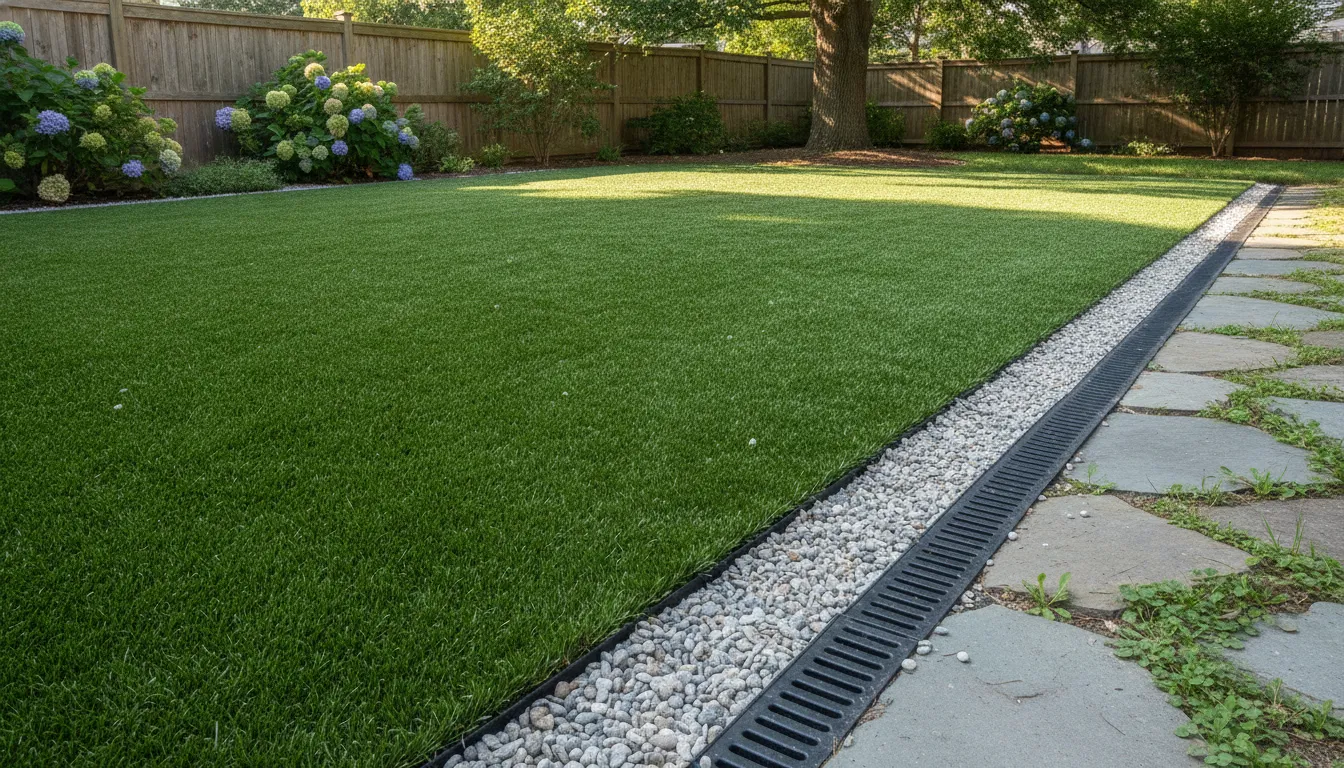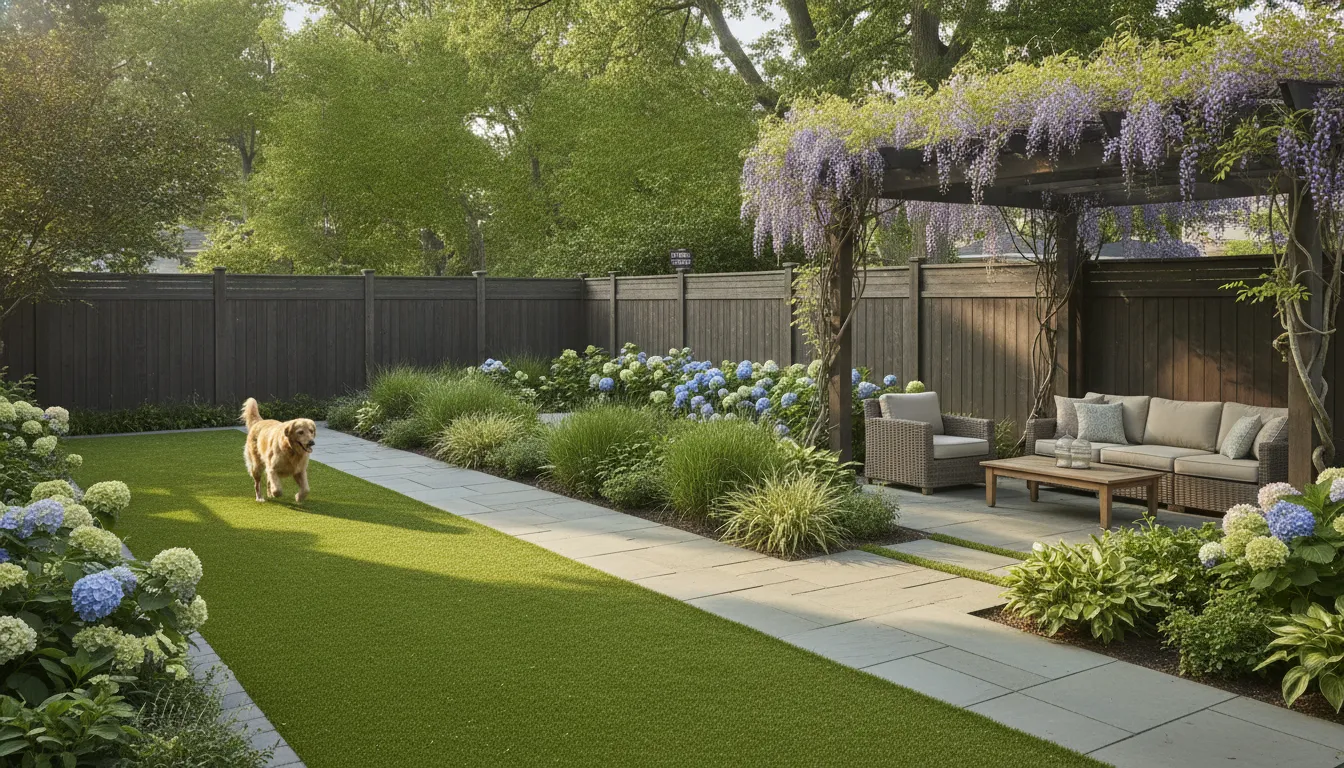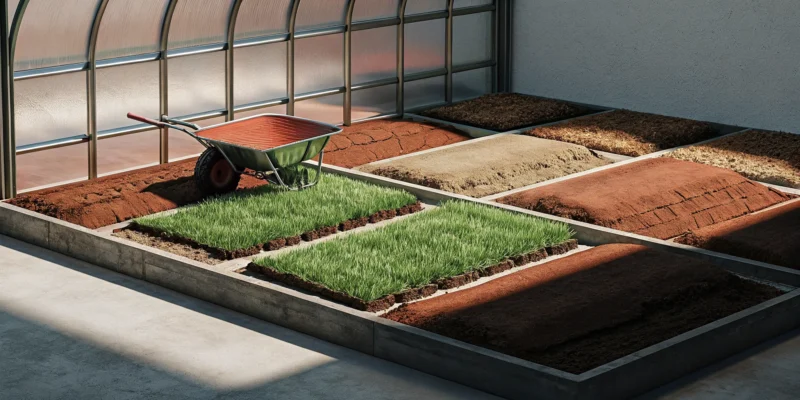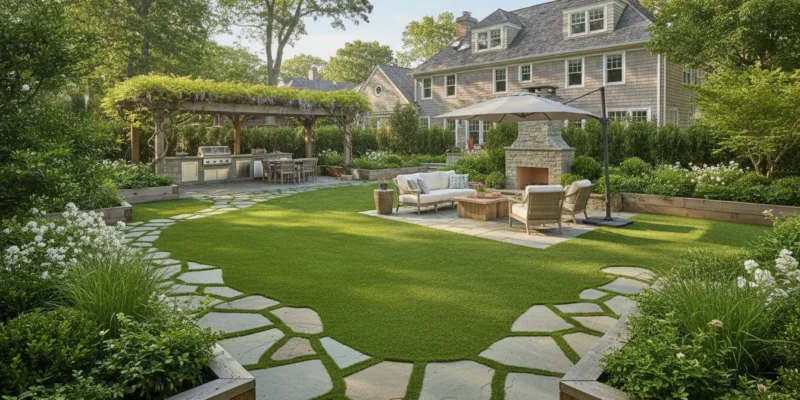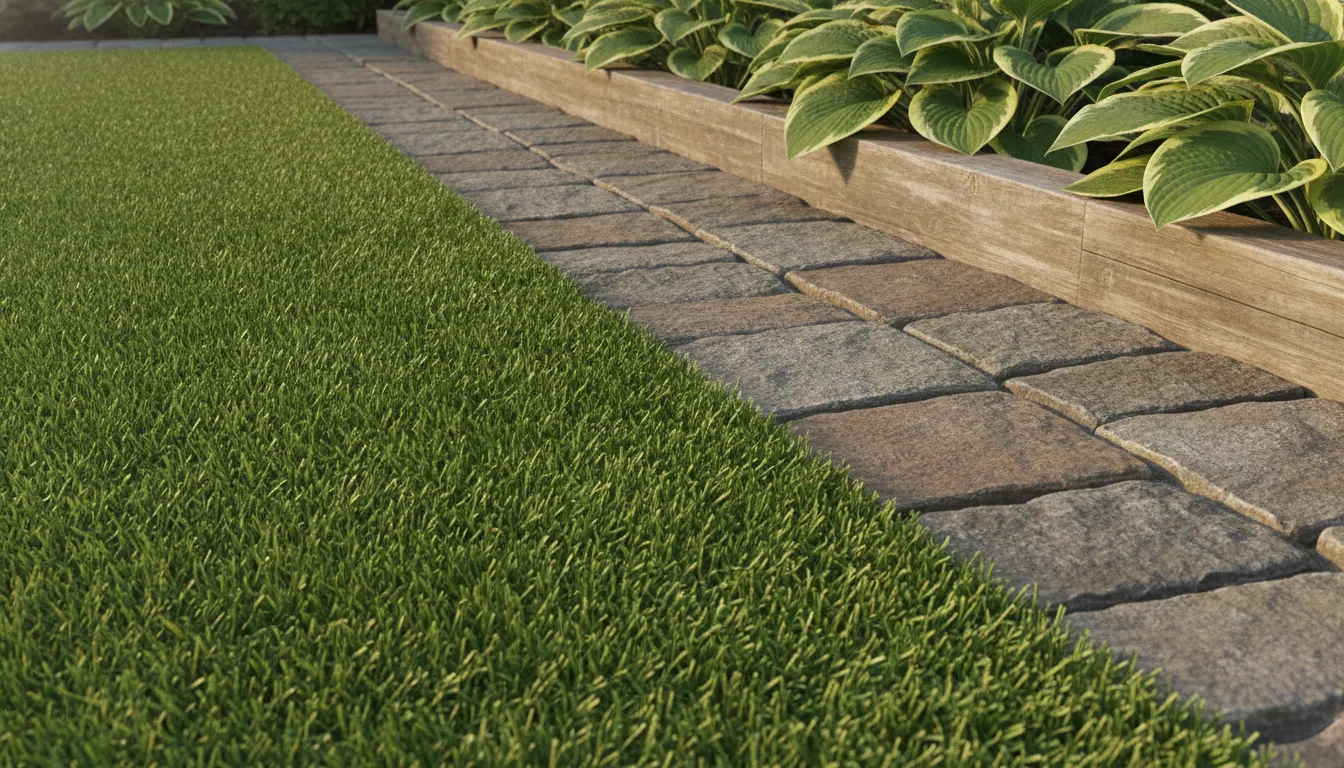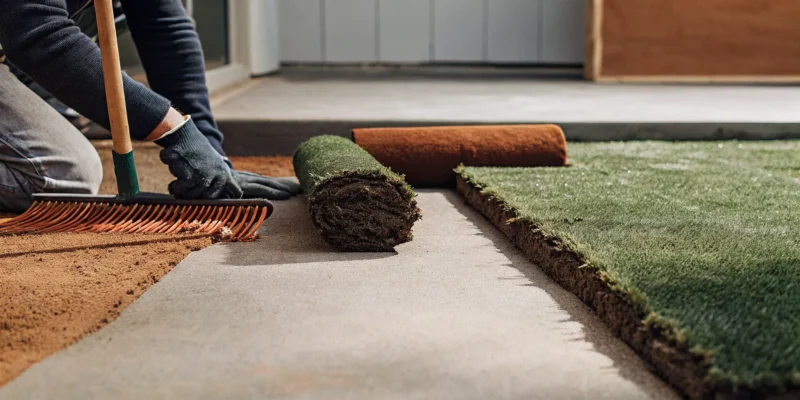
Turf contractor on Long Island installing new artificial grass.

Turf Contractor Near Me Long Island: A Local Guide

Your backyard is more than just grass; it’s a place for your kids to play, your pets to run, and for you to relax. Artificial turf can create the perfect foundation for all of it, from a soft play area to a durable pet-friendly space. A skilled contractor can customize your installation to fit your family’s specific needs. If you’re ready to transform your yard and are looking for a ‘turf contractor near me Long Island,’ choosing the right team is essential. We’ll show you what to look for in a professional who can bring your vision to life.

Key Takeaways

  • Do your homework before hiring: Choosing the right contractor is the most important step. Always verify they are licensed and insured, look through their portfolio of past work, and ask for references to ensure you’re partnering with a trusted professional.
  • Look beyond the lawn for custom solutions: A turf contractor’s job is more than just laying down a green lawn; they are specialists who prepare the ground for proper drainage and can create custom spaces like putting greens, pet-friendly areas, or even Sports Games Courts.
  • Consider the long-term investment: While artificial turf has a higher initial cost than natural grass, it pays for itself over time. You save money by eliminating expenses for water, lawn care services, and fertilizers, all while gaining back your weekends.

What Does a Long Island Turf Contractor Do?

So, what exactly does a Long Island turf contractor do? You might picture someone simply rolling out a carpet of green, but their work is much more detailed and creative. Think of them as a specialist who helps you build the perfect foundation for your outdoor life. Their main goal is to give you a beautiful, durable lawn that fits your family’s needs, whether that means installing pristine artificial turf or helping you manage a lush, natural landscape.

A good contractor starts with a conversation. They’ll talk to you about how you use your yard, what your frustrations are, and what your vision is. Maybe you’re tired of patchy grass in shady spots, or you want a yard that doesn’t turn into a mud pit after it rains. A turf expert listens to these challenges and provides solutions. They handle the entire process, from site preparation and grading to selecting the right materials and performing a flawless installation. Their work goes far beyond the lawn itself, often including custom features that make your yard uniquely yours. A professional contractor provides a complete landscape design that brings your outdoor space together.

Installing and Customizing Artificial Turf

One of the main jobs of a turf contractor is installing and customizing artificial turf. This is a fantastic option for homeowners who want a perfect lawn without the constant upkeep. A professional installation ensures your synthetic lawn looks and feels incredibly natural. The process involves preparing the ground, adding a base layer for drainage, and carefully laying and securing the turf. Customization is key here. Your contractor can help you choose the right blade height, color, and density to match the look you want. With synthetic turf, you can say goodbye to mowing, watering, and fertilizing, giving you more time to simply enjoy your beautiful yard.

Beyond the Lawn: Pet Turf, Playgrounds, and Game Courts

Modern turf contractors do much more than just install green lawns. They can create a variety of specialized spaces tailored to your family’s lifestyle. For pet owners, they can install durable pet turf with advanced drainage systems to handle waste and prevent odors. If you have kids, a contractor can build a safe and soft playground area with cushioned turf. For the sports enthusiast, they can design everything from backyard putting greens that feel like a real course to multi-purpose Sports Games Courts for basketball or pickleball. These custom applications turn a simple backyard into a functional and fun extension of your home.

Caring for Natural Grass Lawns

While artificial turf is a popular choice, many people still love the look and feel of a natural grass lawn. If that’s you, a turf contractor can still be an invaluable resource. They have deep knowledge of the local climate and soil conditions on Long Island. A contractor can provide expert advice on the best types of grass to plant, such as cool-season varieties like tall fescue that thrive in our region. They can also help you establish a new lawn from seed or sod. For homeowners who want a beautiful natural lawn without all the guesswork, a professional can create a care plan or connect you with services to keep your grass healthy and green all year.

Artificial Turf vs. Natural Grass: Which Is Right for Your Yard?

Choosing between a lush, green lawn that’s natural or one that’s artificial involves weighing what matters most to you: your time, your budget, and how you plan to use your yard. Both have their perks, but for many Long Island homeowners, the convenience and year-round beauty of turf are hard to beat. Let’s walk through the key differences to help you decide what’s best for your home.

The Maintenance Difference: Turf vs. Grass

Let’s be honest, maintaining a natural grass lawn on Long Island is a commitment. It demands constant mowing, watering, and fertilizing to stay green. Artificial turf, on the other hand, looks and feels incredibly real but requires almost no upkeep. Imagine reclaiming your weekends from yard work. With a synthetic lawn, you can say goodbye to the mower and the sprinkler. Plus, since it doesn’t need chemical fertilizers or pesticides to stay healthy, you’re choosing a greener option for your yard and the environment. Gappsi offers a variety of synthetic turf that gives you a perfect lawn without the labor.

Your Budget: Long-Term Costs and Water Savings

While the initial investment for artificial turf is higher than for natural sod, the long-term savings are significant. Think about the recurring costs of a grass lawn: water bills, fertilizer, pesticides, and lawn equipment or professional services. These expenses add up over the years. Artificial turf eliminates them entirely. You won’t need to run sprinklers, buy chemicals, or pay for a mower. It’s a smart, low-maintenance alternative that pays for itself over time. As a leading synthetic turf supplier and installer, we help homeowners invest in a beautiful yard that also saves them money.

Factoring in Kids, Pets, and Pests

If you have children or pets, your lawn is more than just scenery, it’s a playground. High-quality artificial turf is made from non-toxic materials designed to be completely safe for both kids and pets. It provides a soft, cushioned surface perfect for playtime, without the worry of grass stains or muddy paws. For pet owners, we can install turf with specialized materials that improve drainage and prevent odors. You also get the added benefit of a yard free from ticks and other pests that thrive in natural grass, creating a safer outdoor space for your entire family.

Enjoying a Perfect Lawn All Year on Long Island

One of the biggest appeals of artificial turf is its unwavering good looks. It stays perfectly green and manicured through every season, from the summer heat to the winter chill. Unlike real grass, which can develop worn-out patches in high-traffic areas, turf is incredibly durable and resilient. It’s an ideal solution for busy families and anyone who loves to entertain outdoors. You can see how our installations transform yards by checking out the projects on the Gappsi YouTube channel. You get a flawless lawn that’s always ready for a barbecue, a game of catch, or simply relaxing in the sun.

How to Choose the Right Turf Contractor

Choosing the right contractor is the most important step in getting a beautiful, long-lasting artificial lawn. A great installation starts with a great team. Your contractor will not only lay the turf but also prepare the ground, ensure proper drainage, and secure the edges for a flawless finish. The quality of their work determines whether your new lawn will look amazing for years or become a headache. Finding a partner you trust, who understands your vision and has the expertise to bring it to life, makes all the difference. This guide will walk you through how to find a reliable turf contractor on Long Island, so you can feel confident in your investment and get the yard you’ve always wanted.

Check for Licenses, Certifications, and Insurance

First things first, let’s talk credentials. You wouldn’t hire an unlicensed electrician, and the same logic applies here. A professional turf contractor should be fully licensed and insured in New York. This is non-negotiable. A license proves they meet state requirements, while insurance protects you from liability if an accident happens on your property during installation. Ask for proof of both general liability insurance and worker’s compensation. A reputable company will have no problem providing this information. This simple step ensures you’re working with a legitimate business that stands by its work and protects its clients. It’s the foundation of a successful and stress-free home improvement project.

Look at Reviews, References, and Past Projects

Once you’ve confirmed a contractor is licensed and insured, it’s time to look into their reputation. What are past clients saying about them? Check online reviews on sites like Google and Yelp, but also ask the contractor for a list of references you can call. Speaking directly with former customers gives you a chance to ask specific questions about their experience. Don’t forget to look at their portfolio. A contractor who is proud of their work will have plenty of photos and videos of completed projects. This allows you to see the quality of their installations and get ideas for your own space. A deep portfolio, like the projects on the Gappsi YouTube channel, shows a history of dedication and customer satisfaction.

Ask About Turf Quality and Certifications

Not all artificial turf is made the same, so it’s important to ask about the product itself. Find out where the turf is manufactured and what materials are used. High-quality turf, like some options sourced from Italy, is often made from non-toxic materials that are safe for kids and pets. Ask if the turf has any certifications, which can indicate it has passed rigorous testing for durability and safety. A good contractor will be knowledgeable about their products and can explain the differences between various turf options. They should also provide you with samples so you can see and feel the quality for yourself before making a decision on your synthetic turf installation.

Understand Warranties and Aftercare

A beautiful new lawn should be an investment you can enjoy for years. That’s why understanding the warranty is crucial. There are typically two parts to a turf warranty: one for the product itself from the manufacturer, and one for the installation from the contractor. The product warranty covers issues like fading or defects, while the installation warranty covers the workmanship. Make sure you get both in writing and understand what is covered and for how long. Also, ask about aftercare. While artificial turf is low-maintenance, your contractor should provide guidance on how to keep it looking its best. Some companies may even offer services like cleaning and restoration to help extend the life of your investment.

Get Multiple Quotes and Compare for Value

It’s always a good idea to get quotes from a few different contractors. However, don’t make the mistake of choosing based on price alone. The cheapest bid is rarely the best value. When you compare quotes, make sure you’re comparing apples to apples. Does the price include ground preparation, high-quality materials, installation, and cleanup? A detailed quote will break down all the costs so you know exactly what you’re paying for. A low price might mean the contractor is cutting corners on materials or site prep, which can lead to problems down the road. Focus on finding a contractor who offers a fair price for excellent work and superior materials.

Spotting the Red Flags

As you meet with contractors, keep an eye out for any red flags. Be cautious of anyone who gives you a quote without visiting your property, pressures you to sign a contract immediately, or asks for the full payment upfront. A professional contractor will want to see the space to provide an accurate estimate. Other warning signs include a lack of a professional website, no physical business address, or vague answers to your questions. A trustworthy company will be transparent, patient, and happy to provide all the information you need to feel comfortable. Choosing a well-established company like Gappsi with a long history on Long Island can give you peace of mind that you’re working with a reliable partner.

What Does Turf Installation Cost on Long Island?

Let’s talk numbers. When you’re planning a major upgrade to your yard, the cost is naturally one of the first things on your mind. The price for professional artificial turf installation on Long Island isn’t a simple, one-size-fits-all figure. Think of it as an investment in your home’s value and your own lifestyle, one that pays you back in time, water savings, and year-round beauty. The total cost depends on a mix of factors, from the size of your lawn to the specific type of turf you choose.

While the initial investment for artificial turf is higher than laying down natural sod, the long-term savings are significant. You can say goodbye to spending money on fertilizers, pesticides, and lawnmowing services. Plus, you’ll see a noticeable drop in your water bill. A trustworthy contractor will walk you through a detailed, itemized quote, so you know exactly where your money is going. They should explain the costs for materials, labor, and any necessary site preparation. This transparency helps you understand the full value you’re receiving and ensures there are no surprises down the line. Gappsi offers a complete range of synthetic turf options and provides clear estimates for every project.

Key Factors That Affect Pricing

The final price tag on your turf project is shaped by a few key variables. The most obvious is the square footage of the area you want to cover. Beyond size, the specific type of turf you select plays a big role. High-end turf with dense fibers, realistic color variations, and specialized backings will cost more than a basic option. Your yard’s current condition also matters. If your property needs extensive grading, drainage solutions, or removal of old landscaping, this prep work will add to the overall cost. The complexity of the design, like fitting turf around a pool or creating custom putting greens, can also influence the labor estimate.

A Cost Breakdown: Artificial Turf vs. Natural Grass

When you compare artificial turf to natural grass, it’s important to look at the whole picture, not just the upfront cost. Natural grass seems cheaper at first, but its lifetime expenses add up quickly. You have to account for constant watering, mowing, fertilizing, and pest control. Over a few years, these recurring costs can easily surpass the initial price of a turf installation. Artificial turf is a fantastic option for homeowners who want a beautiful, low-maintenance alternative to a traditional lawn. You make a larger investment initially, but you gain years of a perfect-looking lawn with minimal effort and expense, making it a smart financial choice for many Long Island families.

Important Questions to Ask Before You Sign

Choosing your turf based on price alone is a common mistake that can lead to disappointment. To make sure you’re getting the best value, arm yourself with the right questions before you commit to a contractor. Ask about the warranty for both the turf material and the installation itself. Inquire about their installation process, specifically what kind of base material they use to ensure proper drainage. Always request turf samples so you can see and feel the quality for yourself. It’s also wise to ask about recommended care. For example, if you plan to use a cleaning agent, you should test it in a small, out-of-the-way area first. A professional contractor will be happy to answer these questions and guide you to the best decision for your home.

Your Guide to Top Turf Contractors on Long Island

Finding the right team to bring your vision for a perfect lawn to life is a big decision. You want a contractor who not only understands the local Long Island environment but also has the expertise to deliver a beautiful, long-lasting result. To help you with your search, here’s a look at a top local provider and some key things to consider when evaluating any contractor for your turf project.

Gappsi

When you start your search on Long Island, Gappsi is a name you’ll see at the top of the list, and for good reason. As a premier supplier and installer in both Nassau and Suffolk County, they have a strong reputation for quality work. They offer a beautiful selection of Italian-made turf that looks incredibly realistic, maintaining that lush green appearance all year. Plus, it’s completely non-toxic and lead-free, so you can have peace of mind while your kids and pets play. Whether you’re dreaming of a perfect front lawn, a backyard putting green, a safe playground, or even a custom sports games court, Gappsi has the synthetic turf options to make it happen.

What to Look for in Other Local Contractors

As you explore your options, doing a little homework on any contractor is always a smart move. Think of it like hiring any professional for your home; you want someone with the right credentials. A key thing to look for in an installer is proper certification. A qualified team will be certified to install turf in New York, ensuring they follow industry best practices for a flawless finish. Don’t hesitate to ask for proof of their credentials and insurance. A well-executed artificial grass installation can completely transform your outdoor space, giving you a gorgeous, low-maintenance lawn you can enjoy for years. Taking the time to find a great landscape design company is the first step toward that goal.

Related Articles

Frequently Asked Questions

What kind of upkeep does artificial turf actually need? While artificial turf frees you from mowing and watering, it isn’t completely maintenance-free. Think of it more as very low maintenance. To keep it looking its best, you’ll want to occasionally rinse it with a hose to clear away dust and pollen. It’s also a good idea to use a stiff-bristled broom or a leaf blower to remove leaves and other debris. For pet owners, solid waste should be picked up just like on a regular lawn, and the area should be rinsed to prevent odors.

How long can I expect my artificial turf to last? A professionally installed, high-quality artificial lawn is a long-term investment in your home. You can generally expect it to last for 15 to 20 years, and sometimes even longer. The lifespan depends on a few things, including the quality of the turf material itself, the amount of foot traffic it gets, and how well it was installed. A proper base preparation and installation are critical for ensuring your turf remains beautiful and functional for many years.

Is artificial turf safe for my children and pets to play on? Absolutely. Reputable turf manufacturers create products that are non-toxic and lead-free, making them perfectly safe for the whole family. The materials provide a soft, cushioned surface that can help reduce scrapes from falls, which is great for play areas. For pets, specialized turf systems with enhanced drainage are available to help manage waste and keep your yard smelling fresh. It also eliminates the need for chemical pesticides and fertilizers, creating a healthier outdoor environment for everyone.

Can artificial turf be installed around my pool or on a sloped yard? Yes, artificial turf is incredibly versatile and works well in tricky landscape situations. It’s an excellent choice for pool surrounds because it provides a clean, green look without the mess of grass clippings or mud getting into the water. It also drains quickly, reducing slippery puddles. For sloped or uneven areas where growing natural grass is difficult, turf can be expertly installed to create a smooth, usable surface that looks great and prevents soil erosion.

Why is professional installation so important for artificial turf? Hiring a professional is crucial because a flawless result depends entirely on the work done beneath the surface. A proper installation involves excavating the area, building a compacted base for drainage, and ensuring the turf is perfectly seamed and secured. If the base isn’t prepared correctly, you can end up with dips, poor drainage, or weeds growing through. A professional contractor has the right equipment and expertise to guarantee your lawn looks natural and performs well for its entire lifespan.
Share this page:
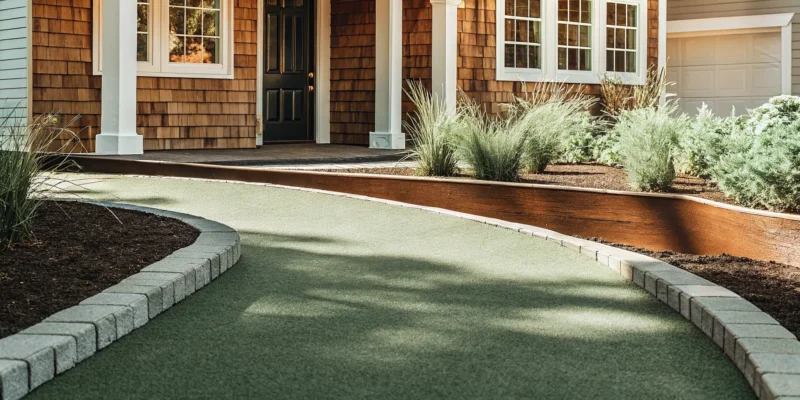
Artificial grass lawn and walkway in the front yard of a Nassau County home.

Artificial Grass Nassau County: A Homeowner’s Guide

Your yard should be a place for relaxation and fun, not a source of constant chores. For many families, however, a traditional lawn means dealing with patchy spots, muddy paws, and an endless to-do list. This is where a modern landscaping solution can completely change your outdoor experience. Today’s turf is not the fake-looking plastic of the past; it’s a premium, realistic surface that stays lush and green in every season. By choosing artificial grass in Nassau County, you are investing in more than just your property’s curb appeal. You are reclaiming your free time and creating a durable, beautiful space for your family to enjoy for years to come.

Key Takeaways

  • Invest in Your Lifestyle, Not Just Your Lawn: Choosing artificial grass is a long-term investment in your time and peace of mind. You trade the endless cycle of mowing and watering for a consistently beautiful yard and significant savings on water and maintenance costs over the years.
  • Focus on Quality for a Lasting Look: To ensure your new lawn looks great for years, examine the product’s specifications. Key features like UV resistance, a high drainage rate for pets, and the right pile height for your intended use are all indicators of a high-quality turf that will stand the test of time.
  • Choose Your Installer as Carefully as Your Turf: The best artificial grass can fail with poor installation. A professional installer’s expertise is critical, so look for a team with a strong local portfolio, a transparent process, and a solid warranty covering both the product and their workmanship.

Is Artificial Grass the Right Choice for Your Nassau County Home?

Deciding what to do with your lawn is a big part of creating a home you love. For many homeowners in Nassau County, the choice between a traditional lawn and artificial grass comes down to lifestyle, maintenance, and long-term value. A natural lawn can be beautiful, but it demands constant work, from mowing and watering to weeding and fertilizing. If you find yourself spending more time working on your yard than enjoying it, it might be time to consider an alternative.

High-quality artificial grass offers a practical and beautiful solution that gives you a perfect lawn without the endless upkeep. It’s not the plastic-looking turf of decades past. Today’s options are incredibly realistic, durable enough for the most active families, and offer surprising environmental benefits. Let’s look at what makes synthetic turf such a compelling choice for so many of your neighbors.

Enjoy Effortless Curb Appeal Year-Round

Imagine your lawn looking lush, green, and perfectly manicured every single day of the year. With Long Island’s hot summers and cold winters, keeping a natural lawn vibrant is a constant battle. You’re either watering it constantly or watching it turn brown and dormant. Artificial grass completely changes the game. Your lawn will look amazing and green no matter the season, giving your home incredible curb appeal without you having to lift a finger.

This means you can say goodbye to weekend mornings spent behind a lawnmower and afternoons spent pulling weeds. Instead of a chore list, your yard becomes a beautiful backdrop for your life. You get all the aesthetic benefits of a pristine lawn with none of the demanding labor, freeing up your time for what really matters: relaxing and making memories in your outdoor space.

Get a Realistic, High-End Look for Your Yard

One of the biggest hesitations homeowners have about artificial grass is the fear that it will look fake. That’s a valid concern, but thankfully, technology has come a long way. Most modern artificial grass is so realistic that it’s often hard to tell the difference. With varied blade shapes, thatch layers, and multi-tonal green fibers, today’s turf masterfully mimics the look and feel of a healthy, natural lawn.

This isn’t a cheap-looking shortcut; it’s a premium landscaping product that adds a clean, high-end finish to your property. You can see for yourself how seamlessly it integrates into different landscapes by watching some of our project showcases. A well-installed turf lawn stays vibrant and green year-round without the patchiness or upkeep of natural grass, providing a consistently beautiful surface that truly enhances your home.

Find a Durable Solution for Kids, Pets, and High Traffic

If you have kids or pets, you know the struggle of maintaining a natural lawn. High-traffic areas quickly get worn out, turning into patchy, muddy messes. Modern artificial grass is specifically designed with pet safety and family fun in mind. It’s a durable, non-toxic surface that can handle everything from soccer practice to a dog’s daily zoomies without showing wear and tear.

One of the best parts is the easy cleanup. Pet messes can be simply rinsed away, and you’ll never have to worry about muddy paws being tracked through your house again. Because it’s so resilient, artificial turf is also the perfect foundation for backyard putting greens or sports games courts. It provides a safe, even, and reliable surface for play, ensuring your yard is always ready for action.

Conserve Water and Reduce Your Environmental Footprint

Choosing artificial grass is also a smart move for the environment and your wallet. Think about how much water a natural lawn requires, especially during Nassau County’s dry summer months. Artificial grass eliminates the need for watering, which can significantly reduce your household water consumption and lower your utility bills. It also cuts down on ongoing maintenance costs since you won’t be buying fertilizer, pesticides, or gasoline for a mower.

Beyond water conservation, you’re also creating a healthier environment for your family. Artificial grass eliminates the need for lawn chemicals and gas-powered mowers, both of which can harm the environment. By making the switch, you reduce your carbon footprint and stop introducing potentially harmful pesticides and herbicides into your yard. It’s a sustainable choice that offers peace of mind and long-term savings, making it a responsible investment in your home.

What to Look for in an Artificial Grass Product

Once you’ve decided to make the switch, the next step is choosing the right product. It’s easy to assume all artificial grass is the same, but the quality and features can vary quite a bit. Think of it like picking out any other important material for your home, like flooring or countertops. The right choice depends on your lifestyle, your aesthetic goals, and how you plan to use the space. To make a confident decision, you’ll want to look at a few key characteristics.

From the height and shape of the blades to the materials used for backing and infill, every detail matters. A high-quality synthetic turf product will not only look incredibly realistic but will also stand up to years of family fun, pet antics, and Long Island weather. We’ll walk through the most important factors to consider so you can find the perfect artificial grass for your yard.

Pile Height and Blade Shape

The length of the grass blades, known as pile height, is one of the first things you’ll notice. A longer pile height, around 1.5 to 2 inches, creates a lush, luxurious look that’s perfect for front yards or low-traffic areas where you want maximum curb appeal. For spaces that see more action, like a play area for kids or a backyard putting green, a shorter pile height is more practical. It’s more resilient and easier to clean. The shape of the individual blades also affects the turf’s performance. Different blade shapes (like C, S, or W shapes) are engineered to be softer, more durable, or better at staying upright, giving you a lawn that always looks freshly mowed.

Drainage and Pet-Friendly Features

If you have pets, proper drainage is non-negotiable. High-quality artificial grass is designed with a permeable backing that allows liquids, like rain or pet urine, to pass through easily into the sub-base below. This prevents puddles from forming and helps keep odors at bay. When you’re shopping, ask about the drainage rate. You’ll also want to consider the infill, which is the material spread between the grass blades. Many modern infills are made from non-toxic, natural substances like coated sand, which is completely safe for pets and helps with drainage and odor control. A well-designed turf system ensures your yard stays fresh and clean for everyone in the family, including your four-legged members.

UV Resistance and Warranty

Here on Long Island, our lawns get a healthy dose of sunshine. That’s why it’s essential to choose an artificial grass product with excellent UV resistance. Look for turf that has been treated with UV inhibitors during the manufacturing process. This protection acts like sunscreen for your lawn, preventing the blades from fading or breaking down over time. A strong manufacturer’s warranty is your best indicator of a product’s durability. A comprehensive warranty that covers fading and defects for 10 years or more shows that the company stands behind its product. You can find a variety of high-quality, warrantied options at the Gappsi Store to ensure your investment is protected.

Does It Really Look Fake?

This is one of the most common questions we hear, and it’s a valid one. Early versions of artificial grass definitely had an unconvincing, plastic look. Thankfully, technology has improved dramatically. Today’s premium turf products are designed to look and feel incredibly realistic. They achieve this by blending multiple colors of green and brown fibers to mimic the natural variations in a real lawn. Many also include a textured “thatch” layer at the base of the blades. When you see these products in person, you’ll be amazed at how closely they resemble natural grass. You can see examples of our finished projects on the Gappsi YouTube channel to judge for yourself.

Is It Safe for Kids and Pets?

Absolutely. Your family’s safety is the top priority, and modern artificial grass is designed with that in mind. Reputable manufacturers produce turf that is non-toxic and lead-free, making it a safe surface for children and pets to play on. In fact, it can even be safer than a traditional lawn because it eliminates the need for chemical fertilizers, pesticides, and weed killers. For play areas, you can also install a foam under-padding for extra cushioning to help protect against falls. Choosing artificial grass means creating a beautiful, worry-free environment for your entire family to enjoy, which is a core part of any great home improvement project.

Understanding the Cost of Artificial Grass in Nassau County

Let’s talk about the budget. Deciding to install artificial grass is a big step, and it’s natural to wonder about the cost. Think of it not as an expense, but as an investment in your home and your lifestyle. While the initial price is higher than a bag of grass seed, the long-term value you get from a beautiful, low-maintenance yard is priceless. You’re buying back your weekends and creating a consistently gorgeous outdoor space for your family to enjoy for years to come. We’ll break down the numbers so you can see how it all adds up and make an informed decision for your Nassau County home.

A Breakdown of Cost Per Square Foot

When you start looking at prices, you’ll see them listed per square foot. For high-quality synthetic turf, you can expect the cost to range from $5 to $12 per square foot. This price typically includes both the turf itself and the professional installation. The final cost can vary depending on the specific type of turf you choose and the complexity of your yard. A higher price often reflects a more durable, realistic-looking product with a better warranty, which is exactly what you want for a long-term solution.

Comparing Costs: Artificial Turf vs. Traditional Lawn Care

It’s easy to see the upfront cost of turf, but what about the hidden costs of a natural lawn? Over 12 years, maintaining a traditional lawn can cost between $12,000 and $16,500 when you add up mowing, watering, fertilizing, and pest control. In contrast, the average annual maintenance for synthetic grass is significantly lower. While the initial investment is greater, you quickly start to see a return. You’re not just paying for grass; you’re paying to get rid of the constant work and expense that a natural lawn requires.

How You’ll Save Money in the Long Run

The long-term savings are where artificial grass truly shines. The most immediate impact is on your water bill. By eliminating the need for sprinklers, you could save thousands of dollars over the life of your lawn. But the savings don’t stop there. You can also say goodbye to buying and maintaining a lawnmower, purchasing fertilizer and pesticides, and paying for seasonal reseeding. When you add it all up, the initial investment in a beautiful, worry-free landscape design starts to look very attractive.

Exploring Your Financing Options

Making a significant home improvement shouldn’t feel out of reach. Many homeowners use financing to make the project more manageable. There are several great options to consider, such as installer financing programs, unsecured personal loans, or even home equity products. Some people also use introductory 0% APR credit cards to cover the cost. When you work with a professional installer, they can often walk you through the available choices. These options make it easier to move forward with your home remodeling project and start enjoying your new yard sooner.

How to Choose the Best Artificial Grass Installer

Selecting the right artificial grass is only half the battle; the quality of the installation is what truly determines the look, feel, and longevity of your new lawn. A subpar installation can lead to seams showing, poor drainage, and a lumpy surface, completely undermining your investment. The right installer acts as your partner, bringing expertise and craftsmanship to ensure your project is a success from the ground up. They should have a deep understanding of Long Island’s specific climate and soil conditions to prepare the base correctly, which is crucial for a lasting result.

When you’re ready to transform your yard, you need a team with proven experience, a wide selection of quality products, and a transparent process. A great installer will walk you through your options, from different blade shapes and pile heights to the best infill for your needs, whether you have active kids, pets, or are creating a personal putting green. Finding a company that handles everything from design to the final sweep makes the entire experience seamless and stress-free. At Gappsi, we manage the complete installation of synthetic turf and sports games courts, ensuring every detail is perfect and tailored to your home.

Key Questions to Ask Any Installer

Before you commit, it’s important to ask a few key questions to make sure you’re hiring a true professional. Think of it as a friendly interview to find the best fit for your home. Start by asking about their experience, specifically with projects in Nassau County. A portfolio of local work is a great sign.

Next, inquire about their product selection and durability. Ask, “What turf options do you offer, and which do you recommend for my needs?” A quality installer will provide a variety of choices and explain the benefits of each. Finally, get clear on their process and protection. You’ll want to know what their installation entails from start to finish and what kind of warranty they offer on both the materials and their workmanship.

Common Red Flags to Avoid

Just as there are signs of a great installer, there are also red flags that should give you pause. Be cautious if a company is unwilling to provide detailed, straightforward answers about their products, pricing, or installation process. A lack of transparency is often a sign that they are cutting corners. If they can’t clearly explain how they prepare the base or what materials they use, it’s best to walk away.

Another major red flag is a poor reputation or a complete lack of reviews. Check for online testimonials and ask for local references you can contact. A company proud of its work will be happy to share examples. You can see our projects and hear from our clients directly on our YouTube channel. Also, be wary of high-pressure sales tactics or installers who offer a very limited warranty. A confident professional will stand by their work for years to come.

The Gappsi Difference: Our Installation Process

At Gappsi, we believe a flawless installation begins long before the turf is unrolled. Our process starts with a comprehensive consultation and a thorough assessment of your property. We take the time to understand your vision and analyze your yard’s specific needs, from grading to drainage. This allows us to create a custom plan that ensures your new lawn is not only beautiful but also functional and durable.

We use only high-quality materials, from the aggregate base to the premium synthetic turf itself. Our expert team prepares the ground meticulously to create a stable, permeable foundation that will prevent sinking and puddling for years. We focus on customer satisfaction above all else, ensuring every installation meets our high standards and your expectations. Our goal is to provide you with a stunning, low-maintenance lawn that you and your family will enjoy for years to come.

Related Articles

Frequently Asked Questions

How do I actually take care of artificial grass? Caring for artificial grass is refreshingly simple. The main tasks are to rinse it with a hose periodically to wash away dust and pollen, and to use a stiff-bristled broom to fluff up the fibers in high-traffic areas. You will also want to remove leaves and other debris just as you would from a patio. It is a huge change from the constant mowing, watering, and weeding required for a natural lawn.

How does artificial grass hold up in Long Island’s weather, like snow and summer heat? High-quality turf is built to handle all four seasons. In the winter, snow can be left to melt naturally without harming the grass. During hot summer days, the surface can get warm in direct sunlight, but modern turf products are designed with technology to minimize heat absorption. A quick spray with a hose can cool it down instantly if needed, and it cools off quickly once it’s in the shade.

How long can I expect my new artificial lawn to last? A professionally installed lawn using premium, UV-protected turf is a long-term investment in your home. You can expect it to look great and perform well for 15 years or even longer. The key factors are the quality of the turf product you choose and the expertise of the installation, which is why a strong warranty is so important.

Is artificial grass safe for my kids and pets to play on? Yes, it is completely safe. Reputable artificial grass is made from non-toxic, lead-free materials, creating a worry-free play surface. It also eliminates the need for the chemical pesticides and fertilizers used on natural lawns. For extra safety in play areas, a shock-absorbent pad can be installed underneath the turf to provide extra cushioning.

What does the installation process actually involve? A professional installation is a multi-step process that ensures your lawn looks perfect and drains properly for years. The process begins with removing the existing grass and soil. Then, a base of crushed stone is installed and compacted to create a stable, permeable foundation. The turf is then rolled out, carefully cut to fit your yard, and seamed together. Finally, infill is spread across the surface and brushed into the fibers to help the blades stand up and add resilience.

Share this page:
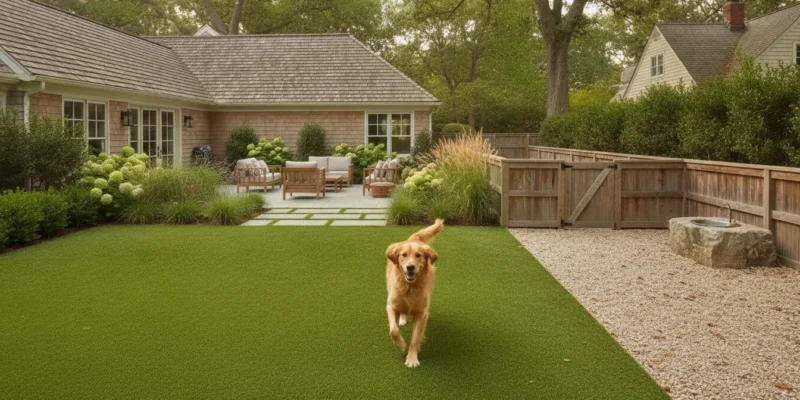
Dog enjoying a landscaped artificial turf run in a Long Island backyard

Artificial Grass for Dogs: Drainage and Care Guide

.

A dog-friendly backyard is easier to maintain when the surface, base, drainage path, and cleanup routine are planned together. Artificial turf is not simply a layer of green blades placed over an existing lawn. On Long Island, the right design must account for soil conditions, rain, urine flow, solid-waste removal, summer sun, and how the area connects to fencing, patios, and planting.

Contact Gappsi through our contact page

The best artificial grass for dogs is part of a complete system. It includes a properly prepared base, permeable backing, planned drainage, durable seams and edging, access for rinsing, and a realistic maintenance routine. Performance depends on site design, installation, product selection, sanitation, and heat management, so an odor-free or cool surface should never be assumed.

Whether you are planning a small dog run in Nassau County or a larger pet area in Suffolk County. Start by defining what the installation must handle every day. That begins with the turf surface and the layers beneath it.

What should artificial grass for dogs include?

A residential pet area should be planned as a complete surface and drainage system, not selected by blade appearance alone. The turf surface is only one part of the installation. A practical setup also accounts for the backing, compacted base, grading, drainage path, seams, edging, and access for routine cleaning. These details matter whether you are converting a small side yard in Smithtown or planning a larger dog run elsewhere in Nassau or Suffolk County.

The turf surface and backing should be appropriate for regular pet use and matched to the intended area. Pet-specific turf is available, but the right selection depends on how the space will be used. How much direct sun it receives, and how it connects to the rest of the backyard. Under the blades, a suitable backing needs to support water movement through the system. A permeable backing can allow urine to pass through, but it does not remove the need for proper grading, a suitable base, and an outlet or dispersal plan.

The base and drainage path are just as important as the finished turf. Ground preparation and topsoil grading help establish a stable surface and direct water where it belongs. The installation plan should consider existing soil, low spots, nearby structures, and whether water can disperse without collecting beneath the turf. Gappsi’s landscape division handles grading, drainage, irrigation, planting, and turf integration, which is useful when the pet area must work with the entire property. Homeowners can review the broader Long Island landscape design and construction scope when planning these connections.

Edges, seams, and transitions also deserve attention. Secure edging helps define the area, while properly planned seams reduce visible breaks and potential catch points. A dog run may transition to pavers, planting beds, a patio, or natural lawn. Those transitions should be comfortable to cross and positioned so they do not interfere with gates, mowing, irrigation, or cleanup.

Finally, include sanitation access in the design. Solid waste still requires prompt removal, and the surface may need rinsing or system-specific cleaning. Leave enough room to reach the area with a hose and cleaning tools. A full yard or constructed dog run can be designed around these needs. A portable potty mat may be convenient for a temporary use, but it does not solve property-wide grading, drainage, fencing, or access concerns. For a long-term residential project, those site decisions should be made before the turf is ordered.

How does drainage prevent dog-urine odor?

Odor control starts below the visible blades. In a properly designed system, permeable backing allows liquid to move through the turf rather than remain on the surface. A compacted, properly graded base then provides a path for that liquid to disperse or reach a planned drainage outlet. This can reduce the concentration of urine at the blade level, but it does not make artificial grass odor-free by itself.

Call Gappsi Group at Contact Gappsi through our contact page to discuss drainage, grading, and a dog-friendly turf layout for your Long Island property.

Why grading and the base matter

Water needs somewhere to go after it passes through the turf. If the area is flat where it should be sloped, or if the underlying base holds water, urine can remain in the system longer than intended. Poor drainage may also leave wet areas near edging, seams, fences, foundations, or other low points. During planning, the installation team should evaluate existing soil, surface grades, nearby structures, and the most practical route for dispersal.

The base is more than a layer that supports the turf. It helps create a stable, even surface while contributing to the drainage path. Excavation, aggregate selection, compaction, and grading all affect how the finished area handles liquid. A dog run beside a house may require a different drainage approach than a larger turf section in an open backyard. The design should account for both ordinary rainfall and the concentrated use of a pet bathroom area.

What drainage cannot solve alone

Drainage handles liquid, not solid waste. Remove feces promptly so residue does not remain on the blades or wash into the system. Regular rinsing can help move residue through the backing when the system and site drainage are designed for it. Focus additional attention on the places your dog uses most often. Spot cleaning and system-appropriate sanitation may also be needed, especially during warm weather or periods of frequent use.

Persistent odor is a reason to investigate, not a reason to apply stronger products at random. Possible causes include a blocked or undersized drainage path, a low area that stays damp. Contaminated infill, inadequate rinsing, or sanitation practices that do not match the turf system. Cleaning agents should be selected for the installed materials and used according to their directions. Harsh or unsuitable chemicals may affect turf components, nearby planting, or runoff.

For homeowners comparing artificial grass for dogs, ask how the complete system will manage urine, rainwater, solid waste, cleaning access, and future maintenance. A coordinated plan for the turf, base, grading, edging, and surrounding landscape gives odor control a stronger foundation than the turf surface alone.

How do you prepare the site for a dog-friendly turf area?

A dependable installation starts below the turf surface. For Long Island homeowners, the site plan should account for existing soil, runoff, access. Nearby foundations, and how the dog area will connect to the rest of the yard. Artificial grass for dogs performs as part of a complete system, including a prepared base, planned drainage, secure edges, and seams that can withstand regular use. Use this sequence to clarify the work before selecting a surface.

  1. Review the existing site. Identify low areas, compacted soil, standing-water patterns, tree roots, irrigation lines, downspouts, utilities, fences, gates, patios, and the route from the house. Note where the dog naturally enters, rests, plays, and relieves itself. This review helps determine whether the turf should occupy the full yard or a defined run. It also identifies conditions that could affect cleaning access and future landscape maintenance.
  2. Plan excavation and removal. Remove the existing lawn, unsuitable topsoil, roots, debris, and organic material to create a stable construction area. The required depth depends on the existing conditions and the planned turf system. So it should be established during the site assessment rather than guessed from a generic guide. Proper ground preparation limits settlement and gives the base room to perform as designed.
  3. Establish positive grading. Shape the subgrade so water moves away from the house, retaining walls, and other vulnerable structures. Grading should also respect adjoining planting beds, walkways, and paved areas. On Long Island, a drainage plan needs to respond to the specific property instead of assuming every Nassau or Suffolk site has the same soil or runoff behavior.
  4. Install and compact the aggregate base. Place the specified aggregate in controlled lifts, then compact it to form a firm, even foundation. The base supports the turf and helps manage water moving through the system. Check the finished surface for soft spots, abrupt changes, and areas that could hold water before the turf is installed.
  5. Confirm the drainage destination. Water needs a deliberate outlet or dispersal path. Review whether runoff can connect to an approved existing drainage feature, disperse appropriately on the property, or require another site-specific solution. Gappsi identifies synthetic turf backyard installation considerations for Long Island homeowners, while its landscape team coordinates grading and drainage with broader yard improvements.
  6. Protect equipment access and service routes. Decide how materials and installation equipment will reach the work area without damaging gates, planting, masonry, or neighboring property. Preserve practical access for rinsing, waste removal, repairs, and seasonal landscape work. A narrow side yard may influence the turf layout, staging plan, or gate design.
  7. Detail seams and edging. Lay turf so seams are planned away from high-turn areas when possible, then secure and finish them carefully. Use suitable edging where turf meets soil, fencing, planting, or hardscape. Loose edges and visible seams can become maintenance concerns, especially where dogs run, dig, or repeatedly turn.
  8. Design clean transitions. Connect the turf to pavers, patios, planting beds, gates, and other backyard features with transitions that are easy to cross and clean. A coordinated Long Island dog-run installation can address fencing, privacy screening, circulation, and the relationship between the pet area and the rest of the property. Confirm the final drainage, edges, and access before the surface is opened for use.

What maintenance does artificial grass for dogs require?

Artificial grass for dogs reduces some lawn chores, but it is not maintenance-free. A clean pet area depends on a simple routine that keeps solid waste off the surface. Moves residue through the drainage path, and catches small problems before they affect the whole installation. The exact cleaning schedule will vary with the number of dogs, the size of the area, weather, and the turf system selected.

Start with daily waste removal. Scoop solid waste as soon as practical, allowing softer material to firm up before lifting it if needed. Use a suitable scoop rather than dragging waste across the blades. Prompt removal keeps residue from being walked into the turf and gives rain or rinsing water a clearer path through the surface. Check the entire dog area, including corners near fencing, gates, edging, and places where a dog tends to return.

Water moving through a properly planned pet turf drainage area

Rinse the area regularly. A clean-water rinse can help move urine residue and loose debris through a permeable turf backing and into the planned base or drainage route. Rinse more often during periods of heavy use or limited rainfall, but avoid creating runoff toward a foundation, neighboring property, or area where water collects. The rinse should support the drainage design, not compensate for poor grading or a blocked outlet.

Remove leaves, soil, and other debris with a soft rake, leaf blower, or similar method that will not pull at seams or disturb the infill. Organic debris left in place can hold moisture and make spot cleaning more difficult. Inspect after storms, landscape work, and seasonal leaf drop, especially if the dog run sits below trees or beside planting beds.

For isolated spots, use the cleaning approach approved for the specific turf and infill system. Blot or lift residue first, then spot clean rather than applying an unverified chemical treatment to the entire area. Gappsi’s guide explains how homeowners can clean and maintain pet turf as part of a consistent sanitation routine. Follow product instructions and avoid mixing cleaning products.

Inspect the installation as you clean. Look for lifted edges, open seams, damaged sections, compacted areas, or places where water no longer drains as expected. Check around transitions to pavers, planting beds, and fencing, where soil and debris can accumulate. If rinsing leaves standing water, pause and identify whether the issue is surface grading, a blocked drainage route, or another site condition before adding more water.

When odor persists after scooping and rinsing, do not simply mask it. Persistent odor can indicate a sanitation issue, restricted drainage, airflow limitations, or a turf and infill combination that needs review. Note when the odor appears, where it is strongest, and whether water drains normally. A professional assessment can then focus on the actual cause and the appropriate system-specific response.

How can you manage heat and choose pet-turf features?

Direct summer sun can make artificial turf hot, including a surface selected for a dog area. Treat heat as a site-planning issue rather than assuming that any product will stay cool. A tree, pergola, shade sail, or other correctly positioned feature can give your dog a place to move out of the sun. Shade also needs to be balanced with drainage, visibility, planting, and access for cleaning.

Temporary water cooling can make the surface more comfortable before use, but it is not a permanent solution and does not replace a heat plan. On a sunny day, place your hand on the turf and check the surface before allowing your dog onto it. Your dog should also have access to drinking water and a shaded resting area. If the turf remains uncomfortable, limit use during the hottest part of the day and reassess the layout.

What should you ask about the turf surface?

Product selection should begin with how the area will be used. Pile height and density affect the look, feel, cleaning access, and way the blades respond to regular foot and paw traffic. A shorter pile may make waste removal and rinsing more straightforward, while a different profile may better match the surrounding lawn or landscape design. The right choice depends on the dog, the size of the area, whether people will use it too, and how it connects to the rest of the backyard.

Ask how the backing is constructed and whether it supports the drainage plan for the site. A pet-turf system should be evaluated as a complete assembly, including the prepared base. Permeable layers, seams, edging, and the path water will take after it passes through the surface. A product label alone cannot confirm that a poorly graded area will drain well.

How do infill and drainage choices affect daily use?

Infill can influence blade support, feel underfoot, and maintenance requirements. Do not select it solely because of a broad claim about odor, cooling, or sanitation. Ask what material is proposed, how it will be maintained, and whether it fits the needs of your dog and household. If a product discussion raises questions about recycled rubber or other infill materials, ask for clear product documentation instead of relying on an unsupported safety promise. The EPA notes that its federal research on tire crumb characterized constituents and potential exposure routes, while also stating that the reports were not themselves a risk assessment: read the EPA research context.

Gappsi identifies pet-specific turf products and specialized drainage systems for year-round use. Homeowners who want to review that option can see the Gappsi pet turf option. For a Nassau or Suffolk property, the practical evaluation should include shade, surface checks, cleaning access, grading, drainage, and the way the dog area fits the whole yard. That review is more useful than choosing based on a single feature or an unverified product promise.

How should a dog run connect to the rest of the backyard?

A dog run works better when it is planned as part of the backyard rather than placed as an isolated strip along a fence. The connection affects how dogs move, how owners clean the area, and how the rest of the landscape is used. A coordinated layout can place artificial grass for dogs near a convenient door while keeping gates, planting beds, patios, and drainage paths practical.

The goal is not to make every surface identical. It is to create clear transitions between pet turf, paving, lawn, and planting. The right arrangement depends on the property’s grade, existing drainage, fence lines, and the routines of the household.

Dog run connected to a landscaped backyard with paving and planting

Use the comparison below as a planning framework. An isolated pet area may be appropriate for a simple, dedicated run, but an integrated design leaves more options for daily use and future landscape changes.

Isolated pet area compared with coordinated dog-run design
Planning element Isolated pet area Coordinated dog-run design
Fencing Uses a defined enclosure with limited relationship to other outdoor spaces. Aligns fence runs with the yard, sightlines, planting, and service access.
Gates May have one basic entry point that serves both people and pets. Places gates where they support safe circulation, deliveries, cleaning, and access from the home.
Drainage Can be treated as a small surface area without resolving nearby runoff. Coordinates grading, the turf system, and drainage destinations so water does not collect at transitions or near foundations.
Transitions Often ends abruptly at soil, concrete, or an existing lawn edge. Uses considered edging and level changes between turf, pavers, lawn, and planting areas.
Planting May leave little room for screening, shade, or separation from dogs. Places planting where it can define the run without creating blocked sightlines, toxic-plant concerns, or hard-to-clean debris zones.
Patios Requires owners to cross the yard to reach seating or entertaining areas. Connects the run to patios with durable, cleanable walking surfaces and a deliberate route.
Maintenance access May be difficult to reach with a hose, cleaning tools, or replacement materials. Preserves practical access for rinsing, solid-waste removal, inspections, and future repairs.
Future use Serves one purpose and may limit later backyard changes. Leaves flexibility for play, seating, landscape improvements, and other household needs.

Transitions deserve particular attention. A hard edge can help contain turf and simplify sweeping, while a paver path can keep muddy or wet feet away from the house. Planting should provide structure without dropping excessive debris into the run or narrowing the cleaning route. Shade trees, structures, or other site features can also be considered when planning summer comfort.

For a full residential layout, review Long Island dog-run installation as a construction and design project, not only a turf purchase. A site-specific plan can coordinate fencing, grading, drainage, paving, planting, and the selected pet-turf system around how the family actually uses the backyard.

What should a Long Island pet-turf plan specify?

A useful pet-turf plan should describe the conditions below the grass as clearly as the visible surface. Before choosing artificial grass for dogs, ask the installer to document how water, waste, foot traffic, fencing, and future yard improvements will be handled. This checklist can help Nassau and Suffolk County homeowners compare complete installation plans rather than isolated turf products.

  1. Site conditions: Record existing soil, slopes, low areas, tree roots, irrigation lines, utilities, and the proposed dog-run dimensions. The plan should identify how the area relates to the house, foundation, planting beds, patios, and neighboring properties.
  2. Drainage destination: Show where rainwater and liquid waste will go. The design may include grading, a permeable backing, a prepared base, an outlet, or an appropriate dispersal area. It should not simply assume that water will disappear. Confirm that the finished grade directs water away from foundations and does not create a nuisance for adjacent areas.
  3. Base preparation: Specify excavation depth as determined by the site, aggregate or other base materials, compaction, and the finished slope. Ground preparation and topsoil grading are important parts of performance, especially where Long Island soils hold water or the existing yard is uneven.
  4. Turf system: Identify the pet-specific turf product, pile characteristics, backing, infill if used, and intended application. Ask how the selected system supports drainage and routine cleaning. Avoid treating a portable potty mat and a constructed dog run as the same scope of work.
  5. Seams and edging: Show seam locations, fastening methods, perimeter restraint, and transitions to pavers, concrete, planting, or existing lawn. Clean edges reduce trip points and help keep the turf system in place during everyday use.
  6. Cleaning access: Include enough room to remove solid waste, rinse the surface, clear leaves, and inspect drains or outlets. The plan should state what routine sanitation the homeowner will perform and which cleaning products are appropriate for the selected system.
  7. Heat plan: Note the direction of direct summer sun and identify possible shade from structures, trees, or planned features. Water can provide temporary cooling, but homeowners should check the surface before allowing pets onto it.
  8. Fence and gate: Specify fence location, gate swing, latch position, privacy screening, access from the house, and clearance for maintenance. These details affect safety, convenience, and how naturally the dog run fits the backyard.
  9. Coordination and exclusions: Clarify responsibility for permits, utility locating, demolition, irrigation changes, fence work, drainage connections, planting, hardscape, and disposal. A coordinated plan prevents assumptions between separate trades.
  10. Maintenance: List expected scooping, rinsing, spot cleaning, debris removal, seam inspection, and drainage checks. Explain how persistent odor or standing water will be assessed instead of promising an odor-free result.

Gappsi Group can coordinate grading, drainage, synthetic turf integration, fencing, planting, hardscape, and 3D design as part of a broader design-build plan for homeowners across Nassau and Suffolk Counties. That approach helps the pet area work with the rest of the property, rather than becoming an isolated patch in the yard.

Contact Gappsi through our contact page

Frequently Asked Questions

Is artificial grass safe for dogs?

It can be a practical surface for a dog area when the turf, infill, base, drainage, edges, and cleaning plan are selected for the site. Safety is not determined by the blades alone. Ask what materials are included, how waste and rinse water will move, and how the surface will be managed in direct sun. The EPA notes that research on recycled tire crumb explored possible exposure routes, but its reports were not themselves a risk assessment: EPA research on recycled tire crumb.

Can dogs pee and poop on artificial grass?

Yes, but each type of waste needs a different response. In an appropriate system, urine can pass through a porous backing and into the drainage path. Solid waste remains on the surface, so it must be removed promptly and the area rinsed as appropriate for the installed system. Grading and the underlying base are part of the sanitation plan, not optional details.

How do you control dog-urine odor?

Start with a permeable system and a drainage design that does not trap moisture below the turf. Then remove solid waste, rinse routinely, and follow the system-specific cleaning guidance. Drainage, sanitation, airflow, infill choice, and routine cleaning all affect odor control. Persistent odor can indicate a drainage or sanitation problem, so it should be assessed rather than covered with a deodorizer.

What maintenance does artificial grass for dogs require?

Plan for regular waste removal, rinsing, debris clearing, and spot cleaning. Inspect seams, edging, and low areas periodically, especially after heavy rain or frequent use. Cleaning frequency depends on the number of dogs, the size of the area, weather, and the turf system. Artificial grass reduces some lawn tasks, but it is not maintenance-free.

Can fleas and ticks live in artificial grass?

Artificial grass does not provide the same soil and plant environment as a natural lawn, but it cannot guarantee complete elimination of fleas or ticks. Leaves, organic debris, shaded edges, and nearby planting can still create pest concerns. Keep the area clear, maintain the surrounding landscape, and follow your veterinarian’s guidance for pet parasite prevention. This cautious distinction is consistent with published pet-turf guidance: pet-turf pest guidance.

Ready to plan a dog-friendly backyard?

A well-planned pet-turf area can bring drainage, cleaning access, shade, and the rest of your backyard design into one practical plan. Gappsi Group can discuss the site conditions and layout for a residential pet-turf or dog-run project in Long Island.

Contact Gappsi through our contact page to discuss your project.

Share this page:
A leveled ground base is prepared with a wheelbarrow for artificial turf installation.

How to Prepare Ground for Artificial Turf in 4 Steps

So, you’re ready to trade your lawnmower for a pristine green lawn that looks perfect year-round. Taking on a synthetic turf installation yourself is an ambitious project, and the success of it hinges on one key phase: the ground preparation. This is by far the most labor-intensive part of the job, requiring digging, leveling, and compacting. Before you decide to go the DIY route, it’s important to understand exactly what’s involved. This article will give you a realistic, step-by-step look at how to prepare ground for artificial turf, helping you make an informed decision on whether to tackle it yourself or bring in a professional team.

Key Takeaways

  • A Perfect Foundation is Crucial: Your turf’s final look and longevity depend on the initial prep work. This means completely clearing the area of old grass, digging down about four inches, and grading the ground with a slight slope to ensure proper water runoff.
  • The Right Base Material Matters: For a stable and durable surface, use a three to four-inch layer of crushed aggregate. This material must be spread evenly and compacted firmly with a plate compactor to prevent your turf from sinking or developing lumps.
  • Plan for Your Specific Needs: Always consider drainage, especially for flat yards where a French drain might be necessary. If you have pets, it is best to skip the weed barrier, which can trap odors, and rely on a thick, compacted base to stop weeds instead.

What is Ground Prep for Artificial Turf?

Before you can roll out that beautiful green lawn, you have to get the ground ready. Ground preparation is the process of creating a perfectly smooth, stable, and well-draining foundation for your artificial turf. It’s the most critical phase of the entire installation, involving clearing the area, excavating soil, adding a base layer, and compacting everything until it’s solid. Think of it as building the perfect foundation for your new lawn. A flawless installation is impossible without it, which is why we’re going to walk through exactly what it takes to get it right.

Why this first step is so important

Putting in the effort now saves you from major headaches later. Proper ground prep is essential because it directly impacts how your new lawn looks, feels, and lasts. A well-prepared base ensures your synthetic turf lies perfectly flat without any lumps or bumps. It also guarantees that water drains away efficiently, preventing puddles and soggy spots after it rains. Without a solid foundation, you might see sinking areas, weed growth, or seams pulling apart over time. Taking this step seriously is the best way to protect your investment and make sure your turf stays beautiful and functional for years to come.

How long does ground preparation take?

Honestly, this isn’t a quick afternoon job. The time it takes to prepare the ground depends on the size of your yard, the current condition of the soil, and how many obstacles like rocks or roots you need to remove. For a typical DIY project, plan on dedicating at least a full weekend to the task. As experts will tell you, it’s crucial not to rush the digging and leveling steps. This is by far the most labor-intensive part of installing artificial turf. The heavy lifting and meticulous leveling are why many homeowners decide to hire a professional team to ensure the foundation is flawless from the start.

Step 1: Clear the Area

Before you can roll out that gorgeous green turf, you need to create a clean slate. This first step is all about removing the existing lawn and any other organic material to prepare a perfectly clear foundation. Think of it like prepping a canvas before you paint. A smooth, clear surface is the key to a professional-looking installation that will last for years. Rushing this stage can lead to lumps, bumps, and drainage problems later on, so it’s worth taking the time to get it right from the start. This initial cleanup sets the stage for everything that follows.

Remove old grass, weeds, and roots

Your first task is to get rid of all the existing grass, weeds, and their root systems. You want to clear the area down to the bare soil. If you leave any grass or roots behind, they will eventually decompose under your turf, creating soft spots and an uneven surface. This can compromise the entire installation.

For most lawns, the most efficient way to do this is with a sod cutter. You can rent one from a local hardware store, and it makes removing large sections of grass much easier than digging by hand. Set the blade to cut about one to two inches deep to ensure you get the bulk of the root system. Once the sod is cut, you can roll it up and remove it from the area, leaving you with a clean patch of dirt to begin your synthetic turf project.

Herbicide or manual removal: Which is best?

When it comes to clearing the area, you have two main options: manual removal or using an herbicide. Using a sod cutter, as we just discussed, is a form of manual removal. It’s effective, immediate, and avoids the use of chemicals, which is a big plus for many homeowners. This method is perfect if you want to get started on the next step right away.

Alternatively, you can use a non-selective herbicide to kill the existing grass and weeds. This approach is very thorough but requires more patience. You’ll likely need to apply it two or three times over a couple of weeks, and it works best in warmer weather. If you choose this route, always read and follow the manufacturer’s instructions carefully for your own safety and to protect surrounding plants. This is just one part of a total yard transformation, which often involves comprehensive landscape design.

What to do with your sprinkler system

This is a critical step that’s easy to overlook. If you have an in-ground sprinkler system, you must address any sprinkler heads or pipes located within the planned turf area. You cannot simply leave them and install the turf over them. An old pipe that cracks or a sprinkler head that leaks can saturate the base layer under your turf, causing it to sink and become unstable.

You’ll need to cap any sprinkler lines that run into the area and remove the heads. In some cases, you might choose to reroute the plumbing around the perimeter of your new turf lawn. If you’re not comfortable working with irrigation lines, this is a great time to call in a professional. An expert can ensure your system is properly modified without causing future issues, protecting your investment in a beautiful new lawn.

Step 2: Excavate and Grade

Once your project area is completely clear, it’s time to start shaping the foundation for your new lawn. This step involves some serious digging and careful leveling, but it’s one of the most important parts of ensuring your turf looks professional and lasts for years. Proper excavation and grading create a stable, even surface and, most importantly, prevent water from pooling where it shouldn’t. Think of it as building the perfect canvas before the masterpiece is laid down. Getting this right means you won’t have to worry about lumps, bumps, or soggy spots later on. While it requires a bit of muscle, taking your time here will pay off in a big way.

How deep to dig for your turf base

For a stable and durable artificial turf installation, you’ll need to excavate the area to a depth of about three to four inches. This might seem deep, but this space is essential for the base material we’ll add in the next step. This crushed rock base provides the structural support for your entire turf system, keeping it level and secure through all seasons. Removing this amount of soil ensures your new synthetic turf will sit flush with surrounding patios or walkways, creating a seamless and professional look. Use a shovel or a sod cutter for this process, and make sure the depth is consistent across the entire area.

Grade the area for proper drainage

After you’ve excavated the soil, the next task is to grade the area. Grading simply means shaping the underlying ground to create a gentle slope that directs water away from your house, patio, or other structures. Proper drainage is absolutely critical for the health and longevity of your turf. Without it, rainwater can collect underneath, leading to a squishy surface, unpleasant odors, and potential damage to the base. A subtle slope of about 2% (a quarter-inch drop for every foot) is usually enough to guide water effectively. This small adjustment ensures your investment stays dry and stable, protecting your home’s foundation and your beautiful new masonry.

Remember to call 811 before you dig

Before you break ground with that first shovel, please make this essential phone call. Dial 811 at least a few days before you plan to start digging. This is a free, nationwide service that contacts local utility companies to mark the approximate location of underground lines, including gas, water, and electrical cables. Accidentally hitting one of these lines is incredibly dangerous and can cause serious injury, service outages for your neighborhood, and expensive repairs. The Call 811 service is simple to use and is a non-negotiable safety step for any excavation project, big or small. It’s the smartest way to protect yourself and your property.

Step 3: Add the Base Layer

With the old lawn gone and the ground properly graded, you’re ready to build the foundation for your new turf. This base layer is what gives your artificial grass its structure, ensuring it stays smooth, drains correctly, and feels solid underfoot for years to come. Think of it as the unsung hero of your project. A well-installed base prevents sinking, shifting, and puddles, creating a durable and beautiful surface for everything from backyard lounging to energetic games. Getting this step right is non-negotiable for a professional-looking result.

The goal is to create a porous yet firm layer that can support the turf and withstand regular use and changing weather. We use a specific blend of materials to achieve this balance, providing a stable foundation that also allows rainwater to drain through efficiently. This prevents your beautiful new lawn from turning into a swamp after a storm. For homeowners looking to install a putting green or one of our custom sports games courts, a perfectly prepared base is even more critical for proper performance. A solid base ensures the ball rolls true on a putting green and provides the consistent, safe surface needed for athletic activities. It’s the difference between a good DIY project and a great, long-lasting investment in your home.

Your options for base materials

The best base material for artificial turf is a type of crushed stone aggregate. At Gappsi, we typically use a blend of ¾ inch clean stone and stone dust, often referred to as RCA or crushed aggregate base. This mixture is ideal because it compacts into a very firm, stable surface while still having enough space between the particles for water to drain through effectively. You want to avoid materials like sand or plain topsoil, which can shift over time and hold too much moisture, leading to dips and mold growth.

Choosing a high-quality aggregate ensures your turf installation will last. The right base material provides the strength needed to support foot traffic, patio furniture, and play equipment without developing low spots. You can find these materials at landscape supply stores, and they are the same types of products we use for creating solid foundations for patios and walkways.

How thick should the base layer be?

For most residential lawns, your base layer should be about three to four inches deep. This thickness provides the perfect balance of stability and drainage for typical Long Island soil and weather conditions. A base this deep creates a solid foundation that won’t heave during freeze-thaw cycles and can easily manage heavy rainfall. It’s substantial enough to prevent the turf from developing wrinkles or depressions over time, keeping your lawn looking pristine.

If your yard has particularly poor drainage or is made of heavy clay, you might consider going a bit deeper, perhaps up to five inches. However, for the vast majority of projects, three to four inches is the sweet spot. This depth ensures a long-lasting, durable surface that feels great to walk on and performs exactly as it should.

Spread and level the materials

Once you have your base material on site, it’s time to spread it evenly across the excavated area. Use a wheelbarrow to move the aggregate and a sturdy landscape rake or shovel to distribute it. Your goal is to create a consistent layer that matches the depth you decided on, typically three to four inches. As you work, pay attention to maintaining the gentle slope you established during the grading step to ensure water continues to flow away from your home.

After the material is spread, use the back of the landscape rake to smooth the surface as much as possible. This process, called screeding, helps create a flat plane. For a truly professional finish, you can drag a 2×4 across the surface to find and fill any low spots. Taking your time here is key, as any imperfections in the base will be visible once the turf is installed.

A Closer Look at Proper Drainage

Getting your drainage right is one of the most important parts of preparing the ground for artificial turf. Without a proper plan for water, you can end up with puddles, a squishy base, and even damage to your home’s foundation. Good drainage ensures that rainwater flows away from the surface, through the turf’s backing, and into the sub-base, where it can be safely directed away. This is crucial for the longevity and performance of your new lawn, keeping it usable and beautiful no matter the weather.

Whether you’re installing a small patch of green for your pets or a full backyard putting green, thinking about water flow from the start will save you major headaches later. A well-drained base keeps your turf looking and feeling great for years, preventing mold, mildew, and unpleasant odors from developing. It’s the unseen foundation of a successful installation, and taking the time to do it correctly makes all the difference. The right landscape design incorporates drainage as a fundamental element, not an afterthought, ensuring your entire outdoor space functions as beautifully as it looks.

Shape the ground to guide water away

The easiest way to manage water is to use gravity. By shaping the underlying soil, you can create a gentle slope that naturally guides water away from your home, patio, or walkways. You don’t need a steep hill; a subtle grade of just one or two percent is usually enough to keep water moving in the right direction. Think of it as creating a slight, almost unnoticeable tilt across the area. This simple step is a proactive way to prevent water from pooling on your turf or seeping toward your foundation, protecting your entire property.

Drainage solutions for flat spots

What if your yard is completely flat? You still need a strategy for drainage. If your property doesn’t have a natural slope, you may need to install a drainage system beneath the turf. A common solution is a French drain, which is a perforated pipe in a gravel-filled trench that collects and redirects water away from the area. This is especially important on Long Island, where heavy rain can quickly overwhelm a flat yard. The main goal is always to move water away from your house to prevent any risk of basement flooding or foundation issues.

Should you use a weed barrier?

A weed barrier, or geotextile fabric, can be a great addition under your base layer to stop stubborn weeds from growing through your turf. It’s an effective way to keep your lawn looking pristine. However, if you have pets, you might want to skip it. Weed barriers can trap moisture and pet urine, which can lead to persistent odors that are very difficult to get rid of. So, if your furry friends will be using the turf as their bathroom, it’s often best to rely on a thick, well-compacted base to prevent weeds instead of using a barrier.

Tips for pet-friendly turf areas

If you’re creating a space for your pets, a few extra steps will ensure it stays fresh and clean. First, choose the right infill. There are special pet-friendly infills designed to neutralize odors from urine and are completely safe for animals. This type of infill helps the turf blades stand up while also absorbing and fighting odors. Additionally, a proper synthetic turf installation for pets often includes a membrane that promotes maximum drainage. Regular rinsing with a hose will also help wash away any residue and keep your turf looking and smelling great for everyone to enjoy.

Step 4: Compact the Base

Why you can’t skip this step

You’ve made it to the final and most critical step of ground preparation: compaction. It might be tempting to rush through this part, but creating a firm, solid base is essential for a beautiful and long-lasting lawn. Proper compaction ensures your synthetic turf has excellent drainage, a smooth surface, and the durability to withstand years of foot traffic and fun. Skipping this step can lead to an uneven, lumpy surface or areas that sink over time, which is definitely not the look you’re going for. Taking the time to compact the base properly is your best insurance for a professional-looking result that you’ll be proud of for years to come.

How to use a plate compactor correctly

A plate compactor is the best tool for this job. You can typically rent one from a local hardware store if you don’t own one. Start at one edge of your project area and slowly guide the compactor across the entire surface. The machine’s weight and vibrations will do the heavy lifting, pressing the base material down firmly. You’ll want to make several passes over the whole area, overlapping each pass slightly to ensure consistent compaction. The goal is to create a base that feels completely solid underfoot, with no soft or spongy spots. This process prevents the ground from shifting or settling unevenly after your turf is installed.

Check for a solid, even surface

Once you believe the area is fully compacted, it’s time for a quality check. Grab a spirit level or a long, straight board to verify that the surface is flat and maintains the gentle slope you created for drainage. Place the level on different parts of the base to look for any high or low spots. If you find any uneven areas, you can easily fix them. Just add a small amount of your base material to the low spots or scrape away excess from the high spots, then tamp it down and recheck with your level. This final check ensures your turf will lay perfectly flat without any visible imperfections.

Install edging to lock in the base

Edging acts as a sturdy frame for your artificial turf, holding the base material in place and creating a clean, defined border. If your turf area is next to a concrete patio, driveway, or walkway, that existing structure can serve as a natural edge. However, if your turf meets up with a garden bed, fence, or another part of your lawn, you will need to install a dedicated border. Bender board is a popular choice, but you can also use decorative pavers or stones. This not only secures the installation but also creates a beautiful transition to other landscape elements, like a patio built with expert masonry.

DIY or Hire a Pro for Ground Prep?

After learning what goes into a proper ground preparation, you might be wondering if this is a project you can tackle yourself. While a DIY approach can be tempting, the base of your artificial turf is not the place to cut corners. The success and longevity of your entire project depend on a perfectly prepared foundation. Before you grab a shovel, it’s worth considering what a professional team brings to the table. The decision often comes down to weighing upfront cost savings against the guarantee of a flawless, long-lasting result.

What a professional installation includes

When you hire a professional, you’re getting more than just an extra set of hands. A professional installation begins with a comprehensive site assessment. An expert will evaluate your soil, check for proper drainage, and ensure the area is perfectly graded to prevent water issues down the line. They have the knowledge to make any necessary adjustments to irrigation systems before laying the turf. This expert oversight ensures that every detail, from clearing roots to establishing the perfect slope, is handled correctly from the start. This is a key part of Gappsi’s process for installing synthetic turf and Sports Games Courts.

The value of expert tools and experience

Professionals arrive with specialized, high-grade equipment like plate compactors and power brooms that are essential for a smooth, durable installation. More importantly, they bring years of experience. An experienced installer can spot potential issues a DIYer might easily miss, like subtle dips in the ground that could lead to puddles or areas that require extra reinforcement. This foresight is invaluable. Their training ensures the base is compacted to the perfect density for a stable, even surface that will support your turf for years to come. This level of construction expertise is what separates an okay result from a truly exceptional one.

Related Articles

Frequently Asked Questions

Do I really need to dig up my old lawn? Can’t I just lay the turf on top? I know it’s tempting to look for a shortcut, but you absolutely must remove the old lawn. If you lay turf directly over existing grass, the organic material underneath will decompose, creating soft spots and an uneven, lumpy surface. Proper ground preparation involves creating a stable, non-organic base of crushed stone. This is the only way to ensure your new lawn looks perfectly smooth and stays that way for years.

What’s the most common mistake people make when preparing the ground themselves? The biggest mistake I see is underestimating the importance of drainage and compaction. Many people don’t create a sufficient slope during the grading phase, which leads to puddles and a soggy base after it rains. The other major issue is not compacting the base layer enough. Simply tamping it down by foot isn’t enough; you need a plate compactor to create a rock-solid foundation that won’t sink or shift over time.

My yard is completely flat. How do I handle drainage? Even on a flat property, you still need to guide water somewhere. The best approach is to create a very subtle slope (about a quarter-inch drop per foot) during the excavation and grading steps, directing water toward a safe runoff area away from your house. If creating a slope isn’t possible, you may need to install a drainage system, like a French drain, beneath the turf to collect and carry water away.

I have a dog. Should I do anything differently for the ground prep? Yes, there are a couple of key adjustments for a pet-friendly installation. I strongly recommend skipping the weed barrier fabric. While it’s great for preventing weeds, it can trap pet urine and lead to persistent odors. Instead, rely on a thick, well-compacted base to block weeds. Also, be sure to choose a specialized pet-friendly infill, which helps neutralize odors and keeps the area fresh.

How firm does the base need to be, and is a plate compactor essential? The base needs to be incredibly firm and solid, almost like the foundation for a stone patio. A plate compactor is absolutely essential to achieve this. The machine’s weight and vibrations lock the crushed stone particles together, creating a stable surface that won’t settle or develop low spots. Using a hand tamper or just walking on it won’t provide nearly enough force, and you’ll likely end up with an uneven lawn down the road.

Share this page:
Backyard lawn-grade synthetic turf bordered by natural stone pavers and raised planting beds

Synthetic Turf Backyard Installation Guide on Long Island

A backyard lawn has to do more than look green. It needs to feel comfortable underfoot, shed rain without staying soggy, meet paver edges cleanly, and hold up around planting beds, pets, and everyday use. That is why the right turf system matters as much as the visible blades.

Contact Gappsi through our contact page

A well-designed synthetic turf backyard starts with lawn-grade fibers, a porous backing, the right infill, and a properly compacted drainage base. Paver borders, restrained planting beds, and carefully finished seams then turn the turf into part of the landscape rather than a surface laid over it.

The best choices depend on how your family uses the space and how the surrounding hardscape moves water. Pile height, backing construction, infill material, edging, and sub-base preparation each affect comfort, drainage, appearance, and service life. Start by separating the needs of a residential lawn from those of a specialized athletic surface, then build the installation around the way your backyard actually works.

What Makes a Backyard Synthetic Turf Lawn Different From Sports Turf?

A backyard lawn and an athletic field may both use synthetic fibers, but they are engineered for different priorities. Backyard synthetic turf is selected to look and feel like a residential lawn, support daily household use, and coordinate with patios, planting beds, and walkways. Sports turf is designed around repeated running, cleat traffic, ball response, and field safety. Treating the two systems as interchangeable can lead to the wrong pile, backing, infill, and maintenance expectations.

Lawn-like appearance instead of field performance

Residential turf is typically chosen for its visual proportion and comfortable hand-feel. A designer can specify different pile heights and fiber densities for a quiet side yard, a children’s play area, a pool surround, or a more heavily used backyard zone. The goal is a consistent green surface with a natural-looking blade profile, not a surface tuned for speed, traction, or ball roll.

Sports systems often use taller, denser fiber assemblies and substantial infill to help the blades stand upright under concentrated athletic traffic. Cornell’s description of infill turf fields notes nylon or polyethylene fibers attached to a porous polyethylene backing. With crumb rubber infill and, in some installations, a polyurethane cushioning pad beneath the backing. Those components serve a field-performance purpose. A residential lawn does not automatically need the same construction or the same amount of rubber infill. Cornell’s synthetic turf overview provides useful background on how field systems are built.

Different backing and infill priorities

For a home, porous backing is important because rain and routine cleaning water need a clear path into the prepared base. Pet areas also benefit from drainage-focused construction that helps reduce the chance of waste and odor remaining at the surface. The backing should be matched to the site, including its soil conditions, drainage plan, and expected use, rather than copied from a sports specification.

Infill affects how turf feels, how well fibers remain upright, and how much heat the surface can retain in direct sun. Crumb rubber can provide cushioning and help maintain fiber uprightness on fields. While sand or silica-based options may be used in place of, or alongside, crumb rubber in other systems. For a residential installation, the selection should account for barefoot comfort, children, pets, shade, sun exposure, and the desired lawn appearance. These details matter more than simply choosing the most athletic-looking product.

Designed as part of the backyard

A residential lawn must finish cleanly against natural stone, porcelain pavers, steps, fences, and planting beds. Proper edge restraint keeps the turf boundary stable and preserves the crisp lines that make the installation look intentional. That integration is one reason to work with a synthetic turf and sports game courts specialist who can separate lawn-grade recommendations from athletic-surface requirements. The right system is the one that fits how your household uses the space, not the one with the most aggressive field specification.

Should You Choose a Synthetic Turf Backyard With Pavers?

A synthetic turf backyard does not have to look like one uninterrupted field of green. Pairing turf with a paver patio, walkway, or defined seating area creates useful zones while keeping the overall landscape cohesive. The contrast between soft-looking turf and the firm texture of stone or porcelain gives the yard more structure. Especially around outdoor kitchens, fire features, pool areas, and transitions from the house.

Start by deciding how people will move through the space. A paver path can connect a rear door to a patio or pool without forcing foot traffic across the entire lawn. A larger paved terrace can hold dining furniture, while turf remains available for play, lounging, or pets. The most successful layouts treat each material as part of one plan rather than adding pavers randomly after the turf area has been designed.

Contact Gappsi through our contact page

synthetic turf lawn meeting natural stone pavers

Use pavers to define how the backyard functions

Paver patios are practical anchors for seating and dining because they provide a stable surface under tables, chairs, and grills. Walkways can be sized around actual use, such as carrying food from the kitchen or moving between a patio and a pool. Natural-stone pavers bring variation in color and texture, while porcelain pavers can create a more uniform architectural appearance. Review the available porcelain and natural stone pavers to compare material directions before finalizing the layout.

Plan the boundary before installation

The transition between turf and pavers needs more than a visually straight cut. Specialized edging separates the materials, helps maintain stability, and keeps the turf from migrating into the hardscape. Edge restraints may use pressure-treated wood, composite material, or another durable system selected for the site. The choice depends on the paver thickness, soil conditions, drainage plan, and the desired finished line.

A well-defined edge also makes maintenance simpler. Leaves and soil can be cleared from the pavers without pulling at the turf perimeter, and the boundary is easier to inspect over time. Curved edges can soften a large patio, while straight edges often suit a formal walkway or contemporary planting design. In either case, the base beneath each material must be prepared so the pavers remain level and the turf does not settle unevenly beside them.

Before choosing the final pattern, consider water movement, furniture placement, sun exposure, and the route from the home into the yard. With those details resolved, turf and pavers can provide separate functions while reading as one intentional outdoor living space.

Which Backing and Infill Choices Suit a Backyard Lawn?

A backyard lawn needs more than green fibers. The backing must move water into the prepared base, while the infill helps support the fibers, shape the way the surface feels, and influence how much heat it holds in direct sun. Synthetic turf systems commonly use fibers attached to a porous polyethylene backing, with infill worked between the fibers for support and cushioning. Cornell’s synthetic turf guidance describes this basic material structure.

For a synthetic turf backyard, specify the system around how the space will be used. A play lawn, a dog run, and a mostly decorative side yard do not place the same demands on the surface. Infill also needs to be distributed correctly. Without adequate coverage, heavy foot traffic can cause fibers to mat or lie down prematurely.

Backyard infill options at a glance.
Infill Feel Heat Drainage Best for
Crumb rubber Resilient and cushioned. Can retain heat and may produce odor in hot conditions. Depends on the backing and base beneath it. Active play areas where cushioning and fiber support are priorities.
Silica sand Firm, stable, and natural underfoot. Can feel warmer in direct sun. Works with a properly porous system. General lawn areas that need weight and fiber stability.
Acrylic-coated pet infill Controlled, low-dust feel. Often selected when odor and surface comfort need attention. Pair with pet-friendly porous backing. Dog runs and lawns where waste drainage and odor management matter.

How does the backing affect drainage?

A porous backing allows water to pass through the turf rather than collecting at the surface. That design only works when the layers below it are prepared to receive and move the water. A typical synthetic turf drainage system may use an 8- to 12-inch gravel-and-sand sub-base with drains, according to Cornell’s reference on synthetic turf construction. The exact base and outlet plan should reflect the site’s slope, soil, existing drainage, and proximity to structures.

Pet areas deserve particular attention. A specialized porous backing can help waste liquids drain through the surface and reduce odor buildup. But it does not replace regular removal of solid waste or appropriate rinsing. Ask the installer to explain the full drainage path instead of treating the backing as a stand-alone solution.

How does infill change feel and fiber performance?

Crumb rubber is associated with cushioning and helps keep fibers upright. Sand or silica alternatives can be used instead of, or together with, crumb rubber to support fiber performance and address heat-management preferences. The infill choice can change the feel underfoot and the surface’s heat retention characteristics in sunny conditions. Coverage and grooming matter as much as the material itself, because evenly distributed infill helps protect the lawn’s shape over time.

There is no universal best infill. Review the expected foot traffic, pets, shade, irrigation runoff, and the amount of direct afternoon sun before choosing. A qualified installer can match the infill to the backing and base so the lawn drains. Feels appropriate, and remains visually upright rather than selecting a material in isolation.

How to Integrate Synthetic Turf With Planting Beds

The transition between turf and planting beds should look intentional from every angle. A straight, stable boundary keeps mulch, soil, and leaves from spreading onto the lawn while stopping turf edges from drifting into the bed. It also gives the landscape a finished framework, especially where a synthetic turf backyard meets natural stone, shrubs, ornamental grasses, or seasonal color.

Start by setting the bed shape before the turf is installed. Broad curves can soften a large lawn, while simpler geometric lines complement paver patios and other hardscape. The edge should follow the design rather than trace small irregularities in the soil. Once the line is established, the installer can excavate and prepare both surfaces without leaving a narrow strip of unstable material between them.

Choose an edge restraint that holds the line

Composite or metal edging creates a clean separation between the turf and planting bed and helps prevent the turf from migrating into the soil. These materials are useful where a slim, discreet profile matters. In other designs, a pressure-treated wood or composite edge restraint provides a more substantial boundary and helps maintain the integrity of the installation. The restraint should be anchored securely and set at an appropriate height so it does not become a trip hazard or interfere with mowing adjacent natural areas.

Edging also protects the visual transition. Without a defined boundary, loose soil can work into the turf backing, and bed material can wash across the lawn during heavy rain. Specialized edging is commonly used to separate landscape materials and support stability at the joint. Gappsi’s landscape services can help coordinate that edge with the surrounding hardscape and planting plan.

Allow space for roots and seasonal growth

Do not press turf directly against aggressive or spreading plants simply to maximize the green area. A narrow buffer zone, filled with decorative stone or another defined material, gives roots and stems room to develop while making maintenance easier. Where plantings have invasive or vigorous root systems, an appropriate root barrier can help prevent intrusion beneath the turf and disruption at the edge. The barrier should be selected and installed as part of the bed construction, not added after roots have already reached the lawn.

Plan for the mature width of shrubs and perennials, not just the size of the nursery containers. Keep irrigation emitters aimed at the planting bed rather than the turf edge and shape the grade so water drains away from the boundary instead of carrying soil onto the lawn. With a stable restraint, a practical buffer, and room for root growth, the planting bed and turf read as one landscape while remaining easier to maintain independently.

Drainage: Why Proper Base Preparation Matters

The surface you see is only one part of a successful synthetic turf backyard. Beneath it, the installation needs a stable, free-draining foundation that moves rainwater away from the lawn instead of allowing it to collect between the turf and soil. This substructure is especially important on Long Island, where heavy storms. Compacted soils and flat backyard grades can quickly turn a poorly prepared lawn into a muddy or uneven area.

Build the base to move water away

A typical synthetic turf drainage system uses an 8- to 12-inch gravel and sand sub-base, along with drainage channels or sideline drains where the site requires them. Cornell’s synthetic turf guidance identifies this combination as a common approach for managing water beneath turf surfaces: Cornell turf drainage guidance. The exact depth depends on existing soil, slope, anticipated use, and local site conditions. A qualified installer should evaluate those factors before excavation rather than applying one depth to every backyard.

After unsuitable soil is removed, the crushed stone base must be spread in controlled lifts and compacted thoroughly. Compacted crushed stone creates a firm plane for the turf while limiting settlement, soft spots, and irregular depressions. Proper base preparation is also central to long-term stability and service life, not just to the appearance on installation day. If the aggregate is loose or uneven, foot traffic and weather can gradually create low areas where water and debris collect.

Pair a porous backing with a planned drainage route

Most synthetic turf systems use a porous backing that allows water to pass through the finished surface. Cornell describes synthetic turf fibers attached to a porous polyethylene backing, which helps water move into the prepared base rather than remaining on top. That backing cannot solve a drainage problem by itself. Water still needs a path through the aggregate and away from the installation.

Depending on the property, that path may include a gentle finished slope, perforated drainage pipe. Channel drains along a hardscape edge, or a connection to an approved drainage area. Sideline drains can be useful where runoff concentrates beside a patio, retaining wall, or property boundary. The objective is to prevent ponding, waterlogging, and mud, while protecting nearby pavers, planting beds, and the home’s foundation from redirected runoff. Drainage is a critical consideration because the system must manage both water passing through the turf and water arriving from surrounding surfaces.

For a backyard with pets or frequent activity, careful drainage design also helps keep transition zones cleaner after rain. The right base, backing, and outlet work together. A turf product placed over an unstable or poorly drained surface may look finished at first. But it cannot compensate for missing excavation, inadequate compaction, or an outlet that has nowhere to carry collected water.

How Long Does a Synthetic Turf Backyard Last?

A well-designed synthetic turf backyard can have a useful life of 20 years or more when the turf is made for outdoor use, installed over a stable base, and maintained routinely. The material alone does not determine how long the lawn performs well. Site preparation, drainage, seam work, edge restraints, fiber quality, and infill maintenance all affect whether the surface still looks even and functions comfortably years after installation. This is why longevity should be evaluated as a complete landscape system, not simply as a product warranty.

What protects the turf from everyday wear?

Backyard turf experiences concentrated traffic around patio doors, outdoor kitchens, play areas, pool decks, and pathways. A properly joined installation keeps adjoining sections aligned and helps minimize visible seams and tripping hazards as the surface is used over time. Seams should be secured carefully, with the turf stretched and joined so the sections do not separate or develop raised edges. This detail matters most where people move between pavers, planting beds, and the lawn.

Fiber selection also influences appearance. Outdoor turf with UV-resistant fibers is engineered to resist fading from ultraviolet exposure, helping the color remain consistent through sunny seasons. That does not mean the surface is unaffected by weather or neglect. Debris, heavy traffic, poor drainage, and inadequate maintenance can shorten the period when the lawn looks its best. The installation should therefore match the backyard’s actual use, rather than treating every area as identical.

How does infill help synthetic turf last longer?

Infill supports the fibers and helps them remain upright under foot traffic. If infill becomes uneven, frequently used areas can begin to look flattened or matted before the turf itself has reached the end of its useful life. Maintaining even infill distribution is therefore an important part of protecting the lawn’s appearance and feel. Periodic brushing or professional servicing can redistribute material where traffic has displaced it.

The appropriate infill depends on the setting and the performance goals. Sand or silica-based options may be used in place of, or alongside, other infill materials to support fiber performance and address heat considerations. Cornell’s synthetic turf guidance describes infill as part of a larger system that includes fibers and a porous backing, rather than as an isolated surface layer: review the turf construction guidance. With sound seam joining, UV-resistant fiber, proper drainage, and consistent infill care. A synthetic turf backyard can remain a durable, usable part of the landscape for two decades or longer.

Caring for Your Synthetic Turf Backyard and Pets

A synthetic turf backyard is not maintenance-free, but its routine care is straightforward. Remove leaves, twigs, and other organic debris before they settle into the fibers. Periodic sweeping also helps prevent moisture-trapping buildup that can encourage algae, particularly in shaded or damp areas. Use a stiff, non-metal brush and work against the direction of the fibers so the lawn keeps a natural, upright appearance.

  • Remove leaves and organic debris before they settle into the fibers.
  • Brush periodically, working against the fiber direction to keep blades upright.
  • Rinse pet-use zones and inspect seams, edges, drains, and edging.

Brushing also redistributes infill, which helps support the fibers under regular foot traffic and reduces premature matting. Pay special attention to walkways, play areas, and the routes your family and pets use most often. If a section begins to look flat, targeted brushing can restore its appearance, but persistent matting may indicate that the infill level or installation needs professional attention. Research from Cornell describes infill as a material placed within the fibers, where it contributes to surface performance and fiber support: Cornell’s synthetic turf guidance.

What makes synthetic turf suitable for pets?

For homes with dogs, drainage and odor control should be considered during design, not after installation. A pet-friendly porous backing allows liquid to pass through the turf rather than remaining trapped at the surface. A properly prepared base and an appropriate drainage path are equally important. Solid waste should still be removed promptly, followed by a rinse when needed. These simple habits help keep the lawn more comfortable for pets and reduce odor buildup around frequently used areas.

Choose the turf system, infill, and base together. Infill affects how the surface feels and can influence heat retention and odor in sunny conditions. Sand or silica-based options may be used instead of, or in combination with, crumb rubber, depending on the intended use and design goals. This matters because synthetic turf can retain more heat in direct sunlight than natural grass, an honest tradeoff for homeowners considering a sunny yard. Provide shaded rest areas, use umbrellas or shade structures where appropriate, and check the surface temperature before encouraging pets to spend extended time on it. See landscaping synthetic turf for the broader system options.

How much lawn maintenance can you eliminate?

Unlike natural grass, synthetic turf requires no mowing, fertilizer, or pesticide applications. It also eliminates routine irrigation, which can reduce residential landscape water use. You will still need occasional cleaning, brushing, and inspection around seams, edges, drains, and pet-use zones. A maintenance plan should also include checking that edging remains secure and that leaves do not accumulate along low-flow areas.

The goal is not to ignore the lawn. It is to replace repetitive weekly chores with occasional, purposeful care that protects drainage, keeps fibers standing, and maintains a cleaner backyard for people and pets.

Contact Gappsi through our contact page

Frequently Asked Questions

Is synthetic turf a good choice for a backyard?

It can be a practical choice for play areas, shaded sections, and high-traffic paths where natural grass struggles. A porous backing allows water to pass through, while the selected pile height and fiber density can be matched to how the space will be used. It also removes routine mowing, fertilizing, and pesticide applications.

How should synthetic turf connect to pavers and planting beds?

Use a defined edge restraint, such as composite, metal, or pressure-treated wood edging, wherever turf meets another material. A properly secured boundary keeps the turf from shifting and creates a deliberate transition. Around planting beds, include a buffer or root barrier to reduce the chance of invasive roots reaching beneath the turf.

What drainage preparation does a backyard turf installation need?

The turf surface is only as reliable as the base below it. A compacted crushed-stone base supports stability, and the drainage design should direct water away from low areas instead of allowing ponding. Synthetic turf systems commonly use an 8- to 12-inch gravel and sand sub-base with drains, although the appropriate build-up depends on existing soil and site conditions. Source: Cornell University.

How long can synthetic turf last in a backyard?

Outdoor turf can last 20 years or more when the product is suited to the site, the seams and edges are installed correctly, and routine maintenance is performed. Periodic sweeping removes debris, while redistributing infill helps fibers remain upright in busy areas. UV-resistant fibers also help the color withstand prolonged sun exposure. Source: Cornell University.

Ready to Plan Your Synthetic Turf Backyard?

A thoughtful installation can bring the turf, pavers, planting beds, and drainage into one cohesive backyard design. Gappsi can help you evaluate the site conditions and choose details that fit how you want to use the space.

Schedule a consultation for your synthetic turf backyard installation:

Contact Gappsi through our contact page

Share this page: