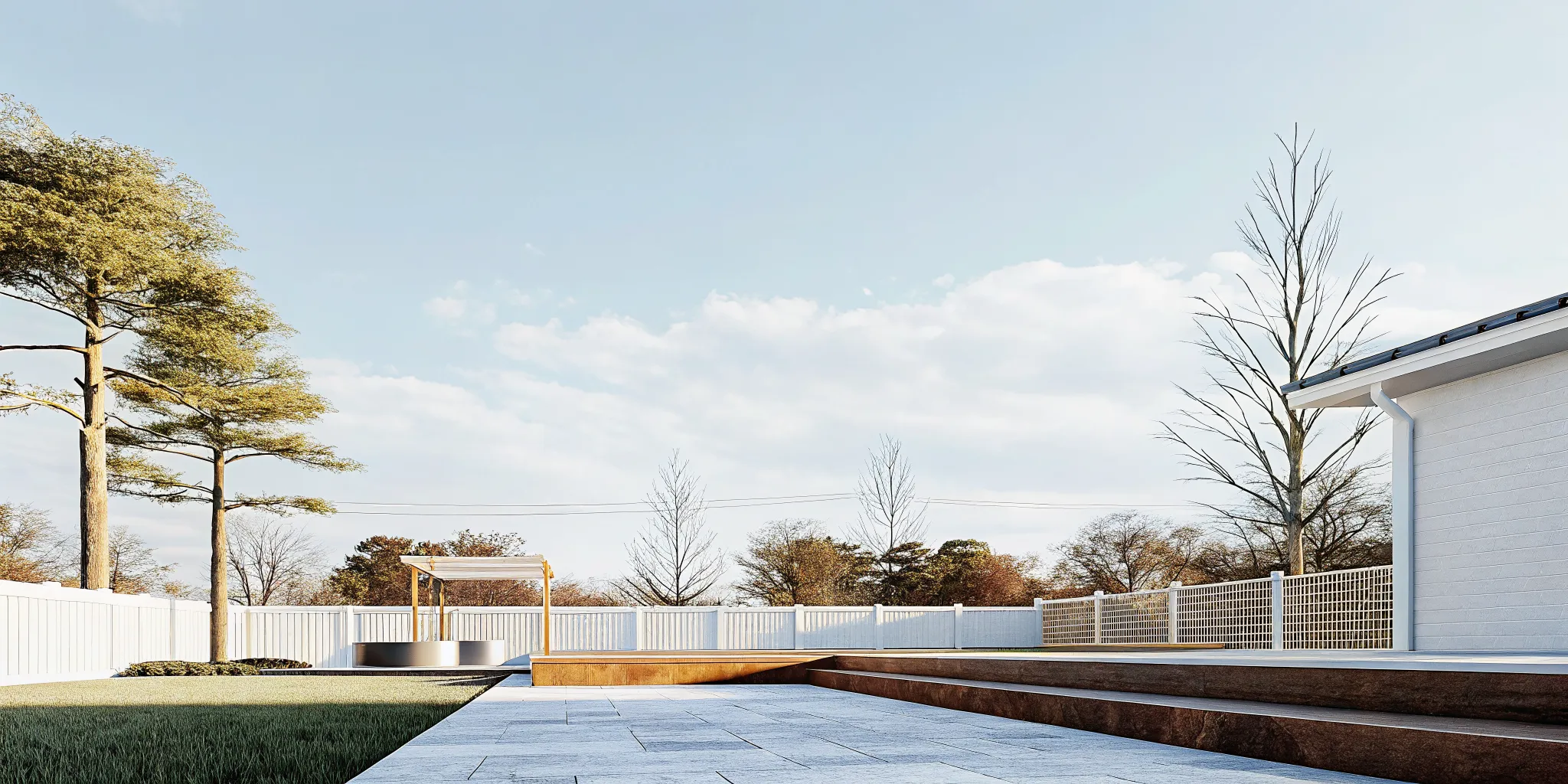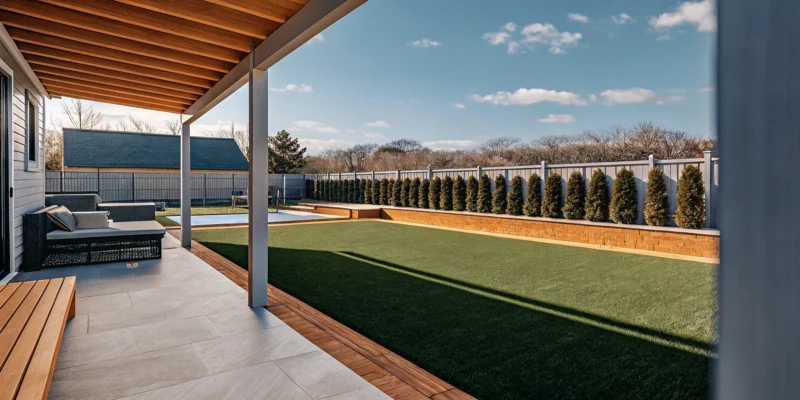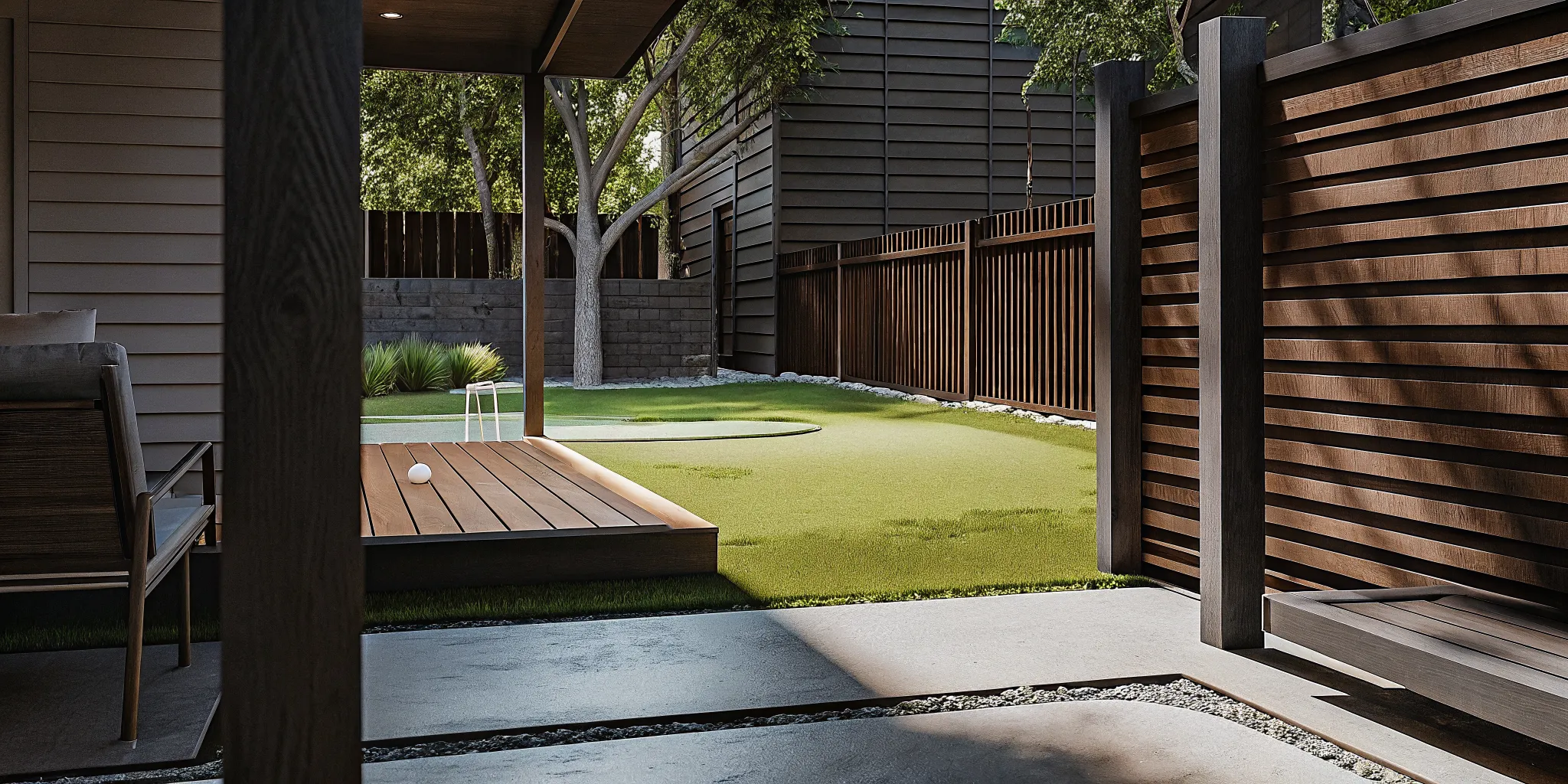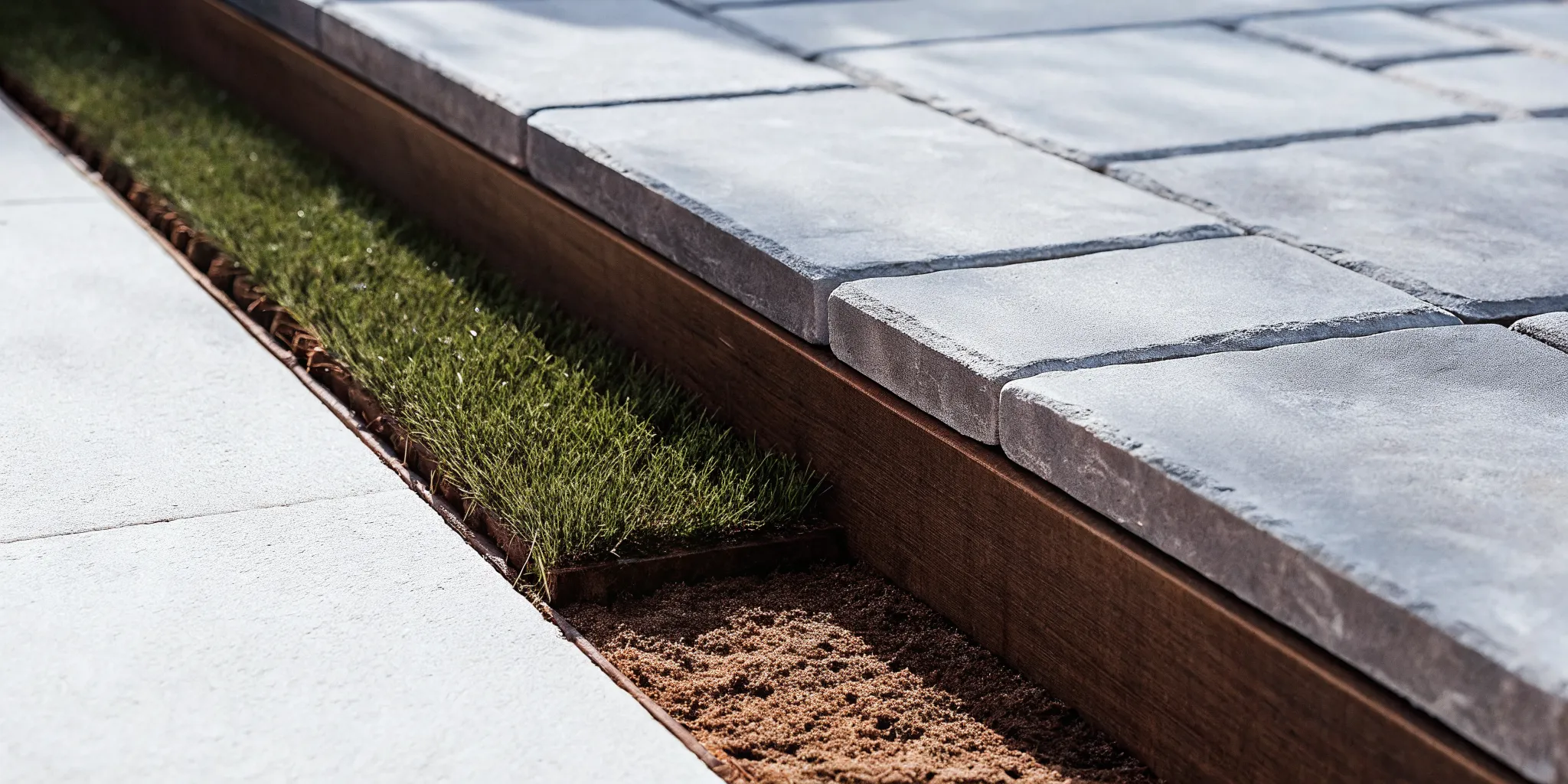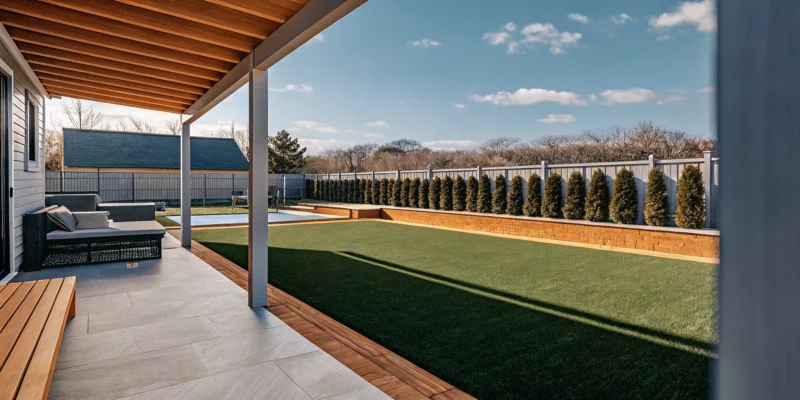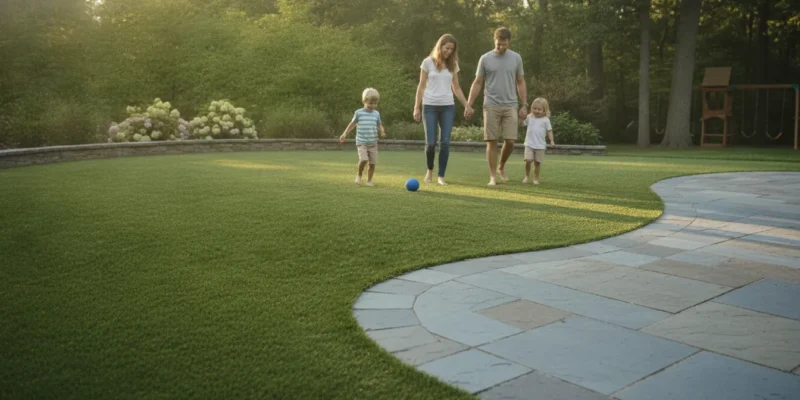
Lush artificial grass lawn beside a natural bluestone paver patio on a Long Island backyard

Artificial Grass Installation Cost on Long Island Guide

Artificial turf can keep a Long Island yard green through changing weather, but the installation price depends on far more than the roll of grass. The condition of the existing lawn, the slope of the property, drainage needs, equipment access, and the intended use of the space all shape the final scope. Homeowners in Nassau and Suffolk Counties who budget only for the turf material often underestimate the base work that sits beneath the finished surface. Contact Gappsi through our contact page for a free consultation and a site-specific artificial grass installation quote tailored to your property.

As a starting point, artificial grass installation cost in the United States averages about $8 to $12 per square foot. A Long Island project may move above or below that range based on excavation, grading, drainage, turf selection, and infill. A site-specific estimate is the reliable way to plan the budget because it accounts for the individual conditions of your yard rather than a blanket per-foot price.

For homeowners in Nassau and Suffolk Counties, the most useful comparison is not simply one contractor’s price per square foot. It is what the proposal includes and how the installation is engineered to handle the property. Understanding those cost drivers makes it easier to compare options and avoid paying twice for preventable drainage or base-work problems. The sections below break down turf pricing, base preparation, drainage and pet-friendly choices, long-term maintenance, and the DIY-versus-professional decision so you can plan a realistic budget.

What Drives Artificial Grass Installation Cost on Long Island

The final artificial grass installation cost for a Long Island property depends on the conditions beneath and around the turf, not only on the roll of grass selected. A straightforward replacement over a level, prepared surface requires less work than a yard with compacted soil, uneven grades, poor drainage, or established sod. For homeowners in Nassau and Suffolk Counties, an accurate estimate should account for the full installation system and the specific demands of the site.

How does yard size affect the estimate?

Contractors measure the usable lawn area in square feet before calculating materials and labor. A larger yard requires more turf, base aggregate, infill, seams, edging, and hauling. Smaller or irregularly shaped areas can also require careful cutting and produce more material waste. Curved borders, planting beds, walkways, patios. And multiple turf sections add layout time because the installation must be fitted around existing features rather than rolled out as one rectangle.

Why does existing sod removal matter?

Natural grass usually cannot remain beneath a synthetic lawn. Site preparation commonly includes removing the existing sod, excavating to the required depth, and installing a stable drainage base. The amount of labor and disposal involved depends on how much lawn must be removed. How compacted the soil is, and whether roots, rocks, old edging, or other debris are present. Proper base preparation is critical to turf longevity because it creates the support layer beneath the finished surface.

What do excavation, grading, and drainage add?

Changes in elevation are a major cost variable. Grading creates the slope needed to direct water away from the home and prevents low spots from developing under the turf. If the existing ground is uneven, additional excavation, fill, compaction, or retaining work may be needed. Drainage improvements may include correcting the base, adding drainage materials, or addressing areas where water tends to collect. Proper site drainage helps prevent pooling, which protects the turf system and the surrounding landscape. Long Island soil and climate conditions make this evaluation especially important. A professional installation should be tailored to local soil types, slope, and expected weather so the base remains stable over time. These factors can vary between properties in Nassau and Suffolk, even when the lawns appear similar from the street. Material grade also changes the estimate. Turf varies in fiber construction, density, color, backing, and intended use. So the appropriate product depends on whether the area is a front lawn, play space, pet area, or another application. Comparing quotes is most useful when each one clearly separates turf, site preparation, grading, drainage, installation, and infill.

Artificial Grass Cost per Square Foot: What to Expect

For planning purposes, artificial grass installation cost commonly falls around $8 to $12 per square foot in the United States, according to industry pricing data from Gitnux. That range is a starting point, not a guaranteed Long Island quote. The final number depends on the turf construction, the intended use, the size and shape of the area, and the preparation required below the surface. The table below separates the turf material ranges most homeowners encounter. It is useful for comparing products, but it does not represent a complete installed price. Excavation, base stone, drainage work, edging, seams, labor, and infill may be quoted separately or included in a project total.

Artificial grass material cost ranges by turf grade
Turf Grade Cost per Sq Ft Best For
Lawn standard $4 to $8 General lawns, play areas, and dog runs
Mid-tier turf $4 to $7 Everyday residential use with a fuller appearance
Premium-grade turf $7 to $10+ Higher-use lawns and projects needing denser fibers
Putting green or specialty turf $8.50 to $12.50 Putting greens and purpose-built recreational areas

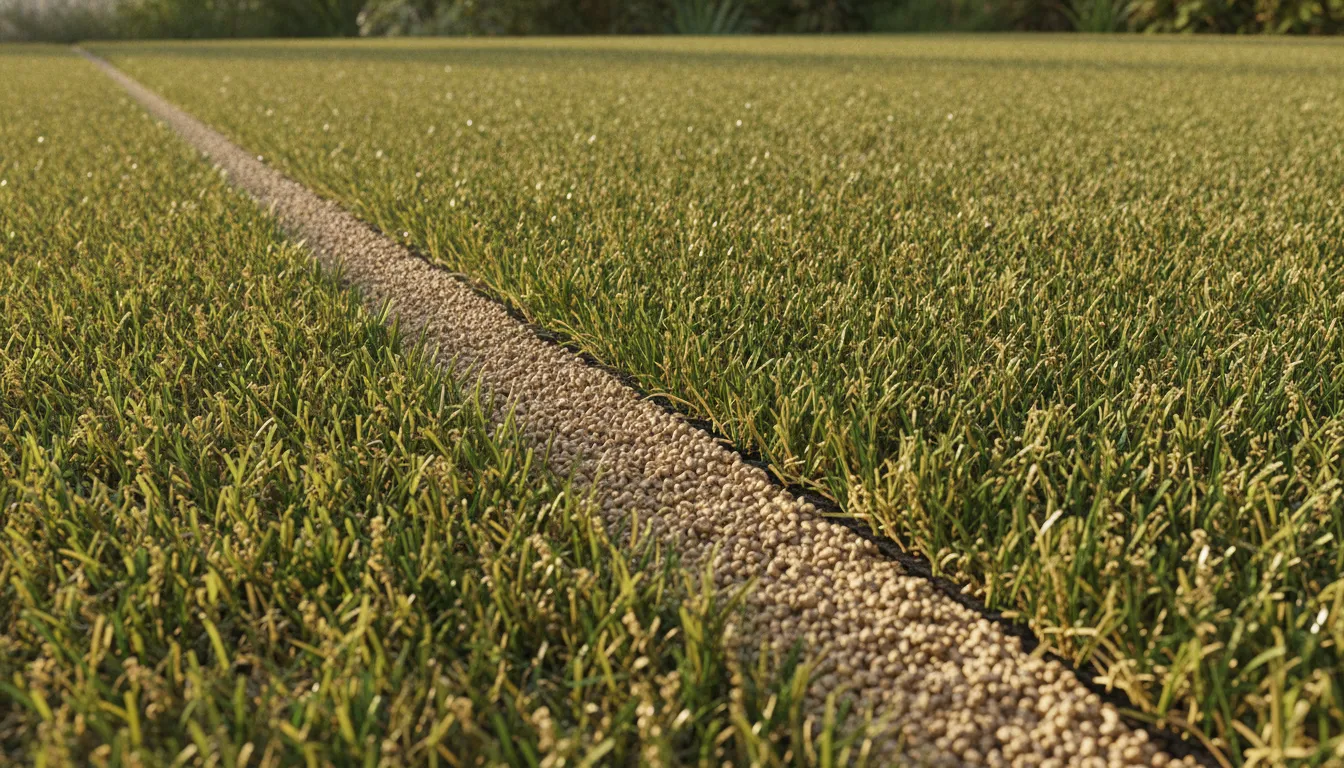
These material bands are consistent with published comparisons. A NexGen Lawns calculator places lawn or dog grass at approximately $4 to $8 per square foot and putting green installations at $8.50 to $12.50. Another pricing breakdown lists mid-tier turf at $4 to $7 and higher-grade turf at $7 to $10 or more. Those figures help explain why two products that look similar in a small sample can produce different estimates once the entire yard is measured. Close-up of natural-looking artificial grass turf with infill granules Material selection should follow the way you use the space. A lawn that receives occasional foot traffic may not need the same fiber density or backing as a busy dog area. A putting green also requires a different surface specification and installation approach than a landscape lawn. Infill helps stabilize the turf, adds ballast, and keeps fibers upright, so it is part of the system rather than a cosmetic extra. The right product also has to work with the planned drainage and base. For a realistic project budget, compare the complete scope instead of multiplying the turf price by square footage alone. On Long Island, a professional installer should account for existing sod, soil conditions, grading, drainage, transitions, and the finished edge. Ask whether each item is included in the proposal, then compare warranties, installation details, and materials on equal terms. That approach gives you a clearer view of the true artificial grass installation cost before work begins. Contact Gappsi through our contact page to review your projected square footage and get a detailed, site-specific estimate from Gappsi Group.
Site Prep and Base Work: The Hidden Cost of Artificial Grass

The visible turf is only one part of an installation. Beneath it, the crew must create a stable, well-draining surface that can handle rain, foot traffic, and seasonal changes. That preparation is why two projects with similar square footage can have very different totals when homeowners compare artificial grass installation cost. On Long Island, the first step may be removing existing sod, roots, and organic soil. Leaving that material beneath synthetic turf can create an unstable layer as it settles or decomposes. Depending on the property, preparation can also require excavating to the correct depth, clearing construction debris, and hauling the removed material away. These tasks add labor and disposal costs before the turf is ever unrolled.

Why excavation and grading matter

A level-looking yard is not always ready for turf. The subgrade must be shaped so water moves away from the home, retaining walls, patios, and other structures rather than collecting beneath the lawn. Proper grading is especially important on properties with existing low spots, transitions between hardscape and planting areas, or slopes that direct runoff toward the house. Long Island soil and weather conditions make this assessment more than a cosmetic step. Local soil characteristics affect how quickly water moves through the site, while heavy rain and freeze-thaw cycles can expose weak areas. A base designed without those conditions in mind may settle unevenly or leave water pooling under the turf. Gappsi notes that understanding local soil and climate is important for base longevity and drainage performance across Nassau and Suffolk Counties.

What does the compacted base add to the project?

After excavation and grading, installers typically place crushed stone or gravel to form a compacted stone base. The material is spread in lifts, moistened as needed, and compacted into a firm layer. This base supports the turf system, helps maintain the finished grade, and creates a path for water to move through the installation. Proper drainage is essential because standing water can lead to soft spots, odors, and premature wear. Base preparation commonly adds about $1.50 to $3.00 per square foot, depending on the existing site, depth required, access, disposal needs, and drainage corrections. That range is an allowance for the work, not a universal price. A small yard with clean, accessible soil may need less preparation than a larger property with compacted ground, buried debris, poor slope, or a failed existing lawn. When reviewing a proposal, ask whether sod removal, excavation, grading, disposal, drainage, and compaction are included. A detailed scope makes the quote easier to compare and helps prevent a low initial price from becoming a series of added charges. Professional synthetic turf installation services should address the base as carefully as the turf selected for the surface.

Drainage, Infill, and Pet-Friendly Artificial Grass Options

A turf system performs best when the layers beneath the blades are designed for the site. On Long Island, that means treating drainage as part of the installation rather than an afterthought. Soil, slope, and local weather conditions can affect how quickly water moves through the area, so the base and drainage design should be planned together.

How does the drainage layer prevent pooling?

After the existing lawn is removed and the area is excavated, the installer can build a compacted base that allows water to move away from the surface. A drainage layer may include a perforated material or planned gaps that give water a path through the turf system. The goal is to prevent water from sitting below the backing or collecting in low spots. Proper site drainage is essential because pooling can create odors, soft areas, and premature wear. It is also one reason local soil conditions matter when evaluating an artificial grass installation cost. A simple, well-draining site may need less corrective work than an area with poor grading or slow-draining soil. Drainage details should also account for nearby patios, planting beds, downspouts, and walkways. A professional assessment can identify where runoff is likely to collect and tailor the base to the slope and drainage requirements. Gappsi serves Nassau and Suffolk Counties, where familiarity with local site conditions helps support a durable base.

What does infill do for artificial grass?

Infill is spread between the turf fibers after the grass is secured. Materials such as silica sand and rubber add ballast, stabilize the surface, and help keep the fibers upright. Infill also gives the turf a more natural feel underfoot instead of leaving the blades unsupported and flat. The correct material and application depend on how the area will be used, including whether it is a lawn, play space, or pet area. For homes with dogs, consider a pet-focused turf system paired with a sanitary infill designed to support cleaning and odor control. These options can make routine maintenance easier, but they do not eliminate the need to remove solid waste and rinse the surface as needed. Homeowners comparing artificial grass for pets should review drainage, backing, infill, and cleaning requirements together rather than choosing by blade appearance alone. Artificial grass can provide a consistent surface without watering or mowing, while the right drainage and infill details help preserve that performance. Ask for an installation plan that explains the base, water path, infill material, and maintenance approach before comparing quotes.

How Much Do Artificial Grass Maintenance Costs Run?

One of the clearest differences between artificial grass and a natural lawn appears after installation. Synthetic turf does not need regular watering, mowing, or fertilization, so the ongoing work is limited to basic cleaning and occasional grooming. Industry estimates place annual maintenance for artificial grass at roughly $0.10 to $0.20 per square foot. That estimate gives Long Island homeowners a useful starting point when comparing the full cost of an artificial grass installation with the recurring cost of caring for living grass. For a 500-square-foot area, that range equals approximately $50 to $100 per year for routine maintenance. A larger 1,000-square-foot lawn would be about $100 to $200 annually. Actual upkeep depends on how the space is used, the amount of debris it receives, and whether pets regularly use the turf. Removing leaves, rinsing dust or residue, brushing high-traffic areas, and addressing spills promptly can help the surface remain clean and comfortable.

Where do the savings come from?

Natural lawns bring several repeating expenses. Watering adds to utility costs, particularly during dry summer periods. Mowing requires equipment, fuel, service, or a landscaping crew. Fertilizer, weed control, reseeding, and repairs for bare or muddy areas add more over time. Artificial grass removes those routine lawn-care categories from the maintenance budget. It also helps conserve water, which is an important consideration for homeowners who want to reduce their outdoor water use. Available industry research identifies water reduction as a major benefit of synthetic turf systems. The surface stays green through every season without the uneven growth, bare spots, and mud that can develop on natural grass. That consistency can reduce both maintenance spending and the time a homeowner gives to lawn care. The installation still needs to be done correctly, however. Proper grading, drainage, a stable base, secure seams, and suitable infill help prevent avoidable repairs. Gappsi’s synthetic turf installation services account for those site conditions during planning and construction.

How should homeowners measure the return?

Evaluate the project across an eight- to twelve-year planning period rather than looking only at the initial artificial grass installation cost. Add the expected annual maintenance, then compare it with the cumulative cost of water, mowing, fertilizer, seasonal repairs, and your own time for a natural lawn. The difference shows the potential return on investment over the life of the project. A professionally installed system may also continue providing a usable, attractive surface throughout the year, giving the savings a practical benefit beyond the spreadsheet.

DIY vs Professional Artificial Grass Installation: Which Saves More?

DIY artificial grass installation can look less expensive at first. For a straightforward lawn, material and basic installation costs may run about $4 to $8 per square foot. That figure does not automatically include every step required for a stable turf system, however. Removing sod, excavating to the right depth, building a compacted drainage base, joining seams, securing the edges, and applying infill all affect the finished result. A homeowner who skips one of those steps may save on the initial invoice while creating a larger repair expense later. Professional installation costs more upfront because the work addresses the entire site, not only the visible turf. Proper grading and drainage help prevent water pooling, while accurate cuts and seam work reduce visible joins and premature wear. Those details are particularly important on Long Island, where local soil and climate conditions can affect base stability and drainage. Gappsi’s guidance emphasizes durability, proper grading, and site preparation as part of a complete installation.

  • DIY may make sense when: the area is small, accessible, relatively flat, and the homeowner has the tools and time to complete excavation, base compaction, cutting, seaming, and infill application correctly.
  • Professional installation is usually the safer choice when: the site has a slope, drainage concerns, compacted soil, multiple turf areas, curved edges, pets, or transitions to patios and walkways.
  • The overlooked DIY costs include: equipment rental, disposal of excavated material, replacement turf after cutting errors, additional base material, seam repairs, and time spent correcting an uneven surface.
  • The professional value includes: a properly prepared base, secured edges, consistent seams, suitable drainage, and installation methods designed to support a longer service life.
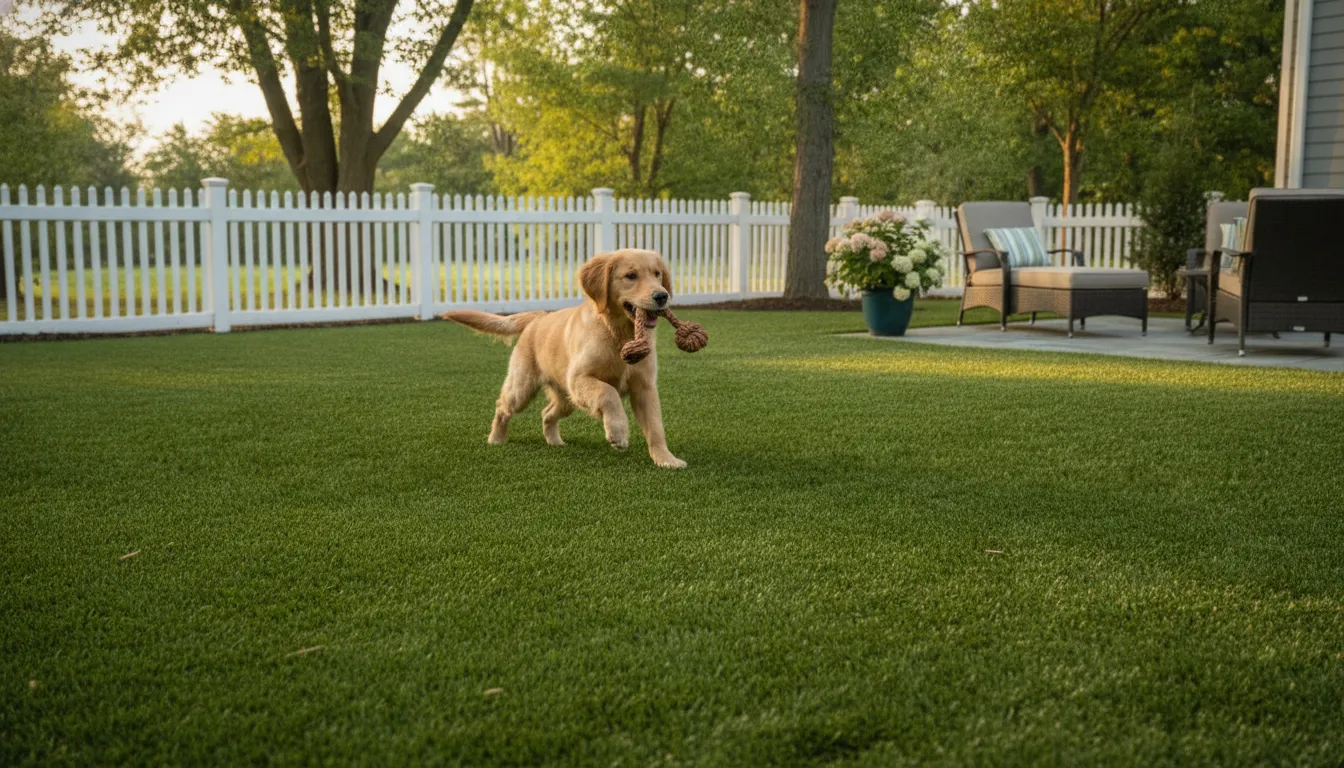
Pet-friendly synthetic grass backyard with a dog playing on the lawn For pet areas, drainage and infill deserve additional attention. Infill helps stabilize the turf, keep fibers upright, and improve comfort underfoot. Poor drainage can leave odors, standing water, or muddy edges around the installation. These problems are difficult to correct after turf has been glued and secured. So the cheapest path is not always the lowest artificial grass installation cost over the life of the project. Professional installation can also be more cost-effective when the comparison includes reduced watering, mowing, and fertilization expenses. Synthetic turf requires far less annual maintenance than a natural lawn, with estimated maintenance costs of roughly $0.10 to $0.20 per square foot. The right decision depends on the site, but a careful installation protects the materials and helps the system deliver its expected durability. Review how to lay artificial turf before deciding whether your project is suitable for DIY work.

Is Artificial Grass Worth the Investment for Your Home?

The right artificial grass project is more than a lawn replacement. It can create a consistent, usable outdoor area for entertaining, pets, and everyday family time while reducing the recurring work associated with mowing, watering, and fertilizing. That combination makes the investment easier to evaluate than the installation price alone. Professional turf installation can also support property value by improving the appearance and function of an outdoor space. A neat, low-maintenance lawn is especially useful when it is designed as part of a larger plan rather than installed as an isolated rectangle. Gappsi’s project guidance identifies attractive, functional outdoor entertainment areas as a potential benefit of professional turf installation. The result depends on the property, design, and workmanship, so artificial grass should not be treated as a guaranteed return.

Where does the long-term value come from?

Durability and predictable upkeep are central to the cost-benefit calculation. A properly built turf system includes the appropriate base, secure edges, drainage, and infill. These details help reduce problems such as visible seams, premature wear, and water pooling. Artificial grass also eliminates routine mowing and can reduce water use, while annual maintenance is generally limited to cleaning and occasional care. Industry research estimates synthetic turf maintenance at approximately $0.10 to $0.20 per square foot annually, although actual costs vary by use and site conditions. Long Island homeowners should also account for the value of correct site preparation. Local soil, slopes, and drainage conditions affect how well the base performs over time. Paying for a plan that addresses those conditions can be more cost-effective than choosing the lowest initial bid and later correcting settlement, runoff, or drainage failures.

How can turf improve the whole outdoor layout?

Turf becomes more valuable when it works with the rest of the property. It can transition cleanly into landscape design, patios, walkways, planting beds, and outdoor structures. Curved edges and coordinated materials may add design complexity, but they can produce a more natural connection between the lawn and entertainment areas. Gappsi’s complete outdoor transformation model brings planning, material supply, and construction together under one provider, which can simplify coordination across those elements. Gappsi also uses 3D design visualization before construction so homeowners can review the proposed layout, transitions, and usable areas in advance. This helps clarify what the artificial grass installation cost includes and reduces surprises during construction. Serving Nassau and Suffolk Counties, Gappsi can evaluate the specific site before recommending a turf system. Visit the Gappsi homepage to review the broader design-build approach and decide whether artificial grass fits your property’s long-term goals. Gappsi’s team can review your site, layout, and drainage before you commit to a turf system, so you understand exactly what the artificial grass installation cost includes. Contact Gappsi through our contact page

Frequently Asked Questions

How much does it cost to have an artificial lawn installed?

Artificial grass installation cost depends on the turf system, square footage, site access, excavation, grading, drainage, infill, and design details. A broad U.S. reference range is $8 to $12 per square foot, but a Long Island project may fall outside that range when the existing lawn needs substantial base work. A site evaluation provides a more useful estimate than a material-only price. Industry pricing reference.

How much is 1,000 square feet of artificial grass?

Using the broad $8 to $12 per-square-foot reference, 1,000 square feet would represent approximately $8,000 to $12,000 before project-specific adjustments. The final quote should account for sod removal, excavation, drainage, edge restraints, seams, infill, labor, and disposal, not just the rolls of turf.

What factors influence artificial grass installation cost on Long Island?

The largest variables are the condition of the existing lawn, the amount of excavation and grading required. Drainage needs, turf selection, project shape, access for equipment, and integration with pavers or planting beds. Long Island soil and weather conditions also make a properly designed base and drainage plan important for long-term performance.

Is professional artificial grass installation worth the cost?

Professional installation can be worthwhile when durability, drainage, and a clean finish matter. The work includes preparing the base, securing and tensioning the turf, managing seams, and adding infill. These steps help reduce pooling, visible seams, wrinkles, and premature wear, issues that can make a low initial price more expensive to correct later.

Ready to Plan Your Artificial Grass Installation?

A site-specific review can help you choose the right turf, base preparation, and drainage approach for your Long Island property. Gappsi’s team can discuss your project, answer your questions, and prepare a free consultation and artificial grass installation quote. Contact Gappsi through our contact page
Share this page:
Synthetic turf installation showing the base layers and materials that factor into the final cost.

Synthetic Turf Installation Cost: A Full Breakdown

Thinking about a perfect, green lawn often brings up images of weekend chores: mowing, watering, and fighting off weeds. For many Long Island homeowners, the reality of natural grass is a constant battle against dry spells, pests, and muddy patches. Synthetic turf offers a beautiful alternative, a consistently pristine lawn without the endless upkeep. But before you can enjoy a maintenance-free backyard, the big question is always about the budget. Understanding the total synthetic turf installation cost is the first step toward making this dream a reality. It’s not just a single price tag; it’s a combination of materials, site preparation, and expert labor that creates a durable, long-lasting investment for your home.

Key Takeaways

  • Budget Beyond the Turf Itself: The price per square foot for turf is only one part of the equation; a complete budget should also account for essential costs like site preparation, base materials, infill, and professional labor.
  • Professional Installation Protects Your Investment: The success of your lawn depends on expert groundwork, as proper grading and drainage are critical for preventing an uneven surface and ensuring your turf lasts for years.
  • Consider the Long-Term Savings: While the initial cost is higher than natural grass, a synthetic lawn pays for itself over time by eliminating recurring expenses for watering, mowing, and fertilizing.

How Much Does Synthetic Turf Cost Per Square Foot?

When you start looking into synthetic turf, one of the first things you’ll notice is that the price can vary quite a bit. A big piece of your total project cost comes down to the turf material itself, which typically ranges from $2 to more than $6 per square foot. Think of it like choosing flooring for your home; different materials come at different price points because they offer unique benefits in terms of look, feel, and durability.

The three most common materials used to make artificial grass are polypropylene, polyethylene, and nylon. Each one has a distinct set of characteristics that makes it suitable for different applications and budgets. Polyethylene is often the go-to for its balanced performance, while polypropylene is a more budget-conscious choice, and nylon stands out as the premium option for durability. Understanding the differences will help you select the perfect synthetic turf for your Long Island home, whether you’re creating a simple green space, a play area for the kids, or a personal putting green. Keep in mind these prices are just for the turf roll; your total investment will also include base preparation, infill, and labor, which we’ll get into later.

Polypropylene

Polypropylene is the most affordable turf material, with prices generally falling between $2 and $6.35 per square foot. If you’re looking to add a patch of green without a major financial commitment, this can be an attractive option. Because it’s not as resilient as other materials, polypropylene is best suited for low-traffic areas where it won’t see a lot of wear and tear. It’s a popular choice for decorative strips, balconies, or indoor-outdoor spaces. It also works well for home putting greens, where its finer texture can create a smooth surface for the ball. However, it has a lower tolerance for high temperatures, so it may not be the best fit for a yard that gets intense, all-day sun.

Polyethylene

Priced between $2.20 and $4.10 per square foot, polyethylene turf hits the sweet spot for many homeowners. It’s the most popular material for residential lawns because it offers an excellent combination of softness, realism, and durability. The fibers are non-porous, so they don’t absorb moisture or hold onto pet odors, making it a great choice for families with furry friends. Its soft, pliable texture feels comfortable underfoot, which is perfect for play areas and general backyard use. This versatility makes polyethylene a reliable foundation for any landscape design, giving you a lush, green lawn that can handle everyday life while still looking fantastic.

Nylon

Nylon is the strongest and most resilient turf material available, and its price reflects that, ranging from $5 to $6.40 per square foot. While it’s the most expensive option, its exceptional durability makes it a worthwhile investment for high-traffic applications. Nylon fibers can withstand heavy foot traffic and crushing weight without losing their shape, and they have a very high melting point, so they won’t get matted or damaged in the summer heat. This makes nylon the top choice for commercial properties, playgrounds, and backyard sports games courts. It’s also often used in putting greens where a stiff, true-rolling surface is essential. If longevity and performance are your top priorities, nylon is unmatched.

What Factors Influence Your Total Installation Cost?

When you start budgeting for a synthetic turf project, it’s helpful to know that the price tag involves more than just the turf itself. The total cost is a combination of materials, site preparation, and the skilled labor required to create a beautiful, long-lasting lawn. Think of it like any other home renovation project; the final price depends on the unique conditions of your space and the specific features you choose. From the initial groundwork to the finishing touches, several key factors will shape your overall investment.

Understanding these elements will help you plan your budget and ensure there are no surprises along the way. The size and complexity of your yard, the amount of prep work needed, and the materials used beneath the surface all play a significant role. A professional installation of synthetic turf accounts for every detail, ensuring your new lawn is not only green and pristine but also durable and well-drained for years to come. Let’s walk through the main factors that contribute to your total installation cost.

Your Yard’s Size and Shape

The most direct factor influencing your cost is the square footage of the area you want to cover. The larger your yard, the more material and labor will be required. The average cost to install artificial grass typically falls between $6.50 and $15.00 per square foot, depending on the turf quality and project specifics. While a simple, rectangular lawn is straightforward, an irregularly shaped yard with curves, slopes, or obstacles like trees and garden beds will require more intricate cutting and fitting. This additional complexity increases labor time and can raise the overall project cost, as it demands more precision from the installation team to achieve a seamless look.

Removing the Existing Lawn

Before your new synthetic turf can be installed, your existing lawn must be completely removed. This process, known as excavation, is a critical first step to creating a stable and level base. The cost to remove existing grass and soil generally ranges from $0.88 to $1.84 per square foot. This fee covers the labor needed to clear the area and the disposal of the old sod and dirt. While it might seem like an extra expense, skipping this step can lead to an uneven surface, poor drainage, and weed growth, so it’s an essential part of a professional installation that ensures the longevity of your new lawn.

Ensuring Proper Drainage

One of the most important parts of a successful turf installation is ensuring your yard has proper drainage. Without it, water can pool on the surface after heavy rain, creating a soggy, unpleasant space. On Long Island, where we see a mix of rain and snow, this step is non-negotiable. A professional team will assess your yard’s natural slope and soil conditions. In some cases, the ground may need to be regraded or specialized drainage systems installed beneath the turf. This preparation prevents water damage, mold, and mildew, protecting your investment and keeping your lawn usable in all weather conditions.

Base Materials and Edging

What lies beneath your synthetic turf is just as important as the turf itself. A solid foundation is key to a smooth, durable, and comfortable surface. Installation requires a sub-base of compacted stone, which allows water to drain through, followed by a layer of sand or finely crushed granite to create an even plane. The quality and depth of these base materials directly impact the performance and feel of your lawn. Edging is another crucial element, as it creates a clean, finished border and secures the turf in place. You can choose from simple plastic edging or upgrade to decorative stone or pavers for a more custom look.

Installation Timing

The duration of your project will also influence the final cost, primarily through labor. A small, straightforward turf installation might take only one or two days, while larger or more complex projects can take a week or more to complete. The timeline depends on factors like the size of the area, the amount of site preparation needed, and the intricacy of the design. For example, a simple backyard lawn will be quicker to install than a custom putting green or a yard with integrated pathways and garden beds. Your installation team can provide a more accurate timeline after evaluating your specific property and project goals.

What Other Costs Should You Plan For?

When you’re budgeting for a synthetic turf installation, the price per square foot of the turf itself is only part of the equation. A successful, long-lasting project involves several other crucial elements that contribute to the final cost. Thinking about these factors ahead of time helps you create a realistic budget with no surprises. From the materials that sit beneath the turf to long-term care, planning for the complete scope of the project ensures your new lawn is beautiful and durable for years to come. The total expense includes not just the turf material and installation labor, but also essential additions like infill, proper ground preparation, and any special upgrades you might need for pets or high-heat areas. Understanding these components will help you see the full picture of your investment and appreciate the value that goes into a professional installation. It’s easy to focus on the visible green surface, but the unseen layers and long-term considerations are what truly make or break the quality of the final result. Let’s walk through the other costs you should expect so you can plan with confidence.

Infill Materials

Infill is the granular material that’s brushed down in between the synthetic grass blades, and it’s a non-negotiable part of any installation. It plays a few important roles: it weighs the turf down, protects the backing from sun damage, helps the blades stand up straight for a more natural look, and provides a soft, cushioned feel underfoot. The total expense for your project will include the turf material, installation labor, and these essential additions like infill. Different types of infill, such as silica sand or specialized coated sands, come at different price points and offer unique benefits for performance and longevity.

Ground Preparation and Weed Barriers

The success of your synthetic turf lawn starts with what’s underneath. Proper ground preparation is perhaps the most critical step for ensuring your turf looks great and lasts for decades. This process involves excavating the existing soil and grass, grading the area to ensure proper drainage, and installing a compacted base of crushed stone. A vital part of this foundation is the weed barrier, a durable fabric laid down before the turf. This barrier is your best defense against pesky weeds trying to grow through your beautiful new lawn. Skipping this step can lead to problems down the road, so it’s an essential cost to include in your plan.

Upgrades for Pets or High Heat

A one-size-fits-all approach doesn’t always work when it comes to synthetic turf. Depending on your family’s needs and your yard’s environment, you may want to consider specialized upgrades. If you have pets, investing in a pet-friendly turf system is a great idea. These systems often feature turf with superior drainage capabilities and antimicrobial infill to help prevent odors. Likewise, if your backyard gets a lot of direct sunlight, you can choose turf with built-in heat-reduction technology to keep the surface cooler for bare feet. While these specialized turf options can add to the initial cost, they make your lawn much more comfortable and functional for your specific lifestyle.

Long-Term Maintenance

While synthetic turf is famously low maintenance, it isn’t “no maintenance.” To keep your lawn looking lush and new, you’ll need to plan for some minor, ongoing care. This typically involves brushing the turf fibers periodically, especially in high-traffic zones, to prevent them from matting down. You’ll also want to rinse the lawn occasionally to clear away dust, pollen, and any pet messes. Over many years, you might need to add a small amount of new infill to keep it performing well. Factoring in these small maintenance tasks or professional restoration services will protect your investment for the long haul.

Planning Your Synthetic Turf Project

A successful synthetic turf project is all about smart planning. Before you even think about installation, taking the time to map out your vision will ensure the final result is something you’ll love for years to come. A beautiful, low-maintenance lawn doesn’t happen by accident. It’s the outcome of careful consideration of your yard’s specific needs, your design goals, and the quality of the materials you choose.

Think of it as building a foundation for your investment. The difference between a turf lawn that looks incredible for over a decade and one that shows problems within a few months often comes down to this initial planning phase. By focusing on a few key areas, you can set your project up for success from the very beginning. We’ll walk through the three most important elements to consider: preparing your site, creating a functional design, and selecting a high-quality product. Getting these right is the secret to a flawless and durable synthetic lawn.

Site Preparation and Drainage

This is the single most important step for a long-lasting installation. Proper site preparation involves clearing the area of all existing grass and debris, then grading the land to create a stable, even surface. A solid base layer, usually made of crushed stone, is then compacted to prevent sinking or shifting over time.

Just as crucial is planning for drainage. Without a proper system, water can pool on the surface or saturate the base, leading to odors, mold, and an unstable foundation. On Long Island, where we can get heavy rain, a well-designed drainage plan is non-negotiable. We ensure your yard has the right slope and base materials to effectively manage water runoff, keeping your turf pristine in any weather.

Layout and Overall Design

Once you have a plan for the groundwork, you can focus on the fun part: the design. Think about how you want to use the space. Will it be a play area for kids, a spot for the dog to run, a personal putting green, or a lush green accent for your patio? The layout should reflect its purpose.

Consider how the turf will integrate with your existing landscape. A thoughtful design creates a seamless flow between your new lawn and other elements like stone walkways, garden beds, or a pool deck. This is your chance to create a truly cohesive outdoor living area. A professional landscape designer can help you visualize the possibilities and craft a layout that is both beautiful and functional for your family’s lifestyle.

Product Quality and Warranty

Not all artificial grass is the same, and the type of turf you choose plays a huge role in the look, feel, and longevity of your lawn. High-quality products are essential for a yard that stands up to sunlight, foot traffic, and pets. Look for turf that is UV-stabilized to prevent fading from the sun and has a durable backing with a high stitch rate for a fuller, more resilient surface.

A strong warranty is a great indicator of product quality. Manufacturers who stand behind their turf for 10 years or more are confident in its performance. When you select your turf, we’ll walk you through the best options for your specific needs, ensuring you get a product that is safe, durable, and beautiful.

DIY vs. Professional Installation: Which Is Right for You?

Deciding between a DIY project and hiring a professional is a big part of planning your new lawn. While rolling up your sleeves can be rewarding, synthetic turf installation is a precise process where expertise makes a visible difference. Let’s look at both paths so you can choose the one that best fits your project, budget, and desired outcome.

The DIY Approach: Costs and Common Pitfalls

The biggest draw for a DIY installation is usually the potential cost savings on labor. However, it’s easy to underestimate the complexity of the job. Many DIY attempts run into trouble with improper ground preparation. If you don’t get the base layer perfectly graded and compacted, you can end up with an uneven, lumpy surface that wears out quickly. Another common mistake is forgetting to install a weed membrane, which leads to pesky plants poking through your new lawn. Even the direction of the turf blades matters, as incorrect placement can make the lawn look unnatural. These small details are what separate an okay result from a stunning one.

The Professional Approach: What’s Included

When you hire a professional team, you’re paying for more than just labor. A professional quote typically includes the cost of the turf itself, the base materials, necessary infill, and the disposal of your old lawn. Experts handle every step, from excavation and grading to ensuring proper drainage, which is critical for preventing water pooling. For an average 500-square-foot yard, a professional installation provides a complete, turnkey solution. This approach takes the guesswork out of the equation and ensures every component of your new synthetic turf lawn is installed correctly from the ground up.

The Value of Hiring an Expert

Hiring an expert is an investment in the quality and lifespan of your turf. A professional installer not only gets the job done right but also helps you select the best materials for your specific needs, whether it’s for a backyard, a putting green, or a custom sports game court. Professionals understand how to create seamless connections between turf sections and secure the edges for a polished, durable finish. While the upfront cost is higher, a professional installation often pays for itself over time through lower maintenance and a longer-lasting lawn. You can see examples of high-quality work on the Gappsi YouTube channel to understand the difference expertise makes.

Is Synthetic Turf a Good Long-Term Investment?

When you look at the initial numbers, it’s easy to wonder if synthetic turf is worth the price. It’s a significant home improvement project, and the upfront cost is higher than rolling out natural sod. But when you look beyond the initial installation, you start to see the real financial picture. A synthetic lawn is more than just an aesthetic upgrade; it’s an investment in your property and your lifestyle that pays you back over time.

Savings on Water and Upkeep

Imagine your weekends without a lawnmower. A synthetic lawn frees you from the constant cycle of mowing, fertilizing, and weeding. Beyond getting your time back, you’ll see real savings add up. Artificial turf conserves water, which can make a noticeable difference on your utility bills, especially during Long Island’s dry summer months. Forget spending money on fertilizers, pesticides, and lawn care equipment. With synthetic turf, your lawn stays green and pristine with minimal effort, requiring little more than an occasional rinse to stay looking its best. The long-term savings on maintenance and utilities can be significant.

Durability and Lifespan

High-quality synthetic turf is built to last. While the initial investment is a factor, a professionally installed lawn can have a lifespan of 15 to 25 years. It’s designed to withstand everything from harsh weather and UV rays to constant foot traffic from kids and pets. Unlike a natural lawn that can develop brown spots, muddy patches, and uneven wear, a synthetic lawn maintains its lush, uniform appearance year after year. This durability makes it a reliable, long-term solution for your yard, backyard putting green, or even custom Sports Games Courts. It’s a one-time installation that provides decades of enjoyment.

Comparing Costs: Turf vs. Natural Grass

Let’s be direct: the upfront cost of turf is higher than natural grass. For an average yard, the installation can be a considerable expense. However, a natural lawn comes with its own set of recurring costs that continue for as long as you own your home. When you add up the annual expenses for watering, seeding, fertilizer, aeration, and lawn care services or equipment, the numbers start to climb. Although turf installation costs more at the start, you can reach a break-even point in just a few years. After that, the money you save on maintenance continues to accumulate, making it a financially savvy choice for the long haul.

Why Choose Gappsi for Your Long Island Turf Installation?

Choosing the right team for your synthetic turf installation is the most critical step in ensuring your investment pays off. Here on Long Island, you need a team that understands the local environment and has a proven track record. With decades of experience serving Suffolk and Nassau counties, Gappsi brings unparalleled expertise to every project. We handle the entire process, from initial design to final installation, making sure every detail is managed with precision. Our goal is to create a beautiful, functional lawn that stands the test of time, avoiding the common installation mistakes that can lead to costly repairs down the road.

The quality of the turf material itself is just as important as the installation. We help you select the perfect product for your specific needs, whether you want a soft, lush lawn for your family to enjoy, a durable surface for pets, or a professional-grade putting green. Gappsi offers a complete range of services to complement your new lawn, from creating custom Sports Games Courts to integrating turf with beautiful masonry patios and walkways. We manage everything, including proper ground preparation and drainage solutions, to ensure your new turf looks great and performs perfectly for years to come. With Gappsi, you’re not just hiring an installer; you’re partnering with a dedicated team committed to adding lasting value to your home.

Related Articles

Frequently Asked Questions

What is the real all-in cost for a synthetic turf installation? The price per square foot for the turf material is just the starting point. Your total investment includes several key components that work together to create a lasting lawn. Think of it as a complete package that covers the turf itself, the crucial ground preparation like excavation and creating a stable base, the infill material that helps the blades stand up, and the skilled labor to ensure everything is installed perfectly. The final cost will depend on your yard’s size, the specific turf you choose, and any unique site challenges.

Is synthetic turf a good choice for a family with kids and pets? Absolutely. Modern synthetic turf is designed with families in mind. The materials are non-toxic and lead-free, creating a safe surface for everyone to play on. For pets, we can install a specialized system with enhanced drainage and antimicrobial infill. This helps rinse away messes easily and prevents odors from building up, so your yard stays fresh and clean for both your two-legged and four-legged family members.

How long will a synthetic lawn actually last, and what makes it durable? A professionally installed, high-quality synthetic lawn can last anywhere from 15 to 25 years. Its longevity really comes down to two factors: the quality of the turf and the quality of the installation. A durable product will have built-in UV protection to prevent fading and a strong backing to withstand foot traffic. Just as important is the expert installation, which ensures a solid, well-drained base that prevents sinking, shifting, and drainage problems for decades.

Why is professional installation so important if I’m trying to stick to a budget? While a DIY approach might seem cheaper upfront, professional installation is an investment in getting the job done right the first time. So much of a turf lawn’s success is in the details you can’t see, like a perfectly graded base for drainage, invisible seams between turf rolls, and securely fastened edges. Professionals prevent common pitfalls that can lead to a lumpy, weed-filled, or poorly draining lawn, saving you from costly headaches and repairs in the future.

What does “low maintenance” really mean for a turf lawn? Low maintenance means you can officially retire your lawnmower and stop spending money on fertilizer and water. The upkeep is simple and straightforward. You will want to occasionally use a stiff brush to fluff up the fibers in high-traffic areas to keep them looking perky. You should also plan to rinse the lawn with a hose periodically to wash away dust, pollen, and any pet messes. It’s about occasional, simple care, not constant weekend work.

Share this page:
Beautiful Long Island backyard with lush green synthetic turf lawn and stone patio

10 Benefits of Synthetic Turf Long Island Homeowners Should Know

Long Island lawns often struggle with brown patches and high water bills during humid summers. Homeowners in Nassau and Suffolk counties now choose low-maintenance options that stay green all year.

synthetic turf Long Island is a durable yard choice that replaces natural grass with Italian-made synthetic fibers. Homeowners in Nassau and Suffolk Counties use these products to create green lawns that stay bright during hot summers and cold winters. Unlike normal grass, these surfaces do not need weekly mowing, heavy watering, or chemical treatments. This switch helps families save time and reduce water bills while protecting local water sources from chemicals. The setup process involves expert site prep with crushed stone bases to ensure proper drainage during heavy rain. Whether you want a backyard putting green, a safe playground for children, or a clean area for pets, these surfaces provide an even and soft space for outdoor living. By choosing this modern option, property owners get a beautiful yard that lasts for decades with very little work.

Schedule a Free Consultation with Gappsi

Homeowners often ask if making the switch is worth the first effort. Many local neighbors find that the long-term benefits of an easy-care lawn far outweigh the setup tasks.

Why Long Island Homeowners Are Choosing Synthetic Turf

Long Island homeowners face a tough lawn problem. The weather here brings hot humid summers and cold snowy winters. Natural grass often turns brown in July or goes dormant in January. Many people now look for a better option that stays green all year without constant work. Synthetic turf has become a top solution for families across Nassau and Suffolk Counties who want their yard to look good in every season.

The biggest reason for the switch is water savings. A typical Long Island lawn needs about 30,000 gallons of water each summer to stay green. With local water restrictions and rising utility costs, that adds up fast. Gappsi’s synthetic turf products eliminate the need for watering entirely. Homeowners can cut their outdoor water use by up to 70 percent. This helps save money and also protects the Long Island aquifer that supplies our drinking water.

Time is another big factor. The average homeowner spends more than 30 hours each year on mowing, trimming, edging, and blowing leaves. That is almost a full work week spent on yard work. With synthetic turf, those hours come back. You can use your weekends for family time, hobbies, or relaxing instead of pushing a mower. The turf stays neat with just an occasional rinse or brush.

Chemicals are also a concern for many Long Island families. Natural grass needs fertilizers, weed killers, and pesticides to stay healthy. These products can run off into our groundwater during rain storms. Synthetic turf needs no chemicals at all. It is a cleaner option for children, pets, and the local environment. This is especially important on Long Island, where we rely on groundwater for our drinking supply.

The freeze and thaw cycles of a Long Island winter can damage natural grass roots and create mud patches in spring. Synthetic turf with a proper crushed stone base handles these temperature swings without issue. The base allows water to drain through and prevents heaving when the ground freezes. This means your lawn looks the same in March as it did in August.

Long Island homeowners in towns like Smithtown, Commack, and Old Westbury have already made the switch. They enjoy green lawns that need no water, no mowing, and no chemicals. If you are tired of the weekly lawn care routine, turf offers a simple path to a great looking yard that lasts for decades.

Synthetic Turf Long Island: Year-Round Curb Appeal: How Synthetic Turf Stands Up to Long Island Weather

Synthetic turf in Long Island must face tough weather. From hot summers to cold winters, a lawn needs to stay green and strong. Natural grass often fails when the heat peaks or when the ground freezes. Expert setup of synthetic turf offers a better way to keep your home looking good in every season. This turf uses advanced tech to handle sun, rain, and snow without the hard work of a real lawn.

Lush synthetic turf lawn on Long Island with stone patio and outdoor furniture

UV protection for lasting color

One major worry for people who own homes is fading. The sun on Long Island can be strong in July and August. Modern synthetic turf products and installation services solve this with UV-stabilized fibers. These fibers have special built-in blockers. These blockers stop the sun from breaking down the color of the grass. This means your lawn stays a rich green even after years of direct sun.

Italian-manufactured turf is a top choice for color. These products use high-grade parts that resist the bleaching effect of the sun. You will not see the yellow or brown patches that happen with natural grass during a dry spell. Instead, you get a bright lawn that looks the same in winter as it does in summer. This lasting color helps keep your home’s curb appeal high with no extra effort.

Great drainage for heavy rain

Long Island gets a lot of wet weather. On average, the area sees about 44 inches of rain each year as shown by the U.S. Geological Survey. This much water can turn a real lawn into a muddy mess. It can also lead to puddles that ruin the grass. Synthetic turf handles heavy rain with ease because of its porous design. The backing allows water to flow through it quickly.

Proper setup is key for good drainage. An expert crew will use a crushed stone base under the turf. This base acts like a sieve. It lets water move away from the surface and into the ground. This stops water from sitting on top of your lawn. Even after a big storm, your yard stays dry and ready to use. This system is vital for keeping a clean look in the wet seasons on Long Island.

Strength in winter weather

Winter on Long Island brings ice and snow. The ground goes through many freeze and thaw cycles. This movement can crack poor parts or kill grass roots. Tough turf is built to handle these changes. The fibers stay soft even when the air is cold. They do not get brittle or snap when you walk on them in the winter.

The stone base also helps during the cold months. It prevents the ground from heaving as the frost comes and goes. This keeps the surface flat and safe for years. By choosing a tough product like Italian-manufactured turf, you ensure your yard can take the cold. Your lawn will look as good when the snow melts as it did in the fall.

What Is the Downside of Artificial Grass?

When you look at Gappsi’s synthetic turf products, you might wonder if there are any trade-offs. While synthetic turf Long Island homeowners choose offers many benefits, there are a few things to consider before you buy. Understanding these factors helps you make the best choice for your yard.

Managing heat in direct sun

One common concern is how turf reacts to summer heat. Synthetic blades can get hotter than natural grass when the sun is strong. This happens because the material does not have the natural cooling effect of water moving through a living plant. According to the National Institutes of Health, surface temperatures on synthetic fields can rise in peak summer months. We solve this by using lighter-colored infill or cooling infill tools. These materials help keep the surface comfortable for your feet and pets during July and August.

Upfront costs and long-term value

The first cost for a pro installation is higher than laying new sod. You have to pay for the digging, the stone base, and the Italian-manufactured turf itself. But this initial spending leads to long-term savings. You will no longer pay for weekly mowing, seasonal food for the grass, or high water bills. Most people find that the system pays for itself in a few years. You can learn more about the cost and design of artificial putting greens to see how these projects add value to a home.

Keeping your yard clean

Synthetic turf does not grow, but it still needs a little care. This is especially true if you have dogs or cats. Pet turf needs a quick rinse now and then to wash away waste. We use professional-grade turf with antimicrobial infill to keep smells from building up. You might also need to brush the blades once in a while to keep them standing tall. Following these simple steps ensures your lawn looks great for twenty years or more.

Backyard Putting Greens, Playgrounds, and Pet-Friendly Turf

Homeowners often use synthetic turf Long Island for more than just a standard lawn. Gappsi offers many types of Italian-manufactured turf to suit your needs. You can pick the right turf type for a fun play zone, a pet area, or a sports game court. These surfaces stay green all year and do not need water or mow time. They work well for small yards or large estates across the island.

Choosing a clear use for your turf helps you find the best pile height and weight. A turf made for a dog run will have different traits than one made for a soccer field. Gappsi helps you choose the right product based on how much foot traffic it will get. This ensures your yard stays in good shape for a long time.

Backyard putting green with synthetic turf on Long Island

Custom Backyard Putting Greens

You can bring the golf course to your home with a custom green. Gappsi builds these areas with 32 oz PP golf turf to give you a true roll every time you putt. We can add sand bunkers and multiple hole spots to make the game more fun. Many homeowners use these greens to work on their short game without leaving the house. You can find more tips in our complete backyard putting green guide for your next project.

Our team has set up these greens in towns like Old Westbury and Glen Cove. We use a deep base of crushed stone to keep the surface flat and dry. This stops the turf from shifting during the freeze and thaw cycles of a Long Island winter. A well-built green lets you practice your aim in any month of the year.

Safe Playground Surfaces

Safety is the top goal when you build a play spot for kids. Gappsi installs synthetic turf over a 2-inch ASTM-approved foam base to cushion falls. This foam sits on a layer of crushed concrete for a firm yet soft feel. This setup meets safety standards for playground surfaces to help keep children safe from harm. These areas also meet ADA rules so everyone can join the fun.

We have built many safe play zones in Smithtown and Commack. The turf is soft to the touch and does not get muddy when it rains. This means kids can go outside to play right after a storm. You will not have to worry about dirt or grass stains on their clothes after they spend time on the turf.

Durable Turf for Pets and Sports

Active pets and sports need tough turf that can handle hard use. Gappsi offers soccer 52 Double X and tennis HD 17 for these spots. We also have ZeroFill indoor turf for gyms or play rooms. These products handle the stress of paws, cleats, and quick turns. You can view Gappsi’s synthetic turf products to see which one fits your pet zone or sports game court. For a complete overview of Gappsi’s full range of synthetic turf and sports games court products, visit our dedicated service page.

Our pet turf lets water and waste drain through quickly. This keeps your yard clean and stops bad smells from building up in the sun. Many dog owners on Long Island like this because it keeps their pets clean too. There is no mud to track into the house after a run in the yard. These sports and pet zones stay green and fresh for many years with very little work.

Synthetic Turf vs. Natural Grass: Which Is Better for Long Island Lawns?

Long Island homeowners often struggle to keep natural grass green. Between summer water bans in Nassau County and the cold winters in Suffolk, a perfect lawn takes a lot of work. Synthetic turf has become a top choice for many people who want a nice yard without the stress. When you look at the two options side by side, the benefits of using a lawn made in Italy for the local climate become clear.

Water and time savings

Natural grass needs a huge amount of water to stay healthy during a dry Long Island summer. As noted by the EPA, outdoor water use can make up about 30 percent of a home’s total water bill. By switching to synthetic turf products, you can cut your outdoor water use by as much as 70 percent. This not only lowers your monthly bills but also helps protect the local groundwater and aquifers that serve our island.

Beyond the water savings, you also regain your weekends. A usual homeowner spends more than 30 hours each year on lawn care like mowing, edging, and leaf blowing. With synthetic turf, those chores disappear. You no longer need to worry about the weekly work or the noise of a gas powered mower. Instead, your yard stays neat and tidy with very little effort. Many owners use their extra time to practice their short game with a backyard putting green guide to help them plan.

Long term value and toughness

Natural grass often dies or turns brown during the cold winter months or hot summer weeks. Synthetic turf stays bright green in every season. It handles the freeze and thaw cycles of Long Island without heaving or creating mud. The turf has a strong drainage base. It can manage the 15 to 30 inches of rain we get each year without forming puddles or bare spots. This makes it a great choice for pet owners who want to avoid muddy paws in the house. For homeowners considering sports games courts, review the space requirements and material options for sports games courts before starting your project.

The long term value is also a big part of the choice. While a natural lawn costs $100 to $200 each month for upkeep, a professional turf setup lasts for 15 to 25 years. You also skip the cost and risk of lawn chemicals. Synthetic turf needs no fertilizers or pesticides, which keeps your yard safer for pets and children. It provides a tough surface that stands up to heavy foot traffic. It handles active play without needing costly sod repairs or new seed each spring.

Feature Natural Grass Synthetic Turf The Winner
Water Needs 30,000+ gallons per year Near zero usage Synthetic Turf
Work Time 30+ hours of mowing Zero hours of mowing Synthetic Turf
Lifespan Needs new seed each year Lasts 15 to 25 years Synthetic Turf
Yard Care Uses harsh chemicals Needs no chemicals Synthetic Turf
Winter Look Turns brown and thin Stays green all year Synthetic Turf
Toughness Mud and bare spots No mud or holes Synthetic Turf

Environmental benefits

Many people worry about the cost of artificial grass. While the first step costs more than laying sod, the savings over time are big. You will not have to pay for a lawn service, gas for a mower, or costly grass seed every spring. Most owners see the cost pay for itself in just a few years. Plus, the turf stays in good shape for two decades or more, while a natural lawn needs daily work just to stay alive.

Synthetic turf also helps the local earth. On Long Island, runoff from lawn chemicals can hurt our water supply. Since turf needs no weed killers or bug spray, it is a cleaner choice for the land. The base of crushed stone allows water to flow back into the ground on its own. This keeps your yard from flooding even after a heavy storm in Smithtown or Massapequa. Choosing this option shows you care about the long term health of the local area.

How Much Does Synthetic Turf Cost on Long Island?

The cost of synthetic turf on Long Island depends on several factors. Unlike buying a product off a shelf, turf installation is a custom project based on your yard’s size, shape, and condition. Gappsi provides project-based pricing after a site evaluation to ensure you get an accurate quote. Here are the main factors that affect the final cost.

Step 1: Measure the square footage. The size of your lawn is the biggest cost factor. A typical residential project ranges from 500 to 3,000 square feet. Larger projects cost more in materials but often have a lower cost per square foot because of efficiency in installation.

Step 2: Assess site preparation needs. Every yard is different. Some need simple grading while others require full excavation. If your yard has poor drainage, adding a crushed stone base will add to the cost but is essential for long-term performance. Removing existing grass, trees, or old hardscaping also adds to the prep work.

Step 3: Choose your turf grade. Gappsi offers multiple grades of Italian-manufactured turf. Standard residential turf works well for low-traffic lawns. Commercial-grade turf handles more foot traffic and sports use. Putting green turf has a different pile height and density for a true ball roll. The turf grade you choose directly affects the material cost.

Step 4: Select the infill type. Infill helps the turf blades stand up and provides cushioning. Silica sand is the most common option. Antimicrobial infill adds odor control for pet areas. Cooling infill reduces surface temperature in direct sun. Each infill type has a different cost.

Step 5: Account for access and logistics. If your yard has narrow gates, steep slopes, or limited access for equipment, the installation may take more time. This can increase labor costs. Most Long Island properties have standard access, but it is a factor the installer will check during the site visit.

Gappsi handles every step of the installation process. This includes excavation, grading, weed barrier, crushed stone base, compaction, turf installation, infill, and final brushing. Learn more about what goes into a professional synthetic turf installation from site prep to final brushing. Contact Gappsi at (631) 543-1177 to schedule a site evaluation and get a custom quote for your Long Island home.

The Gappsi Advantage: Italian Manufacturing and Long Island Expertise

Gappsi stands apart from other turf providers on Long Island for one key reason: the turf is manufactured in Italy. While many competitors use generic turf from mass-market sources, Gappsi brings Italian craftsmanship to every installation. The company was founded in 1987 by Giuseppe Abbrancati, who learned construction from his father and grandfather in Italy before moving to Long Island. This three-generation heritage of quality work is built into every project.

Gappsi’s Italian-manufactured turf comes in a wide range of styles. There are options for standard lawns, putting greens, sports game courts, playgrounds, and pet areas. The fibers hold their color through Long Island’s bright summer sun because they include UV stabilizers during the manufacturing process. This means your lawn stays green for years without fading or becoming brittle.

Beyond the turf itself, Gappsi brings 38 years of experience in the Long Island market. The company has earned more than 50 industry awards from the Interlocking Concrete Pavement Institute and other organizations between 1994 and 2008. This track record of recognition shows a commitment to quality that few local contractors can match.

Gappsi also holds a United States patent for its Edge Restraint System, invented in 2000. This system keeps the edges of your turf secure and prevents shifting over time. It is one example of how Gappsi thinks beyond basic installation to create better long-term results for homeowners.

The company operates 12 specialized divisions for outdoor living construction. This means your turf installation is coordinated with a team that also handles pools, patios, masonry, and landscaping. If you plan a complete backyard transformation, having one company manage all the work simplifies the process and ensures everything fits together. Gappsi’s showroom at 1015 West Jericho Turnpike in Smithtown lets you see and feel the turf options before making a decision.

For Long Island homeowners who want the best synthetic turf, Gappsi offers a combination that no other local provider can match: Italian-made materials. Nearly four decades of experience, patented innovation, and a full-service approach to outdoor design and construction. You can explore the full range of options on the synthetic turf service page.

Frequently Asked Questions About Synthetic Turf on Long Island

Frequently Asked Questions About Synthetic Turf on Long Island

How much does synthetic turf cost on Long Island?

The cost depends on several factors including the square footage, site preparation needs, turf grade, and infill type. A typical residential installation in Nassau or Suffolk County ranges based on the complexity of the project. Gappsi provides free site evaluations to give an accurate quote. Professional installation includes excavation, grading, stone base, compaction, turf, infill, and brushing.

How long does synthetic turf last on Long Island?

Professional synthetic turf installed with proper base preparation lasts 15 to 25 years depending on usage and UV exposure. The Italian-manufactured turf Gappsi uses includes UV stabilizers that prevent fading. The crushed stone base prevents heaving during freeze and thaw cycles, which helps the turf maintain a flat surface for its full lifespan.

Is synthetic turf safe for pets?

Yes. Synthetic turf is a popular choice for pet owners on Long Island. It drains quickly so urine does not pool on the surface. Antimicrobial infill helps control odors. There is no mud for dogs to track into the house. The turf is durable enough to handle running and digging without developing bare spots.

Does synthetic turf increase home value?

A well-installed synthetic lawn can increase curb appeal and property value. Buyers on Long Island are often attracted to low-maintenance landscaping that stays green year-round. A professional turf installation with proper drainage and base preparation is a durable upgrade that adds to the home’s usable outdoor space.

Can synthetic turf be installed on a slope?

Yes. Professional installers can grade and prepare sloped areas to ensure proper drainage and a stable surface. The crushed stone base is compacted to hold the turf in place. Drainage is built into the system to prevent water from running underneath the turf. This makes sloped yards usable spaces instead of hard-to-maintain areas.

Ready to Transform Your Lawn with Synthetic Turf?

If you are ready to enjoy a green, low-maintenance lawn all year, Gappsi can help. We design and install Italian-manufactured synthetic turf for Long Island homes in Nassau and Suffolk Counties. Our team handles every step from site evaluation to final brushing. Call us at (631) 543-1177 to schedule a free consultation. You can also visit our showroom at 1015 West Jericho Turnpike in Smithtown to see our turf options in person. Let us help you create the outdoor space you deserve.

Share this page:
Premium types of artificial turf in a Long Island residential backyard

Types of Artificial Turf for Long Island Home Yards

The best backyard turf is not simply the greenest sample on a shelf. The right choice has to match muddy paws, bare feet, pool water, golf balls, or everyday entertaining without becoming a maintenance headache. This guide compares the main types of artificial turf and explains which details matter for a residential yard on Long Island.

Explore Gappsi synthetic turf options and request a consultation.

Quick answer: Most residential lawns use soft polyethylene turf, while pet areas need fast drainage. Play areas benefit from an appropriate shock-absorbing system, and putting greens require a short, dense surface designed for consistent ball roll. The best system depends on use, drainage, sun exposure, surrounding materials, and installation quality.

Types of artificial turf at a glance

In short: Residential turf is best compared by its intended use, not by color alone. Lawn, pet, play, poolside, putting green, and rooftop products solve different problems.

Manufacturers can adjust fiber material, blade profile, pile height, density, backing, and drainage to create very different surfaces. A lush lawn product may feel comfortable underfoot but roll too slowly for a putting green. A dense, short pet product may be easy to clean but look less meadow-like in a front yard. Start with what the area must do every day.

Turf type Most important trait Best fit
Landscape lawn turf Natural appearance and soft feel Front and back yards
Pet-friendly turf Drainage and easy cleanup Dog runs and pet yards
Play-area turf Complete surface system designed for play Family activity zones
Poolside turf Drainage and stable edges Pool surrounds and transition areas
Putting green turf Predictable ball roll Backyard golf practice
Balcony or rooftop turf Low-profile, suitable drainage system Finished outdoor living areas
Different types of artificial turf arranged in a residential backyard with a lawn, pet area, and putting green
A residential plan can combine turf types when each zone has a different purpose.

What are the main artificial turf fiber materials?

In short: Polyethylene is common in residential landscapes because it balances softness, resilience, and appearance. Nylon and polypropylene can be useful in specialized applications, but the complete product specification matters more than a material name by itself.

Polyethylene for everyday residential lawns

Polyethylene fibers are widely used for landscape lawns. They can be manufactured in varied blade shapes and green tones, often with a contrasting thatch layer near the backing. That combination helps a finished lawn avoid the flat, uniformly bright appearance associated with older artificial grass.

For a family yard, compare how samples recover after being pressed, how they feel against skin, and how they look in direct sun and shade. A sample that appears perfect under showroom lighting can look different beside existing shrubs, masonry, or a swimming pool.

Nylon for specialized durability

Nylon fibers are known for strength and can be used where durability or shape retention is a priority. The tradeoff is that nylon can feel firmer and may not be the first choice for a soft, casual lawn. It can be useful in specialized products, including some golf applications.

Polypropylene for select low-profile uses

Polypropylene can appear in economical or specialized turf products. Because product construction varies, homeowners should not choose based on price or fiber label alone. Review the intended application, backing, drainage, warranty terms, and installer guidance together.

Which turf is best for a family lawn?

In short: Choose landscape turf that feels comfortable, springs back after foot traffic, complements the property, and works with a properly prepared base.

A residential lawn is a visual surface and a living area. It may need to support outdoor dining, children’s activities, and routes between the house, patio, and pool. For that reason, the best product is rarely the tallest or densest sample. Very long blades can look plush but may show traffic patterns or require more brushing. A balanced pile height and supportive thatch can provide a realistic appearance with practical upkeep.

Color should also fit the setting. Long Island yards often combine mature plantings with natural stone, porcelain, or concrete pavers. A nuanced blend of greens and tan thatch generally integrates more naturally than a single bright-green tone. Gappsi’s broader landscape design and construction services can help coordinate the lawn with planting beds, grading, and outdoor living zones.

How do pet, play, and poolside turf differ?

In short: Pet areas prioritize drainage and cleaning access, play zones need a surface system suited to the intended activity, and poolside turf requires careful transitions and water management.

Pet-friendly turf

Pet turf should be selected as a complete system. Permeable backing, a drainage-ready base, accessible edges, and a practical cleaning plan all matter. A shorter, resilient pile can make solid-waste pickup and brushing easier than an extra-plush lawn. The layout should also prevent trapped runoff near fences, walls, or low spots.

For homeowners planning a dedicated dog area, see Gappsi’s guide to choosing artificial grass for pets. Discuss the number and size of pets with the installer because those details influence the surface and base recommendation.

Play-area turf

A play area is more than grass fibers. Its design should reflect the age group, equipment, expected activity, and surrounding edges. Ask the project team what complete system is appropriate for the planned use rather than assuming any soft-looking lawn product is suitable.

Poolside turf

Poolside turf can create a green visual break between hard surfaces and planting areas. Good drainage, secure perimeter details, and clean transitions are essential because the area will regularly receive splash water and foot traffic. The turf plan should be coordinated with the pool deck rather than added after every edge is fixed. Homeowners considering a larger renovation can review Gappsi’s swimming pool design and construction work for integrated ideas.

Visit the Gappsi showroom in Smithtown to compare outdoor materials in person.

What makes putting green turf different?

In short: Putting green turf is designed around ball behavior, not the plush appearance of a lawn. Surface selection and contouring should support the speed, breaks, and practice experience the homeowner wants.

Backyard putting greens generally use a shorter, denser surface than landscape lawns. The design team must consider the green’s shape, cups, fringe, slopes, drainage, and approach areas as one system. A visually attractive green that does not roll consistently will quickly become frustrating.

Before selecting a product, explain how you plan to practice. A casual family green has different goals from a challenging practice area with multiple breaks and fringe shots. Gappsi’s synthetic turf design-build team can connect material selection with the finished layout.

Why does the installation system matter?

In short: Even premium turf can fail to perform if grading, base preparation, drainage, seams, edges, or infill are poorly planned.

Turf is the visible finish, but much of its performance comes from the layers and workmanship below it. The project team should inspect existing grades and runoff patterns before choosing a construction approach. Water needs a reliable path away from structures and should not collect under the surface or at perimeter edges.

Long Island conditions make that site review especially useful. Sandy areas can drain quickly, while compacted soil, low spots, and hardscape borders may restrict runoff. A design-build team can coordinate excavation depth, base preparation, and finished elevations with nearby patios, pools, planting beds, and structures. That planning helps each surface meet cleanly and keeps the turf from becoming an isolated finish selected without regard to the rest of the yard.

Professional artificial turf installation detail beside natural stone pavers
Base preparation and precise edge details help the finished turf perform as intended.

Seams and transitions deserve equal attention. They should be positioned and secured to minimize visibility and suit the direction of the blades. Edges beside pavers, planting beds, steps, fences, and pool decks need durable restraint and a neat finish. When several materials meet, an integrated design-build plan can reduce awkward gaps and afterthoughts.

Installation questions to ask

  • Drainage: How will water move through and away from this specific area?
  • Base: What preparation is recommended for the site’s soil and intended use?
  • Edges: How will turf meet pavers, planting beds, walls, and other surfaces?
  • Seams: Where will seams be located, and how will blade direction be managed?
  • Care: What brushing, rinsing, or debris removal will the finished surface require?

How to choose the right turf for your yard

In short: Define the purpose of each zone, compare complete systems, evaluate samples in realistic light, and plan turf together with drainage and surrounding materials.

  1. Map daily use. Note where pets run, children play, guests gather, and people travel between outdoor spaces.
  2. Identify site conditions. Review shade, drainage, slopes, trees, access, and the surfaces that border the future turf.
  3. Compare relevant samples. Judge feel, recovery, blade variation, and appearance in both sun and shade.
  4. Review the whole system. Discuss backing, base, drainage, edge restraint, seams, and maintenance rather than focusing only on fibers.
  5. Coordinate the design. Make sure turf, masonry, planting, pool areas, and recreation features form a coherent outdoor plan.

A consultation-led process is especially valuable for yards with several uses. One property may benefit from soft landscape turf near the patio, a drainage-focused pet zone along the side yard, and a purpose-built putting green farther from the house. The materials can look unified while performing differently.

Frequently asked questions about artificial turf

In short: The best turf choice depends on how the yard will be used and how the complete surface system is designed, installed, and maintained. Homeowners should compare samples, ask about the layers below the surface, and select the product only after drainage and surrounding materials are considered.

What type of artificial turf looks most like real grass?

Residential polyethylene landscape turf often provides a natural-looking balance of soft blades, varied green tones, and contrasting thatch. The most convincing option is the one that complements the property’s plants, light, and surrounding hardscape.

Is taller artificial grass always better?

No. Taller fibers can appear lush, but they may show traffic patterns and need more brushing. Pile height should suit the area’s use, desired appearance, density, and maintenance expectations.

Can the same turf be used for pets and a putting green?

Usually, these applications call for different surfaces. Pet areas prioritize drainage and cleanup, while putting greens prioritize consistent ball roll. Separate products can still be designed to look cohesive.

Does artificial turf need drainage?

Yes. The backing and prepared base must work with the site’s grades and runoff conditions. Drainage planning is especially important near pools, structures, fences, and pet areas.

Should I choose turf before planning the rest of the yard?

It is better to coordinate turf with the full outdoor design. Grades, planting beds, pavers, pool decks, steps, and recreation areas all affect turf edges, drainage, and appearance.

Plan a turf system built around your home

In short: The right turf is the product and installation system that fits the way your household actually uses the yard.

Gappsi has served Long Island homeowners since 1987 and brings design, material selection, and construction planning together. Visit the Smithtown showroom to compare materials, or speak with the team about a lawn. Pet area, poolside transition, or backyard putting green for a Nassau or Suffolk County property.

Contact Gappsi to request a residential turf consultation.

Share this page:
Premium types of artificial turf in a Long Island residential backyard

Types of Artificial Turf for Long Island Home Yards

The best backyard turf is not simply the greenest sample on a shelf. The right choice has to match muddy paws, bare feet, pool water, golf balls, or everyday entertaining without becoming a maintenance headache. This guide compares the main types of artificial turf and explains which details matter for a residential yard on Long Island.

Explore Gappsi synthetic turf options and request a consultation.

Quick answer: Most residential lawns use soft polyethylene turf, while pet areas need fast drainage. Play areas benefit from an appropriate shock-absorbing system, and putting greens require a short, dense surface designed for consistent ball roll. The best system depends on use, drainage, sun exposure, surrounding materials, and installation quality.

Types of artificial turf at a glance

In short: Residential turf is best compared by its intended use, not by color alone. Lawn, pet, play, poolside, putting green, and rooftop products solve different problems.

Manufacturers can adjust fiber material, blade profile, pile height, density, backing, and drainage to create very different surfaces. A lush lawn product may feel comfortable underfoot but roll too slowly for a putting green. A dense, short pet product may be easy to clean but look less meadow-like in a front yard. Start with what the area must do every day.

Turf type Most important trait Best fit
Landscape lawn turf Natural appearance and soft feel Front and back yards
Pet-friendly turf Drainage and easy cleanup Dog runs and pet yards
Play-area turf Complete surface system designed for play Family activity zones
Poolside turf Drainage and stable edges Pool surrounds and transition areas
Putting green turf Predictable ball roll Backyard golf practice
Balcony or rooftop turf Low-profile, suitable drainage system Finished outdoor living areas
Different types of artificial turf arranged in a residential backyard with a lawn, pet area, and putting green
A residential plan can combine turf types when each zone has a different purpose.

What are the main artificial turf fiber materials?

In short: Polyethylene is common in residential landscapes because it balances softness, resilience, and appearance. Nylon and polypropylene can be useful in specialized applications, but the complete product specification matters more than a material name by itself.

Polyethylene for everyday residential lawns

Polyethylene fibers are widely used for landscape lawns. They can be manufactured in varied blade shapes and green tones, often with a contrasting thatch layer near the backing. That combination helps a finished lawn avoid the flat, uniformly bright appearance associated with older artificial grass.

For a family yard, compare how samples recover after being pressed, how they feel against skin, and how they look in direct sun and shade. A sample that appears perfect under showroom lighting can look different beside existing shrubs, masonry, or a swimming pool.

Nylon for specialized durability

Nylon fibers are known for strength and can be used where durability or shape retention is a priority. The tradeoff is that nylon can feel firmer and may not be the first choice for a soft, casual lawn. It can be useful in specialized products, including some golf applications.

Polypropylene for select low-profile uses

Polypropylene can appear in economical or specialized turf products. Because product construction varies, homeowners should not choose based on price or fiber label alone. Review the intended application, backing, drainage, warranty terms, and installer guidance together.

Which turf is best for a family lawn?

In short: Choose landscape turf that feels comfortable, springs back after foot traffic, complements the property, and works with a properly prepared base.

A residential lawn is a visual surface and a living area. It may need to support outdoor dining, children’s activities, and routes between the house, patio, and pool. For that reason, the best product is rarely the tallest or densest sample. Very long blades can look plush but may show traffic patterns or require more brushing. A balanced pile height and supportive thatch can provide a realistic appearance with practical upkeep.

Color should also fit the setting. Long Island yards often combine mature plantings with natural stone, porcelain, or concrete pavers. A nuanced blend of greens and tan thatch generally integrates more naturally than a single bright-green tone. Gappsi’s broader landscape design and construction services can help coordinate the lawn with planting beds, grading, and outdoor living zones.

How do pet, play, and poolside turf differ?

In short: Pet areas prioritize drainage and cleaning access, play zones need a surface system suited to the intended activity, and poolside turf requires careful transitions and water management.

Pet-friendly turf

Pet turf should be selected as a complete system. Permeable backing, a drainage-ready base, accessible edges, and a practical cleaning plan all matter. A shorter, resilient pile can make solid-waste pickup and brushing easier than an extra-plush lawn. The layout should also prevent trapped runoff near fences, walls, or low spots.

For homeowners planning a dedicated dog area, see Gappsi’s guide to choosing artificial grass for pets. Discuss the number and size of pets with the installer because those details influence the surface and base recommendation.

Play-area turf

A play area is more than grass fibers. Its design should reflect the age group, equipment, expected activity, and surrounding edges. Ask the project team what complete system is appropriate for the planned use rather than assuming any soft-looking lawn product is suitable.

Poolside turf

Poolside turf can create a green visual break between hard surfaces and planting areas. Good drainage, secure perimeter details, and clean transitions are essential because the area will regularly receive splash water and foot traffic. The turf plan should be coordinated with the pool deck rather than added after every edge is fixed. Homeowners considering a larger renovation can review Gappsi’s swimming pool design and construction work for integrated ideas.

Visit the Gappsi showroom in Smithtown to compare outdoor materials in person.

What makes putting green turf different?

In short: Putting green turf is designed around ball behavior, not the plush appearance of a lawn. Surface selection and contouring should support the speed, breaks, and practice experience the homeowner wants.

Backyard putting greens generally use a shorter, denser surface than landscape lawns. The design team must consider the green’s shape, cups, fringe, slopes, drainage, and approach areas as one system. A visually attractive green that does not roll consistently will quickly become frustrating.

Before selecting a product, explain how you plan to practice. A casual family green has different goals from a challenging practice area with multiple breaks and fringe shots. Gappsi’s synthetic turf design-build team can connect material selection with the finished layout.

Why does the installation system matter?

In short: Even premium turf can fail to perform if grading, base preparation, drainage, seams, edges, or infill are poorly planned.

Turf is the visible finish, but much of its performance comes from the layers and workmanship below it. The project team should inspect existing grades and runoff patterns before choosing a construction approach. Water needs a reliable path away from structures and should not collect under the surface or at perimeter edges.

Long Island conditions make that site review especially useful. Sandy areas can drain quickly, while compacted soil, low spots, and hardscape borders may restrict runoff. A design-build team can coordinate excavation depth, base preparation, and finished elevations with nearby patios, pools, planting beds, and structures. That planning helps each surface meet cleanly and keeps the turf from becoming an isolated finish selected without regard to the rest of the yard.

Professional artificial turf installation detail beside natural stone pavers
Base preparation and precise edge details help the finished turf perform as intended.

Seams and transitions deserve equal attention. They should be positioned and secured to minimize visibility and suit the direction of the blades. Edges beside pavers, planting beds, steps, fences, and pool decks need durable restraint and a neat finish. When several materials meet, an integrated design-build plan can reduce awkward gaps and afterthoughts.

Installation questions to ask

  • Drainage: How will water move through and away from this specific area?
  • Base: What preparation is recommended for the site’s soil and intended use?
  • Edges: How will turf meet pavers, planting beds, walls, and other surfaces?
  • Seams: Where will seams be located, and how will blade direction be managed?
  • Care: What brushing, rinsing, or debris removal will the finished surface require?

How to choose the right turf for your yard

In short: Define the purpose of each zone, compare complete systems, evaluate samples in realistic light, and plan turf together with drainage and surrounding materials.

  1. Map daily use. Note where pets run, children play, guests gather, and people travel between outdoor spaces.
  2. Identify site conditions. Review shade, drainage, slopes, trees, access, and the surfaces that border the future turf.
  3. Compare relevant samples. Judge feel, recovery, blade variation, and appearance in both sun and shade.
  4. Review the whole system. Discuss backing, base, drainage, edge restraint, seams, and maintenance rather than focusing only on fibers.
  5. Coordinate the design. Make sure turf, masonry, planting, pool areas, and recreation features form a coherent outdoor plan.

A consultation-led process is especially valuable for yards with several uses. One property may benefit from soft landscape turf near the patio, a drainage-focused pet zone along the side yard, and a purpose-built putting green farther from the house. The materials can look unified while performing differently.

Frequently asked questions about artificial turf

In short: The best turf choice depends on how the yard will be used and how the complete surface system is designed, installed, and maintained. Homeowners should compare samples, ask about the layers below the surface, and select the product only after drainage and surrounding materials are considered.

What type of artificial turf looks most like real grass?

Residential polyethylene landscape turf often provides a natural-looking balance of soft blades, varied green tones, and contrasting thatch. The most convincing option is the one that complements the property’s plants, light, and surrounding hardscape.

Is taller artificial grass always better?

No. Taller fibers can appear lush, but they may show traffic patterns and need more brushing. Pile height should suit the area’s use, desired appearance, density, and maintenance expectations.

Can the same turf be used for pets and a putting green?

Usually, these applications call for different surfaces. Pet areas prioritize drainage and cleanup, while putting greens prioritize consistent ball roll. Separate products can still be designed to look cohesive.

Does artificial turf need drainage?

Yes. The backing and prepared base must work with the site’s grades and runoff conditions. Drainage planning is especially important near pools, structures, fences, and pet areas.

Should I choose turf before planning the rest of the yard?

It is better to coordinate turf with the full outdoor design. Grades, planting beds, pavers, pool decks, steps, and recreation areas all affect turf edges, drainage, and appearance.

Plan a turf system built around your home

In short: The right turf is the product and installation system that fits the way your household actually uses the yard.

Gappsi has served Long Island homeowners since 1987 and brings design, material selection, and construction planning together. Visit the Smithtown showroom to compare materials, or speak with the team about a lawn. Pet area, poolside transition, or backyard putting green for a Nassau or Suffolk County property.

Contact Gappsi to request a residential turf consultation.

Share this page: