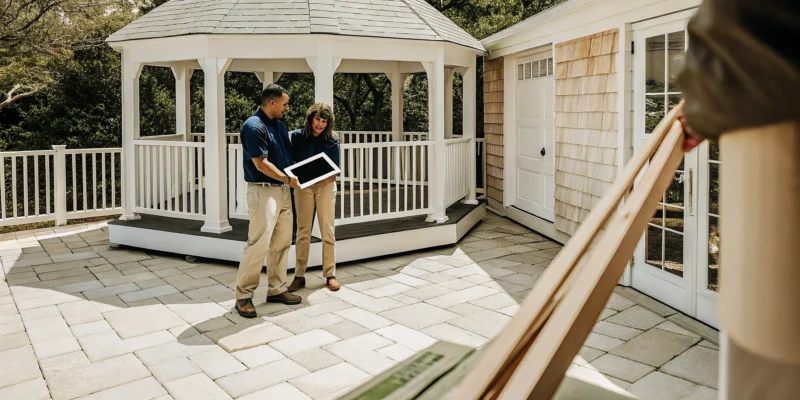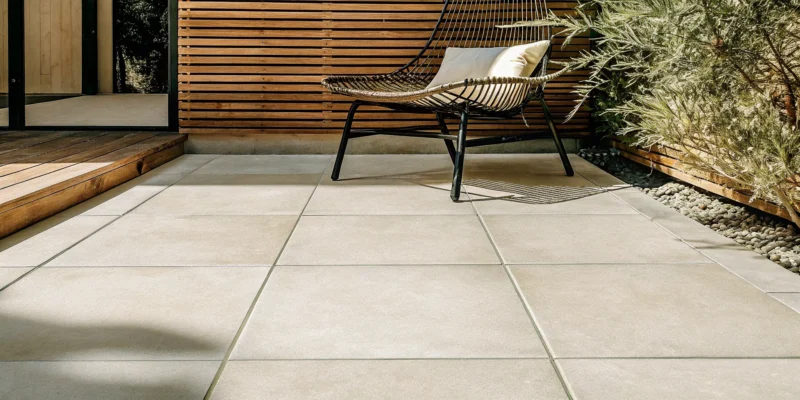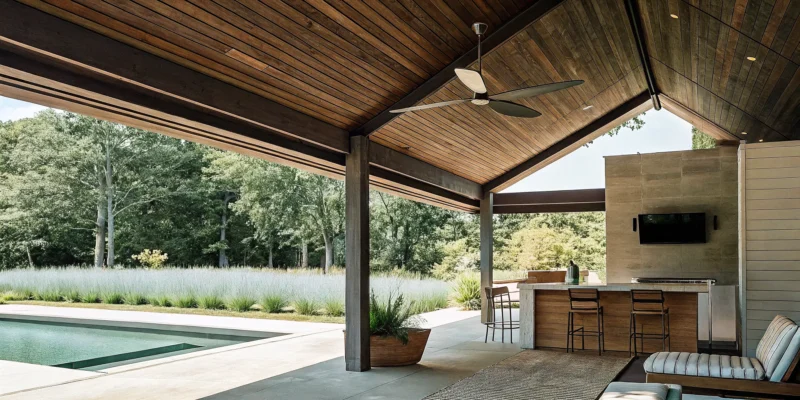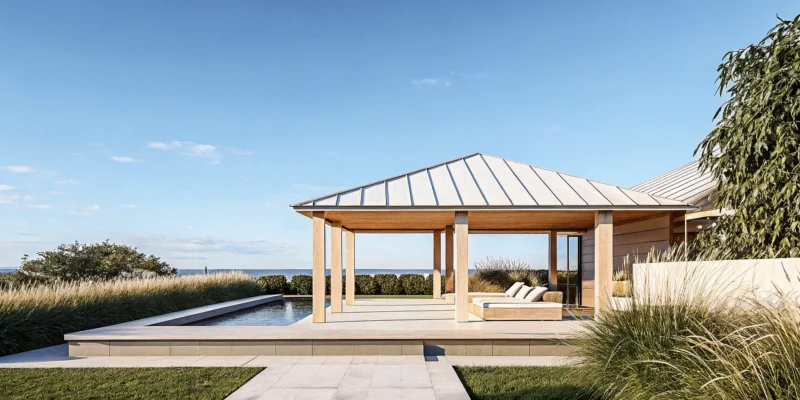
Serene powder coated aluminum outdoor kitchen cabinets with a built-in grill on a modern patio.

Serene Powder Coated Aluminum Outdoor Kitchen Cabinets: A Buyer’s Guide

Living on Long Island means our outdoor spaces must endure a unique set of challenges, from the salty, humid air of summer to the freezing temperatures of winter. Not all materials labeled “outdoor-grade” are truly up to the task. You need a solution specifically engineered to withstand our coastal climate without degrading. This is why we so often recommend powder coated aluminum outdoor kitchen cabinets | serene for local projects. They are constructed from marine-grade aluminum and finished with a protective powder coat that resists rust, corrosion, and fading from UV exposure. This combination ensures your cabinets won’t warp, chip, or peel. In this article, we’ll explain how these materials perform in harsh weather and why they are the ideal choice for a durable, worry-free Long Island outdoor kitchen.

Key Takeaways

  • Built for the Coast: Choose powder coated aluminum for a kitchen that stands up to Long Island’s salt, sun, and humidity. These cabinets won’t rust, warp, or fade, which means you get a beautiful outdoor space without the constant worry or upkeep.
  • Design a Kitchen That’s Uniquely Yours: Go beyond standard options by choosing from a huge range of colors, woodgrain styles, and door designs. Custom sizing ensures your cabinets fit your space perfectly, giving you a polished, built-in look that matches your personal style.
  • Invest in Lasting Quality: Think of aluminum cabinets as a one-time investment in lasting quality. Their durability means you avoid the future costs and headaches of replacing warped wood or rusted metal, giving you more value and enjoyment for years to come.

What Are Powder Coated Aluminum Outdoor Kitchen Cabinets?

When you’re designing your dream outdoor kitchen, the cabinets you choose are one of the most important decisions you’ll make. They need to look great, offer smart storage, and, most importantly, withstand everything Long Island weather throws at them. That’s where powder coated aluminum cabinets come in. Think of them as the perfect combination of strength and style, built specifically for the outdoors.

The name tells you the whole story. The cabinets start with a high-quality aluminum frame, a material known for its durability and light weight. Then, they get a special finish called a powder coat. This isn’t paint. It’s a dry powder that is electrostatically applied and then cured with heat, forming a hard, protective shell that’s much tougher than traditional liquid paint. This two-part system creates a cabinet that resists rust, moisture, and fading, making it an ideal foundation for any outdoor entertainment space. You can find a curated selection of these top-tier products at the Gappsi Store. Let’s break down what makes each component so effective.

Why aluminum outperforms other outdoor materials

When it comes to outdoor materials, not all are created equal. Wood can warp and rot, while certain types of steel can rust, especially in the salty, humid air we get on Long Island. This is where aluminum truly shines. Serene cabinets use marine-grade aluminum, which means they are naturally resistant to rust and corrosion. They won’t swell or warp from moisture, ensuring your cabinet doors always open smoothly and close properly.

This material provides the structural integrity you need for a lasting outdoor kitchen. It’s strong enough to support heavy countertops and appliances without being excessively heavy. With a lifespan of 15 to 25 years, powder coated aluminum offers a fantastic balance of longevity and low maintenance, making it a smart choice for any masonry and patio project.

How does the powder coating process work?

The powder coat finish is what gives your aluminum cabinets their color and their first line of defense against the elements. The process is quite different from painting. Instead of a liquid, a dry powder polymer is applied to the aluminum surface using an electrostatic charge that helps it adhere evenly. The cabinet components are then baked in an oven, which melts the powder into a smooth, continuous, and incredibly durable finish.

This method creates a coating that is significantly thicker and more resilient than liquid paint, so it won’t chip, peel, or sag. A quality powder coat finish provides essential protection from UV rays, preventing the color from fading in the sun. It also seals the aluminum from moisture and salt, which is exactly the kind of protection you need to restore and seal your investment for years of outdoor enjoyment.

What Makes Serene Outdoor Cabinets Stand Out?

When you’re designing an outdoor kitchen, you want cabinets that look beautiful and perform flawlessly for years. Serene cabinets are engineered specifically for this purpose, combining high-end materials with thoughtful design. They solve the common problems homeowners face with outdoor furniture, like rust, warping, and fading. From their core construction to their finishing touches, every detail is designed to withstand the elements and make your outdoor living space more enjoyable. Let’s look at the specific features that make Serene a top choice for Long Island homes.

Marine-grade aluminum and welded frame construction

The foundation of any great cabinet is its structure, and Serene starts with the best. These cabinets are made from marine-grade aluminum with a fully welded frame. This isn’t just any aluminum; it’s the same type of material used in shipbuilding because it’s exceptionally resistant to corrosion, even in salty, humid air like we have on Long Island. The welded construction means the frame is a single, solid piece. There are no screws or fasteners that can loosen over time, ensuring your cabinets remain sturdy and square for the life of your kitchen. This robust build provides the perfect base for your masonry countertops and heavy-duty appliances.

Weatherproof powder coat finish with UV protection

A cabinet’s finish is its first line of defense against the weather. Serene uses a premium powder coating process that does much more than just add color. Unlike a simple layer of paint, powder coating is baked onto the aluminum, creating a thick, durable, and uniform finish that resists chipping, scratching, and fading. This finish includes strong UV protection, so the vibrant color you choose today will stay true even after years of direct summer sun. This protection ensures your outdoor kitchen continues to be a stunning focal point, not a faded reminder of seasons past. It’s the same level of durability we value in our restoration and sealing services.

Fire-resistant, water-resistant, and eco-friendly design

Safety and sustainability are built right into Serene cabinets. Since aluminum is a non-combustible material, it’s naturally fire-resistant, giving you peace of mind when grilling. The material is also completely waterproof and impermeable, so you never have to worry about rain, snow, or humidity causing rot, mold, or mildew. This makes cleanup simple and keeps your storage space hygienic. On top of these practical benefits, aluminum is an eco-friendly choice. It is one of the most recycled materials on the planet, so you can create a beautiful outdoor kitchen under your pavilion or pergola while making a responsible choice for the environment.

Soft-close hinges and smart storage solutions

Serene cabinets prove that durability doesn’t mean sacrificing refinement. Every cabinet door features soft-close hinges, which prevent slamming and add a touch of quiet luxury to your outdoor space. This small detail makes a big difference in the daily experience of using your kitchen. Beyond the hardware, Serene offers intelligent storage solutions to keep your outdoor area organized and functional. You can customize your setup with pull-out trash and recycling bins, versatile drawer configurations, and adjustable shelving. These features ensure all your grilling tools, serveware, and supplies have a dedicated home, which you can find at the Gappsi Store.

How Can You Customize Your Serene Cabinets?

Your outdoor kitchen should be more than just a place to grill; it should be a true extension of your home and personal style. One of the best things about choosing Serene Powder Coated Aluminum Cabinets is the freedom you have to make them completely your own. Forget one-size-fits-all solutions. With Serene, you can tailor everything from the color and finish to the specific layout, ensuring your new outdoor space is as functional as it is beautiful. Let’s look at the ways you can personalize your cabinets for a perfect result.

Explore colors, finishes, and woodgrain styles

This is where the fun really begins. Serene cabinets come in a huge spectrum of powder-coated colors, from timeless neutrals that blend seamlessly with your home’s exterior to bold hues that make a statement. If you love the warmth of wood but not the upkeep, their realistic woodgrain finishes are a fantastic choice. Imagine pairing a rich teak finish with the cool tones of your porcelain pavers for a sophisticated, modern look. This level of choice means your outdoor kitchen will feel like a cohesive and intentional part of your overall landscape design, not an afterthought.

Choose your door styles, drawer layouts, and hardware

Beyond color, you can define the character of your kitchen with different door styles. Whether you prefer a clean, modern flat-panel door or a more traditional shaker style, Serene has options to match your vision. Thoughtful home remodeling principles apply outdoors, too. You can customize drawer configurations for optimal storage of your grilling tools, serving platters, and spices. Finishing touches like soft-close hinges and your choice of handles or pulls ensure every interaction with your cabinets feels high-quality and is tailored to your exact preferences.

Get custom sizing for a perfect fit

Unlike off-the-shelf options that force you to compromise, Serene cabinets are built to your project’s exact specifications. This means we can design a layout that fits your space perfectly, whether you have a sprawling patio or a more compact area. Custom sizing allows us to work around columns, integrate seamlessly with your chosen appliances, and maximize every inch of storage. The result is a truly professional, built-in look that makes your outdoor kitchen feel completely integrated with your home and landscape.

How Aluminum Compares to Wood, Steel, and Polymer

When you’re designing an outdoor kitchen, the materials you choose will determine how much time you spend enjoying it versus maintaining it. While wood, steel, and polymer are common choices, powder coated aluminum offers a unique combination of strength, style, and resilience that makes it a standout option, especially for Long Island homes. Let’s look at how it stacks up against the competition.

A look at maintenance needs

One of the biggest advantages of powder coated aluminum is how simple it is to maintain. The non-porous surface makes cleanup incredibly easy, so spills, grease, and grime from a summer barbecue wipe away without a fuss. Unlike wood, which requires regular sealing to prevent rot and staining, aluminum cabinets don’t need seasonal treatments. You can put away the sander and sealant for good. While stainless steel is also durable, it often shows fingerprints and water spots, requiring frequent polishing to look its best. Polymer is also low-maintenance, but aluminum provides a premium, rigid feel that polymer can’t quite match. With aluminum, you get a beautiful, long-lasting kitchen with minimal effort.

Performance in coastal and harsh weather

Living on Long Island means our outdoor spaces face everything from humid, salty air to intense summer sun and winter storms. Materials that perform well elsewhere can struggle here. This is where powder coated aluminum truly shines. The powder coating isn’t just for color; it creates a protective barrier that defends the cabinet against weather, UV rays, and corrosion. While wood can warp and fade, and some steel can rust in our salt-laden air, marine-grade aluminum is built to endure these exact conditions. Its durable finish helps it resist the impact of high winds and humidity, ensuring your cabinets look great for years. This level of durability is why we trust materials like porcelain and natural stone for patios, and it’s the same standard you should expect for your cabinets.

Why a rust-free, warp-free cabinet matters on Long Island

Warping and rust are two of the biggest enemies of outdoor furniture and cabinetry in our climate. Wood naturally absorbs moisture, causing it to swell, twist, and warp over time, which can leave your cabinet doors unable to close properly. Many metals are susceptible to rust, especially with the constant exposure to salty sea breezes. Serene’s powder coated aluminum cabinets are completely rust-proof and warp-free. This means your investment stays looking and functioning like new, season after season. The powder coating also provides excellent UV protection, so the color won’t fade in the sun. Choosing a material that won’t degrade is fundamental to creating a lasting outdoor living area, whether it’s the masonry for your patio or the cabinets for your kitchen.

Are Aluminum Outdoor Kitchen Cabinets a Good Investment?

When you’re planning a project as exciting as an outdoor kitchen, you want to make choices that you’ll be happy with for years to come. Aluminum cabinets, especially high-quality ones like Serene, represent a significant upfront investment. So, let’s talk about what that investment gets you in the long run. It’s about more than just looks; it’s about creating a space that lasts, functions beautifully, and lets you focus on making memories, not on making repairs. Thinking through the cost, lifespan, and value compared to other options will help you decide if they are the right fit for your home.

Balancing cost and longevity

When you look at the lifespan of your outdoor kitchen, the initial price is only part of the story. While powder coated aluminum cabinets may have a higher upfront cost, they are built to last. Some of the best outdoor kitchen cabinet materials offer impressive durability, with powder coated aluminum lasting 15 to 25 years. This longevity means you won’t face the expense and hassle of replacing them anytime soon. Plus, their non-porous surface makes cleanup incredibly simple. Spills and grease wipe away easily, saving you time and effort. Investing in aluminum means you get a beautiful, functional kitchen that stands the test of time with minimal fuss.

The long-term value vs. other materials

The true value of aluminum cabinets becomes clear when you compare them to other materials. Wood can warp and fade, while some metals are prone to rust, especially in Long Island’s coastal climate. Serene cabinets use marine-grade aluminum with a durable powder coated finish, so they won’t rust, warp, or fade. The powder coating isn’t just for color; it’s a tough, protective layer that shields the cabinet from weather, UV rays, and daily wear. This process creates a strong defense against corrosion, ensuring your outdoor kitchen looks great season after season. It’s a smart choice that protects your investment against the elements.

What Are Homeowners Saying About Serene Cabinets?

When you’re investing in your outdoor living space, hearing from people who have already been there is invaluable. It’s one thing to read about features and another to know how a product holds up in a real Long Island backyard. We consistently hear positive feedback about Serene cabinets, and two themes come up again and again: their incredible durability and the excellent quality of both the product and the customer service. Let’s look at what homeowners are actually experiencing.

Real-world durability and low maintenance

One of the biggest praises we hear is how simple these cabinets are to maintain. Life is busy, and the last thing you want is another chore. Homeowners love that the non-porous, powder-coated surface makes cleanup a breeze. Spills, grease from the grill, and everyday grime wipe away without a fight, so you can spend more time enjoying your patio. This isn’t a short-term benefit either. These cabinets are built to last for decades, meaning your outdoor kitchen keeps its appearance and performance year after year with minimal effort. It’s a practical choice for anyone who wants a beautiful outdoor space without the constant upkeep.

The value of quality and customer support

Beyond the easy maintenance, homeowners feel confident in the quality of their investment. Serene cabinets are made from marine-grade aluminum, so they won’t rust, warp, or fade, even with Long Island’s humid summers and coastal air. This durability provides real peace of mind. But the quality experience doesn’t stop with the product. Customers often mention that the company is easy to work with, responsive, and committed to getting every detail right. Knowing you have that level of support behind your project makes the entire process smoother and ensures you’ll love the final result for years to come.

Understanding Your Warranty and Support

An outdoor kitchen is a significant addition to your home, so knowing it’s protected is just as important as its style and function. When you choose Serene cabinets, you’re not just getting a beautiful product; you’re also getting the assurance that comes with a solid warranty and dedicated support. This backing is crucial for ensuring your investment remains a source of enjoyment for years to come. At Gappsi, we partner with brands like Serene that stand firmly behind their craftsmanship, giving you confidence in your new outdoor living space. From the initial design consultation to any questions you might have after installation, having a reliable support system makes all the difference. We believe the process of creating your dream backyard should be smooth and worry-free, and that includes understanding the protection that comes with your purchase. This commitment to quality and service ensures your outdoor kitchen will not only look fantastic but will also be built to last through every season on Long Island. We handle every aspect of your project, from the initial masonry work for your patio to the final placement of your cabinets, so you can be sure that the entire system is built correctly and supported by our team. This integrated approach means you have one point of contact for everything, simplifying the process and guaranteeing that all components work together perfectly.

What the 5-year limited warranty covers

Serene Cabinetry provides a 5-year limited warranty on their powder coated aluminum cabinets, which is a testament to their quality. This warranty protects your investment against defects in materials and workmanship under normal use. It means that the structural integrity and finish of your cabinets are covered, giving you peace of mind as you enjoy your outdoor space. For homeowners on Long Island, where weather can range from humid summers to snowy winters, this protection is invaluable. It ensures that your beautiful cabinets are built to withstand the elements. This warranty is a core part of the value you receive, reflecting the manufacturer’s confidence in creating a durable, long-lasting product for your home remodeling project.

Accessing design help and after-sales service

Beyond the warranty, the support you receive during the design and installation process is key to a successful project. This is where working with an experienced team truly pays off. At Gappsi, our experts provide comprehensive design services to help you integrate Serene cabinets into a cohesive and functional outdoor kitchen layout. We’ll guide you through every choice, from cabinet placement to pairing them with the right countertops and appliances. Our commitment doesn’t end once the installation is complete. We are your local point of contact for any after-sales questions or service needs, ensuring a seamless and supportive experience from start to finish. Our goal is to make sure you love every detail of your new outdoor kitchen.

Design Inspiration for Your Outdoor Kitchen

Once you’ve chosen your Serene outdoor cabinets, the real fun begins. This is your chance to bring your unique style to life by pairing them with the perfect countertops, appliances, and layout. Think of your cabinets as the foundation, the strong and beautiful base upon which you’ll build your dream outdoor entertaining space. The right design choices will create a kitchen that’s not just functional for cooking, but also a stunning centerpiece for every backyard gathering.

Your outdoor kitchen should feel like a natural extension of your home and your lifestyle. Do you envision a sleek, modern space for hosting cocktail parties, or a rustic, cozy spot for family barbecues? Serene cabinets are versatile enough to fit any aesthetic. By carefully selecting complementary materials and planning a thoughtful layout, you can create a space that reflects your personality and meets all your entertaining needs. From a simple grill station to a full-service kitchen with a sink, refrigerator, and pizza oven, the possibilities are endless. Let’s look at some ideas to get your creativity flowing.

Pair cabinets with the right countertops and appliances

Choosing the right countertops is about finding a balance between beauty and resilience. You need a surface that can handle Long Island’s weather, from sunny summer days to chilly winters, without losing its charm. Durable materials like granite and quartz are excellent choices. We also love the timeless look of porcelain and natural stone, which creates a high-end finish that stands up to the elements. The clean lines of Serene’s powder-coated aluminum cabinets pair beautifully with the sleek look of stainless steel appliances, creating a cohesive and professional-grade cooking environment that’s built to last.

Ideas for beautiful Long Island outdoor kitchens

To make your outdoor kitchen feel truly integrated with your backyard, consider incorporating natural textures. A popular approach on Long Island is to use stone veneers for the kitchen island or backsplash. This masonry work adds a touch of rustic elegance that complements the modern appeal of aluminum cabinets. Even in a smaller yard, you can create a highly functional layout. A compact cabinet run with a built-in grill, sink, and under-counter beverage cooler can transform a patio into the go-to spot for entertaining. For a complete outdoor living experience, position your kitchen under one of our custom pavilions and pergolas to provide shade and define the space.

Find Serene Outdoor Kitchen Cabinets on Long Island

When you’re ready to create a beautiful and functional outdoor kitchen, the cabinets you choose are a critical foundation. We often recommend Serene Powder Coated Aluminum Outdoor Kitchen Cabinets to our Long Island clients because they offer an incredible combination of sophisticated style and rugged durability. These cabinets are designed to give your outdoor space a sleek, modern feel while standing up to the elements year after year. They provide the perfect framework for a complete outdoor culinary experience, from casual family barbecues to elegant evening gatherings.

One of the best features of Serene is its fully customizable product line, which means your outdoor kitchen is built to order. This is a huge advantage for Long Island homes, where backyards come in all shapes and sizes. Our design team at Gappsi can help you plan a layout that perfectly fits your space and meets your specific needs for cooking and storage. We’ll work with you to select the right modules, ensuring your new kitchen is as practical as it is beautiful.

Serene cabinets are built to last, using a special coastal powder coat that is specifically designed to endure outdoor conditions. This makes them an ideal choice for our local climate, protecting your investment from the salty air and changing seasons. This commitment to quality is why we confidently incorporate them into our outdoor living projects. You get a stunning kitchen without the constant worry of weather damage.

If you’re interested in exploring these options for your home, the next step is simple. The Gappsi team is your local source for designing and installing a complete outdoor kitchen featuring Serene cabinetry. We manage the entire process, from the initial design consultation to the final installation, pairing your new cabinets with the perfect countertops and appliances. Contact us today to start creating the outdoor kitchen you’ve always wanted.

Related Articles

Frequently Asked questions

How do these cabinets really hold up to Long Island’s salt air and humidity? This is one of the most important questions for any outdoor project on Long Island, and it’s where these cabinets truly excel. They are built from marine-grade aluminum, the same kind of material trusted for use on boats, because it simply does not rust. The powder coat finish adds another thick layer of protection, sealing the cabinet from moisture and salt. This combination means you don’t have to worry about the corrosion, warping, or peeling that can ruin wood or other types of metal in our coastal climate.

I love the look of wood, but I don’t want the constant upkeep. Are there any options for me? Absolutely. This is a common dilemma, and Serene offers a perfect solution with their realistic woodgrain powder coat finishes. You can get the warm, inviting look of teak, oak, or other wood species without any of the maintenance headaches. These finishes are baked onto the aluminum, so they won’t fade, chip, or require seasonal sealing like real wood does. It’s the best way to achieve that classic aesthetic with modern, weatherproof durability.

What does “low maintenance” actually mean when it comes to cleaning? It means you can spend more time enjoying your kitchen and less time scrubbing it. The powder coated surface is non-porous, so grease from the grill, spilled drinks, or pollen won’t soak in and stain. For most messes, a simple wipe-down with a soft cloth, mild soap, and water is all you need to make them look brand new. You can forget about special cleaners, polishes, or sealants; these cabinets are designed for a simple, stress-free cleanup.

My patio space has an awkward corner. Can these cabinets be made to fit? Yes, and this is a major advantage over standard, off-the-shelf options. Serene cabinets are built to your project’s exact measurements. This means we can design a layout that fits your space perfectly, working around columns, integrating with your chosen grill, and making the most of every inch. The ability to customize the size ensures you get a professional, built-in look that feels completely intentional, no matter the shape or size of your patio.

Are aluminum cabinets a good long-term value compared to less expensive options? While the initial cost might be higher than some alternatives like polymer or wood, the long-term value is exceptional. With a lifespan of 15 to 25 years, you are investing in a solution that you won’t have to replace in a few seasons. You save money and time over the years because there are no costs for refinishing, sealing, or repairing rust and water damage. You get a beautiful, functional kitchen that lasts for decades, making it a very smart investment in your home.

For help fitting cabinet choices into the complete project, see our built in outdoor kitchen planning guide, including location, utility, appliance, and Long Island climate considerations.

Share this page:
Side-by-side comparison of a bluestone patio vs a paver patio.

Bluestone vs. Pavers for Patio: Which Is Better?

Living on Long Island means our outdoor spaces have to be tough. They need to endure hot, humid summers, icy winters, and the constant freeze-thaw cycles that can wreak havoc on lesser materials. When you’re investing in a new patio, you need a surface that will look beautiful for decades, not just for a season. This is why the conversation around bluestone vs pavers for patio is so critical for local homeowners. It’s about more than just aesthetics; it’s about choosing a material that is built to last in our specific climate. We’ll compare how each option handles the elements, from slip resistance on rainy days to staying cool under the summer sun.

Key Takeaways

  • Balance Your Budget and Aesthetic: Bluestone offers a premium, authentic stone appearance at a higher cost, while pavers provide a budget-friendly and versatile alternative with a huge selection of colors and styles.
  • Consider Long-Term Upkeep: Pavers are a practical, low-maintenance choice for the Long Island climate, as their interlocking design handles freeze-thaw cycles and allows for simple repairs. Bluestone offers incredible durability but requires regular sealing to protect its natural surface from stains and weather.
  • Choose Your Design Philosophy: Select bluestone for its timeless, organic elegance where every stone is unique, creating a sophisticated, one-of-a-kind surface. Opt for pavers when you want complete creative control, using endless color and pattern combinations to create a truly custom look.

Bluestone vs. Pavers: Which Is Right for Your Patio?

Choosing the right material for your new patio is one of the most exciting parts of a backyard project. It sets the tone for your entire outdoor space. The decision often comes down to two popular choices: bluestone and pavers. One offers timeless, natural beauty, while the other provides incredible design flexibility. Let’s break down what makes each material unique so you can find the perfect fit for your Long Island home.

What Is Bluestone?

Bluestone is a beautiful, dense natural stone that is quarried directly from the earth. It’s known for its classic, elegant appearance that feels both upscale and grounded. You’ll typically find two main varieties: Pennsylvania bluestone, which is a type of sandstone, and Shenandoah bluestone, which is a form of limestone. Each slab has subtle variations in color and texture, giving your patio a one-of-a-kind character that simply can’t be replicated. Its rich, earthy tones create a sophisticated backdrop for any outdoor living area, from a cozy fire pit seating area to a sprawling poolside deck. If you’re aiming for a timeless look that can last a lifetime with proper installation, bluestone is a fantastic choice.

What Are Pavers?

Unlike bluestone, pavers are manufactured, typically from concrete, clay, or even recycled materials. This factory process gives them a huge advantage in versatility. Pavers come in a nearly endless variety of colors, shapes, sizes, and textures, allowing you to create truly custom patterns and designs. Whether you want the look of classic cobblestone, sleek modern tiles, or something in between, there’s a paver for it. This consistency also makes installation straightforward and allows the individual units to shift slightly with changing weather, which is a great feature for Long Island’s climate. If you value creative freedom and want to perfectly match your patio to your home’s style, pavers offer a world of possibilities.

Key Differences at a Glance

When you put them side by side, the main differences between bluestone and pavers become clear. Bluestone offers an authentic, high-end aesthetic with unique natural variations, but it generally comes with a higher price tag, often ranging from $17 to $25 per square foot. Pavers, on the other hand, provide a much wider range of costs, typically from $8 to $25 per square foot, making them accessible for various budgets. While bluestone is celebrated for its timeless elegance, pavers are the go-to for design flexibility and durability. Many homeowners find pavers easier to maintain and appreciate how they handle wear and tear, making them a practical choice for large, high-traffic areas.

Comparing Costs: Bluestone vs. Pavers

Let’s talk about one of the biggest factors in any home project: the budget. When you’re planning a new patio, understanding the costs involved is the first step to making a confident decision. Both bluestone and pavers create beautiful, lasting outdoor spaces, but they come with different price tags. It’s not just about the price per square foot, it’s about the total investment in your home and lifestyle. The final cost of your project will depend on the material you choose, the size of your patio, the complexity of the design, and the specific installation requirements.

Bluestone, a natural stone quarried from the earth, generally sits at a higher price point. This cost reflects its natural origins, the labor involved in extracting it, and its unique, timeless beauty. On the other hand, pavers are manufactured materials, which often makes them a more budget-friendly choice. They come in a huge variety of styles and materials, from concrete to porcelain, giving you a lot of flexibility. Think of this as an investment. A well-built patio not only gives you a wonderful space for making memories but can also add significant value to your home. Our team at Gappsi can walk you through all the options and help you create a beautiful patio that aligns with your budget and vision. We have years of experience in masonry design and construction and can help you weigh the costs and benefits of each material for your Long Island home.

How Much Does Bluestone Cost?

Bluestone is considered a premium material, and its price reflects that. You can generally expect the cost to range from $17 to $25 per square foot for the stone itself. For higher-end or more unique cuts and finishes, the price can climb to between $30 and $40 per square foot. This higher cost is tied directly to its natural origin. Each piece is quarried, cut, and shipped, which is a more labor-intensive process than manufacturing pavers. When you choose bluestone, you’re paying for a one-of-a-kind product. The subtle color variations and natural textures mean that no two bluestone patios are ever identical. It’s an investment in authentic, long-lasting elegance that brings a touch of nature right to your backyard.

How Much Do Pavers Cost?

Pavers are typically the more wallet-friendly option, making them a popular choice for many homeowners. The cost for pavers generally falls between $8 and $25 per square foot. This wide range exists because “pavers” is a broad category that includes many different materials, like concrete, clay, and even high-tech porcelain. While some premium pavers can approach the cost of bluestone, the vast majority of options are more affordable. This allows you to achieve a beautiful, durable patio without the premium price tag of natural stone. The lower cost is mainly because pavers are manufactured, which makes them more widely available and less labor-intensive to produce. This makes them a fantastic and versatile choice for projects of any size or budget.

What Factors Influence the Price?

Beyond the base cost of the material, several other factors will shape your project’s final price. For bluestone, the higher price is due to it being a natural product that needs to be quarried and transported, often from specific regions. The installation process can also be more complex, especially for a wet-laid application, which requires a concrete base and mortar. Pavers, being manufactured, are more readily available and often lighter, which can simplify the installation process. The installation method, whether it’s a dry-laid or wet-laid technique, will also affect the total cost for either material. At Gappsi, we specialize in installing a wide variety of porcelain and natural stone pavers, ensuring your project is built to last, no matter which material you choose.

Design and Aesthetics: Finding the Perfect Look

The look of your patio sets the tone for your entire outdoor space. Both bluestone and pavers offer beautiful, distinct aesthetics, but they achieve them in very different ways. Your choice will come down to whether you prefer the organic character of natural stone or the controlled creativity of manufactured pavers. A well-designed patio should complement your home’s architecture and your personal style, creating a seamless flow from indoors to out. Gappsi’s design experts can help you visualize how each material will look with your home, ensuring the final result is exactly what you imagined. We can even integrate features like outdoor kitchens or fire pits using matching or complementary masonry for a cohesive design.

The Natural Elegance of Bluestone

If you’re drawn to a timeless, organic look, bluestone is an incredible choice. Each stone is unique, with subtle variations in color ranging from deep blues and grays to hints of green, brown, and lilac. This natural variation creates a rich, textured surface that feels both luxurious and grounded. Bluestone patios have an authentic elegance that manufactured products work hard to imitate. Because it’s a natural stone, it blends beautifully with landscaping elements like garden beds and lush lawns. The inherent character of bluestone means your patio will be one of a kind, with a sophisticated charm that only improves with age.

The Creative Versatility of Pavers

For homeowners who want complete creative control, pavers are the perfect canvas. While bluestone’s beauty lies in its natural imperfections, pavers offer endless possibilities in color, shape, texture, and size. Modern manufacturing techniques allow concrete pavers to convincingly mimic the look of natural stone, including bluestone, but with greater consistency and a wider range of options. This versatility means you can design a patio that perfectly matches your home’s siding, trim, or other outdoor features. From rustic cobblestone styles to sleek, modern slabs, pavers give you the tools to create a truly custom outdoor living area that reflects your exact vision.

Popular Patterns and Layouts

The pattern you choose for your patio has a major impact on its overall style. With bluestone, a random rectangular or “Ashlar” pattern is most common. This layout uses a mix of different-sized rectangular stones to create a dynamic, natural-looking surface that breaks up straight lines. For pavers, the options are nearly limitless. Classic running bond and herringbone patterns are always popular, offering a traditional and elegant feel. More intricate designs like basketweave or circular patterns can create a stunning focal point. The pattern can make a space feel larger or more intimate, and our design team can help you select a layout that complements your home and landscape.

Color Options and Design Flexibility

When it comes to color, the choice between bluestone and pavers is clear. Bluestone offers a beautiful but limited palette of natural earth tones. While you can select stones that lean more blue or more gray, the final look is determined by nature. Pavers, on the other hand, come in a huge spectrum of colors. You can find everything from warm reds and browns to cool grays and charcoals, often with blended tones to add depth. This flexibility makes it easy to coordinate your patio with your home’s existing color scheme. You can see how different materials and colors come together in our past projects on the Gappsi YouTube channel.

Durability in the Long Island Climate

Living on Long Island means we get to experience all four seasons, from humid summer days to icy winter nights. While beautiful, this weather can be tough on outdoor materials. When you’re investing in a new patio, you need to know it will stand up to the elements year after year. Both bluestone and pavers are strong contenders, but they handle Long Island’s specific climate challenges in different ways. Understanding these differences is key to choosing a material that not only looks great on day one but continues to perform beautifully for decades. Your patio is an extension of your home, and picking the right foundation ensures it will be a source of enjoyment, not a maintenance headache.

Surviving Freeze-Thaw Cycles

If you’ve lived here long enough, you’re familiar with the freeze-thaw cycle. Water seeps into tiny cracks, freezes, expands, and then thaws, putting immense pressure on outdoor surfaces. Pavers are exceptionally good at handling this. Because they are individual units installed with sand-filled joints, they can shift slightly with the ground’s movement without cracking. This flexibility is a major advantage. While bluestone is a dense and durable stone, a large slab is more rigid. If water gets underneath and freezes, it can lead to heaving or cracking, which is a much more involved repair than replacing a single paver. Proper masonry installation is crucial for both, but pavers offer a bit more forgiveness.

Beating the Summer Heat

Think about walking barefoot on your patio on a hot July afternoon. The material you choose can make a big difference in comfort. Natural bluestone, especially in its darker gray and blue shades, absorbs a lot of sunlight and can get surprisingly hot to the touch. This can be a concern for families with children or pets, and it’s something to consider for patios around swimming pools. Pavers, on the other hand, come in a vast spectrum of colors. Opting for a lighter shade of paver will reflect more sunlight, keeping the surface temperature much cooler and more comfortable for bare feet all summer long. This simple choice can greatly improve how you enjoy your outdoor space during our warmest months.

Safety and Slip Resistance

Safety is another practical point to consider, especially for areas that get wet. Bluestone has a relatively smooth surface that can become quite slippery when it rains or after the sprinklers run. In shady, damp areas, it can also be prone to algae or moss growth, which further increases the slip factor. Many pavers are manufactured with a textured surface that provides better traction, making them a safer choice for walkways, pool decks, and patios. While sealing can help protect both surfaces, the inherent texture of many porcelain and natural stone pavers gives them an edge in slip resistance right from the start, offering you more peace of mind.

How Long Will Your Patio Last?

A new patio is a long-term investment, so you want it to last. With professional installation and proper care, both materials offer impressive longevity. Bluestone is a natural stone that can last 30 to 75 years or even longer. Its lifespan is a testament to its natural durability. Pavers also boast a long life, typically lasting between 25 and 40 years. The key difference lies in repairs. If a large bluestone slab cracks, replacing it can be a significant project. If a paver cracks or gets stained, you can simply lift it out and replace that one piece, making repairs simple and cost-effective. This ease of maintenance helps ensure your patio looks its best for its entire lifespan.

What to Expect for Long-Term Maintenance

Any beautiful patio requires some level of care to keep it looking its best year after year. Understanding the long-term commitment before you invest is key to choosing a material you’ll love for the long haul. Both bluestone and pavers have distinct maintenance needs, and the right choice for you will depend on how much time you want to spend on upkeep.

The good news is that many common maintenance tasks, like cleaning and sealing, can be handled by professionals. Gappsi offers expert restoration and sealing services to protect your investment and keep your patio looking brand new. Ultimately, the single biggest factor in reducing future headaches is a flawless installation from the start. When your patio is built correctly on a proper base, it will be far more resilient and require less work from you down the road.

Caring for a Bluestone Patio

Bluestone’s natural beauty is undeniable, but it does ask for a bit more attention to stay pristine. As a porous natural stone, it can be susceptible to damage from water, especially if your patio is near a swimming pool or in an area that doesn’t get much sun. To protect it from dirt, stains, and chemicals like chlorine, bluestone needs to be sealed regularly. This simple step is the best way to preserve its color and integrity. With the right care and a professional sealing schedule, a bluestone patio can easily last a lifetime, becoming a timeless feature of your home.

Caring for a Paver Patio

If a low-maintenance lifestyle is your goal, pavers are an excellent choice. They are incredibly durable and engineered to withstand Long Island’s freeze-thaw cycles without cracking. One of the biggest advantages of pavers is the ease of repair. If a single paver ever chips or cracks, you can simply replace that one piece, which is much simpler and more affordable than repairing a large stone slab. Your main upkeep tasks will be occasional cleaning and perhaps topping off the joint sand every few years to keep weeds at bay and the pavers locked in place.

How Proper Installation Minimizes Upkeep

No matter which material you choose, the quality of the installation is the most critical factor for a long-lasting, low-maintenance patio. A patio is only as good as the foundation it’s built on. An expert masonry team ensures the base is properly excavated and compacted, creating a stable surface that prevents sinking and shifting. For example, a dry-laid installation technique allows the patio to flex slightly during freeze-thaw cycles, preventing cracks. Investing in a professional installation from the beginning means you’re setting your patio up for decades of beauty with minimal fuss.

A Quick Comparison of Pros and Cons

Making a final decision can be tough, so let’s break it down into a simple list of pros and cons. Seeing the advantages and disadvantages side-by-side can help clarify which material truly fits your vision and lifestyle. Whether you prioritize timeless beauty or practical versatility, this quick comparison will give you the key points you need to consider for your Long Island patio.

We’ll look at what makes each option shine and what potential drawbacks you should be aware of. This way, you can feel confident in your choice and get one step closer to enjoying your dream outdoor space.

Bluestone: The Pros and Cons

Bluestone offers a classic, elegant look that feels both high-end and timeless. Because it’s a natural product, every single stone is unique, giving your patio a one-of-a-kind character that complements almost any home style. With the right installation, a bluestone patio can last a lifetime.

However, there are a few things to keep in mind. Bluestone can become quite slippery when wet, particularly in shady areas where moisture lingers. It also comes with a higher price tag than most pavers. To keep it looking its best and prevent issues, you’ll want to invest in professional restoration and sealing services, which adds to the long-term cost.

Pavers: The Pros and Cons

Pavers are known for their incredible versatility and durability. They are engineered to handle wear and tear, and their interlocking design allows them to shift slightly with temperature changes, which is a huge plus for weathering Long Island’s seasons. Pavers are also generally more budget-friendly, making them a great option for larger projects.

On the other hand, the joints between pavers can sometimes allow weeds to sprout, requiring a bit of maintenance. If not installed correctly, pavers can also shift over time and create an uneven surface. While many modern pavers are beautifully designed, achieving the same authentic, large-slab appearance of natural stone can be a challenge.

How to Choose the Best Material for You

You’ve seen the head-to-head comparison, so now for the most important part: deciding which material is the right fit for your home, your family, and your vision. Making the final call comes down to balancing three key areas. Think about your budget, your personal style, and your long-term goals for your property. Let’s walk through each one so you can feel confident in your choice.

Matching Your Budget

Let’s talk numbers, because your budget is a practical and important part of any home project. Generally, bluestone costs more because it’s a natural product that is difficult to find and quarry. You can expect bluestone to cost between $17 and $25 per square foot. Pavers, on the other hand, are typically more affordable, with a price range of $8 to $25 per square foot. This difference can add up quickly depending on the size of your patio. While both options can create a stunning outdoor space, understanding the cost from the start helps you plan a project that you’re both excited about and comfortable with financially. Exploring different types of natural stone can also give you a clearer picture of your options.

Aligning with Your Lifestyle and Design Goals

Beyond the price tag, how do you want your patio to look and feel? If you’re aiming for a look that is classic, timeless, and elegant, bluestone is an incredible choice. Its natural color variations and textures can give your home a sophisticated feel that works with many architectural styles. However, if you love having plenty of options and want to get creative, pavers might be your perfect match. Since they are factory-made, pavers come in a huge variety of colors, shapes, and sizes. This allows for much greater customization, letting you design a patio that truly reflects your personal style.

Thinking About Your Home’s Resale Value

A new patio is more than just an upgrade for you to enjoy now; it’s an investment in your home’s future. When it comes to resale value, high-end materials often catch the eye of potential buyers. If you want a premium look that adds tangible value to your home, bluestone is a fantastic choice. Its classic appeal is often seen as a luxury feature that can make your property stand out. While a well-designed paver patio is also a great asset, the inherent elegance of bluestone can be a significant selling point, making the initial higher cost a worthwhile investment in the long run.

Related Articles

Frequently Asked Questions

Which material is truly better for Long Island’s freeze-thaw weather? This is a great question because our weather is tough on outdoor surfaces. Pavers generally have an edge here. Because they are individual units with sand-filled joints, they can move and flex slightly as the ground freezes and thaws. This prevents the widespread cracking you might see with a more rigid surface. While bluestone is very dense, a large slab doesn’t have that same flexibility, so a flawless installation is absolutely critical to prevent heaving or damage over the winter.

Is the higher cost of bluestone actually worth it in the long run? Think of it as an investment in authenticity. The higher price of bluestone comes from it being a natural, quarried stone, which gives it a unique character and elegance that’s hard to replicate. For many homeowners, this timeless look and the potential boost in home resale value make the initial cost worthwhile. Pavers offer fantastic durability and design flexibility for a lower price, so it really comes down to whether you prioritize the one-of-a-kind beauty of natural stone or the practical versatility of a manufactured product.

Can I get the look of bluestone without the high price tag? Yes, you absolutely can. Many modern paver manufacturers have gotten incredibly good at creating products that mimic the look of natural stone, including bluestone. These pavers can replicate the color variations and textures of bluestone but offer more consistency and a much friendlier price point. It’s a fantastic way to achieve that classic, upscale aesthetic while staying within a specific budget.

Which option is safer for a family with kids or for a pool deck? For high-traffic family areas, especially around a pool, pavers are often the more practical choice. Many paver styles are manufactured with a textured surface that provides better slip resistance when wet. Additionally, dark bluestone can get very hot under the summer sun, while pavers come in a wide variety of light colors that stay much cooler on bare feet.

How important is professional installation for my new patio? It is the single most important factor for the longevity of your patio, regardless of which material you choose. A patio is only as strong as the foundation it’s built on. A professional installation ensures the base is properly prepared to prevent sinking, shifting, and drainage problems down the road. Investing in expert installation from the start saves you from costly repairs and headaches later on and is the best way to protect your new outdoor space.

Share this page:
Natural stone coping around a Long Island backyard pool

Pool Coping Materials for Long Island Backyards

Long Island winters expose weak pool edges long before summer swimmers do. The right coping must handle freeze-thaw cycles, wet feet, and the visual weight of the entire backyard.

Ready to compare pool coping options for your Long Island backyard? Schedule a consultation with Gappsi’s design team.

Pool coping materials form the finished cap around an inground pool, protecting the structure while creating a safer, more comfortable edge. Coping also separates the waterline from the surrounding deck and gives swimmers a defined place to grip. For Long Island backyards, the main choices include natural stone, concrete pavers, porcelain, and brick, but each differs in texture, upkeep, cost, and winter performance. A sound selection should feel secure under wet feet, coordinate with the pool patio, and withstand repeated weather exposure. Construction standards recognize the need for materials that tolerate freezing temperatures, an important concern in Nassau and Suffolk Counties. The best option balances appearance with the edge profile, installation method, and long-term care that fit how your family uses the pool.

Choosing well starts with understanding what coping contributes beyond appearance through every Long Island season. Before comparing stone, concrete, porcelain, and brick for a Nassau or Suffolk County yard, consider the foundation question: What does pool coping do? A confident material decision begins with

What does pool coping do?

Pool coping caps the top edge of an inground pool, protects the structure, and creates a comfortable boundary for swimmers. It also helps direct water away from vulnerable joints and visually connects the pool with the surrounding patio. The right profile and texture improve both function and appearance.

Protection at the pool edge

Pool coping is the finished cap where the pool wall meets the surrounding deck. It covers the exposed edge and helps protect the pool structure from daily use, splashes, and weather. This narrow band also gives the perimeter a stable, clean finish instead of leaving a raw construction edge.

Coping takes repeated contact from feet, hands, furniture, and cleaning tools. A loose, cracked, or poorly set piece can weaken the edge and create an uneven boundary. For that reason, the material, base, and joints must work as one built system.

The coping’s shape and pitch help guide splash water and deck runoff away from vulnerable joints. Drainage still depends on the full patio plan, not coping alone. Water that collects near the edge can expose nearby materials to repeated wetting and cold-weather stress.

Cold-weather durability matters across Nassau and Suffolk Counties. Public pool rules hosted by the University of Texas note that materials must withstand freezing temperatures. That requirement offers a useful test when comparing pool coping materials for Long Island conditions.

A comfortable, secure boundary

Coping forms the boundary swimmers touch as they enter, rest, or pull themselves from the water. A rounded or eased edge can feel better in the hand than a sharp corner. The selected profile should fit both the pool design and the way people will use the edge.

Surface texture matters because coping is often wet. A lightly textured finish can provide a steadier contact point, while a highly polished surface may feel slick underfoot. Homeowners comparing best paving materials for pool coping should weigh grip, edge shape, and heat comfort alongside color.

A visual link to the patio

Coping also acts as a visual frame around the water. It can match the patio for a seamless look or add controlled contrast that defines the pool’s outline. Width, color, joint spacing, and edge style all affect how the pool fits the yard.

This visual connection works best when the coping is planned with pavers, steps, stonework, and other hardscape features. Reviewing it as part of the full Swimming Pool Construction layout helps adjoining surfaces meet with purpose. It also gives installers a chance to coordinate drainage, joints, and elevations before separate materials come together.

Compare the most popular pool coping materials

The right coping should frame the water, suit the surrounding hardscape, and feel secure underfoot. Natural stone, porcelain, concrete, and brick each offer a distinct look and care profile. This comparison gives homeowners a practical starting point before reviewing samples and edge details.

Pool coping materials at a glance

No single material is the right choice for every pool. Climate, finish, installation quality, and routine care can all shape long-term performance. In cold regions, select materials rated to withstand freezing temperatures, as noted in these pool construction rules.

Material Appearance Maintenance Durability considerations Best-fit design
Natural stone Organic color and varied texture May need cleaning and sealing, based on stone type Performance varies by stone, finish, and climate Traditional, estate, and nature-led settings
Porcelain Clean lines and consistent color Usually simple routine cleaning Requires a product suited to outdoor pool use Modern and streamlined pool areas
Concrete Flexible shapes, colors, and edge profiles May need sealing and crack monitoring Mix, base preparation, and installation affect results Custom forms and coordinated decks
Brick Warm color and familiar pattern Joints may need cleaning or repair over time Choose units rated for the local climate Classic homes and patterned hardscapes
Natural stone pool coping material at a Long Island backyard pool
Review coping texture, color, and edge details beside the water and patio materials.

Appearance and design fit

Natural stone brings subtle color shifts and texture, which can soften the line between a pool and its landscape. Porcelain creates a more even surface and a crisp visual rhythm. Concrete can follow curves or custom shapes, while brick adds warmth through its scale and repeating joints.

Look beyond the coping as a separate border. Its tone, width, and edge should work with the pool interior, patio, and nearby masonry. Reviewing the best paving materials for pool coping can help connect the coping choice with the broader patio plan.

Care, durability, and sample review

Maintenance depends on the exact product and finish, not only the material category. Some natural stones and concrete finishes may benefit from periodic sealing. Brick joints can need attention, while porcelain often relies on sound installation and well-kept joints for a neat appearance.

Ask to see full-size samples in daylight before making a final choice. Touch each finish with wet hands and compare how colors look beside the pool tile. Also confirm freeze ratings, edge comfort, cleaning needs, and repair options with the installer.

A coordinated plan can reduce awkward transitions between coping, decking, and other stonework. Gappsi’s custom masonry and stonework services help homeowners assess those details as part of the full outdoor setting.

Natural stone coping brings distinctive character

Natural stone gives pool coping a look that manufactured pieces cannot duplicate. Each piece can show its own color, grain, pits, and tonal shifts. Those changes help the pool edge feel connected to patios, walls, and the wider landscape.

When comparing pool coping materials, start with the whole-site design rather than selecting a stone sample alone. Review water color, decking, house masonry, and nearby planting together. This broader comparison helps prevent a visually disconnected pool edge.

Stone varieties and visual character

Travertine, limestone, granite, marble, and sandstone each create a distinct design direction. The right choice depends on the planned color palette, desired pattern, available finishes, and the character of the home.

  • Travertine can support a warm, relaxed setting with visible texture and tonal movement.
  • Limestone suits quiet designs that call for a restrained and unified stone border.
  • Granite can create a crisp, substantial edge within a formal or modern plan.
  • Marble brings strong visual presence when the design calls for a polished sense of luxury.
  • Sandstone can complement casual landscapes through its earthy color range and natural-looking surface.

Natural variation is part of the appeal, but it requires careful planning. Review several full pieces instead of approving the project from one small sample. A dry layout also lets the installer balance stronger veins, color shifts, and textures around the pool.

Finish and edge comfort

The finish changes how stone looks and feels at the waterline. A smooth finish can appear refined, while more texture can add grip. Guidance on pool areas notes that extra texture on coping is a smart safety measure.

Edge shape deserves equal attention because swimmers may sit, lean, or pull themselves over the coping. An eased or rounded edge can create a gentler contact point than a sharp profile. Compare actual edge samples by hand before making a final choice.

Finish and edge details should also suit the rest of the masonry. Consistent lines can connect coping with steps, raised walls, and nearby paving. Thoughtful transitions let natural stone read as one part of the full outdoor design.

Sealing, care, and lasting appeal

Ask the installer how the selected stone, finish, and local conditions affect sealing and routine care. The maintenance plan should name suitable cleaners, an inspection schedule, and signs that need attention. Avoid assuming that every natural stone follows the same care plan.

Cold-weather performance matters on Long Island. Pool rules referenced by the University of Texas call for materials able to withstand freezing temperatures. Confirm that the chosen stone and installation plan are suited to seasonal freeze conditions before work begins.

Natural stone earns its luxury appeal through composition, not through the material name alone. Balanced color placement, a comfortable edge, and clean ties to surrounding masonry create a considered result. With the right planning, the coping becomes a defining detail within the complete outdoor setting.

Bring your preferred textures and colors together before installation. Visit Gappsi’s Smithtown showroom or schedule a pool design consultation.

Is porcelain coping right for a modern pool?

Porcelain coping is well suited to modern pools when homeowners want crisp lines, consistent color, and a surface designed for easy care. The best results depend on choosing an exterior-rated, textured product and coordinating its thickness, edge profile, base, and joints with the surrounding patio.

Porcelain is a strong candidate when a pool design calls for clean lines and a controlled, modern finish. Among pool coping materials, it stands out for low water absorption, steady color, and simple routine care.

A crisp, consistent appearance

Porcelain coping can give the pool edge a precise look without making the setting feel plain. Its consistent color and finish work well with geometric pools, broad patios, and streamlined outdoor living spaces.

The range of available looks can support either a quiet backdrop or a bold contrast at the waterline. This flexibility lets the pool edge complement modern architecture without drawing attention from the full landscape.

It also helps connect the coping with nearby paving when the project uses a coordinated design. Homeowners comparing finishes can review Gappsi’s porcelain patio and coping guide for a closer look at this material.

Low absorption and routine care

Porcelain absorbs little water, which can make regular upkeep more direct. Its dense surface is less likely to hold common marks. The consistent finish can also help the pool edge keep a neat appearance.

Routine care still matters. Sweep away loose debris, clean spills, and check joints as part of normal pool maintenance. In a cold climate, material selection and installation must also account for freezing conditions. Published pool construction rules note that materials must withstand freezing temperatures.

  • Choose a finish that supports safe footing around wet areas.
  • Match the coping color with the pool interior and nearby paving.
  • Plan joint details and edge profiles with the full pool design.

Where porcelain fits best

Porcelain may be the right choice when the main goals are a modern appearance, controlled color, and manageable care. It works best when coping, patio paving, and masonry are planned together rather than selected as separate parts.

The final choice should also reflect the home’s architecture, expected use, and the feel of the wider landscape. Compare porcelain with stone, concrete, and brick before deciding. A side-by-side showroom review offers a useful starting point.

When do concrete or brick coping make sense?

Concrete and brick coping make sense when their color, scale, and edge detail support the home’s architecture and surrounding hardscape. Concrete offers broad design flexibility, while brick brings a familiar traditional character. In either case, Long Island homeowners should evaluate texture, joint layout, winter exposure, and maintenance.

Concrete for flexible pool edges

Concrete makes sense when the coping must follow curves, custom corners, or a clean modern layout. It can be formed in place or installed as precast units. Color, texture, and edge shape can help it relate to the patio without making the pool border feel busy.

This option works well when the design calls for a broad, smooth-looking band around the water. Concrete still needs careful material selection in Long Island’s climate. Pool construction materials should withstand freezing temperatures, according to public pool construction guidance.

Brick for a traditional setting

Brick coping suits homes and yards with a classic, warm, or established look. Its smaller units can trace curved pools and create a clear border. Brick also pairs naturally with many masonry patios, garden walls, and older home styles.

The joints are a key part of the finished appearance. Their width, color, and pattern can make the edge feel formal or relaxed. Brick should also have a suitable surface and edge profile for bare feet near water. Compare the border directly with the surrounding patio.

Installation and upkeep

Neither material is maintenance-free. Concrete can develop cracks or surface wear, while brick joints may loosen or collect growth over time. Good installation starts with a stable base, sound joints, and a layout that moves water away from the pool.

  • Check the coping for movement, cracks, loose units, and worn joints.
  • Clean the surface with methods suited to the chosen finish.
  • Repair damaged joints before water reaches the base below.
  • Confirm the edge remains comfortable and secure underfoot.

The right choice depends on the pool shape, nearby masonry, and the amount of routine care the homeowner accepts. Concrete offers more freedom in shape and finish. Brick brings a distinct pattern and traditional character. Both pool coping materials perform best when coping, decking, and drainage are planned together.

How should Long Island homeowners choose coping?

Long Island homeowners should choose coping by comparing wet-foot traction, edge comfort, freeze-thaw suitability, maintenance, and visual fit with the patio. Reviewing full-size samples beside the pool is more useful than choosing from a small photo. The installation plan should also coordinate drainage, joints, and elevations.

The right choice balances appearance, comfort, weather resistance, care needs, and installation details. Start with the full pool area rather than choosing coping by itself. This approach helps the pool edge work with the patio, waterline tile, and nearby masonry.

A six-step selection process

Use the following process to compare pool coping materials in a clear order. It keeps early design choices from hiding practical concerns that affect daily use.

  1. Define the design direction. Decide whether the pool should feel formal, natural, modern, or traditional. Then narrow the material, color, shape, and edge profile to choices that fit that goal.
  2. Test texture and edge comfort. Wet each sample and feel its surface with a bare hand. Check that the edge feels smooth against arms and feet without becoming slick.
  3. Plan for Long Island weather. Ask how each option handles freezing weather, moisture, pool chemicals, and seasonal temperature shifts. Also confirm its sealing, cleaning, and repair needs.
  4. Coordinate nearby finishes. Compare coping beside the planned patio and waterline tile. Aim for a clear contrast at the pool edge without creating a mix of unrelated colors.
  5. Inspect full-size samples. View them outdoors in sun and shade, then wet them. Small photos may hide texture, color variation, glare, and the true scale of an edge.
  6. Plan installation as one system. Confirm joints, drainage, cuts, transitions, and edge details before work begins. The coping, pool shell, patio, and masonry should follow one plan.

Long Island performance checks

Freeze resistance deserves close review because coping sits beside water and faces winter weather. A university-hosted pool rule calls for materials that can withstand freezing temperatures. Homeowners should ask for product data and discuss how the installer handles joints and drainage.

Maintenance also affects the long-term fit. Ask whether the surface needs sealing and what cleaners are safe. Learn how stains, chips, and loose units are repaired. These answers can separate two choices that look alike at first.

A coordinated material palette

Coping can match the patio for a quiet, continuous look or contrast with it to mark the pool edge. Review the coping while comparing the broader patio plan. Keep waterline tile, wall caps, steps, and nearby stonework in the same sample review.

Finish the choice only after seeing the materials together in person. Bring the selected samples into daylight and view them from several angles. A coordinated plan reduces awkward cuts and helps each transition look intentional once installation starts.

Coordinate coping with the complete backyard design

Pool coping materials shape more than the rim of a swimming pool. Their edge, finish, and color affect how the water, patio, and nearby masonry read as one space. Plan these details together before installation starts, rather than treating coping as a final trim choice.

Edge profiles and daily use

A bullnose edge has a rounded face that creates a soft transition at the waterline. It suits traditional pools and gives swimmers a smooth surface to grip. A square edge has clean lines and works well with modern geometric designs.

Cantilever coping extends the patio surface over the pool wall, which creates a simple and continuous look. Each profile changes the visible thickness, shadow line, and feel of the pool perimeter. The right choice should fit both the pool shape and the way people enter the water.

Finish and color relationships

Start with the full material palette, not a single coping sample. Compare coping beside the patio surface, masonry veneer, waterline tile, and pool finish in the same light. A coordinated sample review helps frame this shared selection.

Exact color matches can make a design appear flat. A related tone often creates better depth while keeping the setting calm. Texture also matters because a polished-looking edge beside a rough patio can seem disconnected, even when both pieces share a color.

Material performance belongs in the design discussion too. Pool construction materials must be sound, and coping in a cold climate must handle freeze conditions. These requirements appear in published pool construction material rules, which support selecting for service needs as well as appearance.

One plan across the backyard

A coordinated plan sets coping dimensions before the patio pattern and masonry details are finalized. This helps align joints, control transitions, and avoid narrow cuts around curves or corners. It also lets the design team resolve height changes between the pool edge and nearby outdoor areas.

Working under one provider keeps the pool builder, patio crew, and masonry team focused on the same drawings and material schedule. Gappsi can coordinate custom masonry and stonework with the coping and patio design. That shared plan helps every finish support the pool’s shape instead of competing with it.

Review samples outdoors and view them dry and wet before approval. Also check the proposed edge profile at steps, seating areas, and gathering zones. These small choices guide comfort and visual flow across the complete backyard.

Frequently Asked Questions

What is the best material for pool coping in a Long Island backyard?

The best choice depends on the pool design, budget, and maintenance plan. For Long Island, prioritize a slip-resistant finish and proven freeze-thaw performance. Dense natural stone, exterior-rated porcelain, and quality concrete coping can all work when installed correctly. Review actual samples when wet, because color, texture, and grip can differ from product photos.

What is the cheapest option for pool coping?

Concrete coping is often the lowest-cost starting point, especially when a simple profile and standard finish suit the pool. However, the lowest initial quote may not deliver the lowest lifetime cost. Compare installation, sealing, repair, and replacement needs before deciding. Brick and natural stone may cost more upfront, while individual damaged units can sometimes be replaced without rebuilding the entire edge.

What is the most durable pool coping material?

There is no single most durable material for every pool. Granite, quality porcelain, and properly made concrete coping can provide long service when matched to the site. In Long Island’s climate, the product and installation system must tolerate freezing temperatures. Pool construction guidance also identifies freeze resistance as a material requirement, according to these pool rules.

Which pool coping materials stay cool in the summer?

Light-colored travertine, limestone, and some textured concrete products often feel cooler than dark, dense surfaces in direct sun. Actual surface temperature varies with color, finish, exposure, and weather. Ask to see outdoor samples, then compare them during a sunny afternoon. A material should also provide reliable wet traction, since a cooler surface is not automatically safer around water.

Are natural stone pool coping materials worth the cost?

Natural stone can justify its higher price when a homeowner values unique color variation, substantial edges, and a long-lasting appearance. Bluestone, sandstone, and limestone are among the available natural stone choices. The right selection still depends on finish, wet grip, sealing needs, and freeze-thaw suitability. Compare installed samples and maintenance requirements before choosing stone over porcelain, brick, or concrete.

Ready to choose pool coping for your backyard?

Waiting to select pool coping can delay design decisions and leave your pool edge disconnected from the patio, masonry, and wider backyard plan. Starting now gives you time to compare materials, review colors and textures, and choose details that suit your home before installation planning begins. An early consultation also helps align the coping, pool, and surrounding hardscape within one clear design, reducing rushed choices later in the process.

Ready to plan a polished, coordinated pool area? Call 631-543-1177 to book a design consultation and arrange your visit to the Smithtown showroom. Bring your questions and ideas so the team can help you compare options and identify a practical next step for your Long Island backyard.

Share this page:
Professional applying sealer to a clean stone paver patio

Sealing Pavers Cost: What Changes the Price

Sealing pavers cost depends on much more than square footage. Surface condition, paver material, cleaning needs, joint repairs, sealer choice, access, and weather can all change the scope. For Long Island homeowners, an accurate estimate begins with an inspection rather than a generic rate.

National price ranges provide context, but they cannot show whether a patio needs stain treatment, a driveway has lost joint sand, or an old coating must be removed. Gappsi combines material knowledge, restoration experience, and outdoor construction expertise to define the work before quoting it.

What does sealing pavers cost?

Consumer cost guides commonly price professional paver cleaning and sealing by the square foot. Published ranges vary widely because some estimates include only straightforward cleaning and coating. Others include joint stabilization, repairs, difficult stain removal, or old coating removal. Smaller projects may also have a higher effective rate because setup, protection, and cleanup are required regardless of area.

The most useful question is not simply the rate per square foot. Ask what work is included in that rate. A detailed quote should separate standard preparation from condition-driven restoration and clearly identify exclusions.

Pricing variable Lower-scope condition Higher-scope condition
Surface condition Routine soil and sound pavers Oil, rust, efflorescence, or failed coating
Joint condition Stable, mostly full joints Lost sand, weeds, or movement
Access Open driveway or patio Tight gates, stairs, or protected pool area
Finish Compatible standard system Specialized material or appearance needs

Seven factors that change sealing pavers cost

1. Total paved area

Area affects cleaning time, joint sand, sealer quantity, and labor. Contractors should measure the actual surface instead of relying on rough dimensions. Borders, walkways, steps, and connected areas can add meaningful square footage. An accurate measurement also helps a contractor order the right amount of product.

2. Existing surface condition

A sound surface with routine dirt requires less preparation than pavers with embedded oil, rust, organic staining, efflorescence, or heavy growth. Preparation matters because applying sealer over contamination can lock in an unattractive result. Deep or varied stains may require testing and more than one treatment.

3. Old sealer and coating failure

Cloudiness, peeling, whitening, or uneven gloss may show that a previous coating is failing or incompatible. Adding another coat is not a shortcut in those cases. Testing and removal may be needed before a new system can be considered. Coating removal is more involved than routine cleaning and can have a major effect on price.

4. Joint sand and repairs

Missing joint material, loose pavers, edge movement, or settled areas add work beyond cleaning. Gappsi’s sealing process can include polymeric sand joint stabilization after proper preparation. A quote should state whether joint work is included and whether larger repairs will be priced separately.

5. Paver material

Concrete pavers and natural stones do not behave identically. Porosity, density, finish, and sensitivity influence cleaning pressure, absorption, product compatibility, and sealer selection. Material identification is therefore an important early step.

6. Sealer type and finish

The product, coverage rate, desired appearance, and number of coats affect materials and labor. Gappsi recommends water-based urethane sealers for best results, but every surface should still be checked for compatibility. A test area can help the homeowner understand how a finish will look.

7. Access and weather planning

Tight access, nearby pools, planting beds, walls, and outdoor kitchens require careful protection. Drying and curing also need a suitable weather window. Long Island humidity and rain forecasts can influence scheduling and application strategy.

What is included in a professional paver sealing quote?

A complete quote should describe the process, not just the final coat. Ask whether the following stages are included and how condition-related work will be handled.

  1. Inspection and material identification. The contractor identifies the paver or stone, evaluates drainage, notes failed coatings, and tests uncertain areas.
  2. Site protection. Adjacent walls, plantings, pools, doors, and furnishings are protected or moved as required.
  3. Cleaning and stain treatment. Gappsi uses high-volume, low-pressure hot water cleaning at 200 degrees Fahrenheit and a chemical-free cleaning approach where appropriate.
  4. Repairs and joint preparation. Loose material is removed, visible problems are addressed, and joints are prepared for stabilization.
  5. Polymeric sand installation. Joint sand is installed when included in the scope and suited to the surface.
  6. Drying and weather check. The surface must be ready for the selected coating. Applying sealer when moisture remains can cause problems.
  7. Sealer application and curing. The chosen product is applied according to system requirements, then protected during curing.

Skipping preparation may lower an estimate, but it can also reduce the quality and consistency of the result. A detailed process gives homeowners a fair way to compare proposals.

Why preparation often determines the final price

Preparation is where a sealing project gains a strong foundation or develops avoidable problems. Pavers need to be clean enough for the selected product to perform as intended. They also need to be dry enough for application. Neither requirement can be judged from square footage alone.

Stains need the right treatment

Oil, rust, leaf tannins, food spills, and organic growth behave differently. One cleaning method will not address every condition. A contractor may need to test a small area, repeat treatment, or explain that a deep stain may improve without disappearing completely. That attention changes labor time, but it also creates clearer expectations.

Joint condition changes the scope

Joint sand helps support the relationship between individual pavers. If joints are low, washed out, or filled with weeds, the scope may include removal of loose material and new polymeric sand. Steps, borders, and settled sections should also be reviewed. Sealer should never be presented as a repair for structural movement.

Moisture cannot be rushed

After cleaning, the surface needs an appropriate drying period. Shaded areas, dense materials, poor drainage, humidity, and recent rain can extend that period. A responsible schedule allows conditions to be evaluated instead of forcing application into an unsuitable window.

How paver material and sealer choice affect price

Material knowledge matters because a product that performs well on one paved surface may be inappropriate for another. Gappsi works with Cambridge, Nicolock, Techo-Bloc, Unilock, EP Henry, Rinox, and Belgard concrete pavers. The team also works with bluestone, travertine, marble, limestone, granite, and sandstone.

Natural stone varies in porosity and finish. Dense granite does not absorb products in the same way as a more porous stone. Travertine, limestone, marble, sandstone, and bluestone each deserve evaluation before cleaning and coating. Test areas can help confirm appearance and compatibility.

Finish expectations also affect the specification. Some homeowners want subtle protection with minimal visual change. Others prefer color enhancement or a more noticeable sheen. Discuss appearance, slip considerations, maintenance, and the existing surface before selecting a system. Learn more about Gappsi’s pavers and natural stone expertise.

Is DIY paver sealing really less expensive?

DIY sealing can reduce immediate labor expense when the surface is small, sound, and simple. However, comparing a bucket of sealer with a professional proposal overlooks cleaning equipment, stain treatment, joint material, application tools, protective supplies, disposal, and the homeowner’s time.

The largest financial risk is often creating a result that must be stripped and corrected. Sealing over trapped moisture, contamination, efflorescence, or a failing coating can cause cloudy or uneven areas. Applying too much product or selecting an incompatible system can also create problems.

Homeowners considering DIY work should identify the material, check the existing finish, confirm the weather window, and follow manufacturer instructions. A professional assessment is the safer starting point for natural stone, a failed coating, widespread stains, movement, or a large pool surround.

Long Island conditions to discuss before sealing

Nassau and Suffolk County properties experience seasonal temperature changes, coastal moisture, winter freeze-thaw cycles, tree debris, and varied drainage conditions. These factors do not automatically make every project more expensive. They do make a site-specific conversation valuable.

Ask the contractor to note low areas, downspout discharge, irrigation overspray, shade, and sections exposed to heavy traffic. A driveway may need extra attention where vehicles sit. A pool surround may require careful product selection and protection of coping, water, and nearby features. A wooded patio may need more organic stain treatment than an open terrace.

The goal is a scope that fits the property instead of the same process everywhere. Gappsi’s design-build and materials background helps connect restoration choices with how the paved area was constructed and used.

How to compare paver sealing estimates

Ask what preparation is included

Confirm whether each estimate includes stain treatment, cleaning, removal of loose joint material, minor repairs, and polymeric sand. Ask how delicate areas, walls, pools, plantings, and outdoor furnishings will be protected.

Compare the proposed sealer system

Look for the product type, intended finish, number of coats, and compatibility with your paver material. A lower estimate may specify one basic coat while another includes a material-specific system and more preparation.

Clarify exclusions and follow-up

Request written details on repairs, moving furniture, access, drainage concerns, coating removal, and excluded areas. Clear estimates reduce surprises. See Gappsi’s guide to cleaning and sealing pavers for more process details.

How to protect your paver sealing investment

Gappsi recommends waiting at least one year before sealing a new installation and generally resealing every three to five years. Actual timing depends on material, exposure, traffic, drainage, and the previous coating.

  • Clean spills promptly: Oil, rust, organic debris, and food stains become harder to address after they remain in place.
  • Watch the joints: Replacing lost joint material early can help limit movement and weed growth.
  • Address drainage issues: Standing water and persistent moisture can affect the surface and coating performance.
  • Avoid automatic resealing: Inspect the existing finish first. Adding sealer over a failing coating may create a larger project.

Save the product name, application date, number of coats, and contractor scope. Those details help the next professional evaluate compatibility and make a better recommendation. Photos taken after the work also provide a useful reference.

Questions to ask during an onsite consultation

A productive consultation should leave you with a clear understanding of the surface, the proposed process, and the choices that affect price. Ask the contractor to identify the paver material and explain any uncertain areas. Request a description of the current coating, if one exists, and whether a small test area is recommended.

Discuss how stains, joints, drainage, settled pavers, and edges will be handled. Ask what must be completed before work begins, including moving furniture or limiting irrigation. Confirm how long people, pets, furniture, and vehicles must remain off the surface during curing.

Finally, ask which parts of the scope are firm and which could change after cleaning reveals the surface more clearly. A transparent contractor should explain those possibilities without promising that every stain or preexisting defect will disappear. This conversation helps homeowners compare the value of each estimate rather than focusing only on the lowest total.

Frequently asked questions about sealing pavers cost

Does sealing a driveway cost more than sealing a patio?

It can. A driveway may have more square footage, vehicle stains, and heavier wear. A patio may involve tighter access, furniture, pool edges, or delicate natural stone. Condition and scope matter more than the label alone.

Is cleaning included before paver sealing?

Professional sealing should begin with suitable preparation, but proposals vary. Confirm the cleaning method, stain treatments, joint work, drying plan, and exclusions in writing.

How often should pavers be resealed?

Gappsi generally recommends resealing every three to five years after waiting at least one year on a new installation. Exposure, traffic, paver type, drainage, and the existing coating can change the schedule.

Can natural stone pavers be sealed?

Many natural stones can be sealed, but porosity, finish, and product compatibility must be considered. Travertine, bluestone, limestone, granite, marble, and sandstone should be evaluated before choosing a sealer.

Request a Long Island paver sealing consultation

Gappsi has served Long Island property owners since 1987 with an integrated approach to masonry, restoration, materials, and outdoor living. Visit Gappsi’s Restoration & Sealing Services page or call 631-543-1177 to request a consultation for your Nassau or Suffolk County property.

Share this page:
Large gray porcelain pavers on a modern patio with steps and surrounding lush greenery.

The Homeowner’s Guide to Porcelain Pavers

Creating a beautiful outdoor living area starts from the ground up. The surface you choose is the foundation for your entire design, influencing everything from furniture choices to the overall mood. While natural stone is beautiful and concrete is practical, neither offers the perfect blend of style and simplicity. Porcelain pavers give you the freedom to design without compromise. You can achieve the rich, warm look of hardwood or the elegant veining of Italian marble, all in a material that resists stains, fading, and frost. This versatility allows you to create a truly custom, high-end look that’s also incredibly easy to live with.

Key Takeaways

  • Porcelain is built to last: These pavers are engineered to be incredibly dense and strong, so they can handle harsh weather without cracking or fading. Their textured surface also provides great slip resistance, making them a safe and practical choice for pool decks and walkways.
  • Get the look you want without the hassle: You can have the beautiful appearance of natural stone or wood without the constant upkeep. Porcelain comes in a huge range of colors, styles, and sizes, giving you the creative freedom to design a custom outdoor space that feels uniquely yours.
  • Save time and money in the long run: While the initial cost can be higher than some materials, porcelain’s durability makes it a smart investment. You will not need to spend money on yearly sealing, and cleanup is simple, which means more time enjoying your space and less time working on it.

What Are Porcelain Pavers?

If you’re planning a new patio, walkway, or pool deck, you’ve likely come across porcelain pavers as an option. Think of them as the modern, high-tech sibling to traditional paving materials. They are incredibly dense, strong, and versatile tiles specifically engineered for outdoor use. Unlike indoor porcelain tiles, these pavers are thicker and built to withstand everything from harsh weather to heavy foot traffic, making them a fantastic choice for creating beautiful and long-lasting outdoor living spaces. Let’s look at what makes them unique.

How They’re Made

Porcelain pavers are crafted from a very pure, refined clay that is pressed and fired in a kiln at extremely high temperatures. This intense process creates a tile that is exceptionally dense and non-porous. Because the material is so compact, it absorbs very little water (less than 0.5%), which is key to its durability. This manufacturing method is what gives our collection of porcelain and natural stone pavers their signature strength, consistency, and resistance to the elements, ensuring your outdoor space looks great for years to come.

Porcelain vs. Natural Stone

Many homeowners love the look of natural stone, but it often comes with high maintenance. Porcelain offers the best of both worlds. Advanced printing technology allows porcelain pavers to realistically mimic the appearance of materials like slate, travertine, and bluestone, complete with authentic-looking textures and color variations. The key difference is consistency and upkeep. While every piece of natural stone is unique, porcelain provides a uniform look and requires far less maintenance. It doesn’t need sealing and is highly resistant to staining, giving you a flawless finish with minimal effort.

Porcelain vs. Concrete

Concrete pavers are a classic choice, known for creating traditional and rustic looks. However, they are porous, making them susceptible to stains, fading from UV rays, and moisture damage over time. Porcelain, on the other hand, is much less porous. This quality makes it highly resistant to stains from spills like oil or wine and prevents fading, so the color stays vibrant. While concrete pavers can offer certain textural styles, our expert masonry services often incorporate porcelain for projects that demand a sleek, modern aesthetic and superior long-term performance with less maintenance.

Why Choose Porcelain Pavers?

When you’re planning a new patio, walkway, or pool deck, the material you choose is one of the biggest decisions you’ll make. You want something that looks beautiful, of course, but it also needs to stand up to the demands of outdoor living. This is where porcelain pavers truly shine. They offer a unique combination of strength, style, and simplicity that makes them a top contender for any outdoor project.

Porcelain pavers are a fantastic choice for homeowners who value both performance and appearance. Unlike some materials that require you to compromise on one for the other, porcelain delivers on all fronts. From its incredible durability against Long Island weather to its minimal maintenance needs, it’s a material designed for modern life. If you’re looking for a surface that will stay beautiful for years with very little effort, exploring the benefits of porcelain and natural stone is a great place to start. Let’s look at the specific reasons why so many homeowners are making the switch.

Durability and Weather Resistance

One of the most compelling reasons to choose porcelain pavers is their exceptional durability. These pavers are manufactured by firing refined clay at extremely high temperatures, creating a dense and incredibly strong material. For Long Island homeowners, this means you get a surface that can handle everything from hot, sunny summers to freezing winters without cracking, chipping, or fading.

Because they are non-porous, porcelain pavers absorb very little water. This makes them highly resistant to frost damage, a common issue with other materials. They also stand up to UV rays, so the color you choose today will remain vibrant for years to come. This resilience makes them a reliable foundation for any landscape design, ensuring your investment looks great season after season.

Stain Resistance and Easy Maintenance

If you love entertaining outdoors but dread the cleanup, porcelain pavers are a game-changer. Their dense, non-porous surface naturally resists stains from common culprits like spilled wine, oil from the grill, or fallen leaves. Unlike porous materials that can soak up spills and develop stubborn marks, messes on porcelain typically sit on the surface, waiting to be wiped away.

This quality also means porcelain pavers don’t require sealing. You can skip the yearly chore of applying a sealant and still have a patio that resists mold, mildew, and moss growth. A simple sweep and occasional wash with soap and water are all it takes to keep them looking pristine. This low-maintenance appeal frees you from constant upkeep, giving you more time to simply enjoy your beautiful outdoor space.

Superior Slip Resistance

Safety is always a top priority, especially in areas that get wet. Porcelain pavers are engineered with a textured surface that provides excellent traction, making them a safe choice for pool decks, patios, and walkways. Even when wet, they offer a reliable grip underfoot, reducing the risk of slips and falls. This feature provides peace of mind, particularly for families with children or for anyone who enjoys hosting poolside gatherings.

When designing an area around one of Gappsi’s custom swimming pools, choosing a safe and durable decking material is critical. The inherent slip resistance of porcelain makes it an ideal partner for any poolside environment, combining safety with sophisticated style.

Endless Design Versatility

Your outdoor space should be a reflection of your personal style, and porcelain pavers offer the flexibility to bring any vision to life. They are available in a vast range of colors, patterns, and finishes. You can achieve the timeless look of natural stone like travertine or slate, or the warm, rustic feel of wood planks, all without the maintenance headaches associated with those materials.

Porcelain pavers also come in large formats and modular shapes, allowing for modern, clean lines and creative patterns. This design versatility means you can create a cohesive look that flows from your patio to your walkways and even complements your home’s architecture. With so many options, you can design a truly custom outdoor living area that is both beautiful and functional.

Excellent Long-Term Value

While the initial cost of porcelain pavers can be higher than some other options like concrete, they represent an excellent long-term investment. Their incredible durability means you won’t be spending money on frequent repairs or replacements. Plus, since they don’t require sealing or specialized cleaning, you’ll save significantly on maintenance costs over the years.

When you factor in their longevity and low upkeep, porcelain pavers often prove to be a more economical choice over their entire lifespan. By choosing a material that is built to last, you are investing in your home’s value and your own enjoyment for decades to come. You can explore a wide selection of high-quality options at the Gappsi Store to find the perfect fit for your project.

Designing with Porcelain Pavers

Now for the fun part: bringing your vision to life. Porcelain pavers are like a blank canvas for your outdoor space, offering an incredible range of design possibilities. Whether your style is rustic and natural or sleek and modern, there’s a porcelain paver that will perfectly match your home’s personality. Let’s look at how you can use these versatile pavers to create a stunning patio, pool deck, or walkway that you’ll love for years to come.

Achieve Natural Stone and Wood Looks

If you love the timeless beauty of natural materials but worry about the upkeep, porcelain is your answer. Advanced manufacturing techniques allow porcelain pavers to beautifully mimic the look of materials like travertine, slate, and even rich hardwoods. You can get the warm, inviting appearance of a wood-plank deck without ever having to worry about splinters, staining, or rot. Gappsi offers a stunning selection of porcelain and natural stone pavers that give you these authentic looks combined with incredible durability, so your patio looks perfect season after season.

Create Modern and Minimalist Spaces

For a clean, contemporary aesthetic, porcelain pavers are an unbeatable choice. Their crisp lines and uniform finish create a sophisticated and uncluttered look that is perfect for modern homes. Using large-format pavers can make a space feel bigger and more seamless by minimizing grout lines. This sleek appearance is ideal for creating a smooth flow from your indoor living area to your outdoor patio, blurring the lines between the two. A well-designed landscape using these pavers can transform your backyard into a chic, minimalist retreat for relaxing or entertaining.

Explore a Spectrum of Colors

Your color options with porcelain pavers are nearly limitless. You can find them in a whole spectrum of shades, from brilliant whites and soft beiges to cool silvers and dramatic, dark grays. Lighter colors are great for pool decks because they stay cooler under the sun and can make a smaller patio feel more open and airy. Darker tones, on the other hand, can create a bold, modern statement. This wide color palette allows you to perfectly coordinate your new outdoor surface with your home’s siding, trim, or even your garden’s color scheme. You can browse options at the Gappsi Store to find the perfect hue for your project.

Your Porcelain Paver Installation Options

One of the best things about porcelain pavers is their incredible versatility, which extends to how they’re installed. Unlike some materials that lock you into one method, porcelain gives you options. This flexibility means you can find the perfect installation technique for your specific project, whether you’re creating a new patio from scratch or covering an old one. Understanding these methods will help you plan your project and see what’s possible for your outdoor space.

Dry-Laid Over Sand or Gravel

This is a classic, mortar-free technique that works beautifully for ground-level patios and walkways. The pavers are set on a compacted base of sand or gravel. This method allows rainwater to permeate the joints and drain naturally into the ground, which is great for your landscape. It also makes future adjustments simple. If a paver ever needs to be replaced, you can lift it out without having to break any mortar. Proper base preparation is key, so ensuring the ground is perfectly graded and compacted is a job best left to a masonry professional for a flawless, long-lasting finish.

Install Over Existing Concrete

Have an old, tired concrete patio that’s seen better days? You don’t necessarily have to tear it out. If the concrete slab is structurally sound, you can install porcelain pavers directly on top of it. This is a fantastic way to completely transform a space with less demolition, mess, and expense. It’s an ideal solution for upgrading pool decks, patios, and front porches. Before installation, the existing surface needs to be clean and properly prepared to ensure a strong bond and prevent issues down the line. Our restoration services can help get your old concrete ready for its new, beautiful porcelain overlay.

Use Raised Pedestal Systems

For rooftops, balconies, or sloped areas, a raised pedestal system is an innovative solution. Adjustable pedestals are placed on the ground to support each corner of the pavers, creating a perfectly level, elevated surface. This method is excellent for drainage, as water flows through the open joints and away underneath. The space below the pavers can also cleverly hide irrigation lines or electrical wiring for lighting, keeping your patio looking clean and uncluttered. This system is ideal for creating modern outdoor living areas, especially when integrated with features like our custom pavilions and pergolas.

DIY vs. Professional Installation

While a simple, dry-laid porcelain paver path might seem like a manageable weekend project, most installations benefit from professional expertise. Achieving a durable, beautiful finish requires precise site preparation, accurate grading for drainage, and specialized tools for cutting the dense porcelain material. A professional ensures the foundation is solid and that the final surface is perfectly level and secure. For a project that adds significant value to your home and will last for decades, working with an experienced landscape design and construction team is the best way to guarantee a successful outcome.

Understanding Porcelain Paver Costs

Budget is a huge part of planning any home improvement project, and it’s smart to have a clear picture of the investment before you begin. When it comes to porcelain pavers, the initial price tag for the material is just one piece of the puzzle. The total cost depends on the specific tiles you choose, the complexity of your project, and the installation method you select. While porcelain can have a higher upfront cost compared to some other materials, its incredible durability and low maintenance requirements often make it a more economical choice in the long run. Let’s break down what goes into the cost of a beautiful new porcelain paver patio, walkway, or pool deck so you can plan your project with confidence.

Cost Per Square Foot

When you start shopping, you’ll find that the porcelain pavers themselves typically cost between $5 and $15 per square foot. This price point is generally higher than standard concrete pavers, which might make you pause. However, it’s important to think about the long-term value. Because porcelain is so dense and non-porous, you won’t be spending money on sealants every few years. Its resistance to stains and fading means you also avoid the cost and hassle of intensive cleaning or replacements down the line. Viewing your new patio or pool deck as a long-term investment helps put the initial material cost into perspective. The right porcelain and natural stone pavers can truly transform your space for decades.

Price Comparison with Other Materials

So, how does porcelain stack up against other popular choices? Compared to concrete pavers, porcelain offers a distinctly sleek and modern look with far less maintenance. Concrete is a workhorse, often preferred for its traditional textures and ability to handle heavy loads on driveways. Natural stone, like travertine or bluestone, offers unique, organic beauty but can be porous, requiring regular sealing to prevent stains and weather damage. Porcelain gives you the best of both worlds: you can get the stunning look of natural materials with superior performance and consistency. This makes it an excellent choice for homeowners who want a high-end look without the demanding upkeep, blending beauty with practicality. Our masonry design experts can help you compare these options side-by-side.

Factors That Affect Total Cost

The price per square foot for the tiles is just the starting point. Several other factors will influence your project’s final budget. The size and style of the pavers you select play a role, as do any intricate patterns or designs that require more complex cuts. The installation method is another major variable; a dry-laid patio on a sand base will have a different cost than one installed over a concrete slab or on a raised pedestal system. Finally, site preparation, such as grading the land or building a proper foundation, and other necessary materials will contribute to the total cost. Understanding these elements is key to creating a realistic budget for your home remodeling project.

How to Maintain Your Porcelain Pavers

One of the best parts of choosing porcelain pavers is how incredibly easy they are to care for. Unlike other materials that demand constant attention, porcelain is designed for a low-maintenance lifestyle. You can spend less time on upkeep and more time enjoying your beautiful outdoor space, whether it’s a new patio, pool deck, or walkway. Keeping your pavers looking brand new is straightforward and doesn’t require harsh chemicals or intensive labor.

The non-porous surface of porcelain pavers is the key to their simple maintenance. This quality prevents dirt, grime, and liquids from penetrating the surface, making cleanup a breeze. A little routine care is all it takes to preserve their beauty for years to come. If you ever run into tougher grime or want a professional touch, Gappsi also offers expert cleaning and restoration services for all types of outdoor surfaces, ensuring your entire property looks its best. Following a few simple steps will protect your investment and keep your outdoor living area looking pristine season after season.

Simple Routine Cleaning

For day-to-day upkeep, maintaining your porcelain pavers is as simple as a quick sweep or rinse. Use a broom to clear away leaves, dirt, and other debris that can accumulate. About once a month, or whenever they start to look a little dusty, give the area a good rinse with a garden hose. For a slightly deeper clean, you can use a mixture of mild soap and warm water. Just apply the solution, gently scrub with a soft-bristle brush, and rinse it all away. There’s no need for abrasive cleaners or power washers, which can sometimes damage the joint material between pavers. This gentle approach is all you need to keep your patio looking fresh.

How to Handle Spills and Stains

Accidents happen, but with porcelain pavers, they don’t have to become permanent problems. Because porcelain is virtually non-porous, spills like wine, oil, or barbecue sauce sit on the surface instead of soaking in. This gives you plenty of time to clean them up without worrying about lasting stains. In most cases, you can simply wipe the spill away with a damp cloth. For stickier or dried-on messes, a little mild detergent and a soft sponge will do the trick. This impressive stain resistance is a major advantage over porous materials like concrete or some natural stones, which often require regular sealing to protect them from discoloration. With porcelain, you get lasting beauty without the extra work.

Long-Term Inspection

While porcelain itself is incredibly durable, it’s a good practice to perform a quick inspection of your paved area once or twice a year. Take a walk across your patio or walkway and look at the overall installation. Check to see if any pavers have shifted and ensure the joints between them are still filled and stable. The extreme durability of porcelain means it resists cracking, fading, and scratching, so you’re unlikely to find issues with the pavers themselves. These inspections are more about ensuring the foundation and jointing material are holding up as they should. A high-quality installation from an experienced masonry team is the best way to prevent long-term issues and ensure your outdoor space remains solid and beautiful for decades.

Ready to Start Your Project?

Feeling inspired to begin your outdoor transformation? Bringing a new patio, walkway, or pool deck to life is an exciting process, and choosing the right materials is the first step toward creating a space you’ll love for years. With so many possibilities, it helps to have a clear plan and an expert partner to guide you.

The most enjoyable part is often selecting the perfect look. With porcelain pavers, you can achieve the rich appearance of natural wood or stone without the intensive maintenance. Whether you envision a sleek, modern outdoor kitchen or a rustic, charming garden path, there’s a style to match. We can help you explore a wide selection of high-quality porcelain and natural stone options at our showroom to find the one that fits your home’s aesthetic perfectly.

Once you’ve found your style, the next step is planning the installation. One of the great advantages of porcelain is its versatility. Depending on your property, pavers can be laid over a sand and gravel base, installed directly over an old concrete slab, or even placed on a pedestal system for a rooftop deck. You don’t have to figure this out alone. Our team of masonry experts will evaluate your space and recommend the best installation method for a durable and beautiful result.

Seeing how these materials can completely transform a space is often the best source of inspiration. You can watch our team in action and view a gallery of completed projects on our YouTube channel to gather ideas for your own home. When you’re ready to discuss your project, our designers are here to help you through every step, from the initial concept to the final installation.

Related Articles

Frequently Asked Questions

Are porcelain pavers slippery, especially around a pool? This is a great question, and a really important one for safety. Porcelain pavers designed for outdoor use are manufactured with a textured surface to provide excellent slip resistance. This makes them a fantastic and safe choice for pool decks, walkways, and any area that might get wet. You get that sleek, beautiful look without having to worry about creating a slippery surface.

How do porcelain pavers hold up to Long Island’s winter weather? They perform exceptionally well. The key is their incredibly low water absorption rate. Because the pavers are so dense, they absorb almost no water, which prevents them from cracking during the freeze-thaw cycles we experience every winter. Unlike more porous materials that can take on water and then split when it freezes, porcelain is built to resist that kind of damage, making it a very durable choice for our climate.

Do porcelain pavers get too hot for bare feet in the summer? Any surface will get warm in direct summer sun, but porcelain gives you options to manage the heat. Lighter-colored pavers will reflect more sunlight and stay significantly cooler to the touch than dark-colored ones. If you’re planning a pool deck or a patio where you’ll often be barefoot, choosing a white, light gray, or beige porcelain paver is a smart move to keep the surface comfortable.

Can I use porcelain pavers for my driveway? While standard porcelain pavers are perfect for patios and walkways, driveways require a bit more strength to handle the weight of vehicles. There are specific, thicker porcelain pavers engineered for this purpose. If you love the look of porcelain for your driveway, it’s definitely possible, but it’s critical to work with a professional to ensure you select and install a product that is rated for vehicular traffic.

Is professional installation really necessary for porcelain pavers? For the best and most lasting results, yes. While a very small, simple path might be a manageable DIY project, a patio or pool deck installation is more complex. Proper installation requires precise grading for drainage, a perfectly compacted base to prevent shifting, and specialized tools to cut the dense porcelain material cleanly. A professional installation ensures your investment is secure, looks flawless, and will last for decades without issues.

Share this page: