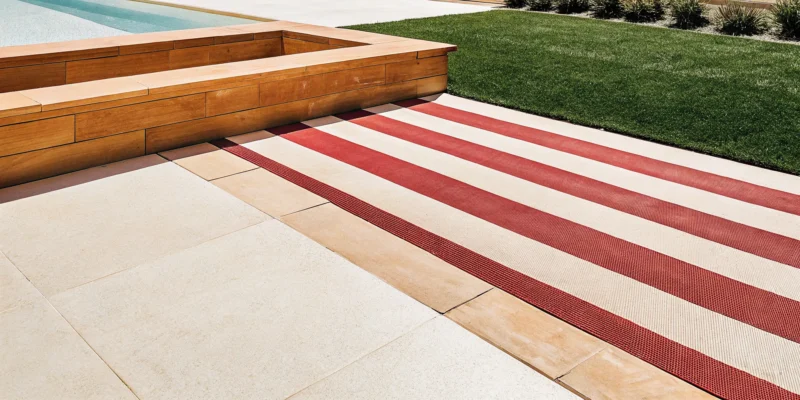
Modern stone patio and lawn created by a top landscape contractor on Long Island.

5 Top-Rated Landscape Contractors on Long Island

Creating a complete outdoor living area often involves more than just plants and grass. You might be dreaming of a project that includes a new swimming pool, intricate masonry for a patio, and maybe even a pergola for shade. Coordinating all those different elements can be a logistical nightmare. This is why finding a comprehensive “landscape contractor near me Long Island” is so important. You need a team that can manage the entire project from a single, cohesive vision. This guide will help you understand the benefits of working with a full-service company and what to look for to ensure your project is seamless, stress-free, and results in a beautifully integrated outdoor space.

Key Takeaways

  • Expand your vision for landscaping: A landscape contractor is your partner for a total outdoor transformation, not just lawn maintenance. They design and build everything from patios and walkways to custom features like swimming pools or sports games courts, ensuring your space is both beautiful and functional.
  • Vet your contractor like a pro: Before hiring anyone, confirm they have the proper license and insurance to protect your investment. You should also review their portfolio, read client reviews, and ask about their experience with local Long Island permits to ensure a smooth project from start to finish.
  • Prioritize value and get a solid contract: The cheapest quote is rarely the best deal. Instead, compare detailed, itemized bids to understand the true value, and always get a written contract that outlines the full project scope, materials, and timeline to prevent surprises.

What Can a Long Island Landscape Contractor Do for You?

When you think of a landscape contractor, you might just picture someone who mows the lawn. While that’s part of it, their expertise goes so much further. A great landscape contractor is a partner in creating and maintaining your entire outdoor living space. They combine design skills with construction know-how to transform your yard into a beautiful, functional extension of your home. From routine care to complete overhauls, a professional Long Island landscape contractor can help you realize the full potential of your property.

Lawn Care and Maintenance

A healthy, vibrant lawn is the foundation of any beautiful landscape. A contractor handles the essentials to keep your grass looking its best. This includes services like weekly lawn cutting, edging, and blowing to maintain a neat appearance. Beyond the weekly trim, they also manage crucial seasonal tasks. Think spring cleanups to clear away winter debris and prepare your garden beds for new growth, and fall cleanups to manage leaves and get your yard ready for the colder months. Many also offer tree and shrub care, ensuring every part of your greenery stays healthy and well-maintained throughout the year.

Landscape Design and Installation

This is where your vision for your backyard truly comes to life. A landscape contractor can work with you to design a completely new outdoor space from scratch or reimagine your existing one. They help you choose the right plants, trees, and flowers that will thrive in Long Island’s climate and create a cohesive look. The service doesn’t stop at the drawing board, either. They handle the entire installation process, from preparing the soil and planting new greenery to shaping garden beds. A skilled landscape designer helps you create a layout that is not only beautiful but also practical for your family’s lifestyle.

Hardscaping and Outdoor Living

Hardscaping refers to all the non-living elements in your landscape, and it’s what turns a simple yard into a functional outdoor living area. Contractors can design and build a wide range of features that add structure and usability to your space. This includes installing beautiful patios for dining and relaxing, creating elegant walkways to connect different areas of your yard, and building sturdy retaining walls to manage slopes. Many also specialize in creating complete outdoor living rooms with features like built-in barbecues, cozy fire pits, and even full outdoor kitchens. These masonry projects are key to maximizing your home’s usable space.

Unique Services to Ask About

Many top-tier landscape contractors offer specialty services that can make your property truly unique. If you’re looking for a standout feature, ask about water elements like waterfalls, ponds, or fountains that add a sense of tranquility to your garden. Some contractors are a true “one-stop-shop” and can build incredible recreational spaces. You could add custom sports games courts for basketball or pickleball, install a putting green for the golf lover in your family, or even incorporate a relaxing sauna into your backyard design. These unique additions can completely transform how you use and enjoy your outdoor space.

Seasonal and Year-Round Care

Keeping your landscape looking great is a year-round job. Beyond basic lawn care, contractors offer services to protect your investment through every season. This includes applying treatments that help your lawn withstand summer heat and winter cold. They also provide essential maintenance for your hardscaped areas. For example, having your stone patios and driveways professionally cleaned and sealed can prevent weather damage and keep them looking new for years. Many contractors also focus on sustainable practices, using methods that conserve water and reduce the need for chemicals, ensuring your yard is as healthy for the environment as it is for your family.

Who Are the Top Landscape Contractors on Long Island?

Finding the right partner for your landscaping project can feel like a huge task, but Long Island is home to some truly talented professionals. To help you get started, I’ve put together a list of some of the most respected and top-rated landscape contractors in the area. Each one brings something unique to the table, from comprehensive design-build services to specialized maintenance programs. This list will give you a solid starting point for finding a contractor who can bring your vision for an outdoor oasis to life.

1. Gappsi

Gappsi has been a cornerstone of Long Island home improvement since 1987, and for good reason. They are known for their comprehensive approach, handling everything from initial landscape design to installation and maintenance. What sets them apart is their ability to manage your entire outdoor project, integrating landscaping with features like swimming pools, masonry, and even Sports Games Courts. They use high-quality materials and focus on innovative designs, making them a top choice for homeowners who want a cohesive and beautifully executed outdoor living space. Their extensive portfolio showcases a deep expertise in transforming properties into personal retreats.

2. Harder Services, Inc.

Harder Services, Inc. consistently earns high praise from Long Island homeowners. They have been voted one of the best landscaping companies in the area, a testament to their dedication to quality work and client happiness. They offer a broad range of services that can be customized to fit the specific needs of your property. Whether you need routine maintenance or a complete landscape overhaul, their team is known for being responsive and professional. Their strong reputation is built on a foundation of reliable service and a commitment to making sure every client is satisfied with the final result.

3. Barry Bros. Landscape

Barry Bros. Landscape is another top-rated contractor recognized for creating beautiful and functional outdoor spaces. They are also featured as one of the best landscaping companies on Long Island, with a focus on both landscaping and ongoing maintenance services. Their strength lies in their ability to listen to a client’s ideas and translate them into a landscape that reflects personal style and enhances curb appeal. If you’re looking for a contractor who can create a stunning environment and help you keep it looking its best year after year, Barry Bros. is a name that frequently comes up among satisfied homeowners in the community.

4. Cipriano’s Landscaping

Operating in Nassau County and parts of Queens, Cipriano’s Landscaping is a full-service company that handles projects of all sizes. They are a great option whether you need consistent weekly maintenance to keep your lawn pristine or are planning an extensive landscape design project from scratch. Their team works to ensure every client’s vision is fully realized, paying close attention to the details that make a landscape truly special. Their versatility makes them a popular choice for homeowners who want a single, reliable company to manage all their landscaping needs, big or small.

5. Hicks Landscape Design

With a legacy stretching back six generations, Hicks Landscape Design brings a wealth of experience and a commitment to excellence to every project. They are celebrated for their award-winning landscape design and build services, which combine creative vision with expert execution. As a family business, they place a high value on building strong customer relationships, making them a trusted choice for homeowners across Long Island. Their deep roots in the community and long history of creating beautiful landscapes have earned them a reputation for quality and reliability that stands the test of time.

What to Look for in a Long Island Landscape Contractor

Choosing a landscape contractor is about more than just hiring someone to plant a few shrubs. It’s about finding a partner who can help you create an outdoor space that truly feels like an extension of your home. This is a significant investment in your property and your lifestyle, so it’s important to do your homework to find a company that is not only skilled but also reliable and aligned with your vision. A great contractor brings your ideas to life while respecting your budget and timeline. They should be a collaborator who listens to your needs and offers expert guidance based on years of local experience.

Before you sign any contracts, there are a few key areas you should always investigate. Think of it as a checklist to make sure you’re making a smart choice. You’ll want to confirm their professional credentials, see proof of their design abilities, and understand how they handle the practical details like local regulations. Just as important is getting a feel for their past work and what previous clients have to say about their experience. Taking the time to look into these aspects will help you find a trustworthy professional who can deliver the beautiful, functional landscape you’re dreaming of for your Long Island home.

Licensing, Insurance, and Local Expertise

First things first, let’s talk about the non-negotiables: licensing and insurance. You wouldn’t let an unlicensed electrician work on your house, and the same standard should apply to your landscape contractor. Proper licensing ensures they meet professional standards, while full insurance coverage protects you from any liability if an accident happens on your property. Beyond these credentials, look for genuine local expertise. A contractor who understands Long Island’s specific climate, soil conditions, and native plant life will create a landscape design that not only looks beautiful on day one but also thrives for years to come. They’ll know which materials stand up to our coastal weather and which plants will flourish in your yard.

Design Skills and Project Mockups

A great landscape starts with a great design. Your contractor should be able to take your ideas, inspiration photos, and wish list and translate them into a clear, cohesive plan. Ask potential contractors about their design process. Do they offer detailed drawings or even 3D mockups? Seeing a realistic rendering of your project before any work begins is incredibly valuable. It allows you to visualize the final result, make adjustments, and confirm that you and your contractor are on the same page. This step helps prevent misunderstandings and costly changes down the road, ensuring the finished project is exactly what you envisioned.

Knowledge of Local Permits

Navigating the world of building permits can be a real headache for homeowners. Many outdoor projects, from swimming pools and pavilions to extensive masonry work, require specific permits from your local town or village in Nassau or Suffolk County. An experienced Long Island contractor will be well-versed in these local regulations. They should know exactly what permits are needed for your project and, ideally, handle the entire application process for you. This service is a huge time-saver and provides peace of mind, ensuring your project is fully compliant with local laws and avoiding any potential legal issues or delays. Always ask a potential contractor how they manage permits.

Portfolios, Reviews, and References

Once you’ve confirmed a contractor’s credentials, it’s time to look at their work. A picture is worth a thousand words, so spend time reviewing their portfolio. Look for projects similar in style and scope to what you have in mind. This will give you a clear idea of their craftsmanship and aesthetic. Don’t stop there, though. Check online for client reviews and testimonials to get a sense of what it’s like to work with them. A reputable company should also be happy to provide you with references from past clients. Reading about others’ experiences with a contractor can give you invaluable insight into their professionalism, communication, and ability to stay on schedule.

Mistakes to Avoid When Hiring a Landscape Contractor

Choosing the right landscape contractor is the most important step in bringing your outdoor vision to life. While it’s exciting to get started, rushing the hiring process can lead to frustration and costly mistakes. By taking your time and knowing what to look for, you can find a partner who will get the job done right. Let’s walk through a few common missteps homeowners make and how you can easily avoid them.

Don’t Just Focus on Price

It’s tempting to jump at the lowest bid, but a cheap quote can often be a red flag. One of the biggest mistakes you can make is choosing a contractor based on price alone. An unusually low price might signal inexperience, subpar materials, or a contractor who cuts corners. You could end up with a patio that cracks after one winter or plants that aren’t suited for Long Island’s climate. Instead, focus on the overall value. A professional quote will detail the costs of high-quality porcelain and natural stone, labor, and other project specifics, giving you a clear picture of where your money is going.

Always Verify Credentials

Before you let anyone start work on your property, you need to confirm they are properly licensed and insured. This is non-negotiable. Hiring an uninsured contractor puts you at risk; if a worker gets injured on your property, you could be held liable. A lack of proper licensing can also indicate that the contractor doesn’t meet New York’s professional standards. Reputable companies will gladly provide proof of their credentials. A contractor who is hesitant to share this information is not one you want to work with. This simple step protects you and ensures you’re hiring a legitimate professional for your home remodeling project.

Clearly Define the Scope of Work

“We’ll figure it out as we go” is not a good strategy for a major landscaping project. Vague plans often lead to misunderstandings, unexpected costs, and results that don’t match your vision. Before work begins, you and your contractor should have a detailed, written agreement that outlines the full scope of the project. This should include everything from the specific materials being used to the project timeline and payment schedule. A great landscape designer will work with you to create a comprehensive plan, ensuring you both have the same expectations from start to finish.

Have a Clear Vision Before You Start

While a good contractor can offer ideas, they can’t read your mind. It’s a mistake to start the hiring process without a general idea of what you want. Think about how you want to use your outdoor space. Do you dream of hosting family dinners under a new pergola? Do you need a durable, low-maintenance area for your kids to play? Gather inspiration photos and make a list of your must-haves. Having a clear vision helps you communicate effectively with potential contractors and ensures the final design reflects your lifestyle and tastes. Exploring options like pavilions and pergolas can help you refine what you want.

Consider the Season

In landscaping, timing matters. Many homeowners wait until the first sunny day of spring to call a contractor, only to find out their top choices are booked for months. The best time to start planning your project is during the off-season, like fall or winter. This gives you plenty of time to research contractors, finalize your design, and get on their schedule. Certain projects, like planting, are best done in specific seasons to ensure success. Planning ahead for major installations like swimming pools is especially important, as they require significant lead time for design, permits, and construction.

How Do You Compare Contractors and Stay on Budget?

Choosing the right contractor is just as important as picking out the perfect plants or pavers for your project. The process of comparing bids and managing your budget can feel overwhelming, but a little preparation goes a long way. By asking the right questions and knowing what to look for in an estimate, you can confidently select a partner who will bring your vision to life without surprise costs or unnecessary stress. Let’s walk through how to compare contractors effectively and keep your project on track financially.

Get Multiple Detailed Quotes

Your first step is to gather at least three quotes from different contractors. This isn’t just about finding the lowest price; it’s about understanding the market and what a fair price for your project looks like. Insist on receiving a detailed, itemized quote from each one. Vague estimates are a red flag. A professional quote should break down the costs for labor, materials, and any other expenses. As one guide notes, “Detailed quotes make it easier to compare contractors and reduce the chance of unexpected expenses during the project.” This level of detail allows you to compare apples to apples and see exactly where your money is going, whether it’s for a new stone patio or a complete backyard overhaul.

Evaluate Value, Not Just Price

It’s tempting to jump on the lowest bid, but as the saying goes, you often get what you pay for. The cheapest estimate is not always the best value. A low price could signal subpar materials, inexperienced labor, or a contractor who has missed key details in your project’s scope. Instead of focusing only on the final number, evaluate the overall value. Does the contractor have a strong portfolio and glowing reviews? Do they offer a warranty on their work? A slightly higher quote from a reputable company like Gappsi often includes better materials, superior craftsmanship, and peace of mind, which is a long-term investment in your home. This approach ensures your beautiful new landscape doesn’t require costly restoration work a few years down the line.

What Affects Landscaping Costs on Long Island?

Landscaping costs on Long Island can vary significantly, and it helps to know what factors are at play. Prices are influenced by your property’s size, the complexity of the design, the types of materials you choose, and even your specific location. As local experts point out, “Prices on Long Island vary widely based on yard size, scope of work, soil conditions, and even town-specific permit and disposal fees.” For example, installing a simple gravel driveway is very different from constructing a custom swimming pool with intricate masonry. Understanding these variables will help you set a realistic budget and have more informed conversations with potential contractors about what’s possible within your price range.

Watch Out for Hidden Costs

Nothing sours a home improvement project faster than unexpected costs. Long Island has its own set of rules that can catch homeowners by surprise. For instance, “Tree removal often needs a permit… and most towns regulate retaining walls over 2–3 feet.” These permits come with fees and can affect your project’s timeline. Other potential hidden costs include debris removal, correcting unforeseen drainage issues, or extensive site preparation. A trustworthy contractor will be transparent about these possibilities from the start. During your initial consultation, ask directly about potential extra charges and how they would be handled. A thorough landscape design plan can also help identify and account for these elements before construction begins.

Get Everything in Writing

Once you’ve chosen a contractor, the final and most critical step is to get a comprehensive contract. This document is your project’s blueprint and your protection. It should clearly outline the entire scope of work, a detailed list of materials, a payment schedule, a projected start and end date, and information on warranties. Don’t rely on verbal agreements. A written contract ensures everyone is on the same page and minimizes the risk of misunderstandings. As we say at Gappsi, we want our clients to “handle the construction of your new home improvement project without the stress of unforeseen hidden costs and quality work.” A solid contract is the foundation for a smooth and successful project, leading to the kind of results you can see in our customer testimonials.

Related Articles

Frequently Asked Questions

What’s the difference between a landscape contractor and a landscape designer? Think of a designer as the architect and the contractor as the builder. A designer is primarily focused on creating the master plan for your space, including the layout, plant selection, and overall aesthetic. A contractor is the one who brings that plan to life, handling the physical construction, installation, and ongoing maintenance. Many top-tier companies offer both services, which helps streamline the process and ensures the original vision is executed perfectly from start to finish.

When is the best time to contact a landscape contractor for a big project? The sooner, the better, especially if you have a specific deadline in mind. The best contractors on Long Island are often booked months in advance, particularly for the spring and summer seasons. Reaching out in the late fall or winter is a great strategy. This gives you plenty of time for the design process, securing any necessary permits, and getting a spot on their schedule without feeling rushed.

My yard is small. Can a landscape contractor still help me? Absolutely. A skilled contractor can be even more valuable for a small space. They are experts at maximizing limited areas with clever design solutions, such as vertical gardens, multi-functional hardscaping, and carefully selected plants that won’t overwhelm the yard. A professional can transform a tiny backyard into a charming and highly functional outdoor retreat, proving that you do not need a huge property to have a beautiful landscape.

Can one company really handle my landscaping, pool, and patio all at once? Yes, and it can make your life much easier. A comprehensive, full-service company acts as a single point of contact for your entire project. This means you will not have to coordinate between a landscaper, a pool installer, and a mason. This integrated approach ensures all elements of your backyard, from the plants and the patio to a new swimming pool or even a sports games court, are designed to work together cohesively for a seamless, professional result.

How can I create a realistic budget for my landscaping project? Start by getting at least three detailed, itemized quotes from reputable contractors. This will give you a clear understanding of the market rate for the work you want done. Be honest with potential contractors about your budget range so they can suggest appropriate materials and designs. Remember to also set aside a contingency fund, typically 10 to 15 percent of the total cost, to cover any unforeseen issues that might arise once the project is underway.
Share this page:
Commercial property entrance with layered planting beds and paved walkways

Commercial Landscaping Ideas for Long Island Properties

Commercial landscaping ideas should do more than make a property look finished. For a Long Island office, retail site, professional property, or other commercial setting, the landscape should help people find the entrance, move safely, understand the layout, and use the grounds without creating unnecessary work for the owner. A successful plan coordinates planting, paving, drainage, lighting, signs, service access, and outdoor areas from the beginning.

Contact Gappsi through our contact page

Posted by Gappsi Group

What should commercial landscaping ideas accomplish?

The first question is not which plant or paving color to choose. It is what the property needs to do every day. A landscape can guide a visitor from parking to a door, separate pedestrians from vehicles, frame a building, screen service equipment, provide a place to pause, and direct attention toward signs. It can also make maintenance routes easier to understand.

Begin by listing the people and activities that use the property. Include customers, employees, delivery drivers, maintenance crews, visitors, and anyone who needs an accessible route. Then list the destinations: parking areas, doors, sidewalks, loading points, trash enclosures, employee areas, and outdoor gathering spaces. This turns a general wish for improved curb appeal into a working brief.

For example, a property with a confusing entrance may need a direct walkway and a stronger visual arrival point. A property with standing water needs an assessment of slopes, inlets, downspouts, and soil before a new planting bed is installed. A property with an exposed service area may need screening that still leaves equipment accessible. The right starting point depends on the problem.

How should a Long Island property be assessed?

Walk the property at more than one time of day when possible. Observe arrival and departure periods, inspect the site after rainfall, and note how people actually cross the property rather than assuming they follow the intended route. Mark where vehicles turn, where snow may be stored, where water collects, and where a planting bed narrows a path.

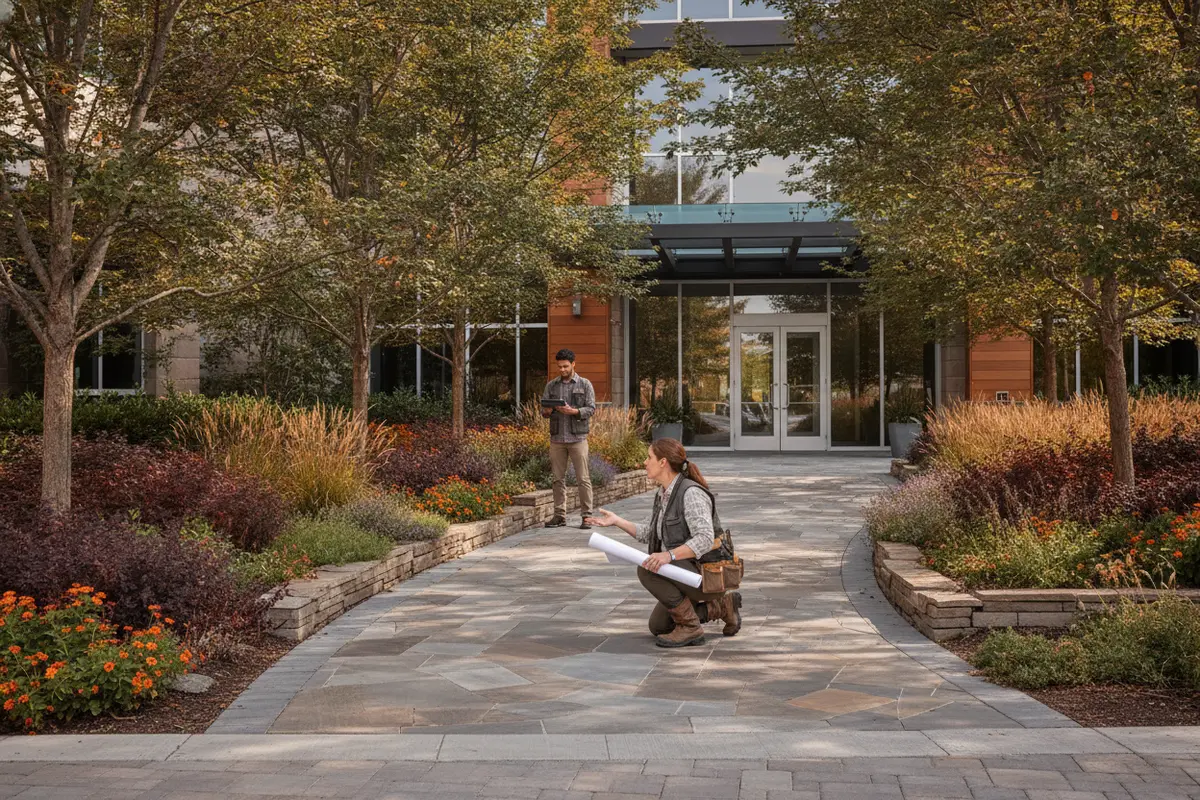
Landscape professional assessing a commercial entrance, paving, and planting beds

Put existing conditions on one working plan. Include trees, utility equipment, signs, lights, building downspouts, drains, loading areas, waste enclosures, fences, pavement edges, and routes used by maintenance equipment. Also record sun and shade, exposed corners, soil conditions that are visibly different, and places where plants are repeatedly stressed.

  • Circulation: Trace the natural pedestrian route and note points where people share space with vehicles.
  • Grades and water: Mark slopes, low spots, drains, runoff paths, and any location where water crosses a walkway.
  • Operations: Identify deliveries, waste removal, equipment access, snow storage, and areas that must remain open.
  • Existing landscape: Record tree condition, plant size, mature conflicts, irrigation access, and beds that require frequent attention.
  • Visibility: Check views to doors, signs, intersections, and parking aisles from both pedestrian and driver positions.
  • Utilities and constraints: Identify items that may limit excavation, planting depth, lighting placement, or changes in grade.

The EPA landscaping tips provide general guidance on matching landscape choices to site and water conditions. Local site conditions still control the design, and complex drainage, utility, or access questions may require appropriate technical review.

Which commercial landscaping ideas improve the entrance?

A clear entrance is often the most useful first improvement. Create a direct pedestrian route from the parking area or public sidewalk to the door. Coordinate paving, planting, lighting, and signs so they work as one arrival sequence. A change in paving can identify the route. A low planting edge can define it. A tree, seat wall, or small plaza can provide a visual focus if the property has enough room.

Keep planting and decorative features out of turning areas. Preserve space for deliveries, maintenance equipment, snow removal, and accessible circulation. A feature that looks attractive in a plan can become an obstruction if it forces a visitor into a parking aisle or prevents staff from reaching a drain.

Review the driveway resources when the entrance route must connect with vehicle areas. The objective is a connected layout, not a walkway that ends at an unrelated strip of pavement. The landscaping resources can also help owners organize questions about planting, grading, and outdoor layout.

Use this simple planning exercise: sketch the route from the property edge to the main door, then mark every point where a visitor must choose a direction. At each decision point, ask whether paving, a planting edge, lighting, or a sign makes the next step obvious. If the answer is no, the design may need a clearer cue.

Discuss your commercial landscape plans with Gappsi

How can planting balance appearance and maintenance?

Select plants for their mature size and actual site conditions, not only for how they look at installation. Consider sun, shade, soil, wind, salt exposure, water needs, pruning frequency, and proximity to paths, windows, signs, and lights. A shrub that fits a bed today may cover a sign or narrow a walkway as it grows.

Layering can give a large property structure without making every bed difficult to maintain. Canopy trees can define space and provide shade. Shrubs can form a durable framework. Perennials, grasses, or groundcovers can add seasonal variation in areas where staff can provide the required care. Repeating a manageable group of plants often creates more visual order than using a different plant in every bed.

Create a simple plant schedule with each plant group’s location, expected mature dimensions, watering needs, pruning notes, and replacement considerations. Confirm how establishment watering will be handled. If rain-conscious planting is being considered, verify grading and soil conditions first. A planting bed should not be used to hide a drainage problem or direct water toward a wall or walkway.

Maintenance capacity should influence the design before approval. If the property has limited staff time, avoid a layout that depends on frequent shearing, delicate seasonal replacements, or difficult hand access. If a visible entrance receives close attention, it may support more detail than a remote service edge. The landscape should reflect the care schedule the owner can realistically provide.

What hardscape features belong in a commercial landscape?

Hardscape defines circulation, creates places to pause, and connects the building to its grounds. Compare every feature by how it will be used, how water will move across it, how it will be inspected, and how repairs could be made. A durable material still needs suitable base preparation, drainage coordination, and routine care.

Feature Primary planning question Coordination and care
Walkway Does it connect parking, entrances, and key destinations directly? Inspect joints and edges; coordinate slope, drainage, and winter access.
Entry plaza Is there room to pause without blocking the door or route? Plan cleaning, drainage checks, furniture placement, and access to nearby inlets.
Planting border Does it guide circulation without hiding signs or sightlines? Allow for weeding, pruning, mulch renewal, irrigation, and mature plant size.
Outdoor gathering area Who uses it, and what activities need clear space? Provide clearance for furniture, planting, surface care, and service access.
Seat wall or edge Does it define the space without narrowing circulation? Check corners, drainage, cleaning access, and the relationship to paths.

Material selection should reflect traffic, weather exposure, accessibility needs, drainage, repair considerations, and the building’s appearance. Owners comparing stone and porcelain can review the stones and porcelain resources. Masonry details are covered in the masonry archive. These references can help frame a conversation, but the right surface depends on intended use and site conditions.

Think about transitions as carefully as the main surface. A walkway may meet a driveway, lawn, planting bed, threshold, or drainage structure. Each transition should be reviewed for trip concerns, water movement, maintenance access, and the way people are expected to move. A visually attractive material does not solve a poorly coordinated transition.

How should drainage shape the plan?

Roof drainage, surface slopes, inlets, planting beds, and pavement edges should be considered as one system. Ask where water travels during a storm, whether a raised bed could interrupt a flow path, and whether staff can reach drains to remove debris. Do not cover an inlet or create an abrupt grade change at a pedestrian route.

Make a site note for each known low spot and downspout. Compare ordinary rainfall with heavier rainfall when observations are available. Record whether water crosses a walkway, collects near a foundation, erodes a planting edge, or reaches a vehicle area. This does not replace technical review where needed, but it gives the project team specific conditions to investigate.

Drainage coordination should happen before finalizing hardscape elevations. If a property owner chooses paving first and asks about water later, the available solutions may become more limited. A better sequence is to identify water paths, establish the necessary grades, coordinate inlets and discharge points, and then fit planting and surface materials around that framework.

Which ideas support useful outdoor areas?

Courtyards, patios, employee break areas, and visitor seating spaces need a defined purpose. Decide who will use the area, how many people it should accommodate, and whether shade, seating, utilities, or a clear route matters most. Locate the space near a convenient entrance, but separate it from loading routes and vehicle movement.

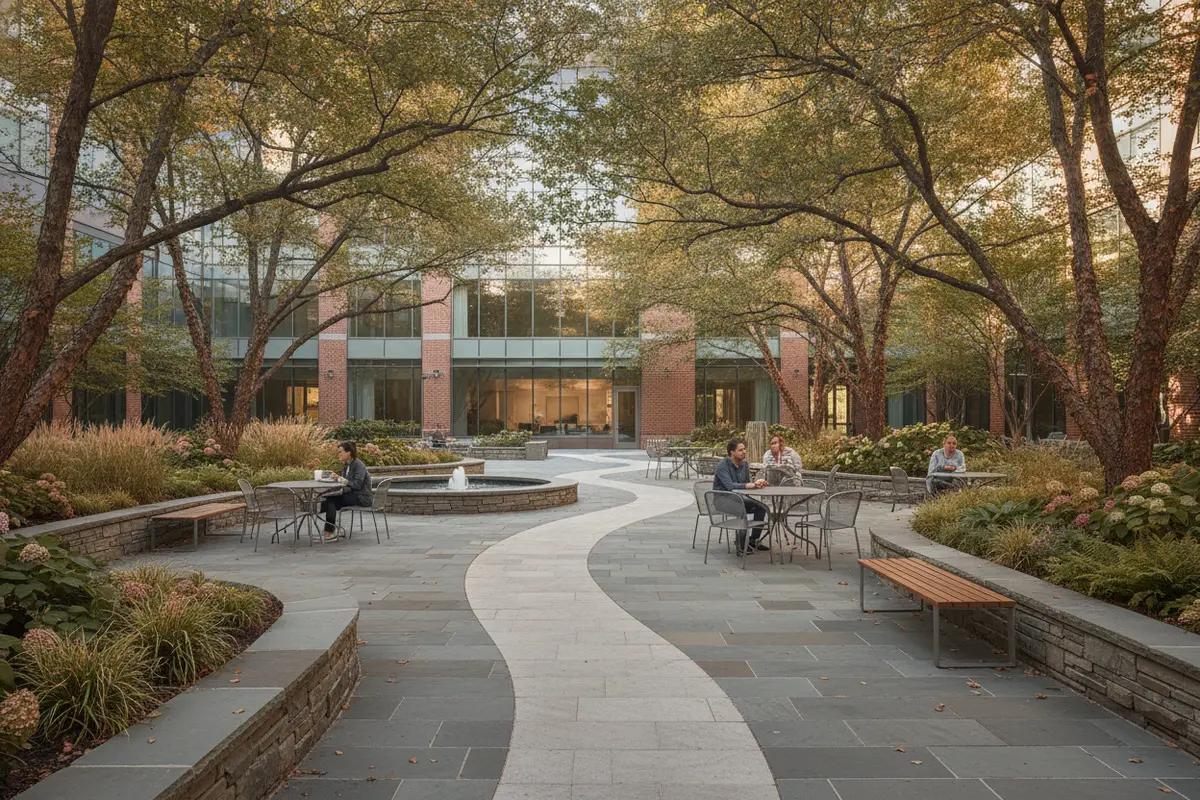
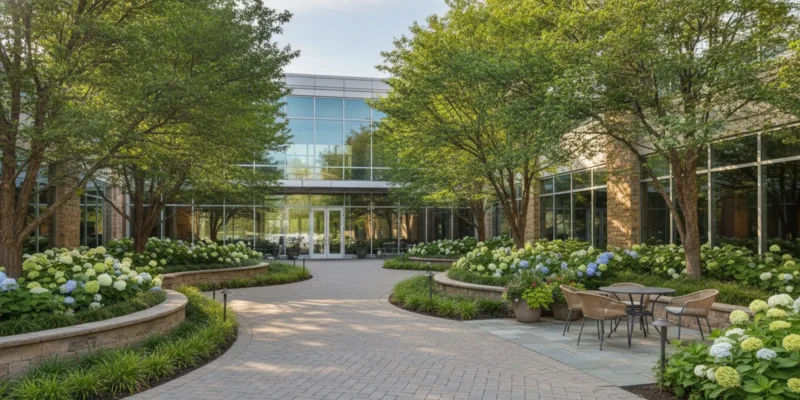
Paved commercial courtyard with trees, planting borders, and seating

A small, well-positioned outdoor room can be more useful than a larger area with no clear circulation. Define the footprint first. Then coordinate paving, planting edges, seating, lighting, and access. Leave enough room to move furniture, clean the surface, prune plants, and reach any nearby equipment.

When considering artificial turf or another specialty surface, clarify the intended use, expected traffic, drainage needs, and maintenance routine. Gappsi’s synthetic turf resources provide a related reference for discussing surface choices. The goal is to choose a surface that matches the activity, not to add a feature without a clear use.

How should screening and privacy be coordinated?

Screen equipment, waste areas, loading views, or neighboring activity with planting, fencing, or walls while preserving access, ventilation, signs, safety equipment, and vehicle sightlines. A screen must be dense enough for its purpose, but it should not prevent staff from reaching a utility or obscure a person approaching an intersection.

Plan the screen from both sides. From the public side, ask what should be hidden and what should remain visible. From the service side, ask how gates open, where equipment moves, and how plants will be pruned. The fencing archive can be one reference when comparing enclosure approaches. A screen that is easy to reach and maintain will usually perform better than one that simply fills a line on a plan.

How can commercial landscaping ideas be phased?

Phasing can help an owner sequence improvements around daily operations. A practical order may address a drainage or safety concern first, improve the arrival route next, install hardscape, add planting, and finish with furnishings or establishment care. The exact order depends on existing conditions and any required approvals.

For each phase, document temporary pedestrian paths, delivery access, staging, protected trees, utility locations, and the transition to the next phase. Settle decisions about drainage, elevations, access, and underground work early because they can affect later planting and paving. Avoid installing new work where a later phase could damage it.

Owners can review financing information when planning a larger scope and use project presentations to organize questions. Financing does not determine the design, but a clear sequence can help an owner decide which improvements must happen together and which can wait.

What should maintenance include?

Write down who is responsible for mowing, pruning, irrigation checks, leaf removal, weeding, pavement cleaning, lighting inspections, drain checks, and seasonal furniture changes. Even a straightforward landscape needs a clear routine. Assign a person or team to look for blocked inlets, shifted paving, plant stress, exposed edges, and areas where pedestrian wear is becoming visible.

Keep a property record with plant locations, irrigation zones, drainage structures, paving materials, lighting circuits, and access points. Record repairs and recurring issues so future decisions are based on what the site actually needs. After a major storm, inspect low areas and routes used by pedestrians. After a busy season, review worn surfaces and planting that has been damaged by traffic.

Maintenance planning can also improve proposal comparisons. One design may have a lower installation scope but require more frequent pruning or seasonal replacement. Another may use a simpler plant palette and provide easier access for routine work. Ask what each option requires over a typical month and season, not only what it looks like on completion day.

What should owners ask before approving a proposal?

Before selecting a scope, ask for an explanation of how the plan responds to the property’s actual conditions. Useful questions include:

  • Which circulation, drainage, visibility, or maintenance problem is the plan intended to address?
  • What existing utilities, grades, trees, or structures need additional review?
  • How will pedestrian, delivery, waste, and emergency access work during each phase?
  • Which materials and plants are proposed, and what care will they require at maturity?
  • How will water move around new paving, planting beds, walls, and downspouts?
  • Which items are included in installation, and which are owner responsibilities afterward?
  • What temporary conditions should occupants expect during construction?
  • How will the completed work be inspected, documented, and maintained?

Compare proposals by scope, assumptions, circulation, drainage, materials, access, phasing, and maintenance, rather than by feature count alone. A long list of elements may not address the property’s main problem. A focused plan with a clear sequence may be more useful for an active commercial site.

Gappsi serves Long Island and provides design and construction services across outdoor projects. A focused discussion can help clarify the property’s priorities and identify the information needed to shape a workable scope.

Request a commercial landscape consultation

Frequently Asked Questions

What is the first step in planning a commercial landscape?

Start with a site assessment that records circulation, grades, drainage, vegetation, utilities, service access, visibility, and daily use. These observations help set priorities before selecting features or materials.

Can commercial landscaping work be completed in phases?

Yes. A phased plan can address drainage or safety first, then coordinate entrances, hardscape, planting, and outdoor-use features while preserving access for occupants and deliveries.

How can owners make maintenance more manageable?

Choose plants and materials that fit the available care schedule, allow access for routine work, assign recurring tasks, and keep records for irrigation, drainage, paving, and lighting.

How should a property owner compare landscape proposals?

Compare the response to site problems, scope, assumptions, circulation, drainage, materials, construction access, phasing, and maintenance needs instead of comparing feature lists alone.

Should drainage be reviewed before planting and paving?

Yes. Water paths and necessary grades should be understood before finalizing beds and surfaces. A planting bed or new pavement should not conceal a persistent drainage problem.

Ready to plan a commercial landscape?

Contact Gappsi through our contact page

A clear assessment and a defined sequence can turn commercial landscaping ideas into a property that is easier to navigate, maintain, and use throughout the year.

Share this page:
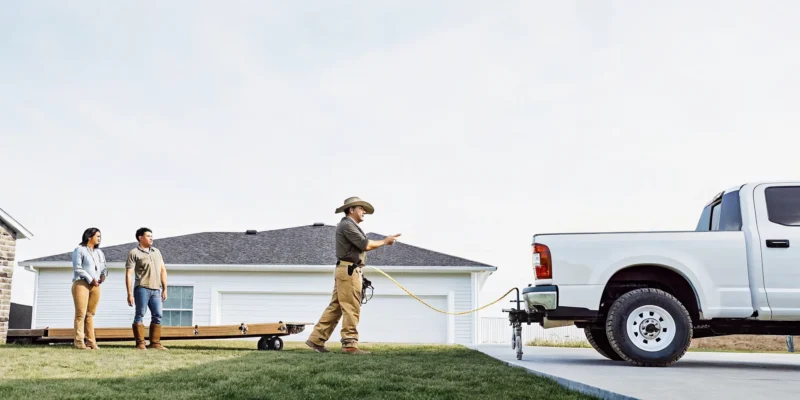
Landscape contractor on Long Island discussing a project with a homeowner in their yard.

How to Find the Best Landscape Contractor Near Me Long Island

That cracked walkway, the patchy lawn, the patio that’s just a bit too small for your family gatherings. Every homeowner has a list of outdoor projects they want to tackle. These aren’t just cosmetic issues; they affect how you use and enjoy your property. Taking on a big outdoor project yourself can be daunting, which is why finding a professional is so important. A landscape contractor does more than just plant flowers; they solve problems. They create functional, durable spaces that make your life easier and your home more beautiful. Your search for a “landscape contractor near me Long Island” is the first step toward finally checking those items off your to-do list and creating a yard that truly works for you.

Key Takeaways

  • Look Beyond Basic Lawn Care: A true landscape contractor is a comprehensive partner who designs, builds, and manages your entire outdoor project, from patios and walkways to the final plant placement, ensuring a cohesive and professional result.
  • Do Your Homework to Protect Your Home: Finding the right contractor means checking their credentials. Always verify they have a valid New York license and full insurance, read recent online reviews, and ask for a portfolio of their work before signing anything.
  • A Clear Contract Is Your Best Friend: Never proceed with a project based on a verbal agreement. A professional contractor will provide a detailed written contract that outlines the full scope of work, materials, timeline, and costs to protect both you and them.

What Does a Landscape Contractor Do?

When you hear “landscape contractor,” you might picture someone who just mows lawns and plants shrubs. While that can be part of the job, a true landscape contractor is much more. They are designers, builders, and project managers who transform your entire outdoor area into a functional and beautiful extension of your home. From the initial sketch to the final stone laid, they orchestrate the creation of your dream yard. A skilled contractor combines artistry with technical expertise to handle everything from soil grading to installing complex outdoor structures, ensuring your project is built to last.

They work with you to understand your lifestyle, preferences, and how you want to use your space, whether it’s for quiet relaxation, family gatherings, or active play. They are the single point of contact who coordinates all the moving parts, from sourcing high-quality materials like porcelain and natural stone to managing subcontractors for specialized tasks like electrical or plumbing for outdoor kitchens. This comprehensive approach ensures a seamless process and a cohesive final result that you’ll love for years. They are the experts who see the big picture and manage the countless details required to bring it to life.

Designing and Installing Your Dream Yard

A landscape contractor is the creative force who translates your vision into a workable plan. They specialize in creating outdoor spaces that reflect your personal style while maximizing the beauty and function of your property. This process involves comprehensive landscape design, where they consider everything from plant selection and placement to the flow of your yard. They don’t just stop at the drawing board; they also manage the entire installation, making sure every tree, shrub, and flower bed is perfectly placed to create a cohesive and stunning environment for you and your family to enjoy.

Building Patios, Walkways, and More

Beyond the plants and greenery, a landscape contractor’s expertise extends to hardscaping. They build the durable structures that form the backbone of your outdoor living space. This includes designing and installing custom patios for entertaining, elegant walkways to guide guests through your garden, and durable driveways that enhance your home’s curb appeal. Many contractors also build features like retaining walls, outdoor kitchens, and fire pits. By offering a wide range of masonry services, they ensure all the structural elements of your landscape are not only beautiful but also expertly constructed.

Keeping Your Landscape Beautiful Year-Round

A contractor’s work often continues long after the initial installation is complete. To protect your investment and keep your yard looking its best, many offer ongoing maintenance services. This can include routine lawn care and seasonal cleanups to ensure your plants stay healthy and vibrant. It also involves more specialized upkeep, like professional cleaning and sealing for your stone patios and walkways. This essential service prevents staining, inhibits weed growth, and protects your hardscapes from the elements, ensuring your outdoor space remains a source of pride and enjoyment for years to come.

How to Find the Best Landscape Contractor on Long Island

Finding the right landscape contractor is the most important step in bringing your outdoor vision to life. You’re not just hiring someone to lay pavers or plant shrubs; you’re choosing a partner to manage a significant investment in your home. The right team will understand your goals, respect your budget, and have the expertise to execute the project flawlessly. A great contractor communicates clearly, provides a detailed plan, and has a proven track record of happy clients. Taking the time to research your options thoroughly will give you peace of mind and ensure the final result is a space you’ll love for years to come. Here are three practical steps to help you find the best professional for your Long Island home.

Start with Online Reviews

Your search for a great landscape contractor can begin right from your couch. Online reviews are a fantastic resource for getting a feel for a company’s reputation before you even pick up the phone. Reading what past clients have to say on sites like Yelp can give you a clear picture of the customer experience, from the initial consultation to the final walkthrough. Pay attention to comments about communication, timeliness, and how the company handled any unexpected issues. A consistent pattern of positive feedback is a strong indicator that you’re looking at a reliable and professional team that values its clients.

Get Recommendations from Neighbors

Nothing beats a recommendation from someone you trust. Ask your friends, family, and neighbors on Long Island who they’ve hired for their own landscaping projects. You can see the quality of the work firsthand and ask specific questions about their experience. If you’re new to the area or want to cast a wider net, online neighborhood groups are a great place to look. Community forums often have threads where people share their honest experiences with local contractors and recommend professionals who did a great job. This inside information is incredibly valuable for creating a shortlist of potential hires.

Verify Professional Credentials

Before you sign any contracts, it’s essential to do your homework and confirm your contractor is properly licensed and insured. This step is about protecting yourself and your investment. A licensed professional is accountable and demonstrates a commitment to upholding industry standards. In our state, contractors must have the proper licenses to operate legally. Furthermore, professionals like landscape architects must meet specific New York State license requirements, which guarantee they have the necessary education and experience. Don’t be afraid to ask for proof of licensing and insurance. A reputable contractor will have this information readily available and will be happy to provide it.

Key Qualities of a Great Landscape Contractor

Once you have a short list of potential contractors, it’s time to look closer at what sets a truly great professional apart from the rest. Finding the right partner for your project goes beyond a nice-looking website. You’re looking for a team that combines skill, professionalism, and clear communication to bring your vision to life without any surprises. These key qualities are non-negotiable for a successful and stress-free landscaping project.

A Strong Portfolio and Proven Experience

A picture is worth a thousand words, especially when it comes to landscaping. A great contractor will have an extensive portfolio ready for you to review. This collection of past projects is your window into their design style, craftsmanship, and the scale of work they handle. As you look through their photos and project descriptions, ask yourself if their aesthetic aligns with your own. Gappsi’s landscape design gallery is a perfect example of what to look for. Proven experience is just as important. A company that has been serving the Long Island community for years has a track record of reliability and customer satisfaction. They understand the local climate, soil conditions, and building codes, which is invaluable for creating a landscape that thrives.

Proper Licensing and Insurance

This might not be the most exciting topic, but it’s one of the most important. Any landscape contractor you consider must have the proper licensing and insurance. In New York, specific licenses are required for home improvement contractors, and this is your first line of defense as a homeowner. You can verify a contractor’s license through state resources. Working with a fully insured company protects you from any liability in case of accidents or property damage during the project. A professional contractor will gladly provide proof of their credentials. It’s a clear sign that they run a legitimate, responsible business and are committed to protecting both their team and their clients. Don’t be afraid to ask for this information upfront; it’s standard practice.

Clear Communication and a Solid Contract

A successful project is built on a foundation of trust and clear communication. From the very first conversation, a great contractor will listen carefully to your ideas, ask thoughtful questions, and offer professional insights. They should be responsive and keep you informed throughout every stage of the project. This open dialogue ensures your vision is perfectly understood and executed. This commitment to clarity should extend to the contract. A solid contract is detailed and transparent, leaving no room for confusion. It should clearly outline the full scope of work, a projected timeline, a breakdown of costs, and the payment schedule. This document protects both you and the contractor, making sure everyone is on the same page before any work begins.

How Much Does Landscaping Cost on Long Island?

Figuring out a budget for your landscaping project is a huge first step, but the truth is, costs can vary quite a bit across Long Island. The final price tag depends on the size of your property, the complexity of the work, and even your specific town. For instance, projects in communities like Manhasset often have different cost structures than those in areas like Deer Park. To give you a starting point, basic services like weekly lawn mowing can range from $40 to $95 per visit for a standard residential lot. For larger properties, you might see prices between $80 and $150 for the same service.

Of course, most dream backyards involve more than just lawn care. A full-scale landscape design brings together plants, hardscaping, lighting, and other features to create a cohesive outdoor living space. These larger projects are where the investment really begins to take shape, transforming your yard into a personal retreat. Whether you’re envisioning a simple garden refresh or a complete overhaul with a new patio and walkways, understanding the factors that influence price will help you plan effectively and find a contractor who can bring your vision to life within your budget.

What Influences the Final Price?

Several key factors determine the final cost of your landscaping project. The most obvious is your yard’s size and the overall scope of the work. A simple planting job will cost less than a multi-faceted installation involving excavation and construction. Beyond that, a professional two-person crew typically charges between $60 and $110 per hour. The specific materials you choose, from natural stone pavers to mature trees, will also heavily impact the price. Don’t forget about local regulations, as some projects require permits that add to the total cost. For instance, certain tree removals in Smithtown might require a permit, while major land clearing in Islip could involve a separate land-clearing permit.

Breaking Down the Costs by Project

To give you a clearer picture, let’s look at some typical project costs on Long Island. A full front yard landscape installation for an average Nassau County property, including new plantings, can range from $3,500 to $12,000. The final price depends on the size and type of plants and materials you select. For more specific tasks, tree trimming can cost anywhere from $150 to $1,500 per tree, based on its size and accessibility. Larger investments, like installing a custom swimming pool or building a beautiful pergola, are priced individually, as they are tailored completely to your property and preferences.

How to Get an Accurate Quote

The best way to understand the cost for your specific project is to get a detailed, written quote. When you reach out to a contractor, be ready to provide as much information as possible about your goals, your property’s layout, and your desired materials. A great contractor will walk the property with you to discuss your vision and identify any potential challenges. According to Newsday, getting detailed estimates is a crucial step. Don’t hesitate to ask questions about the timeline, the team who will be on-site, and any necessary permits. A transparent and thorough quote is a sign that you’re working with a true professional who values clear communication.

Landscaping Red Flags to Avoid

Choosing a landscape contractor is a big decision, and knowing what to watch out for is just as important as knowing what to look for. The right partner will bring your vision to life, but the wrong one can lead to a project that goes over budget, misses deadlines, and leaves you with a yard you don’t love. A poorly executed landscape can even affect your property’s value and functionality, with issues like awkward layouts or mismatched materials.

To protect your investment and ensure a smooth process, it’s essential to recognize the warning signs of a less-than-reputable contractor. From vague promises to bids that sound too good to be true, these red flags can signal future problems. By staying informed and vigilant, you can confidently select a team that will create a beautiful and lasting outdoor space for your Long Island home. Trust your instincts, and don’t be afraid to walk away if something feels off.

Vague Contracts or Promises

A handshake and a verbal promise might feel friendly, but they won’t protect you if things go wrong. A professional landscape contractor will always provide a detailed, written contract that leaves no room for interpretation. This document is your project’s blueprint, and it should clearly outline the full scope of work, including specific materials, a project timeline, and a clear payment schedule. If a contractor is hesitant to put everything in writing or gives you a contract that feels fuzzy on the details, consider it a major red flag. Clear agreements are the foundation of a successful masonry and landscaping project.

Lack of Licensing or Insurance

This one is non-negotiable. In New York, landscaping contractors need the proper licenses to operate legally. A valid license shows they have met the state’s requirements and are a legitimate business. Equally important is insurance, which should include both general liability and worker’s compensation. This protects you, the homeowner, from being held financially responsible for any accidents or property damage that might occur during the project. Always ask for proof of licensing and insurance, and don’t just take their word for it. A reputable company will gladly provide these documents for your peace of mind before starting any home remodeling work.

High-Pressure Sales Tactics

You should feel excited and confident about your landscaping project, not pressured into it. Be wary of contractors who use high-pressure sales tactics to rush your decision. This can look like a “today only” discount that feels manipulative or a contractor who makes you feel guilty for wanting to get other estimates. A true professional will respect your process and give you the time and space you need to make the right choice for your home and budget. A contractor who is pushy from the start may also be difficult to work with later, especially if they are unwilling to take responsibility for their work.

Bids That Seem Too Good to Be True

Everyone loves a good deal, but a landscaping bid that is significantly lower than all the others is a cause for concern. While it might seem like you’re saving money upfront, an unusually low price often means corners are being cut somewhere. This could involve using subpar materials, hiring inexperienced labor, or having hidden costs that will suddenly appear later in the project. Low-quality materials, like cheap pavers, can quickly degrade and become costly to fix. Getting several quotes will help you understand the fair market rate for your project and identify any bids that are outliers. Investing in quality porcelain and natural stone from the start is always a better long-term decision.

Related Articles

Frequently Asked Questions

What’s the difference between a landscape designer and a landscape contractor? Think of a landscape designer as the architect and a landscape contractor as the builder. A designer focuses on creating the vision and the detailed plan for your space, considering things like plant selection, layout, and aesthetics. A contractor takes that plan and makes it a reality. They handle the physical construction, project management, and coordination of the entire job. Many full-service companies have both designers and contractors on staff, which is ideal because it ensures a smooth transition from the drawing board to the finished yard.

Can a landscape contractor help with projects beyond just plants and patios? Absolutely. A comprehensive landscape contractor does much more than gardening and stonework. They are experts in creating complete outdoor living environments. This can include installing custom swimming pools, building beautiful pavilions and pergolas for shade, or even constructing backyard sports games courts for family fun. Their job is to integrate all these different elements into one cohesive and functional space that fits your lifestyle.

How long will my landscaping project take to complete? The timeline for a landscaping project really depends on its size and complexity. A straightforward front yard planting job might only take a few days, while a new patio installation could take a week or two. Larger, more involved projects, like a complete backyard renovation with a pool and outdoor kitchen, can take several months from start to finish. Factors like weather, material availability, and the local permit process can also affect the schedule. A professional contractor will always provide you with a projected timeline in your contract.

Is it better to complete my landscaping project in phases or all at once? This is a great question, and the answer depends on your budget and goals. Completing a project all at once ensures a cohesive final look and can be more efficient since the crew and equipment are already on-site. However, phasing the project can make a large investment more manageable financially. If you choose to phase it, it’s important to work with your contractor to create a complete master plan first. This ensures that each phase builds logically on the last, creating a unified space in the end.

How involved do I need to be once the project starts? Your biggest involvement will be during the initial planning and design stages to ensure the contractor fully understands your vision. Once the work begins, a great contractor will manage all the daily details, so you shouldn’t need to supervise the crew. Your main role will be to stay in communication with the project manager and be available to answer questions or approve decisions at key milestones. A professional team will keep you updated on progress and make the entire process feel seamless.

Share this page:
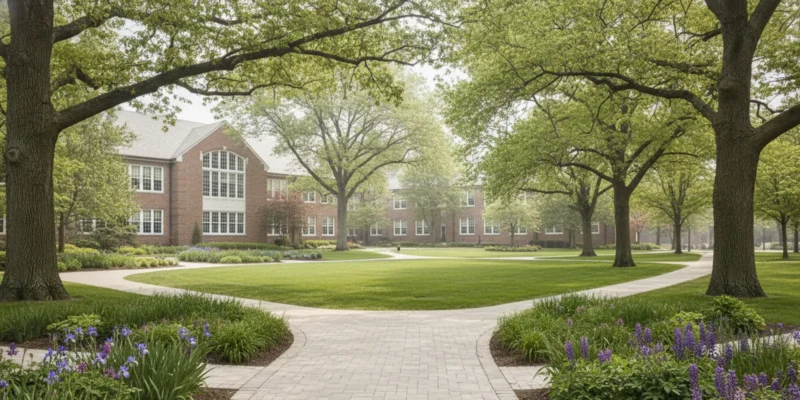
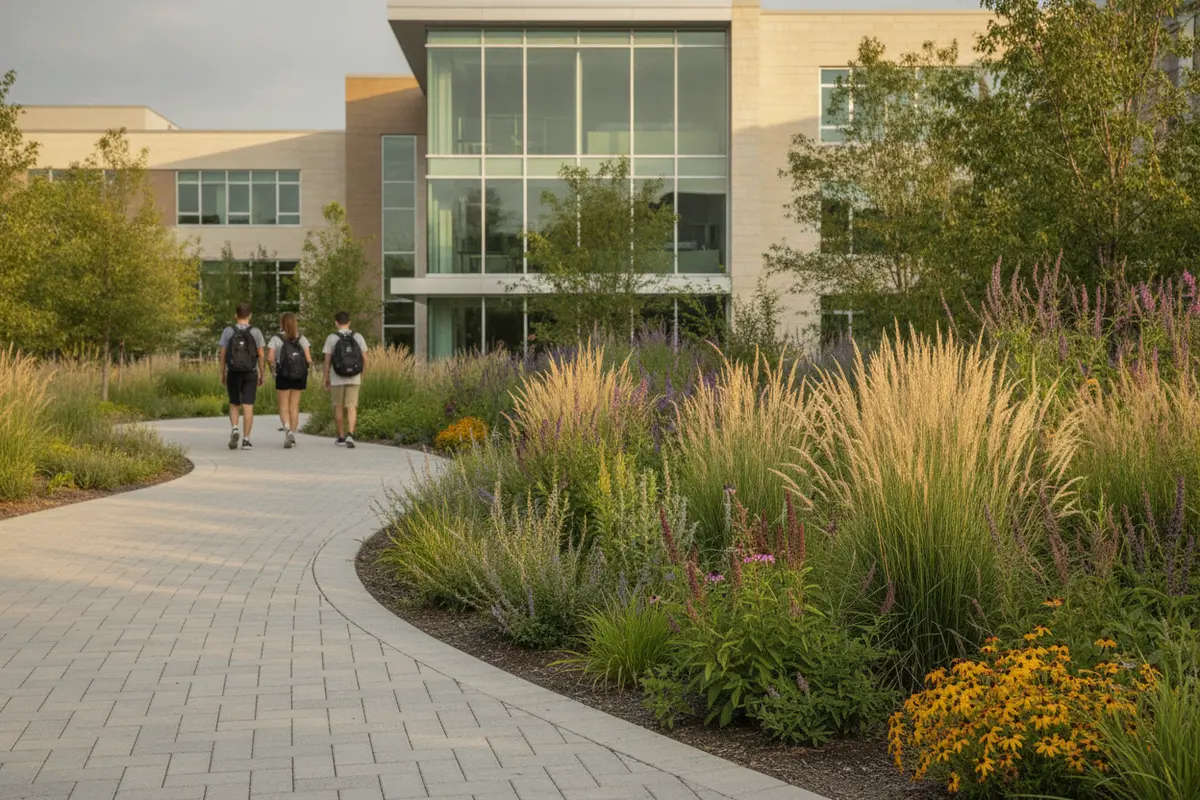
A school campus walkway bordered by shade trees, lawn, and low-maintenance planting beds

Commercial Landscaping for Schools: A Long Island Planning Guide

Commercial landscaping for schools has to do more than make a campus look finished. It should support arrival and dismissal, keep pedestrian routes legible, offer usable outdoor areas, and make maintenance manageable through changing seasons. On Long Island, drainage, coastal exposure, shade, and the way a campus is used all affect the plan.

Contact Gappsi through our contact page to discuss a school landscape project

Posted by Gappsi Group

A useful plan begins with the school’s daily routines and the physical conditions of the site, not with a plant list. This guide walks through the decisions that help school leaders, property managers, and project teams shape a practical landscape scope. Gappsi works across landscaping and outdoor construction; a campus project conversation can help identify which site elements need coordinated planning.

What Does Commercial Landscaping for Schools Need to Accomplish?

School grounds are working spaces. Students, staff, families, deliveries, and service crews may all use the same campus at different times. A landscape plan should therefore account for movement, supervision, durability, water management, and upkeep as a connected system. A visually attractive entrance matters, but it should not make the crossing route harder to see or create a narrow pinch point at a busy door.

Start by listing how each outdoor area is used during a typical day. Mark main arrival and dismissal paths, accessible routes, waiting locations, service access, outdoor learning areas, play or recreation zones, and places where people gather. Note which spaces are used only at certain times of year. This simple use map can reveal conflicts: a bench placed beside a queue, a planting bed that blocks sightlines, or a maintenance gate that is difficult to reach.

  • Make circulation clear. Connect entrances, sidewalks, parking areas, and outdoor spaces with routes that are easy to recognize and keep clear.
  • Support supervision. Consider visibility from doors and windows, particularly near gathering areas and transitions between indoor and outdoor spaces.
  • Choose durable details. Select paving, edging, and planting arrangements that can tolerate frequent use and routine grounds work.
  • Plan for water. Understand where runoff travels, where water collects, and how the landscape can work with the site’s grading and drainage.
  • Set a realistic maintenance level. Match planting complexity, irrigation needs, and seasonal tasks to the school’s available maintenance resources.

These priorities can compete. A tree may add shade but need enough room for roots and branches. A wide planted buffer can help define space but should not obstruct visibility or a required route. A resilient plan makes those tradeoffs explicit before materials are selected.

Share your campus priorities with Gappsi through our contact page

How Should You Plan Commercial Landscaping for Schools on Long Island?

Long Island campuses vary from compact village properties to larger sites with athletic fields, wooded edges, or proximity to the coast. Soil, sun exposure, existing trees, slope, salt exposure, and drainage can differ even within the same property. Treat local conditions as items to verify on site instead of assuming one planting palette or construction detail will work everywhere.

For a campus near Long Island Sound, the Coastal Landscaping Guide for Long Island Sound provides landscape views developed to represent common homeowner landscapes along the Sound and describes them as a guide. It can serve as a starting point for discussing coastal context, but a school project still needs site-specific review of its exposure, soils, use, and maintenance constraints.

Walk the property after rain if possible, and record where water ponds, crosses paths, or flows toward doors and paved areas. Note existing shade and where summer sun makes waiting or outdoor learning areas uncomfortable. Photograph conditions from the same points at different times of day. A landscape designer or contractor can use those observations to frame questions about grading, planting, and circulation.

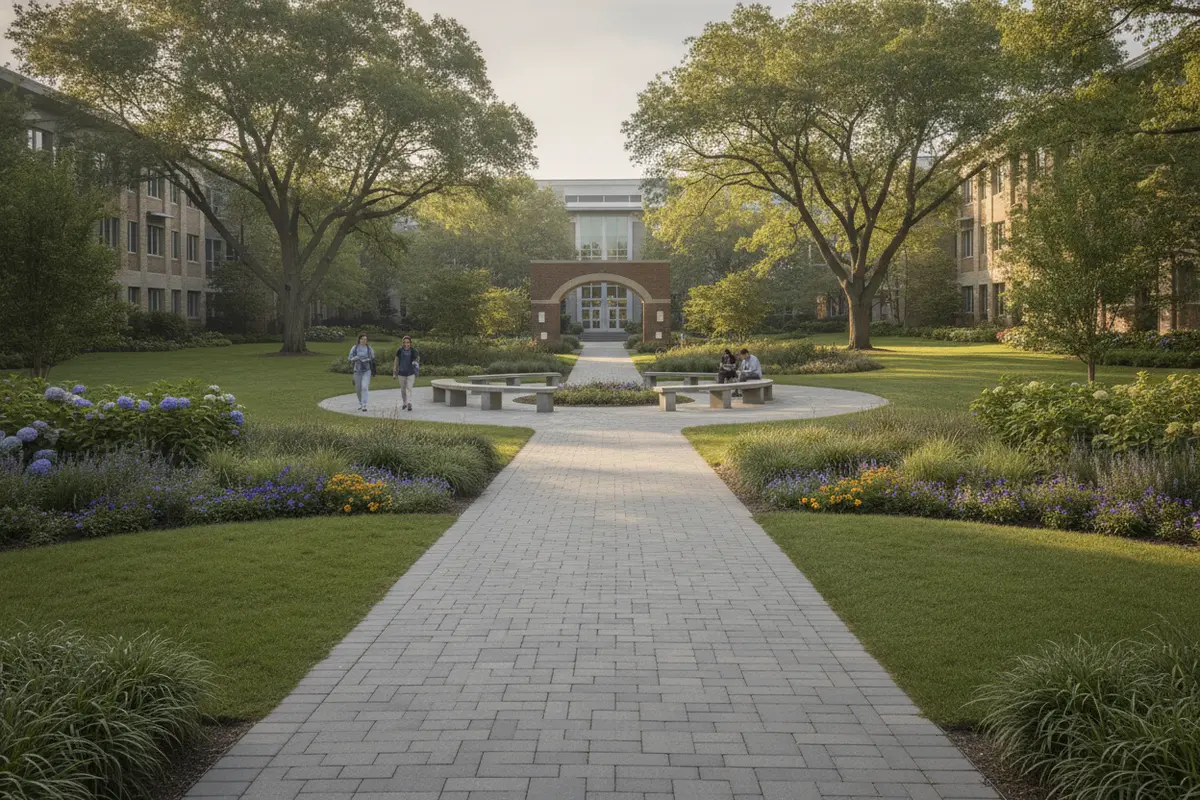
A school campus walkway connecting a building entrance with landscaped outdoor space

For broader site work and planting decisions, review the scope of Gappsi’s landscaping work as one relevant service route. Some school projects may also involve hardscape edges, retaining conditions, or outdoor connections; the masonry category offers context for those constructed elements. A campus-specific proposal should identify exactly which work is included rather than treating all landscape needs as interchangeable.

Which Areas Should a School Landscape Plan Address?

Divide the property into functional zones before discussing individual plants or finishes. A zone-based plan gives the school a way to prioritize work and phase it if the full project cannot happen at once.

Arrival, entrances, and circulation

Map the routes from public sidewalks, parking, drop-off points, and accessible spaces to the entrances people use. Check whether paths have adequate width for expected traffic and whether planting, signs, furnishings, or snow storage could reduce clear space. Identify crossing points and places where people tend to wait. The goal is a legible sequence, with landscape features reinforcing where to walk rather than competing with movement.

At an entrance, consider how planting height, trees, lighting locations, and outdoor furnishings affect visibility and access. Keep seasonal maintenance in mind. A layout that looks orderly in summer should still allow access for leaf cleanup, winter operations, and repairs.

Outdoor learning and gathering areas

An outdoor classroom or gathering space can be as simple as a clearly defined area with durable seating and shade, or it can require more extensive paving and site work. Decide who will use it, how many people it should accommodate, and whether the space needs to connect directly to a classroom or another supervised area. Check sun and shade at the hours when the school expects to use it.

Specify how the space will be cleaned and maintained. Loose materials may migrate, planting can encroach on a path, and furnishings need a storage or repair plan. If flexible use is important, leave enough open area to rearrange seating rather than filling every edge with fixed features.

Play, recreation, and open areas

Look at the relationship among open lawn, play areas, paved routes, and planting buffers. The design should account for the school’s actual activities and how students move between them. Where synthetic turf is being considered, compare its intended use, surface condition, drainage approach, edge details, and ongoing care with the school’s expectations. Gappsi’s synthetic turf category is a relevant place to review that type of work, but the material choice should follow the project requirements rather than assumption.

Do not use landscaping to conceal a problem that needs a separate assessment. Changes to grades, walls, fences, or paving may need coordination with other project disciplines. If the campus includes pool or water-related areas, keep those uses and their access requirements within the appropriate project scope; see the swimming pools category for context on that separate service area.

Edges, buffers, and service zones

Property edges can require screening, maintenance access, and clear separation from neighboring uses. Before adding trees or dense shrubs, confirm property boundaries, utility locations, visibility needs, and room for mature growth. A landscape buffer should not block a service route, create a concealed corner, or interfere with a fence or gate that the school relies on.

Plan for bins, deliveries, grounds equipment, and snow operations. These practical zones are easy to overlook in early renderings. Confirm where crews need to enter, turn, store materials, and reach irrigation or drainage components without disrupting normal campus use.

How Do You Compare Common School Landscape Choices?

The right choice depends on use, site conditions, installation requirements, and the resources available for upkeep. This comparison is a planning tool, not a substitute for site review or a project specification.

Landscape choice Useful when Planning checks Maintenance questions
Planted beds and trees Defining edges, adding shade, or softening campus spaces Sun, soil, mature size, visibility, utilities, and water movement Who will weed, prune, replace plants, and manage irrigation?
Concrete pavers or other hardscape Creating defined pedestrian or gathering areas Base preparation, drainage, accessible transitions, edges, and load How will joints, settlement, stains, and winter conditions be addressed?
Natural lawn Providing open green space for appropriate campus use Sun exposure, soil, drainage, traffic, and irrigation needs Can mowing, watering, and repair fit the maintenance plan?
Synthetic turf Considering a defined use where a consistent surface is desired Intended activity, drainage, base, seams, borders, and heat exposure What cleaning, brushing, inspection, or repair does the selected system require?
Outdoor seating area Supporting instruction, waiting, or small-group gathering Capacity, shade, supervision, route connections, and durable materials Who will clean, inspect, secure, and repair furnishings?

Ask each bidder to describe the same scope and assumptions. A comparison is difficult when one proposal includes grading and restoration while another prices only planting. Request clear notes on removals, surface preparation, drainage work, materials, access, protection of existing features, cleanup, and any exclusions. Ask how changes discovered during construction will be reviewed and approved.

What Should a School Ask Before Approving the Scope?

Before authorizing work, bring the appropriate school representatives together to confirm priorities and constraints. Depending on the property, that group may include facilities staff, administrators, grounds personnel, accessibility or safety reviewers, and the project decision maker. The school should identify who can approve design decisions and who will coordinate access during construction.

  • Which areas are included, and which are explicitly outside the project?
  • What routes and outdoor spaces must remain available during work?
  • How will site access, deliveries, noise, and temporary barriers be handled?
  • Are there known drainage issues, buried utilities, irrigation lines, or existing conditions to verify?
  • What materials, plant sizes, and finish details are specified?
  • Who is responsible for permits, reviews, utility marking, and other approvals?
  • What is the planned sequence, and what conditions could affect timing?
  • What maintenance instructions and closeout information will the school receive?

Construction planning is especially important on an active campus. The project team should establish work boundaries, delivery routes, site access procedures, and communication responsibilities before mobilization. The school’s own safety and operational requirements should guide those arrangements. Do not assume a landscape schedule automatically accounts for academic calendars, special events, or access restrictions; document the expectations and confirm them with the project team.

Contact Gappsi through our contact page to discuss scope and site conditions

How Can the Work Be Phased and Maintained?

If the school cannot address every area at once, phase the work according to safety, drainage, access, and operational priorities. Correcting a recurring drainage conflict or an unclear entrance route may be more urgent than adding a decorative bed. A phased plan should still show the intended overall layout so that an early improvement does not block a later connection or require avoidable rework.

  1. Document existing conditions. Gather available plans, note visible drainage and access concerns, photograph key locations, and identify areas that need further investigation.
  2. Set priorities and constraints. Agree on the primary users, required routes, operating hours, access limitations, and desired maintenance level.
  3. Develop a coordinated concept. Organize the site by use, then test circulation, grading, planting, hardscape, and service access together.
  4. Confirm the buildable scope. Review materials, details, responsibilities, exclusions, schedule assumptions, and any approvals before work starts.
  5. Plan the handoff. Identify who will inspect completed work, receive care guidance, and report issues during establishment or use.

School planting beds and a rain garden beside a pedestrian path

After installation, maintenance should follow the actual materials and plantings selected. Put recurring tasks on a calendar: inspect paths and edges, remove debris from drainage areas, monitor new planting, check irrigation when present, and keep routes clear. Assign responsibility rather than assuming that a task will be absorbed into an existing routine. Good documentation helps staff recognize an issue early and determine whether it is routine care or a construction concern that needs follow-up.

Frequently Asked Questions

When should a school begin planning a landscape project?

Begin when the school can define its priorities, access limits, and desired project scope. Early planning leaves time to document site conditions, coordinate reviews, compare complete proposals, and align work with campus operations. The appropriate schedule depends on the property and the approvals required.

Can a school landscape project be completed in phases?

Yes. A phased approach can focus first on essential circulation, drainage, or heavily used areas, while preserving a coordinated plan for later work. Each phase should have a defined boundary and should not create a new access or drainage problem for the next phase.

Should a school choose natural lawn or synthetic turf?

Neither option is right for every campus. Compare intended use, sun, drainage, site preparation, surface expectations, maintenance capacity, and how the area connects to surrounding paths. Ask for system-specific details and care requirements before choosing.

What should be included in a school landscaping proposal?

A useful proposal should make the work understandable: areas included, removals, preparation, materials, planting or paving details, drainage assumptions, access needs, exclusions, schedule assumptions, and closeout responsibilities. If more than one proposal is being compared, provide bidders with the same scope information.

How can a Long Island school account for coastal conditions?

First establish the site’s actual exposure, soil, wind, salt influence, drainage, and maintenance resources. Regional guidance can inform the discussion, but planting and construction choices should be checked against the specific campus conditions. The Long Island Sound guide cited above is a resource for coastal landscape context, not a substitute for project-level assessment.

Ready to Plan a School Landscape?

Bring a site map, photos, a list of campus priorities, and any known access or maintenance constraints to the first project conversation. This gives the team a practical starting point for discussing the right scope for the property.

Contact Gappsi through our contact page to start a project conversation

A clear plan connects the school’s daily needs with the site conditions and the work the team can maintain over time.

Share this page:
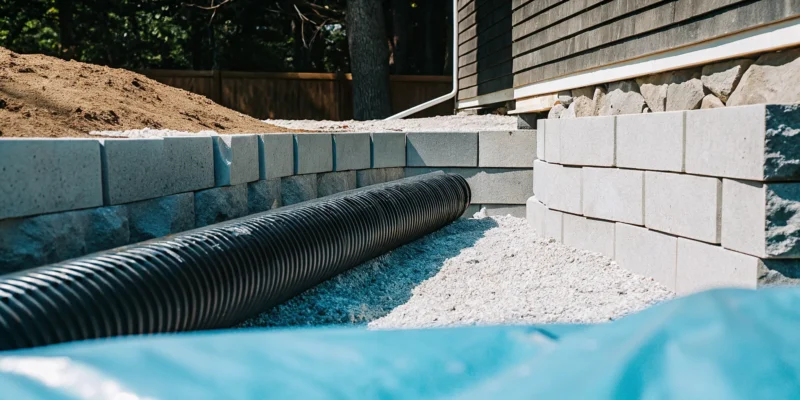
A Long Island contractor builds a concrete block retaining wall with proper drainage.

Who Builds Retaining Walls in Long Island? A Guide

That sloped yard you’ve been staring at doesn’t have to be a challenge. It’s an opportunity. A well-designed retaining wall can transform an unusable hill into a beautiful terraced garden, a level patio perfect for entertaining, or simply a secure, stable landscape free from erosion. But once you decide to move forward, the big question arises. Do you call a landscaper, a mason, or someone else entirely? Understanding who builds retaining walls in Long Island is the first critical step. This guide will walk you through the different types of professionals, what to look for in a contractor, and how to ensure your project is a success from the ground up.

Key Takeaways

  • Vet your contractor thoroughly: Your project’s success depends on finding the right partner, so confirm they have a valid license, proper insurance, and a portfolio of local Long Island projects before signing a contract.
  • Focus on the foundation and drainage: A retaining wall’s strength comes from its base and its ability to manage water. Ensure your contractor’s plan includes a deep, compacted foundation and a clear drainage strategy to prevent future bulging or collapse.
  • Know what influences the final cost: Your total investment is shaped by the materials you choose, the wall’s dimensions, and your property’s specific conditions. Understanding these factors helps you set a realistic budget and evaluate estimates fairly.

Who Builds Retaining Walls on Long Island?

When you decide to add a retaining wall to your property, one of the first questions you’ll have is, “Who do I even call?” It’s a great question, because the right professional can make all the difference. On Long Island, you generally have three types of experts to choose from: masonry contractors, landscaping companies, and general contractors. Each brings a unique set of skills to the table, and the best choice for you really depends on the scope and style of your project. Understanding what each one does will help you find the perfect partner to build a wall that’s not only strong and functional but also a beautiful addition to your home.

Masonry Contractors

If you’re dreaming of a classic stone or intricate brick retaining wall, a masonry contractor is your specialist. These artisans are experts in working with materials like stone, brick, and concrete blocks. Their focus is on structural integrity and craftsmanship, ensuring every piece is perfectly placed for a wall that stands the test of time. Choosing a quality masonry contractor is one of the most important decisions you’ll make, as their skill directly impacts the beauty and longevity of the final project. They have the deep knowledge needed to build a durable structure that can handle Long Island’s changing seasons while looking absolutely stunning.

Landscaping and Hardscaping Companies

For homeowners who see a retaining wall as part of a bigger outdoor vision, a landscaping or hardscaping company is an excellent choice. These professionals think about how the wall integrates with your entire yard. They don’t just build a wall; they design a cohesive outdoor space where the retaining wall prevents erosion while also complementing your garden beds, patio, and overall aesthetic. A professional landscaping company can help you create a design that feels intentional and harmonious, turning a purely functional element into a beautiful landscape feature that enhances your property’s curb appeal.

General Contractors

If your retaining wall is part of a larger home improvement project, like a pool installation or a major backyard overhaul, a general contractor might be the right person to lead the charge. General contractors oversee the entire scope of the work, coordinating different specialists and ensuring everything runs smoothly. A knowledgeable contractor will be well-versed in local building codes and can take on the responsibility of obtaining the necessary permits for you. This is especially helpful for complex jobs where the wall needs to integrate with other structures, making them a great choice for large-scale home remodeling projects.

What Services Do Retaining Wall Contractors Offer?

When you hire a retaining wall contractor, you’re getting more than just someone to stack stones. A true professional offers a complete range of services to ensure your wall is beautiful, functional, and built to last. From the initial concept to the final cleanup, they handle every aspect of the project. This comprehensive approach is what separates a quick fix from a long-term investment in your property. Whether you’re starting from scratch or fixing an existing structure, a qualified contractor provides the expertise needed for a successful outcome.

Design and Planning

The most important phase of any retaining wall project happens before a single stone is laid. During the design and planning stage, a contractor will work with you to create a blueprint for success. This involves a thorough site assessment to understand your property’s slope, soil type, and drainage needs. They’ll discuss the wall’s purpose, whether it’s to create a level yard for a patio or prevent erosion on a hillside. A skilled masonry designer helps you choose the right materials and style to complement your home’s aesthetic, ensuring the final design is both structurally sound and visually appealing.

New Wall Construction

Once the plan is finalized, the contractor moves on to building your new wall. This service covers everything from excavation and foundation preparation to the precise installation of each block or stone. Professionals build custom walls that are perfectly suited to your property’s unique topography and your design preferences. A well-built retaining wall can also be a key element in a larger landscape design, seamlessly integrating with new garden beds, walkways, or pool surrounds. Expert construction is critical for ensuring the wall can withstand pressure and the elements for years to come.

Repair and Restoration

Retaining walls can fail over time due to poor drainage, shifting soil, or improper installation. Experienced contractors offer repair and restoration services to address these issues. This can range from fixing minor cracks and replacing damaged stones to completely rebuilding leaning or collapsing sections. A key part of this service is identifying and correcting the root cause of the problem, which often involves improving the drainage system behind the wall. Professional restoration services can save a failing wall, preventing the need for a full replacement and protecting your property from further damage.

What Are Retaining Walls Made Of?

Choosing the right material for your retaining wall is one of the most important decisions you’ll make. The material determines not only the wall’s appearance but also its strength, lifespan, and overall cost. Your choice should complement your home’s style and the surrounding landscape, creating a cohesive and beautiful outdoor space. From the rugged charm of natural stone to the clean lines of modern concrete, each option has its own unique character and benefits. A well-built wall does more than just hold back soil; it defines garden beds, creates terraced patios, and adds visual interest to your entire property.

As you consider what’s best for your property, think about the look you want to achieve and the level of maintenance you’re comfortable with. Some materials offer timeless durability with little upkeep, while others might provide a specific aesthetic at a different price point. The right material can transform a simple, functional wall into a stunning landscape feature. At Gappsi, our masonry experts can walk you through the best options for Long Island’s climate, ensuring your retaining wall is both beautiful and built to last. Let’s look at some of the most common materials used for retaining walls.

Concrete and Concrete Blocks

Concrete is a true workhorse in the world of retaining walls, prized for its incredible strength and versatility. You can choose from poured concrete for a sleek, seamless look or interlocking concrete blocks for a more textured appearance. These blocks are engineered to fit together perfectly, creating a stable and durable structure. They also come in a huge variety of colors, shapes, and finishes, some of which are designed to mimic the look of natural stone at a more accessible price point. This makes concrete a fantastic choice for almost any design, from modern to traditional.

Natural Stone

If you’re looking for a retaining wall with timeless beauty and character, natural stone is an unbeatable choice. Each stone is unique, giving your wall an organic and high-end look that blends seamlessly into any landscape design. Materials like granite, fieldstone, and limestone are exceptionally durable and can withstand Long Island’s weather for generations. While it can be a bigger investment upfront, a wall built from natural stone adds significant value and a touch of rustic elegance to your property that manufactured materials simply can’t replicate.

Timber and Wood

Timber retaining walls can bring a warm, rustic feel to a garden and are often a more budget-friendly option. They work especially well for smaller, decorative garden beds or in landscapes with a natural, woodsy theme. However, it’s important to be realistic about their lifespan. Even when treated, wood is susceptible to rot, moisture, and insect damage over time, especially in our coastal climate. It will require more maintenance and will likely need to be replaced sooner than a wall made of stone or concrete.

Brick

For a classic and traditional look, brick is an excellent choice. It offers a clean, uniform appearance that can perfectly match a brick home or patio, creating a polished and cohesive design. Brick is very durable and holds up well against the elements, but it may require more maintenance than concrete over the long term. The mortar joints between the bricks can sometimes crack and need repointing to keep the wall structurally sound. Proper installation is key, so working with skilled masonry contractors is essential for a brick wall that lasts.

How Much Does a Retaining Wall Cost on Long Island?

Figuring out the cost of a retaining wall is a lot like pricing out any major home project, there isn’t a single, simple answer. The final price tag depends entirely on the specifics of your property and your vision. Every yard in Long Island is different, so every retaining wall project is, too. The total cost is a combination of a few key factors: the materials you choose, the size of the wall, the condition of your property, and the labor required to build it right.

Think of a retaining wall as a long-term investment in your home’s safety, function, and beauty. It can prevent soil erosion, create more usable flat space for a patio or garden, and add significant visual appeal. Understanding the variables that affect the price will help you set a realistic budget and ask the right questions when you get an estimate from a professional.

How Material Choice Affects the Price

The material you select is one of the biggest factors in your retaining wall’s final cost. Your choice will depend on the look you want, your budget, and how much structural support your yard needs. For example, interlocking concrete blocks are a popular and often cost-effective option that comes in many styles and colors. On the other hand, a wall built from natural stone offers a timeless, high-end look but typically comes with a higher price tag for both the materials and the skilled labor needed to install it. Timber or wood walls can also be an option, though they may require more maintenance over time.

The Impact of Wall Size and Site Conditions

It makes sense that a larger wall will cost more, but the unique conditions of your property also play a huge role. A homeowner on a mostly flat lot in Massapequa who needs a simple two-foot wall faces a very different project than someone in Cold Spring Harbor with a steep hillside requiring an eight-foot engineered wall. Taller walls need more reinforcement, proper drainage systems, and sometimes geogrid to hold back the soil safely. The accessibility of the site also matters. If your yard is difficult to access with machinery, the extra manual labor will add to the overall cost. A thorough site assessment is the first step to getting an accurate price.

Factoring in Labor, Permits, and Regulations

When you hire a professional, you’re paying for more than just the physical construction. The labor cost includes the team’s expertise in understanding Long Island’s soil conditions, designing effective drainage, and building a structure that will last for decades. This isn’t an area where you want to cut corners. Additionally, many towns have regulations for retaining walls. Walls over a certain height, often four feet, typically require building permits and plans from a licensed engineer to ensure they are structurally sound. A reputable masonry contractor will handle the entire permit process for you, making sure your project meets all local codes and is built safely and legally.

How to Choose a Long Island Retaining Wall Contractor

Finding the right contractor is the most important step in ensuring your retaining wall is beautiful, functional, and built to last. A great partner will guide you through material selection, design, and construction, making the entire process feel seamless. The wrong one can lead to costly repairs and headaches. When you start your search, you’re not just hiring someone to stack blocks; you’re entrusting them with the safety and integrity of your landscape.

Taking the time to properly vet your options will pay off for years to come. A professional masonry contractor will have a proven process for everything from the initial consultation to the final cleanup. By focusing on a few key qualifications, you can confidently choose a team that will deliver a high-quality retaining wall that enhances your property’s value and appeal. These steps will help you identify a skilled, reliable, and trustworthy contractor for your Long Island home.

Verify Their Licensing and Insurance

Before you even discuss design or materials, your first step should be to confirm the contractor is properly licensed and insured. This is non-negotiable. A valid license proves they meet New York’s standards for construction, while insurance protects you from any liability. If an accident happens on your property during the project, their general liability and worker’s compensation policies ensure you are not held financially responsible. Any reputable company will be upfront with this information and should provide documentation upon request. Think of it as your first and most important safety check.

Confirm Their Local Expertise

Long Island has its own unique environmental factors, from its sandy soil composition to its coastal weather patterns. A contractor with deep local experience will understand these nuances. They’ll know which materials perform best in our climate and how to engineer a wall that can withstand freeze-thaw cycles and manage water runoff effectively. A team that has spent years designing landscapes in Suffolk and Nassau counties will have the practical knowledge to build a structure that isn’t just attractive, but also structurally sound for the long haul. Their familiarity with local building codes and permit processes also helps your project run smoothly.

Review Their Portfolio of Past Projects

A picture is worth a thousand words, especially when it comes to construction. Ask every potential contractor to see a portfolio of their completed retaining wall projects. This is your chance to assess the quality of their craftsmanship and their stylistic range. Look for examples that are similar to what you have in mind for your own home. Do they have experience working with different materials, like natural stone pavers or modern concrete blocks? A robust portfolio, like the project galleries on the Gappsi YouTube channel, demonstrates experience and gives you a clear idea of the final product you can expect.

Read Reviews and Check Their Reputation

While a portfolio shows the finished work, reviews and testimonials tell you about the client’s experience during the project. Look for feedback on the contractor’s communication, professionalism, timeliness, and what it was like to work with their team. Online reviews on platforms like Google and Houzz are a great starting point. For a deeper insight, ask the contractor for a list of references you can speak with directly. Talking to a past client can give you an honest perspective on the entire process, from the initial bid to the final walkthrough.

Ask for a Transparent Estimate and Contract

Once you’ve narrowed down your choices, the final step is to get a detailed, written estimate and contract. A vague, “ballpark” figure is a red flag. A professional contractor will provide a clear proposal that breaks down all the costs, including materials, labor, permits, and any other potential expenses. The contract should explicitly outline the scope of work, the project timeline, the payment schedule, and the warranties provided. This document protects both you and the contractor by setting clear expectations from the start and preventing any surprises along the way.

Common Retaining Wall Mistakes to Avoid

A well-built retaining wall is a long-term investment in your property’s safety and beauty. But when key steps are missed, that investment can quickly turn into a liability. A failing wall isn’t just an eyesore; it can cause serious property damage and become a safety hazard. Understanding the most common pitfalls is the first step to ensuring your project is a success from day one.

Whether you’re building a new wall or repairing an old one, avoiding these mistakes will save you from costly headaches down the road. It all comes down to proper planning, using the right materials, and working with a contractor who knows the unique challenges of building on Long Island. Let’s walk through the major mistakes so you can feel confident about your project.

Skipping Proper Drainage

One of the biggest mistakes in retaining wall construction is overlooking drainage. Water is incredibly heavy, and when it gets trapped in the soil behind your wall, it creates immense hydrostatic pressure. This pressure is the number one cause of retaining wall failure, leading to bulging, cracking, and even total collapse. It’s a powerful force that can compromise even the strongest materials over time.

An experienced contractor will always incorporate a drainage system to relieve this pressure. This usually involves using gravel for backfill, installing a perforated pipe to channel water away, and adding weep holes to let moisture escape. A professional team will assess your property’s specific soil conditions and grading to design a drainage solution that keeps your wall stable for decades. Proper masonry design always accounts for water management.

Building on a Weak Foundation

A retaining wall is only as strong as the base it sits on. Without a solid, properly prepared foundation, the wall is destined to fail. A weak foundation will cause the wall to settle unevenly, lean, or shift over time, creating cracks and instability. This is especially true on Long Island, where the freeze-thaw cycles of winter can cause the ground to heave and move.

A proper foundation starts with excavating to the correct depth, which should be below the local frost line. The base must then be filled with compacted aggregate to create a dense, level pad for the first course of blocks or stones. Cutting corners on the foundation might save a little time or money upfront, but it will almost certainly lead to expensive restoration work in the future.

Ignoring Local Permits and Rules

Many homeowners are surprised to learn that retaining walls, especially those over a certain height (often three or four feet), require building permits. Each town and village across Nassau and Suffolk counties has its own set of codes and regulations. Ignoring these rules is a serious risk. If the town discovers an unpermitted wall, they can issue fines and may even require you to tear it down completely.

A reputable contractor will be an expert on local requirements and will handle the entire permitting process for you. If a potential contractor tells you a permit isn’t needed for a significant project, consider it a major red flag. Professionals who perform comprehensive home remodeling services understand that following local codes is a non-negotiable part of any quality construction project.

Choosing the Lowest Bid Without Vetting

It’s always tempting to go with the lowest price, but when it comes to construction, a bargain bid can be a warning sign. Contractors who offer suspiciously low prices are often cutting corners somewhere. This could mean they are using subpar materials, skipping crucial steps like drainage or foundation prep, or are not properly licensed and insured. You might save some money initially, but you’ll pay for it later when the wall fails.

Instead of focusing only on price, thoroughly vet every contractor. Ask for proof of licensing and insurance, look at their portfolio of past work, and read online reviews. You can often see the quality of a company’s work on their website or social media, like Gappsi’s YouTube channel. A transparent estimate from a reputable company might be higher, but it reflects the true cost of building a wall that lasts.

Waiting Too Long to Call a Professional

If you notice your existing retaining wall is leaning, cracking, or bulging, it’s easy to put off dealing with it. Many homeowners hope the problem isn’t serious or will somehow fix itself. Unfortunately, these issues only get worse with time. What might start as a minor issue can quickly escalate, turning a potential repair into a full-blown replacement project, which is much more expensive and disruptive.

Don’t wait for a small problem to become a big one. The moment you see signs of distress, call a professional for an assessment. An expert can diagnose the root cause of the failure and explain your options. Getting a professional opinion early on from a masonry construction company will give you the information you need to make a smart decision before the situation gets out of hand.

Related Articles

Frequently Asked Questions

My yard has a slope, but how do I know if I actually need a retaining wall? That’s a great question. While a gentle slope might not be a problem, you should consider a retaining wall if you see signs of soil erosion, like dirt washing away after it rains. A wall is also necessary if you want to create more usable, flat space for things like a patio, a garden, or a play area. A professional can assess your property to see if a wall is the right solution to manage your landscape and prevent future issues.

My existing retaining wall is leaning. Can it be repaired, or does it need to be completely replaced? It really depends on why the wall is failing. Sometimes, minor cosmetic issues or a few damaged blocks can be repaired. However, if the wall is leaning or bulging, it often points to a deeper problem, like a failed foundation or a lack of proper drainage. In those cases, a full replacement is usually the safest and most effective long-term solution to correct the root cause of the failure.

How long does a typical retaining wall project take from start to finish? The timeline for a retaining wall project can vary quite a bit. A simple, small garden wall might only take a few days to complete. A larger, more complex project that requires significant excavation, engineering, and permits could take several weeks. Factors like weather, site accessibility, and the permit approval process in your specific town all play a role in the final schedule.

Do I really need a permit for a small retaining wall? You might. Permit requirements are set by your local town or village, and they usually depend on the height of the wall. Many areas on Long Island require a permit for any wall over three or four feet tall. It’s a step you should never skip. A professional contractor will know the specific rules for your area and will handle the entire permitting process for you, ensuring your project is built safely and legally.

What’s the most important factor when choosing a material for my wall? The best material is one that successfully balances three things: your home’s aesthetic, your budget, and the structural demands of the wall. For example, natural stone offers a beautiful, high-end look but comes at a higher cost. Interlocking concrete blocks are very strong and versatile, offering many styles at a more accessible price point. Think about what’s most important to you, a specific look or a specific budget, and a good designer can help you find the perfect fit.

Share this page: